Aerospace fasteners are precision-engineered components designed to withstand extreme environmental conditions, including high vibration, rapid temperature fluctuations, and intense pressure. Unlike standard industrial hardware, these critical joining elements must meet rigorous certification standards such as AS9100, NADCAP, and specific military specifications (Mil-Spec). For aerospace manufacturers and MRO (Maintenance, Repair, and Operations) providers, selecting the right supplier is not merely a procurement decision but a safety imperative. This guide details the technical requirements, material science, and manufacturing protocols essential for sourcing high-performance aerospace fasteners, ensuring compliance with global aviation safety regulations.
What Defines High-Performance Aerospace Fasteners?
In the aviation and aerospace sectors, a fastener is never just a bolt or a screw. It is a critical structural element that ensures the integrity of airframes, engines, and interior systems. The primary distinction between commercial-grade and aerospace-grade hardware lies in traceability, material purity, and testing rigor.
Aerospace fasteners are engineered to maintain clamping force under dynamic loads. A failure in this context can lead to catastrophic consequences. Therefore, every component must undergo stringent quality control processes. These include spectral analysis to verify alloy composition, tensile strength testing, and fatigue resistance evaluation. The manufacturing process itself is tightly controlled to eliminate microscopic defects that could initiate crack propagation under stress.
Key Characteristics of Aviation-Grade Hardware
- Traceability: Every batch must have full material certification, tracking the raw material from the mill to the finished product.
- Weight Optimization: Materials like titanium and aluminum alloys are preferred to reduce overall aircraft weight, directly impacting fuel efficiency.
- Corrosion Resistance: Components often feature specialized coatings such as cadmium plating, passivation, or anodizing to withstand harsh atmospheric conditions.
- Vibration Resistance: Designs often incorporate self-locking features or require specific torque procedures to prevent loosening during flight.
Common Materials and Alloys in Aerospace Applications
The choice of material for aerospace fasteners is dictated by the specific application environment, including temperature ranges, stress loads, and exposure to corrosive agents. Understanding these materials is crucial for engineers and procurement specialists when specifying parts for new designs or replacements.
Titanium Alloys
Titanium, particularly Ti-6Al-4V, is the gold standard for high-strength, low-weight applications. It offers an exceptional strength-to-weight ratio and excellent corrosion resistance. Titanium fasteners are commonly used in engine mounts, landing gear, and structural airframe connections where steel would be too heavy and aluminum too weak.
Super Alloy Steels
Alloy steels, such as 4340 and 8740, are heat-treated to achieve high tensile strengths. These are often used in high-stress areas where cost is a secondary concern to performance. However, they require protective coatings to prevent rust and hydrogen embrittlement.
Aluminum Alloys
Series 2000 and 7000 aluminum alloys are widely used for non-critical structural applications and interior fittings. They are lightweight and easy to machine but offer lower shear strength compared to titanium or steel. Anodizing is typically applied to enhance surface hardness and corrosion resistance.
Nickel-Based Superalloys
For extreme temperature environments, such as within jet engines, nickel-based superalloys like Inconel are utilized. These materials retain their mechanical properties at temperatures exceeding 1000°C, making them indispensable for turbine assemblies.
| Material | Key Advantage | Typical Application | Temperature Limit |
| Titanium (Ti-6Al-4V) | High strength-to-weight ratio | Structural frames, Engine mounts | ~400°C |
| Alloy Steel (4340) | High tensile strength | Landing gear, High-load joints | ~200°C |
| Aluminum (7075) | Lightweight, Cost-effective | Interior panels, Non-structural | ~120°C |
| Inconel | Extreme heat resistance | Turbine blades, Exhaust systems | >1000°C |
Critical Standards and Certifications: AS9100 and Beyond
Compliance with international standards is non-negotiable in the aerospace supply chain. The AS9100 standard, developed by the International Aerospace Quality Group (IAQG), is the baseline requirement for any organization involved in the design, development, production, installation, or servicing of aerospace products.
AS9100 incorporates ISO 9001 but adds specific requirements for risk management, counterfeit part prevention, and configuration management. When sourcing aerospace fasteners, verifying that the manufacturer holds a valid AS9100 certification is the first step in ensuring product reliability.
Other Essential Specifications
- NADCAP AC7102: The National Aerospace and Defense Contractors Accreditation Program provides specialized accreditation for fastener manufacturers. It focuses on chemical processing, heat treating, and testing laboratories.
- Mil-Spec (Military Specifications): Many aerospace fasteners adhere to US Military standards (e.g., MS, NAS, AN standards), which define precise dimensions, materials, and performance criteria.
- AMS (Aerospace Material Specifications): Published by SAE International, AMS standards define the chemical and physical properties of materials used in aerospace applications.
Our company, located in Handan, Hebei—a hub for fastener manufacturing—operates with a deep understanding of these global standards. With over ten years of industry experience, we have aligned our production processes to meet GB, DIN, JIS, ANSI, and aerospace-specific requirements. Our commitment to integrity-based business practices ensures that every product shipped meets the documented specifications required by international clients across more than 26 countries.
Manufacturing Precision: From Raw Material to Finished Product
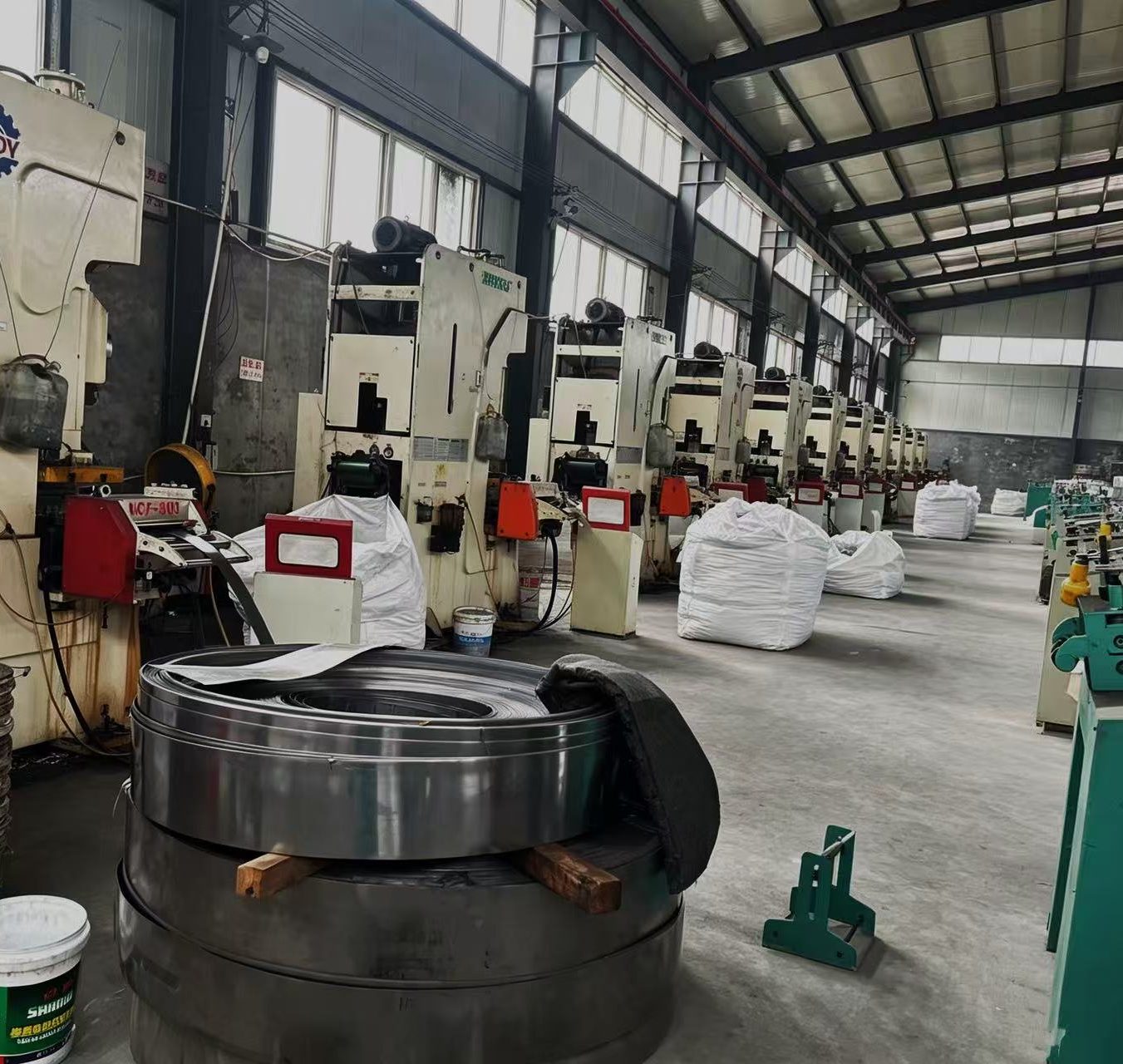
The manufacturing of aerospace fasteners involves a series of highly controlled steps. Deviations at any stage can compromise the final product’s integrity. As a global industry and trade combination company, we specialize in the development and manufacturing of complex fastener solutions, including custom specifications that demand high-precision engineering.
1. Cold Heading and Hot Forging
The initial shaping of the fastener is achieved through cold heading or hot forging. Cold heading is preferred for high-volume production of smaller diameters, as it work-hardens the material, increasing its strength. Hot forging is used for larger, more complex shapes where material flow is critical.
2. Thread Rolling and Cutting
Threads are either rolled or cut. Thread rolling is superior for aerospace applications because it creates a smoother surface finish and induces compressive residual stresses, which improve fatigue life. Cut threads, while cheaper, create stress concentrators that can lead to premature failure under cyclic loading.
3. Heat Treatment
Heat treatment alters the microstructure of the metal to achieve desired hardness and tensile strength. This process must be carefully monitored to avoid issues like decarburization or excessive grain growth. Our facility employs advanced testing methods to verify heat treatment consistency, ensuring that each batch meets the required mechanical properties.
4. Surface Treatment and Coating
Surface treatments protect against corrosion and reduce friction during installation. Common processes include:
- Anodizing: Creates a durable oxide layer on aluminum parts.
- Passivation: Removes free iron from stainless steel surfaces to enhance corrosion resistance.
- Cadmium Plating: Provides excellent lubricity and corrosion protection, though environmental regulations are driving a shift toward alternative coatings.
- Zinc-Nickel Plating: A popular eco-friendly alternative offering high corrosion resistance.
Custom Solutions and Specialized Fastener Types
While standard off-the-shelf fasteners serve many purposes, aerospace engineering often requires bespoke solutions. Our professional technical team specializes in developing custom fasteners tailored to unique design constraints. Whether it is a specific head shape, unusual thread pitch, or specialized material alloy, we leverage our advanced machinery to deliver precise results.
Specialty Fasteners We Manufacture
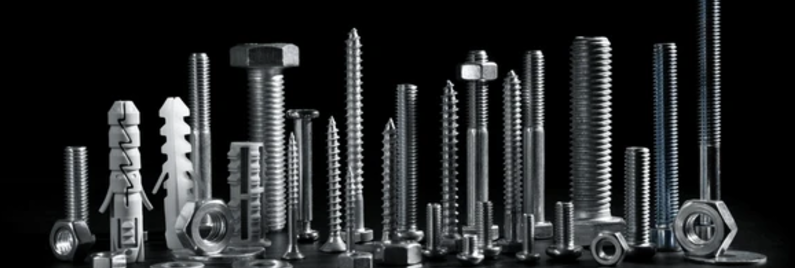
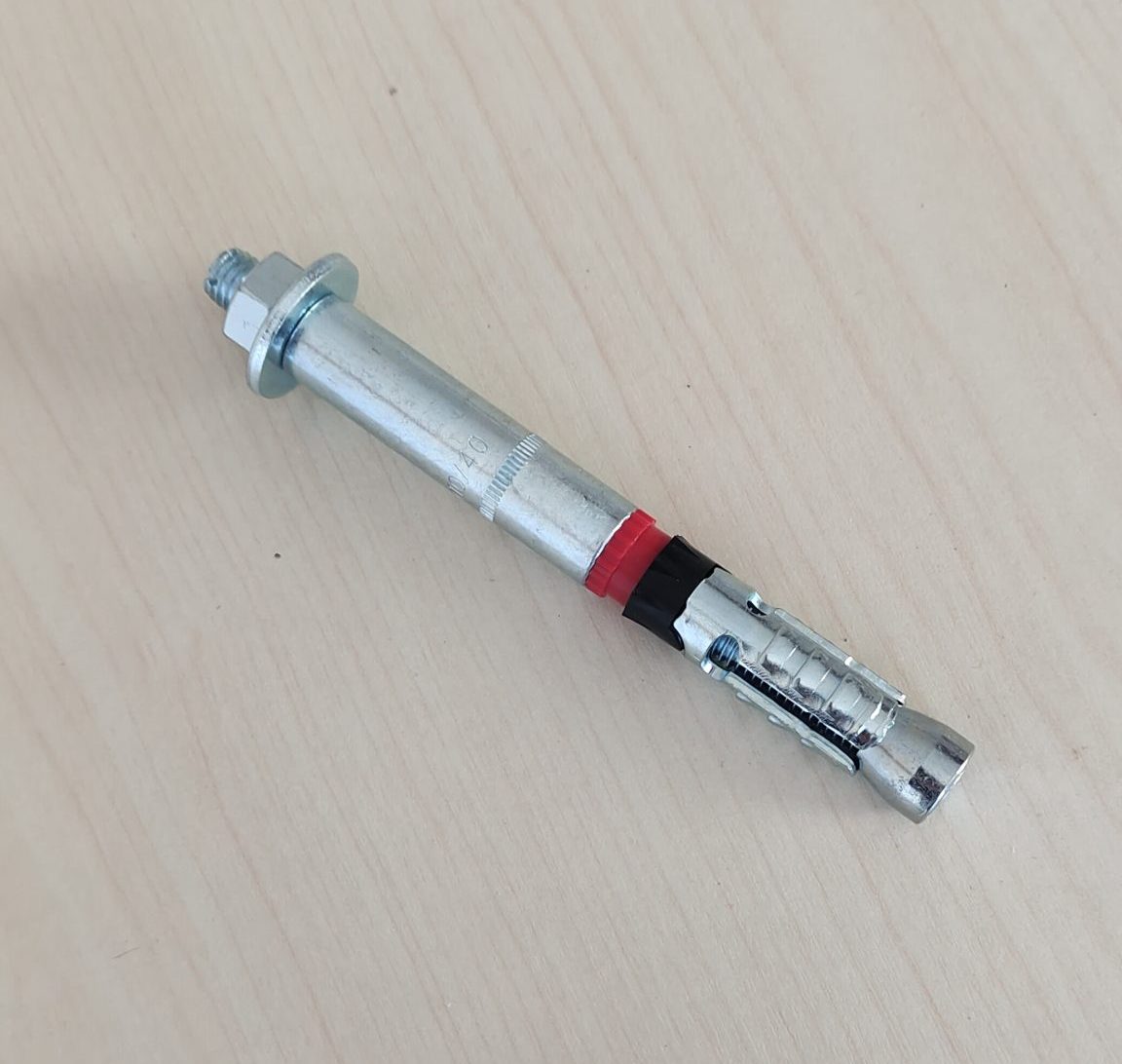
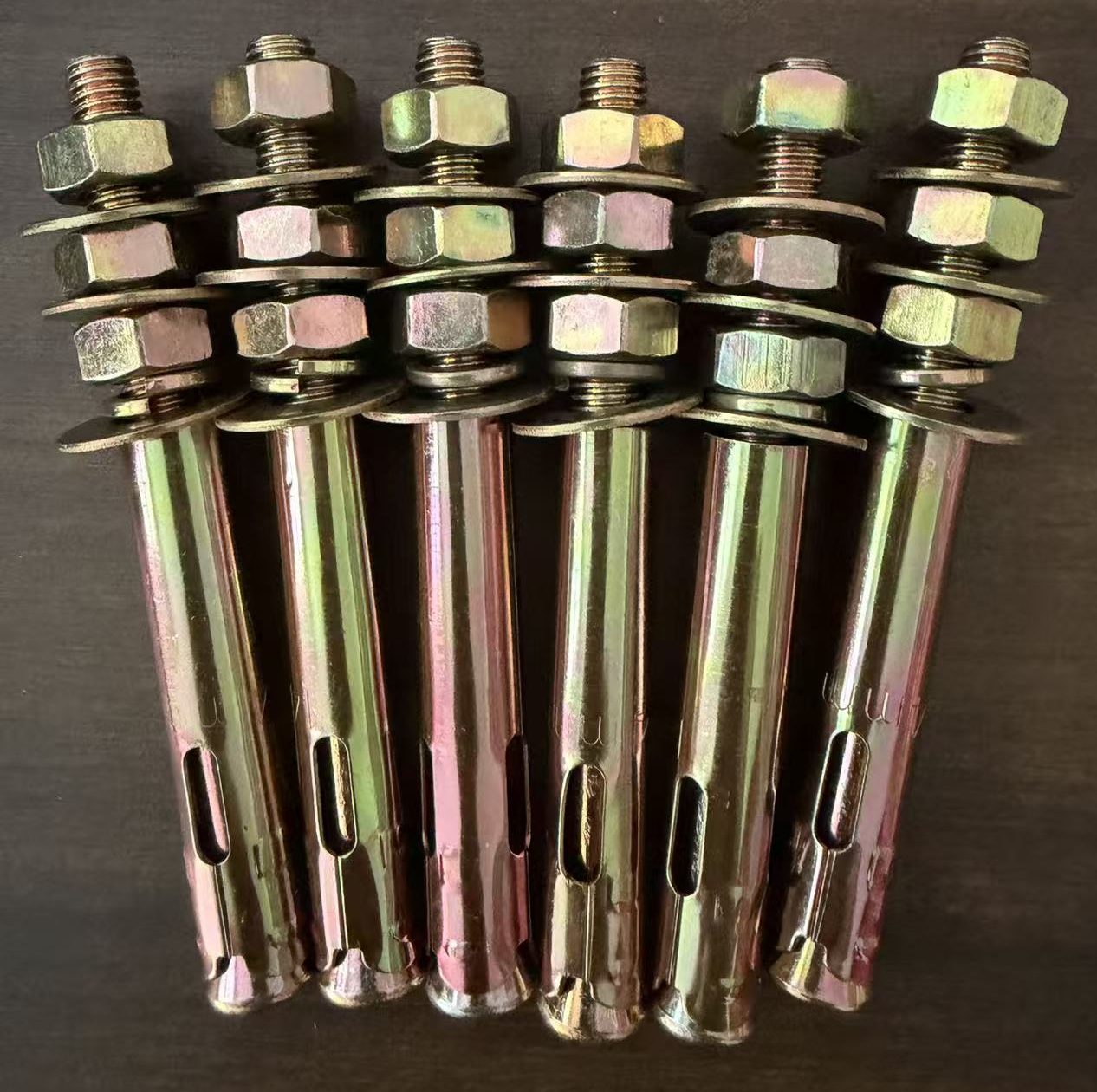
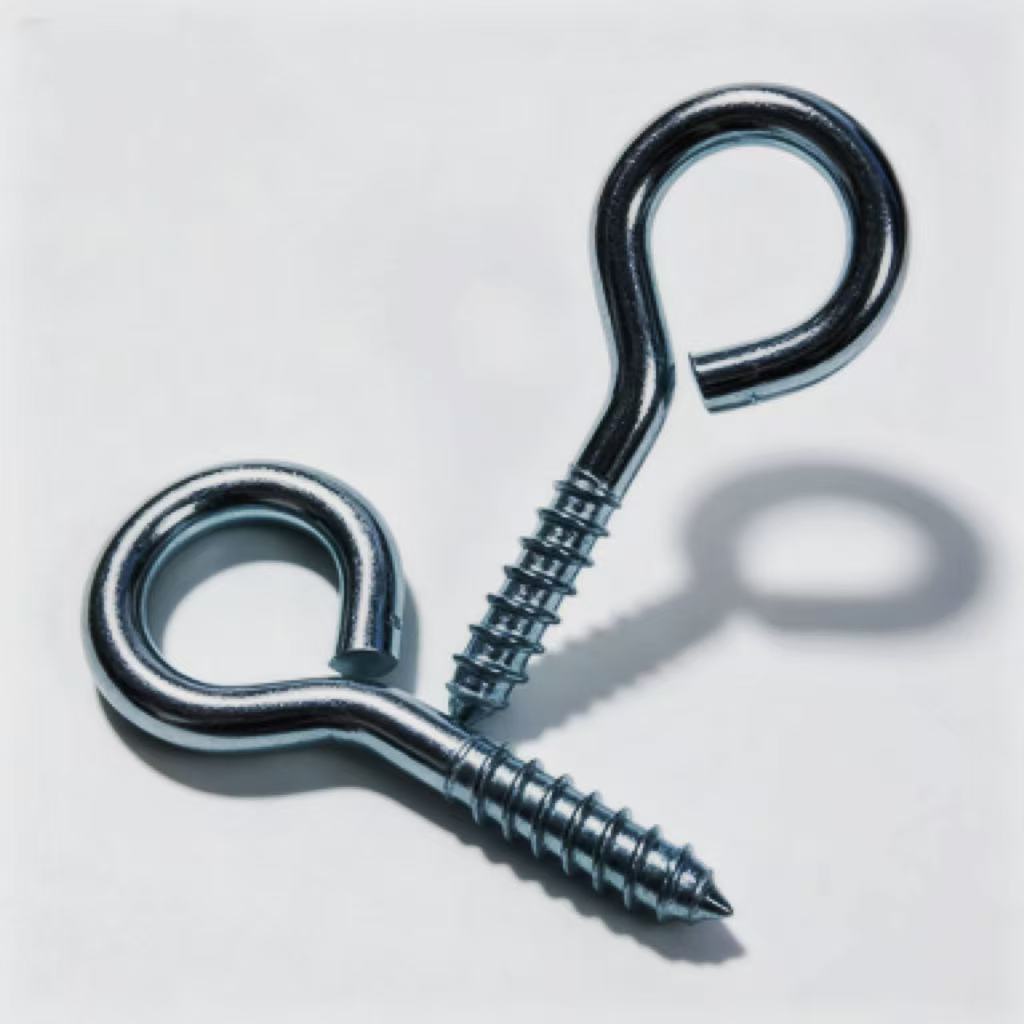
Beyond standard bolts and screws, our production capabilities extend to specialized hardware such as casing geckos, wooden teeth welded sheep’s eye screws, and other unique structural connectors. These niche products often require intricate welding and forming techniques that generalist manufacturers cannot accommodate. By investing in scientific research and introducing high-tech talents, we continuously expand our product portfolio to meet evolving industry demands.
Blind Bolts and Lockbolts
Blind bolts are essential for assembling structures where access is limited to one side. They provide high shear and tensile strength, making them ideal for wing skins and fuselage panels. Lockbolts, such as Huck bolts, offer a permanent, vibration-resistant joint that is easier to install than traditional rivets.
Hi-Lok Pins and Collars
Hi-Lok pins are precision-interference fit fasteners used in primary structural applications. They require precise hole preparation and installation tools to ensure the correct fit, providing superior load transfer capabilities compared to standard bolts.
Quality Control and Testing Protocols
Trustworthiness in the aerospace sector is built on verifiable data. Our “quality first, customer first” principle is enforced through rigorous testing protocols. We do not rely solely on end-of-line inspection; instead, we integrate quality checks at every stage of production.
Non-Destructive Testing (NDT)
NDT methods allow us to inspect fasteners for internal and surface defects without damaging them. Common techniques include:
- Magnetic Particle Inspection (MPI): Detects surface and near-surface discontinuities in ferromagnetic materials.
- Eddy Current Testing: Identifies surface cracks and variations in material conductivity.
- Dye Penetrant Inspection: Reveals surface-breaking defects in non-porous materials.
Mechanical Testing
Sample batches undergo destructive testing to validate mechanical properties. This includes tensile testing, shear testing, and hardness verification. These tests ensure that the fasteners perform within the specified limits under load. Our perfect testing methods guarantee that products sold to our international clients meet the highest safety standards.
How to Select the Right Aerospace Fastener Supplier
Choosing a supplier for aerospace fasteners is a strategic decision. The right partner should offer more than just competitive prices; they must provide technical expertise, reliability, and compliance assurance.
Evaluation Criteria
- Certification Status: Verify AS9100 and NADCAP accreditations. Ask for recent audit reports if necessary.
- Technical Capability: Assess the supplier’s ability to handle custom designs and complex materials. Do they have in-house engineering support?
- Supply Chain Transparency: Ensure the supplier has robust controls against counterfeit parts. Full traceability from raw material to finished goods is mandatory.
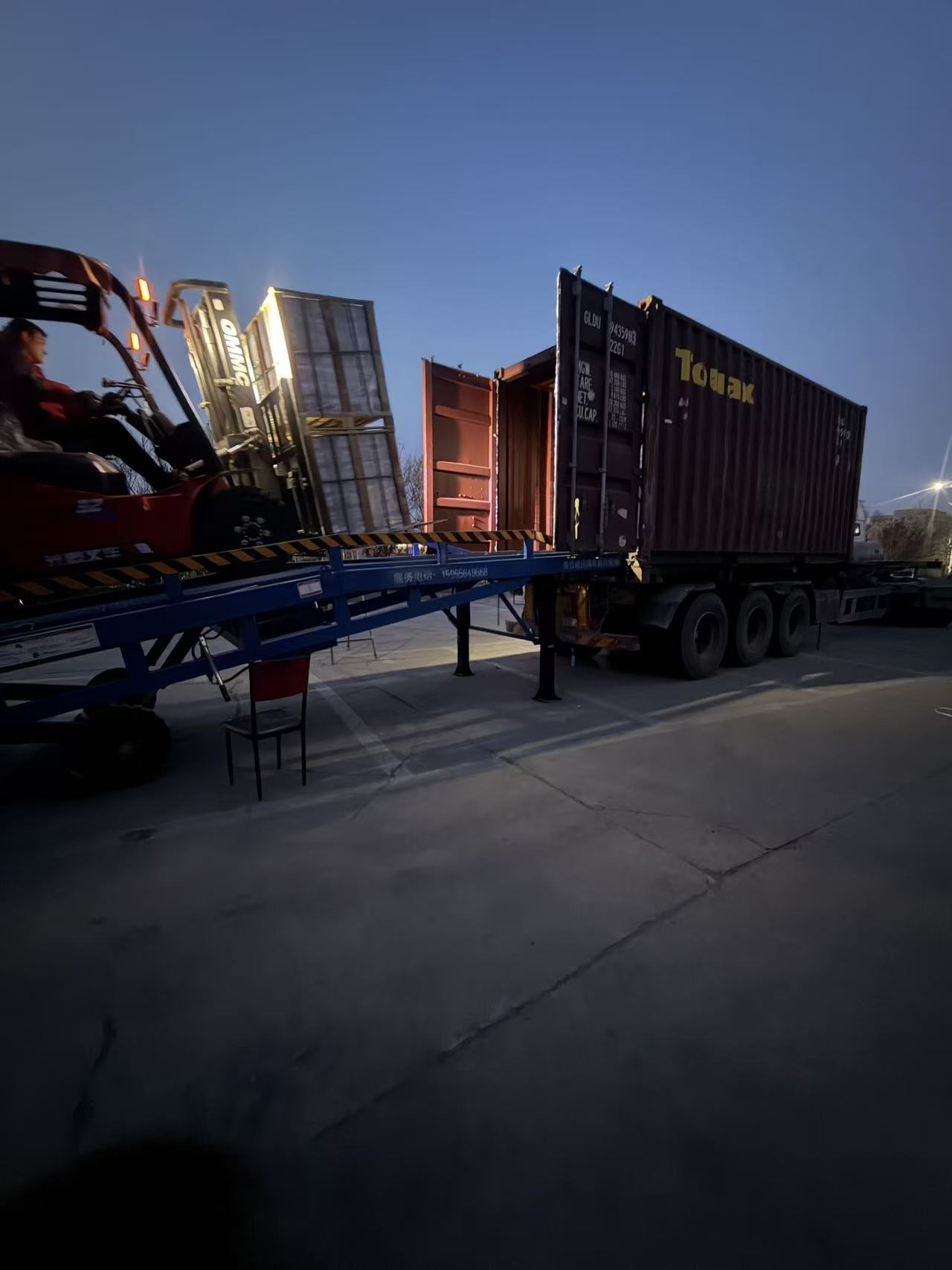
- Lead Times and Logistics: Aerospace projects often operate on tight schedules. Evaluate the supplier’s production capacity and logistical expertise in handling international shipments.
- Reputation and Experience: Look for suppliers with a proven track record. Our company’s decade-long experience and presence in over 26 countries reflect our stability and commitment to long-term partnerships.
Common Challenges in Aerospace Fastener Procurement
Procurement professionals often face several challenges when sourcing aerospace hardware. Understanding these pitfalls can help mitigate risks and ensure project continuity.
Counterfeit Parts
The aerospace industry is a target for counterfeiters due to the high value of components. Counterfeit fasteners may look identical to genuine parts but lack the necessary material properties. To combat this, always source from authorized distributors or certified manufacturers who provide full documentation.
Long Lead Times
Specialized alloys and complex manufacturing processes can result in long lead times. Early engagement with suppliers during the design phase can help identify potential bottlenecks. Maintaining safety stock for critical items is also a recommended strategy.
Cost vs. Quality Trade-offs
While cost reduction is important, it should never compromise quality. Cheaper alternatives may lack proper certification or use inferior materials, leading to higher lifecycle costs due to maintenance or failure. Our approach balances competitive pricing with uncompromising quality, leveraging our advanced production technology to optimize efficiency without cutting corners.
Frequently Asked Questions (FAQ)
What is the difference between aerospace fasteners and standard industrial fasteners?
Aerospace fasteners are manufactured to stricter tolerances, use higher-grade materials, and require full traceability and certification (such as AS9100). They are tested for extreme conditions like high vibration and temperature, whereas standard fasteners are designed for general construction or machinery use.
Why is traceability important in aerospace fasteners?
Traceability ensures that every fastener can be linked back to its raw material source and production batch. This is critical for safety audits, recall management, and accident investigations. It guarantees that the material meets the specified chemical and physical properties.
Can you customize fasteners for specific aerospace applications?
Yes. Our professional technical team specializes in customizing special specifications according to customer needs. We can adjust dimensions, materials, and coatings to meet unique design requirements, ensuring both quality and quantity are maintained.
What certifications does your manufacturing facility hold?
We adhere to international standards including GB, DIN, JIS, and ANSI. Our operations are guided by an integrity-based business philosophy, and we are committed to meeting the rigorous demands of the aerospace industry, including AS9100-aligned quality control processes.
How do you prevent corrosion in aerospace fasteners?
We utilize various surface treatments such as anodizing, passivation, and specialized platings (like zinc-nickel or cadmium alternatives) to enhance corrosion resistance. The choice of coating depends on the operating environment and material compatibility.
Conclusion: Partnering for Precision and Safety
In the high-stakes world of aerospace manufacturing, the reliability of every component matters. Aerospace fasteners are the unseen heroes that hold aircraft together, ensuring safety and performance under the most demanding conditions. Selecting the right manufacturer involves evaluating technical expertise, certification compliance, and a commitment to quality.
With over ten years of experience, a dedicated technical team, and a global footprint spanning more than 26 countries, we are positioned to be your trusted partner in fastener solutions. From standard aerospace bolts to specialized custom components like casing geckos and welded sheep’s eye screws, we deliver products that meet the highest international standards. Our investment in advanced production technology and scientific research ensures that we remain at the forefront of innovation, providing you with high-quality, competitive, and reliable hardware.
Whether you are developing new aircraft systems or maintaining existing fleets, our goal is to maintain our reputation by meeting your needs with excellence and thoughtful service. We invite you to connect with our team to discuss your specific requirements and discover how our customized solutions can enhance your operational efficiency.
→ Contact us today for a quote or to request technical specifications for our aerospace fastener range.