Anchor bolts for concrete are specialized fasteners engineered to secure structural and non-structural elements to concrete foundations. As we move into 2026, selecting the right anchor involves understanding load capacities, installation methods, and compliance with international standards like ASTM, DIN, and ANSI. This guide details the technical specifications, material grades, and procurement strategies necessary for ensuring structural integrity in industrial, commercial, and residential construction projects.
What Are Anchor Bolts for Concrete?
Anchor bolts serve as the critical link between steel structures and concrete substrates. Unlike standard screws or nails, these fasteners are designed to withstand significant tensile (pull-out) and shear (sideways) forces. In modern construction, particularly in seismic zones or high-wind areas, the reliability of anchor bolts for concrete is paramount for safety.
These components are embedded into wet concrete during pouring or installed into cured concrete using drilling and adhesive methods. The choice between cast-in-place and post-installed anchors depends largely on the project timeline, load requirements, and accessibility.
Key Functions in Structural Engineering
- Load Transfer: Efficiently transferring loads from the superstructure (steel columns, machinery) to the foundation.
- Vibration Damping: Securing heavy industrial equipment to prevent movement caused by operational vibrations.
- Seismic Resistance: Providing ductility and strength to withstand earthquake-induced forces.
Types of Anchor Bolts: Cast-in-Place vs. Post-Installed
Understanding the distinction between cast-in-place and post-installed anchors is the first step in proper selection. Each type offers distinct advantages depending on the construction phase and engineering requirements.
1. Cast-in-Place Anchors
Cast-in-place anchors are positioned before the concrete is poured. They become an integral part of the foundation once the concrete cures. This method generally offers the highest load-bearing capacity because the anchor is surrounded by concrete on all sides, allowing for optimal stress distribution.
- L-Type Anchors: Feature a bent end that hooks into the concrete, providing strong resistance against pull-out forces.
- J-Type Anchors: Similar to L-types but with a curved hook, often used for lighter loads or specific column base plates.
- Headed Studs: Straight rods with a forged head at one end, ideal for heavy structural steel connections.
2. Post-Installed Anchors
Post-installed anchors are drilled into hardened concrete. These are essential for retrofitting, renovations, or when precise positioning was not achieved during the initial pour. In 2026, advancements in adhesive technology have significantly improved the reliability of these systems.
- Wedge Anchors: Mechanical expansion anchors that wedge against the concrete hole walls. Ideal for static loads.
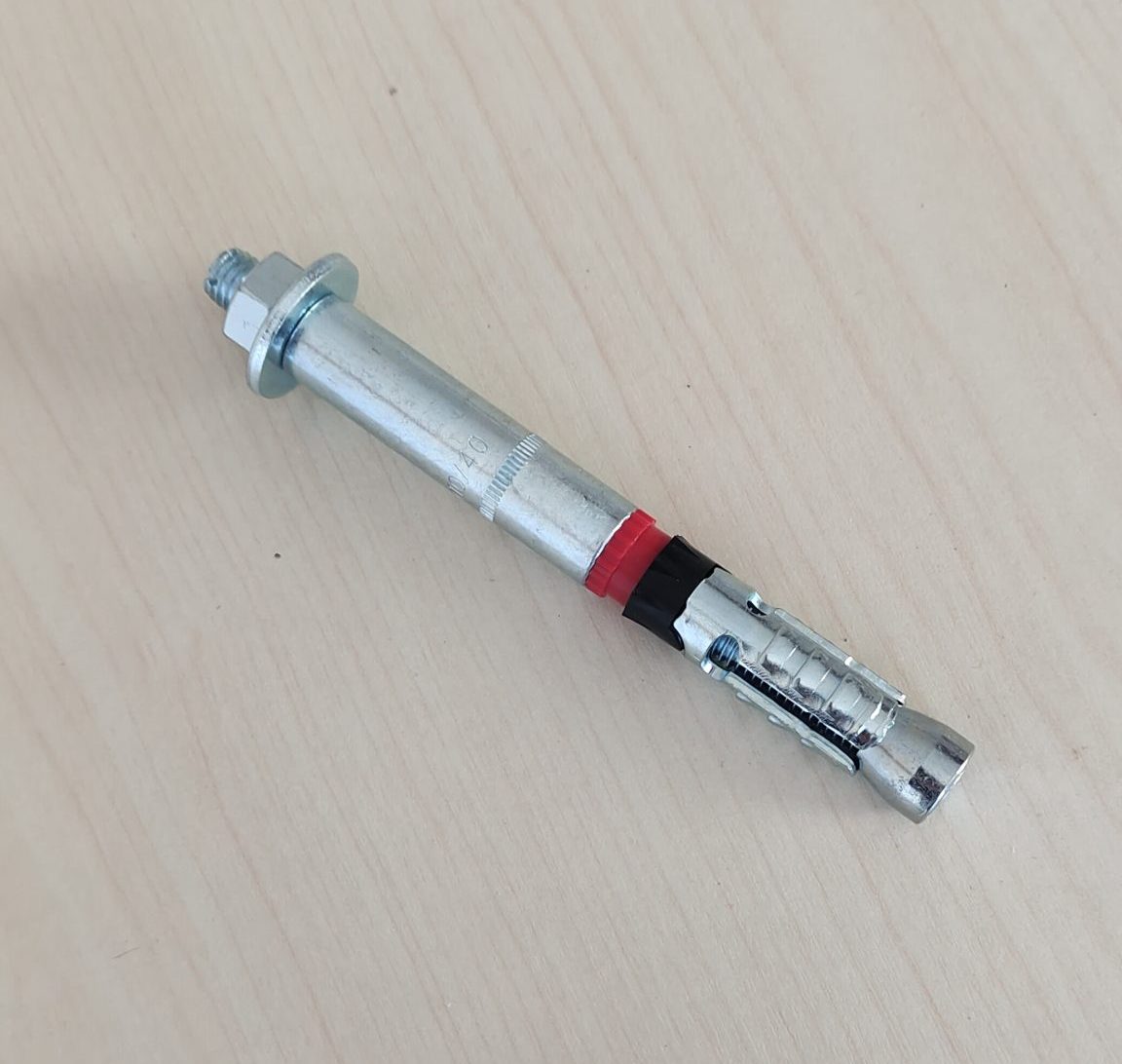
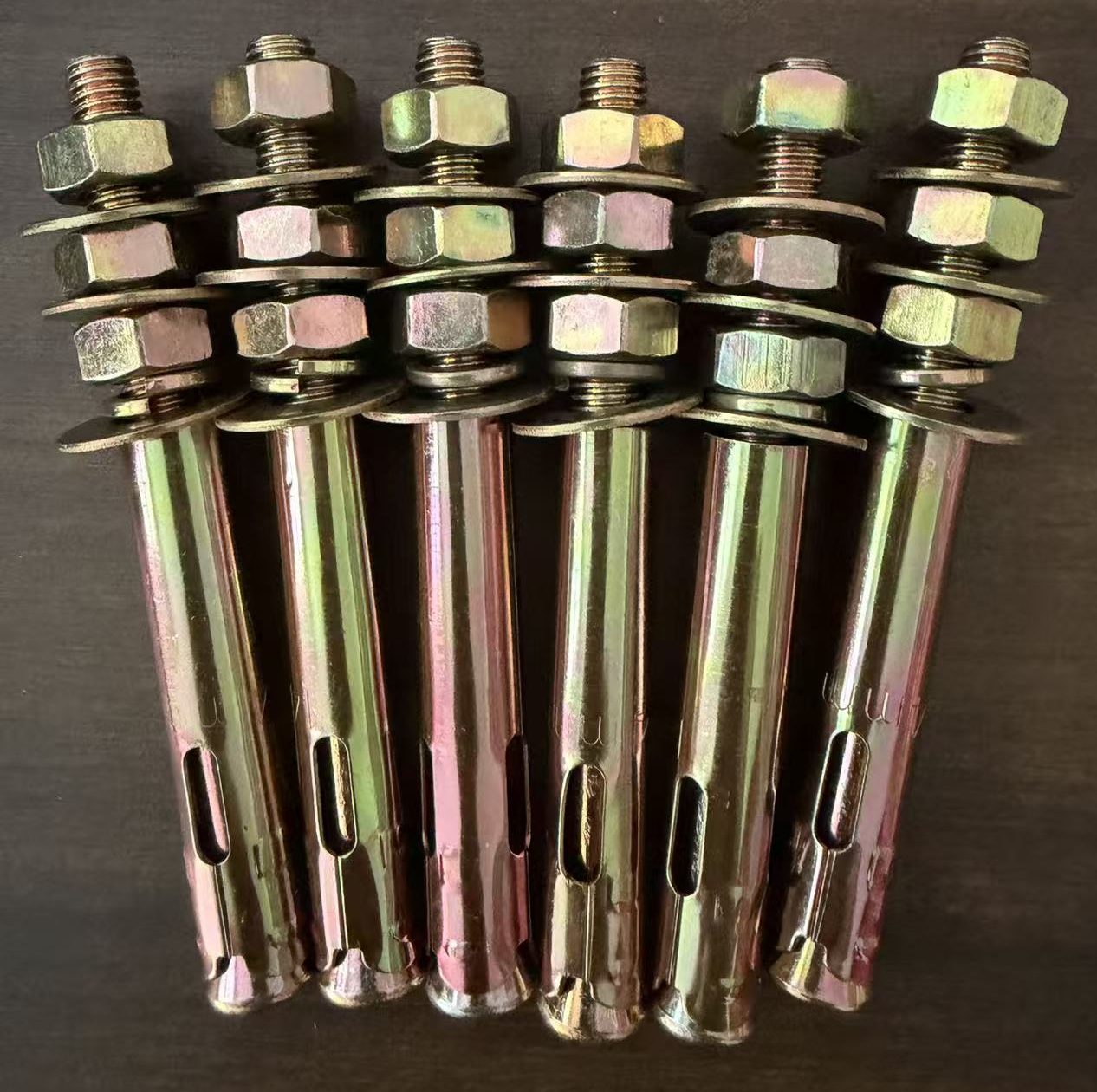
- Sleeve Anchors: Similar to wedge anchors but with a sleeve that expands. Suitable for medium-duty applications.
- Epoxy/Chemical Anchors: Use high-strength adhesives to bond the bolt to the concrete. Excellent for seismic applications and cracked concrete scenarios.
- Undercut Anchors: Create a mechanical interlock at the bottom of the hole, offering superior performance in tension and seismic zones.
Material Specifications and Standards for 2026
Selecting the correct material grade is crucial for preventing failure due to corrosion or brittle fracture. Global manufacturing hubs, such as Handan in Hebei, China, produce anchors adhering to diverse international standards. Buyers must specify the standard that aligns with their local building codes.
| Standard | Region/Application | Key Characteristics |
| ASTM F1554 | USA / North America | Specifically for anchoring structural supports to concrete. Grades 36, 55, and 105 indicate yield strength in ksi. |
| DIN 933 / ISO 4017 | Europe / Global | Standard hexagon head bolts. Often used with chemical anchors. Material classes 4.8, 8.8, 10.9 denote tensile strength. |
| GB/T 799 | China / Asia | Standard for embedded bolts. Commonly used in domestic infrastructure and export projects adhering to Chinese specs. |
| JIS B 1186 | Japan / Asia | High-tensile strength bolts for structural purposes. Known for strict quality control and consistency. |
Corrosion Resistance Considerations
For outdoor applications, marine environments, or chemical plants, standard carbon steel is insufficient. Specifying the right coating is vital for longevity:
- Hot-Dip Galvanizing (HDG): Provides a thick zinc layer, suitable for harsh outdoor environments.
- Stainless Steel (304/316): Grade 316 is recommended for coastal or highly corrosive chemical environments.
- Zinc Plating: A thinner coating suitable for indoor, dry environments where aesthetics matter.
How to Choose the Right Anchor Bolt: A Buyer’s Checklist
Choosing the wrong anchor can lead to catastrophic structural failures. Engineers and procurement managers should evaluate the following parameters before placing an order.
1. Load Requirements
Determine the maximum tensile (pull-out) and shear (lateral) loads the anchor must support. Always apply a safety factor, typically between 2:1 and 4:1, depending on the criticality of the application.
2. Concrete Condition
Is the concrete cracked or uncracked? Seismic zones often require anchors tested and approved for use in cracked concrete. Epoxy and undercut anchors generally perform better in these conditions than mechanical expansion anchors.
3. Embedment Depth and Edge Distance
The depth at which the anchor is embedded directly correlates to its holding power. Additionally, maintaining sufficient distance from the edge of the concrete slab prevents spalling (breaking off) of the concrete under load.
4. Environmental Factors
Consider temperature fluctuations, moisture levels, and exposure to chemicals. In 2026, sustainability trends also drive demand for coatings that are environmentally compliant and durable.
Installation Best Practices and Common Errors
Even the highest quality anchor bolts for concrete will fail if installed incorrectly. Proper installation is as critical as the product quality itself.
Step-by-Step Installation for Post-Installed Anchors
- Drilling: Use a hammer drill with a carbide-tipped bit matching the anchor diameter. Ensure the hole depth exceeds the embedment depth to allow for dust accumulation.
- Cleaning: This is the most overlooked step. Use compressed air and a wire brush to remove all concrete dust. For chemical anchors, cleaning is critical for bond strength.
- Insertion: Insert the anchor into the hole. For wedge anchors, tighten the nut to expand the wedge. For epoxy anchors, inject the resin first or use a capsule system.
- Curing/Tightening: Allow chemical anchors to cure fully before applying load. Torque mechanical anchors to the manufacturer’s specified value using a calibrated torque wrench.
Common Installation Mistakes to Avoid
- Oversized Holes: Drilling a hole larger than specified reduces holding power significantly.
- Inadequate Cleaning: Dust acts as a lubricant, preventing mechanical expansion or chemical bonding.
- Over-Torquing: Can strip threads or cause premature failure of the concrete around the anchor.
- Ignoring Cure Times: Applying loads to chemical anchors before they have fully cured leads to immediate failure.
Why Source from Handan, China? Manufacturing Expertise
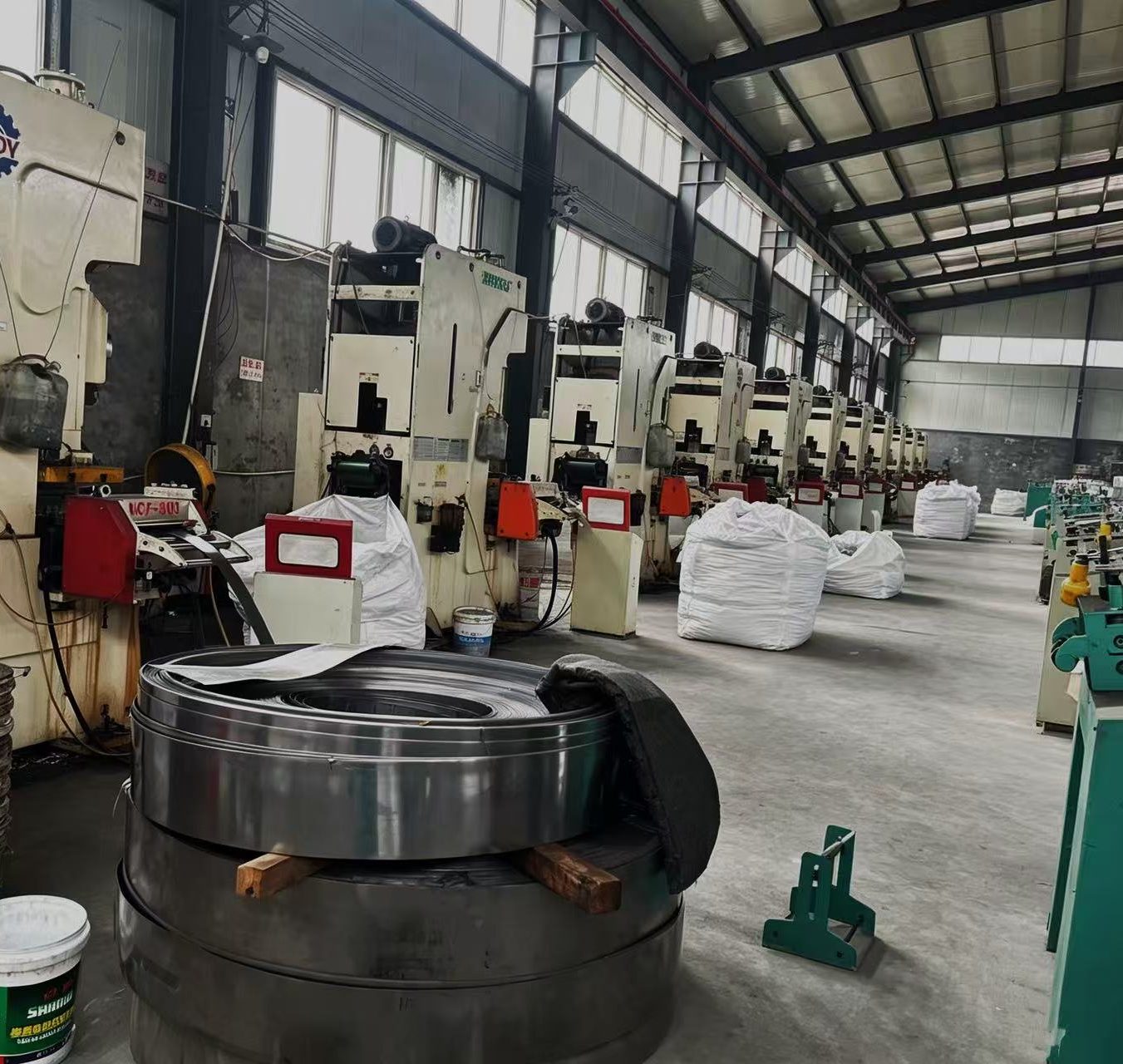
When sourcing anchor bolts for concrete globally, the origin of manufacture plays a significant role in cost-efficiency and quality consistency. Handan, Hebei Province, is recognized as a premier hub for fastener manufacturing in China. With over a decade of industry experience, manufacturers in this region have evolved from simple production facilities to integrated industry and trade combinations.
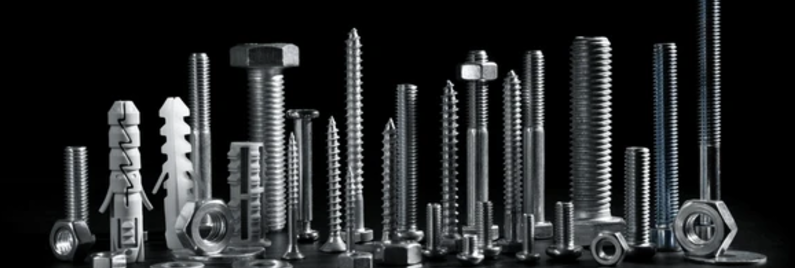
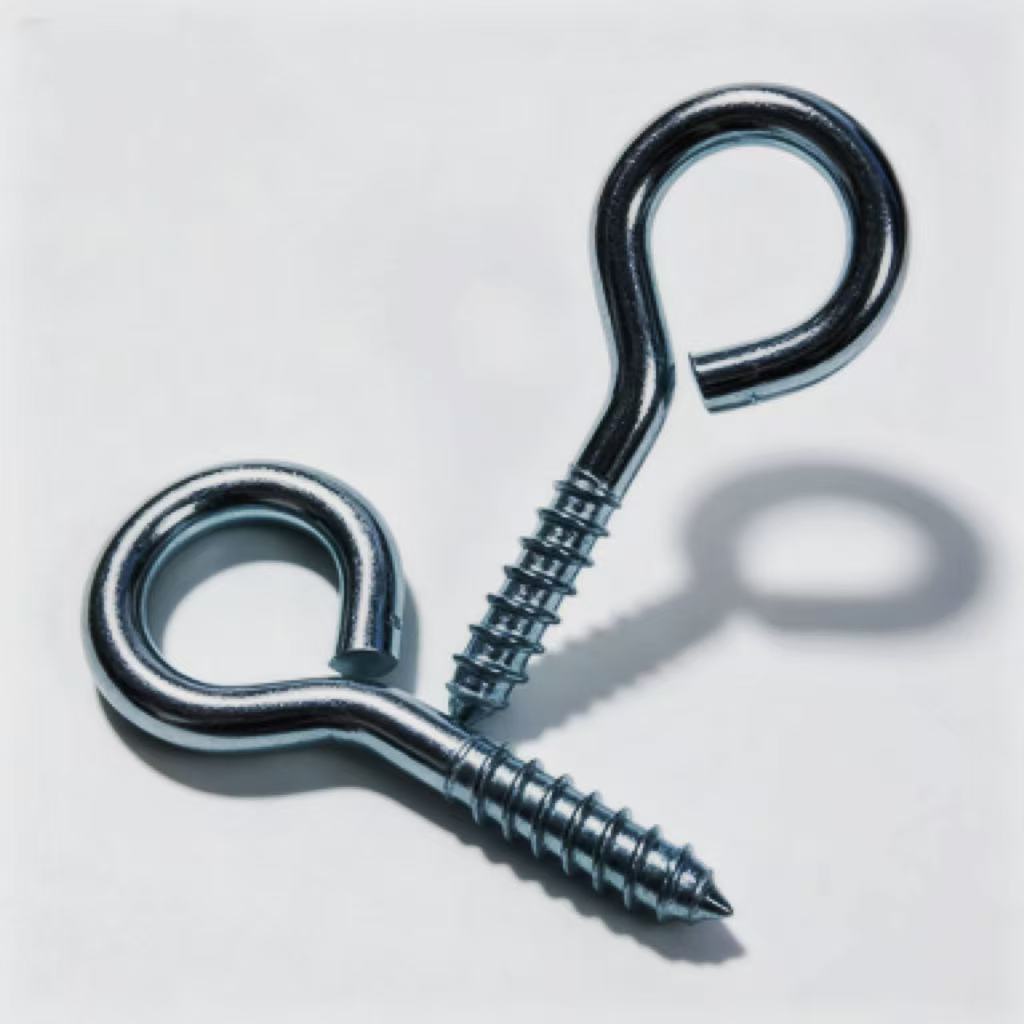
Our company, located in this strategic manufacturing center, exemplifies this evolution. We specialize in the development, manufacturing, and trade of high-quality fasteners, including casing geckos, wooden teeth welded sheep’s eye screws, and a comprehensive range of anchor bolts. By leveraging the concentrated supply chain in Handan, we offer competitive pricing without compromising on adherence to international standards such as GB, DIN, JIS, and ANSI.
Commitment to Quality and Innovation
In 2026, the market demands more than just commodity products. Buyers seek partners who invest in research and development. Our facility incorporates advanced production technology and rigorous testing methods to ensure every batch meets exact specifications. We have introduced high-tech talents to our technical team, focusing on new product development that addresses complex engineering challenges.
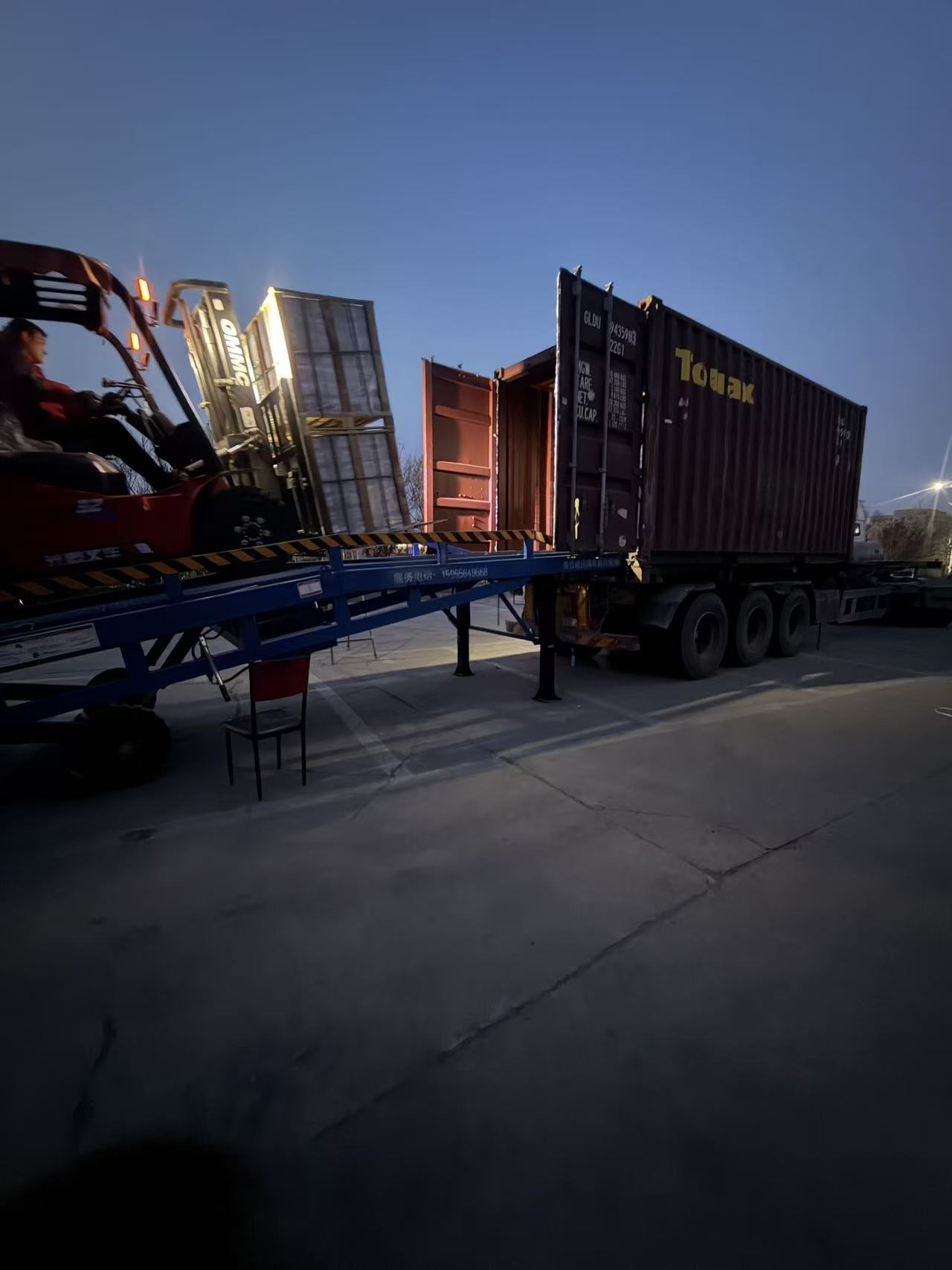
With products exported to more than 26 countries, we understand the diverse regulatory requirements of global markets. Whether you need standard hex head anchors or custom-designed special specifications, our “quality first, customer first” philosophy ensures that your project requirements are met with precision and integrity.
Customization and Special Specifications
Standard off-the-shelf anchors do not fit every engineering scenario. Complex industrial projects often require bespoke solutions. As a manufacturer with deep technical expertise, we provide customization services tailored to specific project needs.
- Non-Standard Lengths and Diameters: Custom forging and threading to match unique structural designs.
- Special Coatings: Application of specialized anti-corrosion treatments for extreme environments.
- Unique Head Configurations: Designing specific head shapes to interface with proprietary machinery or architectural elements.
This flexibility allows engineers to optimize their designs without being constrained by limited catalog options. By working directly with a manufacturer that values scientific research and customer collaboration, you gain a partner capable of solving unique fastening problems.
Frequently Asked Questions (FAQ)
What is the difference between wedge anchors and sleeve anchors?
Wedge anchors typically offer higher holding values and are preferred for heavy-duty static loads. Sleeve anchors are easier to install and are better suited for medium-duty applications where ease of removal or adjustment might be needed. Wedge anchors expand at the bottom of the hole, while sleeve anchors expand along the length of the anchor body.
Can anchor bolts be used in cracked concrete?
Not all anchors are rated for cracked concrete. Mechanical expansion anchors may lose grip if the crack widens. For cracked concrete zones, especially in seismic areas, it is recommended to use epoxy-based chemical anchors or undercut anchors that create a mechanical key below the crack plane.
How do I determine the correct embedment depth?
Embedment depth is determined by the anchor diameter, the concrete strength, and the required load capacity. Generally, a deeper embedment provides higher pull-out strength. Always refer to the manufacturer’s technical data sheets or consult a structural engineer to calculate the minimum required depth based on local building codes.
What certifications should I look for in anchor bolt suppliers?
Look for suppliers who comply with ISO 9001 for quality management systems. Product-specific certifications should match your region’s standards, such as ASTM F1554 for the US, CE marking for Europe, or GB standards for China. Verification of mill test reports (MTRs) is also essential to confirm material composition.
Why choose a manufacturer in Handan for anchor bolts?
Handan is a specialized cluster for fastener production, offering a complete supply chain from raw material processing to finished goods. This concentration allows for cost efficiencies, faster production times, and access to skilled labor. Partnering with an experienced Handan manufacturer ensures you receive products that balance competitive pricing with rigorous quality control.
Conclusion: Securing Your Project with Reliable Fasteners
Selecting the right anchor bolts for concrete is a decision that impacts the safety, longevity, and performance of any construction project. Whether you are securing heavy industrial machinery, structural steel columns, or facade elements, understanding the nuances of anchor types, materials, and installation practices is essential.
As we navigate the construction landscape of 2026, the emphasis on quality, compliance, and technical support has never been greater. By partnering with a knowledgeable supplier who understands both global standards and local manufacturing capabilities, you mitigate risk and ensure project success.
Our team is dedicated to providing high-quality, customized fastener solutions that meet the rigorous demands of modern engineering. From standard DIN anchors to bespoke ASTM-compliant studs, we leverage our ten years of experience and advanced manufacturing capabilities to deliver products you can trust.
Ready to specify your next project? Contact our technical team today to discuss your specific load requirements, customization needs, or to request a quote for high-performance anchor bolts.
Explore Our Full Range of Fasteners and Hardware Solutions