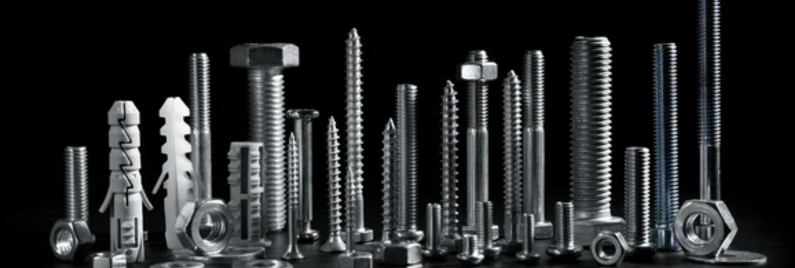
As a premier anchor bolts manufacturer, we specialize in producing high-tensile, custom-engineered fastening solutions for critical infrastructure and industrial applications. Our facility delivers precision-cast and machined anchor bolts with strict adherence to ASTM, ISO, and DIN standards. We support rapid prototyping and bulk production, ensuring fast lead times without compromising structural integrity. Whether you require L-bolts, J-bolts, or headed studs for concrete embedment, our engineering team provides full technical validation to meet your specific load-bearing requirements.
What Are Anchor Bolts and How Do They Function?
Anchor bolts are specialized fasteners designed to connect structural elements to concrete foundations. Unlike standard screws or nails, these components transfer tensile and shear loads from the superstructure into the concrete base. This connection is vital for the stability of steel columns, machinery, bridge bearings, and seismic-resistant structures.
The primary function of an anchor bolt is to resist uplift forces (tension) and lateral movements (shear). When installed correctly, the bolt becomes an integral part of the concrete matrix. The effectiveness of this connection depends on three key factors: the mechanical properties of the steel, the geometry of the bolt head or bend, and the bond strength between the steel and the surrounding concrete.
Mechanical vs. Chemical Anchoring Principles
Understanding the anchoring mechanism is crucial for selecting the right product. There are two main categories:
- Mechanical Anchors: These rely on physical interlock. Examples include cast-in-place hooks (L-bolts, J-bolts) or expansion anchors that wedge against the concrete walls when tightened. The load is transferred through bearing pressure against the concrete.
- Bonded Anchors: These use adhesive materials, such as epoxy or polyester resin, to bond the steel rod to the concrete. While highly effective for retrofitting, cast-in-place mechanical anchors are generally preferred for new construction due to their predictable performance and lower installation risk.
As a dedicated manufacturer, we focus primarily on cast-in-place and heavy-duty mechanical anchor bolts, which offer superior reliability for large-scale industrial projects. Our production processes ensure that every bolt meets the rigorous demands of modern structural engineering.
Types of Anchor Bolts We Manufacture
Selecting the correct type of anchor bolt is determined by the application, load direction, and installation method. We manufacture a comprehensive range of configurations to suit diverse engineering needs. Each type offers distinct advantages regarding load capacity and ease of installation.
Cast-In-Place Anchor Bolts
Cast-in-place anchors are embedded into wet concrete before it cures. This method provides the highest load capacity and reliability because the anchor is fully integrated into the foundation. Common types include:
- L-Bolts (Bent Rods): Featuring a 90-degree bend at the end, L-bolts are simple and cost-effective. The bent leg provides resistance against pull-out forces. They are ideal for light to medium-duty applications, such as securing wooden sill plates or light steel columns.
- J-Bolts: Similar to L-bolts but with a J-shaped hook. The curved end offers greater surface area for bonding with concrete, enhancing pull-out resistance. J-bolts are frequently used in pole bases and sign structures.
- Headed Studs: These feature a forged or welded head at one end. Headed studs provide excellent tensile strength and are commonly used in heavy industrial settings, such as securing heavy machinery or steel building columns. The head prevents the bolt from pulling through the concrete under tension.
- Swell Bulb or Undercut Anchors: These have a specialized enlarged end that creates a mechanical lock within the concrete. They are engineered for high-tension applications where space is limited.
Post-Installed Anchor Bolts
While our core expertise lies in cast-in solutions, we also supply high-grade post-installed anchors for retrofitting and repair projects. These are installed into cured concrete using drilled holes.
- Wedge Anchors: Mechanical expansion anchors that wedge against the concrete when the nut is tightened. Suitable for static loads in solid concrete.
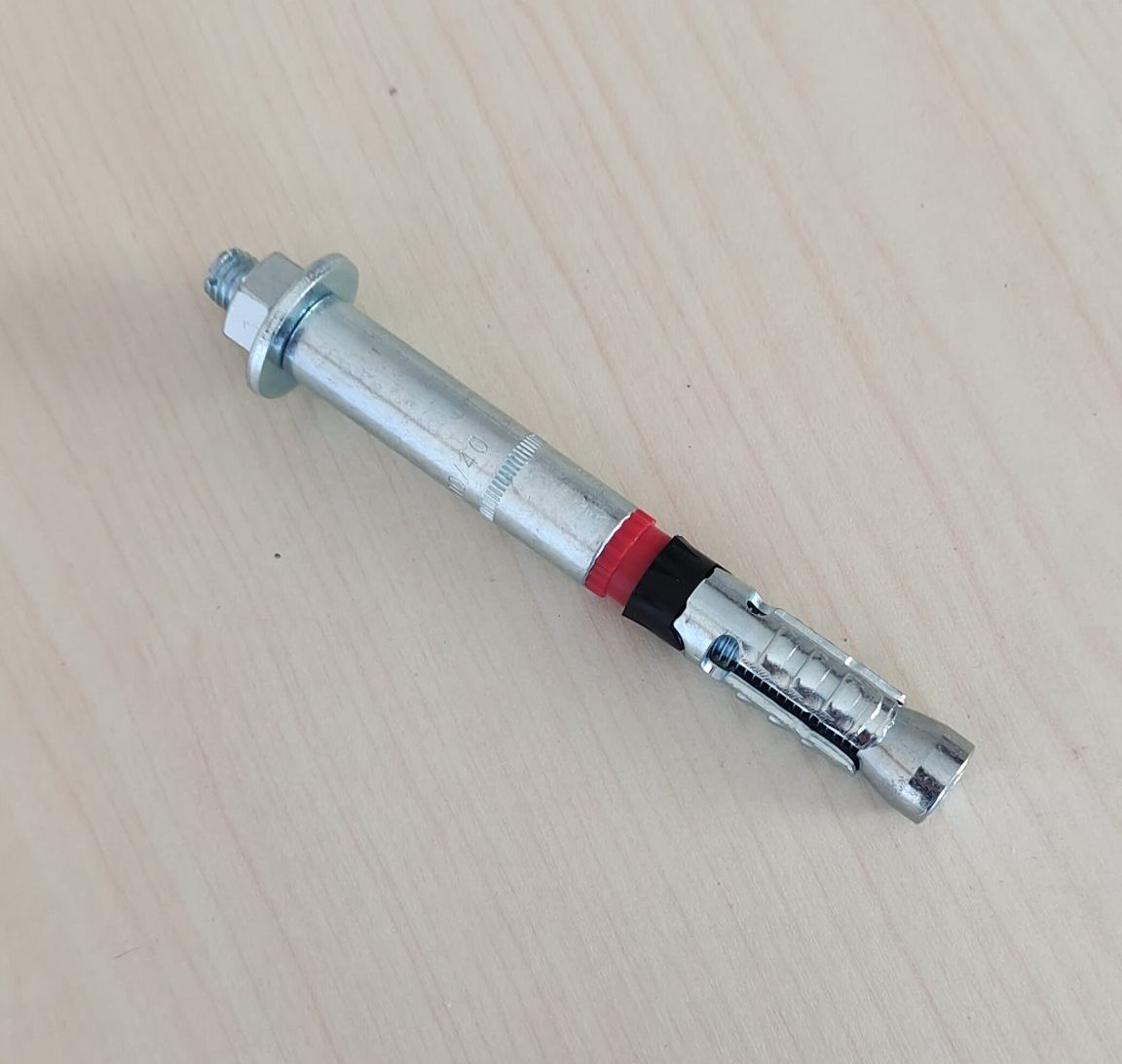
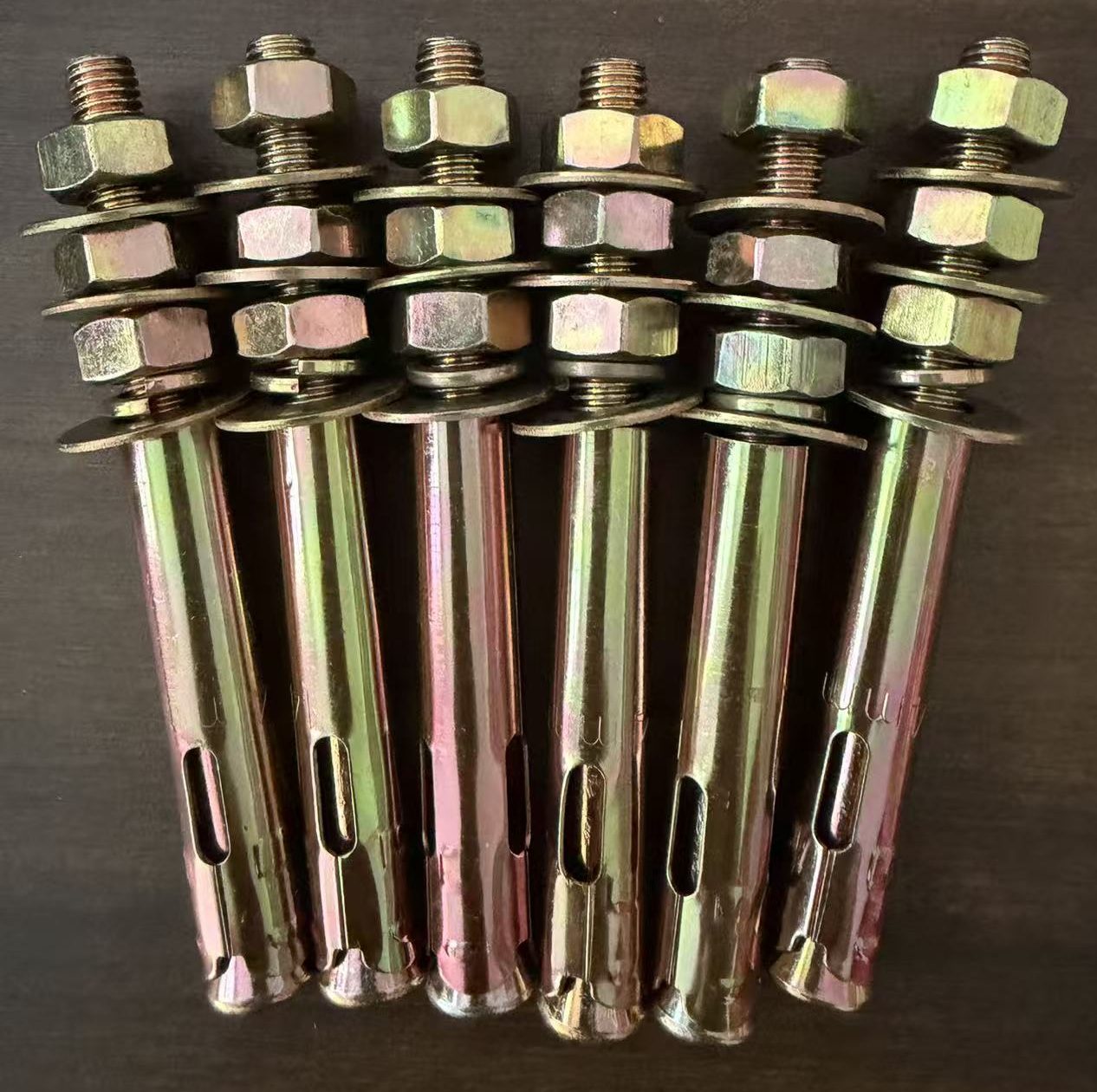
- Sleeve Anchors: Feature a sleeve that expands against the hole walls. Versatile for use in concrete, brick, and block.
- Epoxy Bonded Studs: High-strength threaded rods inserted into holes filled with structural epoxy. Ideal for heavy-duty seismic retrofits.
Material Specifications and Grade Standards
The material composition of an anchor bolt directly influences its strength, ductility, and corrosion resistance. As a trusted manufacturer, we produce anchor bolts using certified raw materials that comply with international standards. Choosing the wrong grade can lead to catastrophic failure, particularly in dynamic or corrosive environments.
Common Steel Grades for Anchor Bolts
| ASTM Standard | Grade | Tensile Strength (psi) | Yield Strength (psi) | Typical Application |
| ASTM F1554 | Grade 36 | 58,000 – 80,000 | 36,000 min | General construction, light structural supports. |
| ASTM F1554 | Grade 55 | 75,000 – 95,000 | 55,000 min | Medium-duty industrial equipment, bridge bearings. |
| ASTM F1554 | Grade 105 | 125,000 – 150,000 | 105,000 min | Heavy seismic zones, high-wind regions, critical infrastructure. |
| ASTM A307 | Grade A | 60,000 min | Not specified | Non-structural applications, general purpose fastening. |
| ASTM A193 | B7 / B8 | 125,000+ / 75,000+ | 105,000+ / 30,000+ | High-temperature or corrosive environments (Alloy/Stainless). |
Stainless Steel and Corrosion-Resistant Options
For projects exposed to moisture, chemicals, or marine environments, carbon steel is insufficient due to rust risks. We manufacture anchor bolts from stainless steel grades such as 304 and 316/L. Grade 316 offers superior resistance to chlorides and acids, making it the standard for coastal infrastructure and chemical processing plants.
Additionally, we offer hot-dip galvanizing (HDG) for carbon steel bolts. HDG provides a thick zinc coating that sacrifices itself to protect the underlying steel. This process is essential for outdoor applications like transmission towers and highway signage.
Custom Manufacturing Capabilities
Standard off-the-shelf anchor bolts do not always meet the unique demands of complex engineering projects. As a flexible manufacturer, we offer extensive customization options to ensure your fastening solutions fit perfectly. Our custom capabilities include non-standard lengths, diameters, thread types, and head configurations.
Tailored Dimensions and Threading
We can produce anchor bolts with diameters ranging from M6 (1/4 inch) to M100 (4 inches) and beyond. Lengths can be customized to accommodate deep embedment requirements or thick grout layers. Thread specifications can be adjusted to UNC, UNF, or metric coarse/fine pitches, depending on the mating nuts and fixtures.
Special Head Configurations
Standard heads may not provide sufficient bearing area for certain concrete strengths. We manufacture bolts with oversized heads, square heads, or custom-forged shapes to distribute loads more effectively. For seismic applications, we can produce bolts with specific ductility characteristics to absorb energy during earth movements.
Prototyping and Rapid Tooling
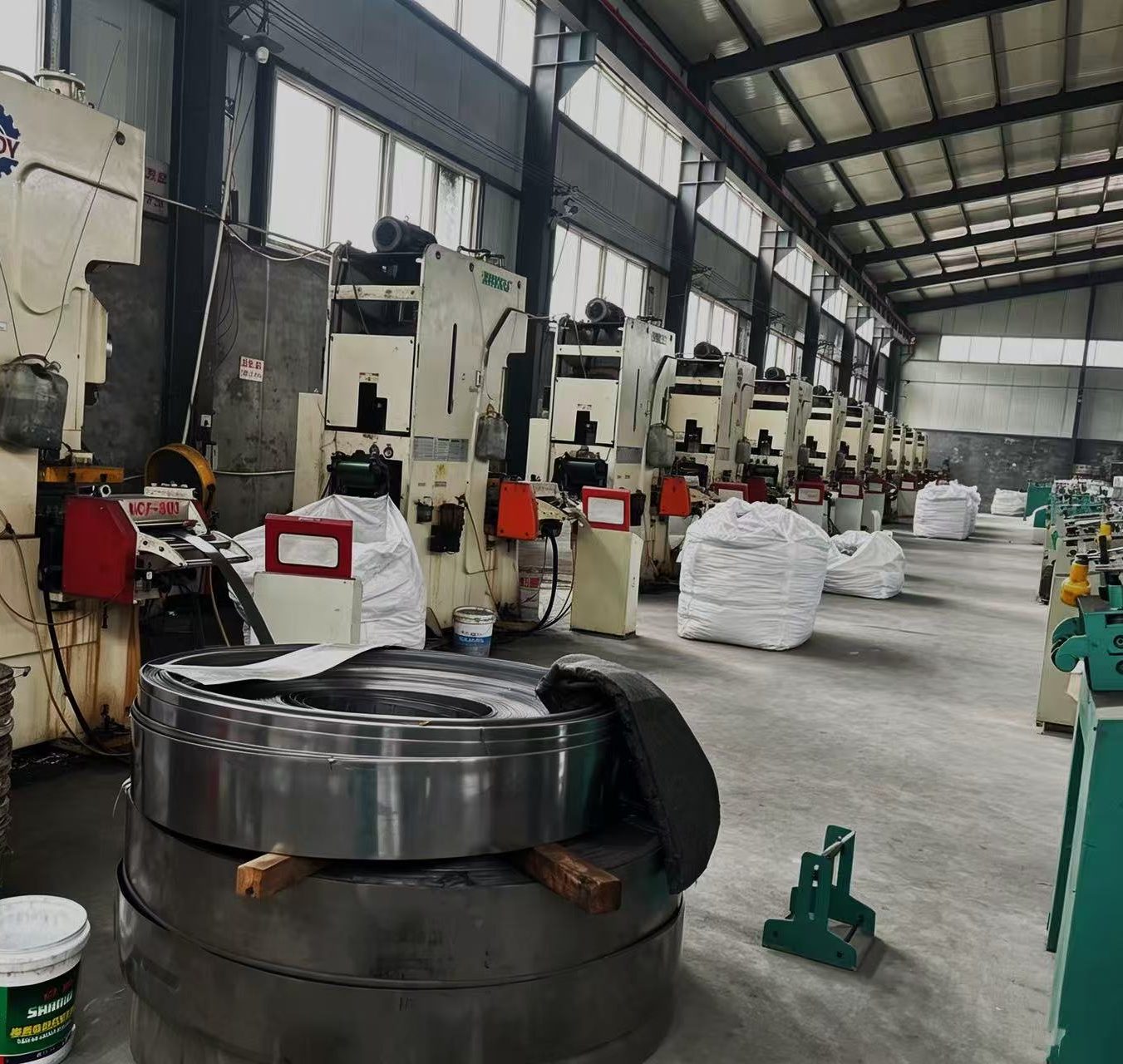
Our facility supports rapid prototyping. If your project requires a novel anchor design, our engineering team can create samples for testing within days. This accelerates the validation process, allowing you to proceed to full-scale production with confidence. We utilize CNC machining and cold forging to achieve tight tolerances, ensuring consistent quality across every batch.
Manufacturing Process and Quality Control
Quality assurance is the cornerstone of our manufacturing philosophy. Every anchor bolt undergoes a rigorous production cycle and inspection protocol to ensure compliance with safety standards. Our process integrates advanced technology with skilled craftsmanship.
Step-by-Step Production Workflow
- Raw Material Inspection: All steel rods and bars are tested for chemical composition and mechanical properties upon arrival. Certificates of Mill Test Reports (MTR) are verified.
- Cutting and Forming: Steel is cut to precise lengths. For bent anchors (L/J), cold bending or hot forging is performed using automated machinery to prevent micro-cracks.
- Heading and Threading: Heads are forged or welded using high-strength techniques. Threads are rolled or cut to ensure full engagement with nuts. Thread rolling strengthens the material by work-hardening the surface.
- Heat Treatment: High-grade bolts (e.g., Grade 105) undergo quenching and tempering to achieve the required hardness and tensile strength. This step is critical for ductility.
- Surface Coating: Bolts are cleaned, pickled, and coated via hot-dip galvanizing, zinc plating, or epoxy coating, depending on specification.
- Final Inspection: Dimensional checks, thread gauge verification, and visual inspections are conducted. Random samples undergo destructive testing for tensile and yield strength.
Testing and Certification
We maintain an in-house laboratory equipped with universal testing machines for tensile, yield, and elongation tests. Hardness testing (Rockwell/Brinell) ensures proper heat treatment. Every shipment is accompanied by comprehensive documentation, including:
- Material Test Reports (MTRs)
- Certificates of Compliance (COC)
- Dimensional Inspection Records
- Coating Thickness Reports
This transparency builds trust and ensures that your project meets all regulatory and insurance requirements.
About Our Company: Global Expertise from Handan, China
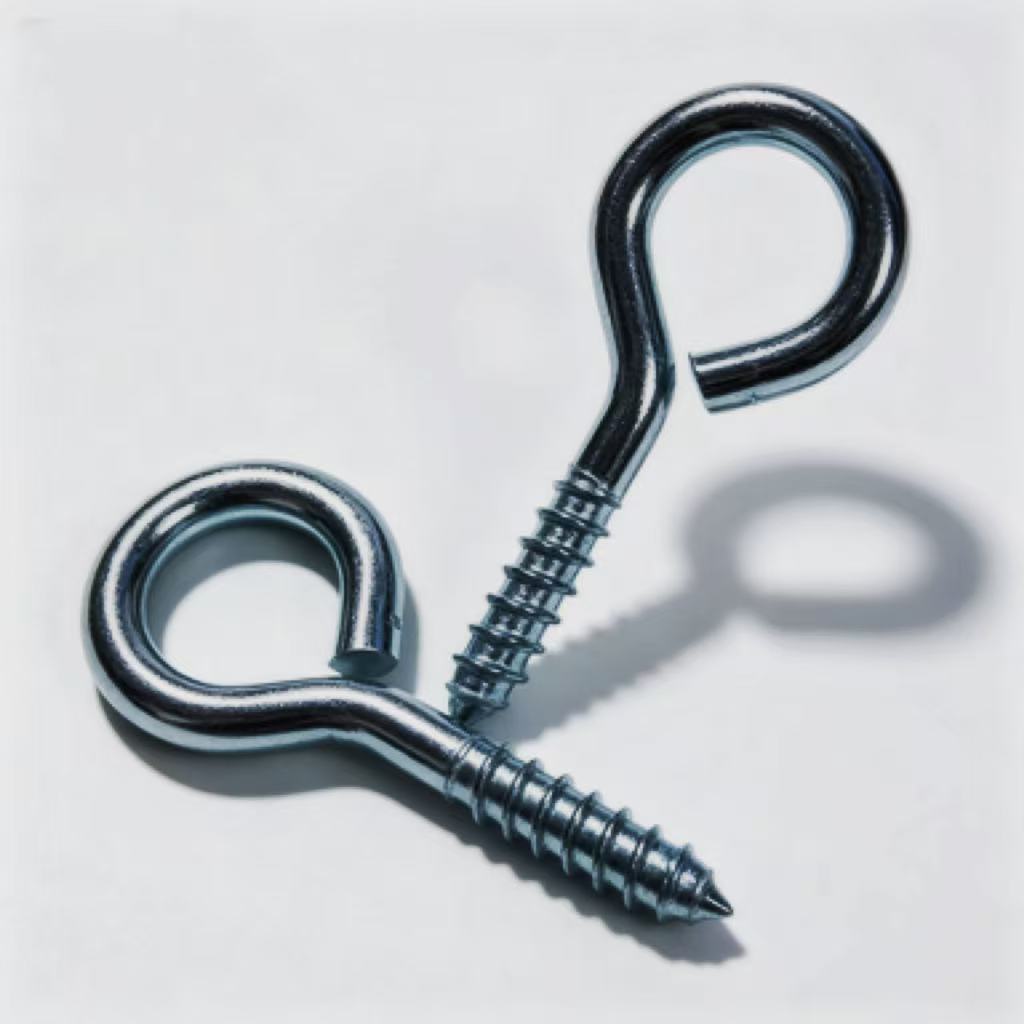
Located in Handan, Hebei—a city renowned globally as a hub for fastener manufacturing—our company stands at the intersection of industry and trade. With over ten years of specialized experience, we have evolved into a comprehensive solution provider for fasteners and hardware tools. While our portfolio includes a diverse array of products such as casing geckos, wooden teeth, and welded sheep’s eye screws/bolts, our core competency lies in the development and manufacturing of high-performance anchor bolts and structural fasteners.
We adhere to an integrity-based business philosophy, heavily investing in scientific research and introducing high-tech talent to drive innovation. By utilizing advanced production technology and perfecting our testing methods, we ensure that every product meets stringent international standards, including GB, DIN, JIS, and ANSI. Our commitment to “quality first, customer first” has enabled us to export to more than 26 countries, serving a global clientele that values reliability, competitive pricing, and thoughtful service.
Key Applications of Industrial Anchor Bolts
Anchor bolts are ubiquitous in construction and industry. Their role varies from securing lightweight fixtures to holding down massive turbines. Understanding the application context helps in selecting the right specification.
Structural Steel and Building Construction
In commercial and industrial buildings, anchor bolts secure steel columns to concrete footings. These connections must resist wind uplift and seismic forces. Grade 55 and Grade 105 bolts are commonly used here. Precision in placement is critical, as misaligned bolts can delay steel erection significantly.
Heavy Machinery and Equipment Mounting
Industrial machines, such as generators, compressors, and CNC mills, generate vibration and dynamic loads. Anchor bolts prevent movement and misalignment. For vibrating equipment, we recommend high-ductility bolts with proper preload torque to maintain clamping force over time.
Infrastructure and Civil Engineering
Bridges, highways, and tunnels rely on anchor bolts for bearing pads, guardrails, and lighting poles. In these applications, corrosion resistance and long-term durability are paramount. Hot-dip galvanized or stainless steel anchors are standard choices. Seismic isolation bearings in bridges also utilize large-diameter, high-strength anchor bolts to allow controlled movement during earthquakes.
Energy and Power Generation
Wind turbines, solar panel mounts, and nuclear facilities demand the highest level of fastener reliability. Wind turbine base rings, for example, use hundreds of high-tensile anchor bolts to secure the tower to the foundation. Failure in these sectors is not an option, necessitating strict QA/QC protocols and traceability.
How to Choose the Right Anchor Bolt for Your Project
Selecting the appropriate anchor bolt involves analyzing several engineering parameters. Making the wrong choice can compromise structural safety. Here is a guide to help you specify the right product.
1. Determine Load Requirements
Calculate the maximum tensile (pull-out) and shear (lateral) loads the anchor must withstand. Include safety factors for dynamic loads, such as wind or vibration. Always consult a structural engineer to determine the required capacity.
2. Assess Concrete Conditions
The strength of the concrete (psi or MPa) affects the anchor’s holding power. Weak concrete may fail in cone pull-out before the steel yields. Ensure the embedment depth is sufficient for the concrete strength. Also, consider whether the concrete is cracked or uncracked, as this impacts the choice between mechanical and bonded anchors.
3. Evaluate Environmental Factors
Will the anchor be exposed to moisture, chemicals, or extreme temperatures? For outdoor or marine environments, choose stainless steel or hot-dip galvanized carbon steel. For high-temperature applications, such as near furnaces, select alloy steels like ASTM A193 B7.
4. Consider Installation Constraints
Is it a new construction (cast-in-place) or a retrofit (post-installed)? Cast-in-place anchors generally offer higher capacities and lower costs for new builds. Post-installed anchors are necessary for existing structures but require careful drilling and cleaning procedures.
5. Check Regulatory Compliance
Ensure the selected anchor meets local building codes and international standards (ASTM, ISO, Eurocode). Some projects require specific certifications, such as ICC-ES evaluation reports for post-installed anchors in the US.
Common Mistakes in Anchor Bolt Selection and Installation
Even the highest-quality anchor bolt can fail if selected or installed incorrectly. Avoid these common pitfalls to ensure project success.
- Insufficient Embedment Depth: Installing bolts too shallowly reduces their pull-out capacity significantly. Always follow the manufacturer’s recommended embedment depth based on concrete strength.
- Overtightening: Applying excessive torque can stretch the bolt beyond its yield point, weakening it or causing immediate fracture. Use calibrated torque wrenches and follow specified torque values.
- Poor Hole Cleaning (Post-Installed): For drilled anchors, failing to remove dust and debris from the hole prevents proper bonding or expansion. Use air blowers and brushes to clean holes thoroughly.
- Ignoring Edge Distance: Placing anchors too close to the edge of the concrete can cause spalling or breakout failure. Maintain minimum edge distances as specified in design guidelines.
- Using Wrong Material for Environment: Using plain carbon steel in a corrosive environment leads to rust jacking, where expanding rust cracks the concrete. Always match material to environmental exposure.
Why Partner With Us as Your Anchor Bolts Manufacturer?
In a market flooded with generic suppliers, we distinguish ourselves through engineering precision, speed, and reliability. We are not just a vendor; we are a technical partner committed to your project’s success.
Fast Lead Times Without Compromise
We understand that construction schedules are tight. Our streamlined production lines and inventory management systems allow us to deliver standard orders rapidly. For custom projects, our agile manufacturing process minimizes turnaround time. We prioritize urgent requests to keep your project on track.
Technical Expertise and Support
Our team includes experienced engineers who can assist with selection, load calculations, and detailing. We provide detailed shop drawings and installation guides to prevent errors on-site. This level of support reduces risk and ensures smooth installation.
Global Shipping and Logistics
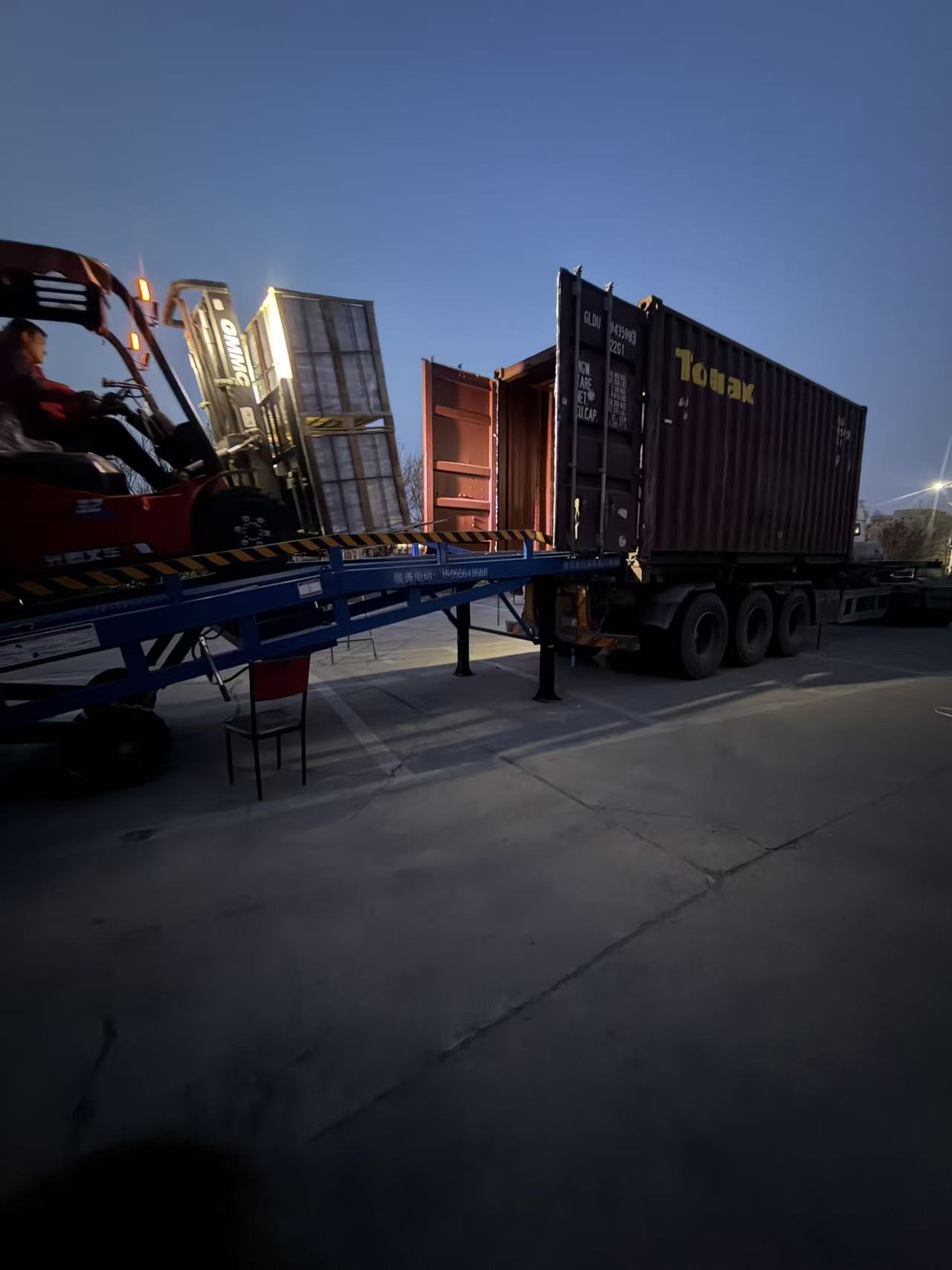
We have extensive experience in exporting anchor bolts worldwide. Our packaging is designed to protect threads and coatings during transit. We handle all logistics documentation, ensuring timely delivery to your job site, whether it is in North America, Europe, Asia, or the Middle East.
Frequently Asked Questions (FAQ)
What is the difference between ASTM F1554 Grade 36 and Grade 105?
ASTM F1554 Grade 36 is a low-carbon steel with a minimum yield strength of 36,000 psi, suitable for general construction. Grade 105 is a high-strength alloy steel with a minimum yield strength of 105,000 psi, used for heavy-duty and seismic applications. Grade 105 offers higher load capacity but is less ductile than Grade 36.
Can anchor bolts be reused after removal?
Generally, no. Cast-in-place anchors cannot be removed without destroying the concrete. Post-installed mechanical anchors may be removed, but their integrity is often compromised. It is best practice to install new anchors rather than reuse old ones, especially for critical structural applications.
How do I calculate the required embedment depth?
Embedment depth depends on the bolt diameter, concrete strength, and load type. A general rule of thumb is 10-12 times the bolt diameter for standard applications. However, exact calculations should be performed by a structural engineer using relevant codes (e.g., ACI 318) to account for edge distances and spacing.
Do you provide ICC-ES reports for your anchors?
For our standard post-installed anchor lines, we can provide ICC-ES Evaluation Reports upon request. For custom cast-in-place anchors, we provide comprehensive engineering data and test reports that comply with ACI 318 Appendix D design provisions.
What is the maximum length you can manufacture?
We can manufacture anchor bolts up to 6 meters (20 feet) in length, depending on the diameter and shipping constraints. Longer lengths may require splicing or special handling. Contact our engineering team for specific dimensional inquiries.
How does corrosion affect anchor bolt performance?
Corrosion reduces the cross-sectional area of the steel, lowering its load capacity. Rust expansion can also crack the surrounding concrete, leading to premature failure. Using galvanized or stainless steel anchors in corrosive environments mitigates these risks and extends service life.
Conclusion: Secure Your Project with Precision Engineered Anchor Bolts
Choosing the right anchor bolts manufacturer is a critical decision that impacts the safety, durability, and timeline of your construction project. From high-rise buildings to heavy industrial machinery, the integrity of your structure relies on the quality of its connections. Our commitment to strict quality control, custom engineering, and fast delivery ensures that you receive fasteners that meet your exact specifications and deadlines.
We serve contractors, engineers, and distributors who value reliability and technical excellence. By partnering with us, you gain access to a wide range of ASTM-compliant products, expert technical support, and a supply chain designed for efficiency.
Ready to specify your next project?
Contact our engineering team today to discuss your custom anchor bolt requirements. Whether you need a quick quote for standard items or a detailed consultation for a complex application, we are here to help. Request a catalog, download technical data sheets, or initiate a custom order through our portal.
View Our Full Product Range and Technical Solutions