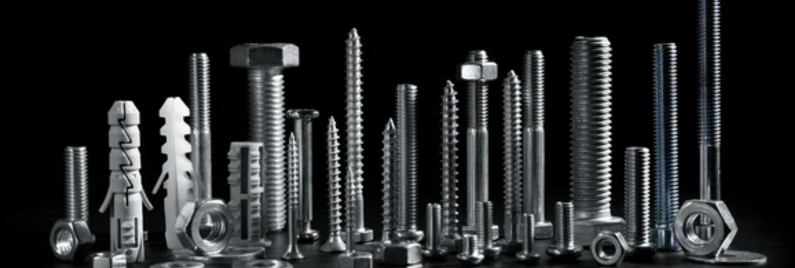
As a premier carbon steel fasteners manufacturer and wholesale supplier based in China, we specialize in producing high-tensile, durable, and cost-effective fastening solutions for global industrial applications. Our product range adheres to international standards including ASTM, DIN, ISO, and JIS, ensuring compatibility with heavy machinery, construction projects, and automotive assemblies. By leveraging advanced cold-forging technology and strict quality control protocols, we deliver bulk orders with consistent precision, offering competitive pricing without compromising structural integrity. Whether you require standard hex bolts, custom-threaded studs, or specialized nuts for corrosive environments, our manufacturing facility provides scalable production capabilities tailored to B2B procurement needs.
Understanding Carbon Steel Fasteners: Composition and Properties
Carbon steel fasteners are mechanical devices used to join or affix objects together, primarily composed of iron and carbon. The carbon content significantly influences the hardness, strength, and ductility of the final product. Unlike stainless steel, which relies on chromium for corrosion resistance, carbon steel derives its mechanical superiority from heat treatment processes and alloy composition. This makes it an ideal choice for applications requiring high tensile strength and load-bearing capacity.
The Role of Carbon Content in Performance
The classification of carbon steel fasteners is directly linked to the percentage of carbon present in the alloy. This variable determines whether the fastener is suitable for general-purpose assembly or high-stress structural connections.
- Low Carbon Steel (Mild Steel): Contains up to 0.3% carbon. These fasteners are highly ductile and easy to form, making them suitable for general construction and non-critical applications. They are often plated for basic corrosion protection.
- Medium Carbon Steel: Contains 0.3% to 0.6% carbon. This grade offers a balance between strength and ductility. It is commonly used in automotive components and machinery where moderate stress resistance is required.
- High Carbon Steel: Contains more than 0.6% carbon. These fasteners exhibit exceptional hardness and tensile strength but are less ductile. They are typically used in high-strength structural bolts, springs, and cutting tools.
Understanding these distinctions is crucial for engineers and procurement managers when selecting the right material for specific load requirements. Misapplication can lead to premature failure, either through stretching (in low carbon) or brittle fracture (in high carbon).
Heat Treatment and Mechanical Enhancement
Raw carbon steel rarely meets the rigorous demands of industrial applications in its untreated state. Heat treatment is a critical phase in our manufacturing process, altering the microstructure of the steel to enhance performance.
Quenching and Tempering: This two-step process involves heating the steel to a critical temperature, rapidly cooling it (quenching) to harden the structure, and then reheating it to a lower temperature (tempering) to reduce brittleness. This results in fasteners with high yield strength and improved toughness, essential for Grade 8.8, 10.9, and 12.9 bolts.
Annealing: Used primarily for low carbon steel, annealing softens the material to improve machinability and formability during the initial production stages. This ensures that threads are cut cleanly and heads are formed without cracking.
Grades and Standards: Navigating Global Specifications
In the global market, carbon steel fasteners are categorized by various grading systems. As a wholesale supplier, we ensure our products meet the specific standards required by your region and industry. Understanding these grades is vital for compliance and safety.
ISO Metric Classes
The International Organization for Standardization (ISO) uses a property class system for metric fasteners. The most common classes for carbon steel include:
| Property Class | Material Type | Tensile Strength (MPa) | Typical Applications |
| 4.6 | Low/Medium Carbon | 400 | General construction, light machinery |
| 8.8 | Medium Carbon, Quenched & Tempered | 800 | Structural steelwork, automotive chassis |
| 10.9 | Alloy Steel, Quenched & Tempered | 1000 | High-stress structural connections |
| 12.9 | Alloy Steel, Quenched & Tempered | 1200 | Critical heavy machinery, bridge construction |
Classes 8.8 and above are considered “high-strength” fasteners. For carbon steel, achieving these grades requires precise control over the quenching and tempering cycles. Our facility utilizes automated heat treatment lines to ensure uniform hardness across every batch, eliminating weak points that could lead to failure under load.
SAE/ASTM Imperial Grades
In the United States and other markets using imperial measurements, the Society of Automotive Engineers (SAE) and American Society for Testing and Materials (ASTM) standards prevail.
- SAE Grade 2: Low carbon steel, no heat treatment. Used for general purposes where high strength is not critical.
- SAE Grade 5: Medium carbon steel, quenched and tempered. Identified by three radial lines on the bolt head. Common in automotive applications.
- SAE Grade 8: Medium carbon alloy steel, quenched and tempered. Identified by six radial lines. Offers high tensile strength for demanding industrial uses.
- ASTM A307: Covers carbon steel bolts and studs with a minimum tensile strength of 60 ksi. Suitable for general structural and mechanical applications.
- ASTM A325: High-strength bolts for structural steel joints. These are critical in building construction and bridge infrastructure.
When sourcing from a carbon steel fasteners manufacturer, specifying the correct grade ensures that the fasteners will perform as expected under dynamic loads. Our quality assurance team verifies chemical composition and mechanical properties through spectroscopy and tensile testing for every production run.
Surface Treatments and Corrosion Protection
One of the primary limitations of carbon steel is its susceptibility to rust and oxidation when exposed to moisture and oxygen. To mitigate this, surface treatments are applied. The choice of coating depends on the operating environment, aesthetic requirements, and cost constraints.
Zinc Plating (Electroplating)
Zinc plating is the most common finish for carbon steel fasteners. It provides a sacrificial layer that protects the underlying steel from corrosion. There are two main types:
- Clear Zinc: Offers basic protection and a bright, shiny appearance. Suitable for indoor applications or mild environments.
- Yellow Zinc (Chromate): Provides superior corrosion resistance compared to clear zinc and offers a distinctive gold color. Often used in automotive and outdoor machinery.
While effective, zinc plating has limited thickness and may not suffice for highly corrosive marine or chemical environments.
Hot-Dip Galvanizing (HDG)
Hot-dip galvanizing involves immersing the fasteners in molten zinc. This creates a thick, robust coating that offers excellent long-term protection against rust. HDG is ideal for outdoor structures, transmission towers, and marine applications.
Consideration: The thick coating can affect thread fit. We account for this by adjusting thread tolerances during manufacturing, ensuring that galvanized nuts and bolts mate correctly without stripping.
Black Oxide and Phosphate Coatings
These conversion coatings provide minimal corrosion resistance but are excellent for reducing glare and improving lubricity. They are often used as a base for oil or wax impregnation, which enhances corrosion protection further. Black oxide is preferred in applications where dimensional accuracy is critical, as it adds negligible thickness to the fastener.
Geomet and Dacromet Coatings
For environments requiring high corrosion resistance without the bulk of hot-dip galvanizing, zinc-flake coatings like Geomet or Dacromet are superior. These coatings offer excellent salt-spray resistance and do not suffer from hydrogen embrittlement, a risk associated with electroplating high-strength steel.
Manufacturing Process: From Wire to Finished Product
As a leading manufacturer, our production workflow is designed to maximize efficiency while maintaining strict quality standards. Understanding the manufacturing process helps buyers appreciate the value proposition of wholesale sourcing from a specialized facility.
Step 1: Raw Material Selection and Drawing
The process begins with high-quality carbon steel wire rods. These rods are drawn through a series of dies to reduce their diameter to the required size. This cold-working process increases the strength of the steel through strain hardening. We source raw materials from certified mills to ensure consistent chemical composition.
Step 2: Cold Heading and Forming
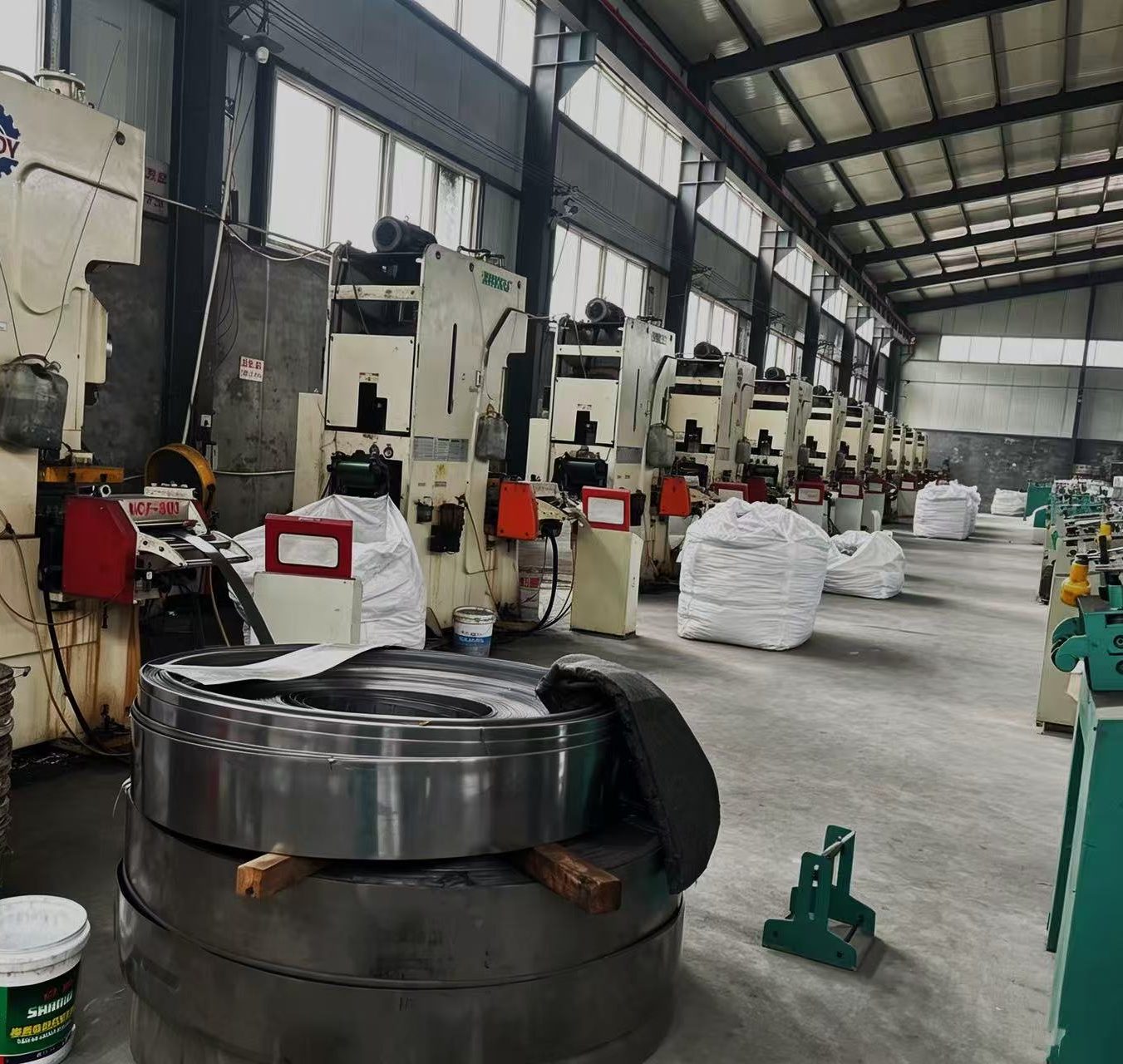
Cold heading is the core forming process. The wire is fed into a cold header machine, where it is cut to length and shaped into the bolt head or screw shape using high-pressure dies. This method is faster and produces stronger parts than machining because it preserves the grain structure of the metal.
Step 3: Thread Rolling
Threads are not cut but rolled onto the shank of the fastener. Thread rolling compresses the metal, creating threads that are stronger than cut threads. This process ensures precise pitch and diameter conformity, critical for proper engagement with nuts and tapped holes.
Step 4: Heat Treatment
For medium and high-carbon fasteners, heat treatment is performed after forming. The parts are heated in a controlled atmosphere furnace to prevent decarburization (loss of carbon at the surface), which can weaken the threads. Precise temperature control ensures the desired mechanical properties are achieved.
Step 5: Surface Finishing and Quality Control
Finally, the fasteners undergo surface treatment as specified. Before packaging, they pass through rigorous quality checks, including dimensional inspection, torque testing, and salt-spray testing for coated products. Only batches that meet all criteria are approved for shipment.
Applications of Carbon Steel Fasteners Across Industries
Carbon steel fasteners are ubiquitous in modern infrastructure and manufacturing. Their versatility stems from the ability to tailor strength and coating to specific needs. Below are key sectors where our products are extensively utilized.
Construction and Infrastructure
High-strength carbon steel bolts (Grade 8.8 and above) are fundamental in structural steel connections for buildings, bridges, and stadiums. They provide the clamping force necessary to transfer loads between beams and columns. ASTM A325 and A490 bolts are standard in this sector, ensuring structural integrity under dynamic wind and seismic loads.
Automotive and Transportation
The automotive industry relies heavily on carbon steel fasteners for engine assemblies, chassis construction, and suspension systems. Grade 8.8 and 10.9 bolts are common due to their ability to withstand vibration and high stress. Precision and consistency are paramount here, as failure can have severe safety implications.
Machinery and Equipment Manufacturing
Industrial machinery, from agricultural equipment to CNC machines, uses thousands of carbon steel fasteners. These applications often require a mix of standard and custom sizes. The durability of carbon steel ensures that machines maintain alignment and operational efficiency over long service lives.
Energy and Oil & Gas
In the energy sector, fasteners are used in pipelines, drilling rigs, and power generation facilities. While stainless steel is used for extreme corrosion resistance, carbon steel with specialized coatings (like PTFE or Xylan) is preferred for high-pressure flanges and structural supports due to its superior strength-to-cost ratio.
How to Choose the Right Carbon Steel Fastener
Selecting the appropriate fastener involves balancing mechanical requirements, environmental conditions, and budget. Here is a strategic approach to making the right choice.
1. Determine Load Requirements
Assess the type of load the fastener will bear: shear, tension, or a combination. For high-tension applications, choose higher property classes (e.g., 10.9 or 12.9). For shear loads, ensure the shank diameter is appropriate for the hole size.
2. Evaluate Environmental Conditions
If the fastener will be exposed to moisture, chemicals, or salt spray, select an appropriate coating. Hot-dip galvanizing or zinc-flake coatings are best for outdoor use. For indoor, dry environments, plain or black oxide finishes may suffice and reduce costs.
3. Consider Temperature Extremes
Standard carbon steel loses strength at high temperatures and becomes brittle at extremely low temperatures. For applications involving extreme heat, consider alloy steels or specialized heat treatments. For cryogenic applications, impact-tested carbon steel is necessary.
4. Check Compatibility
Ensure the fastener material is compatible with the materials being joined. Galvanic corrosion can occur if carbon steel is used with dissimilar metals like aluminum or copper in the presence of an electrolyte. Use insulating washers or appropriate coatings to prevent this.
Common Mistakes in Fastener Selection and Usage
Even with high-quality products, improper selection or installation can lead to failure. Avoid these common pitfalls.
- Mixing Grades: Never mix different grades of bolts and nuts in a single joint. A high-strength bolt paired with a low-strength nut will result in thread stripping before the bolt reaches its full capacity.
- Over-Tightening: Exceeding the recommended torque can stretch the bolt beyond its yield point, causing permanent deformation or immediate fracture. Use calibrated torque wrenches and follow manufacturer specifications.
- Ignoring Lubrication: Friction affects torque readings. Unlubricated fasteners may appear tight but lack sufficient clamping force, or conversely, seize up before reaching the target torque. Apply lubricant consistent with the coating type.
- Reusing High-Strength Bolts: Structural bolts (e.g., ASTM A325) are designed for single-use. Reusing them can compromise their integrity due to previous stretching or fatigue.
Why Source from a China-Based Wholesale Supplier?
China has become the global hub for fastener manufacturing, offering a unique combination of scale, expertise, and cost-efficiency. Partnering with a dedicated carbon steel fasteners manufacturer in China provides several strategic advantages for B2B buyers.
Cost Efficiency Without Compromise
Lower labor and raw material costs allow Chinese manufacturers to offer competitive pricing. However, this does not mean lower quality. Leading factories invest heavily in automation and quality control, meeting or exceeding international standards. Bulk purchasing further reduces unit costs, enhancing your profit margins.
Scalability and Lead Time
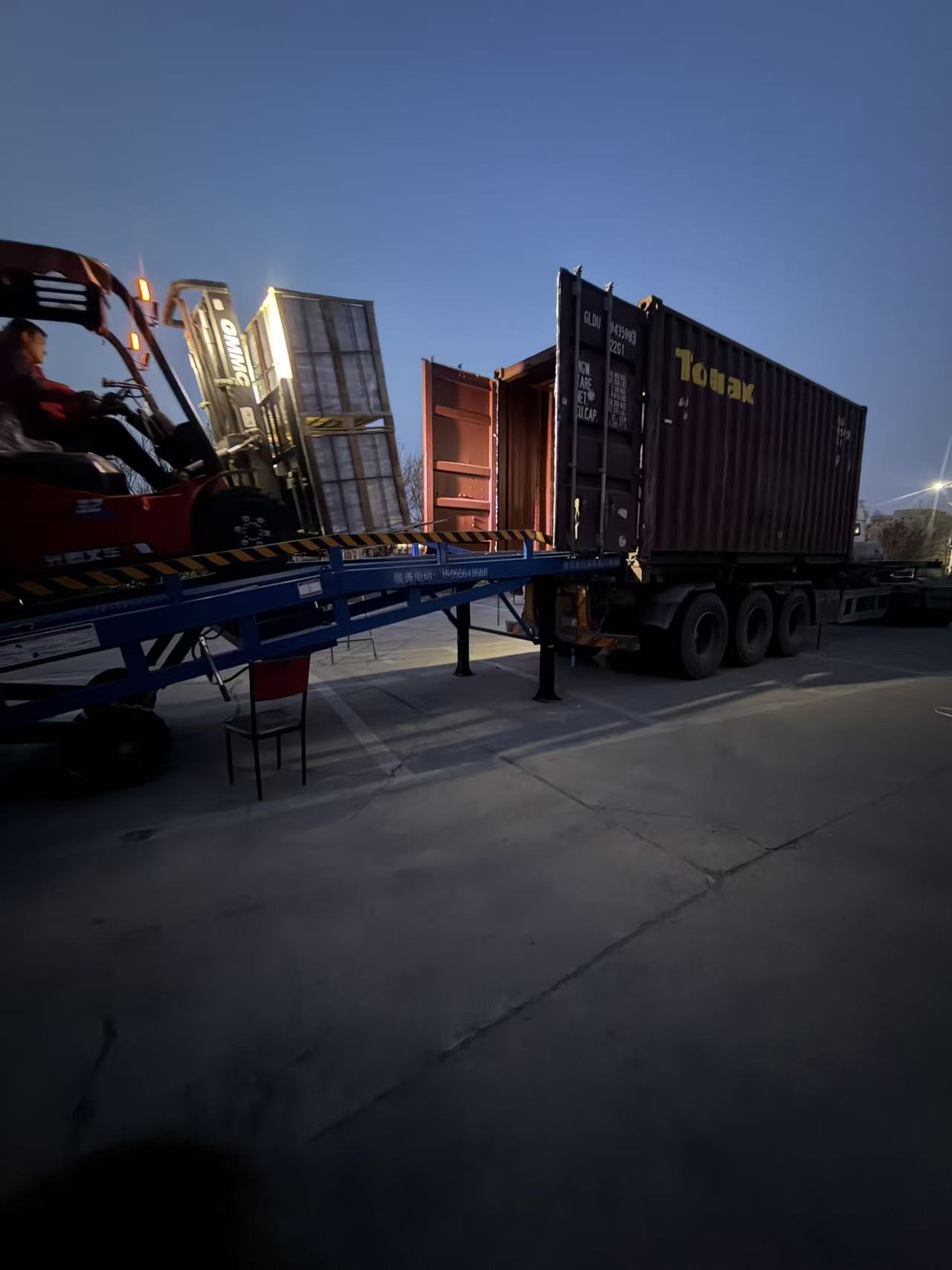
Chinese manufacturing facilities are equipped to handle large-volume orders with short lead times. Whether you need a container load of standard M10 bolts or customized non-standard parts, the supply chain is optimized for speed and flexibility. This responsiveness is crucial for just-in-time manufacturing and large-scale projects.
Technical Expertise and Customization
Experienced manufacturers offer more than just off-the-shelf products. They provide technical support for custom designs, special coatings, and unique packaging requirements. This collaborative approach ensures that the fasteners perfectly match your application needs.
About Us: Your Trusted Partner in Handan
Located in Handan, Hebei—a city renowned globally as a center for fastener manufacturing—our company stands at the forefront of the industry. As a global industry and trade combination enterprise, we integrate development, manufacturing, trading, and service to deliver comprehensive hardware solutions. With over ten years of industry experience, we have successfully exported our products to more than 26 countries, building a reputation for reliability and excellence.
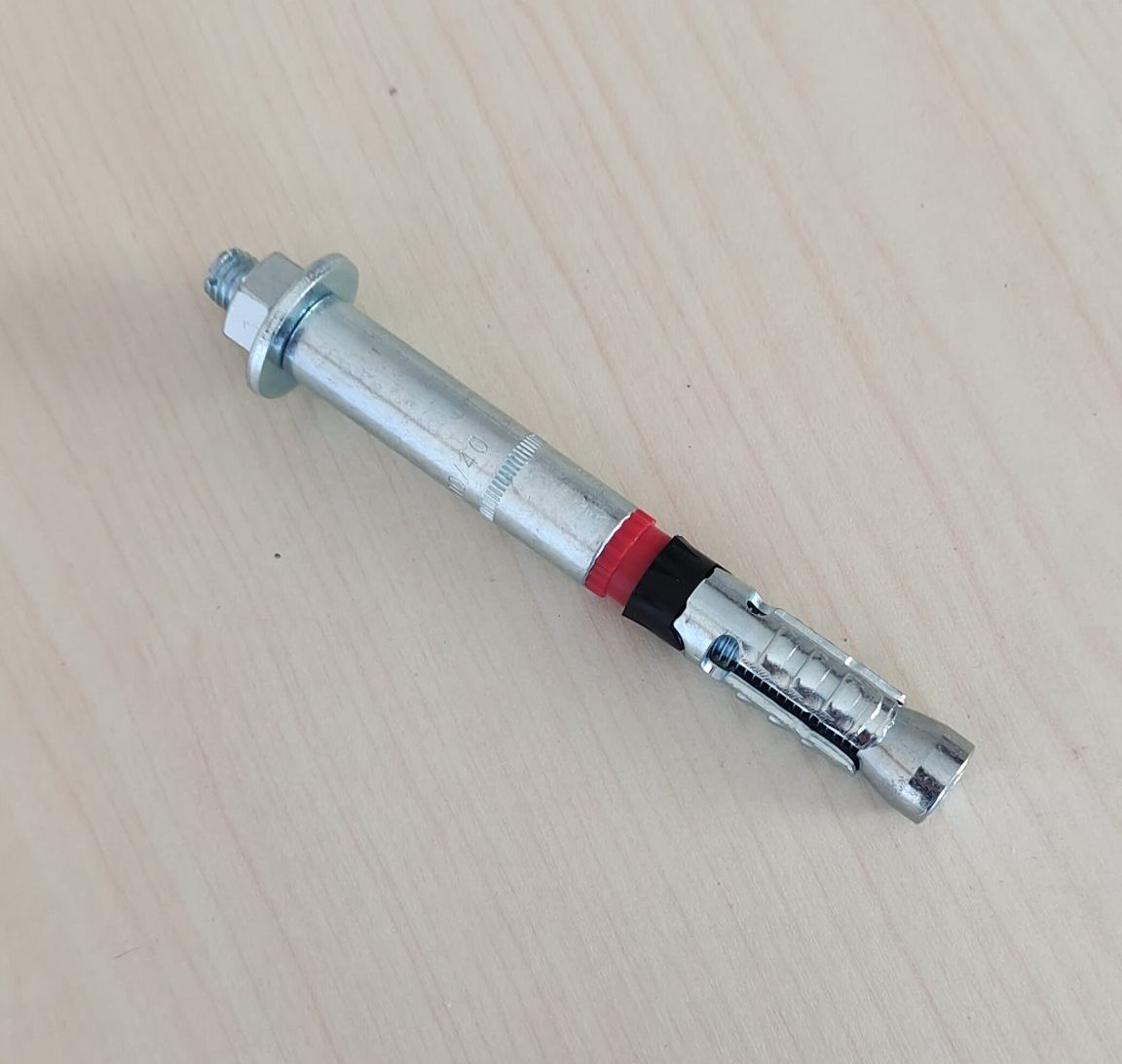
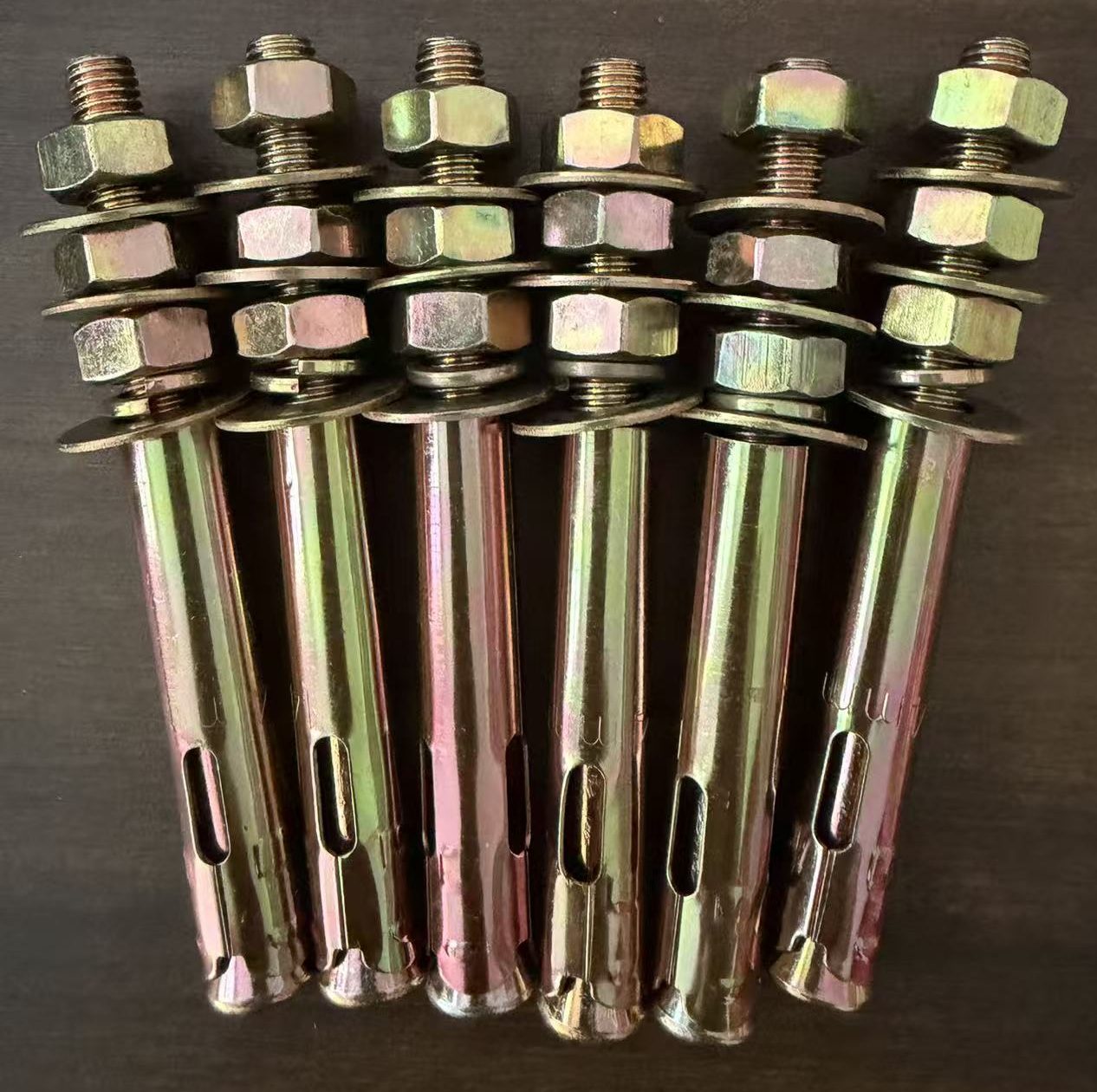
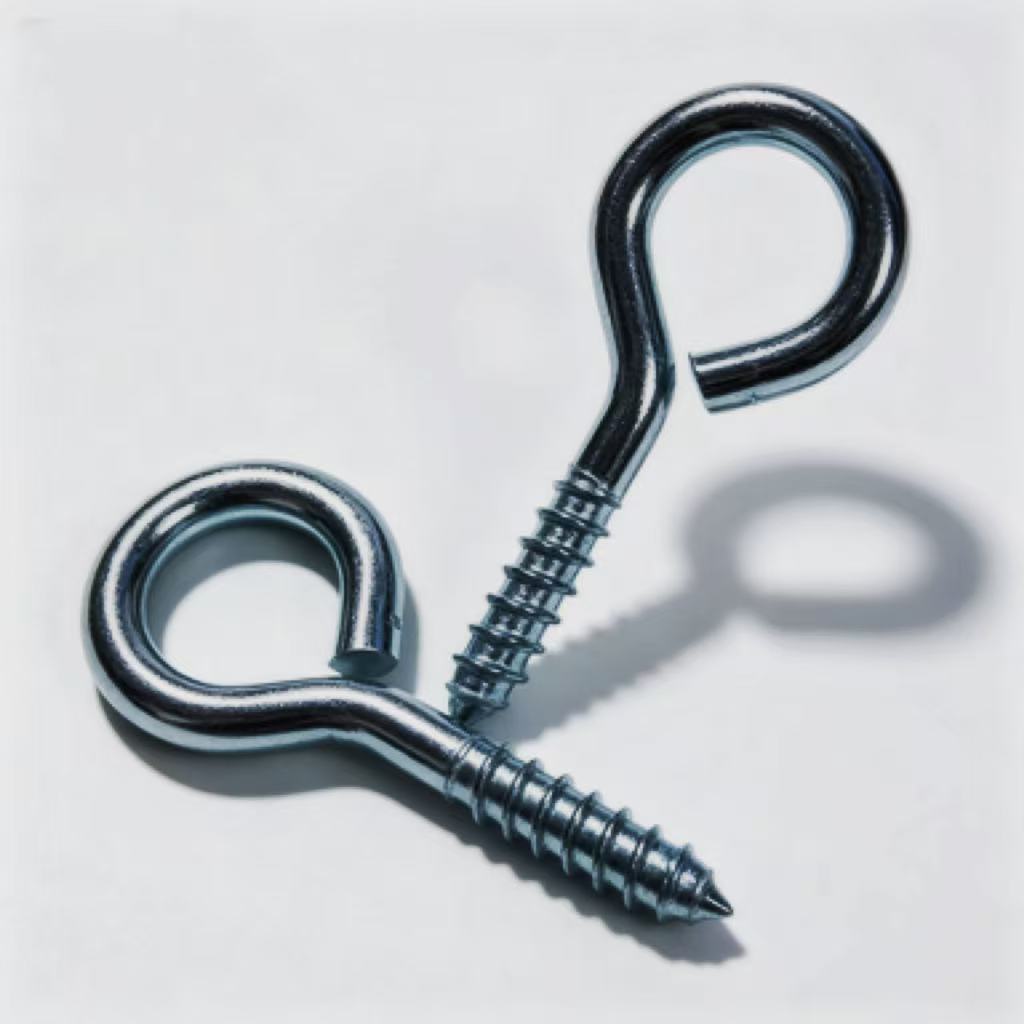
We specialize in a diverse range of products, including casing geckos, wooden teeth welded sheep’s eye screws/bolts, and a wide array of standard and custom fasteners. Our commitment to innovation drives us to continuously invest in scientific research and introduce high-tech talent, ensuring we stay ahead of market trends. By utilizing advanced production technology and perfect testing methods, we provide products that strictly meet GB, DIN, JIS, ANSI, and other international standards.
Our professional technical team and advanced machinery enable us to customize special specifications according to customer needs, regardless of quantity. Adhering to the principle of “quality first, customer first,” we maintain strict quality control and strive for thoughtful service. Our goal is to uphold our company’s reputation while fully meeting the evolving needs of our customers worldwide.
Quality Assurance and Certifications
Trust is built on transparency and verification. Our manufacturing process is governed by strict quality management systems.
- ISO 9001 Certification: Ensures consistent quality management practices across all operations.
- Material Traceability: Every batch is traceable to its raw material source, with mill certificates available upon request.
- In-House Testing Labs: Equipped with spectrometers, tensile testers, and hardness testers to verify chemical and mechanical properties.
- Third-Party Inspection: We welcome inspections by agencies like SGS, BV, or TUV to provide independent verification of quality.
Frequently Asked Questions (FAQ)
What is the difference between carbon steel and stainless steel fasteners?
Carbon steel fasteners are stronger and cheaper but prone to rust unless coated. Stainless steel fasteners offer inherent corrosion resistance but are generally softer and more expensive. Choose carbon steel for high-strength structural applications and stainless steel for highly corrosive environments where strength is secondary.
Can carbon steel fasteners be used outdoors?
Yes, provided they have appropriate surface protection. Hot-dip galvanizing or zinc-flake coatings are recommended for outdoor use to prevent rust. Plain carbon steel should never be used outdoors without protection.
What is the maximum temperature limit for carbon steel fasteners?
Standard carbon steel fasteners begin to lose significant strength above 200°C (392°F). For applications exceeding this temperature, specialized alloy steels or heat-resistant materials should be considered.
Do you offer custom packaging for wholesale orders?
Yes, we provide customizable packaging options, including branded boxes, bulk bags, and palletized shipments, to meet your logistics and branding requirements.
How do I verify the grade of a carbon steel bolt?
Check the head marking. Metric bolts display the property class (e.g., 8.8, 10.9), while imperial bolts use radial lines (e.g., three lines for Grade 5, six lines for Grade 8). Additionally, request a material test report (MTR) from the supplier for verification.
Conclusion: Partnering for Reliable Fastening Solutions
Carbon steel fasteners remain the backbone of industrial assembly, offering an unmatched balance of strength, versatility, and cost-effectiveness. By understanding the nuances of grades, coatings, and manufacturing processes, businesses can make informed decisions that enhance product reliability and safety. As a dedicated carbon steel fasteners manufacturer and wholesale supplier, we are committed to delivering precision-engineered products that meet the rigorous demands of global industries.
Whether you are constructing skyscrapers, assembling automotive lines, or manufacturing heavy machinery, our team is ready to support your supply chain with high-quality, compliant, and competitively priced fastening solutions. Leverage our expertise and production capacity to streamline your procurement process and ensure the integrity of your projects.
For detailed specifications, custom quotes, or sample requests, contact our sales team today. Discover how our tailored solutions can optimize your assembly operations.
Explore Our Full Range of Industrial Fasteners and Technical Solutions