As a premier China construction fasteners manufacturer and supplier, we specialize in producing high-performance structural bolts, concrete anchors, and steel connectors for global infrastructure projects. Our facility delivers ISO-certified solutions compliant with ASTM, DIN, and EN standards, ensuring reliability in heavy-load applications. By integrating advanced cold-forging technology with rigorous quality control, we provide scalable supply chain support for commercial, residential, and industrial construction needs. This guide details technical specifications, material selection, and procurement strategies to help engineers and contractors secure durable, cost-effective fastening systems directly from the source.
Understanding Construction Fasteners: Core Definitions and Industry Standards
Construction fasteners are mechanical devices used to join or secure construction materials, primarily steel, concrete, wood, and masonry. Unlike general-purpose hardware, these components are engineered to withstand dynamic loads, vibration, shear forces, and environmental corrosion. In the context of modern infrastructure, the integrity of a structure often depends on the performance of its smallest connecting elements.
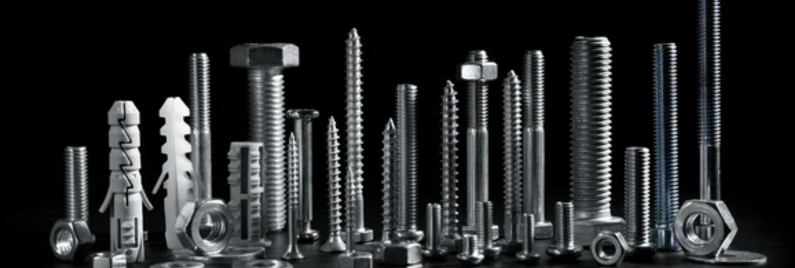
The term construction fasteners encompasses a broad category of products, including but not limited to hex head bolts, self-drilling screws, wedge anchors, drop-in anchors, and structural rivets. Each type serves a specific mechanical function, dictated by the substrate material and the load requirements of the application.
Key Industry Standards and Compliance
For any construction project, adherence to international standards is non-negotiable. As a leading supplier based in China, our manufacturing processes align with the following critical frameworks:
- ASTM (American Society for Testing and Materials): Standards such as ASTM A325 and ASTM A490 define the mechanical properties of high-strength structural bolts used in steel-to-steel connections.
- DIN (Deutsches Institut für Normung): German standards like DIN 933 and DIN 934 are widely recognized in European and Asian markets for metric hex bolts and nuts.
- EN (European Norms): EN 15048 specifies the requirements for non-preloaded structural bolting assemblies, crucial for bridge and building frameworks.
- ISO (International Organization for Standardization): ISO 898-1 covers the mechanical properties of fasteners made from carbon steel and alloy steel, ensuring global interoperability.
Compliance with these standards ensures that every batch of fasteners meets precise tensile strength, yield strength, and hardness criteria. For buyers sourcing from China, verifying that the manufacturer holds valid certifications for these standards is the first step in risk mitigation.
Comprehensive Product Portfolio for Structural Applications
A robust construction fastener supply chain must offer diverse solutions tailored to specific engineering challenges. Our product lines are categorized by application method and substrate compatibility, ensuring optimal performance across various construction phases.
Structural Bolts and High-Strength Assemblies
Structural bolts are the backbone of steel erection. They are designed to clamp steel plates together with sufficient force to prevent slippage under load. The most common types include:
- Hex Head Structural Bolts: Used in general steel connections where access is available from both sides.
- Twist-Off Bolts (TC Bolts): Tension-control bolts that provide a visual indication when the correct preload is achieved, eliminating the need for torque wrenches.
- Anchor Bolts: L-shaped or J-shaped rods embedded in concrete foundations to secure structural columns.
These fasteners typically range from M12 to M36 in diameter and are manufactured from medium carbon steel or alloy steel, heat-treated to achieve grades such as 8.8, 10.9, or 12.9.
Concrete Anchoring Systems
Securing fixtures to concrete requires specialized anchors that expand or bond within the substrate. Our concrete anchoring solutions include:
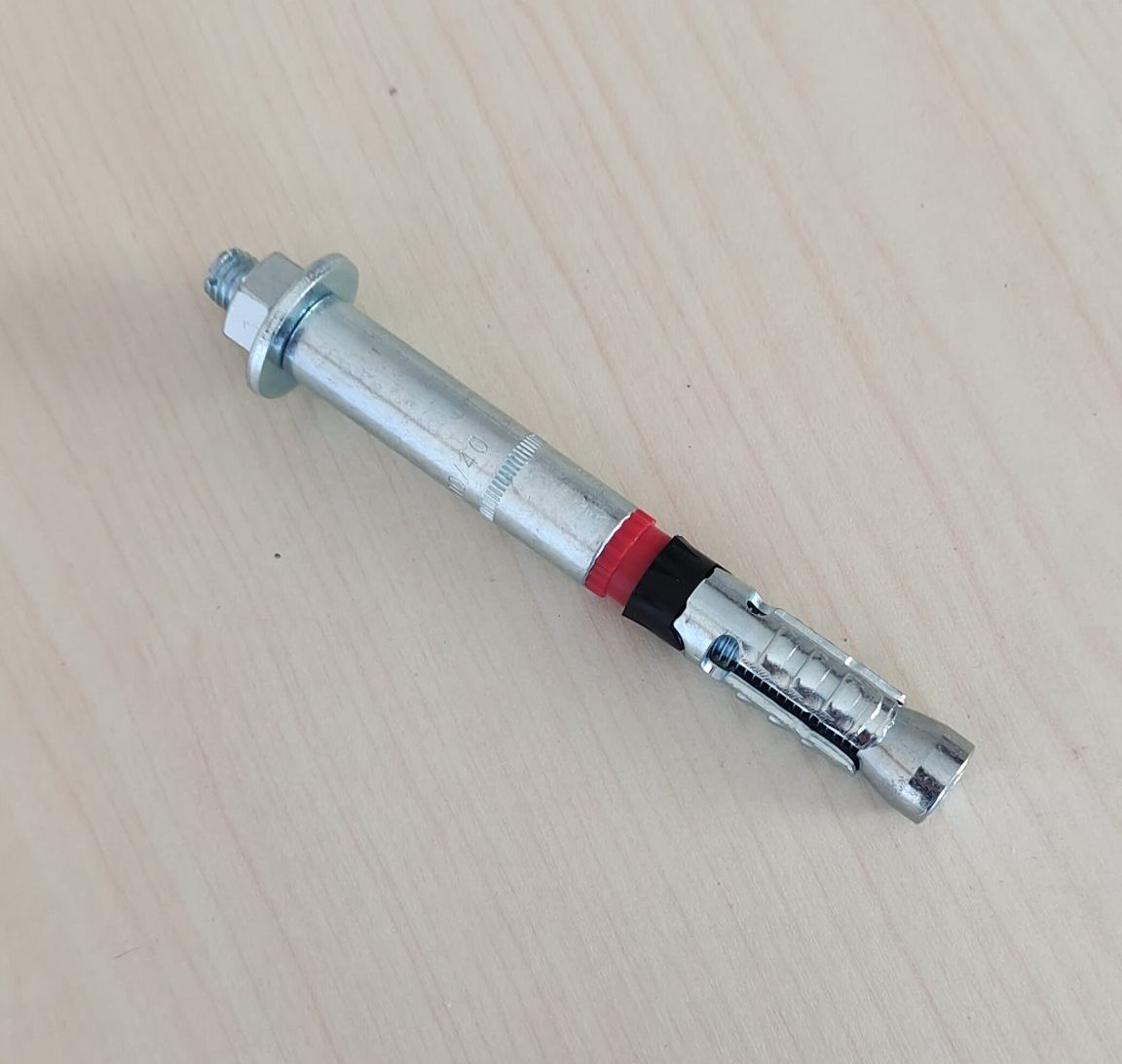
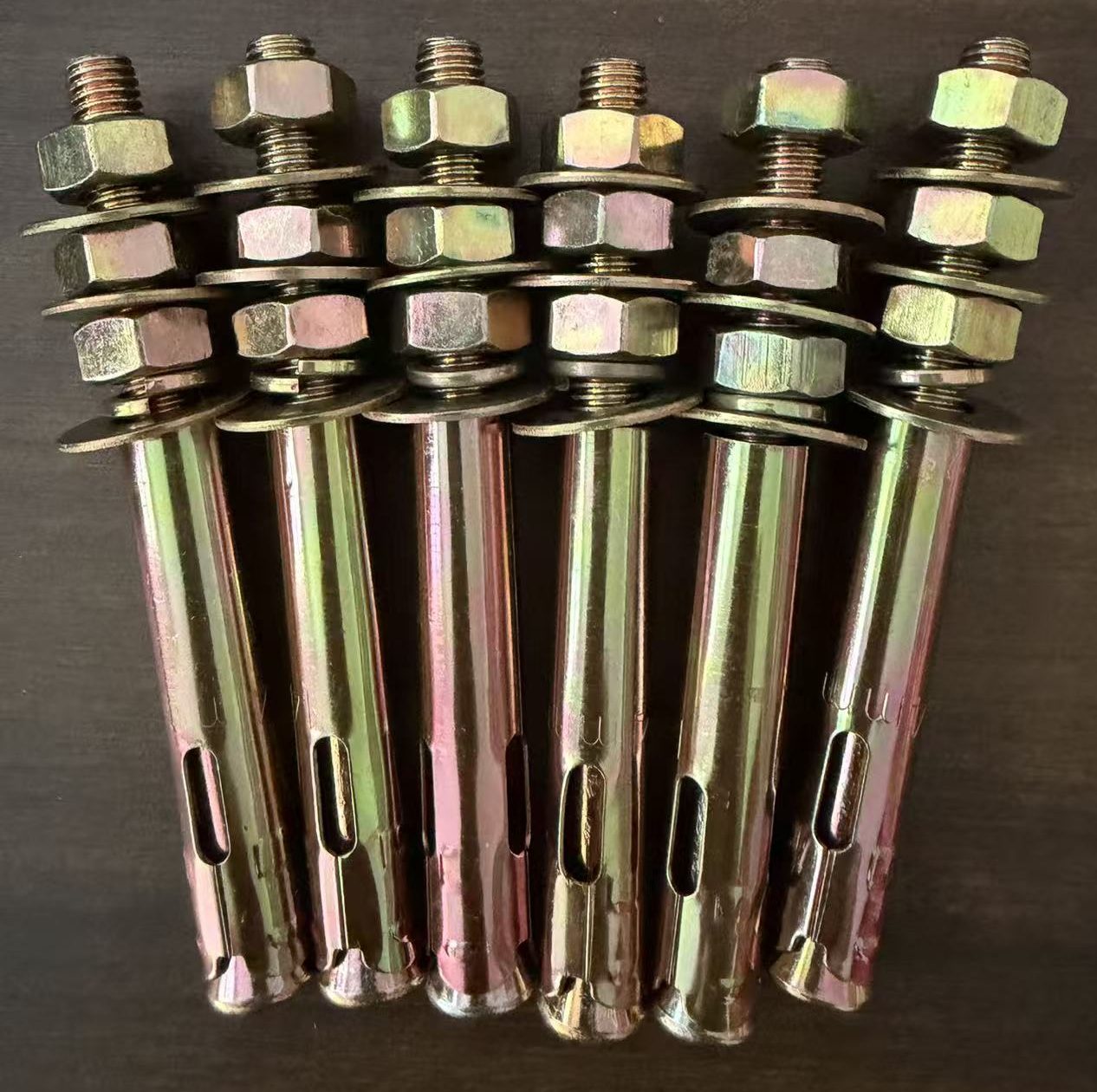
- Wedge Anchors: Mechanical anchors that expand against the concrete hole walls when tightened, ideal for heavy static loads.
- Drop-In Anchors: Flush-mount anchors used when a smooth surface finish is required, commonly found in flooring and ceiling applications.
- Chemical Anchors: Epoxy or vinyl ester resin systems that bond threaded rods to the concrete, offering superior performance in cracked concrete and seismic zones.
Self-Drilling and Self-Tapping Screws
For metal-to-metal connections, particularly in roofing, cladding, and light gauge steel framing, self-drilling screws eliminate the need for pre-drilling. These screws feature a drill point that penetrates the material and forms its own threads, significantly reducing installation time.
Key variations include:
- Hex Washer Head Screws: Designed for use with impact drivers, providing high clamping force.
- Pan Head Screws: Used for sheet metal attachments where a lower profile is needed.
- Sealing Washers: Integrated EPDM washers that create a watertight seal, essential for exterior roofing applications.
Material Science: Selecting the Right Alloy for Durability
The longevity of a construction project is heavily influenced by the material composition of its fasteners. Choosing the wrong material can lead to premature failure due to corrosion, hydrogen embrittlement, or fatigue. As an experienced manufacturer, we guide clients through the selection process based on environmental exposure and mechanical requirements.
Carbon Steel vs. Stainless Steel vs. Alloy Steel
| Material Type | Key Characteristics | Typical Applications | Corrosion Resistance |
| Carbon Steel (Grade 4.8 – 12.9) | High tensile strength, cost-effective, heat-treatable. | Structural steel beams, indoor framing, machinery bases. | Low (requires coating). |
| Stainless Steel (A2/A4 – 304/316) | Excellent corrosion resistance, moderate strength, aesthetic appeal. | Coastal structures, chemical plants, food processing facilities. | High (inherent). |
| Alloy Steel (SCM435/40Cr) | Superior strength-to-weight ratio, high fatigue resistance. | High-rise buildings, bridges, seismic-resistant structures. | Medium (requires coating). |
The Role of Surface Coatings
For carbon steel fasteners, surface treatment is critical for enhancing corrosion resistance and friction coefficients. Common coatings include:
- Zinc Plating (Electro-galvanized): Provides a basic level of protection for indoor environments. Thickness typically ranges from 5 to 15 microns.
- Hot-Dip Galvanizing (HDG): Dips the fastener in molten zinc, creating a thick, durable layer suitable for outdoor exposure. Note that HDG increases the thread pitch diameter, requiring overtapped nuts.
- Dacromet/Geomet: Zinc-flake coatings that offer superior corrosion resistance without hydrogen embrittlement risks, ideal for high-strength bolts (10.9/12.9).
- Mechanical Galvanizing: A compromise between electro-plating and hot-dip, offering thicker coverage than electro-plating without the dimensional changes of HDG.
Manufacturing Excellence: From Raw Material to Finished Product
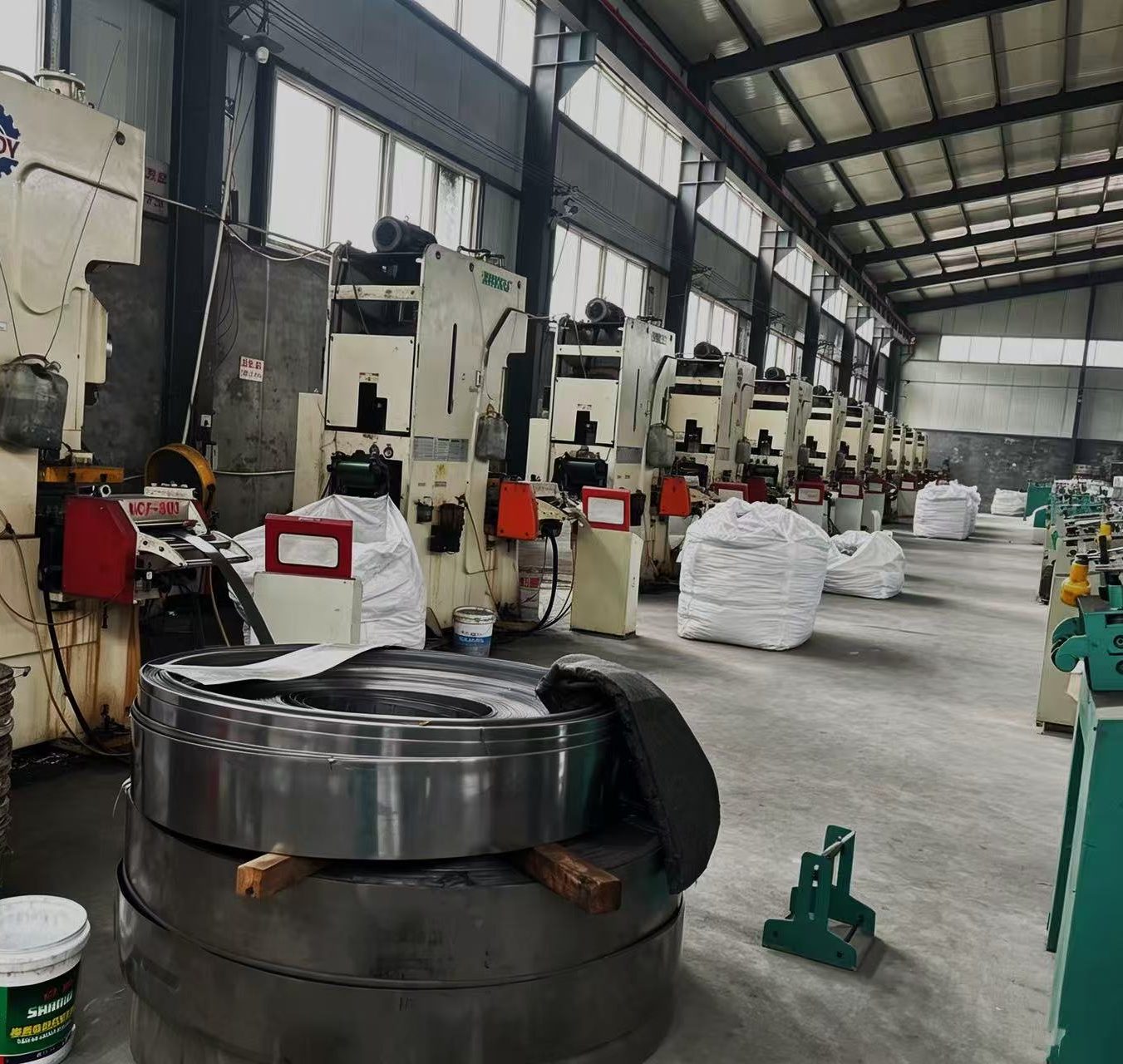
Understanding the manufacturing process helps buyers assess the quality capabilities of a China construction fasteners manufacturer. Located in Handan, Hebei—the heart of China’s fastener industry—our company combines over a decade of specialized experience with advanced production technologies. We operate as an integrated industry and trade entity, specializing in the development, manufacturing, and service of a wide array of fasteners and hardware tools.
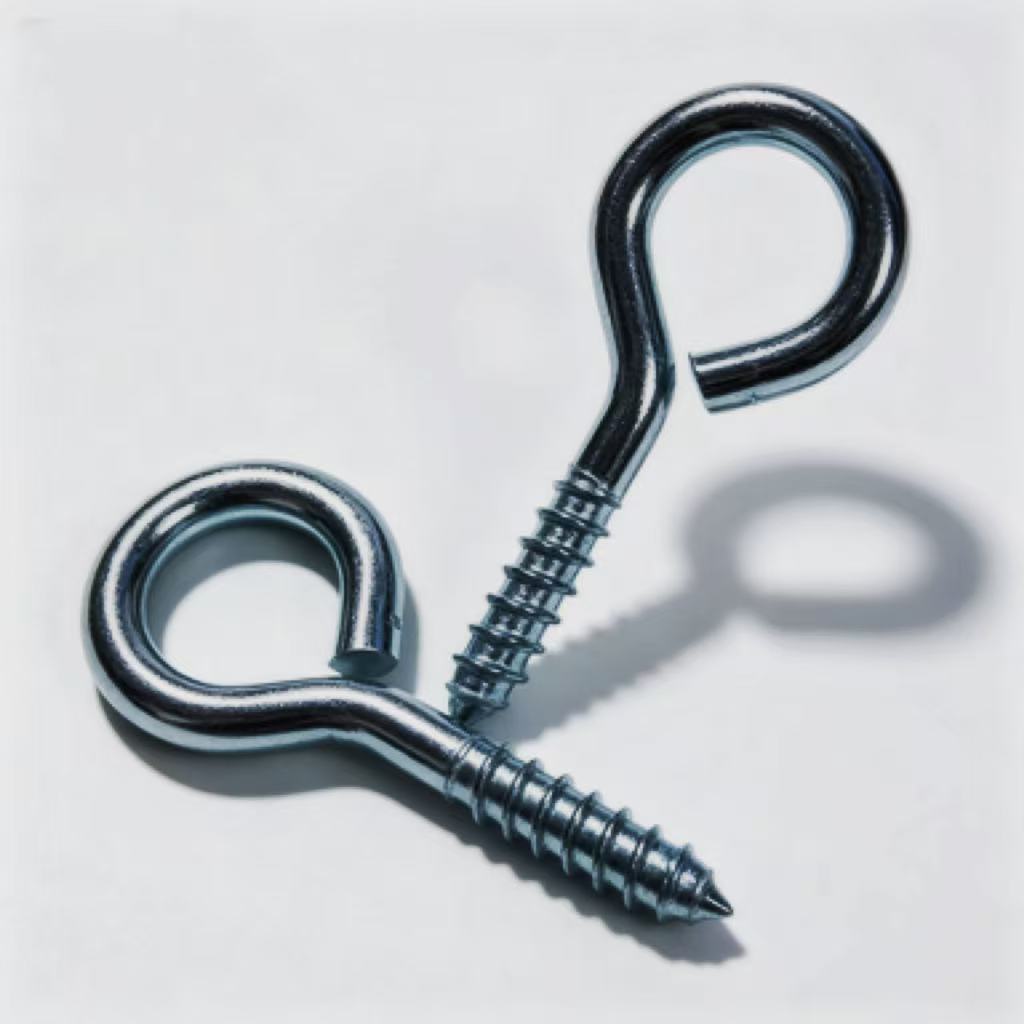
Our production line integrates automation with precision engineering to ensure consistency across millions of units. While we are renowned for standard structural components, our expertise extends to specialized products such as casing geckos and wooden teeth welded sheep’s eye screws/bolts. This diverse portfolio reflects our commitment to innovation and our ability to meet complex, niche market demands alongside large-scale infrastructure needs.
Step-by-Step Production Workflow
- Raw Material Inspection: Wire rods are sourced from certified mills. Spectrometry analysis verifies chemical composition before production begins.
- Cold Forging: The wire is cut and formed into the basic shape (head and shank) using high-tonnage presses. Cold working strengthens the metal through strain hardening.
- Thread Rolling: Threads are formed by rolling the shank between dies, which preserves the grain structure and enhances fatigue strength compared to cut threads.
- Heat Treatment: For high-grade fasteners, quenching and tempering processes adjust the microstructure to achieve desired hardness and tensile properties.
- Surface Treatment: Fasteners undergo cleaning, pickling, and coating application in controlled environments to ensure uniform thickness and adhesion.
- Quality Control (QC): Random sampling involves dimensional checks, torque testing, salt spray testing, and tensile strength verification.
Advanced Quality Assurance Protocols
Trustworthiness in B2B transactions is built on transparent quality assurance. Our laboratory is equipped with universal testing machines, Rockwell hardness testers, and salt spray chambers. Each batch is accompanied by a Mill Test Certificate (MTC) that traces the material back to its original heat number, providing full accountability.
We adhere to a “Quality First, Customer First” principle. This involves automated optical inspection systems that detect surface cracks, thread defects, or dimensional deviations in real-time, preventing non-conforming products from entering the packaging stage. With products exported to more than 26 countries, we strictly adhere to GB, DIN, JIS, ANSI, and other international standards, ensuring that our integrity-based business philosophy translates into tangible product reliability.
Strategic Sourcing from China: Benefits and Considerations
China remains the global hub for fastener manufacturing, offering a unique combination of scale, technological advancement, and cost efficiency. However, sourcing effectively requires navigating logistical and quality nuances.
Why Choose a Direct Manufacturer?
Engaging directly with a manufacturer rather than a trading company offers several strategic advantages:
- Cost Efficiency: Eliminating intermediaries reduces markup, allowing for more competitive pricing on bulk orders.
- Customization Capability: Direct access to engineering teams enables bespoke solutions. Our professional technical team and advanced machinery allow us to customize special specifications, quality, and quantity according to specific customer needs.
- Production Transparency: Clients can request real-time updates, factory audits, and video inspections, fostering greater trust.
- Lead Time Control: Direct communication streamlines the production schedule, reducing delays caused by miscommunication.
Navigating Logistics and Supply Chain Stability
In 2026, global supply chains have stabilized, but strategic planning remains essential. Key considerations include:
- MOQ (Minimum Order Quantity): Understand the manufacturer’s MOQ per SKU. Consolidating orders can optimize shipping costs.
- Incoterms: Clearly define responsibilities. FOB (Free on Board) is common, giving the buyer control over freight forwarding, while EXW (Ex Works) places more logistical burden on the buyer.
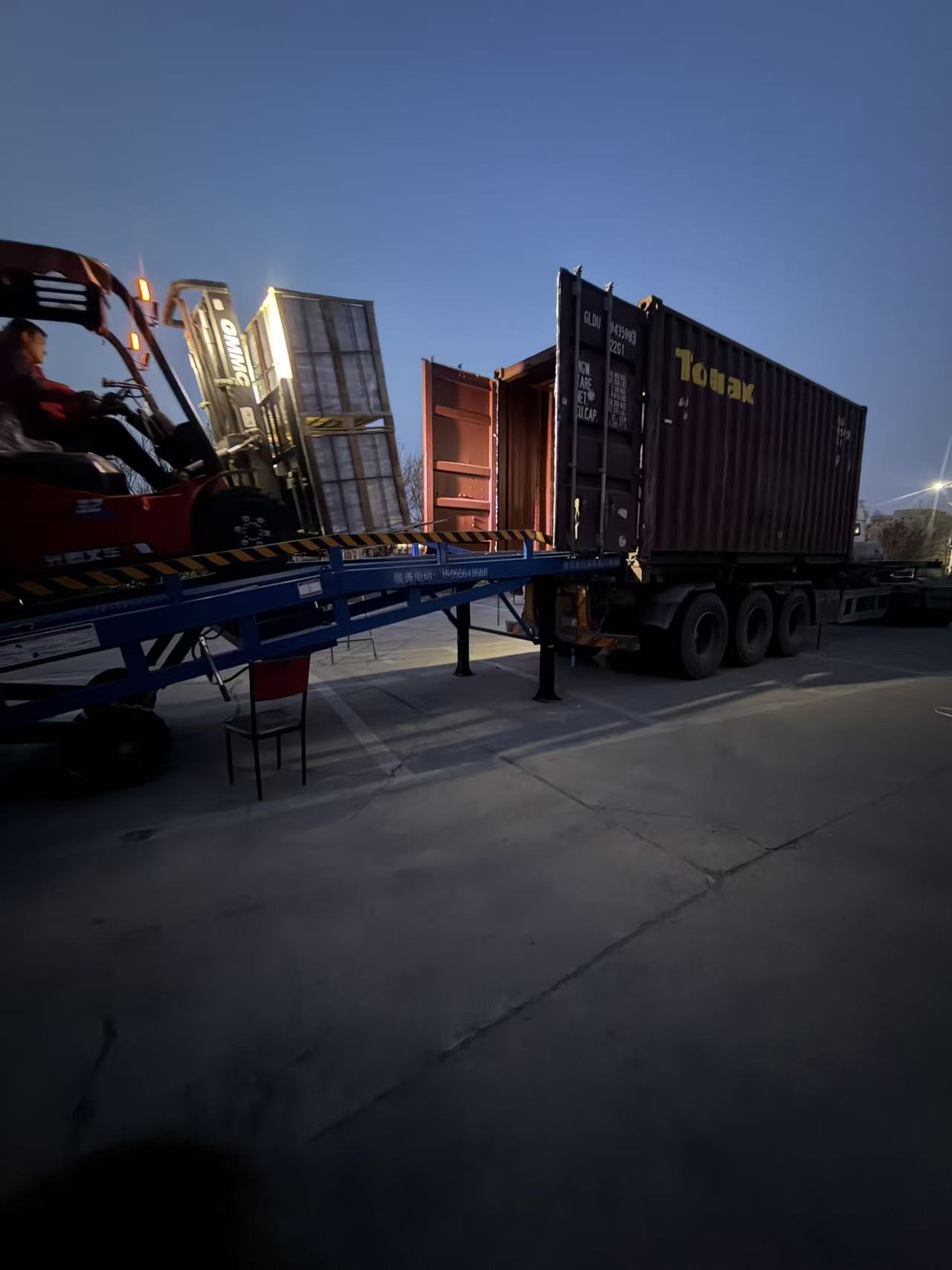
- Packaging Standards: Ensure packaging is export-worthy, utilizing moisture-resistant materials and pallets that comply with ISPM 15 regulations for international wood packaging.
Technical Selection Guide: Matching Fasteners to Applications
Selecting the right fastener involves analyzing three primary factors: Load Type, Substrate Material, and Environmental Conditions. Making errors in any of these areas can compromise structural integrity.
Load Analysis: Shear vs. Tension
Shear Loads: Forces acting perpendicular to the fastener axis. Structural bolts in beam connections primarily resist shear. High-strength steel with precise fit tolerances is required.
Tensile Loads: Forces pulling the fastener apart along its axis. Anchor bolts holding down equipment experience tension. Ductility is key here to prevent sudden brittle failure.
Combined Loads: Many applications involve both shear and tension. In such cases, interaction equations defined in standards like AISC (American Institute of Steel Construction) must be used to verify capacity.
Substrate Compatibility Matrix
| Substrate | Recommended Fastener Type | Installation Method | Critical Consideration |
| Structural Steel | ASTM A325/A490 Bolts | Turn-of-nut or Calibrated Wrench | Preload accuracy is vital for slip-critical joints. |
| Concrete (Cured) | Wedge Anchors, Chemical Anchors | Drill, Clean, Insert, Tighten | Hole cleaning is critical for anchor bond strength. |
| Light Gauge Steel | Self-Drilling Screws | Direct Drive | Avoid over-driving to prevent stripping threads. |
| Wood/Timber | Lag Screws, Timber Connectors | Pre-drill (for hardwoods) | Account for wood shrinkage and expansion. |
Common Installation Errors and How to Avoid Them
Even the highest quality fasteners can fail if installed incorrectly. Based on industry feedback and technical support data, these are the most frequent mistakes encountered on construction sites.
1. Over-Torquing and Under-Torquing
Under-torquing fails to generate the necessary clamp load, leading to joint slippage. Over-torquing can stretch the bolt beyond its yield point, causing it to snap or lose preload over time. Solution: Use calibrated torque wrenches and follow manufacturer-specified torque values, accounting for lubrication conditions.
2. Poor Hole Preparation in Concrete
Dust and debris in drilled holes significantly reduce the holding power of mechanical and chemical anchors. Solution: Use wire brushes, air blasts, and vacuum pumps to clean holes thoroughly before inserting anchors.
3. Galvanic Corrosion
Connecting dissimilar metals (e.g., stainless steel screws in aluminum frames) without isolation can cause rapid corrosion. Solution: Use insulated washers or select fasteners with compatible electrochemical potentials.
4. Ignoring Edge Distance and Spacing
Installing anchors too close to the edge of concrete can cause spalling or breakout failure. Solution: Adhere to minimum edge distance and spacing guidelines provided in technical approval documents (ETA).
FAQ: Frequently Asked Questions About Construction Fasteners
What is the difference between Grade 8.8 and Grade 10.9 bolts?
Grade 8.8 bolts have a minimum tensile strength of 800 MPa and a yield strength of 640 MPa. Grade 10.9 bolts are stronger, with a minimum tensile strength of 1000 MPa and a yield strength of 900 MPa. Grade 10.9 is typically used in more demanding structural applications where higher preload is required.
Can I use standard nuts with hot-dip galvanized bolts?
No. Hot-dip galvanizing adds a thick zinc layer to the threads, increasing the pitch diameter. Standard nuts will not fit. You must use oversize or overtapped nuts specifically designated for HDG bolts to ensure proper engagement.
How do I verify the quality of fasteners from a Chinese supplier?
Request a Mill Test Certificate (MTC) for each batch. Conduct third-party inspections if the order volume is significant. Verify that the supplier has ISO 9001 certification and relevant product-specific approvals (e.g., CE marking for Europe).
What is the lead time for custom construction fasteners?
Standard items usually ship within 2-4 weeks. Custom orders involving non-standard materials or coatings may take 6-8 weeks, depending on production queue and raw material availability. Always confirm lead times during the quotation phase.
Are stainless steel fasteners always better than carbon steel?
Not necessarily. While stainless steel offers better corrosion resistance, it has lower tensile strength compared to high-grade alloy steel and is susceptible to galling (thread seizing). For high-load structural connections indoors, coated carbon steel is often the superior engineering choice.
Future Trends in Construction Fastening Technology
As we move further into 2026, the construction industry is evolving towards smarter, more sustainable practices. Fastener manufacturers are responding with innovations that align with these trends.
Smart Fasteners and IoT Integration
Emerging technologies include sensors embedded in critical bolts that monitor preload loss, vibration, and temperature in real-time. This data feeds into Building Information Modeling (BIM) systems, allowing for predictive maintenance of bridges and high-rises.
Sustainability and Green Coatings
Environmental regulations are driving the shift away from hexavalent chromium in coatings. Trivalent chromium and zinc-flake systems are becoming the norm. Additionally, manufacturers are optimizing production processes to reduce energy consumption and waste, supporting LEED and BREEAM certification goals for construction projects.
High-Performance Alloys for Extreme Environments
With infrastructure expanding into harsher climates, demand is rising for super-duplex stainless steels and nickel-alloy fasteners that resist extreme corrosion and high temperatures, particularly in offshore wind farms and coastal energy plants.
Conclusion: Securing Your Project with Reliable Partnerships
Choosing the right construction fasteners is a critical decision that impacts the safety, longevity, and cost-efficiency of any building project. As a dedicated China construction fasteners manufacturer and supplier, we combine technical expertise with manufacturing scalability to deliver solutions that meet the rigorous demands of modern engineering.
Our commitment to EEAT principles—demonstrated through our deep industry experience, technical expertise, authoritative compliance with global standards, and trustworthy quality assurance—ensures that you receive products that perform as specified. Whether you require standard structural bolts, customized anchoring systems, or specialized hardware like casing geckos and welded eye bolts, our team is equipped to support your supply chain with precision and reliability.
Who Should Partner With Us?
- General Contractors: Seeking consistent supply and competitive pricing for large-scale developments.
- Structural Engineers: Requiring technically compliant, certified components for critical load paths.
- Distributors: Looking for a reliable OEM partner with flexible customization and branding options.
- Industrial Fabricators: Needing high-volume, high-quality fasteners for machinery and plant construction.
Do not compromise on the integrity of your connections. Contact our technical sales team today to discuss your project requirements, request samples, or obtain a detailed quotation. Let us help you build with confidence.
Explore Our Full Range of Construction Fasteners and Technical Solutions