As a premier hex bolts manufacturer in China, we specialize in producing high-precision, ISO-certified hexagonal head bolts for critical industrial applications. Our facility combines advanced cold-heading technology with rigorous quality control to deliver fasteners that meet DIN, ISO, ANSI, and JIS standards. Whether you require standard carbon steel hex bolts for general construction or high-tensile alloy steel variants for heavy machinery, our supply chain ensures consistent torque performance, dimensional accuracy, and corrosion resistance. This guide details our manufacturing capabilities, material specifications, and quality assurance processes to help global buyers make informed procurement decisions.
Why Choose a Certified Hex Bolts Manufacturer in China?
Sourcing hex bolts from China offers significant advantages in scalability, cost-efficiency, and manufacturing versatility. However, the market is fragmented. Partnering with an ISO-certified factory eliminates risks associated with inconsistent material grades and poor thread tolerances. As a dedicated hex bolts manufacturer China based entity, we adhere to strict international standards, ensuring every batch meets the mechanical property requirements of global engineering projects.
ISO Certification and Quality Assurance Standards
Quality is not merely a claim but a documented process. Our manufacturing floor operates under ISO 9001:2015 quality management systems. This certification mandates regular audits of raw material sourcing, production parameters, and final inspection protocols. For hex bolts, this means:
- Material Traceability: Every heat number of steel wire rod is tracked from receipt to finished product, ensuring compliance with specified chemical compositions.
- Process Control: Cold heading and thread rolling machines are calibrated daily to maintain tolerance levels within ISO 4762 and DIN 933 specifications.
- Batch Testing: Random samples undergo tensile strength, hardness, and wedge tension tests to verify mechanical properties before shipment.
This systematic approach guarantees that the hex bolts you receive are not just visually compliant but structurally sound for their intended load-bearing applications.
Advanced Manufacturing Capabilities
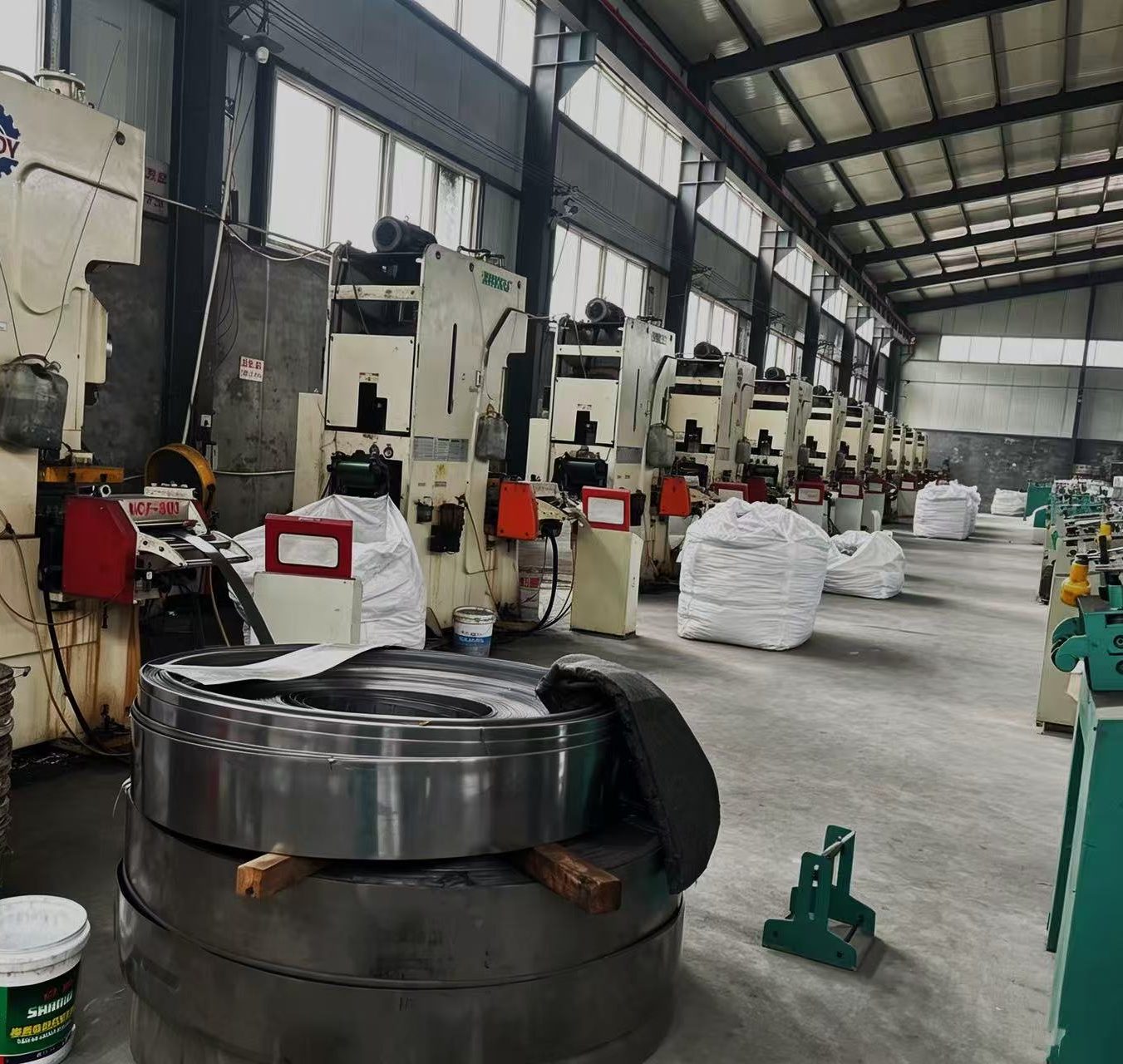
Modern hex bolt production requires precision machinery capable of high-volume output without sacrificing accuracy. Our facility utilizes multi-station cold formers and high-speed thread rollers. These machines allow us to produce hex bolts ranging from M6 to M100 in diameter, with lengths extending up to several meters for specialized structural applications.
The cold-heading process preserves the grain structure of the steel, enhancing the fatigue resistance of the bolt head and shank. Unlike cut threads, which remove material and create stress concentration points, our rolled threads compress the metal fibers, resulting in superior strength and smoother surface finishes. This technical advantage is critical for applications involving dynamic loads or vibration.
About Us: A Decade of Excellence in Handan
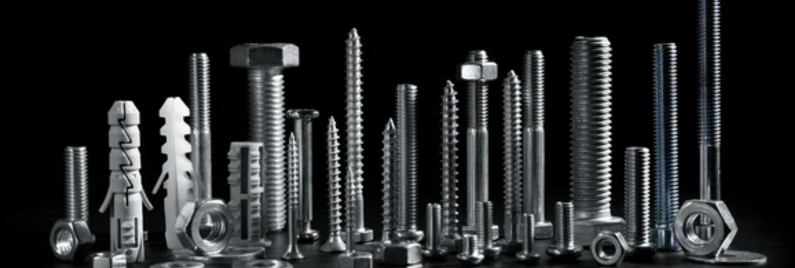
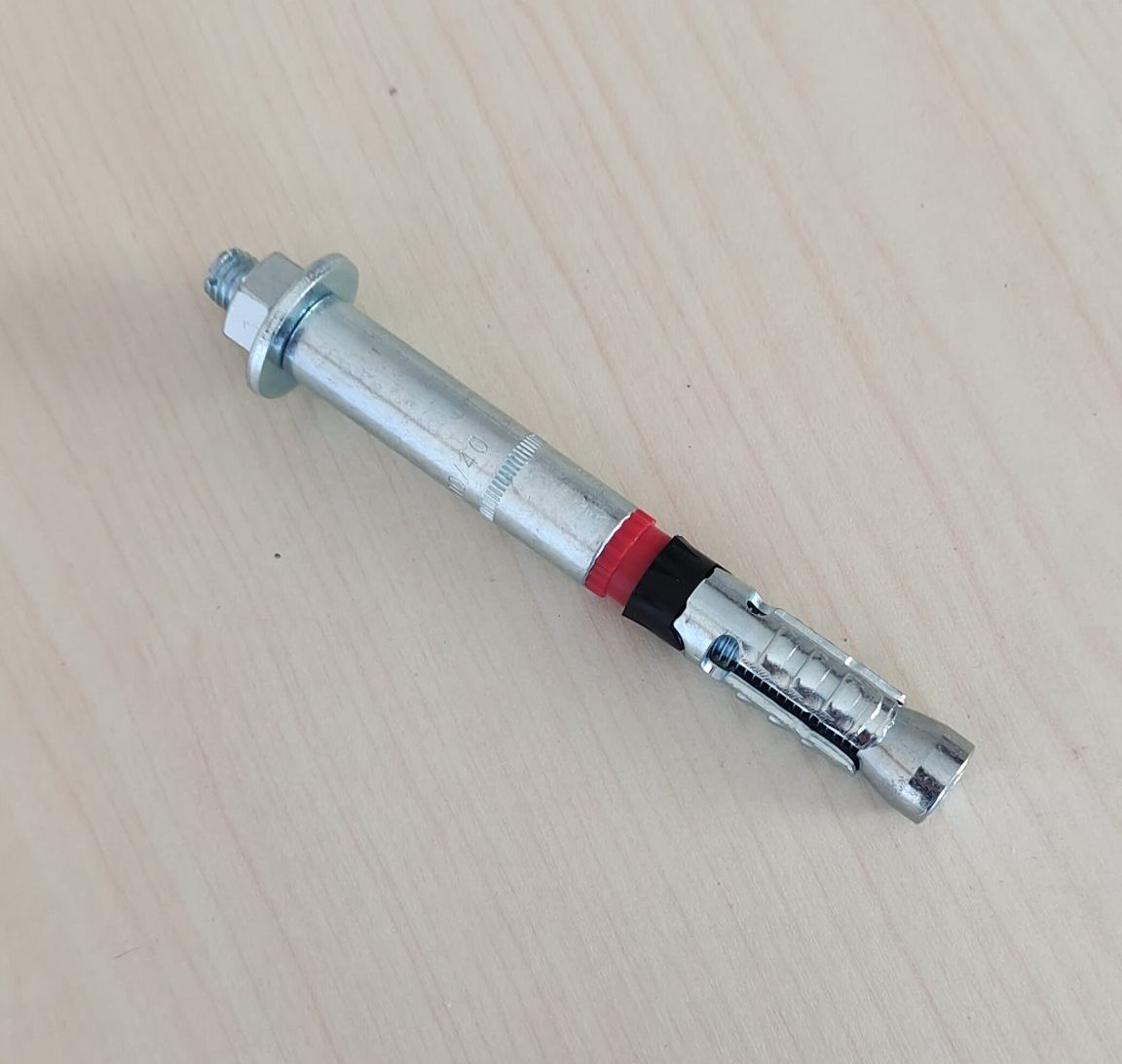
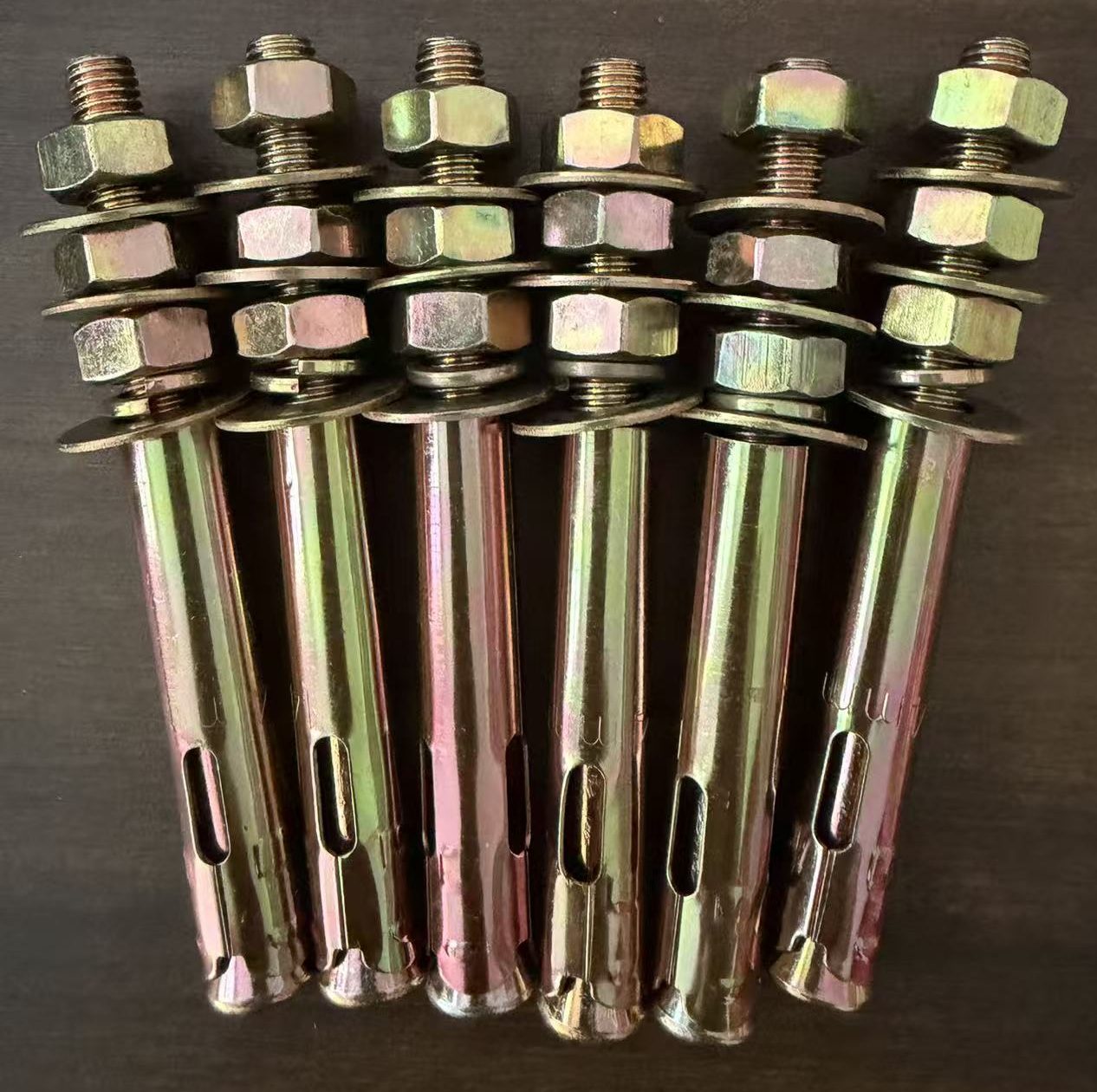
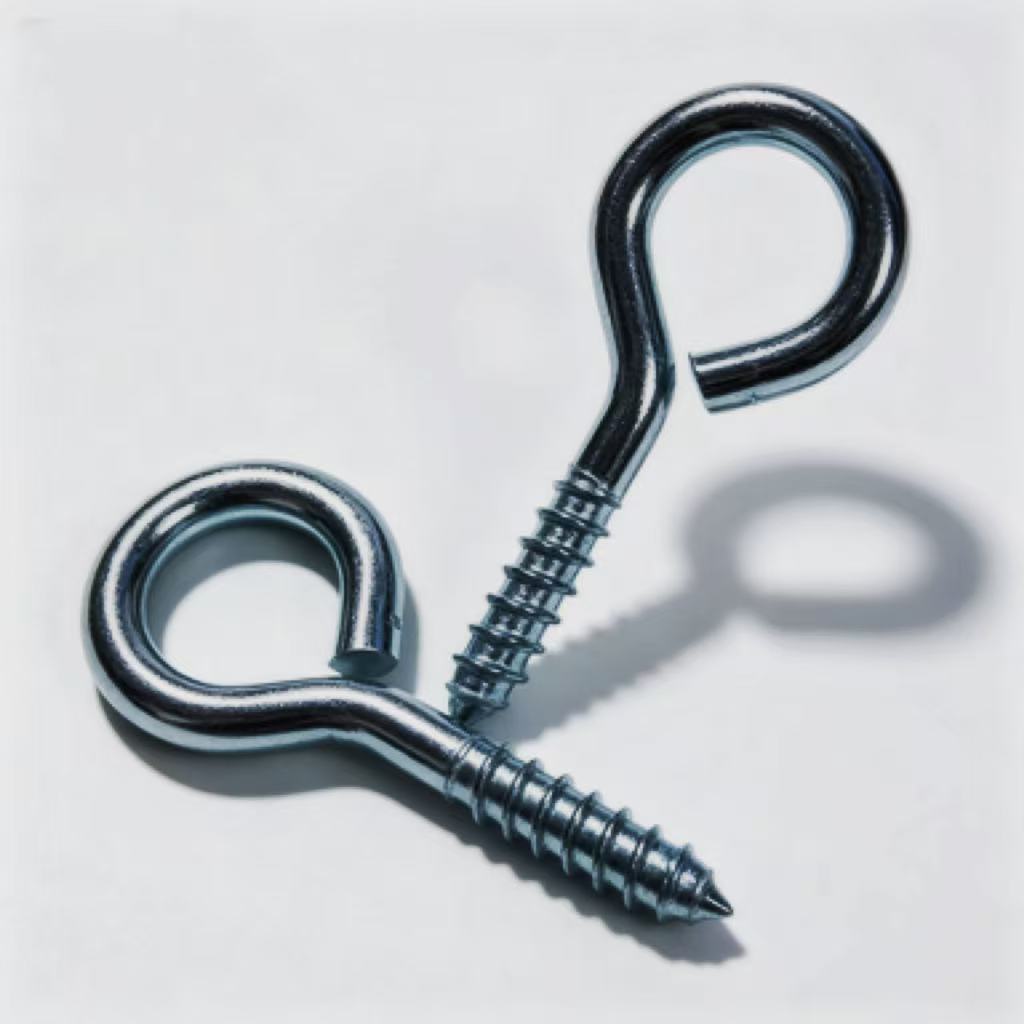
Located in Handan, Hebei—China’s renowned hub for fastener manufacturing—our company stands as a global industry and trade integration enterprise. With over ten years of industry experience, we have established a robust reputation for specializing in the development, manufacturing, and service of diverse fasteners and hardware tools. While we are widely recognized for our expertise in casing geckos, wooden teeth, welded sheep’s eye screws, and bolts, our core competency lies in delivering comprehensive fastening solutions tailored to international markets.
We export our products to more than 26 countries, driven by a business philosophy rooted in integrity and innovation. By investing heavily in scientific research and introducing high-tech talent, we utilize advanced production technologies and perfect testing methods to provide products that strictly meet GB, DIN, JIS, ANSI, and other international standards. Our professional technical team and advanced machinery enable us to offer high-quality products at competitive prices, customizing special specifications according to customer needs while adhering to our “quality first, customer first” principle.
Comprehensive Product Range: Hex Bolt Specifications
Understanding the specific types of hex bolts available is essential for selecting the right fastener for your project. As a leading supplier, we categorize our products based on head style, thread coverage, and performance grade.
Hex Head Cap Screws vs. Hex Bolts
While often used interchangeably, there is a technical distinction between hex cap screws and hex bolts, primarily defined by standards and thread length.
- Hex Cap Screws: Typically governed by ASME B18.2.1 or DIN 933. They feature a tighter tolerance on the head and thread, with a shorter thread length (usually 2x diameter + 6mm). They are designed for precision machinery where fit is critical.
- Hex Bolts: Governed by ASTM A307 or DIN 931. They have slightly looser tolerances and longer thread lengths. These are ideal for structural connections, wood-to-metal attachments, and general construction where extreme precision is less critical than holding power.
We manufacture both types, ensuring that customers receive the exact component required by their engineering drawings.
Material Grades and Mechanical Properties
The performance of a hex bolt is dictated by its material grade. We produce bolts in various steel grades to match diverse application needs.
| Standard | Grade/Class | Material Type | Tensile Strength (Min) | Yield Strength (Min) | Typical Application |
| ISO 898-1 | Class 4.8 | Low Carbon Steel | 400 MPa | 340 MPa | General purpose, low stress |
| ISO 898-1 | Class 8.8 | Medium Carbon Steel, Quenched & Tempered | 800 MPa | 640 MPa | Structural steelwork, machinery |
| ISO 898-1 | Class 10.9 | Alloy Steel, Quenched & Tempered | 1040 MPa | 940 MPa | High-load automotive, mining |
| ISO 898-1 | Class 12.9 | Alloy Steel, Quenched & Tempered | 1220 MPa | 1100 MPa | Critical high-stress applications |
| ASTM A307 | Grade A | Carbon Steel | 60 ksi (414 MPa) | N/A | General construction, anchor bolts |
| ASTM A325 | Type 1 | Medium Carbon Steel | 120 ksi (830 MPa) | 92 ksi (635 MPa) | Structural steel joints |
Selecting the correct grade is vital. Using a Class 4.8 bolt in a Class 10.9 application can lead to catastrophic failure due to yielding under load. Conversely, using a Class 12.9 bolt where a Class 8.8 suffices increases cost without adding value. Our engineering team assists clients in verifying grade requirements against their design loads.
Surface Treatments and Corrosion Resistance
Raw steel hex bolts are susceptible to rust. Surface treatments protect the fastener and enhance its aesthetic appeal. We offer a range of finishes tailored to environmental conditions.
- Zinc Plating (Electroplating): Provides a bright, uniform finish. Suitable for indoor environments. Thickness typically ranges from 5 to 15 microns.
- Hot-Dip Galvanizing (HDG): Involves dipping bolts in molten zinc. Creates a thick, rugged coating ideal for outdoor structures, power transmission towers, and marine environments. Note that HDG adds thickness, requiring oversized nuts.
- Geomet/Dacromet: A zinc-flake coating offering superior corrosion resistance compared to standard zinc plating, without the hydrogen embrittlement risk. Common in automotive and wind energy sectors.
- Black Oxide: Provides minimal corrosion resistance but improves appearance and reduces glare. Often used with oil or wax for additional protection.
- PTFE/Xylan Coating: Non-stick, low-friction coatings used in chemical processing or where galling resistance is required.
Manufacturing Process: From Wire Rod to Finished Bolt
Understanding how hex bolts are made helps buyers appreciate the value of precision manufacturing. Our process follows a streamlined, efficient workflow designed to minimize defects and maximize consistency.
Step 1: Raw Material Selection and Inspection
The process begins with high-quality wire rods or bars. We source materials from reputable mills, ensuring they meet chemical composition standards for carbon, manganese, sulfur, and phosphorus content. Incoming materials undergo spectroscopic analysis to verify grade integrity before entering production.
Step 2: Cold Heading (Forming the Head)
The wire is cut to precise lengths and fed into a cold heading machine. Using high-pressure dies, the machine forms the hexagonal head and the transition to the shank. This cold-working process strengthens the metal through strain hardening. Precision here is critical; any misalignment results in uneven heads or weak points.
Step 3: Thread Rolling
After heading, the blank moves to the thread rolling station. Instead of cutting away material, hardened dies press the thread profile into the shank. This creates threads with superior fatigue life and surface hardness. We monitor pitch diameter and major/minor diameters continuously to ensure compatibility with standard nuts.
Step 4: Heat Treatment (For High-Grade Bolts)
For bolts rated Class 8.8 and above, heat treatment is mandatory. The bolts are quenched in oil or polymer solutions and then tempered. This process adjusts the microstructure of the steel, achieving the required balance of hardness and toughness. We strictly control furnace temperatures and residence times to prevent brittleness or soft spots.
Step 5: Surface Treatment and Packaging
Finished bolts are cleaned to remove oils and debris. They then undergo the specified surface treatment (plating, galvanizing, etc.). Finally, each batch is inspected for visual defects, dimensional accuracy, and coating thickness before being packed in durable, labeled boxes or pallets for export.
Key Industries and Applications for Hex Bolts
Hex bolts are ubiquitous in industrial infrastructure. Their simple design and high load-bearing capacity make them the default choice for many engineering challenges. As a trusted hex bolts manufacturer China partner, we supply sectors with distinct requirements.
Construction and Structural Steel
In building construction, hex bolts connect steel beams, columns, and base plates. High-strength structural bolts (such as ASTM A325 or A490 equivalents) are used in moment connections where rigidity is paramount. These bolts must withstand seismic forces, wind loads, and dead weights. Reliability is non-negotiable, making certified manufacturing essential.
Automotive and Transportation
Vehicles utilize thousands of hex bolts in chassis assembly, engine mounting, and suspension systems. Here, vibration resistance is critical. We produce fine-thread hex bolts for automotive applications, often with specific coatings to prevent galling and corrosion from road salts. Consistency in torque-tension relationship is vital for automated assembly lines.
Energy and Power Transmission
Wind turbines, oil rigs, and power grids rely on massive hex bolts for structural integrity. Wind turbine tower flanges, for example, use large-diameter, high-tensile bolts that must endure cyclic loading for decades. Our ability to produce large-scale hex bolts with verified ultrasonic testing capabilities supports this demanding sector.
Machinery and Equipment Manufacturing
Industrial machines, from CNC centers to agricultural equipment, use hex bolts for frame assembly and component attachment. These applications often require precise fits (hex cap screws) to ensure alignment of moving parts. We provide tight-tolerance bolts that meet ISO 4762 standards for these precision needs.
How to Select the Right Hex Bolt Supplier
Choosing the right manufacturer impacts your project’s timeline, budget, and safety. When evaluating a hex bolts manufacturer China, consider these critical factors.
Verification of Certifications
Do not accept verbal assurances. Request valid ISO 9001 certificates and mill test reports (MTRs) for previous batches. A reputable supplier will transparently share quality documentation, including chemical analysis and mechanical test results.
Production Capacity and Lead Times
Assess whether the factory can handle your volume within your timeframe. Large-scale projects require manufacturers with multiple production lines and sufficient inventory of raw materials. Ask about their standard lead times for both stock items and custom orders.
Technical Support and Customization
Complex projects may require non-standard sizes, special materials (such as stainless steel 316 or Inconel), or unique coatings. A capable manufacturer offers engineering support to validate designs and suggest optimizations. They should be able to produce prototypes quickly for testing.
Export Experience and Logistics
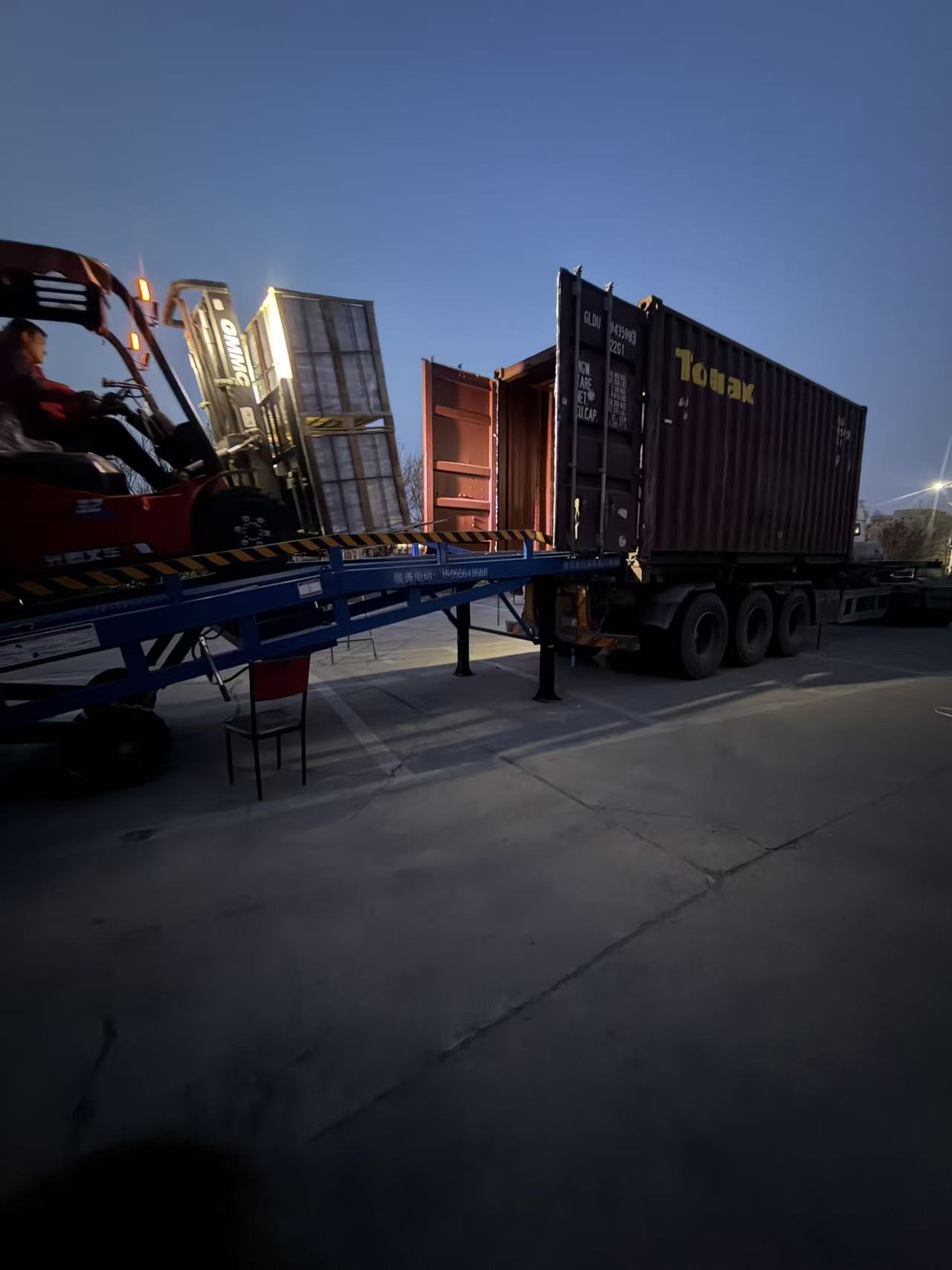
International shipping involves complex documentation. Experienced exporters understand Incoterms, customs clearance requirements, and packaging standards for sea freight. They ensure that goods arrive undamaged and on time, reducing hidden costs associated with delays or claims.
Common Mistakes in Hex Bolt Procurement
Avoiding common pitfalls can save significant time and money. Here are frequent errors buyers make when sourcing hex bolts.
- Ignoring Thread Pitch: Confusing coarse (UNC/Metric standard) and fine (UNF/Metric fine) threads leads to assembly failures. Always specify the pitch clearly.
- Underestimating Corrosion Needs: Using standard zinc-plated bolts in marine or chemical environments results in rapid rusting. Match the coating to the environment.
- Overlooking Hydrogen Embrittlement: High-strength bolts (Class 10.9/12.9) are susceptible to hydrogen embrittlement during electroplating. Ensure the supplier uses baking processes to mitigate this risk.
- Neglecting Torque Specifications: Different grades and coatings have different friction coefficients. Using generic torque values can lead to under-tightening (loosening) or over-tightening (breaking). Consult the supplier for torque recommendations.
Frequently Asked Questions (FAQ)
What is the difference between DIN 933 and DIN 931 hex bolts?
DIN 933 specifies fully threaded hex bolts (up to a certain length), while DIN 931 specifies partially threaded hex bolts with a longer unthreaded shank. DIN 931 bolts are typically used in applications where shear strength is critical, as the unthreaded shank provides greater resistance to shear forces than threaded sections.
Can you produce hex bolts in stainless steel?
Yes, we manufacture hex bolts in various stainless steel grades, including A2-70 (304) and A4-80 (316). Stainless steel bolts are ideal for corrosive environments but have lower tensile strength compared to alloy steel bolts of similar size. We advise on the appropriate grade based on your environmental and load requirements.
What is the minimum order quantity (MOQ)?
Our MOQ varies by product type and size. For standard sizes and grades, we offer flexible quantities to support trial orders. For custom specifications or special coatings, higher MOQs may apply to optimize production efficiency. Contact our sales team for specific details regarding your requirements.
How do you ensure the torque consistency of hex bolts?
Torque consistency is influenced by thread quality, surface finish, and material hardness. We control these variables through precise thread rolling, consistent coating thickness, and strict heat treatment protocols. We can perform torque-tension tests upon request to provide data for your assembly processes.
Do you provide third-party inspection services?
Yes, we welcome third-party inspections from agencies such as SGS, BV, or TUV. We can arrange for pre-shipment inspections to verify quantity, dimensions, and packaging according to your standards. This transparency builds trust and ensures quality compliance.
Technical Comparison: Hex Bolts vs. Other Fasteners
To further clarify the role of hex bolts, it is useful to compare them with other common fasteners.
| Feature | Hex Bolt | Square Head Bolt | Carriage Bolt | Socket Head Cap Screw |
| Head Shape | Hexagonal | Square | Rounded | Cylindrical with internal hex |
| Driving Tool | Wrench/Spanner | Wrench | Wrench (often square drive) | Allen Key/Hex Bit |
| Space Requirement | Moderate | High (clearance for square) | Low (no head clearance needed) | Low (internal drive) |
| Primary Use | General structural/machinery | Wood/Timber construction | Wood-to-metal, smooth surface | Precision machinery, limited space |
| Load Capacity | High | Moderate | Moderate | High (high-grade alloys) |
This comparison highlights why hex bolts remain the industry standard for general-purpose high-load applications. Their balance of ease of installation, tool availability, and structural integrity is unmatched.
Maintenance and Inspection of Hex Bolt Connections
Even the highest quality hex bolts require proper maintenance to ensure long-term reliability. Regular inspection prevents loosening and failure.
Visual Inspection
Check for signs of corrosion, cracking, or deformation. Rust streaks can indicate moisture ingress, while cracked heads suggest overload or hydrogen embrittlement. Replace any compromised bolts immediately.
Torque Checking
Periodically verify the torque of critical connections. Vibration can cause nuts to loosen over time. Use a calibrated torque wrench to check if the applied torque remains within the specified range. If significant loosening is detected, investigate the cause (e.g., vibration, settlement) and consider using locking nuts or thread-locking adhesives.
Replacement Strategy
Never reuse high-strength hex bolts that have been tightened to their yield point. Once stretched, their mechanical properties change, and they may fail upon re-tightening. Always replace critical fasteners with new ones during maintenance operations.
Conclusion: Partnering for Quality and Reliability
Selecting the right hex bolts manufacturer China is a strategic decision that impacts the safety and efficiency of your projects. By prioritizing ISO certification, material traceability, and technical expertise, you ensure that your supply chain delivers components that meet rigorous international standards. Our commitment to precision manufacturing, diverse product ranges, and customer-centric service makes us a reliable partner for global industries.
Whether you need standard DIN 933 hex bolts for construction or custom-engineered fasteners for specialized machinery, we have the capability and capacity to deliver. We invite you to leverage our experience and infrastructure to optimize your procurement strategy.
Ready to secure your supply chain?
Contact our engineering team today to discuss your specific hex bolt requirements. Request a quote, review our technical datasheets, or schedule a virtual factory tour to see our quality control processes in action.
Explore Our Full Range of Industrial Fasteners and Technical Solutions