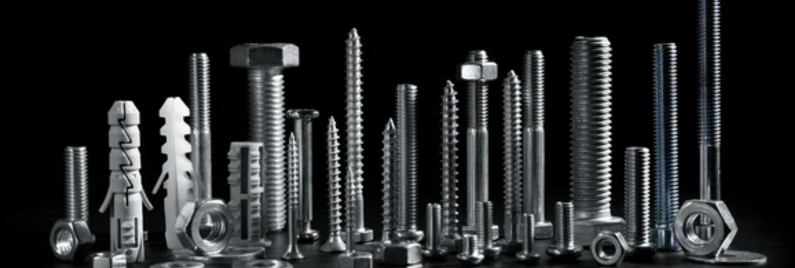
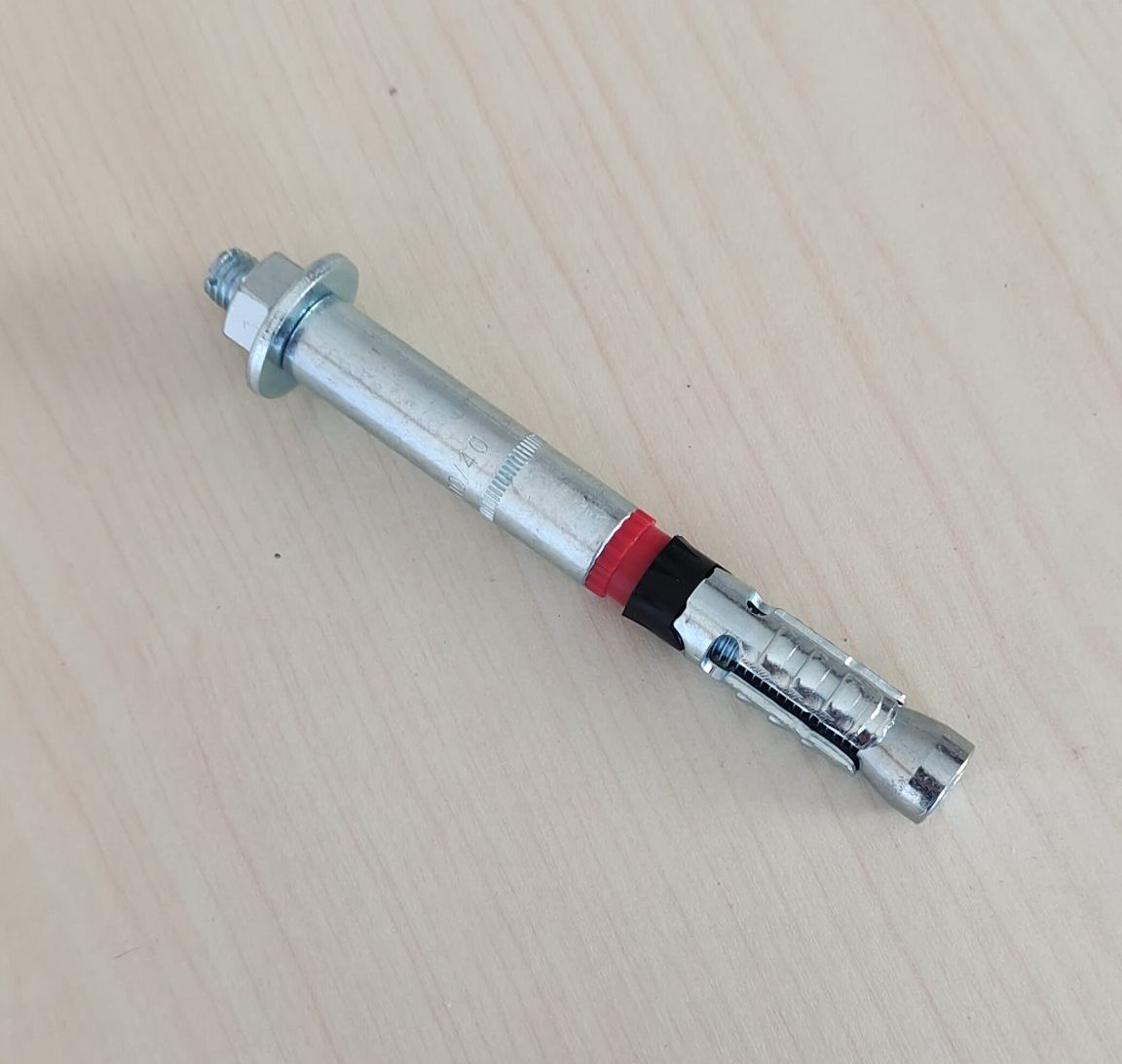
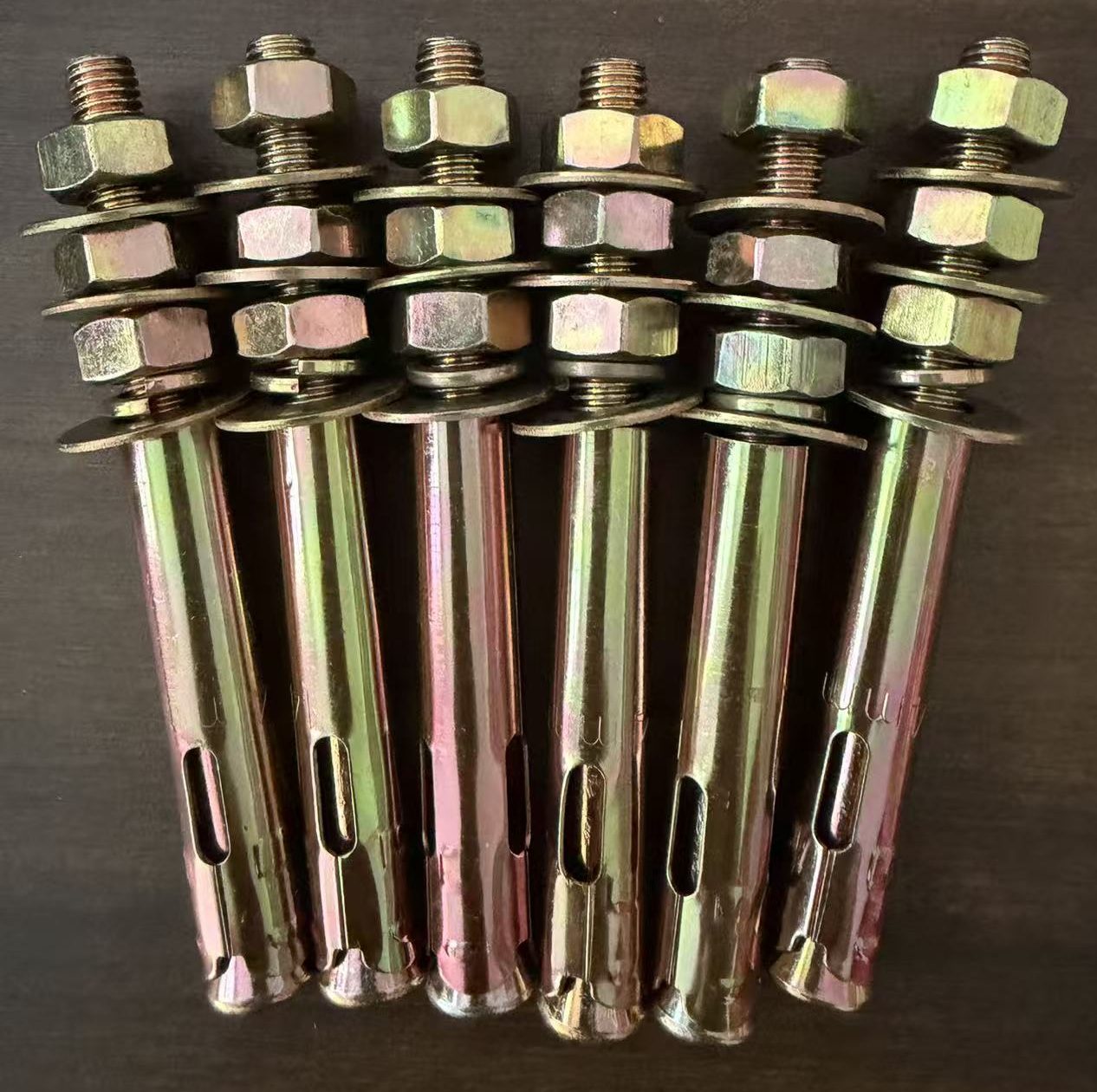
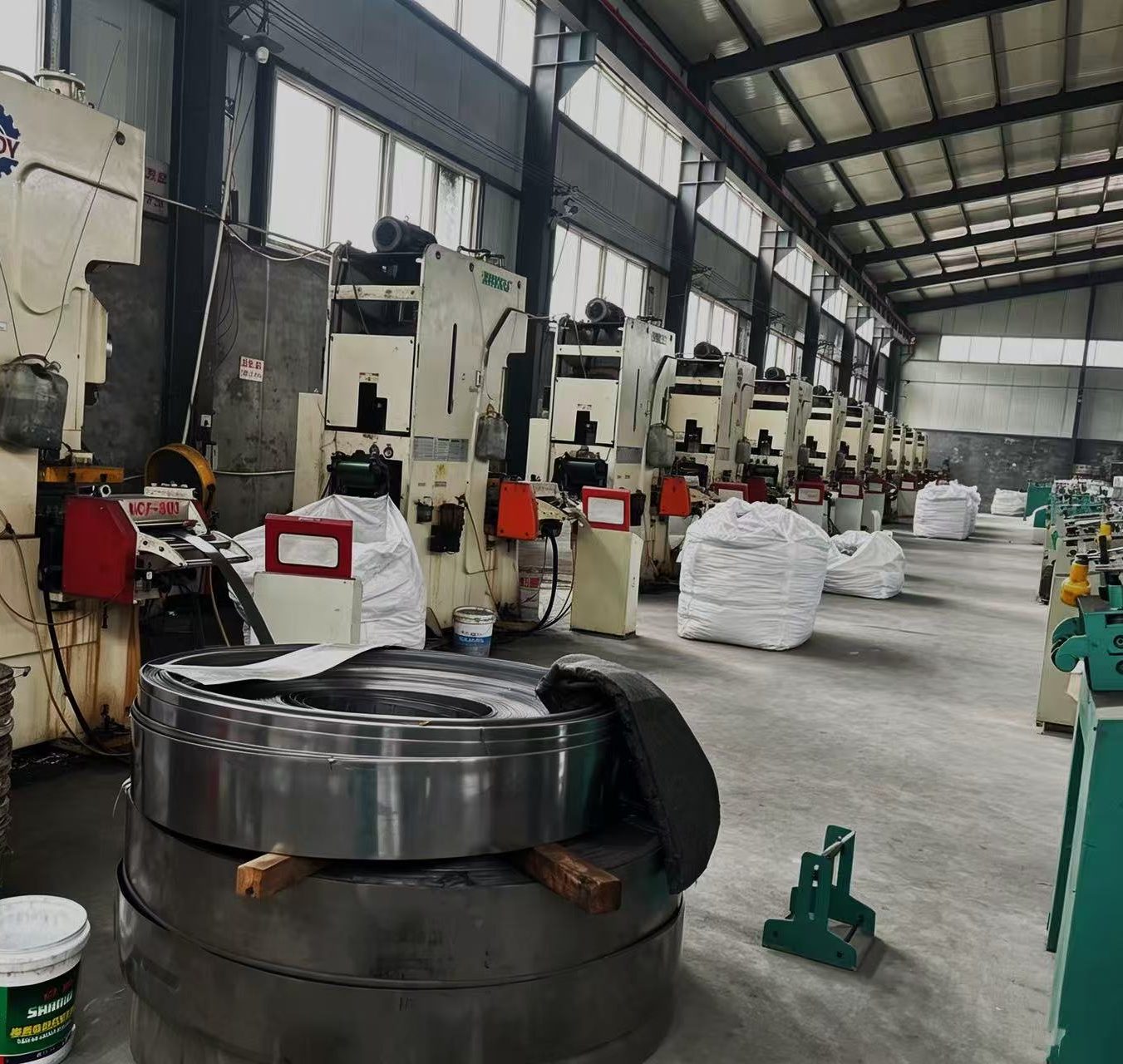
Custom fasteners are engineered joining solutions manufactured to precise specifications for unique industrial applications. Unlike off-the-shelf hardware, these components are designed using CAD models and produced via CNC machining, cold forming, or hot forging to meet exact dimensional, material, and performance requirements. As a specialized manufacturer, we provide OEM and ODM services that ensure strict adherence to industry standards such as ISO, DIN, ANSI, and JIS. Our precision manufacturing capabilities allow for tight tolerances, custom head styles, and specialized thread forms, ensuring optimal fit and function in critical assemblies across aerospace, automotive, medical, and heavy machinery sectors.
What Are Custom Fasteners and Why Do Industries Need Them?
In modern engineering, standard off-the-shelf fasteners often fail to meet the rigorous demands of high-performance applications. Custom fasteners bridge this gap by offering tailored solutions that address specific mechanical loads, environmental conditions, and spatial constraints. When a standard bolt, screw, or nut cannot guarantee the structural integrity or operational efficiency of a product, custom manufacturing becomes not just an option, but a necessity.
The primary driver for choosing custom solutions is the need for precision. In industries like aerospace and medical device manufacturing, even a micron-level deviation can lead to catastrophic failure. Custom manufacturing allows engineers to specify exact thread pitches, head heights, and shank diameters that standard catalogs do not offer. Furthermore, custom fasteners enable the use of exotic materials—such as titanium alloys, Inconel, or specialized stainless steels—that provide superior corrosion resistance, heat tolerance, or strength-to-weight ratios compared to generic carbon steel options.
The Limitations of Standard Off-the-Shelf Hardware
Standard fasteners are designed for general-purpose use. They adhere to broad industry norms to maximize compatibility and minimize cost. However, this generality introduces several limitations in specialized applications:
- Dimensional Constraints: Standard lengths and diameters may not fit within compact assembly designs, requiring costly redesigns of the surrounding components.
- Material Incompatibility: Generic zinc-plated steel may corrode rapidly in marine or chemical environments, whereas a custom Hastelloy or Titanium fastener would endure.
- Load Distribution Issues: Standard head shapes may not provide sufficient bearing surface area for soft materials like aluminum or composites, leading to pull-through failures.
- Assembly Efficiency: Non-standard drive types or thread locks may be required to speed up automated assembly lines, which standard hardware does not support.
By opting for custom manufacturing, companies eliminate these compromises. The result is a component that integrates seamlessly into the final product, reducing assembly time, enhancing durability, and lowering long-term maintenance costs.
About Us: A Decade of Precision Manufacturing Excellence
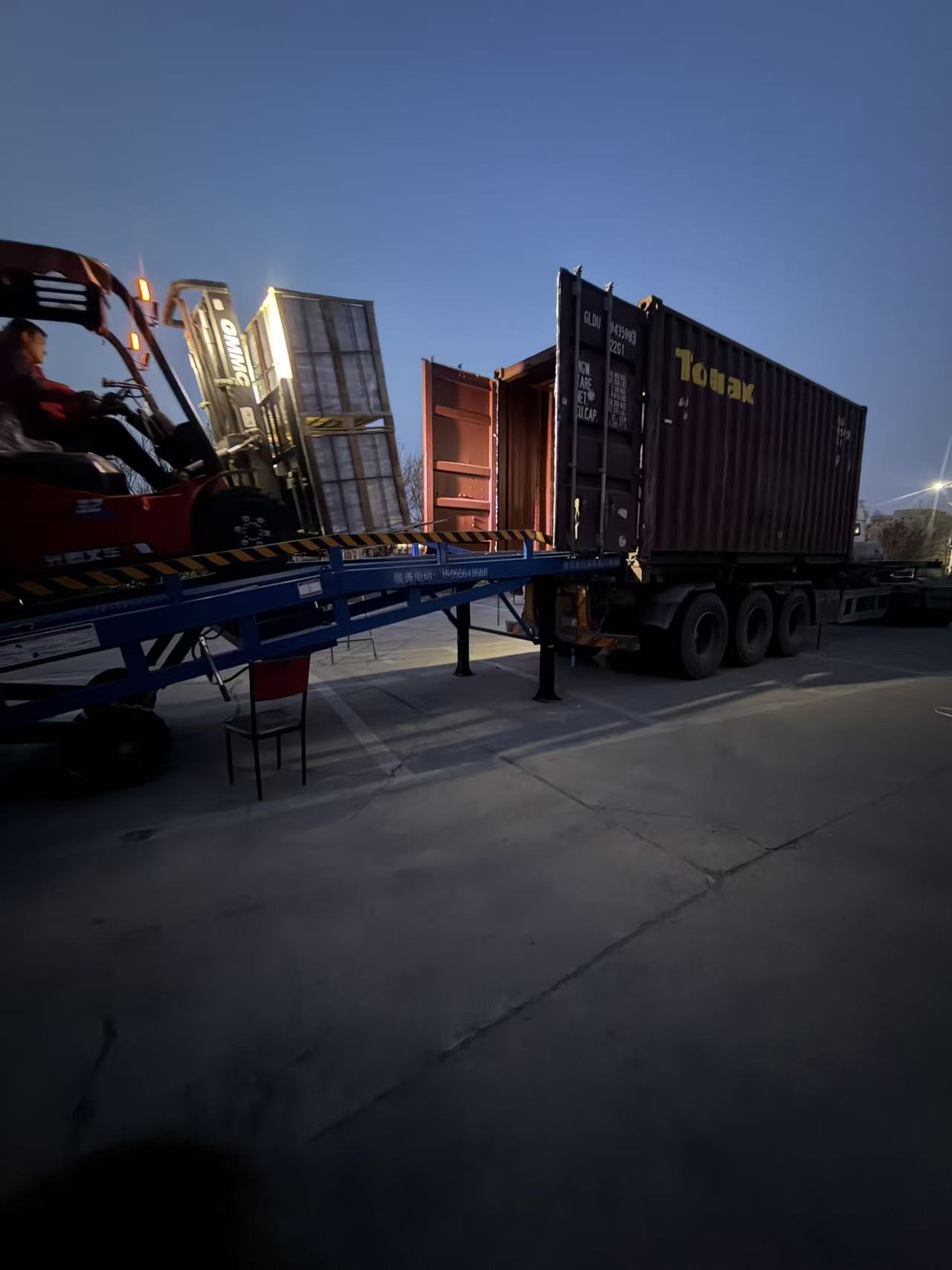
Located in Handan, Hebei—China’s renowned hub for fastener manufacturing—we are a global industry and trade integration company with over ten years of specialized experience. We focus on the development, manufacturing, and service of high-quality fasteners and hardware tools, exporting our products to more than 26 countries worldwide.
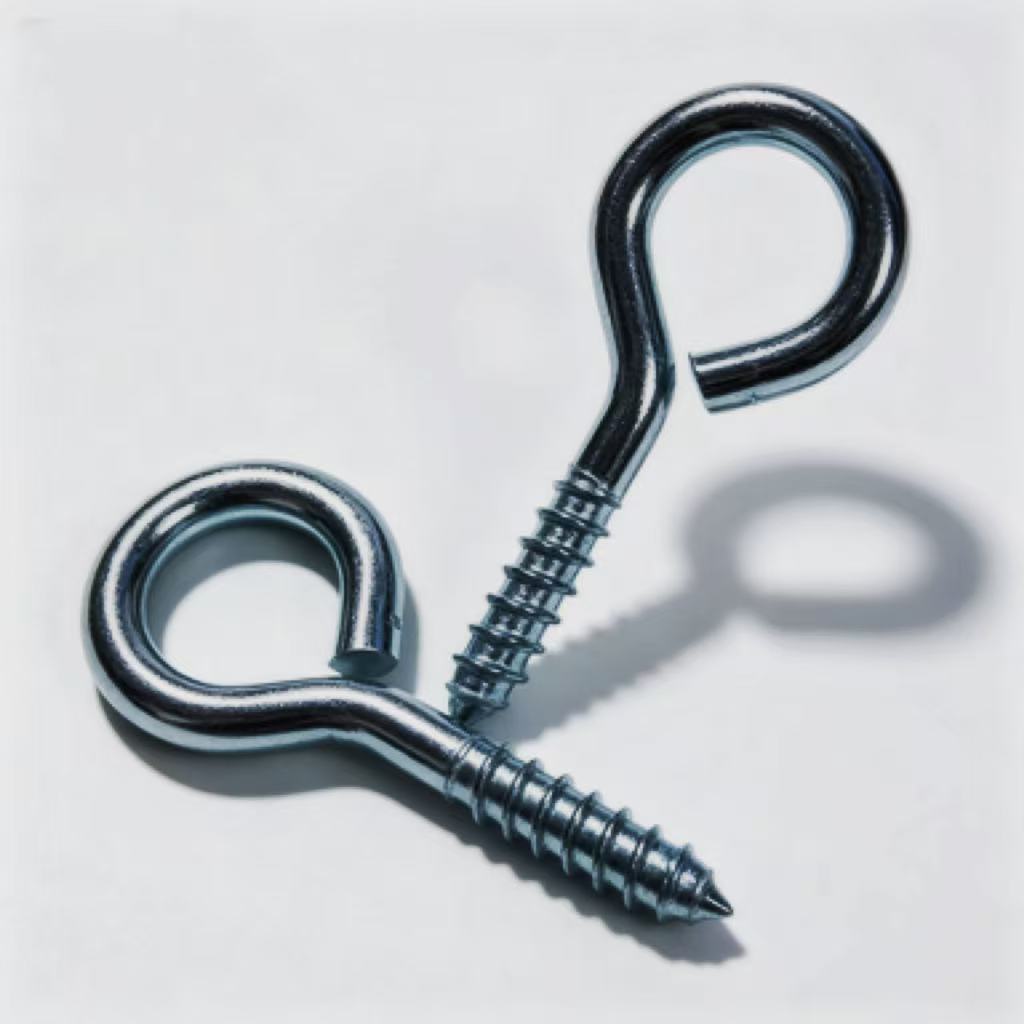
Our expertise spans a diverse range of products, from standard industrial bolts to specialized items like casing geckos and wooden teeth welded sheep’s eye screws. By combining advanced production technology with rigorous testing methods, we ensure that every product meets international standards including GB, DIN, JIS, and ANSI. Our commitment to integrity and innovation drives us to continuously invest in R&D and recruit high-tech talent, allowing us to offer competitive prices without compromising on quality. Whether you need small-batch customization or large-scale production, our professional technical team is dedicated to delivering solutions that align with our core principle: “Quality First, Customer First.”
Our Precision Manufacturing Capabilities: CNC, Cold Forming, and More
Producing high-quality custom fasteners requires a diverse set of manufacturing technologies. No single method suits every application. Our facility employs a hybrid approach, utilizing CNC machining, cold heading, hot forging, and thread rolling to deliver optimal results based on volume, complexity, and material properties.
CNC Machining for High-Precision Prototypes and Low Volumes
Computer Numerical Control (CNC) machining is the cornerstone of our prototyping and low-volume production services. This subtractive manufacturing process removes material from a solid bar stock to create the desired shape. It is ideal for complex geometries that cannot be achieved through forming processes.
Key Advantages of CNC Machined Fasteners:
- Extreme Accuracy: CNC machines can hold tolerances as tight as ±0.005mm, ensuring perfect fitment in critical assemblies.
- Design Flexibility: Complex features such as undercuts, non-standard head shapes, and internal channels are easily machined.
- Rapid Turnaround: Without the need for expensive tooling or dies, CNC machining allows for quick prototype delivery, accelerating the R&D cycle.
- Material Versatility: Virtually any metal can be machined, including hardened steels, brass, aluminum, and exotic superalloys.
While CNC machining offers superior precision, it is generally more cost-effective for low to medium volumes due to higher material waste and longer cycle times compared to forming methods. For high-volume production, we transition to cold heading or hot forging.
Cold Heading and Cold Forming for High-Volume Efficiency
Cold heading, also known as cold forming, is a high-speed manufacturing process where metal wire is shaped at room temperature using dies and punches. This method is highly efficient for producing large quantities of standard and semi-custom fasteners, such as bolts, screws, and pins.
The process involves feeding wire into a machine where it is cut to length and then struck by dies to form the head and shank. Because the metal is displaced rather than removed, cold heading results in minimal material waste. Additionally, the cold working process aligns the grain structure of the metal, increasing its tensile strength and hardness compared to the original wire stock.
When to Choose Cold Forming:
- Production volumes exceeding 10,000 units.
- Fasteners with relatively simple geometries.
- Applications requiring high strength and consistent quality.
- Cost-sensitive projects where material efficiency is paramount.
Hot Forging for Large and Heavy-Duty Fasteners
For fasteners with large diameters (typically above M24 or 1 inch) or complex shapes that require significant deformation, hot forging is the preferred method. This process involves heating the metal above its recrystallization temperature, making it pliable enough to be shaped under high pressure.
Hot forging is essential for producing heavy-duty bolts, anchor bolts, and structural fasteners used in construction, mining, and energy sectors. The high temperatures allow for the creation of shapes that would cause cracking or excessive tool wear in cold forming. While the surface finish may require secondary machining to achieve tight tolerances, hot forging provides excellent structural integrity and impact resistance.
Thread Rolling vs. Thread Cutting
The method used to create threads significantly impacts the performance of the fastener. We primarily utilize thread rolling for high-strength applications. Unlike thread cutting, which removes material and creates stress concentration points, thread rolling displaces the material to form the thread profile. This cold-working process compresses the grain structure, resulting in threads that are stronger and more resistant to fatigue and stripping.
Thread cutting is reserved for specific materials that are too brittle for rolling or for internal threads in tapped holes. Our engineering team selects the appropriate threading method based on the material properties and the mechanical loads the fastener will endure.
Material Selection Guide for Custom Fasteners
Selecting the right material is critical to the success of any custom fastener application. The choice depends on factors such as strength requirements, corrosion resistance, temperature exposure, weight constraints, and cost. Below is a detailed overview of the most common materials we process.
| Material | Key Properties | Common Applications | Pros & Cons |
| Stainless Steel (304/316) | High corrosion resistance, good strength, non-magnetic (304/316). | Marine equipment, food processing, medical devices, outdoor structures. | Pros: Excellent rust resistance, hygienic.
Cons: Lower strength than alloy steels, prone to galling. |
| Carbon Steel (Grade 8.8, 10.9, 12.9) | High tensile strength, cost-effective, requires coating for corrosion protection. | Automotive, construction, machinery, general industrial assembly. | Pros: High strength-to-cost ratio, widely available.
Cons: Susceptible to rust without plating or painting. |
| Aluminum (6061, 7075) | Lightweight, good corrosion resistance, moderate strength. | Aerospace, electronics, automotive (weight reduction), consumer goods. | Pros: Lightweight, easy to machine, non-magnetic.
Cons: Lower shear strength, not suitable for high-load structural joints. |
| Titanium (Ti-6Al-4V) | Exceptional strength-to-weight ratio, biocompatible, high corrosion resistance. | Aerospace, medical implants, high-performance racing, chemical processing. | Pros: Stronger than steel, lighter than aluminum, inert.
Cons: High cost, difficult to machine, sensitive to galling. |
| Brass | Good electrical conductivity, corrosion resistance, aesthetic appeal. | Electrical components, plumbing, decorative hardware, marine fittings. | Pros: Non-sparking, conductive, attractive finish.
Cons: Low strength, expensive compared to steel. |
| Inconel / Superalloys | Extreme heat and corrosion resistance, high strength at elevated temperatures. | Jet engines, gas turbines, nuclear reactors, downhole oil & gas tools. | Pros: Unmatched performance in extreme environments.
Cons: Very high cost, challenging manufacturing. |
Surface Treatments and Coatings
Material selection is often complemented by surface treatments to enhance performance. Common coatings include:
- Zinc Plating: Provides basic corrosion resistance and a bright finish. Often used with a chromate conversion coating for added protection.
- Hot-Dip Galvanizing: Offers thick, robust protection for outdoor structural steel fasteners.
- Black Oxide: Provides mild corrosion resistance and reduces light reflection. Ideal for aesthetic applications and tight-tolerance fits as it adds minimal thickness.
- Dacromet/Geomet: Zinc-flake coatings that offer superior corrosion resistance without hydrogen embrittlement risks, crucial for high-strength bolts.
- PTFE/Teflon Coating: Reduces friction and prevents galling, especially useful for stainless steel and titanium fasteners.
Industries Served: Application-Specific Solutions
Our custom fastener solutions are deployed across a wide range of industries, each with unique regulatory and performance requirements. Understanding these sector-specific needs allows us to engineer fasteners that not only fit but also comply with industry standards.
Aerospace and Aviation
The aerospace industry demands the highest levels of reliability and weight efficiency. Fasteners used in aircraft must withstand extreme vibration, temperature fluctuations, and pressure changes. We manufacture lightweight titanium and aluminum fasteners that meet strict AS9100 standards. Key considerations include fatigue resistance and traceability. Every batch is accompanied by full material certification and testing reports to ensure compliance with safety regulations.
Automotive and Electric Vehicles (EV)
The shift towards electric vehicles has introduced new challenges, particularly regarding battery pack assembly and lightweighting. Custom fasteners for EVs often require high electrical insulation properties to prevent short circuits, as well as high strength for structural battery enclosures. We produce specialized screws and bolts with integrated sealing washers and insulating coatings to meet these needs. Additionally, our high-volume cold heading capabilities support the mass production requirements of the automotive supply chain.
Medical Devices
Medical fasteners must be biocompatible, sterilizable, and incredibly precise. We manufacture miniature screws and implants from medical-grade titanium and stainless steel (316L). Surface finish is critical in this sector to prevent bacterial growth and ensure tissue compatibility. Our CNC machining capabilities allow for the production of micro-fasteners with complex drives (such as Torx or Hexalobular) that facilitate precise surgical instrumentation.
Energy and Oil & Gas
Fasteners used in drilling rigs, pipelines, and refineries operate in harsh environments characterized by high pressure, corrosive chemicals, and extreme temperatures. We supply high-alloy steel and Inconel fasteners that resist hydrogen sulfide cracking and chloride stress corrosion. These components often undergo rigorous NDT (Non-Destructive Testing) such as magnetic particle inspection and ultrasonic testing to detect any internal flaws.
Consumer Electronics
In consumer electronics, aesthetics and miniaturization are key. Fasteners must be small, often invisible, and capable of holding delicate components together without damaging them. We produce tiny, precision-machined screws with low-profile heads and specialized drives for smartphones, laptops, and wearables. Anodized aluminum and black-oxide coated steel are popular choices for their sleek appearance and corrosion resistance.
How to Order Custom Fasteners: A Step-by-Step Guide
Ordering custom fasteners differs from buying standard hardware. To ensure a smooth process and accurate quotation, follow these steps. Our engineering team works closely with clients at every stage to refine designs and optimize manufacturability.
Step 1: Submit Your Design Specifications
Provide a detailed 2D drawing or 3D CAD model (STEP, IGES, or SolidWorks formats). Your design should include:
- Dimensions: Diameter, length, head size, thread pitch, and tolerance levels.
- Material: Specific grade and standard (e.g., ASTM A193 B7).
- Finish: Coating type and thickness requirements.
- Standards: Any applicable industry standards (ISO, DIN, ANSI).
If you do not have a complete drawing, provide a sample part or a detailed description of the application and performance requirements. Our engineers can reverse-engineer or design the fastener for you.
Step 2: Engineering Review and DFM Analysis
Our technical team reviews your design for Design for Manufacturability (DFM). We identify potential issues that could increase cost or compromise quality, such as unachievable tolerances, difficult-to-machine features, or material inconsistencies. We may suggest modifications to improve strength, reduce weight, or lower production costs without affecting functionality.
Step 3: Quotation and Lead Time Estimation
Based on the finalized design and expected volume, we provide a comprehensive quotation. This includes unit price, tooling costs (if applicable), and lead time. For CNC machined parts, lead times are typically shorter as no tooling is required. For cold-headed parts, initial tooling fabrication may add 2-3 weeks to the timeline, but subsequent production runs are faster and cheaper.
Step 4: Prototyping and Sampling
Before full-scale production, we manufacture a batch of samples for your approval. These samples undergo dimensional inspection and functional testing. You can verify fit, finish, and performance in your actual assembly. Feedback from this stage is incorporated to finalize the production process.
Step 5: Mass Production and Quality Control
Once samples are approved, we proceed with mass production. Our quality control team performs inline inspections and final random sampling based on AQL (Acceptable Quality Limit) standards. We utilize advanced metrology equipment, including CMM (Coordinate Measuring Machines), optical comparators, and hardness testers, to ensure every fastener meets specifications.
Step 6: Packaging and Delivery
Custom fasteners are packaged according to your requirements. Options include bulk packing, bagging, box labeling, or kitting for assembly lines. We ensure secure packaging to prevent damage during transit and provide all necessary documentation, including material certificates and inspection reports.
Quality Assurance and Certifications
Trust is built on consistency and transparency. Our manufacturing facility operates under strict quality management systems to ensure every fastener leaving our floor meets the highest standards.
- ISO 9001:2015 Certified: Our quality management system ensures consistent processes and continuous improvement.
- IATF 16949: For automotive clients, we adhere to the stringent quality standards required by the global automotive industry.
- Material Traceability: We maintain full traceability of raw materials. Each batch is linked to its mill certificate, ensuring compliance with material specifications.
- Advanced Testing Equipment: Our in-house lab is equipped with salt spray chambers for corrosion testing, tensile testing machines for strength verification, and spectrometers for material composition analysis.
- PPAP (Production Part Approval Process): For automotive and critical industrial projects, we provide complete PPAP documentation to validate our manufacturing process capability.
Common Challenges in Custom Fastener Manufacturing and How We Solve Them
Even with advanced technology, custom fastener production presents unique challenges. Here is how we address common issues to deliver superior products.
Challenge 1: Hydrogen Embrittlement
High-strength steel fasteners are susceptible to hydrogen embrittlement during electroplating, which can cause sudden, brittle failure. Solution: We use baking processes immediately after plating to remove hydrogen atoms from the metal lattice. Alternatively, we recommend zinc-flake coatings (like Geomet) which are free from hydrogen embrittlement risks.
Challenge 2: Galling in Stainless Steel and Titanium
Stainless steel and titanium tend to gall (cold weld) during tightening, leading to seized threads. Solution: We apply specialized lubricants or PTFE coatings to reduce friction. We also optimize thread tolerances and recommend slower tightening speeds in assembly instructions.
Challenge 3: Maintaining Tight Tolerances in Long Runs
Tool wear during high-volume production can lead to dimensional drift. Solution: We implement automated inline monitoring systems that detect dimensional changes in real-time. Tools are replaced or adjusted proactively based on predictive maintenance schedules rather than waiting for failure.
Challenge 4: Cost Management for Low Volumes
Custom tooling for cold heading can be expensive for small batches. Solution: For low volumes, we recommend CNC machining to avoid tooling costs. As volume increases, we transition to cold heading, amortizing the tooling cost over a larger number of units to reduce the per-part price significantly.
Frequently Asked Questions (FAQ)
What is the minimum order quantity (MOQ) for custom fasteners?
The MOQ depends on the manufacturing method. For CNC machined fasteners, we can produce small batches starting from 50-100 pieces, making it ideal for prototyping. For cold-headed or hot-forged fasteners, the MOQ is typically higher (e.g., 1,000-5,000 pieces) due to setup and tooling costs. Contact our sales team for specific quotes based on your design.
How long does it take to produce custom fasteners?
Lead times vary by complexity and volume. Prototypes via CNC machining can be ready in 5-10 business days. For mass production, expect 3-6 weeks, including tooling fabrication if required. Rush services are available for urgent projects.
Can you manufacture fasteners to international standards?
Yes, we manufacture fasteners compliant with major international standards, including ISO (International), DIN (German), ANSI/ASME (American), JIS (Japanese), and GB (Chinese). We can also adhere to specific customer-defined specifications.
Do you provide material certifications?
Absolutely. We provide Mill Test Certificates (MTC) or Material Test Reports (MTR) for every batch, verifying the chemical composition and mechanical properties of the materials used. For regulated industries, we can also provide additional testing reports such as RoHS or REACH compliance.
What file formats do you accept for drawings?
We accept 2D drawings in PDF or DWG format and 3D models in STEP, IGES, STL, or SolidWorks formats. Clear dimensioning and tolerance specifications in 2D drawings are preferred for manufacturing clarity.
How do you ensure the quality of threaded components?
We use go/no-go gauges for routine inspection and optical comparators for detailed thread profile analysis. For critical applications, we perform torque-tension testing to ensure the fastener performs correctly under load.
Why Partner With Us for Your Custom Fastener Needs?
Choosing the right manufacturing partner is as critical as the design itself. We combine engineering expertise with advanced manufacturing capabilities to deliver fasteners that enhance your product’s performance and reliability.
- Engineering Support: Our team doesn’t just manufacture; we consult. We help optimize your designs for cost and performance.
- Flexible Production: From single prototypes to millions of units, our hybrid manufacturing model scales with your needs.
- Global Compliance: Our certifications and quality processes meet the rigorous demands of global markets.
- Transparent Communication: Regular updates and clear documentation ensure you are never in the dark about your project’s status.
In an era where supply chain reliability is paramount, having a partner who understands the nuances of custom fasteners is invaluable. We are committed to delivering precision, quality, and value in every component we produce.
Conclusion: Elevate Your Product with Precision Engineered Fasteners
Custom fasteners are more than just connecting elements; they are integral to the structural integrity, safety, and efficiency of your product. Whether you are developing a next-generation electric vehicle, a life-saving medical device, or heavy industrial machinery, the right fastening solution can make the difference between success and failure.
By leveraging our expertise in CNC machining, cold forming, and material science, you gain access to high-quality, reliable components tailored to your exact specifications. We eliminate the compromises associated with standard hardware, offering solutions that fit perfectly, perform reliably, and last longer.
Who Should Consider Custom Fasteners?
- R&D Engineers: Looking for prototypes and specialized components for new product development.
- Procurement Managers: Seeking reliable suppliers for high-volume, cost-effective production runs.
- Quality Assurance Teams: Requiring strict compliance with industry standards and full material traceability.
Ready to optimize your assembly with precision-engineered solutions? Contact our engineering team today to discuss your project requirements. Let us help you select the right materials, refine your design, and deliver high-quality custom fasteners on time and within budget.
Explore Our Custom Fastener Solutions & Request a Quote