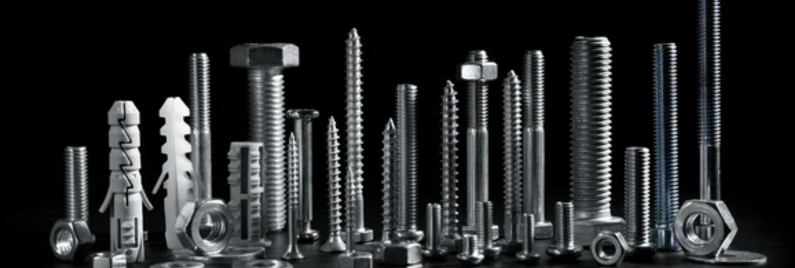
Industrial fasteners are precision-engineered mechanical components designed to join, secure, or affix two or more objects together in industrial, commercial, and structural applications. Unlike standard consumer-grade hardware, industrial fasteners must withstand extreme environmental conditions, including high vibration, thermal cycling, corrosive chemicals, and heavy mechanical loads. As a specialized manufacturer, we provide custom solutions and bulk supply capabilities for sectors ranging from aerospace and automotive to energy infrastructure and heavy machinery manufacturing. Our production adheres to strict international standards such as ISO, DIN, ANSI, and JIS, ensuring that every bolt, nut, screw, and rivet delivers reliable performance and structural integrity. For engineers and procurement specialists seeking high-volume, specification-compliant fastening solutions, understanding the material science, manufacturing processes, and application-specific requirements is critical to project success.
Understanding Industrial Fasteners: Beyond Basic Hardware
In the context of modern engineering, the term “fastener” encompasses a vast array of components that serve as the backbone of assembled structures. While a standard screw might suffice for furniture assembly, industrial fasteners operate under rigorous performance criteria. They are not merely connectors; they are critical safety components that determine the longevity and reliability of complex systems.
The distinction lies in the tolerance levels, material purity, and testing protocols. Industrial applications often involve dynamic loads where fatigue failure is a primary concern. Therefore, the manufacturing process involves precise heat treatment, surface finishing, and quality assurance measures that go far beyond general-purpose hardware production. This section explores the fundamental categories and engineering considerations that define high-performance fastening solutions.
Core Categories of Industrial Fasteners
Fasteners are generally classified by their function, design, and installation method. Understanding these categories is essential for selecting the right component for your specific application.
- Bolts and Screws: Externally threaded fasteners designed to be inserted into holes in assembled parts and secured by tightening a nut or by threading into a tapped hole. High-strength structural bolts are critical in steel construction.
- Nuts: Internally threaded fasteners that mate with bolts to create a secure joint. They come in various shapes, including hex, square, and wing nuts, each serving different accessibility and locking requirements.
- Washers: Thin plates with a hole used to distribute the load of a threaded fastener. They also serve as spacers, spring elements (lock washers), or wear pads.
- Rivets: Permanent mechanical fasteners. They consist of a smooth cylindrical shaft with a head on one end. The end opposite the head is called the tail. During installation, the tail is upset or “bucked” so that it expands to about 1.5 times the original shaft diameter, holding the pieces together.
- Pins: Including dowel pins, cotter pins, and clevis pins, these are used to locate parts, prevent movement, or secure components in rotating assemblies.
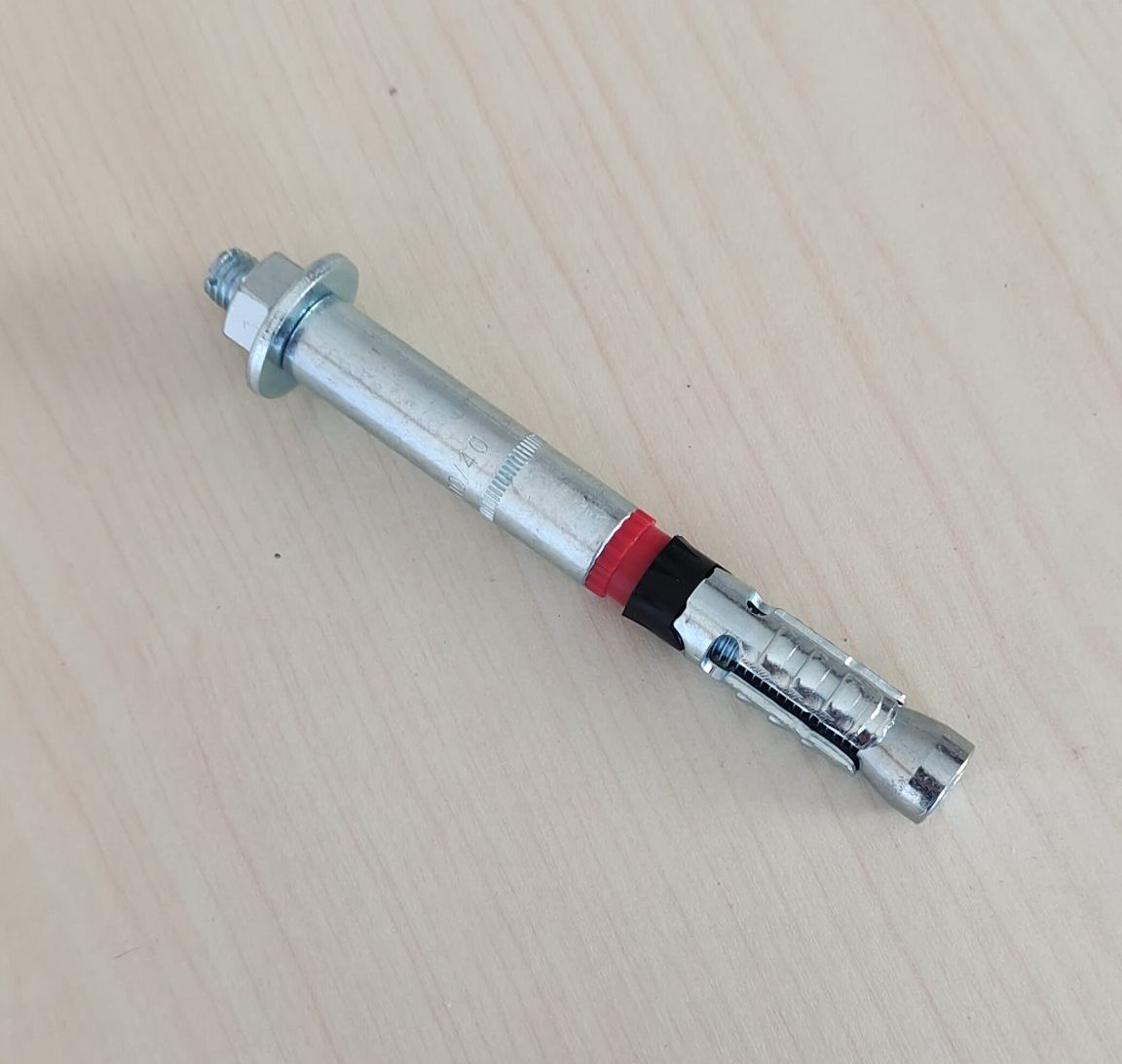
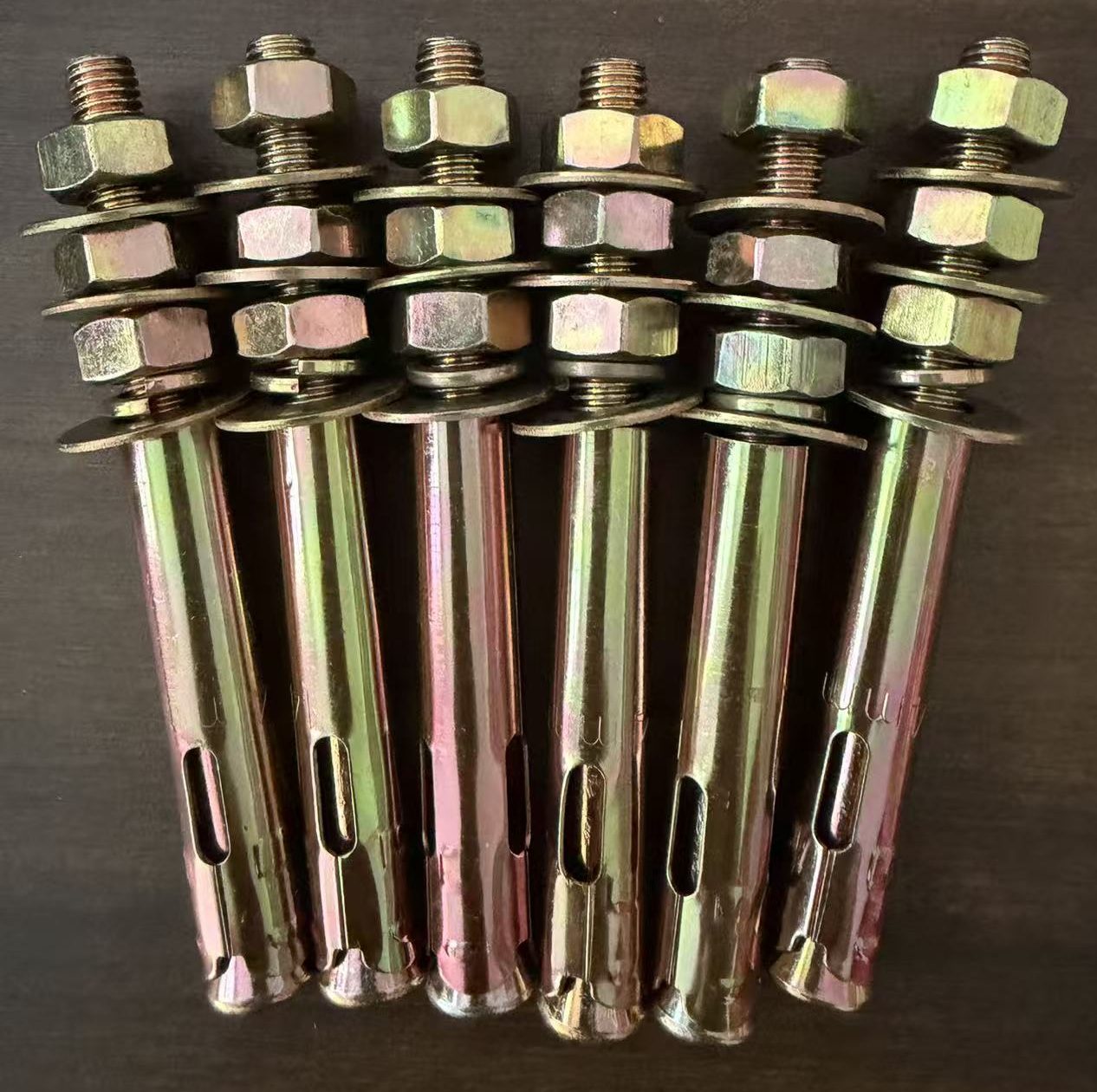
- Anchors: Used to attach objects to concrete, masonry, or stone. Chemical anchors and mechanical expansion anchors are common in heavy civil engineering projects.
The Engineering Logic Behind Fastener Selection
Selecting the correct industrial fastener is not a matter of simple sizing. It requires a comprehensive analysis of the joint’s mechanical requirements. Engineers must consider the shear strength versus tensile strength requirements of the application. For instance, a connection subjected primarily to lateral forces requires a fastener with high shear resistance, such as a fitted bolt or a rivet. Conversely, connections holding components together against pulling forces require high tensile strength.
Furthermore, the concept of preload is vital. Preload is the tension created in a fastener when it is tightened. This tension clamps the joined parts together. In vibrating environments, maintaining adequate preload is crucial to prevent the fastener from loosening. This is why locking mechanisms, such as nylon-insert lock nuts or wedge-locking washers, are frequently specified in industrial settings.
Material Science in Fastener Manufacturing
The performance of an industrial fastener is directly dictated by its material composition. In 2026, advancements in metallurgy have allowed for stronger, lighter, and more corrosion-resistant options. Choosing the wrong material can lead to catastrophic failures, including galvanic corrosion, hydrogen embrittlement, or thermal degradation.
Carbon Steel and Alloy Steel
Carbon steel remains the most widely used material for industrial fasteners due to its excellent balance of strength, durability, and cost-effectiveness. Low-carbon steel is typically used for general-purpose applications, while medium and high-carbon steels are heat-treated to achieve higher strength grades.
Alloy steels, such as chromium-molybdenum (Cr-Mo) steel, are employed in high-stress applications. These materials offer superior hardenability and strength at elevated temperatures, making them ideal for power generation equipment and automotive engine components. The grading system, such as SAE J429 or ASTM A325/A490, defines the mechanical properties of these steel fasteners.
Stainless Steel: Corrosion Resistance
For environments exposed to moisture, chemicals, or outdoor weathering, stainless steel is the preferred choice. The addition of chromium (at least 10.5%) forms a passive oxide layer that protects the metal from rust.
- Austenitic Stainless Steel (300 Series): Grades 304 and 316 are the most common. Grade 316 contains molybdenum, providing enhanced resistance to chlorides and acids, making it suitable for marine and chemical processing applications.
- Martensitic Stainless Steel (400 Series): Grade 410 offers higher strength and hardness but lower corrosion resistance compared to the 300 series. It is often used in cutlery, valves, and pump shafts.
- Duplex Stainless Steel: Combining the benefits of austenitic and ferritic structures, duplex steels offer high strength and excellent resistance to stress corrosion cracking.
Exotic Alloys and Non-Ferrous Metals
In extreme environments, standard steels and stainless steels may fail. Specialized industries rely on exotic alloys:
- Inconel and Hastelloy: Nickel-based superalloys that retain strength and resist oxidation at extremely high temperatures. Essential for aerospace turbines and nuclear reactors.
- Titanium: Offers an exceptional strength-to-weight ratio and outstanding corrosion resistance. Widely used in aerospace and medical implants, though costly.
- Brass and Bronze: Non-magnetic and corrosion-resistant, these are used in electrical applications and marine environments where spark resistance is required.
- Aluminum: Lightweight and corrosion-resistant, suitable for non-structural applications in aerospace and automotive industries where weight reduction is critical.
Manufacturing Processes and Quality Control
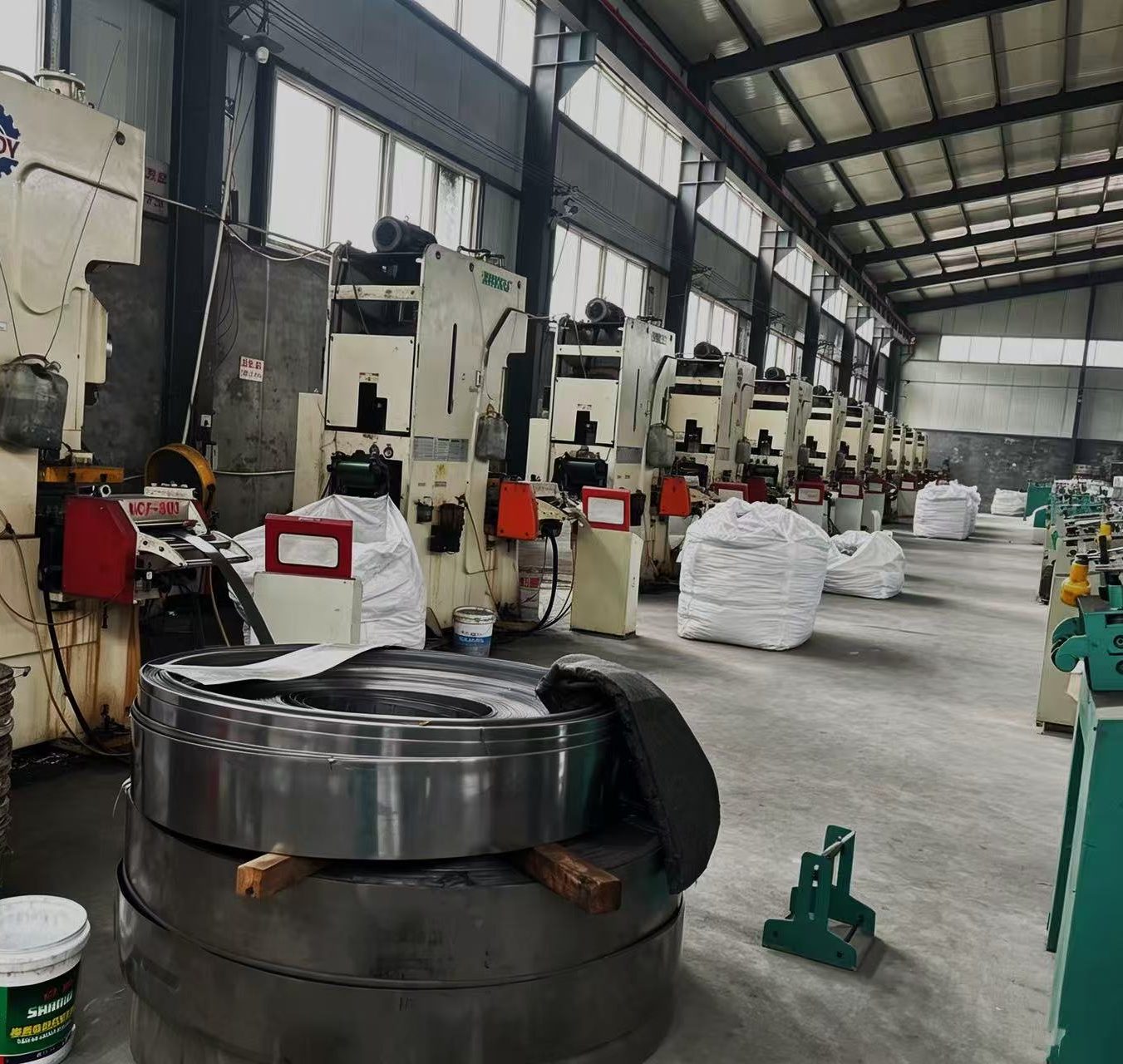
The journey from raw wire or bar stock to a finished industrial fastener involves several precise manufacturing stages. As a manufacturer committed to quality, we employ advanced cold forming, hot forging, and machining techniques to ensure dimensional accuracy and mechanical integrity.
Cold Forming vs. Hot Forging
Cold forming is performed at or near room temperature. The metal is displaced into a die to form the head and threads. This process work-hardens the material, increasing its strength. It is highly efficient for high-volume production of smaller fasteners with tight tolerances.
Hot forging involves heating the metal above its recrystallization temperature before shaping. This method is used for larger, high-strength fasteners, such as those used in bridge construction or heavy machinery. Hot forging allows for the creation of complex shapes and reduces the risk of cracking in high-carbon alloys.
Thread Rolling and Cutting
Threads are the critical interface of any fastener. Thread rolling is a cold-forming process that produces threads with superior surface finish and increased fatigue strength compared to cut threads. The grain structure of the metal follows the contour of the thread, enhancing durability. Thread cutting, while less common for high-volume industrial fasteners, is used for large diameters or specific materials where rolling is not feasible.
Heat Treatment and Surface Finishing
Heat treatment modifies the microstructure of the metal to achieve desired hardness and toughness. Processes include quenching and tempering, case hardening, and annealing. Precise control of temperature and cooling rates is essential to prevent brittleness or distortion.
Surface finishing provides corrosion protection and aesthetic appeal. Common coatings include:
- Zinc Plating: Provides sacrificial protection. Available in clear, yellow, or black chromate finishes.
- Hot-Dip Galvanizing: Dips the fastener in molten zinc, creating a thick, durable coating suitable for outdoor structural use.
- Dacromet/Geomet: Zinc flake coatings that offer superior corrosion resistance without hydrogen embrittlement risks.
- PTFE Coatings: Provide low friction and chemical resistance, useful in sealing applications.
Custom Solutions for Complex Industrial Challenges
Standard off-the-shelf fasteners do not always meet the unique demands of specialized engineering projects. Customization is a core competency in modern industrial manufacturing. Whether it is a non-standard dimension, a unique head configuration, or a specific material alloy, custom fasteners ensure optimal performance.
When to Consider Custom Fasteners
Engineers should consider custom solutions when standard parts compromise the design efficiency or safety of the assembly. Common scenarios include:
- Space Constraints: Standard hex heads may not fit in tight spaces, requiring low-profile or customized head shapes.
- Extreme Environments: Applications involving cryogenic temperatures or extreme heat may require proprietary alloys not available in standard catalogs.
- Vibration Damping: Integrating locking features directly into the fastener design can eliminate the need for additional locking components.
- Weight Reduction: Aerospace and automotive sectors often require hollow bolts or specialized geometries to minimize mass.
The Customization Process
Developing a custom fastener involves close collaboration between the client’s engineering team and our manufacturing experts. The process begins with a detailed review of technical drawings and load requirements. Prototyping allows for physical testing of the design before full-scale production. Advanced CNC machining and rapid prototyping technologies enable quick turnaround times for sample validation.
Industry-Specific Applications and Requirements
Different industries impose distinct regulatory and performance standards on fasteners. Understanding these nuances is crucial for compliance and safety.
Aerospace and Aviation
The aerospace sector demands the highest level of precision and traceability. Fasteners must comply with standards such as NAS (National Aerospace Standards) and MS (Military Standards). Weight savings are paramount, leading to extensive use of titanium and aluminum alloys. Every batch must undergo rigorous testing, including fluorescence penetrant inspection and lot traceability.
Automotive and Transportation
Automotive fasteners face dynamic loading and vibration. The industry relies on high-volume production with strict adherence to IATF 16949 quality management standards. Trends in electric vehicle (EV) manufacturing are driving demand for lightweight, high-strength fasteners to offset battery weight. Thermal management systems in EVs also require fasteners with specific electrical insulation properties.
Oil, Gas, and Energy
Offshore platforms and pipelines operate in highly corrosive environments. Fasteners here must resist sour gas (H2S) induced stress corrosion cracking. Standards like NACE MR0175 govern material selection. High-pressure flange connections require specialized stud bolts and heavy hex nuts capable of maintaining seal integrity under extreme pressure and temperature fluctuations.
Construction and Infrastructure
Structural steel construction relies on high-strength bolts (e.g., ASTM A325, A490) for beam-to-column connections. These fasteners must undergo rotation-capacity testing to ensure they can withstand the installation torque without failure. Galvanization is standard for outdoor exposure to prevent rust and maintain structural integrity over decades.
Comparative Analysis: Selecting the Right Fastener Type
To assist in decision-making, the following table compares common industrial fastener types based on key performance metrics. This overview helps engineers identify the most suitable option for their specific application constraints.
| Fastener Type | Primary Advantage | Typical Material | Best Application Scenario | Reusability |
| Hex Bolt | High tensile strength, easy torque application | Carbon Steel, Alloy Steel | Structural steel, machinery assembly | High |
| Socket Head Cap Screw | Compact head size, high precision | Alloy Steel, Stainless | Tight spaces,模具 making, precision equipment | High |
| Solid Rivet | Permanent, vibration-resistant joint | Aluminum, Steel, Copper | Aircraft skins, bridge structures | None (Destructive removal) |
| Self-Locking Nut | Resists loosening under vibration | Nylon insert, Metal deformation | Automotive, rotating machinery | Limited (Insert degrades) |
| Anchor Bolt | Secures structures to concrete | Galvanized Steel | Building foundations, equipment mounting | Low |
Common Failure Modes and Prevention Strategies
Understanding how fasteners fail is essential for preventing future issues. Most industrial failures are not due to material defects but rather improper selection, installation, or environmental mismatch.
Hydrogen Embrittlement
Hydrogen embrittlement occurs when high-strength steel absorbs hydrogen during plating or cleaning processes, leading to sudden, brittle fracture under stress. This is a critical risk for fasteners with a hardness exceeding HRC 32. Prevention involves using alternative coatings like Geomet, baking parts after plating to diffuse hydrogen, or specifying lower hardness grades where possible.
Galvanic Corrosion
When two dissimilar metals are in contact in the presence of an electrolyte (such as water), an electrochemical reaction occurs. The more active metal (anode) corrodes faster than it would alone. For example, using aluminum fasteners on stainless steel panels can lead to rapid degradation of the aluminum. Prevention involves using insulating washers, selecting compatible materials, or applying protective coatings.
Fatigue Failure
Repeated cyclic loading can cause cracks to initiate and propagate, eventually leading to fracture even if the load is below the material’s yield strength. Fatigue failure is often characterized by a smooth crack surface with beach marks. To prevent this, engineers should ensure proper preload, use rolled threads for better fatigue resistance, and avoid sharp geometric transitions that create stress concentrations.
Step-by-Step Guide to Proper Fastener Installation
Even the highest quality industrial fastener will fail if installed incorrectly. Proper installation ensures that the joint achieves the intended clamp load and maintains integrity over time.
- Preparation: Clean all mating surfaces and threads. Remove dirt, rust, and burrs. Ensure holes are aligned and of the correct diameter.
- Lubrication: Apply the specified lubricant if required. Lubrication reduces friction, allowing for more accurate torque application and consistent preload. Note that torque values differ significantly between dry and lubricated conditions.
- Insertion: Insert the fastener by hand to ensure threads engage smoothly. Never force a fastener, as this can damage threads and compromise strength.
- Tightening: Use a calibrated torque wrench or tensioning device. Tighten in a cross-pattern (star pattern) for multi-bolt flanges to ensure even load distribution. Follow the specified torque sequence and values.
- Verification: After initial tightening, allow the joint to settle. Re-check torque values if necessary. For critical applications, use ultrasonic bolt tension meters to verify actual preload.
Frequently Asked Questions (FAQ)
What is the difference between a bolt and a screw?
Technically, a bolt is designed to pass through unthreaded holes in multiple components and is secured with a nut. A screw is designed to thread directly into a tapped hole or material. However, in common industrial parlance, the terms are often used interchangeably based on head style and drive type.
How do I determine the correct torque value for a bolt?
Torque values depend on the fastener’s diameter, grade, material, and lubrication status. Manufacturers provide torque charts based on empirical data. For critical applications, torque-tension testing should be conducted to establish the specific relationship for the joint configuration.
What does the grade marking on a bolt head mean?
Grade markings indicate the mechanical properties of the bolt, specifically its tensile strength. For example, in the SAE system, three radial lines indicate Grade 5 (medium strength), while six radial lines indicate Grade 8 (high strength). Metric bolts use numbers like 8.8, 10.9, or 12.9, where the first number represents 1/100th of the nominal tensile strength in MPa.
Can stainless steel fasteners be used in high-temperature applications?
Standard austenitic stainless steels (304/316) lose strength at elevated temperatures. For continuous service above 500°C (932°F), specialized alloys such as 310 stainless steel or nickel-based superalloys like Inconel are recommended to maintain structural integrity.
What is the lead time for custom industrial fasteners?
Lead times vary based on complexity, volume, and material availability. Standard customizations may take 2-4 weeks, while complex prototypes involving new tooling or exotic materials can take 6-8 weeks. Bulk production schedules are typically negotiated based on project timelines.
Why Partner with a Specialized Industrial Fastener Manufacturer?
In an era of supply chain volatility, partnering with a dedicated manufacturer offers strategic advantages. Unlike general distributors, a manufacturer controls the entire production process, from raw material sourcing to final quality inspection. This vertical integration ensures consistency, traceability, and flexibility.
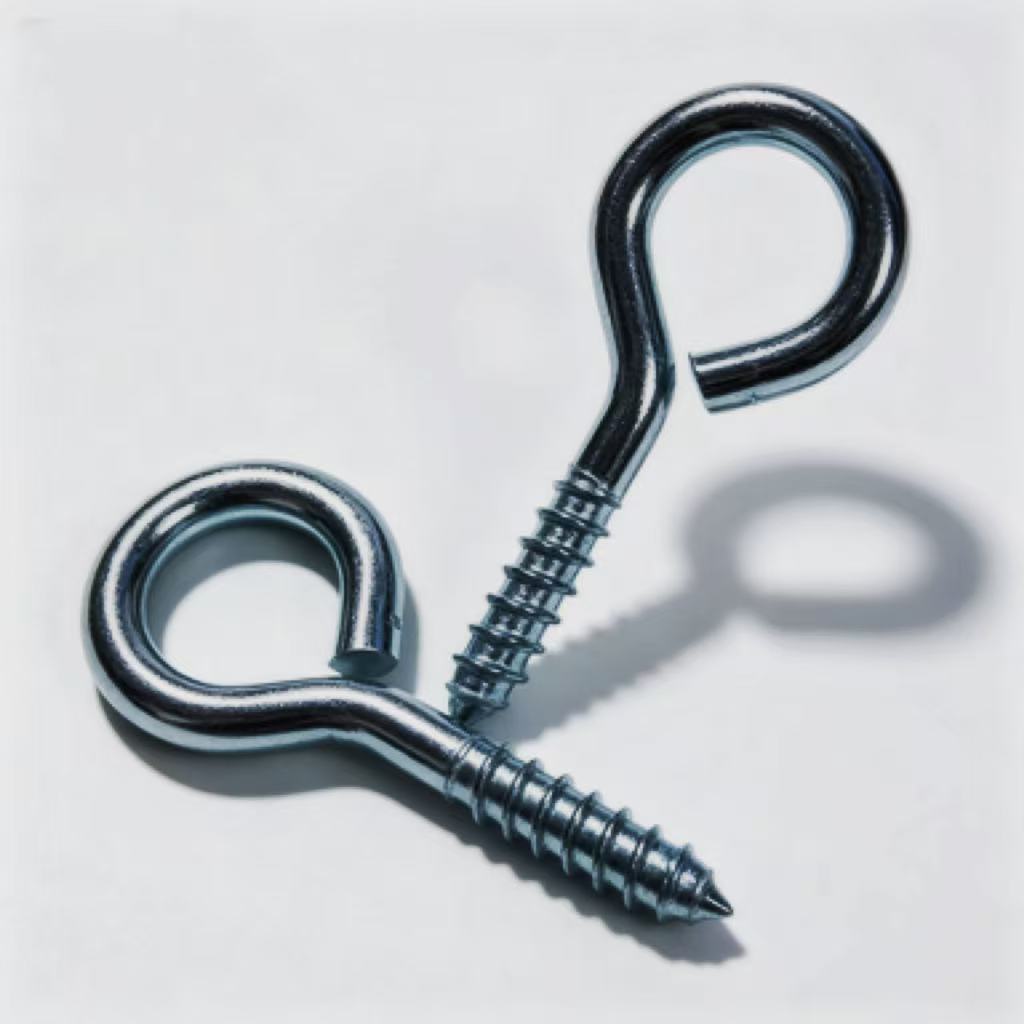
Located in Handan, Hebei—a city renowned globally for its fastener manufacturing ecosystem—our company brings over a decade of industry experience to the table. As a global industry and trade combination enterprise, we specialize in the development, manufacturing, and service of a diverse range of fasteners and hardware tools. Our portfolio includes specialized products such as casing geckos, wooden teeth, and welded sheep’s eye screws/bolts, catering to both standard and niche market needs.
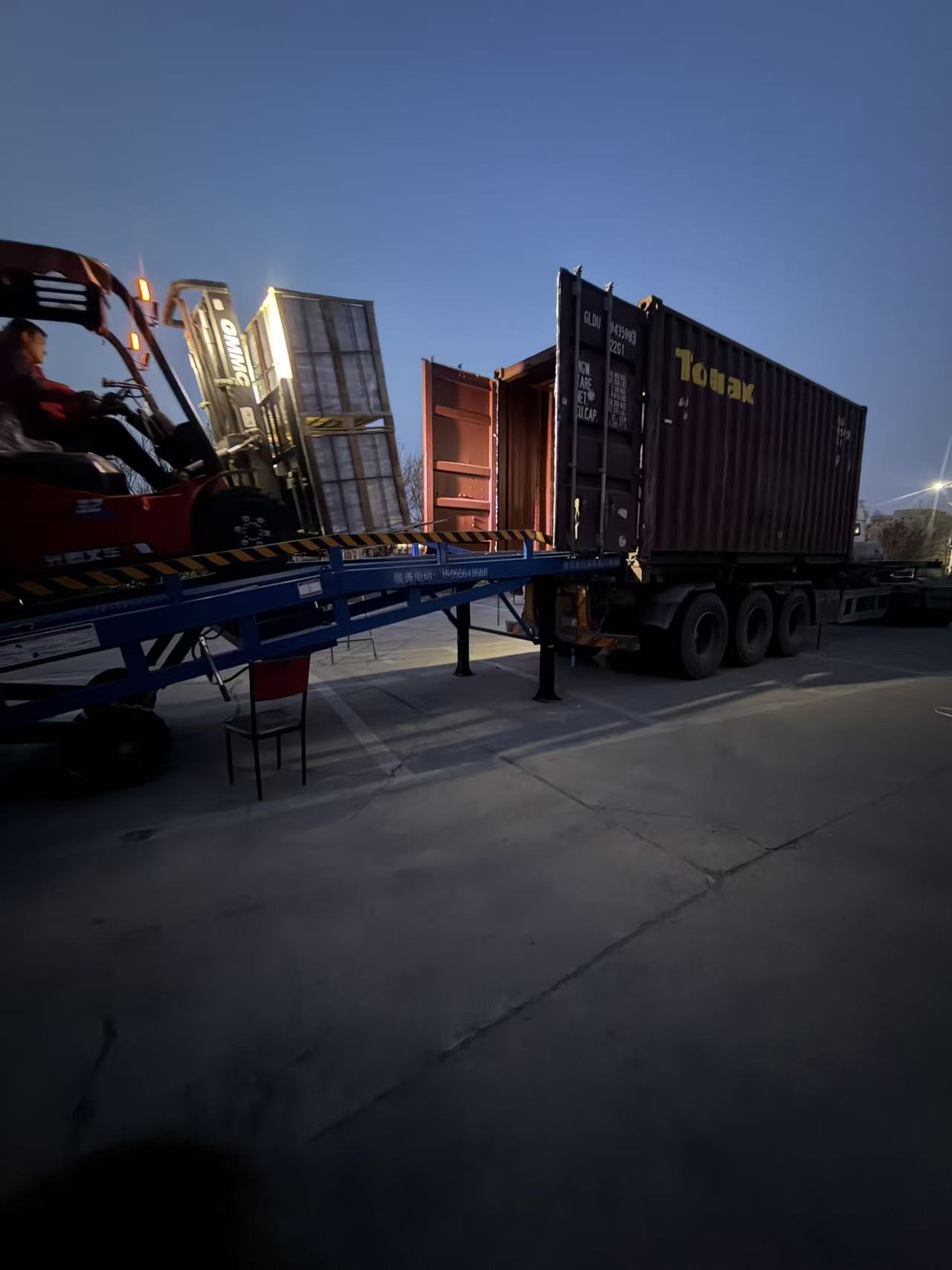
We adhere to an integrity-based business philosophy, heavily investing in scientific research and introducing high-tech talent to drive innovation. By utilizing advanced production technology and rigorous testing methods, we ensure our products meet international standards including GB, DIN, JIS, and ANSI. With a professional technical team and state-of-the-art machinery, we provide high-quality products at competitive prices, exporting to more than 26 countries worldwide.
Key benefits of partnering with us include:
- Quality Assurance: Direct oversight of heat treatment and coating processes ensures compliance with stringent industry standards. We adhere to the principle of “quality first,” constantly refining our testing methods.
- Cost Efficiency: Eliminating middlemen reduces costs, especially for bulk orders. Our integrated manufacturing and trade model optimizes custom tooling investments for long-term partnerships.
- Technical Support & Customization: Our professional technical team works closely with clients to customize special specifications regarding quality and quantity. We help optimize designs for manufacturability and performance, reducing overall project risk.
- Supply Chain Reliability: Dedicated production lines and inventory management systems ensure timely delivery, minimizing downtime for your operations. Our goal is to maintain our reputation by consistently meeting customer needs with thoughtful service.
Conclusion: Securing Your Project with Precision
Industrial fasteners are small components with massive implications for safety, performance, and longevity. Whether you are constructing a skyscraper, assembling a turbine, or manufacturing electric vehicles, the integrity of your joints depends on the quality of your fasteners. By understanding the nuances of material science, manufacturing processes, and application-specific requirements, you can make informed decisions that enhance product reliability.
As a trusted partner in industrial manufacturing, we are committed to delivering custom solutions that meet the exacting standards of modern engineering. From high-volume bulk supply to specialized custom fabrication, our expertise ensures that your projects are built on a foundation of strength and precision.
Ready to optimize your fastening strategy?
Contact our engineering team today to discuss your specific requirements. Whether you need standard compliance parts or bespoke custom solutions, we are equipped to deliver quality and reliability at scale.
Explore our full range of industrial fastener products and technical resources