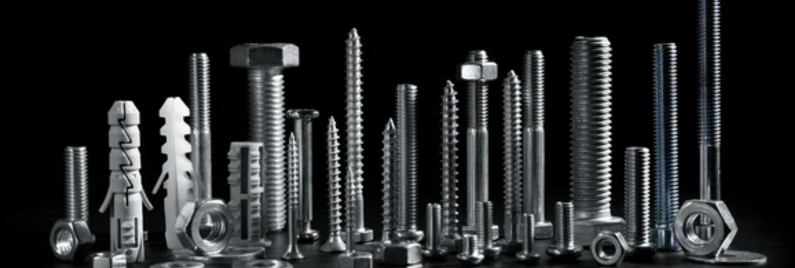
Threaded fasteners are precision-engineered mechanical components designed to join, secure, or assemble materials through helical ridges known as threads. As a specialized manufacturer and wholesale supplier, we provide custom and standard solutions including bolts, screws, nuts, and studs for industrial, automotive, aerospace, and construction applications. Our inventory supports diverse material requirements—from high-tensile steel to corrosion-resistant stainless steel and titanium—ensuring optimal performance under specific load, temperature, and environmental conditions. Whether you require high-volume wholesale supply or bespoke engineering specifications, our production capabilities align with international standards such as ISO, DIN, ANSI, and JIS to guarantee reliability and structural integrity.
What Are Threaded Fasteners and How Do They Function?
Threaded fasteners serve as the fundamental backbone of modern assembly processes. Unlike permanent joining methods like welding or riveting, threaded connections allow for non-destructive disassembly, facilitating maintenance, repair, and modular design. The core mechanism relies on the interaction between male threads (external) and female threads (internal), converting rotational torque into axial clamping force.
This clamping force is critical. It creates friction between the joined surfaces and within the threads themselves, preventing loosening due to vibration or dynamic loads. In industrial contexts, the reliability of a threaded fastener is not merely about holding two pieces together; it is about maintaining precise preload tension over the lifecycle of the equipment.
The Mechanics of Thread Engagement
Understanding the physics behind threaded fasteners is essential for proper selection. When a nut is tightened onto a bolt, the applied torque generates tension in the bolt shank. This tension pulls the joined materials together. The effectiveness of this connection depends on several factors:
- Pitch Diameter: The theoretical diameter where the thread width equals the space between threads. It determines the mechanical advantage of the screw.
- Lead Angle: The angle of the thread relative to the axis. A smaller lead angle provides greater mechanical advantage but requires more rotations to achieve the same axial movement.
- Friction Coefficients: Both thread friction and bearing surface friction affect how much torque is converted into useful clamping force versus lost as heat.
In high-performance applications, engineers must calculate the exact torque required to achieve the desired preload without exceeding the yield strength of the material. Over-tightening can cause immediate failure or delayed fatigue cracking, while under-tightening leads to joint separation and fretting corrosion.
Comprehensive Types of Threaded Fasteners
Selecting the correct type of threaded fastener is pivotal for application success. Each category serves distinct mechanical functions and installation requirements. Our manufacturing portfolio covers the full spectrum of these components, tailored to meet rigorous industry demands.
Bolts: High-Strength Structural Connections
Bolts are externally threaded fasteners designed to pass through holes in assembled parts and are typically secured by a nut. They are engineered to withstand significant tensile and shear loads. Key variations include:
- Hex Bolts: The most common type, featuring a six-sided head for wrench engagement. Used widely in construction and machinery.
- Carriage Bolts: Characterized by a smooth, rounded head and a square section under the head to prevent rotation during installation. Ideal for wood-to-metal connections.
- Flange Bolts: Incorporate an integrated flange that acts as a washer, distributing load over a wider area and eliminating the need for separate washers.
- J-Bolts and U-Bolts: Specialized shapes used for anchoring structures to concrete or securing pipes and cables.
Screws: Versatile Assembly Solutions
While often used interchangeably with bolts in casual language, screws differ technically. Screws typically create their own mating threads in the material they are inserted into, or they engage with pre-formed internal threads without a nut. Common types include:
- Machine Screws: Designed for use with tapped holes or nuts. They feature uniform thread diameter and are available in various head styles like pan, flat, and round.
- Self-Tapping Screws: Equipped with a sharp point and cutting edges that form threads in softer materials like sheet metal or plastic.
- Socket Head Cap Screws (SHCS): Feature a cylindrical head with an internal hexagonal drive. They offer high strength in compact spaces and are prevalent in aerospace and precision machinery.
- Set Screws: Headless screws used to secure rotating parts to a shaft, preventing relative motion.
Nuts: The Counterpart for Secure Locking
Nuts are internally threaded fasteners that pair with bolts or studs. Their design influences vibration resistance and ease of assembly:
- Hex Nuts: The standard choice for general purposes, compatible with wrenches and sockets.
- Lock Nuts: Include features like nylon inserts (Nyloc) or deformed threads to resist loosening from vibration.
- Wing Nuts: Feature large metal “wings” for hand-tightening, suitable for applications requiring frequent adjustment.
- Cap Nuts: Closed-end nuts that protect exposed threads and provide a finished aesthetic appearance.
Studs and Threaded Rods
Studs are long, threaded rods without a head, often threaded on both ends. They are crucial in high-pressure applications such as engine cylinder heads and pipeline flanges, where even load distribution across multiple points is necessary. Threaded rods, or all-thread, provide continuous threading along the entire length, allowing for adjustable positioning in structural frameworks.
About Us: Expertise Rooted in Handan’s Manufacturing Hub
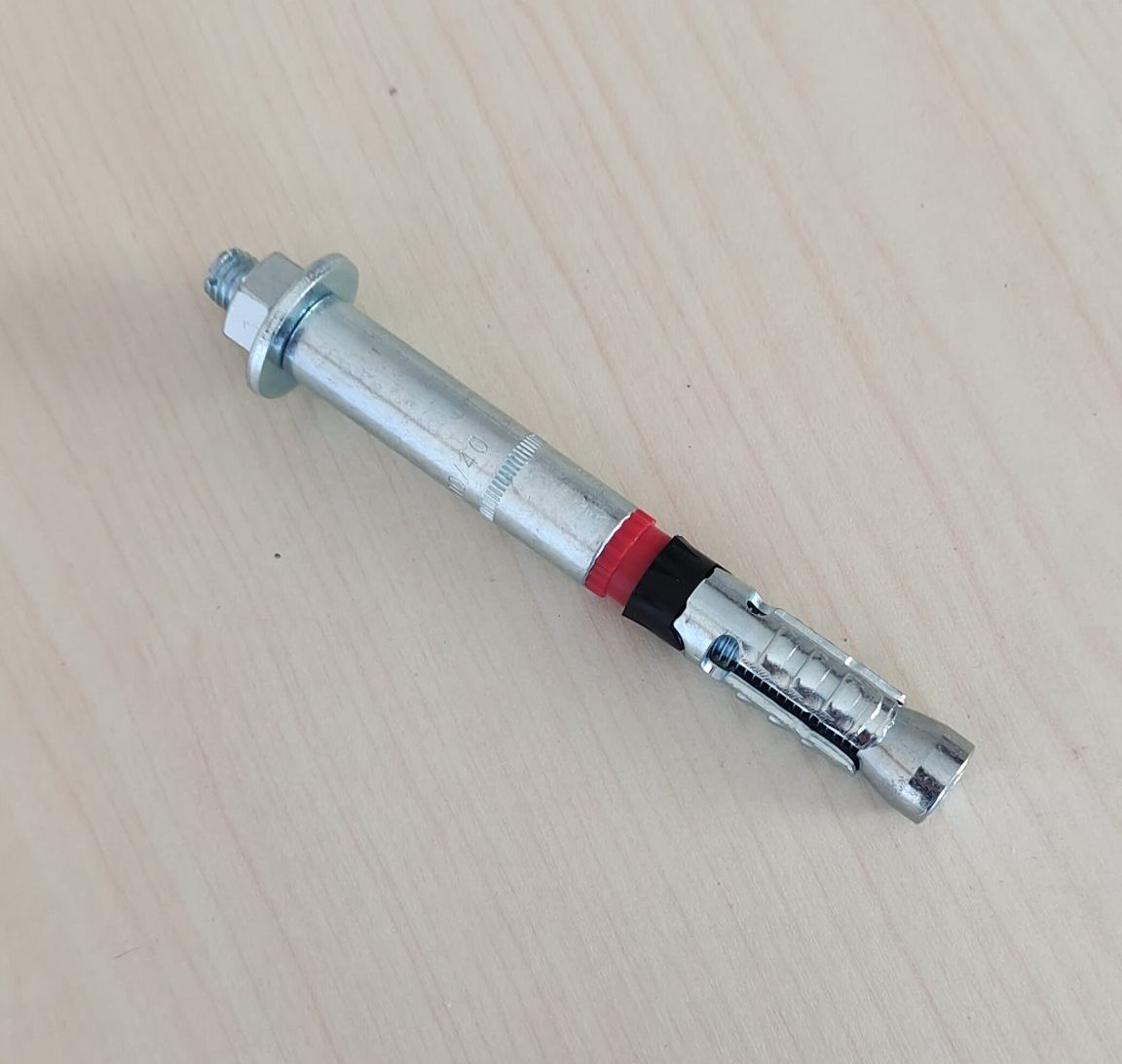
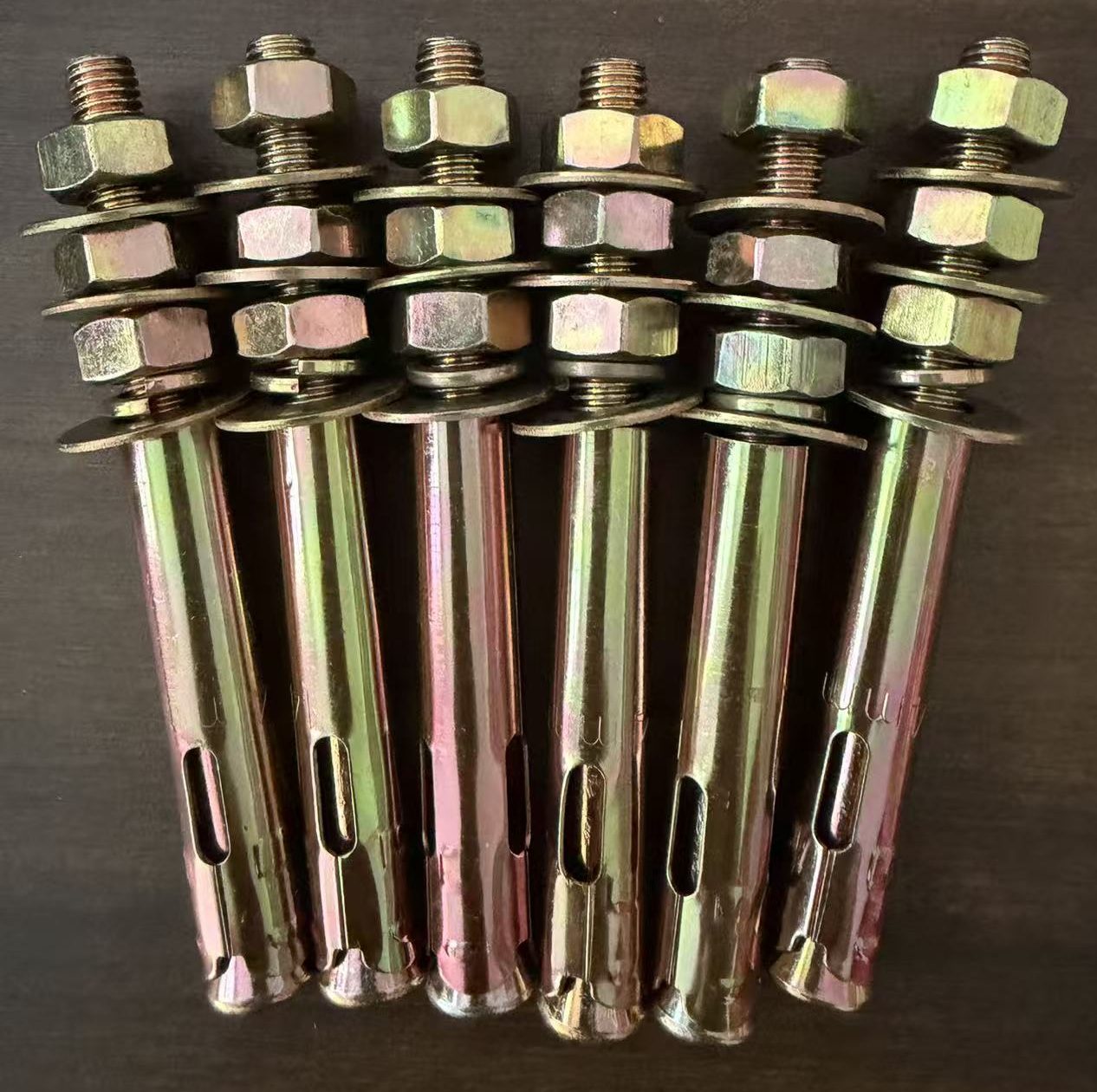
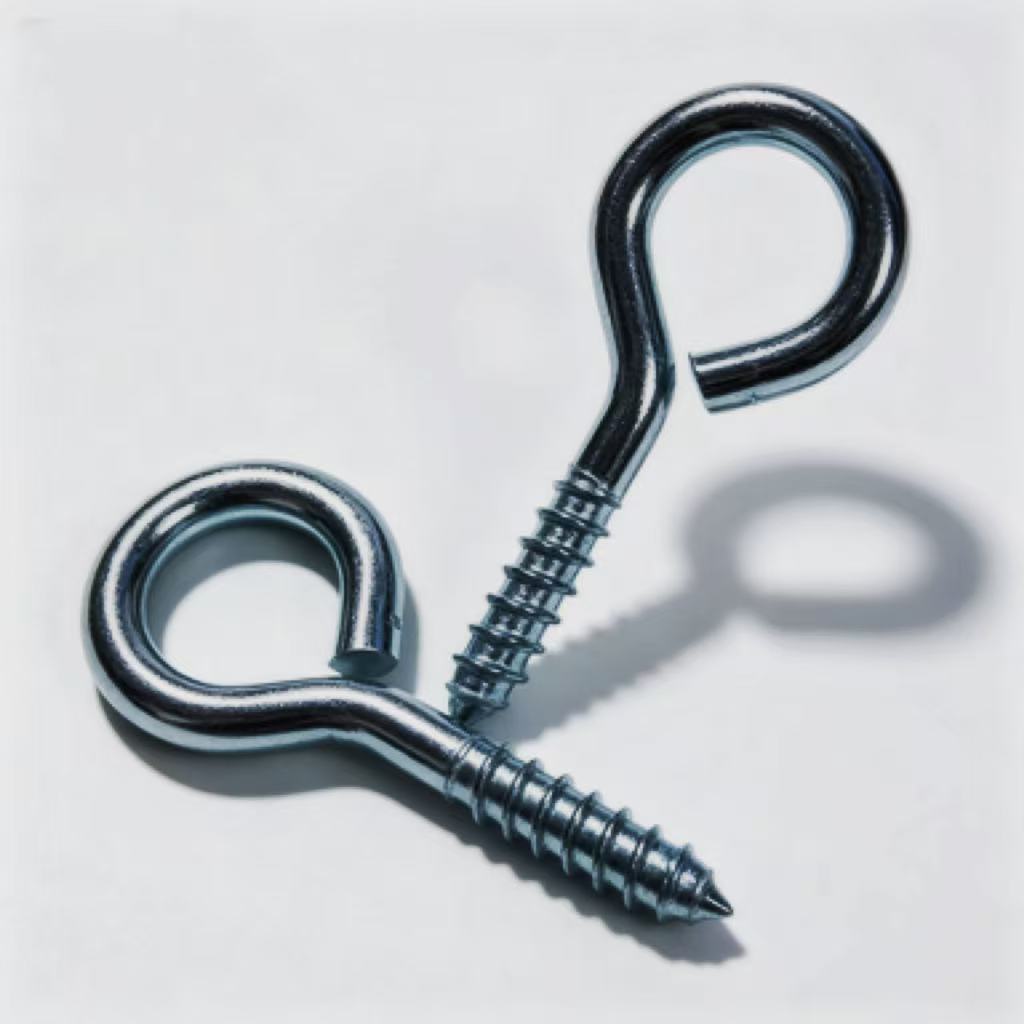
With over a decade of experience in the fastener industry, we have established ourselves as a global industry and trade combination company based in Handan, Hebei, China—a city renowned worldwide for its specialization in fastener manufacturing. Our expertise extends beyond standard components; we specialize in the development, manufacturing, and service of unique hardware solutions, including casing geckos, wooden teeth welded sheep’s eye screws/bolts, and a comprehensive range of traditional fasteners.
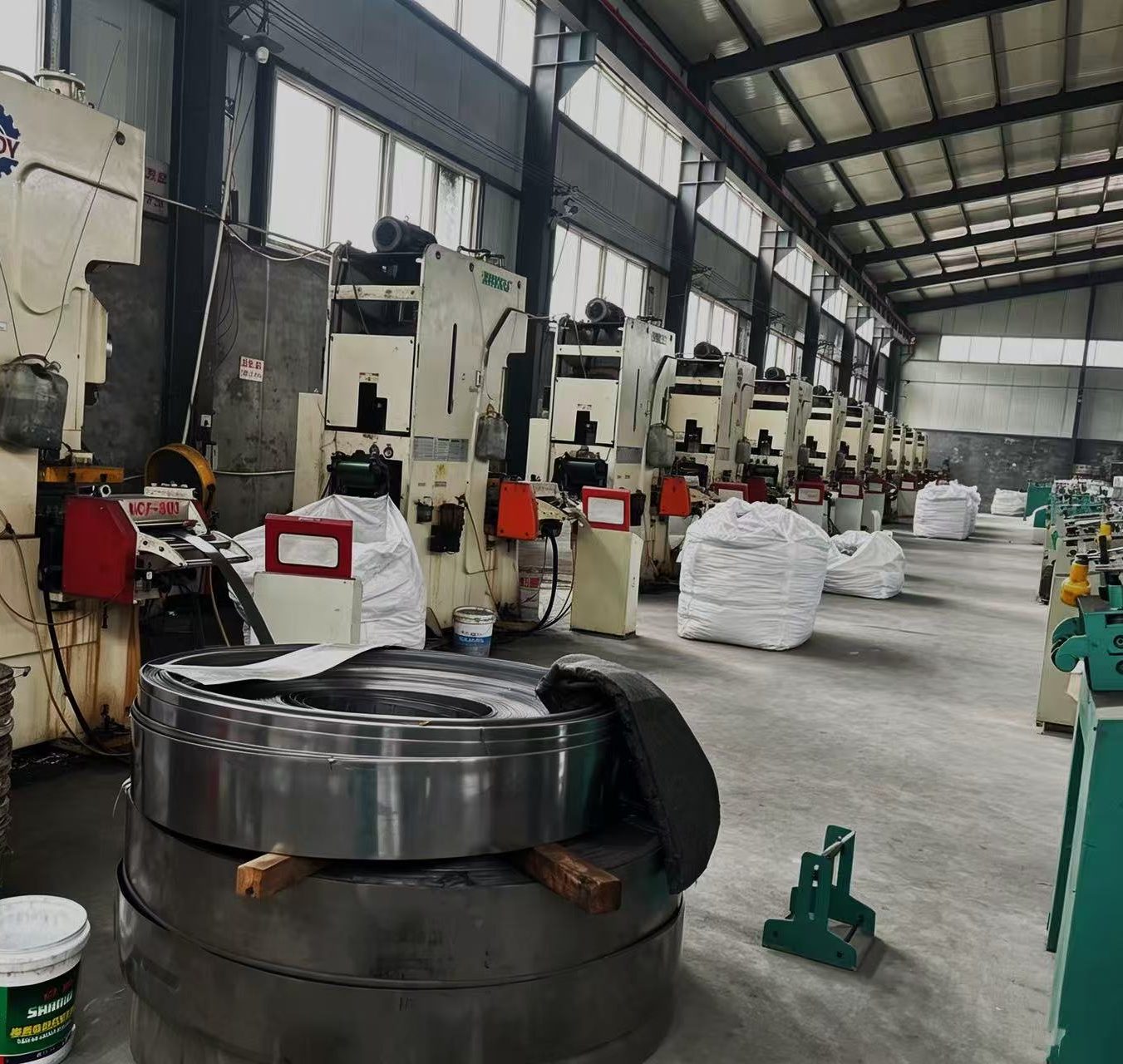
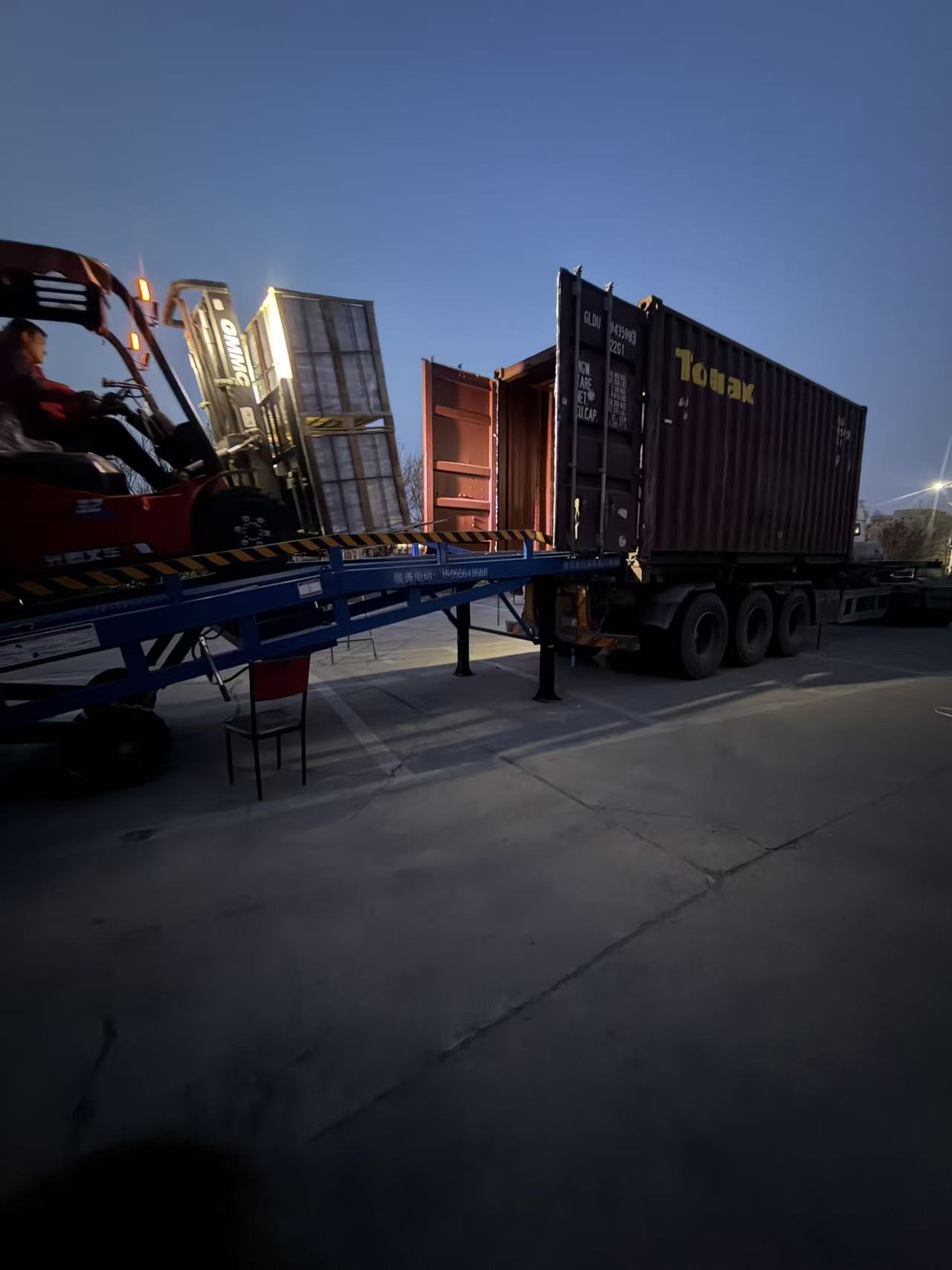
We adhere to an integrity-based business philosophy, heavily investing in scientific research and introducing high-tech talent to drive innovation. By utilizing advanced production technology and perfect testing methods, we ensure our products meet stringent international standards, including GB, DIN, JIS, and ANSI. With a professional technical team and advanced machinery, we provide high-quality products at competitive prices, exporting to more than 26 countries. Whether you need standard wholesale supplies or customized special specifications, our “quality first, customer first” principle ensures that we meet your specific needs while maintaining our reputation for excellence.
Material Selection and Environmental Compatibility
The longevity and performance of threaded fasteners are heavily dependent on material selection. Choosing the wrong material can lead to premature failure through corrosion, galvanic reaction, or thermal degradation. As a manufacturer, we process a wide array of alloys to suit specific operational environments.
Carbon Steel: Strength and Economy
Carbon steel is the most widely used material for threaded fasteners due to its excellent strength-to-cost ratio. It is categorized by carbon content:
- Low Carbon Steel: Offers good ductility and weldability, suitable for general-purpose fasteners.
- Medium and High Carbon Steel: Provides higher tensile strength and hardness. These grades are often heat-treated (quenched and tempered) to achieve specific property classes, such as Grade 8.8 or 10.9 in metric standards.
However, carbon steel is susceptible to rust. Therefore, surface treatments like zinc plating, hot-dip galvanizing, or black oxide coating are essential for outdoor or humid applications.
Stainless Steel: Corrosion Resistance
For environments exposed to moisture, chemicals, or extreme temperatures, stainless steel is the preferred choice. The addition of chromium forms a passive oxide layer that protects the underlying metal.
- Austenitic (300 Series): Grades 304 and 316 are the most common. Grade 304 offers general corrosion resistance, while Grade 316 contains molybdenum, providing superior resistance to chlorides and acids, making it ideal for marine and chemical processing industries.
- Martensitic (400 Series): Grades like 410 and 420 can be heat-treated to achieve high hardness and strength, though with lower corrosion resistance than the 300 series.
High-Performance Alloys: Titanium and Inconel
In aerospace, medical, and extreme industrial applications, standard steels may not suffice. Titanium alloys offer an exceptional strength-to-weight ratio and biocompatibility, making them indispensable in aircraft structures and implants. Inconel and other nickel-based superalloys retain their mechanical properties at extremely high temperatures, resisting oxidation and creep in turbine engines and exhaust systems.
Non-Metallic Fasteners
Plastic and composite fasteners, made from materials like nylon, PEEK, or PVDF, are used where electrical insulation, chemical inertness, or non-magnetic properties are required. While they have lower strength limits compared to metals, they excel in specialized electronic and laboratory settings.
Surface Treatments and Coatings for Enhanced Durability
Surface treatment is not merely cosmetic; it is a critical engineering decision that affects friction coefficients, corrosion resistance, and fatigue life. Our manufacturing process includes advanced coating technologies to extend service life.
| Coating Type | Primary Benefit | Typical Application | Thickness Range |
| Zinc Plating (Electro) | Moderate corrosion resistance, bright finish | Indoor machinery, automotive interiors | 5-15 µm |
| Hot-Dip Galvanizing | Heavy-duty corrosion protection, rugged | Outdoor structures, utility poles, marine | 40-80 µm |
| Black Oxide | Minimal dimensional change, mild rust resistance | Tools, firearms, aesthetic black finish | <1 µm |
| Dacromet/Geomet | Excellent salt spray resistance, no hydrogen embrittlement | Automotive exterior, high-corrosion zones | 8-12 µm |
| Xylan/PTFE | Low friction, chemical resistance | Food processing, chemical valves | 10-25 µm |
Hydrogen Embrittlement Risks
A critical consideration in plating high-strength steel fasteners (above 1000 MPa tensile strength) is hydrogen embrittlement. During electroplating, hydrogen atoms can diffuse into the steel lattice, causing brittle fracture under stress. To mitigate this, we employ baking processes immediately after plating to outgas hydrogen, ensuring the structural integrity of high-grade bolts remains intact.
Industry Standards and Certification Compliance
Global trade and industrial safety rely on standardized specifications. Manufacturing threaded fasteners without adherence to these standards results in incompatibility and potential liability. Our production lines are certified to meet major international frameworks.
ISO (International Organization for Standardization)
ISO standards are dominant in Europe and increasingly global. Key standards include:
- ISO 898-1: Specifies mechanical properties for bolts, screws, and studs made from carbon steel and alloy steel.
- ISO 3506: Covers mechanical properties for stainless steel fasteners.
- ISO 4759: Defines tolerances for bolts, screws, and studs.
ASTM and SAE (American Standards)
In North America, ASTM (American Society for Testing and Materials) and SAE (Society of Automotive Engineers) govern specifications.
- ASTM A325/A490: High-strength structural bolts for steel joints in buildings and bridges.
- SAE J429: Defines grades for inch-series bolts, such as Grade 5 and Grade 8.
- ASTM F1554: Anchor bolts for seismic and wind loading applications.
DIN (Deutsches Institut für Normung)
German DIN standards remain highly respected for precision engineering. Common references include DIN 933 (hex head screws) and DIN 934 (hex nuts). While many DIN standards have been harmonized with ISO, specific dimensional nuances often persist in legacy European machinery.
Custom Manufacturing Capabilities for Specialized Needs
Standard off-the-shelf fasteners do not always solve unique engineering challenges. Our custom manufacturing division specializes in producing non-standard threaded components tailored to specific design constraints.
Prototyping and Rapid Tooling
For new product development, we offer rapid prototyping services using CNC machining and 3D printing technologies. This allows engineers to validate fit, function, and thread engagement before committing to mass production tooling. We can produce small batches of custom threads, including Acme, Buttress, or Square threads, which are not available in standard catalogs.
Large-Diameter and Non-Standard Lengths
Industrial projects often require fasteners exceeding standard dimensions. We manufacture large-diameter bolts (M100 and above) and extra-long studs for heavy machinery, wind turbines, and pressure vessels. Our cold forging and hot forging capabilities ensure grain flow alignment, maximizing strength in oversized components.
Special Thread Profiles
Beyond standard metric and imperial threads, we produce specialized profiles:
- Fine Pitch Threads: Offer better vibration resistance and finer adjustment control, used in precision instruments.
- Left-Hand Threads: Used in applications where rotational forces might loosen a standard right-hand thread, such as bicycle pedals or gas cylinder valves.
- Tapered Threads (NPT/BSP): Essential for creating leak-proof seals in piping and hydraulic systems.
Quality Control and Testing Protocols
Trustworthiness in B2B supply chains is built on consistent quality. Our quality assurance protocol integrates automated inspection with destructive testing to ensure every batch meets specified tolerances.
Dimensional Inspection
We utilize optical sorting machines and coordinate measuring machines (CMM) to verify critical dimensions: thread pitch, major/minor diameters, head height, and concentricity. Automated optical inspection (AOI) systems detect surface defects, cracks, or incomplete threads at high speeds, ensuring zero-defect delivery for wholesale orders.
Mechanical Property Testing
Regular sampling undergoes rigorous mechanical testing:
- Tensile Testing: Determines ultimate tensile strength, yield strength, and elongation.
- Hardness Testing: Rockwell and Vickers hardness tests verify heat treatment effectiveness.
- Torque-Tension Testing: Establishes the relationship between applied torque and achieved clamp load, critical for defining installation specifications.
- Salt Spray Testing: Validates corrosion resistance of coatings according to ASTM B117 standards.
How to Choose the Right Threaded Fastener: A Strategic Guide
Selecting the appropriate fastener involves balancing mechanical requirements, environmental factors, and cost. This decision matrix helps procurement managers and engineers make informed choices.
Step 1: Define Load Requirements
Determine whether the joint will experience static loads, dynamic vibrations, or shear forces. High-vibration environments necessitate locking features or higher preload tensions. For shear loads, consider using fitted bolts or dowel pins in conjunction with threaded fasteners.
Step 2: Assess Environmental Conditions
Evaluate exposure to moisture, chemicals, temperature extremes, and UV radiation. Outdoor marine environments demand stainless steel 316 or hot-dip galvanized steel. High-temperature applications require alloys that resist creep and oxidation.
Step 3: Consider Material Compatibility
Avoid galvanic corrosion by selecting fastener materials compatible with the base materials. For example, using aluminum fasteners on stainless steel panels can lead to rapid corrosion of the aluminum. Insulating washers or compatible coatings can mitigate this risk.
Step 4: Evaluate Installation Constraints
Consider access limitations. If space is tight, socket head screws or blind rivet nuts may be more appropriate than hex bolts. If assembly speed is critical, self-drilling screws can eliminate the need for pre-drilling and tapping.
Common Mistakes in Fastener Selection and Installation
Even with high-quality products, improper usage can lead to failure. Awareness of these common pitfalls enhances operational safety and efficiency.
- Mixing Metric and Imperial Threads: Forcing a metric bolt into an imperial nut (or vice versa) damages the threads and creates a weak joint. Always verify thread pitch and diameter standards.
- Reusing High-Strength Bolts: Bolts subjected to high preload, such as cylinder head bolts, stretch permanently. Reusing them can result in insufficient clamping force and catastrophic failure.
- Ignoring Lubrication: Friction varies significantly between dry and lubricated threads. Using torque specifications intended for dry threads on lubricated fasteners can lead to over-tightening and bolt breakage.
- Overtightening: Applying excessive torque exceeds the yield strength of the bolt, causing it to stretch permanently or snap. Use calibrated torque wrenches and follow manufacturer guidelines.
Wholesale Supply Chain and Logistics Advantages
For B2B clients, reliability extends beyond product quality to supply chain consistency. Our wholesale operations are optimized for just-in-time delivery and bulk procurement efficiency.
Inventory Management and Scalability
We maintain substantial stock levels of standard fasteners to ensure immediate availability for urgent projects. For custom orders, our scalable production lines adjust to volume fluctuations, supporting both small-batch prototypes and million-unit annual contracts.
Packaging and Traceability
Proper packaging prevents damage during transit and storage. We offer bulk packing for automated assembly lines and individual retail-ready packaging for distribution partners. Every batch includes full traceability documentation, including material certificates (Mill Certs) and heat treatment logs, ensuring compliance with industry audits.
Frequently Asked Questions (FAQ)
What is the difference between a bolt and a screw?
Technically, a bolt is designed to pass through unthreaded holes and is secured with a nut, relying on clamping force. A screw typically engages with pre-formed internal threads or creates its own threads in the material. However, in common industry parlance, the terms are often used interchangeably based on head style and drive type.
How do I determine the correct torque for a threaded fastener?
Torque values depend on the fastener’s diameter, grade, material, and lubrication status. General engineering tables provide baseline values, but critical applications should use torque-tension testing to establish specific requirements. Always consult the manufacturer’s technical data sheets for precise recommendations.
Can stainless steel fasteners be used with aluminum structures?
Yes, but with caution. Stainless steel is cathodic to aluminum, which can cause galvanic corrosion of the aluminum. To prevent this, use insulating washers or sleeves, or apply anti-seize compounds to isolate the metals. Regular inspection is recommended in humid environments.
What does the property class “8.8” mean on a metric bolt?
The number “8.8” indicates the mechanical properties of the bolt. The first digit (8) multiplied by 100 gives the nominal tensile strength in MPa (800 MPa). The second digit (8) represents the ratio of yield strength to tensile strength (0.8), meaning the yield strength is approximately 640 MPa. This classification ensures consistent performance across manufacturers.
Why do threaded fasteners loosen over time?
Loosening is primarily caused by vibration, dynamic loads, or thermal cycling. These forces cause microscopic sliding between the threads and bearing surfaces, leading to a gradual loss of preload. Using lock nuts, thread-locking adhesives, or serrated flange heads can significantly reduce this risk.
Conclusion: Partnering for Precision and Reliability
Threaded fasteners are small components with massive implications for structural integrity and operational safety. Selecting the right manufacturer involves more than comparing prices; it requires a partner who understands the nuances of material science, metallurgy, and global standards. Our commitment to precision engineering, rigorous quality control, and custom manufacturing capabilities ensures that your assemblies perform reliably under the most demanding conditions.
Whether you are sourcing standard wholesale supplies for large-scale construction or developing bespoke solutions for advanced machinery, our team provides the technical expertise and logistical support needed to streamline your supply chain. We invite engineers, procurement specialists, and project managers to leverage our extensive inventory and manufacturing flexibility.
For detailed technical specifications, custom quote requests, or sample evaluations, contact our engineering support team today. Let us help you secure your next project with confidence and precision.
Explore Our Full Range of Threaded Fasteners and Technical Solutions