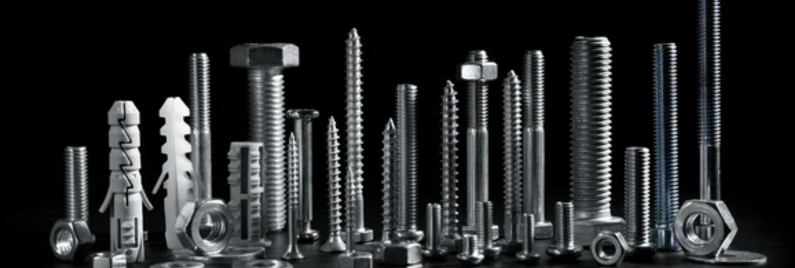
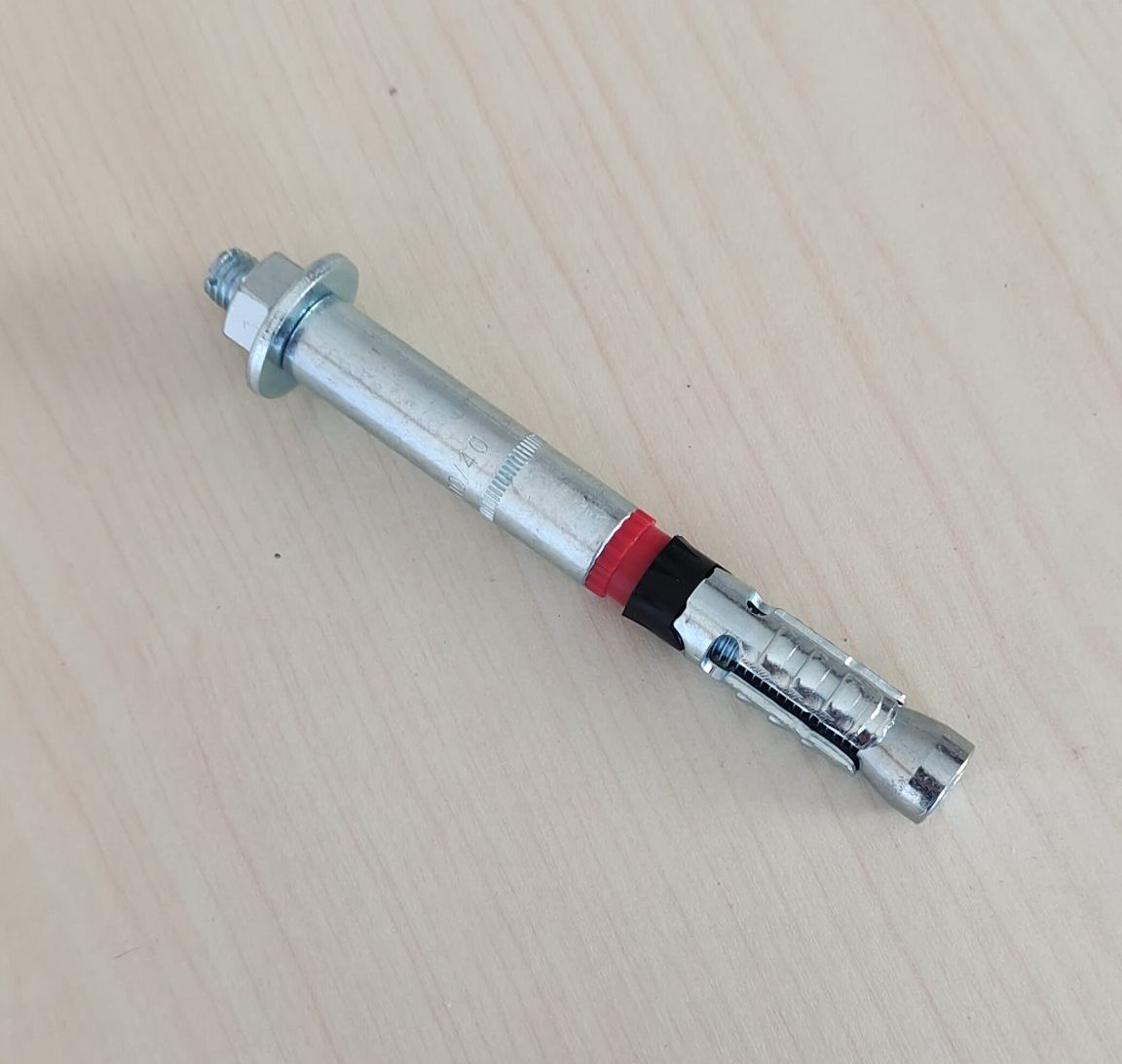
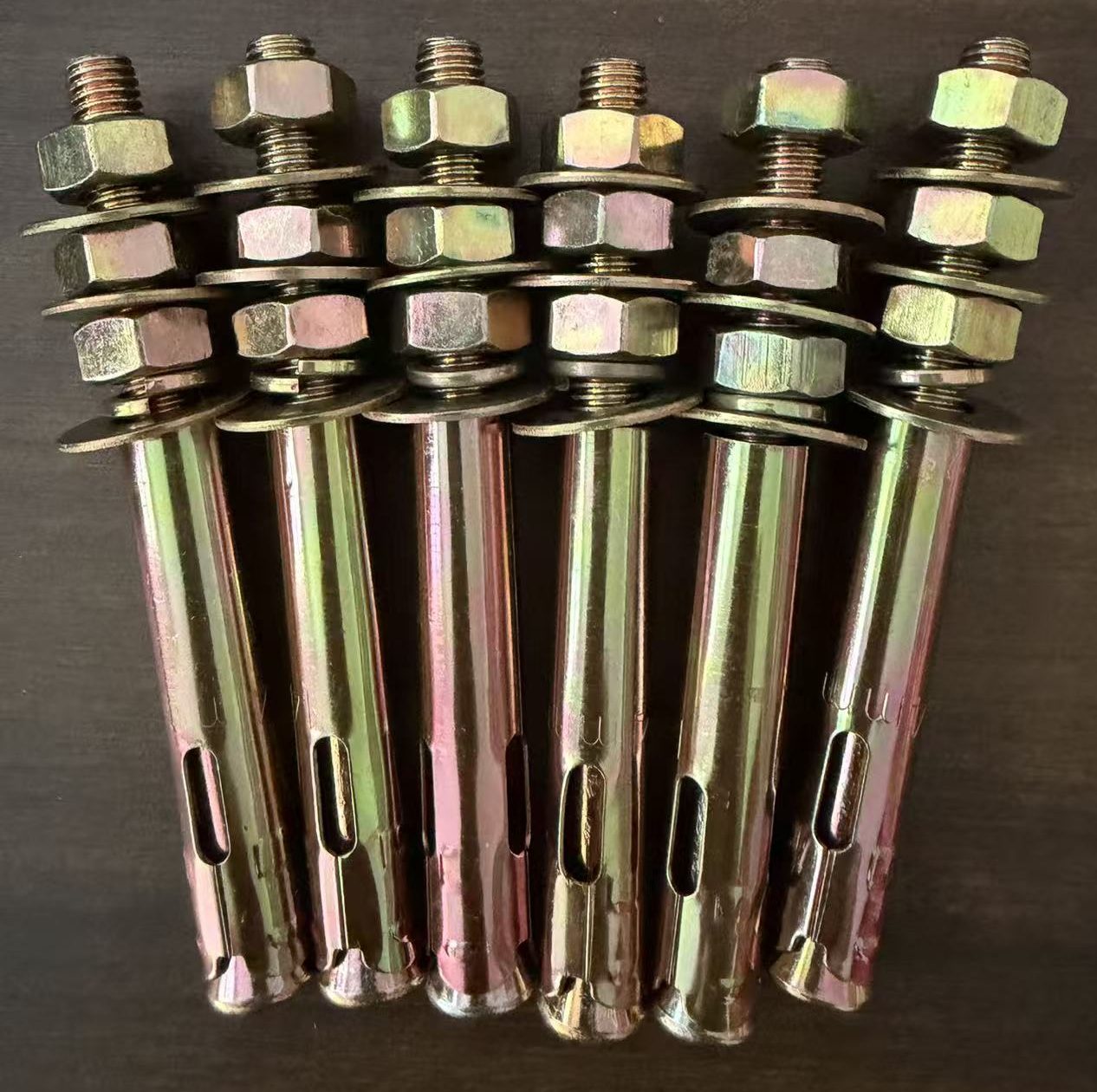
Toggle bolts are specialized fasteners designed to secure heavy objects to hollow walls, such as drywall or plaster, where traditional screws cannot find a solid stud. Unlike standard anchors that rely on friction alone, a toggle bolt uses a spring-loaded wing mechanism that expands behind the wall surface, distributing weight over a larger area. This guide provides a comprehensive overview of how they work, proper installation techniques, load capacity factors, and expert insights for selecting the right hardware for your specific project needs.
What Are Toggle Bolts and How Do They Work?
A toggle bolt is a two-part fastener system consisting of a machine screw and a collapsible metal wing assembly. Its primary function is to create a secure anchor point in hollow building materials. When the bolt is inserted through a pre-drilled hole, the wings remain folded to fit through the opening. Once inside the wall cavity, a spring mechanism forces the wings to snap open perpendicular to the bolt.
As you tighten the screw from the front, the expanded wings pull against the interior surface of the wall material. This action creates a “clamshell” effect, clamping the wall material between the bolt head (or washer) on the exterior and the spread wings on the interior. This distribution of force prevents the fastener from pulling straight out, allowing it to support significant static loads.
The mechanical advantage of this design lies in its leverage. While a plastic expansion plug relies on the compressive strength of the surrounding material, a toggle bolt utilizes the tensile strength of the wall board itself. This makes it the industry-standard solution for hanging heavy mirrors, televisions, shelving units, and light fixtures in residential and commercial construction.
The Mechanics of the Spring-Loaded Wing
The core component that distinguishes this hardware is the spring-loaded wing. These wings are typically made from zinc-plated steel or stainless steel to resist corrosion. The spring tension must be strong enough to ensure the wings fully deploy before the bolt begins to tighten, yet flexible enough to collapse when sufficient axial force is applied during removal.
- Deployment: The wings automatically expand once clear of the drilled hole.
- Locking: Tightening the bolt draws the wings firmly against the back of the wall.
- Load Distribution: The wide span of the open wings spreads the load across several square inches of drywall.
Understanding this mechanism is crucial for installers. If the hole is too large, the wings may deploy prematurely outside the wall. If the hole is too small, the wings may not fully open inside, compromising the holding power. Precision in drilling is the first step toward a secure installation.
Types of Toggle Bolts: Choosing the Right Variant
Not all toggle mechanisms are identical. The market offers several variations designed for specific load requirements and installation constraints. Selecting the correct type is essential for ensuring safety and longevity of the mounted object.
Standard Metal Wing Toggles
The classic design features long, thin metal wings attached to the bolt via a threaded collar. These are ideal for general-purpose heavy-duty applications. The wings can be removed and re-threaded onto the bolt, allowing the installer to insert the wings into the wall first, then attach the fixture, and finally thread the bolt through.
This separable design is particularly useful when mounting objects that cannot easily have the bolt passed through them beforehand. However, users must be careful not to cross-thread the wings onto the bolt, which can strip the threads and ruin the fastener.
One-Piece Plastic Toggles
Modern innovations include one-piece toggle anchors made from high-strength engineering plastics. In these designs, the wings and the screw channel are molded as a single unit. A separate machine screw is driven through the center to expand the wings.
These are often easier to install because there is no risk of the wings falling off the bolt before insertion. They are excellent for medium-weight loads and offer good corrosion resistance. However, they generally have lower ultimate shear strength compared to their all-metal counterparts.
Strap Toggles and Heavy-Duty Variants
For extreme loads, strap toggles utilize a long metal or plastic strap that folds up for insertion and spreads out widely behind the wall. These provide the largest surface area contact and are capable of supporting hundreds of pounds. They are frequently used in commercial settings for hanging industrial piping, heavy cabinetry, or large signage.
Some heavy-duty models feature a “zip-off” design where the excess length of the strap is snapped off after installation, leaving a flush finish inside the wall cavity. This prevents interference with insulation or wiring running behind the wall.
Step-by-Step Installation Guide for Maximum Hold
Proper installation is the difference between a secure mount and a damaged wall. Follow this professional workflow to ensure your toggle bolts perform at their rated capacity.
Preparation and Drilling
Before drilling, identify the exact location for your mount. Use a stud finder to confirm you are indeed in a hollow section; if a stud is present, a wood screw is always preferable. Once the location is marked, select the correct drill bit size. The packaging of the toggle bolt will specify the required diameter.
Drill the hole perpendicular to the wall surface. Avoid angling the drill, as this can elongate the hole and prevent the wings from seating correctly. Clean any dust or debris from the hole to ensure the wings can pass through without obstruction.
Insertion and Expansion
If using a standard metal toggle, loosen the screw slightly to allow the wings to fold parallel to the bolt. Insert the assembly into the hole until the wings clear the back surface. You will feel or hear a slight “pop” as the spring deploys the wings.
Gently pull the bolt outward to seat the wings against the interior wall. Do not overtighten at this stage. If you are using a one-piece plastic toggle, insert the anchor body first, then drive the screw through the object and into the anchor to expand it.
Tightening and Finalizing
Place your fixture against the wall and begin tightening the bolt. Apply steady, even pressure. As the bolt tightens, the wings will clamp the drywall. Stop tightening once the fixture is snug and secure.
- Warning: Over-tightening can crush the drywall core, causing the anchor to spin freely or pull through the face of the wall.
- Check: Ensure the fixture does not wobble. If it moves, the wings may not be fully deployed, or the hole may be oversized.
- Trimming: For certain types, if the bolt protrudes too far, it may need to be cut, though leaving it intact is usually safer for future adjustments.
Removing a toggle bolt requires pushing the bolt inward to collapse the wings, then pulling the entire assembly out. Note that once removed, standard metal wings often fall into the wall cavity and cannot be reused without fishing them out.
Load Capacity and Weight Limits
One of the most common questions regarding toggle bolts concerns their weight-bearing capabilities. While they are among the strongest hollow-wall anchors, their capacity is not infinite and depends on several variables.
Factors Influencing Holding Power
The rated load of a toggle bolt is not a fixed number. It fluctuates based on the quality of the wall material, the thickness of the drywall, and the orientation of the force applied.
- Drywall Thickness: Standard 1/2-inch drywall supports less weight than 5/8-inch fire-rated board. Thicker material provides more resistance to crushing.
- Wall Condition: Older, brittle plaster or water-damaged drywall will fail at much lower loads than new, intact gypsum board.
- Force Direction: Toggle bolts excel in shear strength (pulling straight out). They are significantly weaker in scenarios involving lateral leverage or swinging motion.
General Capacity Guidelines
While specific ratings vary by manufacturer, industry standards suggest general ranges for common sizes. A 1/8-inch toggle bolt can typically hold around 30 to 50 pounds in 1/2-inch drywall. A 3/16-inch version often supports up to 70 pounds, while a 1/4-inch toggle can handle over 100 pounds per anchor under ideal conditions.
It is critical to apply a safety factor. Professional installers rarely load an anchor to its theoretical maximum. For dynamic loads, such as a television that might be adjusted or a shelf holding items that are frequently moved, the working load should be limited to 50% of the rated capacity.
| Bolt Size | Min. Hole Diameter | Estimated Safe Load (1/2″ Drywall) | Best Application |
| 1/8 inch | 3/8 inch | 25 – 35 lbs | Light mirrors, small pictures |
| 3/16 inch | 1/2 inch | 50 – 70 lbs | Medium shelves, coat racks |
| 1/4 inch | 3/4 inch | 80 – 100+ lbs | Large TVs, heavy cabinets |
| 3/8 inch | 1 inch | 100 – 150+ lbs | Industrial fixtures, heavy machinery |
Always consult the specific manufacturer’s data sheet for the product you are purchasing, as metallurgy and wing design differences can alter these figures significantly.
Common Mistakes to Avoid
Even experienced DIYers can make errors when working with hollow wall anchors. Avoiding these pitfalls ensures the integrity of your installation and prevents costly wall repairs.
Drilling the Wrong Hole Size
This is the most frequent error. If the hole is too small, forcing the toggle through can damage the wings or the spring mechanism, preventing full deployment. Conversely, a hole that is too large allows the wings to slip through entirely or fail to grip the edge of the hole effectively. Always measure your drill bit against the manufacturer’s recommendation before starting.
Overtightening the Bolt
In an attempt to make the fixture “extra secure,” users often crank the bolt until the drywall crumbles. This crushes the gypsum core, enlarging the hole internally and causing the anchor to lose its grip. The fixture will eventually sag or fall. Tighten only until the fixture is firm and stationary.
Reusing Removed Toggles
Once a standard metal toggle bolt is removed from a wall, the wings usually detach and fall inside the wall cavity. Even if retrieved, the spring tension may be compromised, or the threads may be worn. It is best practice to use brand new hardware for every installation to guarantee full holding strength.
Ignoring Wall Studs
While toggle bolts are powerful, they are not a substitute for structural framing. If a heavy object can be mounted directly into a wood or metal stud, that method is superior. Reserve toggle bolts for locations where studs are unavailable or misaligned with the mounting points.
Applications and Use Cases
Understanding where to apply toggle bolts maximizes their utility. They are the go-to solution for a wide range of residential, commercial, and industrial scenarios involving hollow substrates.
Residential Hanging Projects
In homes, these fasteners are indispensable for mounting flat-screen televisions on drywall partitions. They are also commonly used for installing floating shelves, heavy curtain rods, and large decorative mirrors. Bathroom renovations often require them for securing towel bars or medicine cabinets to tiled drywall surfaces where studs are not accessible.
Commercial and Office Environments
Office spaces frequently utilize modular drywall partitions. Mounting whiteboards, plasma displays, signage, and partition-mounted cabinetry relies heavily on toggle technology. The ability to distribute weight without needing to locate specific stud spacing allows for flexible office layouts.
Specialized Industrial Uses
Heavy-duty strap toggles are employed in light industrial settings to hang conduit, ventilation ducts, or suspended lighting grids from drywall ceilings. In these applications, the high shear strength of the metal wings provides the necessary safety margin for overhead loads.
Regardless of the application, the principle remains the same: utilize the broad surface area of the deployed wings to transfer the load from a single point to a wider section of the wall structure.
Frequently Asked Questions (FAQ)
Can toggle bolts be used in plaster walls?
Yes, but with caution. Plaster walls are often more brittle than modern drywall and may have a lath backing. Drilling must be done carefully to avoid cracking the plaster surface. It is advisable to use a slightly larger hole to accommodate the wings without exerting excessive radial pressure on the fragile plaster. Verify that the wings can fully expand behind the lath strips.
What happens if the toggle falls behind the wall?
If the wings detach and fall into the wall cavity during removal, they are generally lost unless you cut an access panel. This is why reusing old toggles is difficult. For future installations, consider using a one-piece plastic toggle or a strap toggle, which are less prone to detaching completely during removal.
Are toggle bolts reusable?
Technically, the metal screw can be reused, but the wing assembly is rarely recoverable once installed and removed. If the wings fall into the wall, they cannot be reused. Even if retrieved, the spring mechanism may be fatigued. For critical loads, always install new toggle bolts.
How do I remove a toggle bolt without damaging the wall?
To remove it, unscrew the bolt completely. This usually causes the wings to drop off the screw and fall behind the wall. If you need to retrieve the wings, you may need to fish them out with a magnet or wire, or cut a small inspection hole. Pulling the bolt out while the wings are still attached will likely tear a large hole in the drywall.
Can I use toggle bolts in concrete or brick?
No. Toggle bolts are designed exclusively for hollow materials like drywall, plaster, and hollow-core doors. For solid masonry like concrete or brick, you must use sleeve anchors, wedge anchors, or masonry screws that expand within the solid material.
Expert Insights on Material Selection
When selecting toggle bolts, the environment plays a crucial role in material choice. In standard indoor environments, zinc-plated steel offers a balance of strength and cost-effectiveness. However, for areas with high humidity, such as bathrooms, laundry rooms, or outdoor covered patios, stainless steel variants are strongly recommended.
Moisture can cause standard steel wings to rust over time, potentially weakening the anchor or staining the wall surface. Stainless steel maintains its structural integrity and appearance even in damp conditions. Additionally, for applications involving electrical fixtures, ensuring the metal components do not interfere with wiring pathways behind the wall is a vital safety consideration.
Industry professionals also emphasize the importance of matching the bolt length to the combined thickness of the fixture and the wall. A bolt that is too short will not allow the wings to fully deploy. A bolt that is excessively long may protrude unnecessarily into the wall cavity, posing a risk to insulation or utilities.
Choosing a Reliable Manufacturer
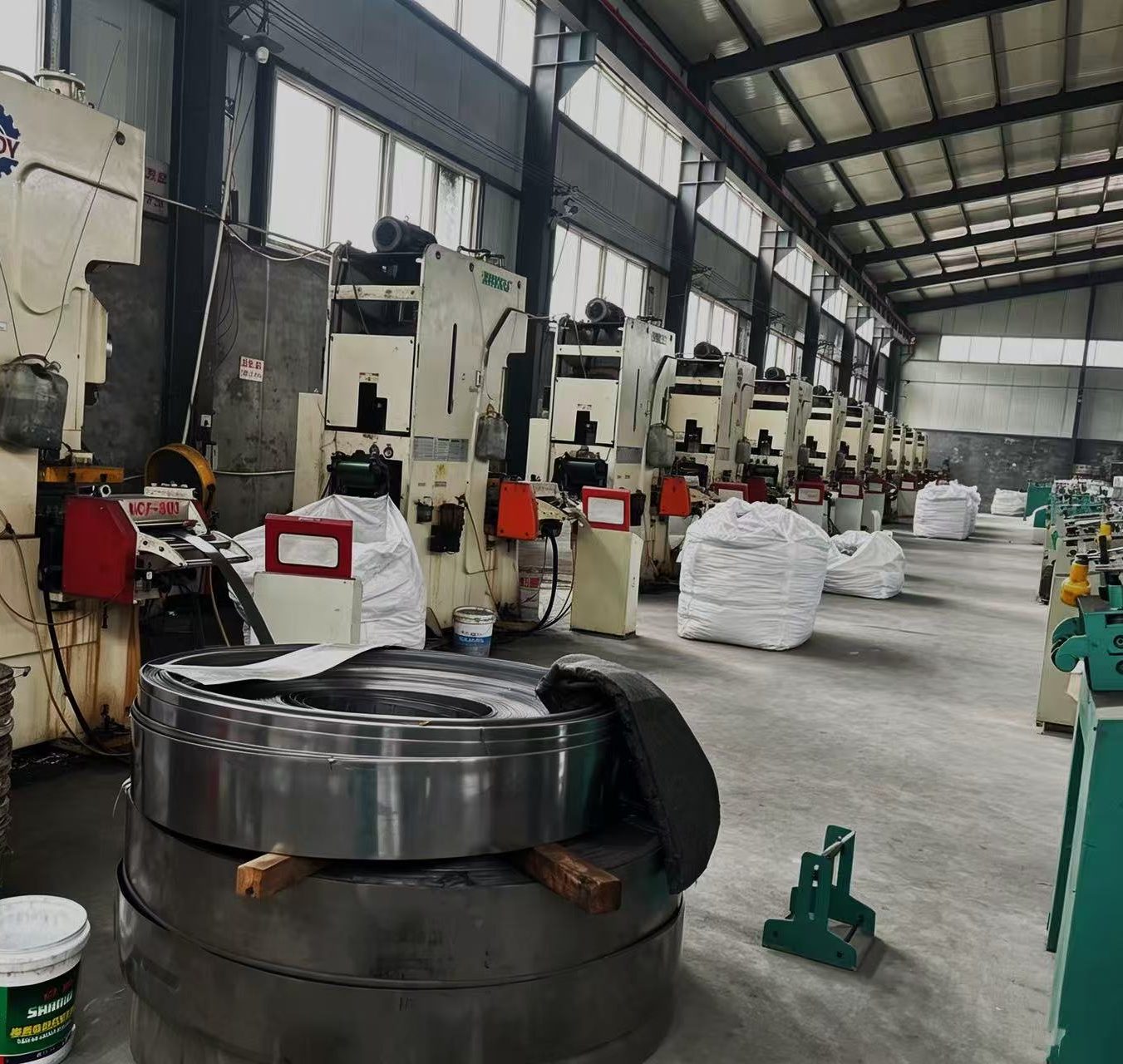
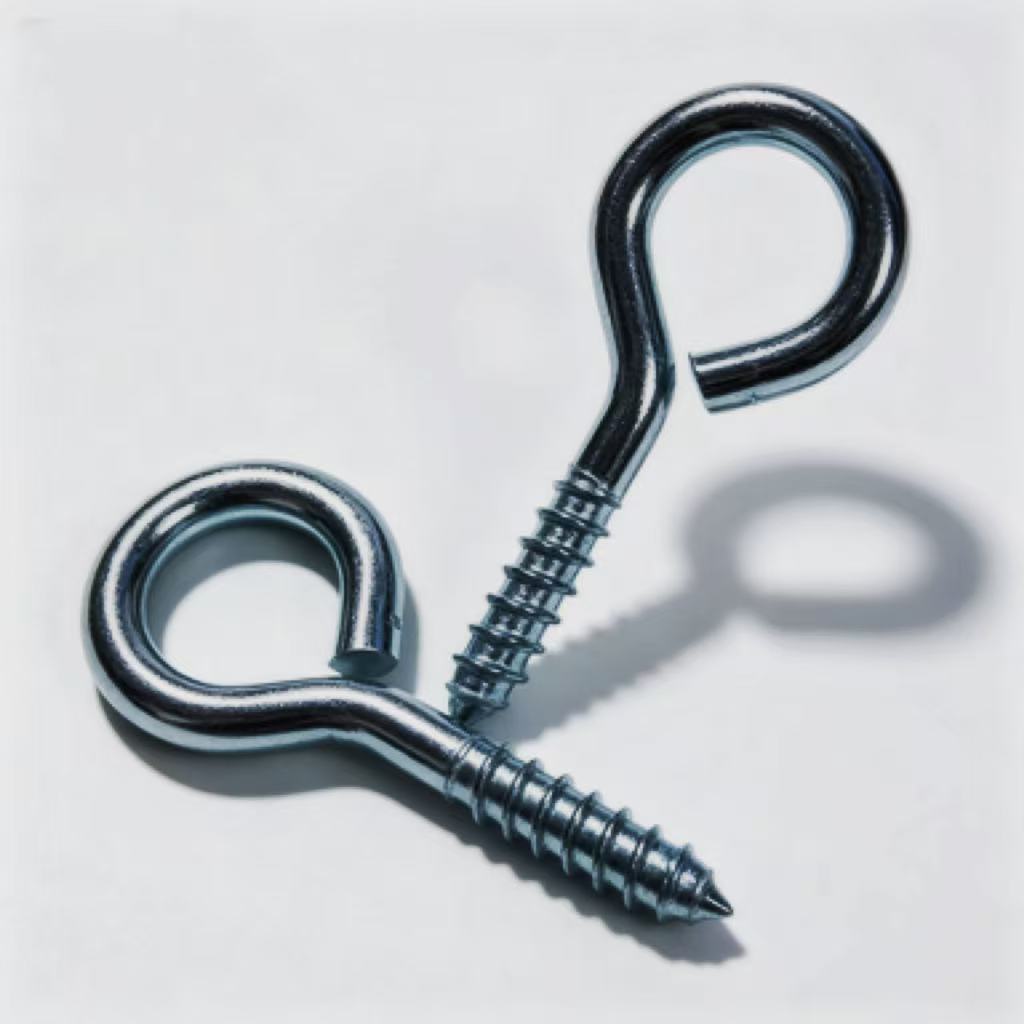
Given the critical role fasteners play in structural safety, sourcing high-quality hardware from an experienced manufacturer is paramount. One such trusted partner is a global industry and trade combination company based in Handan, Hebei, China—a city renowned as a hub for fastener manufacturing. With over a decade of industry experience, this company specializes in the development, manufacturing, and trading of diverse fasteners and hardware tools, including various types of casing geckos, wooden teeth welded sheep’s eye screws/bolts, and advanced toggle bolt systems.
Their commitment to excellence is evident in their adherence to international standards such as GB, DIN, JIS, and ANSI. By investing in scientific research, introducing high-tech talent, and utilizing advanced production technology alongside rigorous testing methods, they ensure every product meets stringent quality requirements. Their professional technical team and state-of-the-art machinery enable them to offer competitive pricing while maintaining superior quality. Furthermore, they pride themselves on customization, tailoring specifications, quantities, and quality to meet unique customer needs globally, with products exported to over 26 countries.
Guided by the philosophy of “quality first, customer first,” this company prioritizes integrity and continuous improvement. Whether for residential projects requiring reliable drywall anchors or industrial applications demanding heavy-duty solutions, partnering with a manufacturer that values reputation and customer satisfaction ensures a secure foundation for any mounting task.
Conclusion and Next Steps
Toggle bolts remain the gold standard for securing heavy loads to hollow walls, offering unmatched holding power through their ingenious spring-wing mechanism. By understanding the different types available, adhering to precise installation steps, and respecting load limits, you can confidently mount everything from lightweight decor to substantial cabinetry.
This solution is ideal for homeowners, contractors, and facility managers who need reliable anchoring in drywall or plaster where studs are not an option. Remember to always drill the correct hole size, avoid overtightening, and prioritize new hardware from reputable manufacturers for every critical installation.
Ready to start your project? Evaluate the weight of your object and the condition of your wall to select the appropriate bolt size and material. For heavy or critical installations, consider consulting with a structural professional to verify wall integrity. With the right approach and high-quality fasteners, toggle bolts provide a secure, long-lasting foundation for your mounting needs.