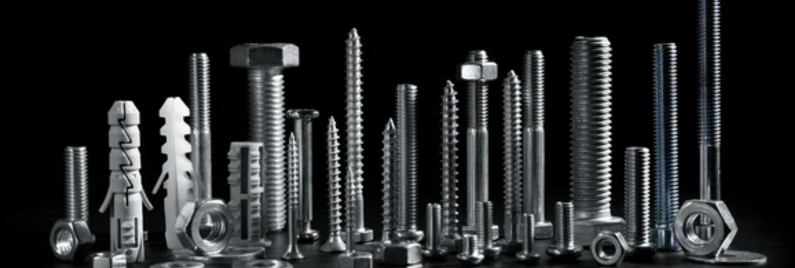
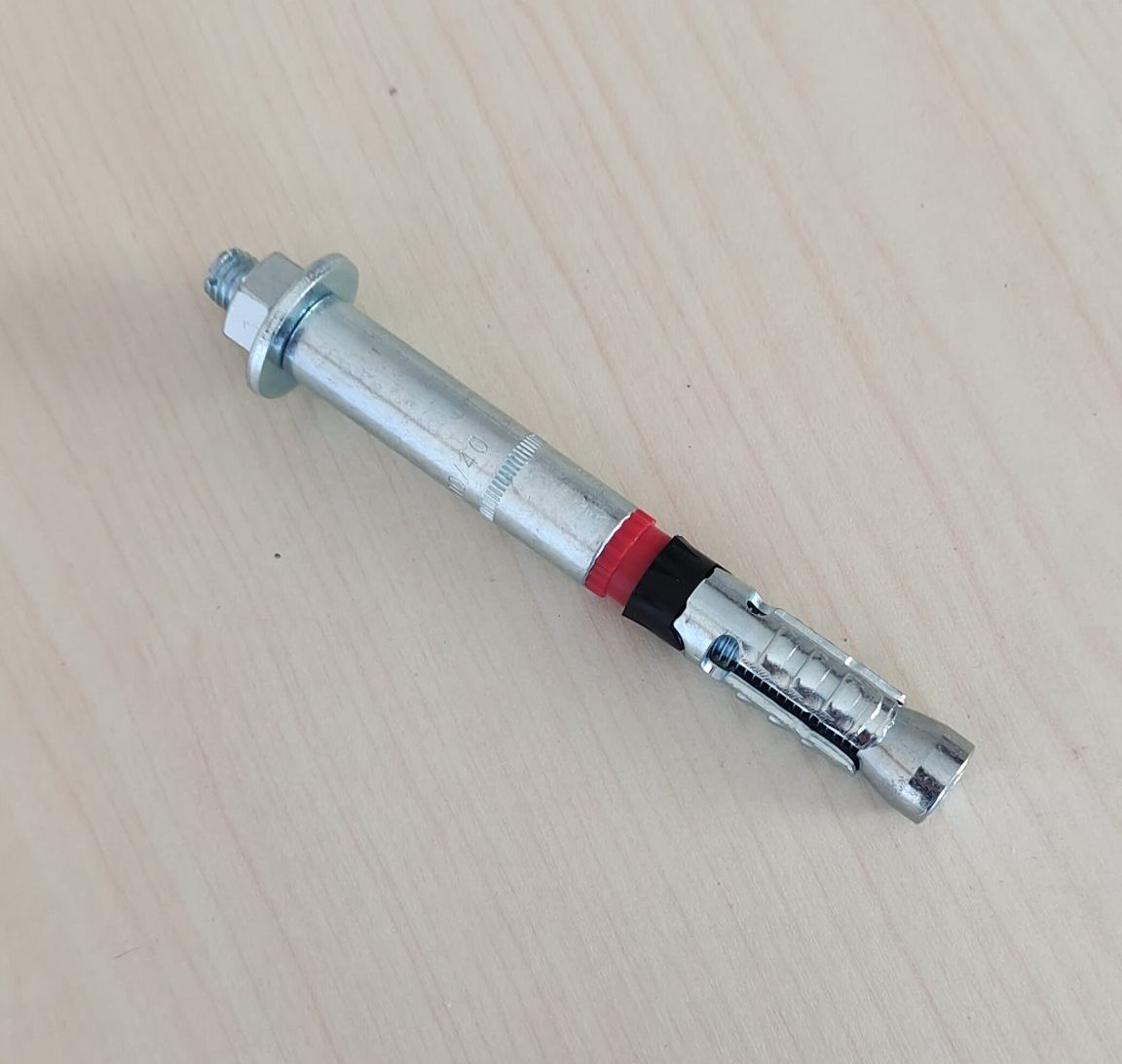
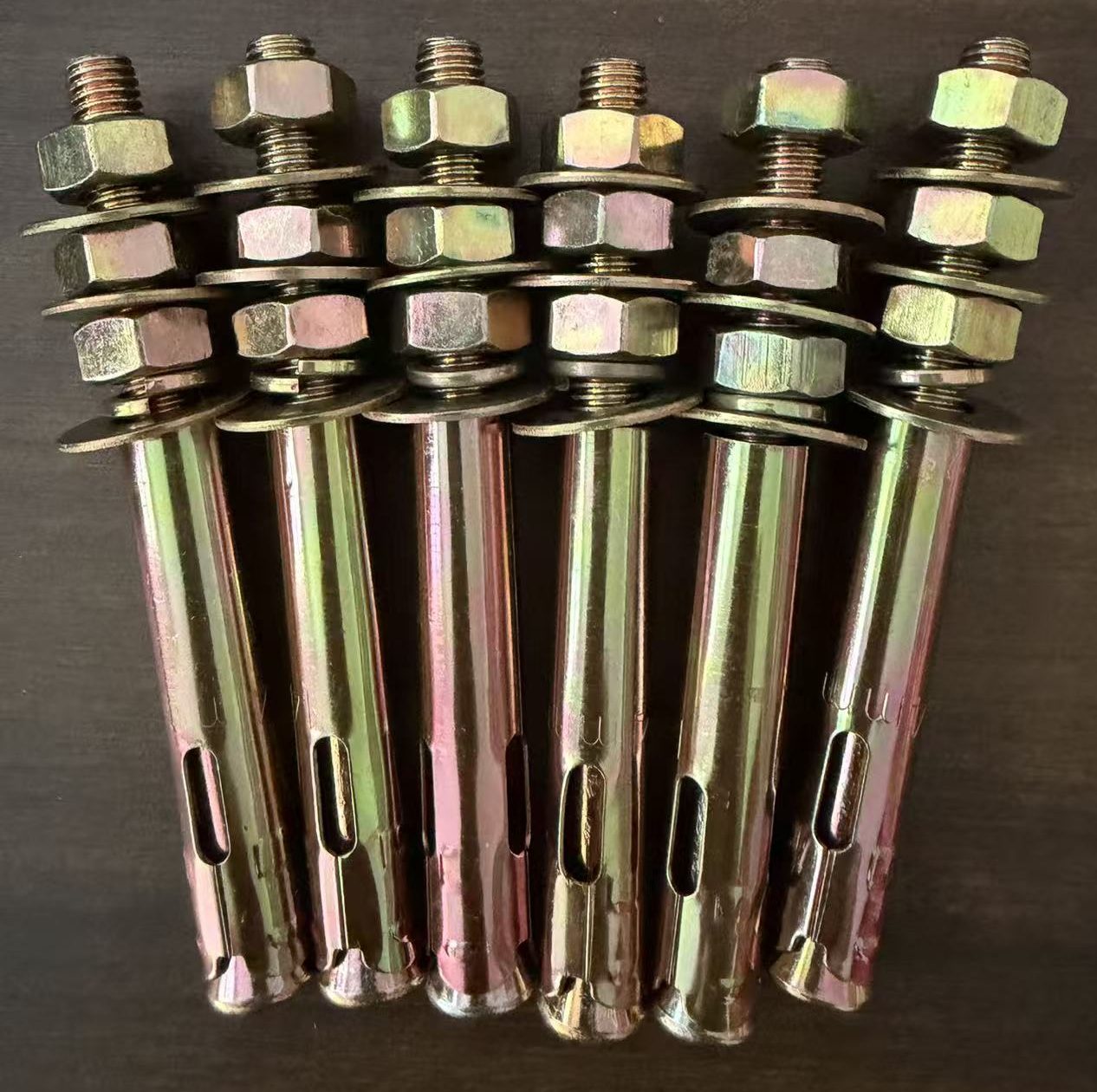
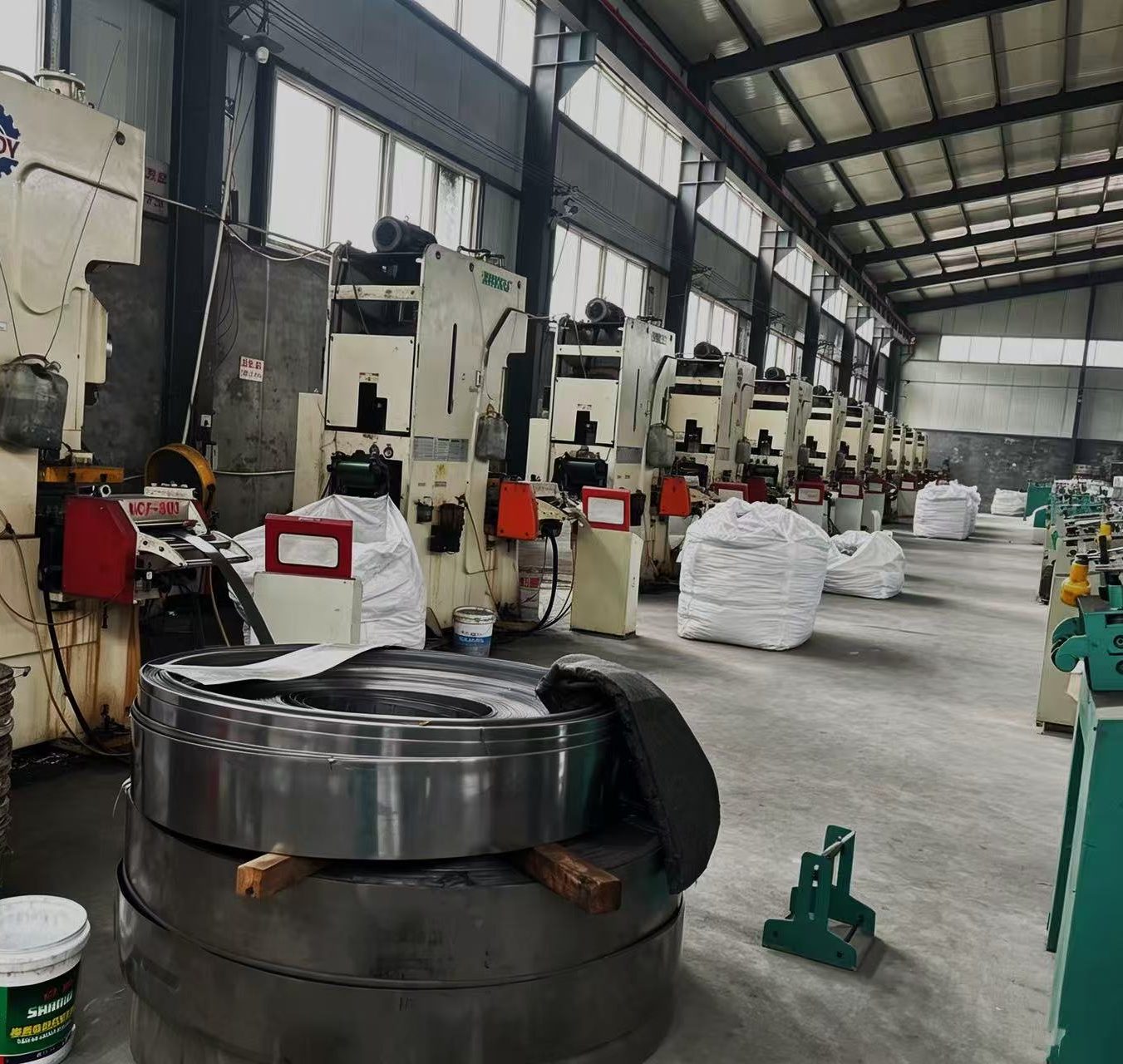
Looking for a reliable bolt nut washer set supplier? Our factory offers direct OEM pricing on high-quality fastener kits designed for industrial, automotive, and construction applications. We specialize in manufacturing durable, precision-engineered sets that meet global standards, ensuring optimal performance without the markup of middlemen. Discover how our direct-to-client model delivers superior value and consistency for your projects.
What Defines a High-Quality Bolt Nut Washer Set?
A bolt nut washer set is more than just a collection of metal parts; it is a critical engineering component designed to secure joints under varying loads and environmental conditions. In the current industrial landscape, the integrity of these fasteners determines the safety and longevity of structures ranging from heavy machinery to consumer electronics.
The core definition involves three synchronized elements: the bolt, which provides the clamping force; the nut, which locks the assembly in place; and the washer, which distributes load and prevents surface damage. When sourced from a dedicated manufacturer, these components are engineered to work in perfect harmony, minimizing the risk of loosening or failure.
Industry professionals recognize that not all sets are created equal. Variations in material grade, thread precision, and coating technology significantly impact performance. A premium set ensures that the tensile strength of the bolt matches the hardness of the nut, while the washer maintains consistent pressure distribution over time.
Understanding these fundamentals is essential for procurement managers and engineers who need to specify the right hardware. The market has shifted towards demanding higher traceability and stricter quality control, making the choice of supplier as important as the product specification itself.
The Critical Role of Component Synergy
The effectiveness of a bolt nut washer set relies on the synergy between its parts. If one component fails to meet tolerance levels, the entire joint is compromised. For instance, a mismatched thread pitch between the bolt and nut can lead to cross-threading or stripped connections.
- Load Distribution: Washers spread the clamping force over a larger area, preventing indentation on soft materials.
- Vibration Resistance: Properly matched nuts and bolts resist loosening caused by dynamic loads and vibration.
- Corrosion Protection: Unified coating systems ensure that galvanic corrosion does not occur between dissimilar metals in the set.
Manufacturers focus on this synergy during the production phase. By producing all three components in-house or under strict oversight, we ensure that the mechanical properties are balanced. This approach reduces the likelihood of field failures and maintenance costs down the line.
Why Choose Factory Direct Pricing for OEM Fasteners?
Opting for factory direct price models transforms the procurement strategy for businesses requiring large volumes of fasteners. Traditionally, supply chains involve multiple distributors, each adding a margin to the final cost. By eliminating these intermediaries, buyers gain access to competitive pricing without sacrificing quality.
This model is particularly advantageous for Original Equipment Manufacturers (OEMs) who require custom specifications. Direct engagement with the production facility allows for real-time adjustments to designs, materials, and packaging requirements. It fosters a partnership where the supplier acts as an extension of the client’s engineering team.
Furthermore, factory direct sourcing improves lead times. With no third-party inventory bottlenecks, production schedules can be aligned directly with customer demand. This agility is crucial in industries where project timelines are tight and delays are costly.
Transparency is another key benefit. Clients can request detailed reports on material certifications and production processes. This level of openness builds trust and ensures that every bolt nut washer set delivered meets the agreed-upon standards.
Cost Efficiency Without Compromising Quality
A common misconception is that lower prices imply inferior quality. However, factory direct pricing achieves cost reduction through operational efficiency rather than material substitution. Streamlined logistics and bulk raw material purchasing power allow manufacturers to pass savings directly to the buyer.
Our production facilities utilize advanced automation to maintain high precision while keeping labor costs optimized. This efficiency ensures that every unit produced adheres to strict tolerances. The result is a product that offers both economic and technical superiority.
- Reduced Overhead: Eliminating distributor markups lowers the final unit cost significantly.
- Bulk Advantages: Large-scale production runs optimize resource usage and energy consumption.
- Custom Value: Tailored solutions prevent the waste associated with buying off-the-shelf items that require modification.
For businesses scaling their operations, these savings compound over time. Reinvesting the difference into R&D or expansion can provide a strategic edge in competitive markets. The focus remains on delivering value through intelligent manufacturing practices.
Comprehensive Analysis: Materials and Coatings
Selecting the right material is the first step in ensuring the durability of a bolt nut washer set. The operating environment dictates whether carbon steel, stainless steel, or alloy steel is the appropriate choice. Each material offers distinct advantages regarding strength, corrosion resistance, and temperature tolerance.
Carbon steel remains the industry standard for general-purpose applications due to its high tensile strength and cost-effectiveness. However, in corrosive environments such as marine or chemical processing, stainless steel grades like 304 or 316 are indispensable. Alloy steels are reserved for high-stress applications requiring exceptional hardness and fatigue resistance.
Beyond the base metal, surface coatings play a pivotal role in performance. Zinc plating, hot-dip galvanizing, and geometric coatings provide varying levels of protection against rust and wear. The choice of coating must align with the specific challenges the fastener will face throughout its lifecycle.
Expertise in material science allows suppliers to recommend the optimal combination for any given scenario. This guidance prevents over-engineering, which wastes budget, and under-engineering, which risks failure. The goal is always to match the material properties precisely to the application requirements.
Comparative Table: Material Selection Guide
To assist in decision-making, the following table compares common materials used in bolt nut washer sets. This overview highlights the strengths and typical use cases for each option, facilitating informed selection.
| Material Type | Key Characteristics | Ideal Applications | Corrosion Resistance |
| Carbon Steel (Grade 8.8/10.9) | High tensile strength, cost-effective, versatile | Construction, machinery, automotive frames | Moderate (requires coating) |
| Stainless Steel (304/316) | Excellent corrosion resistance, hygienic, aesthetic | Marine, food processing, medical equipment | High (inherent) |
| Alloy Steel (Grade 12.9) | Extreme hardness, high fatigue limit | Heavy-duty engines, suspension systems | Low (requires specialized coating) |
| Brass/Bronze | Non-magnetic, conductive, decorative | Electrical components, plumbing, marine fixtures | High (inherent) |
This comparison illustrates that there is no single “best” material. The optimal choice depends entirely on the specific demands of the project. Consulting with a knowledgeable supplier ensures that the selected material aligns with both performance needs and budget constraints.
Essential Steps for Selecting the Right Fastener Set
Choosing the correct bolt nut washer set involves a systematic evaluation of several factors. Skipping steps in this process can lead to compatibility issues or premature failure. Following a structured approach ensures that the selected hardware performs reliably under expected conditions.
The process begins with defining the load requirements. Engineers must calculate the shear and tensile forces the joint will endure. This data informs the necessary grade and diameter of the bolt. Next, the environmental conditions must be assessed to determine the need for specific coatings or materials.
Thread compatibility is another critical checkpoint. Ensuring that the bolt and nut share the same thread pitch and class of fit is vital for proper engagement. Mismatches here can cause immediate installation problems or gradual loosening during operation.
Finally, verifying the supplier’s credentials completes the selection process. Confirming that the manufacturer adheres to international standards like ISO or ASTM provides assurance of quality. This due diligence protects the project from potential liabilities associated with substandard components.
Step-by-Step Selection Guide
To streamline the procurement process, follow these actionable steps when ordering a bolt nut washer set. This guide helps navigate the complexities of fastener specification efficiently.
- Step 1: Define Load Requirements: Calculate the maximum static and dynamic loads the joint must support to determine the required strength grade.
- Step 2: Assess Environmental Factors: Identify exposure to moisture, chemicals, or extreme temperatures to select the appropriate material and coating.
- Step 3: Specify Dimensions: Determine the exact diameter, length, and thread pitch needed for the application to ensure proper fit.
- Step 4: Choose the Washer Type: Decide between flat washers for load distribution or lock washers for vibration resistance based on the joint dynamics.
- Step 5: Verify Standards Compliance: Request certification documents to confirm the set meets relevant industry standards such as ISO, DIN, or ANSI.
Adhering to this workflow minimizes errors and ensures that the purchased sets are ready for immediate use. It also facilitates clearer communication with the supplier, reducing the back-and-forth often associated with custom orders.
Applications Across Key Industries
The versatility of a bolt nut washer set makes it indispensable across a wide array of industries. From towering skyscrapers to intricate electronic devices, these fasteners hold the modern world together. Understanding their specific applications highlights the importance of choosing the right specification for each sector.
In the construction industry, high-strength bolts are used to connect steel beams and secure concrete forms. The reliability of these connections is paramount for structural integrity. Here, the focus is on tensile strength and resistance to weathering over decades of service.
The automotive sector relies on precision fasteners for engine assemblies, chassis components, and interior fittings. Vibration resistance is a primary concern, necessitating the use of specialized locking mechanisms and high-grade materials capable of withstanding thermal cycling.
Renewable energy projects, particularly wind turbines, present unique challenges. Fasteners in these environments must endure constant motion and harsh weather conditions. The demand for durable, low-maintenance solutions drives innovation in coating technologies and material science.
Each industry imposes its own set of rigorous standards. Suppliers who understand these nuances can provide tailored solutions that address specific pain points. This industry-specific knowledge is a hallmark of a true expert partner in the fastener supply chain.
Scenario-Based Performance Analysis
Different scenarios demand different performance characteristics from a bolt nut washer set. Analyzing these scenarios helps in appreciating the engineering behind seemingly simple components.
- High-Vibration Environments: In machinery and transport, sets with nylon insert nuts or serrated washers prevent self-loosening, ensuring safety and continuity.
- Corrosive Atmospheres: Chemical plants and offshore platforms require sets made from super-austenitic stainless steels or heavily galvanized units to resist aggressive agents.
- High-Temperature Zones: Engine compartments and industrial furnaces need alloy steels that retain their strength and do not creep under sustained heat.
- Precision Assembly: Electronics and aerospace applications demand micro-fasteners with tight tolerances to avoid damaging delicate components.
Recognizing these scenarios allows engineers to specify the exact type of set required. It moves the conversation from generic availability to targeted performance, ensuring that the hardware contributes positively to the overall system reliability.
Quality Control and Manufacturing Standards
Maintaining consistent quality in a bolt nut washer set requires rigorous control measures at every stage of production. From raw material inspection to final packaging, each step is monitored to ensure compliance with established standards. This dedication to quality is what separates reputable manufacturers from the rest.
Raw materials undergo spectral analysis to verify their chemical composition. This ensures that the steel or alloy meets the specified grade before any machining begins. Any deviation at this stage can compromise the entire batch, so early detection is crucial.
During manufacturing, automated optical inspection systems check dimensions and thread accuracy. These systems operate at high speeds, identifying defects that might be missed by human inspectors. This technological integration enhances the reliability of the final product.
Final testing includes torque-tension tests and salt spray tests to validate performance claims. These tests simulate real-world conditions, providing data on how the fasteners will behave in service. Certificates of Analysis (CoA) are then issued to document these results for the customer.
The Importance of Traceability
Traceability is a cornerstone of modern manufacturing quality. It allows every bolt nut washer set to be traced back to its raw material batch and production run. In the event of a query or issue, this data enables rapid investigation and resolution.
For regulated industries like aerospace and nuclear power, traceability is not just a best practice; it is a legal requirement. Detailed records ensure that every component can be accounted for, fostering confidence among stakeholders.
- Batch Tracking: Unique identifiers link finished products to specific production batches.
- Material Certification: Mill test reports verify the origin and properties of the raw materials used.
- Process Documentation: Records of heat treatment, plating, and inspection parameters are maintained for audit purposes.
This level of transparency demonstrates a commitment to accountability. It reassures customers that the products they receive are backed by a robust quality management system. Trust is built on the ability to prove quality, not just claim it.
About Our Manufacturing Expertise
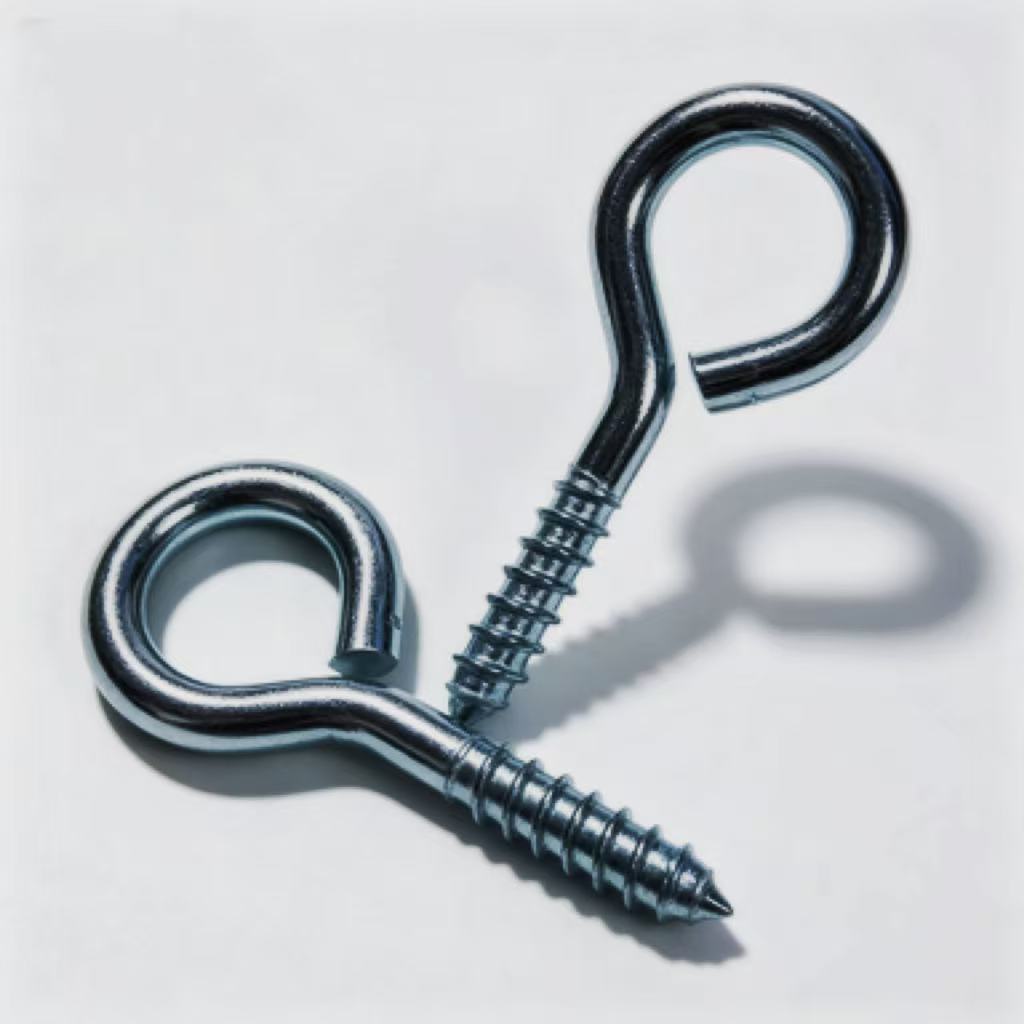
As a global industry and trade integrated enterprise, we combine extensive manufacturing capabilities with worldwide distribution networks. Located in Handan, Hebei—China’s renowned hub for fastener manufacturing—our company leverages over a decade of industry experience to serve clients in more than 26 countries. While we offer a comprehensive range of standard fasteners, we also specialize in unique engineered solutions, including casing geckos, wooden teeth welded sheep’s eye screws/bolts, and other specialized hardware tools.
Our philosophy centers on integrity and innovation. We continuously invest in scientific research and recruit high-tech talent to drive product development. By utilizing advanced production technology and perfect testing methods, we ensure that every product we deliver meets rigorous international standards, including GB, DIN, JIS, and ANSI. Whether you require standard bolt nut washer sets or highly customized specifications, our professional technical team and advanced machinery are equipped to deliver high-quality products at competitive prices.
We adhere strictly to the principle of “quality first, customer first.” Our goal is to maintain a stellar reputation by meeting and exceeding customer needs through thoughtful service and reliable performance. When you partner with us, you are choosing a supplier dedicated to excellence in every aspect of fastener development, manufacturing, and service.
Frequently Asked Questions (FAQ)
Addressing common queries helps clarify uncertainties regarding bolt nut washer sets. Below are answers to frequently asked questions based on industry interactions and technical inquiries.
What is the difference between a standard and a high-strength bolt set?
The primary difference lies in the material grade and heat treatment. Standard sets typically use lower carbon steel suitable for general applications, while high-strength sets utilize alloy steels treated to achieve superior tensile and yield strengths. High-strength sets are essential for structural and heavy-load applications.
Can I order custom sizes for my specific project?
Yes, as an OEM-focused factory, we specialize in producing custom-sized bolt nut washer sets. Whether you need non-standard lengths, unique thread pitches, or specific head styles, our engineering team can configure a solution that meets your exact drawings and specifications.
How do I prevent galvanic corrosion in my fastener assembly?
Galvanic corrosion occurs when dissimilar metals interact in the presence of an electrolyte. To prevent this, ensure that the bolt, nut, and washer are made from compatible materials or have similar electrochemical potentials. Using insulated washers or applying appropriate protective coatings can also mitigate this risk.
What certifications do your products hold?
Our manufacturing processes adhere to international standards, and our products often come with certifications such as ISO 9001 for quality management. Specific fastener grades may also carry marks indicating compliance with ASTM, DIN, or JIS standards, depending on the customer’s requirements.
What is the typical lead time for a bulk order?
Lead times vary based on the complexity of the order and current production capacity. Standard items are often available for quick shipment, while custom OEM orders typically require a few weeks for tooling and production. We provide precise timelines upon receiving your specific inquiry.
Advantages and Limitations of Different Fastener Configurations
Understanding the pros and cons of various configurations within a bolt nut washer set aids in making balanced decisions. No single configuration is perfect for every situation; trade-offs often exist between cost, performance, and ease of installation.
For example, hex head bolts offer excellent torque application but may require more clearance space than socket head caps. Similarly, lock washers provide security against vibration but can sometimes damage soft surfaces if not used with a flat washer. Recognizing these nuances is key to effective design.
Coated fasteners offer enhanced durability but may have slightly different torque coefficients compared to uncoated ones. This affects the tightening procedure and requires adjusted torque values to achieve the desired clamp load. Ignoring these factors can lead to over-tightening or under-tightening.
Evaluating these factors holistically ensures that the chosen set optimizes performance within the constraints of the project. It encourages a mindset of continuous improvement and adaptation to specific engineering challenges.
Pros and Cons Overview
A concise breakdown of common configurations helps visualize the trade-offs involved in selecting a bolt nut washer set.
- Hex Head Sets:
- Pros: Easy to grip with standard tools, widely available, cost-effective.
- Cons: Requires more rotational space, less aesthetic in visible applications.
- Socket Head Sets:
- Pros: Compact design, sleek appearance, suitable for tight spaces.
- Cons: Requires Allen keys, prone to stripping if low-quality tools are used.
- Flange Nut Sets:
- Pros: Integrated washer function, faster assembly, better load distribution.
- Cons: Larger footprint, may not fit in confined areas designed for standard nuts.
This analysis underscores the importance of context. The “best” set is the one that aligns most closely with the functional and spatial requirements of the specific application. Expert guidance can help navigate these choices effectively.
The Future of Fastener Technology
The landscape of bolt nut washer set technology is evolving rapidly. Innovations in materials science and smart manufacturing are driving the next generation of fasteners. These advancements promise even greater reliability, efficiency, and sustainability for industrial applications.
Research into new alloys continues to push the boundaries of strength-to-weight ratios. Lighter yet stronger fasteners are becoming increasingly important in the automotive and aerospace sectors, where weight reduction translates directly to fuel efficiency and performance gains.
Smart fasteners equipped with sensors are emerging as a game-changer for predictive maintenance. These components can monitor tension, temperature, and vibration in real-time, alerting operators to potential issues before they become critical failures. This shift towards connectivity represents a significant leap forward in asset management.
Sustainability is also shaping the future of the industry. Eco-friendly coating processes and recyclable materials are gaining traction as companies strive to reduce their environmental footprint. The move towards greener manufacturing practices reflects a broader commitment to responsible stewardship.
Emerging Trends in OEM Supply
OEM suppliers are adapting to these trends by integrating advanced technologies into their production lines. Digital twins and AI-driven quality control are becoming standard tools for ensuring precision and consistency. These innovations enable faster prototyping and more responsive customization.
The supply chain is also becoming more resilient. Diversified sourcing strategies and localized production hubs are reducing the risks associated with global disruptions. This agility ensures that customers receive their bolt nut washer sets on time, regardless of external challenges.
- Digital Integration: Seamless data exchange between designers and manufacturers accelerates development cycles.
- Sustainable Practices: Adoption of green chemistry and energy-efficient processes reduces environmental impact.
- Advanced Monitoring: Real-time tracking of production metrics ensures unparalleled quality consistency.
Staying ahead of these trends allows businesses to leverage the latest advancements for competitive advantage. Partnering with a forward-thinking supplier ensures access to cutting-edge solutions that meet tomorrow’s demands today.
Conclusion and Strategic Recommendations
Selecting the right bolt nut washer set is a strategic decision that impacts the safety, durability, and cost-efficiency of your projects. By prioritizing factory direct partnerships, you gain access to superior quality, customized solutions, and competitive pricing that traditional distribution channels cannot match.
The ideal candidate for our OEM services includes construction firms, automotive manufacturers, and industrial equipment producers who value precision and reliability. If your operations depend on the consistent performance of fasteners under demanding conditions, a direct relationship with a specialized manufacturer is the logical next step.
We recommend starting with a detailed assessment of your current fastener needs. Identify areas where standard off-the-shelf solutions may be falling short in terms of cost or performance. Engage with our technical team to explore how custom-engineered sets can address these specific challenges.
Take action today by requesting a consultation or a sample kit. Experience firsthand the difference that expert craftsmanship and direct factory pricing can make for your business. Secure your supply chain with a partner dedicated to excellence and innovation in every bolt nut washer set we deliver.