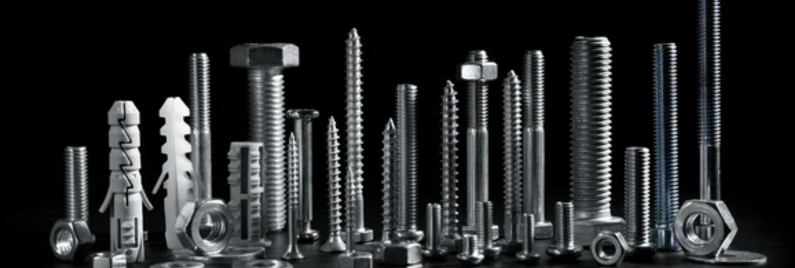
Looking for a reliable fastener kit supplier? We provide factory-direct pricing and comprehensive OEM solutions tailored to your specific industrial needs. Our extensive inventory covers everything from standard bolts and nuts to specialized locking mechanisms, ensuring you get high-quality components without the middleman markup. Whether you require small-batch customizations or large-scale manufacturing support, our direct-from-factory model guarantees consistency, speed, and cost-efficiency for your assembly lines.
What Defines a High-Quality Fastener Kit?
A fastener kit is more than just a collection of screws and bolts; it is a curated assembly of hardware components designed to meet precise engineering specifications. In modern manufacturing, these kits are essential for streamlining assembly processes, reducing inventory complexity, and ensuring structural integrity across various applications.
The core value of a professional fastener kit lies in its consistency. Every component within the package must adhere to strict tolerance levels regarding thread pitch, head dimensions, and material strength. When sourcing from a factory-direct provider, buyers gain access to rigorous quality control protocols that generic distributors often lack.
Industry standards dictate that a superior kit includes not only the primary fasteners but also necessary washers, spacers, and locking elements. This holistic approach prevents assembly failures caused by mismatched parts or substandard materials. Understanding these definitions is crucial for procurement managers aiming to optimize their supply chain.
Core Components of an Industrial Fastener Assembly
To fully appreciate the scope of a fastener kit, one must understand the diverse elements it encompasses. These components are selected based on the specific load-bearing requirements and environmental conditions of the end application.
- Bolts and Screws: The primary tension members, available in various head styles such as hex, socket cap, and pan head.
- Nuts: Including hex nuts, lock nuts, and flange nuts designed to secure bolts under vibration.
- Washers: Flat washers for load distribution and spring washers for maintaining tension.
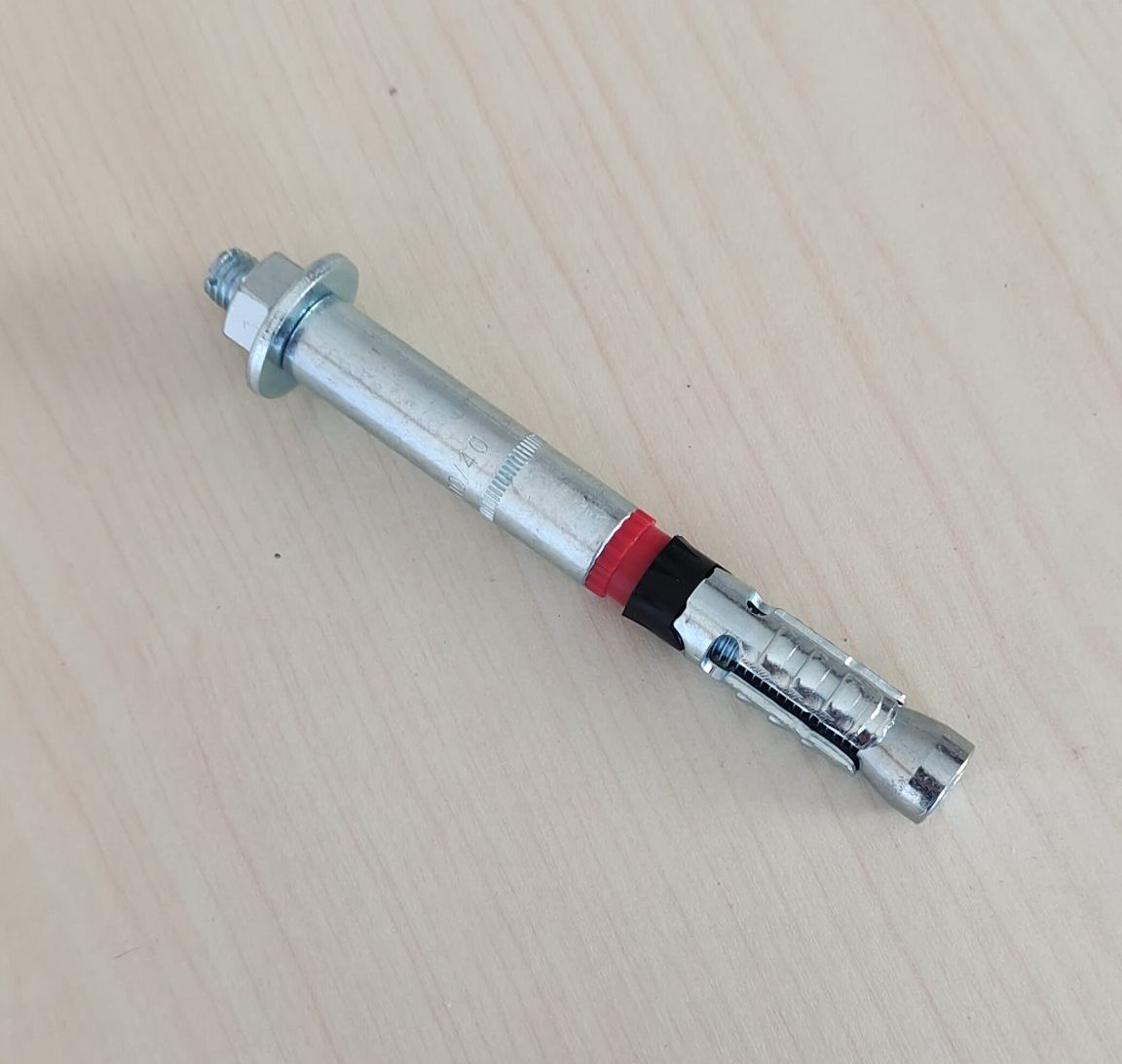
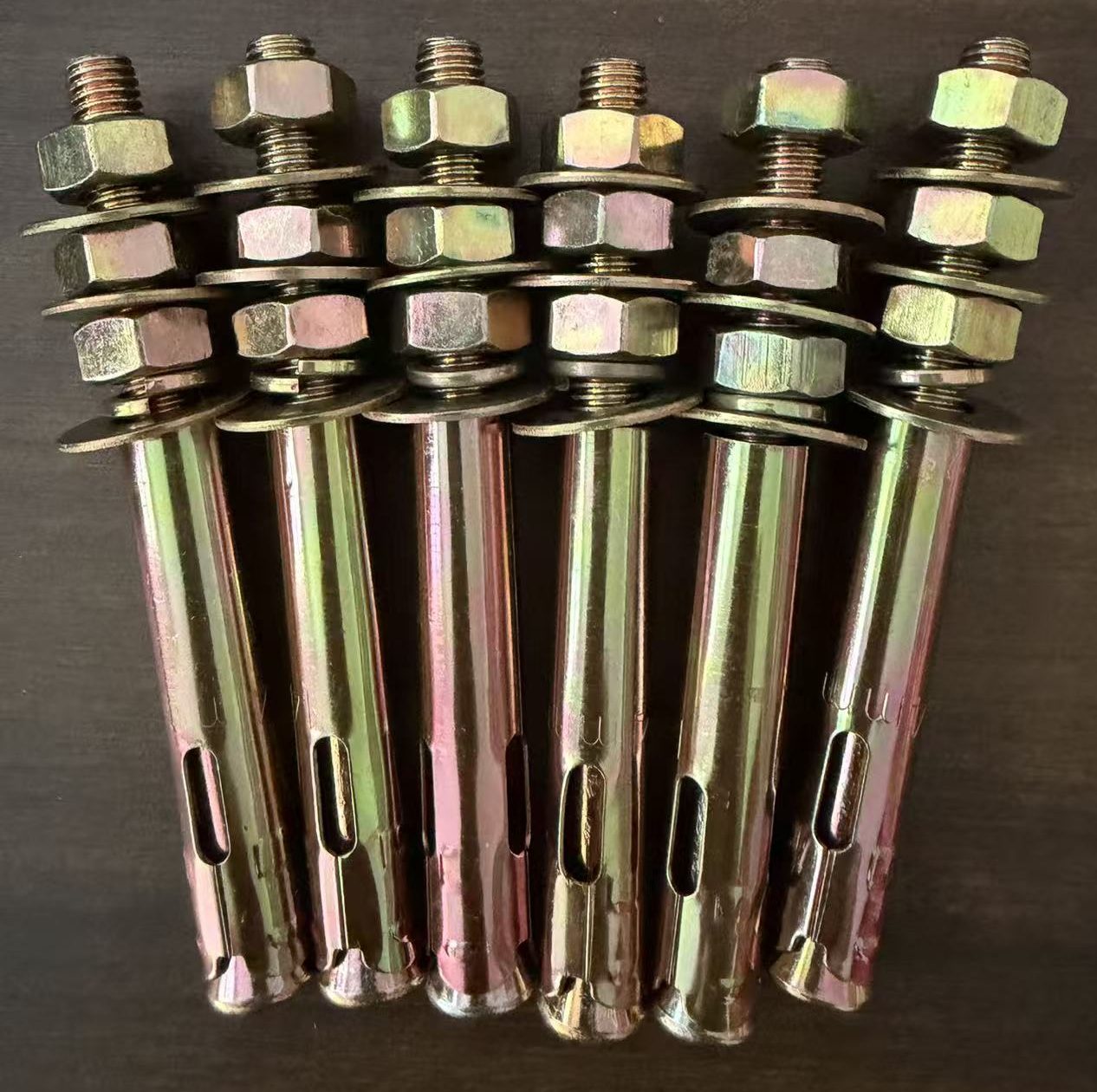
- Anchors and Inserts: Essential for securing fixtures into concrete, drywall, or composite materials.
- Rivets: Permanent fastening solutions used where disassembly is not required.
Each element plays a critical role in the overall performance of the assembly. For instance, using a high-tensile bolt with a low-grade nut can compromise the entire joint. Therefore, a well-constructed kit ensures that all components are grade-matched and chemically compatible to prevent galvanic corrosion.
Why Choose Factory Direct Pricing for Fastener Kits?
The traditional supply chain for industrial hardware often involves multiple intermediaries, each adding a layer of cost and potential delay. By opting for factory direct price models, businesses can significantly reduce overhead while improving lead times. This approach eliminates distributor markups, passing the savings directly to the end user.
Beyond cost savings, direct engagement with the manufacturer fosters better communication regarding technical specifications. When issues arise, there is no ambiguity about responsibility; the production team can immediately address defects or adjust tolerances. This level of responsiveness is vital for industries operating on tight schedules.
Furthermore, factory-direct suppliers typically maintain larger raw material stocks, allowing them to scale production rapidly during peak demand periods. This capacity ensures that your fastener kit orders are fulfilled consistently, preventing costly production stoppages due to part shortages.
Cost Efficiency vs. Quality Compromise
A common misconception is that lower prices inevitably mean lower quality. However, in a factory-direct model, the price reduction stems from supply chain optimization rather than material degradation. Reputable manufacturers maintain ISO-certified quality systems regardless of the sales channel.
When evaluating suppliers, it is essential to distinguish between “cheap” imports with unknown origins and genuine factory-direct offerings. The latter provides full traceability of materials, including mill certificates for steel grades and plating reports for corrosion resistance. This transparency is a hallmark of trustworthy industrial partnerships.
Current industry trends show a shift towards long-term contracts with direct manufacturers. This strategy stabilizes pricing against raw material fluctuations and secures priority production slots. For procurement officers, this represents a strategic move towards supply chain resilience.
OEM Services: Customizing Your Fastener Solutions
Original Equipment Manufacturer (OEM) services allow businesses to tailor fastener kit contents to their unique product designs. Off-the-shelf solutions rarely fit every application perfectly, especially in specialized sectors like aerospace, automotive, or heavy machinery. Customization ensures optimal performance and brand alignment.
Our OEM capabilities extend beyond simple packaging. We can modify thread lengths, apply specific coatings, and even alter head geometries to match proprietary tooling requirements. This flexibility enables engineers to design products without being constrained by standard hardware limitations.
The process begins with a detailed consultation to understand the mechanical stresses and environmental exposures the fasteners will face. Based on this data, our engineering team recommends material upgrades or design tweaks that enhance durability while maintaining cost-effectiveness.
The OEM Workflow: From Concept to Delivery
Implementing an OEM strategy requires a structured approach to ensure accuracy and efficiency. The following steps outline how we transform a client’s concept into a finished, customized fastener kit.
- Requirement Analysis: Engineers review blueprints and load calculations to determine the ideal fastener specifications.
- Prototyping: Small batches are produced for testing and validation, ensuring fit and function before mass production.
- Material Selection: Choices are made between stainless steel, carbon steel, aluminum, or exotic alloys based on corrosion and strength needs.
- Surface Treatment: Custom plating options like zinc-nickel, Dacromet, or hot-dip galvanizing are applied for enhanced protection.
- Packaging Design: Kits are packaged in branded containers with organized compartments to streamline the client’s assembly line.
This collaborative workflow minimizes errors and accelerates time-to-market. By involving the supplier early in the design phase, companies can avoid costly redesigns later in the production cycle. It is a proactive measure that underscores the value of expert partnership.
Our Expertise: A Decade of Global Manufacturing Excellence
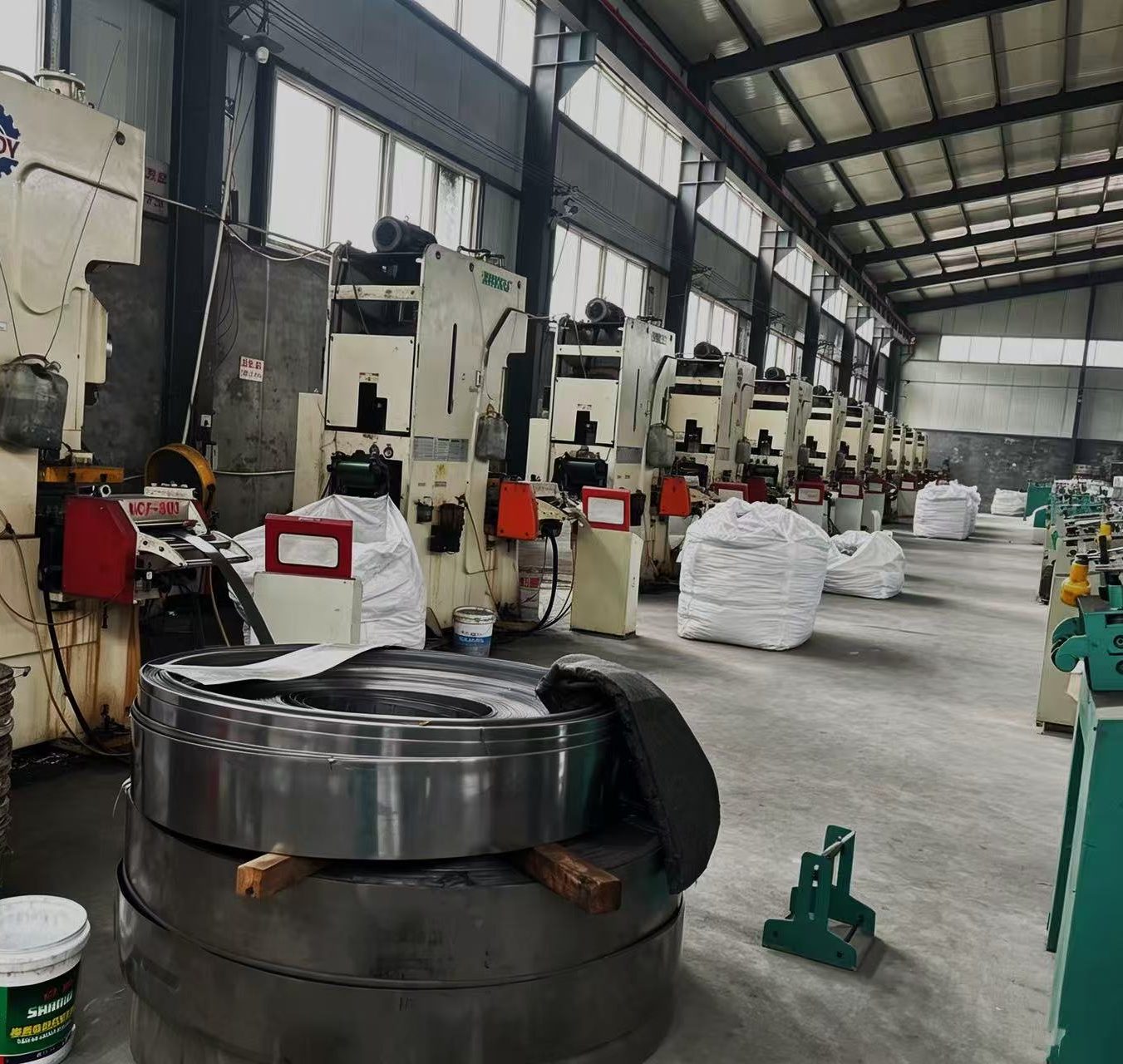
While understanding the technical aspects of fasteners is crucial, choosing the right partner is equally important. We are a global industry and trade integration company headquartered in Handan, Hebei—China’s premier hub for fastener manufacturing. With over ten years of dedicated industry experience, we specialize in the development, manufacturing, and service of a wide array of fasteners and hardware tools.
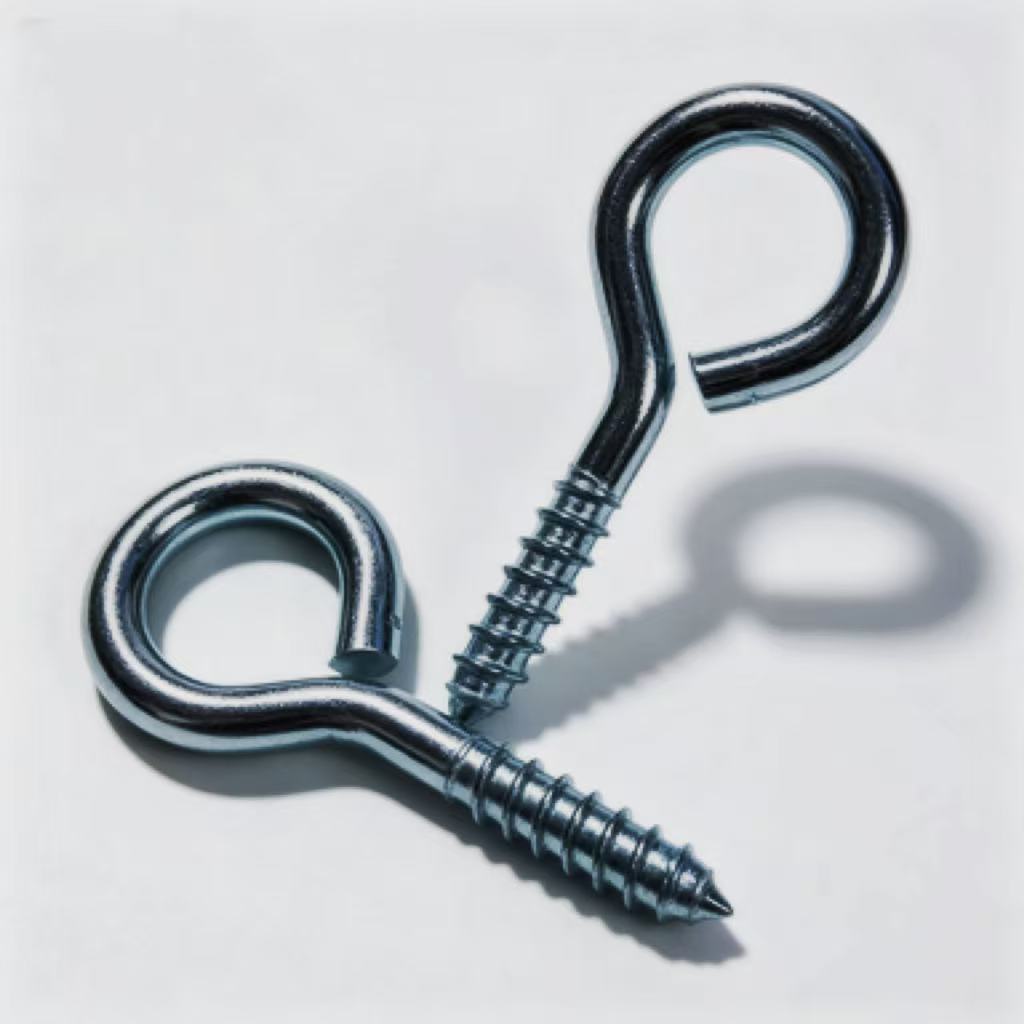
Our product range is both diverse and specialized, featuring unique solutions such as casing geckos, wooden teeth welded sheep’s eye screws/bolts, and a comprehensive selection of standard industrial fasteners. Our commitment to innovation drives us to invest heavily in scientific research and high-tech talent. By utilizing advanced production technology and perfect testing methods, we ensure every product meets rigorous international standards, including GB, DIN, JIS, and ANSI.
Operating on the philosophy of “integrity first,” we have successfully exported our high-quality products to more than 26 countries worldwide. Our professional technical team and state-of-the-art machinery allow us to offer competitive factory-direct pricing without compromising on quality. Whether you need custom specifications, specific quantities, or specialized quality controls, we adhere to the principle of “quality first, customer first.” Our goal is to maintain a stellar reputation by delivering thoughtful service and products that precisely meet your operational needs.
Material Selection Guide for Durability
Selecting the right material is the most critical decision in configuring a fastener kit. The wrong choice can lead to premature failure, corrosion, or catastrophic structural collapse. Understanding the properties of common materials helps in making informed decisions aligned with application demands.
Carbon steel remains the most widely used material due to its high strength and affordability. It is suitable for general construction and machinery where extreme corrosion resistance is not required. However, it typically requires a protective coating to prevent rust in humid environments.
Stainless steel, particularly grades 304 and 316, offers superior corrosion resistance, making it ideal for marine, food processing, and chemical applications. While more expensive, its longevity often results in a lower total cost of ownership over the product’s lifecycle.
Comparative Analysis of Fastener Materials
To assist in selecting the appropriate material for your fastener kit, the following table compares the key characteristics of industry-standard options.
| Material Type | Tensile Strength | Corrosion Resistance | Typical Applications | Cost Factor |
| Carbon Steel (Grade 8.8) | High | Low (Requires Coating) | General Machinery, Construction | Low |
| Stainless Steel (304) | Medium-High | High | Food Processing, Architecture | Medium |
| Stainless Steel (316) | Medium-High | Very High | Marine, Chemical Plants | High |
| Aluminum Alloy | Medium | High | Aerospace, Lightweight Structures | Medium-High |
| Titanium | Very High | Excellent | Aerospace, Medical Implants | Very High |
This comparison highlights that no single material is perfect for every scenario. The choice depends on balancing strength requirements, environmental exposure, and budget constraints. Consulting with a specialist ensures the selected material aligns with safety regulations and performance expectations.
Common Applications of Specialized Fastener Kits
Different industries have distinct requirements for fastening solutions. A generic kit often fails to address the nuanced challenges faced in specialized sectors. Tailored fastener kit configurations are therefore essential for maximizing efficiency and safety in these fields.
In the automotive sector, vibration resistance is paramount. Kits often include prevailing torque lock nuts and thread-locking adhesives to prevent loosening during operation. The sheer volume of vehicles produced necessitates highly automated packaging and consistent part quality.
The construction industry demands fasteners capable of withstanding dynamic loads and harsh weather conditions. Here, large diameter bolts with hot-dip galvanization are common. Precision is less critical than in electronics, but structural reliability is non-negotiable.
Sector-Specific Requirements
Understanding the specific needs of various sectors helps in appreciating the versatility of modern fastener solutions. Below are detailed insights into how different industries utilize these kits.
- Electronics Manufacturing: Requires miniature screws with precise torque specifications to avoid damaging delicate circuit boards. Anti-static packaging is often mandatory.
- Railway Infrastructure: Demands ultra-high strength fasteners with rigorous fatigue testing certifications to ensure passenger safety over decades of service.
- Renewable Energy: Wind turbine assemblies require massive bolts resistant to constant cyclic loading and salt spray corrosion in offshore installations.
- Furniture Assembly: Focuses on aesthetic finishes and ease of installation, often utilizing cam locks and specialized wood screws.
These examples illustrate that a “one-size-fits-all” approach is ineffective. Suppliers who understand these sector-specific nuances can provide added value through expert recommendations and customized kit compositions.
Quality Assurance and Testing Protocols
Trust in a fastener kit supplier is built on a foundation of rigorous quality assurance. Without proper testing, even the best-designed fastener can fail under real-world conditions. Leading manufacturers implement multi-stage inspection processes to guarantee reliability.
Dimensional accuracy is verified using advanced coordinate measuring machines (CMM). This ensures that thread pitches, diameters, and head heights fall within acceptable tolerance bands defined by international standards such as ISO, DIN, or ANSI.
Mechanical testing includes tensile strength tests, hardness verification, and torque-tension analysis. These tests confirm that the fasteners can withstand the specified loads without yielding or breaking. Salt spray testing is also conducted to validate the effectiveness of corrosion-resistant coatings.
Key Quality Metrics to Monitor
When evaluating a potential supplier, buyers should inquire about specific quality metrics. These indicators provide insight into the consistency and reliability of the production process.
- Defect Rate (PPM): Parts per million should be minimized, indicating a robust manufacturing process with few outliers.
- Certification Compliance: Verify adherence to standards like ISO 9001, IATF 16949 for automotive, or AS9100 for aerospace.
- Traceability: The ability to trace every batch back to the raw material source and heat treatment records.
- Coating Thickness: Measured in microns to ensure adequate protection against environmental factors.
A commitment to these metrics demonstrates a supplier’s dedication to excellence. It reduces the risk of field failures and associated liability costs. For critical applications, requesting third-party test reports is a prudent step in the vetting process.
Logistics and Supply Chain Reliability
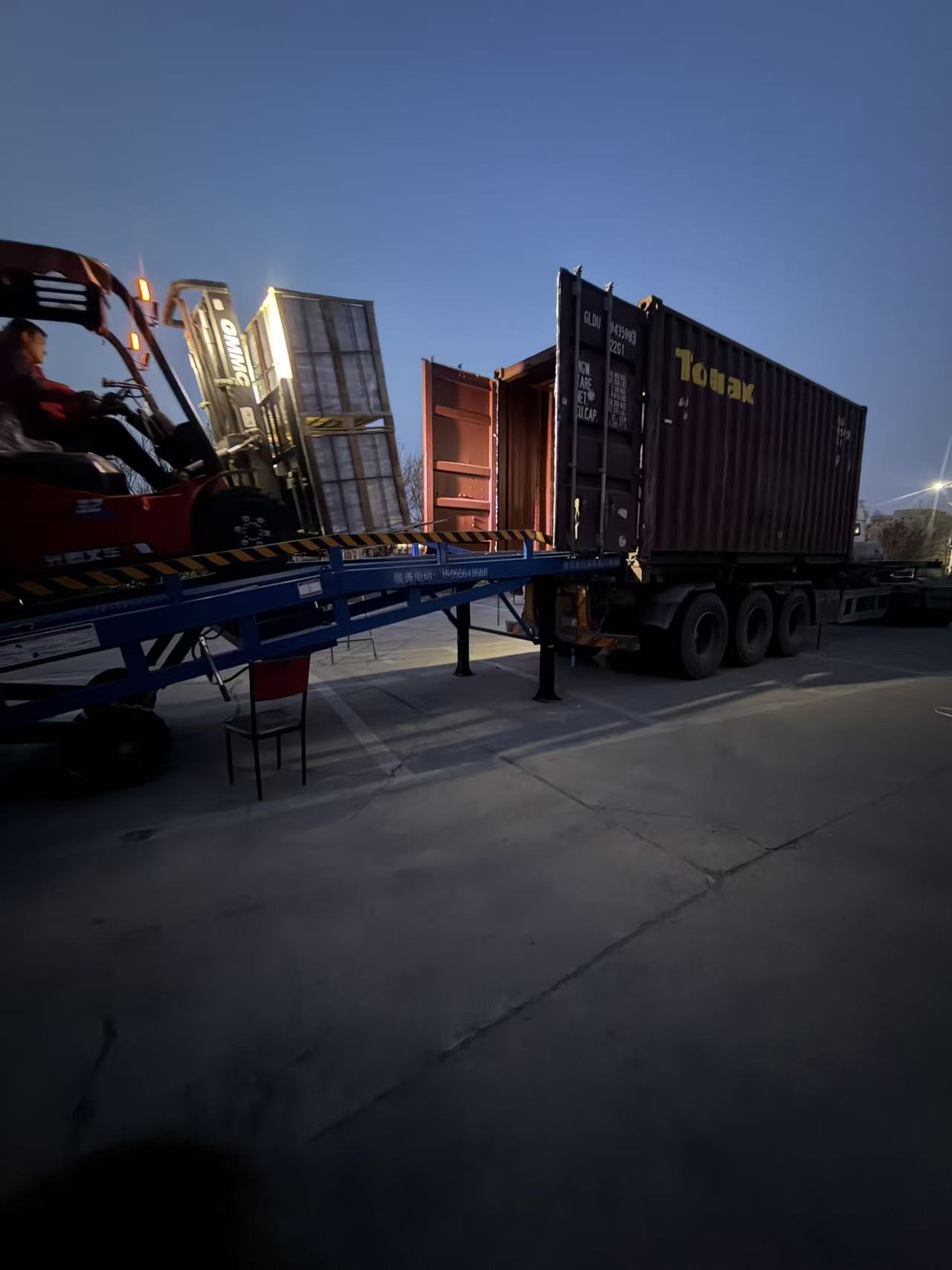
In today’s global market, the ability to deliver fastener kit orders on time is as crucial as the product quality itself. Disruptions in the supply chain can halt production lines, leading to significant financial losses. Reliable logistics management is therefore a key differentiator.
Factory-direct suppliers often have an advantage in controlling the entire fulfillment process. From warehousing to shipping, they can optimize routes and consolidate shipments to reduce transit times. Strategic stockpiling of raw materials further buffers against market volatility.
Transparency in tracking is another essential feature. Modern suppliers provide real-time updates on order status, allowing customers to plan their inventory levels accurately. This visibility fosters trust and enables proactive management of potential delays.
Strategies for Inventory Optimization
Effective inventory management goes hand-in-hand with reliable supply. By partnering with a responsive supplier, companies can adopt lean inventory strategies that reduce carrying costs while preventing stockouts.
- Just-In-Time (JIT) Delivery: Scheduling deliveries to coincide exactly with production needs, minimizing storage space requirements.
- Vendor Managed Inventory (VMI): Allowing the supplier to monitor stock levels and automatically replenish items when thresholds are reached.
- Consolidated Shipping: Combining multiple SKUs into single shipments to reduce freight costs and handling time.
- Safety Stock Planning: Maintaining a buffer of critical fasteners based on historical usage data and lead time variability.
These strategies require a high degree of coordination and trust between the buyer and the supplier. A partner who understands your operational rhythm can become an integral part of your success, offering suggestions for improvement and adaptation.
Frequently Asked Questions (FAQ)
Addressing common queries helps clarify uncertainties regarding fastener kit procurement and usage. Below are answers to frequently asked questions based on industry interactions.
What is the typical lead time for a custom OEM fastener kit?
Lead times vary depending on the complexity of customization and current production volume. Standard modifications may take 2-4 weeks, while entirely new designs requiring tooling creation could take 6-8 weeks. Factory-direct communication allows for accurate timeline estimation based on your specific project.
Can you provide certified test reports with the fastener kits?
Yes, comprehensive material certificates and mechanical test reports are standard with our shipments. These documents verify compliance with relevant international standards and provide full traceability for quality assurance purposes.
How do you handle small batch orders versus bulk production?
We accommodate both small prototype batches and large-scale production runs. While unit costs may be higher for smaller quantities due to setup times, our flexible manufacturing cells ensure that even low-volume orders receive the same attention to detail and quality control.
What packaging options are available for assembly line integration?
We offer various packaging solutions including sequenced trays, labeled bins, and vacuum-sealed bags. These options are designed to integrate seamlessly with automated feeding systems or manual assembly stations, enhancing workflow efficiency.
Do you offer technical support for fastener selection?
Absolutely. Our team of engineering experts is available to assist with material selection, torque specifications, and failure analysis. We view ourselves as partners in your product development, not just vendors.
Future Trends in Fastener Technology
The fastener industry is evolving, driven by demands for lighter, stronger, and smarter components. Staying ahead of these trends is vital for maintaining competitive advantage in manufacturing. Emerging technologies are reshaping how fastener kit solutions are designed and deployed.
Lightweight materials like titanium and advanced composites are gaining traction, particularly in the aerospace and electric vehicle sectors. These materials offer high strength-to-weight ratios, contributing to fuel efficiency and performance improvements.
Smart fasteners equipped with sensors are another frontier. These devices can monitor tension, temperature, and vibration in real-time, providing predictive maintenance data. While currently niche, this technology holds promise for critical infrastructure monitoring.
Sustainability in Fastener Manufacturing
Environmental considerations are increasingly influencing procurement decisions. Manufacturers are adopting greener practices, such as water-based plating processes and energy-efficient heat treatments. Recyclability of materials is also a key focus area.
- Eco-Friendly Coatings: Replacing toxic hexavalent chromium with trivalent chromium or ceramic-based alternatives.
- Energy Reduction: Implementing cold heading techniques that consume less energy than traditional machining.
- Waste Minimization: Optimizing material usage to reduce scrap rates during production.
- Circular Economy: Designing fasteners for easier disassembly and recycling at the end of the product life.
Adopting sustainable practices not only benefits the environment but also enhances brand reputation. Customers are increasingly preferring suppliers who demonstrate a commitment to corporate social responsibility and environmental stewardship.
Conclusion: Making the Right Choice for Your Business
Selecting the right fastener kit supplier is a strategic decision that impacts product quality, operational efficiency, and bottom-line profitability. By choosing a factory-direct partner with robust OEM capabilities, you secure access to premium components at competitive prices without compromising on reliability.
This approach is ideally suited for manufacturers seeking to streamline their supply chain, reduce costs, and access customized engineering support. Whether you are in automotive, construction, or electronics, the benefits of a tailored, direct-source solution are clear and measurable.
Take the next step towards optimizing your hardware procurement. Evaluate your current fastener needs, identify areas for customization, and engage with a supplier who prioritizes quality, transparency, and partnership. The right fastener kit strategy can be the cornerstone of your production success.