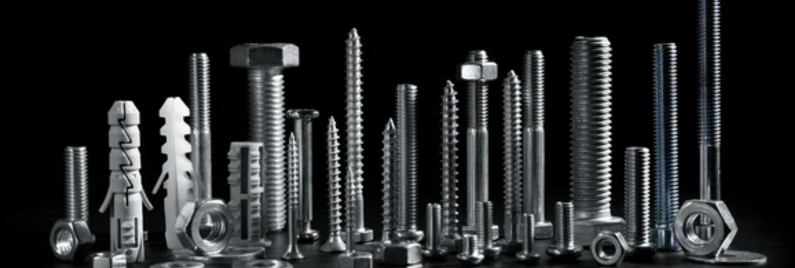
Finding a reliable hardware fasteners supplier is critical for manufacturing efficiency and product safety. As a factory-direct provider, we offer comprehensive OEM solutions that eliminate middleman costs while ensuring strict quality control. Our facility specializes in producing high-performance bolts, screws, nuts, and custom anchoring systems tailored to specific industrial requirements. By integrating advanced metallurgy with precision engineering, we deliver durable fastening solutions that meet global standards for automotive, construction, and aerospace applications.
What Defines a Top Hardware Fasteners Supplier?
The landscape of industrial supply chains has evolved significantly in recent years. A top-tier hardware fasteners supplier is no longer defined solely by inventory volume. Instead, the industry prioritizes technical expertise, material traceability, and the ability to execute complex OEM projects. Manufacturers now seek partners who can provide engineering support alongside production capabilities.
Current mainstream expectations include full certification compliance, such as ISO 9001, and the capacity for rapid prototyping. Leading suppliers maintain rigorous testing laboratories to verify tensile strength, corrosion resistance, and dimensional accuracy. This shift reflects a broader trend where buyers value long-term reliability over short-term price advantages.
Furthermore, the definition of quality has expanded to include supply chain transparency. Clients require detailed documentation regarding raw material sources and heat treatment processes. A reputable factory direct partner ensures that every batch of hardware fasteners can be traced back to its origin, mitigating risks associated with counterfeit or substandard components in critical assemblies.
Key Characteristics of Factory-Direct Operations
Operating on a factory-direct model offers distinct advantages over traditional distribution networks. The primary benefit is the removal of intermediaries, which directly reduces procurement costs. However, the strategic value extends far beyond pricing structures.
- Direct Communication: Engineers communicate directly with production managers, reducing misinterpretation of technical specifications.
- Customization Agility: Production lines can be adjusted quickly to accommodate unique thread pitches, head styles, or coating requirements.
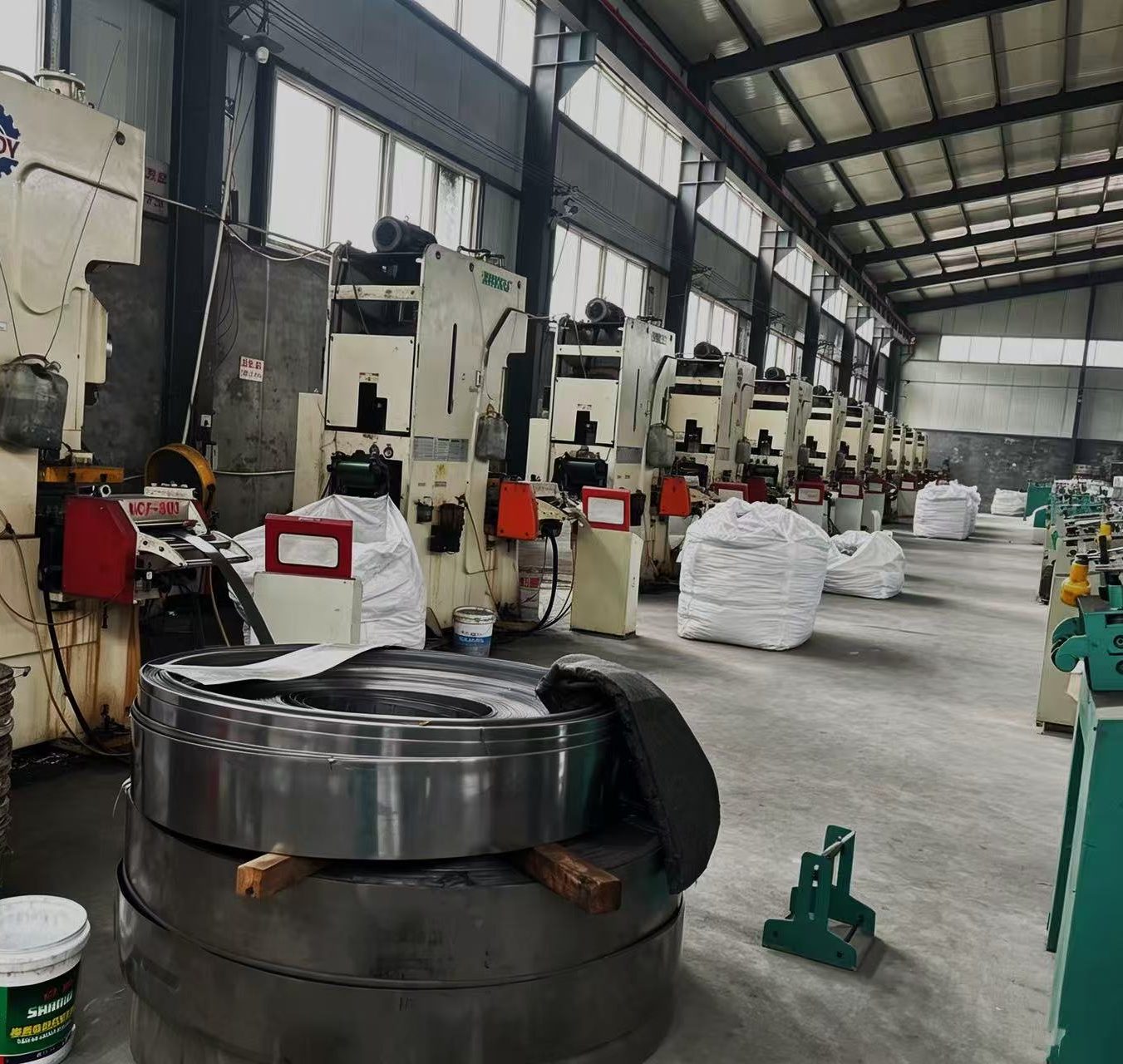
- Quality Assurance: In-house QC teams monitor every stage of manufacturing, from wire drawing to final packaging.
- Lead Time Optimization: Without warehouse transfer delays, shipping schedules become more predictable and efficient.
This operational model allows for a deeper collaboration between the supplier and the client. When challenges arise during the design phase, the factory team can immediately suggest material substitutions or geometric adjustments to enhance performance. This level of interaction is rarely possible when purchasing through third-party distributors.
Our Heritage: A Decade of Excellence in Handan
Located in Handan, Hebei—China’s renowned hub for fastener manufacturing—our company stands as a prime example of the integrated industry and trade model described above. With over ten years of specialized experience, we have evolved from a local manufacturer into a global supplier, exporting high-quality fasteners and hardware tools to more than 26 countries worldwide.
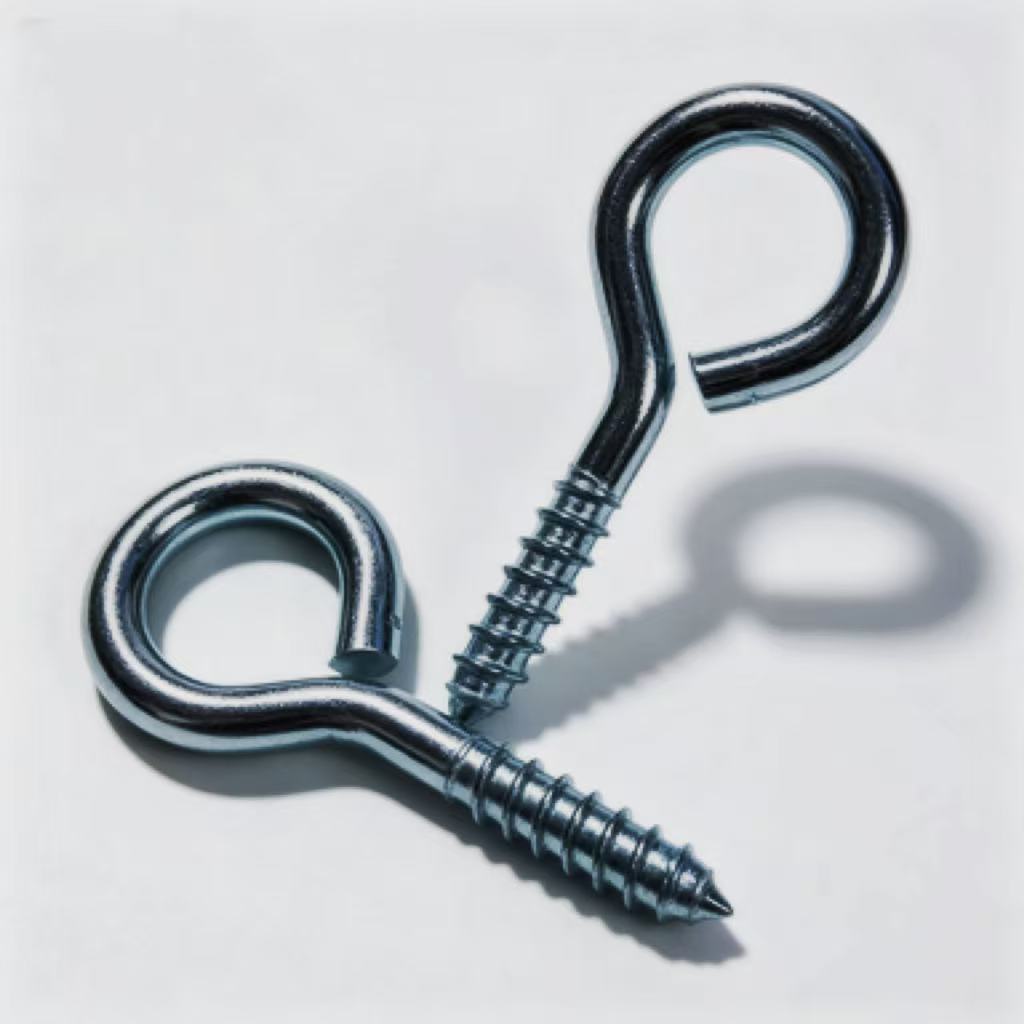
While we produce a vast array of standard components, our expertise extends to specialized products such as casing geckos and wooden teeth welded sheep’s eye screws/bolts. These unique items highlight our commitment to innovation and our ability to serve niche market needs alongside general industrial demands. Guided by an integrity-based business philosophy, we continuously invest in scientific research and recruit high-tech talent to refine our production technologies.
Our dedication to “quality first, customer first” is backed by advanced machinery and perfect testing methods. Whether adhering to GB, DIN, JIS, ANSI, or other international standards, our professional technical team ensures that every product meets rigorous specifications. We believe that maintaining our reputation relies entirely on meeting customer needs through thoughtful service and competitive pricing.
Comprehensive Overview of Hardware Fasteners Types
Understanding the diverse categories of hardware fasteners is essential for selecting the right component for any application. These mechanical devices are designed to join or affix two or more objects together. The selection process depends heavily on load requirements, environmental conditions, and assembly methods.
Industry professionals generally classify fasteners into two main groups: threaded and non-threaded. Threaded fasteners include bolts, screws, and nuts, which rely on helical ridges to create clamping force. Non-threaded options, such as rivets and pins, provide permanent or semi-permanent joints without the need for mating threads.
Within these broad categories, specialization is key. For instance, high-strength structural bolts differ significantly from machine screws used in electronics. The choice of material, ranging from carbon steel to titanium, further dictates the fastener’s suitability for specific environments like marine settings or high-temperature engines.
Bolts and Screws: Understanding the Distinction
Although often used interchangeably in casual conversation, bolts and screws serve different mechanical functions. A bolt is typically designed to pass through a substrate and be secured by a nut. It relies on the tension created by tightening the nut to hold materials together. This makes bolts ideal for heavy-duty structural applications where disassembly may be required.
In contrast, a screw is designed to mate with a pre-formed internal thread or to cut its own thread into the material. Screws generally apply clamping force through the rotation of the head rather than a separate nut. They are commonly used in lighter assemblies, woodworking, and sheet metal applications where space is limited.
The geometry of the drive system also varies. While bolts often feature hexagonal heads for wrench application, screws may utilize Phillips, Torx, or slot drives. Selecting the correct type ensures optimal torque transmission and prevents stripping during installation, which is crucial for maintaining joint integrity over time.
Nuts, Washers, and Anchoring Systems
Nuts act as the complementary component to bolts, providing the necessary friction and locking mechanism to secure the joint. Modern engineering has introduced various nut designs, including nylon insert lock nuts and prevailing torque nuts, to prevent loosening under vibration. These innovations are vital in automotive and machinery sectors where dynamic loads are common.
Washers play a supportive yet critical role in the fastening assembly. They distribute the load of the threaded fastener, preventing damage to the surface material. Spring washers add axial flexibility, maintaining tension even if the joint settles or expands due to thermal changes. Flat washers ensure a smooth bearing surface for the nut or bolt head.
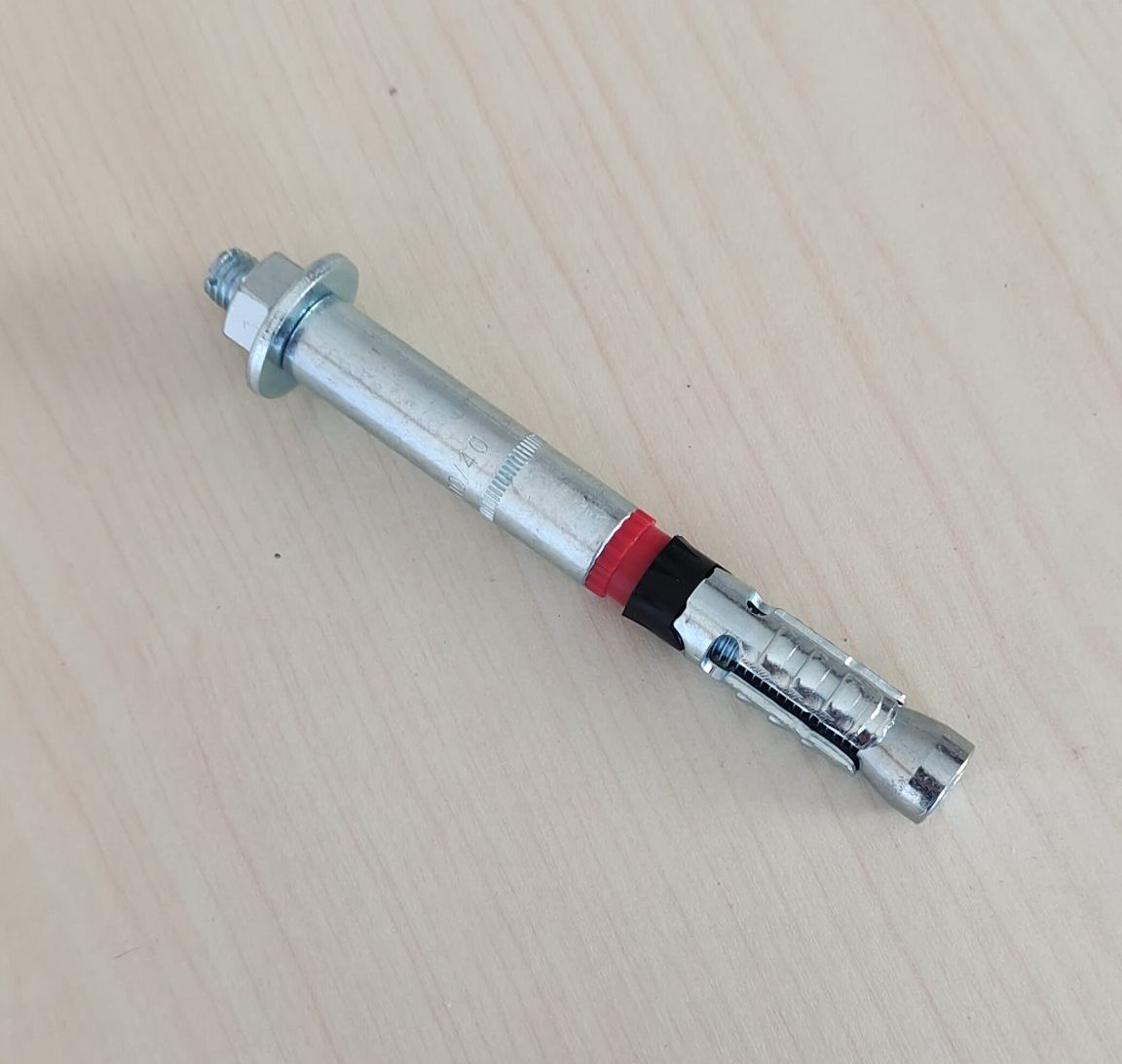
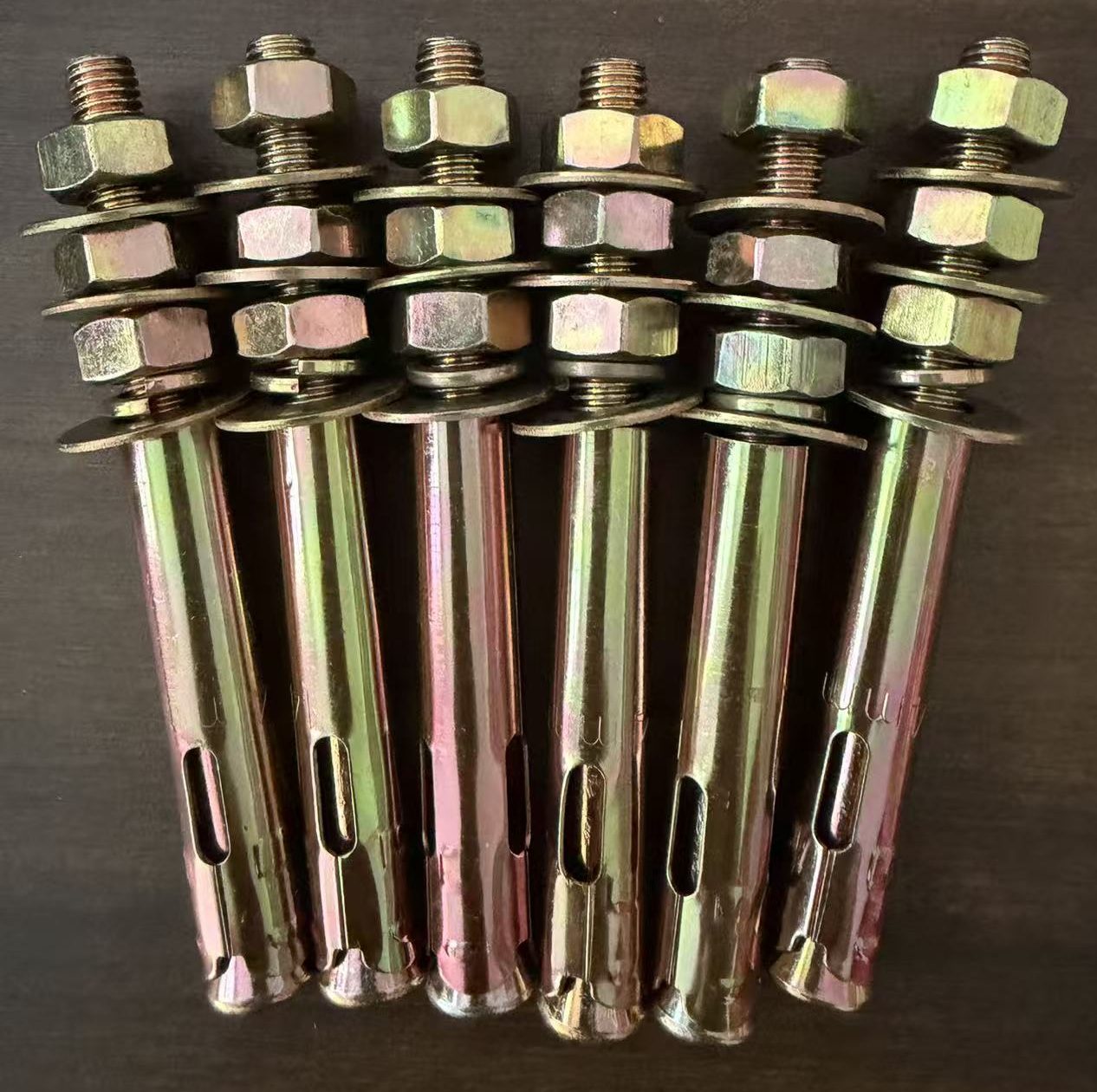
Anchoring systems represent a specialized subset of hardware fasteners designed for concrete and masonry. Unlike standard fasteners, anchors expand within the base material to create a secure hold. Types include wedge anchors, sleeve anchors, and chemical anchors. The choice depends on the substrate density and the magnitude of the shear and tensile loads the connection must withstand.
OEM Customization Capabilities and Engineering Support
Original Equipment Manufacturer (OEM) services are the cornerstone of our factory operations. Many industrial applications require fasteners that deviate from standard DIN, ANSI, or ISO specifications. Our engineering team collaborates closely with clients to develop bespoke solutions that address unique design constraints.
The customization process begins with a detailed analysis of the application environment. Factors such as operating temperature, exposure to corrosive agents, and cyclic loading frequencies are evaluated. Based on this data, we recommend appropriate materials and geometries to ensure longevity and safety.
From prototype development to mass production, our facility maintains strict adherence to client drawings and tolerances. We utilize advanced CNC machining and cold heading technologies to produce complex shapes that off-the-shelf suppliers cannot offer. This flexibility allows innovators to bring new products to market faster with optimized fastening systems.
Material Selection and Metallurgical Expertise
Choosing the right material is perhaps the most critical decision in fastener engineering. Carbon steel remains the most widely used material due to its balance of strength and cost-effectiveness. However, for environments prone to rust, stainless steel grades like 304 and 316 are the industry standard.
For high-stress applications, alloy steels treated with heat processes offer superior tensile and yield strengths. These materials are essential in aerospace and heavy machinery where failure is not an option. In extreme conditions, exotic alloys such as Inconel or Titanium provide resistance to both high temperatures and aggressive chemicals.
Our metallurgical experts assist in navigating these choices. We analyze the trade-offs between hardness, ductility, and corrosion resistance. By understanding the specific stress profiles of your project, we can specify a material grade that maximizes performance without unnecessary expense. This targeted approach ensures that every hardware fastener performs exactly as intended throughout its service life.
Surface Treatments and Coating Technologies
Surface finishing is not merely aesthetic; it is a functional necessity for enhancing durability. Coatings protect the base metal from oxidation and wear while sometimes improving lubricity for easier installation. Common treatments include zinc plating, hot-dip galvanizing, and phosphate coatings.
Zinc plating offers a bright finish and moderate corrosion protection suitable for indoor environments. For outdoor or marine applications, hot-dip galvanizing provides a thicker, more robust barrier against saltwater and humidity. Black oxide finishes are often preferred for their ability to reduce light reflection and provide mild corrosion resistance.
Advanced polymer coatings and ceramic treatments are increasingly popular in specialized sectors. These modern solutions can withstand extreme pH levels and abrasive conditions that would degrade traditional metal coatings. Our factory employs state-of-the-art coating lines to ensure uniform coverage and adhesion, guaranteeing that the protective layer remains intact under operational stress.
Quality Control Standards and Testing Protocols
Trust in a hardware fasteners supplier is built on consistent quality. Our facility implements a multi-stage inspection regime that exceeds general industry expectations. Every batch undergoes rigorous testing to verify that it meets the specified mechanical properties and dimensional tolerances.
We utilize automated optical sorting machines to detect surface defects, cracks, or dimensional variances at high speeds. This technology complements manual inspections performed by trained quality assurance personnel. The combination of automation and human expertise minimizes the risk of defective parts reaching the customer.
Certification is a fundamental part of our delivery package. We provide Mill Test Reports (MTRs) that document the chemical composition and mechanical test results for each heat lot. This level of documentation is crucial for regulated industries where traceability is mandated by law or safety codes.
Mechanical Testing and Performance Verification
Mechanical integrity is verified through a series of standardized tests. Tensile testing measures the maximum load a fastener can withstand before breaking, ensuring it meets the required grade classification. Yield strength tests determine the point at which the material begins to deform permanently.
Hardness testing, using Rockwell or Vickers scales, confirms that the heat treatment process was executed correctly. Proper hardness is essential; too soft, and the fastener may stretch or strip; too hard, and it becomes brittle and prone to snapping. We also conduct torque-tension tests to validate the relationship between applied torque and achieved clamp load.
For critical applications, we perform fatigue testing to simulate long-term cyclic loading. This helps predict the lifespan of the fastener under real-world operating conditions. Salt spray testing is another routine procedure to evaluate the effectiveness of corrosion-resistant coatings, ensuring they perform as advertised in harsh environments.
Dimensional Accuracy and Thread Inspection
Precision is paramount in fastener manufacturing. Even minor deviations in thread pitch or diameter can lead to assembly failures or stripped threads. We employ coordinate measuring machines (CMM) and go/no-go gauges to verify every critical dimension against international standards.
Thread fit is inspected meticulously to ensure smooth engagement with mating components. We check for major diameter, minor diameter, and pitch diameter to guarantee compatibility. This attention to detail prevents cross-threading and ensures that the specified preload can be achieved consistently during assembly.
Head height, shank length, and underhead fillets are also measured to prevent stress concentrations that could lead to premature failure. Our commitment to dimensional accuracy ensures that our hardware fasteners integrate seamlessly into your production lines, reducing downtime and rework costs.
Comparative Analysis: Standard vs. Custom Fasteners
Deciding between standard off-the-shelf fasteners and custom-engineered solutions is a common dilemma for procurement managers. While standard parts offer immediate availability, custom options provide tailored performance. The following table outlines the key differences to aid in decision-making.
| Feature | Standard Fasteners | Custom OEM Fasteners |
| Availability | Immediate stock availability | Requires production lead time |
| Cost Structure | Lower unit cost for small quantities | Higher initial setup, lower cost at scale |
| Design Flexibility | Limited to existing standards (DIN, ANSI) | Fully customizable geometry and material |
| Performance Fit | General purpose application | Optimized for specific load and environment |
| Tooling Requirements | No tooling costs | Initial mold or die investment required |
| Ideal Use Case | Maintenance, repair, and general assembly | New product development and critical systems |
This comparison highlights that while standard fasteners are suitable for general maintenance, high-performance applications often demand custom solutions. Investing in OEM fasteners can result in better overall system reliability and reduced total cost of ownership in the long run.
Applications Across Major Industries
The versatility of hardware fasteners makes them indispensable across a wide spectrum of industries. Each sector presents unique challenges that dictate specific fastener requirements. Our factory supplies critical components to sectors where failure is not an option.
In the automotive industry, fasteners must withstand intense vibration, temperature fluctuations, and exposure to road salts. Lightweight materials and high-strength alloys are frequently used to improve fuel efficiency without compromising safety. Our supply chain supports both traditional combustion engine vehicles and emerging electric vehicle platforms.
The construction sector relies heavily on large-scale anchoring systems and structural bolts. These components must endure static loads from building weights and dynamic loads from wind or seismic activity. Corrosion resistance is particularly important for infrastructure projects exposed to the elements.
Aerospace and High-Tech Manufacturing
Aerospace applications represent the pinnacle of fastener engineering. Components in this sector must operate reliably under extreme pressure, temperature variations, and vacuum conditions. Weight reduction is a constant priority, driving the use of titanium and advanced composite-compatible fasteners.
Traceability in aerospace is absolute. Every single fastener must be tracked from raw material to final installation. Our processes align with AS9100 standards, ensuring that all documentation and testing protocols meet the rigorous demands of aviation authorities. Precision and consistency are non-negotiable in this field.
High-tech manufacturing, including electronics and robotics, requires miniature fasteners with exceptional precision. As devices become smaller, the demand for micro-screws and specialized mounting solutions grows. These tiny components must maintain high clamping forces despite their diminutive size, requiring advanced manufacturing techniques.
Renewable Energy and Infrastructure
The renewable energy sector, particularly wind and solar power, presents demanding environments for fastening systems. Wind turbines, located offshore or in remote areas, require fasteners that can resist saltwater corrosion and high winds for decades without maintenance. Large diameter bolts and specialized coatings are essential here.
Solar panel mounting systems also rely on durable hardware fasteners to withstand UV radiation and thermal cycling. The stability of these installations depends on the integrity of the connections. Our factory provides solutions specifically engineered for the longevity required by green energy investments.
Infrastructure projects, such as bridges and railways, utilize heavy-duty fasteners to ensure public safety. These applications often involve massive loads and require regular inspection regimes. Using high-grade, certified fasteners reduces the frequency of maintenance and enhances the overall lifespan of the structure.
How to Choose the Right Fastener Supplier
Selecting the appropriate partner for your fastening needs involves evaluating several critical factors. Price is important, but it should not be the sole determinant. A holistic assessment ensures that you receive value, reliability, and technical support throughout the partnership.
First, verify the supplier’s certifications and quality management systems. Ask for evidence of their testing capabilities and request sample Mill Test Reports. A transparent supplier will readily provide this information to demonstrate their commitment to quality.
Second, assess their engineering support capabilities. Can they help optimize your design? Do they have experience in your specific industry? A supplier with deep technical knowledge can prevent costly mistakes and suggest improvements that enhance your product’s performance.
Evaluating Lead Times and Supply Chain Stability
In today’s volatile market, supply chain resilience is crucial. Evaluate the supplier’s inventory levels and their ability to scale production during peak demand periods. Inquire about their raw material sourcing strategies to ensure they are not vulnerable to single-source disruptions.
Clear communication regarding lead times is essential. A reliable factory direct supplier will provide realistic timelines and keep you informed of any potential delays. Look for partners who have contingency plans in place to handle unexpected surges in orders or logistical challenges.
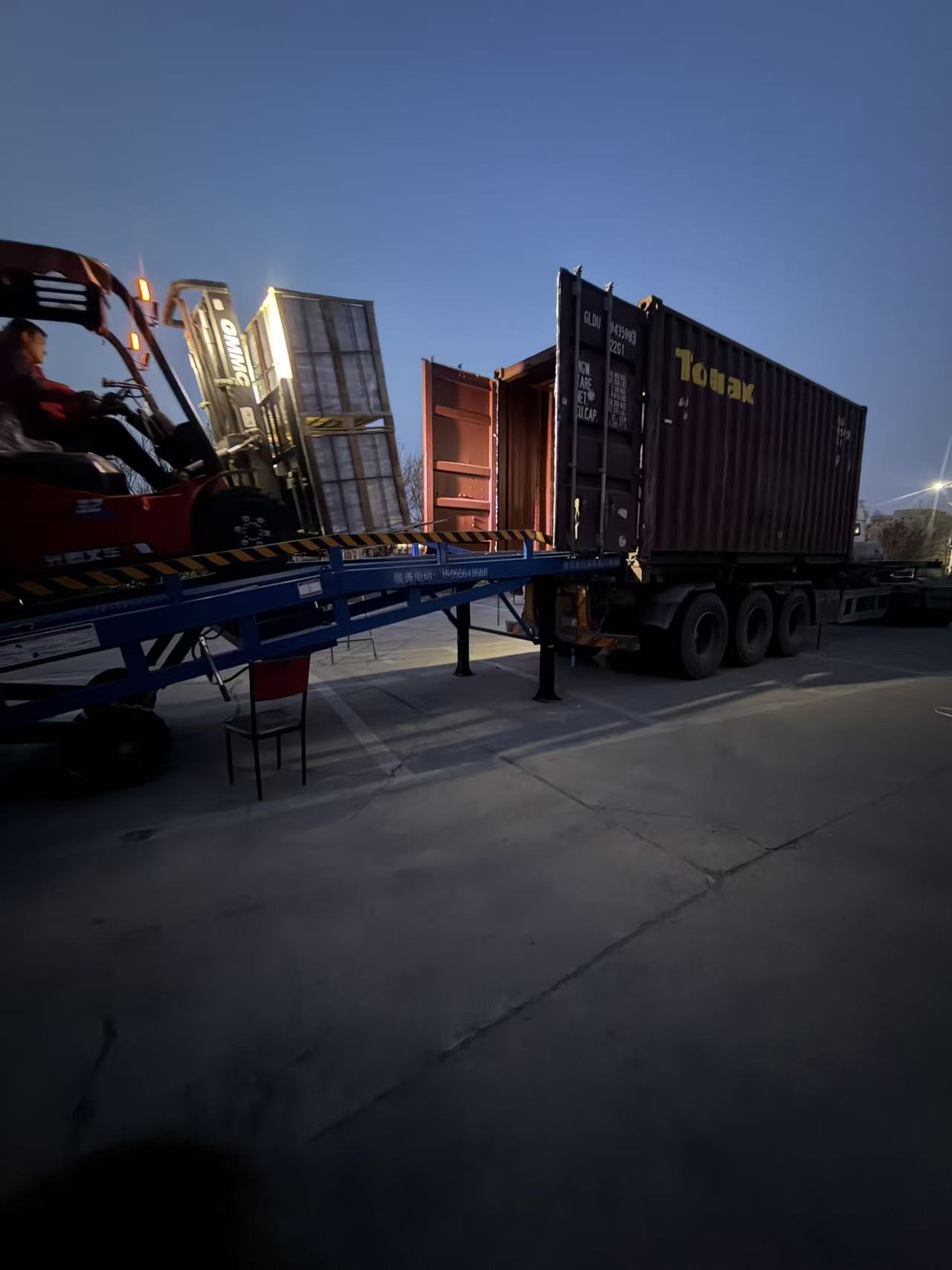
Logistics capabilities also matter. Does the supplier have experience exporting to your region? Can they handle customs documentation and freight forwarding efficiently? Streamlined logistics ensure that your hardware fasteners arrive on time, keeping your production schedules on track.
Assessing Technical Support and After-Sales Service
The relationship with your supplier should extend beyond the transaction. Post-sales support is vital for addressing any issues that may arise during assembly or in the field. A dedicated account manager or technical support team can resolve problems quickly, minimizing downtime.
Look for suppliers who offer warranty protections and stand behind their products. If a batch fails to meet specifications, a trustworthy partner will take responsibility and rectify the situation immediately. This level of accountability builds long-term trust and fosters a collaborative business relationship.
Continuous improvement is another indicator of a high-quality supplier. Do they actively seek feedback? Are they investing in new technologies and processes? Partners who strive for excellence will grow with your business, adapting to your evolving needs over time.
Frequently Asked Questions (FAQ)
What is the typical lead time for custom OEM hardware fasteners?
Lead times vary depending on the complexity of the design and current production volume. Generally, prototyping takes 2-4 weeks, while mass production orders may require 4-8 weeks. We provide specific timelines upon reviewing your technical drawings.
Can you produce fasteners according to non-standard specifications?
Yes, our factory specializes in non-standard and custom-designed hardware fasteners. We can manufacture components based on your unique drawings, regardless of whether they conform to DIN, ANSI, or ISO standards.
What certifications does your factory hold?
We operate under ISO 9001 quality management systems. For specific industries like automotive and aerospace, we can comply with IATF 16949 and AS9100 requirements. Detailed certification documents are available upon request.
Do you provide material testing reports with shipments?
Absolutely. Every shipment includes comprehensive Mill Test Reports (MTRs) detailing the chemical composition and mechanical properties of the materials used. This ensures full traceability and compliance with your quality standards.
What is the minimum order quantity (MOQ) for custom projects?
MOQs depend on the type of fastener and the tooling required. For cold-headed items, MOQs are typically higher to justify die costs, whereas machined parts may have lower thresholds. We work with clients to find cost-effective solutions for various order sizes.
How do you ensure corrosion resistance for outdoor applications?
We recommend and apply specialized coatings such as hot-dip galvanizing, Dacromet, or high-performance polymer coatings based on the specific environmental conditions. Salt spray testing is conducted to verify the effectiveness of these treatments.
Conclusion and Next Steps
Securing a dependable source for hardware fasteners is a strategic decision that impacts the quality and safety of your final products. By partnering with a factory-direct supplier like ours, located in the heart of China’s fastener industry, you gain access to superior customization, rigorous quality control, and cost efficiencies that distributors cannot match. Our decade of experience serving over 26 countries underscores our commitment to OEM excellence and global reliability.
This solution is ideal for manufacturers in automotive, construction, aerospace, and renewable energy sectors who require high-performance fastening systems. Whether you need standard components in bulk or fully customized solutions—such as our specialized casing geckos or welded sheep’s eye screws—for a new product launch, our facility is equipped to deliver.
To move forward, we recommend initiating a consultation with our engineering team. Share your technical requirements or drawings to receive a detailed feasibility analysis and quote. Taking this step will clarify how our factory-direct capabilities can optimize your supply chain and enhance your product’s reliability.