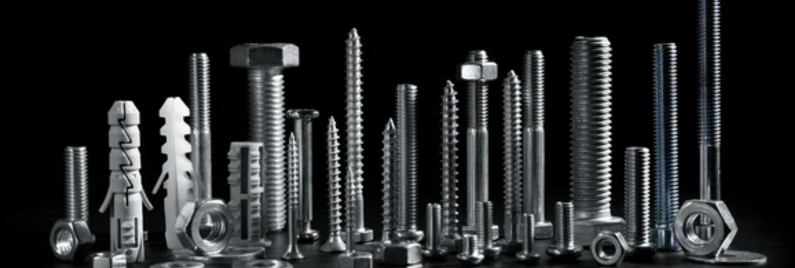
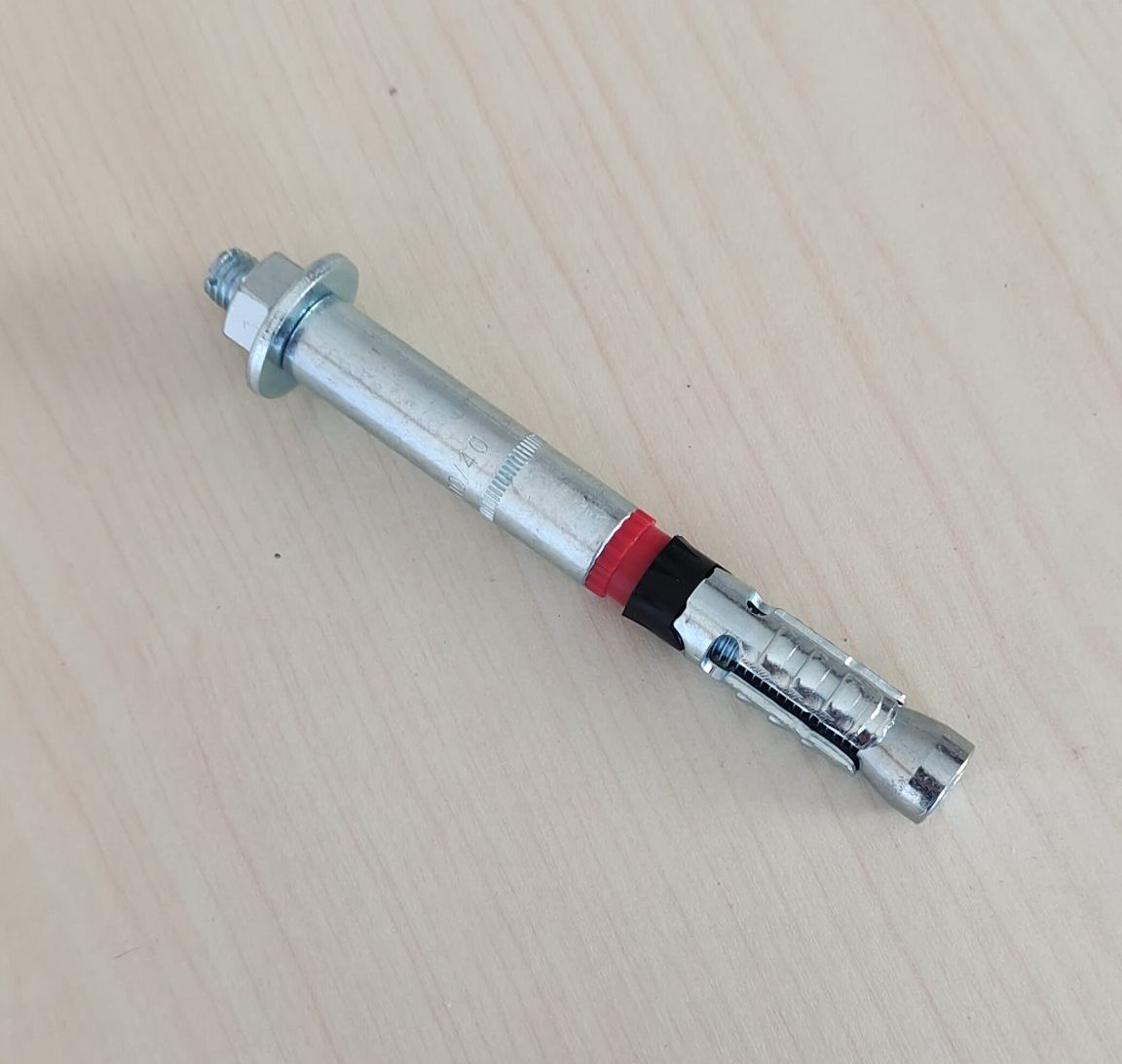
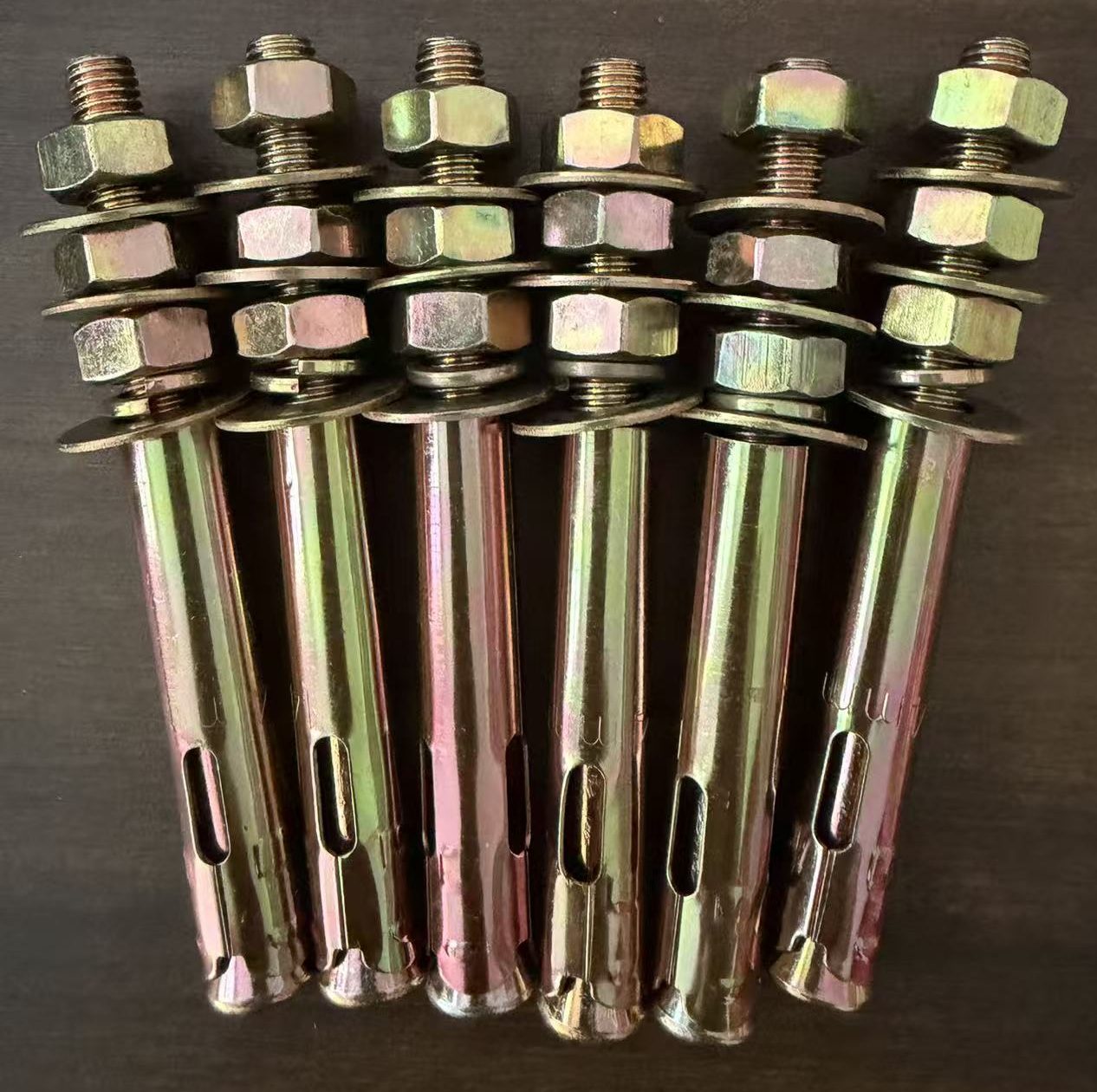
Searching for a reliable hex bolts manufacturer China requires identifying factories that combine direct production capabilities with strict quality control and OEM flexibility. This guide details how to source high-performance hexagonal fasteners directly from Chinese facilities, covering material grades, manufacturing processes, certification standards, and selection criteria to ensure your supply chain meets global engineering requirements without intermediary markups.
Why Choose a Direct Hex Bolts Manufacturer in China?
Sourcing directly from a hex bolts manufacturer China offers significant advantages in cost efficiency, customization, and supply chain transparency. Unlike trading companies, direct factories control the entire production lifecycle, from raw material selection to final threading and plating. This vertical integration allows for tighter quality assurance and faster response times to engineering changes.
Global industries increasingly rely on Chinese manufacturing due to its mature industrial ecosystem. The region hosts specialized clusters for fastener production, providing immediate access to high-grade steel, advanced cold-heading machinery, and surface treatment facilities. A prime example of this industrial concentration is found in Handan, Hebei, a city renowned as a hub for fastener manufacturing. Here, companies like ours have leveraged over a decade of industry experience to integrate development, manufacturing, and trade into a seamless operation. By combining local expertise with advanced production technology and rigorous testing methods, such manufacturers provide products that strictly adhere to GB, DIN, JIS, ANSI, and other international standards.
Direct engagement eliminates communication barriers often found with intermediaries. Engineers can discuss specific torque requirements, tolerance classes, and head styles directly with production managers. This ensures that the final product aligns perfectly with technical drawings and international standards like ISO, DIN, or ANSI.
Furthermore, direct manufacturers offer scalable solutions. Whether you require a small batch for prototyping or millions of units for automotive assembly lines, a dedicated factory can adjust production schedules accordingly. This flexibility is crucial for businesses managing just-in-time inventory systems.
Cost Efficiency and Value Engineering
The primary driver for sourcing from China remains cost competitiveness. However, a reputable hex bolts manufacturer China provides value beyond low unit prices. They offer value engineering services, suggesting material substitutions or design tweaks that maintain structural integrity while reducing overall costs.
By removing middlemen, buyers save on markup fees that typically range from 15% to 30%. These savings can be reinvested into higher-quality surface treatments or more rigorous testing protocols. Direct pricing models also allow for transparent negotiations based on raw material market fluctuations.
Bulk purchasing power is another benefit. Established factories purchase raw wire rod in massive quantities, securing better rates from steel mills. These savings are passed down to the client, making large-scale infrastructure projects more financially viable.
Customization and OEM Capabilities
Standard off-the-shelf bolts do not always meet specialized engineering needs. A capable hex bolts manufacturer China excels in Original Equipment Manufacturer (OEM) services. They can produce non-standard lengths, unique head configurations, and custom thread pitches tailored to specific applications.
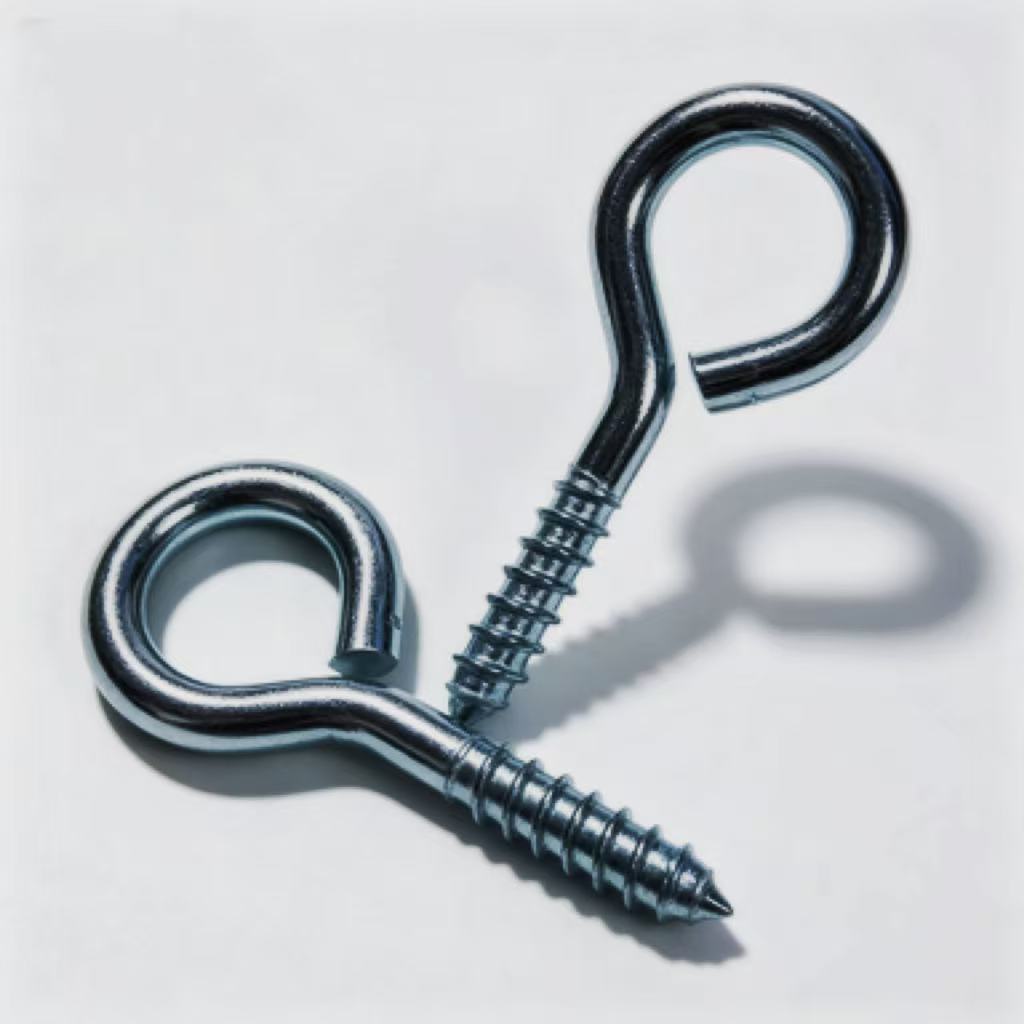
Customization extends to material composition. Manufacturers can source alloy steels, stainless grades, or exotic metals like titanium upon request. This adaptability supports industries ranging from aerospace to marine engineering, where standard carbon steel may fail under corrosive or high-stress conditions. Our own facility, for instance, specializes in developing unique fastener solutions, including casing geckos and wooden teeth welded sheep’s eye screws/bolts, demonstrating the depth of customization available when partnering with an experienced technical team.
Branding options are also available. Factories can apply custom packaging, laser marking, or head stamping to reinforce brand identity and ensure traceability throughout the distribution network. This level of detail is rarely achievable through general trading channels.
Understanding Hex Bolt Manufacturing Processes
To evaluate a hex bolts manufacturer China effectively, one must understand the core manufacturing steps. High-quality production involves a sequence of precise operations including cold heading, thread rolling, heat treatment, and surface finishing. Each stage impacts the mechanical properties and longevity of the fastener.
The process begins with wire drawing, where raw steel rods are reduced to specific diameters required for the bolt size. Precision here is critical, as inconsistent wire diameter leads to defective threads or weak shanks. Top manufacturers utilize automated monitoring systems to maintain micron-level accuracy.
Cold heading forms the bolt head and shank in a single stroke using high-tonnage presses. This method aligns the grain structure of the metal along the shape of the bolt, enhancing tensile strength compared to machined alternatives. It is the industry standard for mass production.
Thread rolling follows, where the shank is pressed between dies to form the helical ridges. Unlike cutting threads, rolling compresses the metal, creating a smoother surface and stronger thread root. This process significantly improves fatigue resistance, a key factor in dynamic load applications.
The Critical Role of Heat Treatment
Heat treatment is the defining step for high-strength hex bolts, particularly those graded 8.8, 10.9, or 12.9. This process alters the microstructure of the steel to achieve desired hardness and toughness. A professional hex bolts manufacturer China operates controlled atmosphere furnaces to prevent decarburization.
The procedure typically involves quenching and tempering. Quenching rapidly cools the heated bolts to lock in a hard martensitic structure. Tempering then reheats them to a lower temperature to reduce brittleness while retaining strength. Balancing these parameters requires deep metallurgical expertise.
Inadequate heat treatment can lead to catastrophic failures. Under-tempered bolts may snap under tension, while over-tempered ones might strip under torque. Reputable factories perform regular hardness tests and microstructure analysis to verify that every batch meets specified mechanical properties.
Advanced manufacturers also employ induction hardening for specific applications. This localized treatment hardens only the thread area or the bearing surface, offering a unique combination of a tough core and a wear-resistant exterior. Such technical nuances distinguish top-tier suppliers from basic workshops.
Surface Treatment and Corrosion Protection
Surface finishing protects hex bolts from environmental degradation and enhances aesthetic appeal. Common treatments include zinc plating, hot-dip galvanizing, phosphate coating, and geometric coating. The choice depends on the operating environment and required salt spray resistance hours.
Zinc plating is widely used for indoor applications, offering a bright finish and moderate corrosion protection. For outdoor or marine environments, hot-dip galvanizing provides a thicker zinc layer, ensuring decades of service life. A reliable hex bolts manufacturer China will advise on the optimal coating based on usage scenarios.
Environmental compliance is increasingly important. Leading factories have transitioned to trivalent chromium passivation instead of toxic hexavalent chromium. This shift aligns with RoHS and REACH regulations, ensuring that exported products meet strict European and North American safety standards.
Quality control in plating involves measuring coating thickness and conducting salt spray tests. Consistent coverage around the threads and under the head is vital. Poor application can lead to hydrogen embrittlement, a hidden defect that causes sudden failure under stress.
Material Grades and Standards Compliance
Selecting the right material grade is fundamental to project success. A competent hex bolts manufacturer China produces fasteners adhering to various international standards, including ISO, DIN, ANSI/ASME, and JIS. Understanding these specifications helps buyers communicate their requirements clearly.
Carbon steel remains the most common material, categorized by property classes such as 4.8, 8.8, 10.9, and 12.9. The first number indicates tensile strength, while the second represents the yield ratio. Higher grades are essential for structural connections and heavy machinery.
Stainless steel options, such as A2 (304) and A4 (316), are mandatory for corrosive environments. These grades offer excellent resistance to rust and chemicals but generally have lower tensile strengths compared to hardened alloy steels. Manufacturers must adjust tightening torques accordingly.
Alloy steel variants, often containing chromium, molybdenum, or nickel, are used for extreme conditions. These materials maintain strength at high temperatures and resist impact loading. They are prevalent in the oil and gas, power generation, and automotive sectors.
Navigating International Certification Standards
Certifications serve as proof of a manufacturer’s commitment to quality management. Look for facilities certified under ISO 9001, which mandates consistent processes and continuous improvement. For specific industries, additional certifications like IATF 16949 for automotive or AS9100 for aerospace may be required.
Product-specific certifications are equally crucial. In Europe, CE marking indicates conformity with health, safety, and environmental protection standards. In the US, adherence to ASTM or SAE standards is often mandated by law for structural applications. A credible hex bolts manufacturer China maintains up-to-date documentation for all exports. With products sold to more than 26 different countries, leading manufacturers prioritize integrity and invest heavily in scientific research and high-tech talent to ensure every shipment meets these diverse global benchmarks.
Third-party inspection reports add another layer of trust. Organizations like SGS, TUV, or Bureau Veritas can verify chemical composition and mechanical properties independently. Buyers should request mill test certificates (MTC) EN 10204 3.1 for critical shipments to ensure traceability back to the steel melt.
Compliance is not static; standards evolve. Professional manufacturers stay updated with revision cycles of ISO and ASTM norms. They proactively inform clients of any changes that might affect design specifications or installation procedures, demonstrating true partnership and expertise.
Comparative Analysis: Factory Direct vs. Trading Companies
When sourcing hex bolts, buyers often face a choice between dealing directly with a factory or engaging a trading company. Understanding the distinctions helps in making an informed decision that balances cost, risk, and service levels. The following table highlights key differences.
| Feature | Direct Hex Bolts Manufacturer | Trading Company |
| Price Structure | Lower unit cost; no intermediary markup | Higher cost due to added margins |
| Technical Support | Direct access to engineers and production data | Limited; relies on information from the factory |
| Customization | High flexibility for OEM and non-standard specs | Restricted to standard catalog items usually |
| Lead Time | Controllable; transparent production schedule | Dependent on third-party coordination |
| Quality Control | In-house testing labs and real-time monitoring | Outsourced inspections; potential gaps |
| MOQ (Minimum Order Quantity) | May be higher for custom runs | Often lower; consolidates orders from multiple sources |
The table illustrates that while trading companies offer convenience for small, mixed orders, a hex bolts manufacturer China is superior for volume, customization, and technical depth. For long-term partnerships and critical infrastructure projects, the direct route minimizes risks associated with miscommunication and quality variance.
Trading companies can sometimes obscure the true origin of the product. In contrast, direct manufacturers provide full visibility into the supply chain. This transparency is vital when auditing suppliers for corporate social responsibility or environmental compliance initiatives.
However, trading companies do have a niche. If a buyer needs small quantities of diverse fasteners from different material groups, a trader’s consolidation service might be logistically simpler. Yet, for dedicated hex bolt requirements, the factory direct model remains the industry best practice.
Key Applications of Industrial Hex Bolts
Hex bolts are ubiquitous in modern engineering, serving as the primary fastening solution across diverse sectors. Their six-sided head allows for high torque application using standard wrenches, making them ideal for heavy-duty assemblies. A versatile hex bolts manufacturer China tailors products to meet the specific demands of these industries.
In the construction sector, hex bolts secure steel beams, bridge components, and precast concrete elements. Structural integrity is paramount here, requiring bolts with verified tensile strength and ductility. Galvanized or weathering steel variants are commonly used to withstand outdoor exposure.
The automotive industry utilizes vast quantities of hex bolts for engine assembly, chassis framing, and suspension systems. These applications demand high precision and resistance to vibration loosening. Manufacturers often apply patch adhesives or use prevailing torque nuts in conjunction with these bolts.
Railway and transportation infrastructure rely on specialized hex bolts for track fastening and rolling stock assembly. Safety regulations in this sector are stringent, necessitating full traceability and rigorous batch testing. Any failure can have severe consequences, driving the need for premium-grade supplies.
Specialized Uses in Energy and Marine Sectors
The energy sector, including wind turbines and oil rigs, presents some of the harshest environments for fasteners. Offshore platforms require hex bolts made from super duplex stainless steels or high-nickel alloys to resist saltwater corrosion and sour gas attacks. A capable hex bolts manufacturer China invests in these exotic material capabilities.
Wind turbine towers utilize massive hex bolts to connect tower sections and anchor the nacelle. These fasteners must endure cyclic loading and extreme weather variations over decades. Pre-tensioning techniques are often employed, requiring bolts with exceptional yield strength consistency.
Marine applications extend beyond simple corrosion resistance. Subsea equipment faces immense pressure and biological fouling. Coatings like Xylan or PTFE are sometimes applied to hex bolts to reduce friction and prevent galling during installation and maintenance operations underwater.
Power generation plants, whether nuclear, thermal, or hydro, use hex bolts in high-temperature and high-pressure vessels. Here, creep resistance becomes a critical factor. Alloy steels with specific heat treatments are selected to ensure the bolts do not deform over years of continuous operation.
How to Verify a Reliable Hex Bolts Manufacturer in China
Identifying a trustworthy partner requires due diligence. The market contains numerous entities claiming to be manufacturers, but only a subset possesses genuine production capabilities. Verifying a hex bolts manufacturer China involves checking physical assets, technical credentials, and reputation.
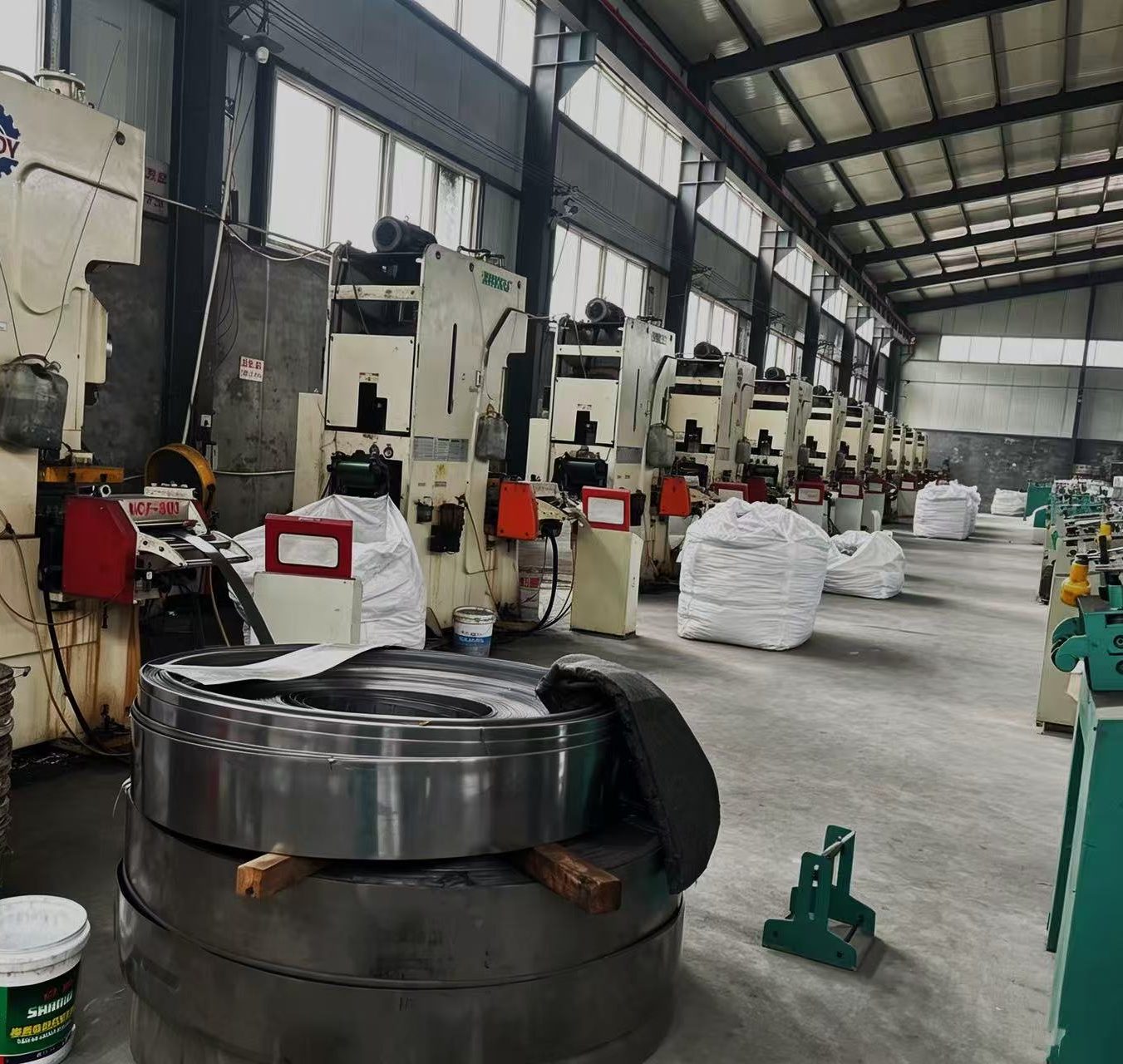
Start by requesting a virtual or physical factory audit. Look for evidence of in-house machinery such as cold headers, thread rollers, and heat treatment furnaces. A true manufacturer will have these on-site, whereas a trader will only show office space or a warehouse filled with boxed goods from various sources.
Examine their testing laboratory. A serious facility will have universal testing machines for tensile and yield strength, hardness testers, salt spray chambers, and spectrometers for chemical analysis. Ask for recent test reports to see if they conduct routine internal quality checks.
Review their client portfolio and export history. Established manufacturers often work with known global brands or major distributors. While confidentiality agreements may hide names, references to industry sectors and project scales can provide insight into their capacity and experience level.
Red Flags to Avoid During Sourcing
Be wary of suppliers who cannot provide detailed technical drawings or material certificates. Hesitation in sharing process details often indicates a lack of control over production. A legitimate hex bolts manufacturer China takes pride in explaining their workflow and quality gates.
Unrealistically low prices are another warning sign. If a quote is significantly below market average, it may indicate the use of substandard raw materials, skipped heat treatment steps, or inferior plating. Such shortcuts compromise safety and lead to costly failures downstream.
Poor communication responsiveness can signal operational disorganization. In the fast-paced manufacturing environment, delays in answering technical queries often translate to delays in production. Efficient communication channels are a hallmark of professional management.
Avoid suppliers who refuse third-party inspections. Transparency is key to building trust. If a factory is confident in its quality, it will welcome independent verification. Resistance to inspection suggests there may be inconsistencies in their production process or output.
Optimizing Your Supply Chain with OEM Partnerships
Establishing an OEM partnership with a hex bolts manufacturer China transforms a transactional relationship into a strategic alliance. This approach allows for deeper integration of supply chains, enabling better forecasting, inventory management, and product development collaboration.
Long-term contracts often secure better pricing tiers and priority production slots. During periods of raw material scarcity or high global demand, having a dedicated manufacturing partner ensures business continuity. This stability is invaluable for maintaining your own production schedules.
Collaborative R&D is another benefit. Manufacturers can assist in developing new fastener solutions for emerging technologies. By leveraging their metallurgical knowledge and production experience, companies can innovate faster and bring superior products to market ahead of competitors.
Integrated logistics solutions further streamline operations. Many top manufacturers offer consolidated shipping, warehousing, and even vendor-managed inventory (VMI) programs. These services reduce the administrative burden on the buyer and optimize cash flow by aligning delivery with consumption.
Sustainability and Ethical Manufacturing
Modern supply chains prioritize sustainability. Leading Chinese manufacturers are adopting green practices, such as recycling scrap metal, optimizing energy consumption in furnaces, and treating wastewater from plating lines. Partnering with such facilities enhances your corporate sustainability profile.
Ethical labor practices are also a focal point. Responsible manufacturers adhere to local labor laws, ensuring safe working conditions and fair wages. Audits focusing on social compliance are becoming standard requirements for Western buyers. Choosing an ethical hex bolts manufacturer China mitigates reputational risks.
Documentation of these efforts is increasingly available. Factories may publish sustainability reports or hold certifications like SA8000. These documents provide tangible proof of their commitment to responsible manufacturing, aligning with the values of conscious consumers and investors.
Reducing the carbon footprint of logistics is another consideration. Sourcing directly reduces the number of handling points and intermediate transport legs. Some manufacturers are also exploring electric vehicle fleets for local distribution and optimizing container loading to maximize efficiency.
Frequently Asked Questions (FAQ)
Buyers often have specific concerns when engaging with overseas suppliers. Addressing these frequently asked questions clarifies the process and builds confidence in selecting a hex bolts manufacturer China. Below are answers to common inquiries regarding quality, logistics, and customization.
What is the typical lead time for custom hex bolts?
Lead times vary based on order volume and customization complexity. For standard sizes and materials, a hex bolts manufacturer China can often ship within 2 to 4 weeks. Custom orders involving special alloys, non-standard dimensions, or unique coatings may require 4 to 8 weeks. This includes time for tooling setup, production, heat treatment, and quality inspection.
Rush orders are sometimes accommodated depending on factory capacity. It is advisable to discuss timeline requirements early in the negotiation phase. Maintaining a buffer in your project schedule is recommended to account for potential shipping delays or unforeseen production variables.
Can you provide samples before placing a bulk order?
Yes, reputable manufacturers routinely provide samples for evaluation. These samples allow you to verify dimensions, thread fit, surface finish, and material quality. While sample fees and shipping costs are usually borne by the buyer, they are often deductible from the first bulk order invoice.
Testing samples in your own lab or sending them to a third party is a prudent step. It confirms that the manufacturer’s capabilities match your specifications. Never skip this step for critical applications, as it serves as the final validation before committing to large-scale production.
How do you ensure quality consistency across large batches?
Quality consistency is maintained through standardized operating procedures and statistical process control (SPC). A professional hex bolts manufacturer China monitors key parameters like wire diameter, heading dimensions, and heat treatment temperatures in real-time. Regular sampling and testing throughout the production run ensure that every piece meets the defined tolerances.
Automated optical inspection systems are increasingly used to detect surface defects and dimensional errors at high speeds. These technologies complement manual inspections, providing a comprehensive quality net. Full traceability from raw material batch to finished goods lot number is standard practice for accountability.
What payment terms are commonly accepted?
Standard payment terms often include a deposit via Telegraphic Transfer (T/T) upon order confirmation, with the balance paid before shipment or against the copy of the Bill of Lading. Letters of Credit (L/C) are also accepted for very large orders to provide security for both parties.
Flexible terms may be negotiated for long-term partners with a proven track record. Establishing trust over time can lead to more favorable financial arrangements. Always ensure that payment agreements are clearly documented in the proforma invoice and sales contract to avoid misunderstandings.
Do you handle shipping and customs documentation?
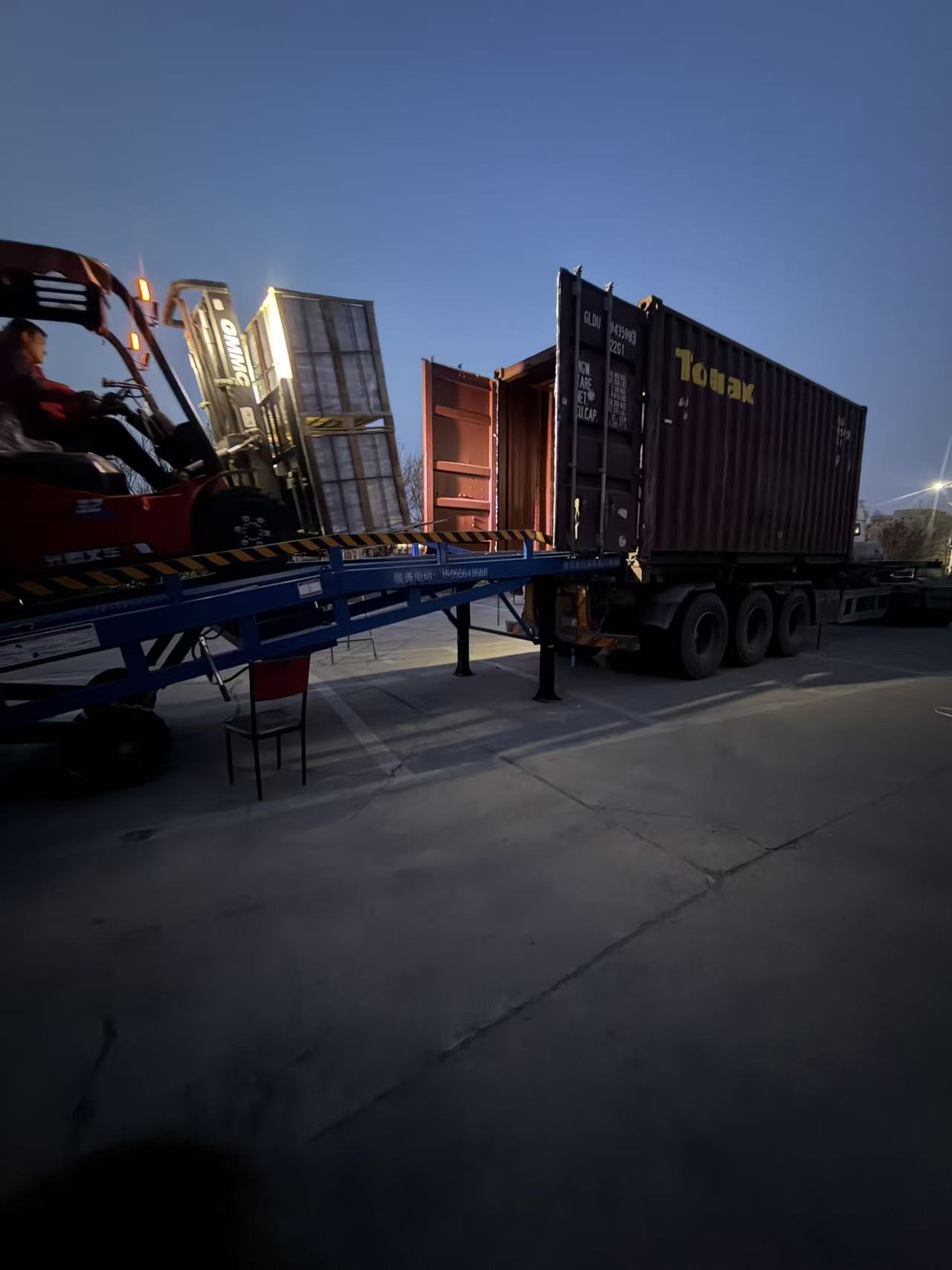
Most manufacturers offer various Incoterms such as FOB, CIF, or EXW. Under CIF (Cost, Insurance, and Freight), the hex bolts manufacturer China handles shipping to the destination port and provides necessary insurance. They also prepare all export documentation, including commercial invoices, packing lists, and certificates of origin.
For door-to-door delivery (DDP), some factories collaborate with freight forwarders to manage the entire logistics chain, including customs clearance at the destination. Clarifying the preferred Incoterm at the outset ensures that responsibilities and costs are clearly allocated between buyer and seller.
Conclusion: Making the Right Sourcing Decision
Selecting the right hex bolts manufacturer China is a strategic decision that impacts product quality, operational efficiency, and bottom-line profitability. Direct engagement with capable factories offers unparalleled advantages in cost control, technical customization, and supply chain transparency. By prioritizing manufacturers with robust quality systems, relevant certifications, and a proven track record, businesses can secure a reliable foundation for their engineering projects.
This approach is particularly suitable for construction firms, automotive suppliers, heavy machinery manufacturers, and infrastructure developers who require high-volume, high-specification fasteners. It is less ideal for individuals needing tiny quantities of mixed hardware, where local distributors might offer greater convenience despite higher unit costs.
To move forward, begin by compiling a shortlist of potential partners based on the criteria discussed. Request detailed quotations, ask for sample kits, and initiate a dialogue about your specific technical requirements. Investing time in the vetting process now will yield substantial returns in reliability and performance for years to come.
Remember that a strong partnership is built on mutual understanding and clear communication. Leverage the expertise of your chosen hex bolts manufacturer China to optimize your designs and streamline your procurement. With the right partner—one that adheres to the principle of “quality first, customer first” and constantly seeks to provide excellent service—your fastening solutions will stand the test of time and stress, supporting the success of your broader industrial endeavors.