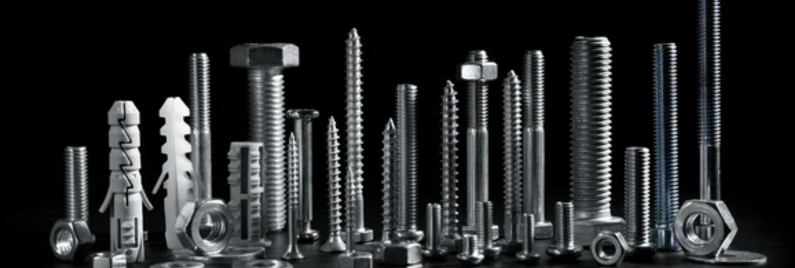
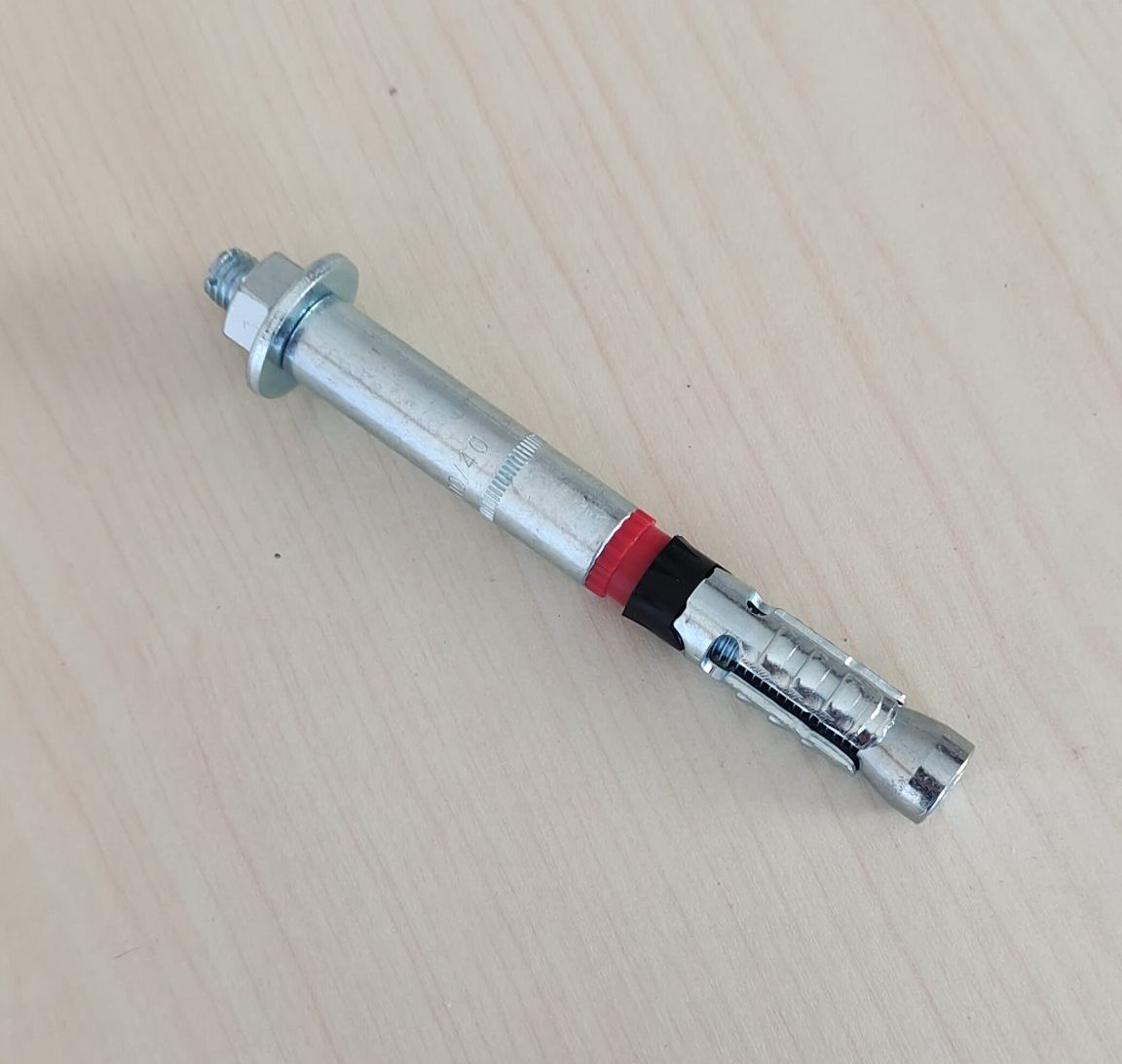
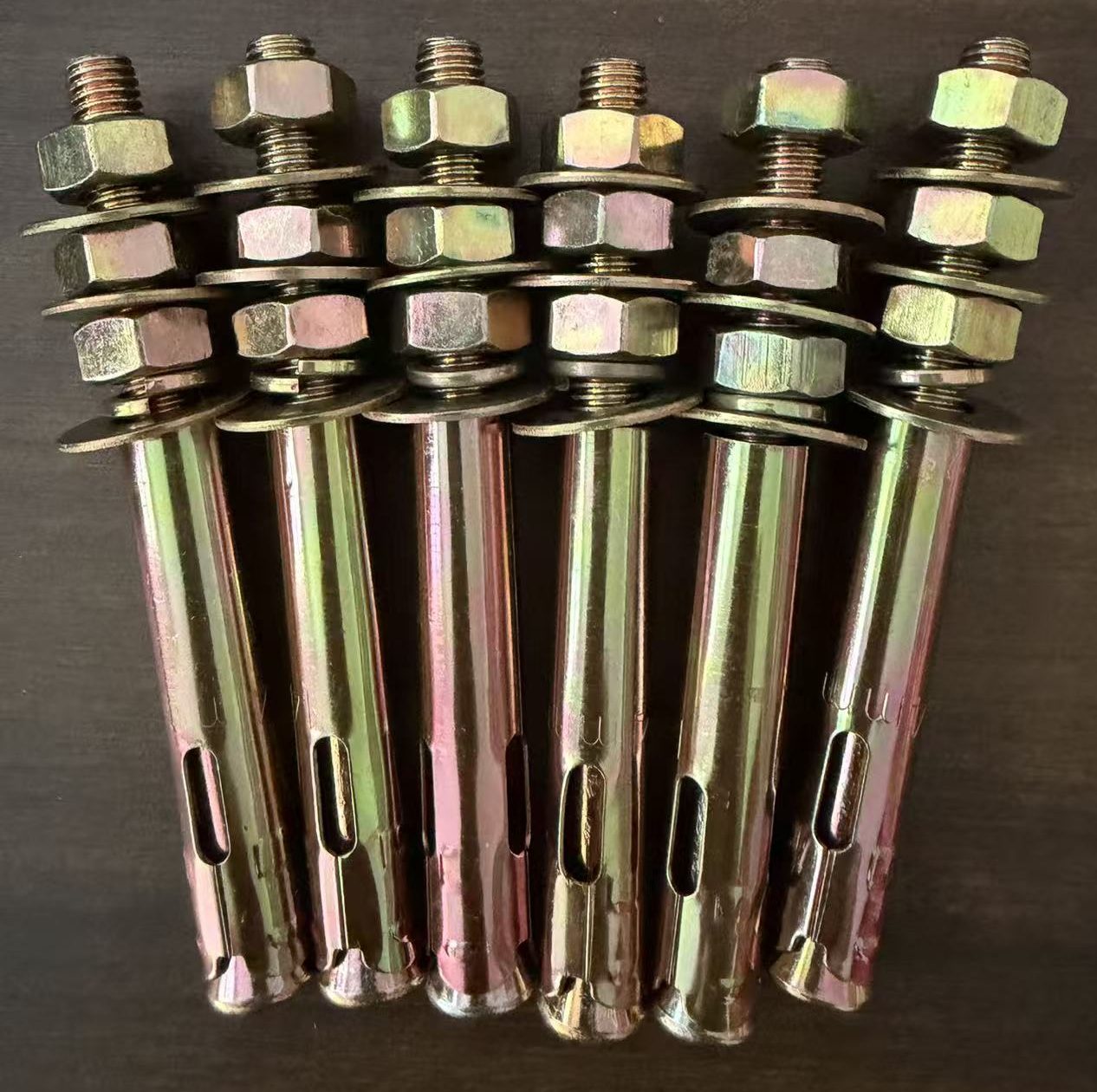
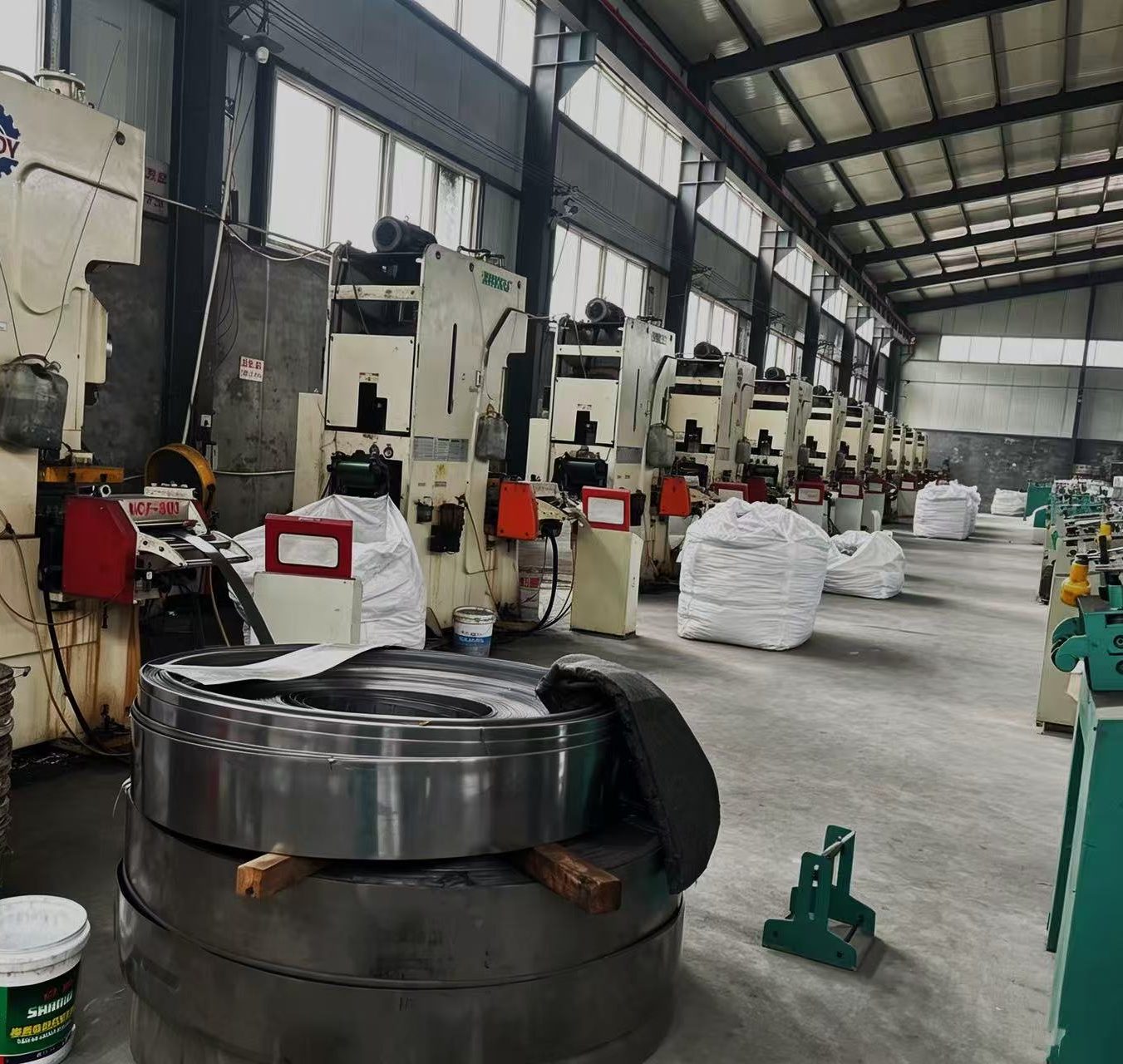
Finding a reliable ISO standard fasteners supplier is critical for maintaining structural integrity and safety in industrial applications. As a factory-direct source, we provide precision-engineered bolts, nuts, and screws that strictly adhere to international ISO specifications. Our approach eliminates middlemen, ensuring competitive pricing without compromising on material quality or certification compliance for global projects.
What Are ISO Standard Fasteners and Why Do They Matter?
ISO standard fasteners are mechanical components manufactured according to specific guidelines set by the International Organization for Standardization. These standards define dimensions, thread pitches, mechanical properties, and material grades to ensure interchangeability across borders. Unlike regional standards like ANSI or DIN, ISO metrics facilitate seamless global supply chains.
The primary value of adhering to these standards lies in predictability. Engineers can specify an ISO bolt knowing it will fit perfectly with a corresponding nut, regardless of the country of origin. This universality reduces downtime during maintenance and simplifies inventory management for multinational corporations.
Current industry trends show a shift toward higher-grade materials to withstand extreme environments. From offshore oil rigs to automotive assembly lines, the demand for certified components continues to rise. Manufacturers prioritize suppliers who can provide full traceability and mill test certificates alongside their shipments.
The Role of Factory-Direct Sourcing in Cost Efficiency
Sourcing directly from the manufacturing facility offers significant economic advantages. Traditional distribution channels often involve multiple layers of markup, inflating the final cost per unit. By engaging with a factory-direct supplier, buyers access wholesale pricing structures typically reserved for large-volume contracts.
Beyond price, direct engagement allows for greater customization. Clients can discuss specific heat treatment requirements, plating options, or packaging needs directly with production engineers. This collaboration ensures the final product meets exact project specifications rather than generic off-the-shelf limitations.
Lead times are also optimized when bypassing distributors. Direct communication streamlines the order-to-delivery cycle, allowing for faster response to urgent project demands. This agility is crucial in sectors where construction delays can result in substantial financial penalties.
Key ISO Standards Governing Fastener Production
Understanding the specific ISO codes relevant to your project is essential for procurement accuracy. These standards cover everything from thread geometry to tensile strength. Misidentifying a standard can lead to catastrophic failure in load-bearing applications.
The most commonly referenced documents include ISO 898 for mechanical properties of carbon steel fasteners and ISO 3506 for stainless steel variants. Each document provides detailed tables outlining yield strength, hardness, and torque values required for safe operation.
- ISO 4014/4017: Defines hexagon head bolts with partial or full threads, widely used in general engineering.
- ISO 4032/4033: Specifies hexagon nuts, ensuring proper engagement with corresponding bolts.
- ISO 7040/7042: Covers prevailing torque type hexagon nuts, essential for vibration-resistant applications.
- ISO 3506: Establishes grades for stainless steel fasteners, distinguishing between austenitic, martensitic, and ferritic types.
Compliance with these standards is not optional for regulated industries. Aerospace, automotive, and infrastructure sectors mandate strict adherence to verify safety. Suppliers must maintain rigorous quality control systems to consistently meet these tolerances.
Differentiating Between Property Classes
Property classes indicate the mechanical strength of a fastener. For metric bolts, numbers like 8.8, 10.9, and 12.9 represent increasing levels of tensile and yield strength. The first number denotes one-hundredth of the minimum tensile strength in MPa, while the second indicates the yield strength ratio.
Selecting the wrong property class can compromise joint integrity. High-stress applications require higher grades like 12.9, whereas general assembly may suffice with 8.8. Over-specifying can unnecessarily increase costs, while under-specifying poses safety risks.
Stainless steel fasteners use a different coding system, such as A2-70 or A4-80. Here, the letter indicates the material group (Austenitic), and the number represents one-tenth of the minimum tensile strength. Corrosion resistance often dictates the choice between A2 and A4 grades.
Factory Direct vs. Distributor: A Comparative Analysis
Choosing between a factory-direct supplier and a third-party distributor impacts budget, lead time, and technical support. While distributors offer convenience for small quantities, factories provide scalability and depth of expertise for large-scale projects.
The following table highlights the key differences to help procurement managers make informed decisions based on project requirements.
| Feature | Factory Direct Supplier | Third-Party Distributor |
| Pricing Structure | Wholesale rates with no middleman markup | Retail pricing including handling fees |
| Customization | High flexibility for non-standard sizes and coatings | Limited to stock inventory configurations |
| Technical Support | Direct access to engineering and R&D teams | General sales support with limited technical depth |
| Lead Time | Optimized production scheduling for bulk orders | Immediate availability for small stock items |
| Certification | Full mill certs and traceability from raw material | Certs provided but may lack raw material history |
For long-term partnerships, the factory model proves superior. It fosters a relationship where the supplier understands the buyer’s evolving needs. This alignment leads to proactive suggestions for design improvements or cost-saving alternatives.
Quality Assurance Protocols in Manufacturing
Reputable factories implement multi-stage inspection processes to guarantee compliance. Quality control begins with raw material verification, ensuring steel billets or wire rods meet chemical composition requirements before production starts.
During manufacturing, dimensional checks occur at regular intervals. Automated optical sorting machines detect thread defects, head cracks, or surface imperfections that human inspectors might miss. This technology ensures near-zero defect rates for high-volume runs.
Final batch testing includes mechanical property verification. Samples undergo tensile testing, hardness testing, and salt spray tests for corrosion resistance. Only batches passing all criteria receive approval for shipment, accompanied by comprehensive documentation.
Material Selection Guide for ISO Fasteners
The longevity of a fastened joint depends heavily on material selection. Environmental factors such as humidity, temperature, and chemical exposure dictate whether carbon steel, stainless steel, or alloy steel is appropriate.
Carbon steel remains the most common choice due to its balance of strength and cost. However, it requires protective coatings like zinc plating or hot-dip galvanizing to prevent rust in outdoor environments. These coatings add a layer of sacrificial protection.
Stainless steel is indispensable for corrosive environments. Grade A2 (304) suits most general purposes, while A4 (316) offers superior resistance to chlorides, making it ideal for marine applications. Specialized alloys exist for extreme heat or acidic conditions.
- Carbon Steel: High strength, cost-effective, requires coating for corrosion protection.
- Stainless Steel A2: Good corrosion resistance, suitable for food processing and architecture.
- Stainless Steel A4: Excellent resistance to saltwater and chemicals, used in marine and chemical plants.
- Alloy Steel: Enhanced strength and heat resistance, often used in automotive engines and heavy machinery.
Misapplication of materials is a frequent cause of premature failure. Using carbon steel in a saline environment without adequate plating will lead to rapid degradation. Conversely, using expensive stainless steel where carbon steel suffices wastes budget resources.
Surface Treatments and Coatings
Surface treatments enhance performance beyond the base material capabilities. Zinc plating provides a basic barrier against oxidation, while geometrically controlled coatings offer better thickness uniformity. Hot-dip galvanizing creates a thick, durable layer suitable for harsh outdoor exposure.
Advanced coatings like Dacromet or Geomet provide exceptional corrosion resistance without hydrogen embrittlement risks. These water-based solutions are increasingly popular in the automotive sector for their environmental compliance and performance.
Color coding often indicates the type of coating applied, aiding quick identification on-site. Yellow chromate usually signifies enhanced corrosion resistance over clear zinc. Understanding these visual cues helps workers verify specifications during installation.
Common Applications of ISO Standard Fasteners
The versatility of ISO standard fasteners makes them ubiquitous across diverse industries. Their standardized nature allows for modular design approaches, where components can be sourced globally without compatibility issues.
In the construction sector, high-strength bolts connect steel beams and columns. These joints must withstand dynamic loads from wind and seismic activity. Compliance with ISO 898-1 is mandatory to ensure structural safety in skyscrapers and bridges.
The automotive industry relies on precision fasteners for engine assemblies and chassis components. Vibration resistance is paramount here, leading to widespread use of prevailing torque nuts and thread-locking adhesives. Consistency in clamp load prevents loosening over time.
Infrastructure and Heavy Machinery
Heavy machinery manufacturers utilize large-diameter ISO fasteners to assemble excavators, cranes, and mining equipment. These components face immense stress and abrasive conditions. Alloy steel variants with specialized heat treatments are often specified.
Railway infrastructure depends on reliable fastening systems for tracks and rolling stock. Safety regulations demand rigorous testing protocols. Any failure in these systems can have severe consequences, highlighting the need for trusted suppliers.
Renewable energy projects, particularly wind turbines, present unique challenges. Fasteners at great heights must endure constant vibration and weather extremes. Maintenance access is difficult, so initial component reliability is critical for operational uptime.
How to Verify Supplier Authenticity and Compliance
Not all suppliers claiming to offer ISO products deliver genuine compliance. Verifying authenticity requires a systematic approach involving document review, facility audits, and sample testing. Protecting your supply chain from substandard components is a strategic necessity.
Requesting Mill Test Certificates (MTC) is the first step. These documents trace the chemical and physical properties of the raw material back to the steel mill. Discrepancies between the MTC and the ordered specification should raise immediate red flags.
Third-party inspection agencies can provide unbiased verification. Hiring services like SGS or Bureau Veritas to conduct pre-shipment inspections adds a layer of security. They verify dimensions, perform random mechanical tests, and check packaging standards.
- Check Certifications: Ensure the factory holds ISO 9001 quality management certification.
- Review History: Ask for case studies or references from similar industry clients.
- Sample Testing: Conduct independent lab tests on received samples before approving bulk orders.
- Audit Visits: Whenever possible, visit the manufacturing facility to observe production capabilities firsthand.
Transparency is a hallmark of a reputable partner. Hesitation to share documentation or restrict access to production areas often indicates underlying quality issues. Trust is built on consistent proof of capability and openness.
Navigating Global Logistics and Packaging
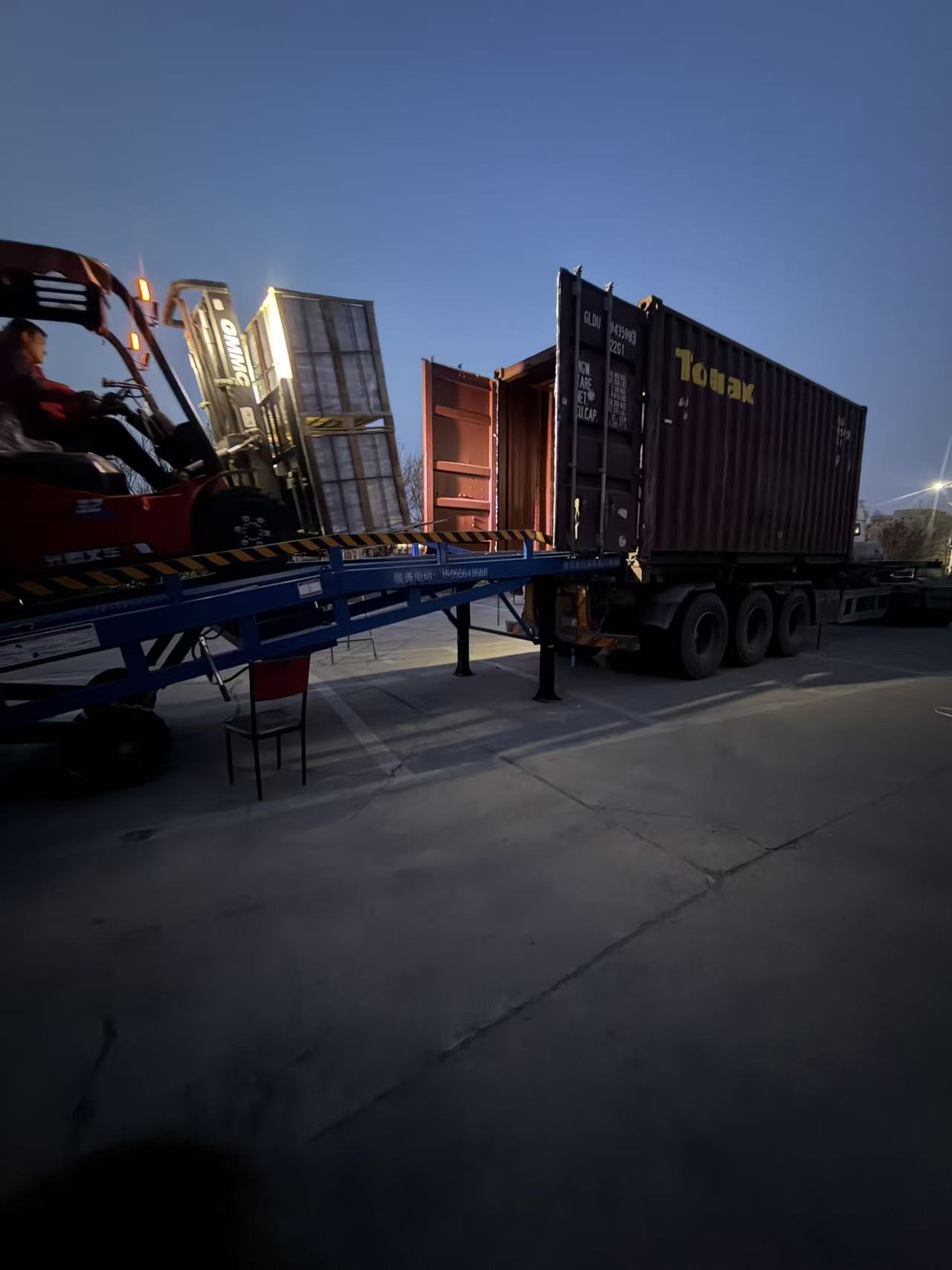
Efficient logistics are integral to the factory-direct model. Proper packaging prevents damage during transit and facilitates easy inventory counting. Bulk packing in wooden crates or pallets is standard for large orders, while smaller boxes suit retail distribution.
Labeling must be clear and durable, indicating part numbers, quantities, and batch codes. This information accelerates warehouse receiving processes and aids in future traceability. Incorrect labeling can lead to costly mix-ups on construction sites.
Understanding Incoterms is vital for international buyers. Clarifying responsibilities for shipping, insurance, and customs duties avoids unexpected costs. Factory-direct suppliers often assist in optimizing logistics routes to reduce freight expenses.
Frequently Asked Questions About ISO Fasteners
Buyers often have specific concerns regarding standards, compatibility, and sourcing. Addressing these questions clarifies the procurement process and builds confidence in selecting the right components for your needs.
Can I mix ISO fasteners with ANSI or DIN standards?
While dimensions may appear similar, mixing standards is generally discouraged. Thread angles, pitch definitions, and head heights can differ slightly, leading to poor engagement or stripping. In emergency situations, cross-referencing charts can identify compatible substitutes, but long-term usage should stick to one standard system.
What is the typical lead time for factory-direct orders?
Lead times vary based on order volume and customization. Standard items from stock may ship within days, while custom-manufactured batches typically require two to four weeks. Complex heat treatments or special coatings can extend this timeline. Early planning is recommended for large projects.
Do you provide samples before bulk ordering?
Yes, reputable factories usually offer samples for evaluation. This allows engineers to test fit, finish, and mechanical properties before committing to a large purchase. Sample costs are often nominal or waived for serious potential partners, with shipping fees borne by the buyer.
How do I determine the correct torque value for my application?
Torque values depend on the fastener grade, size, lubrication, and desired clamp load. Reference tables provided in ISO standards offer baseline recommendations. However, critical applications should undergo specific torque-tension analysis to account for friction variables in the actual assembly environment.
Strategic Advantages of Long-Term Partnership
Establishing a long-term relationship with a single ISO standard fasteners supplier yields compounding benefits. Consistency in quality reduces the risk of field failures, while volume commitments unlock deeper pricing tiers over time.
A dedicated supplier becomes an extension of your engineering team. They gain insight into your specific pain points and can proactively suggest improvements. This collaborative dynamic fosters innovation and continuous improvement in your supply chain.
Inventory management becomes more predictable with a stable partner. Vendor-managed inventory programs can be implemented, where the supplier monitors your stock levels and automatically replenishes items. This reduces administrative overhead and prevents stockouts.
Future Trends in Fastener Technology
The fastener industry is evolving with advancements in materials science and digital tracking. Smart fasteners with embedded sensors are emerging for critical infrastructure, allowing real-time monitoring of tension and structural health.
Sustainability is driving changes in manufacturing processes. Factories are adopting greener coating technologies and recycling scrap materials to reduce environmental impact. Buyers increasingly prefer suppliers with strong environmental, social, and governance (ESG) credentials.
Digitalization enhances traceability. Blockchain and QR code technologies enable end-to-end visibility of the supply chain. Scanning a fastener can reveal its entire history, from raw material sourcing to final inspection, boosting trust and accountability.
About Our Manufacturing Capabilities
As a global industry and trade combination company headquartered in Handan, Hebei—China’s premier hub for fastener manufacturing—we bring over a decade of specialized experience to every project. Our facility integrates development, manufacturing, and trade services under one roof, allowing us to serve clients in more than 26 countries with unmatched efficiency.
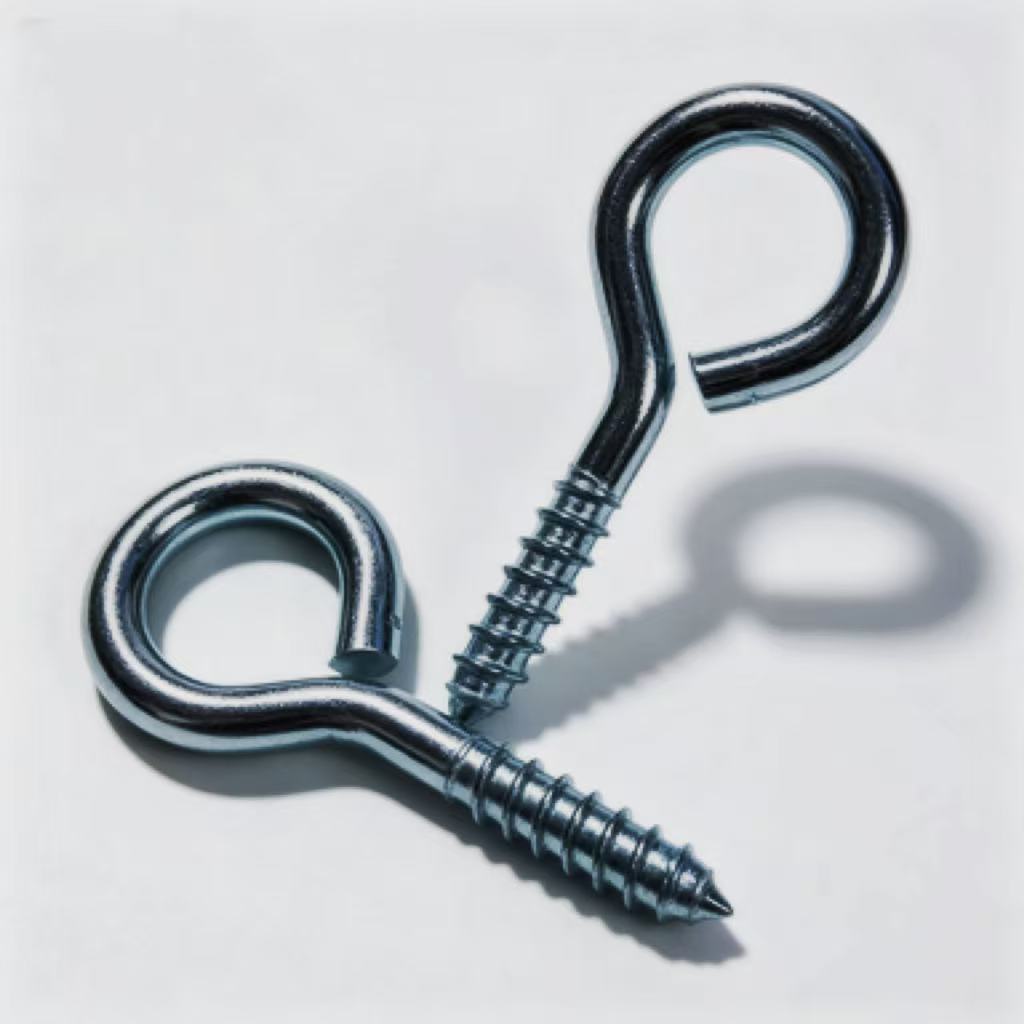
While we specialize in a wide range of standard and custom fasteners compliant with GB, DIN, JIS, ANSI, and ISO specifications, our expertise extends to unique engineered solutions. We are renowned for producing specialized products such as casing geckos and wooden teeth welded sheep’s eye screws/bolts, demonstrating our ability to handle complex, non-standard requirements alongside traditional hardware tools.
Our commitment to “quality first, customer first” is backed by substantial investment in scientific research and high-tech talent. By utilizing advanced production technology and perfect testing methods, our professional technical team ensures that every batch meets rigorous international standards. Whether you need custom specifications for quantity, quality, or unique design, our integrated model allows us to adapt quickly, providing high-quality products at competitive prices while maintaining the integrity your project demands.
Conclusion: Making the Right Choice for Your Project
Selecting the right supplier for ISO standard fasteners is a decision that impacts safety, budget, and project timelines. Factory-direct sourcing offers a compelling combination of cost efficiency, customization, and technical expertise that distributors often cannot match.
This approach is ideally suited for construction firms, manufacturing plants, and engineering contractors requiring consistent quality at scale. If your project demands strict adherence to international standards and reliable delivery schedules, partnering directly with a manufacturer is the strategic move.
Evaluate your current supply chain and consider the long-term value of a direct partnership. Request certifications, ask for samples, and initiate a dialogue with a factory-direct provider today. Securing a reliable source now ensures the structural integrity and success of your future endeavors.