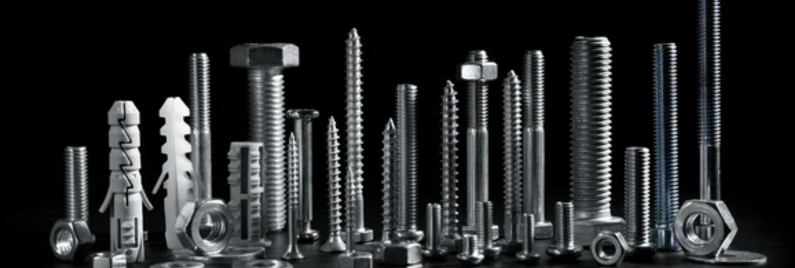
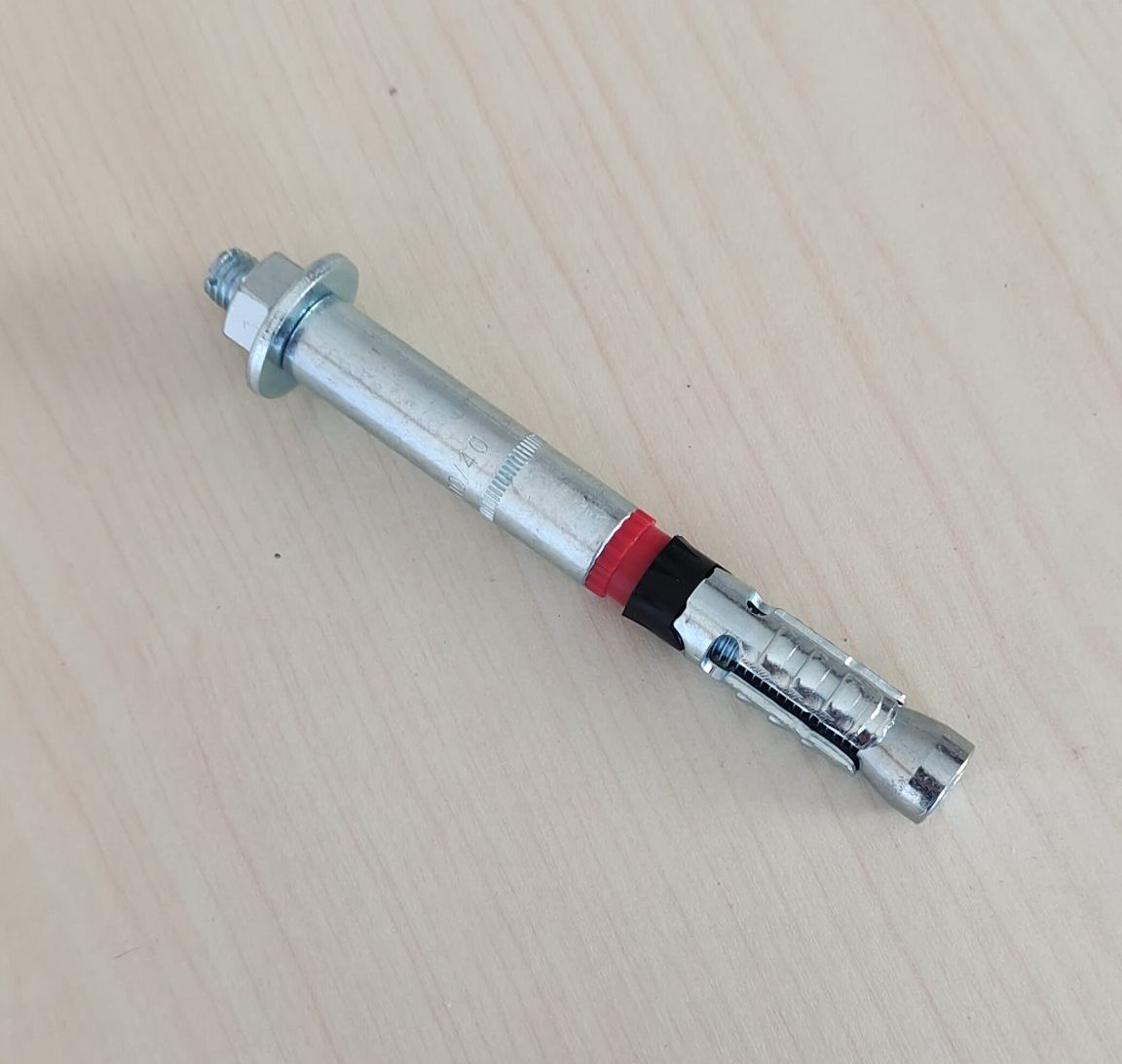
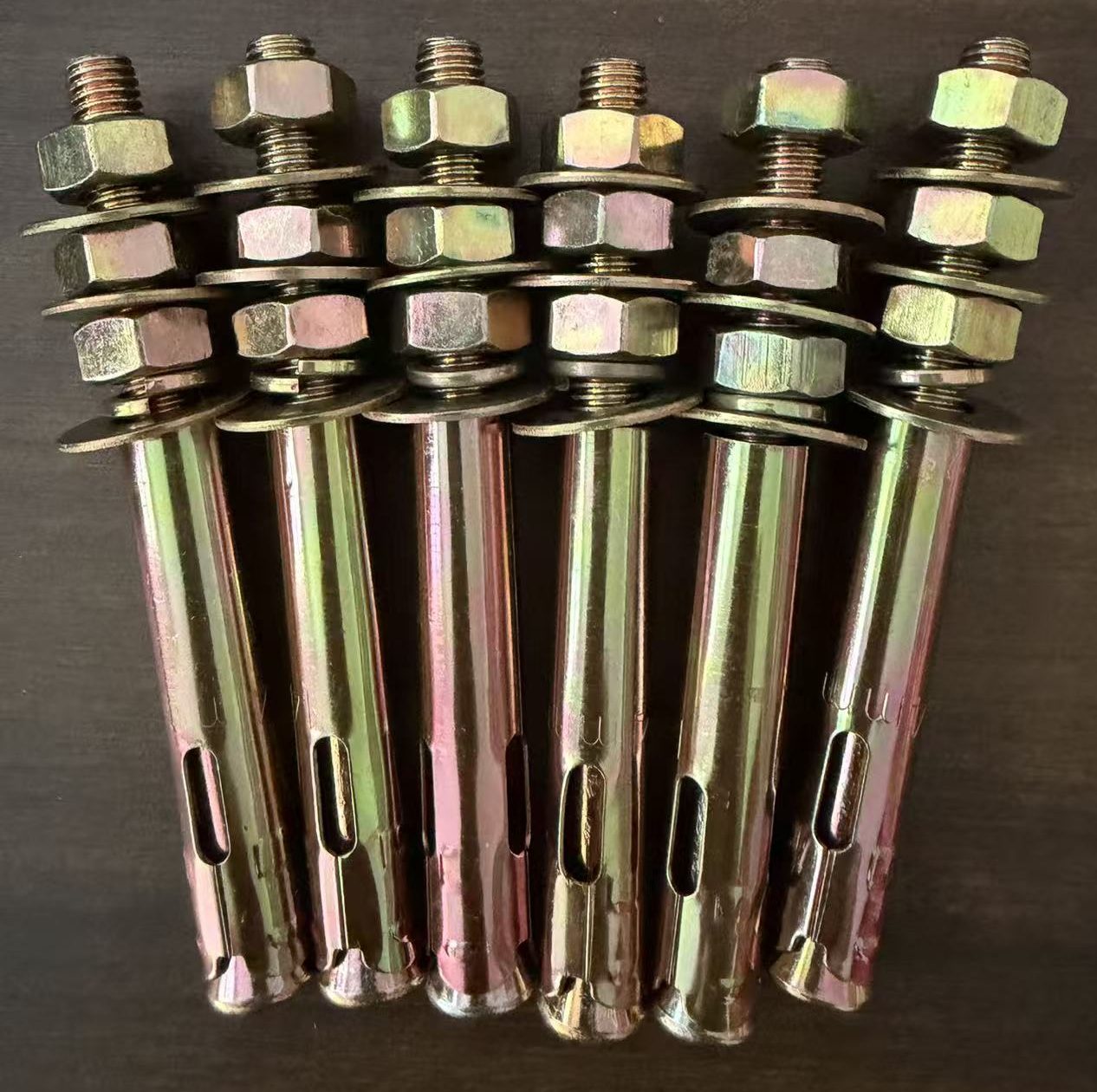
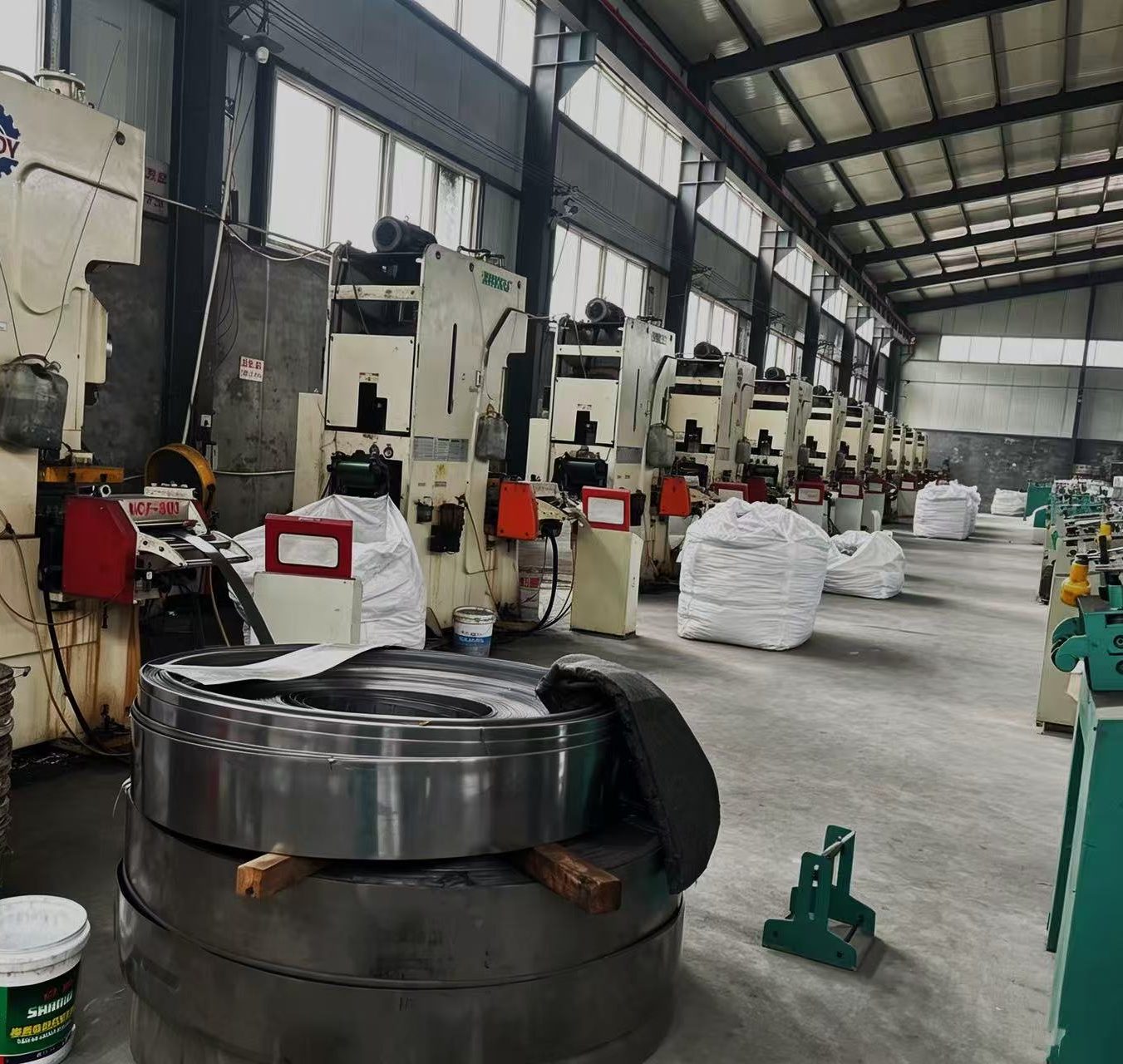
As a leading lock washers manufacturer, we deliver precision-engineered fastening solutions at the best factory prices with full OEM supply capabilities. Lock washers are critical components designed to prevent loosening of nuts and bolts under vibration and dynamic loads, ensuring structural integrity across industries. Our facility combines advanced metallurgy with rigorous quality control to produce reliable locking mechanisms that meet global standards, offering direct access to high-volume production without intermediary markups.
What Are Lock Washers and How Do They Work?
Lock washers are specialized hardware components placed between a fastener head or nut and the mating surface. Their primary function is to maintain tension in a bolted joint, preventing rotation caused by vibration, thermal expansion, or dynamic stress. Unlike flat washers that simply distribute load, lock washers employ mechanical or frictional methods to secure the connection.
The working principle relies on creating a spring force or physical barrier. When tightened, the washer deforms slightly or bites into the surfaces, generating resistance against rotational movement. This mechanism is essential in automotive, aerospace, and heavy machinery applications where failure can lead to catastrophic results.
Industry experts recognize several operating mechanisms including spring action, tooth engagement, and chemical bonding. The choice of mechanism depends on the specific environmental conditions and load requirements of the application. Understanding these principles is vital for selecting the correct component for your assembly line.
The Physics of Vibration Resistance
Vibration induces microscopic movements in threaded fasteners, gradually reducing preload tension. A properly selected lock washer counteracts this by maintaining constant axial force. This ensures the threads remain engaged even under severe shaking or impact.
Modern engineering analysis shows that static friction alone is often insufficient for high-vibration environments. Therefore, mechanical locking features such as internal teeth or split designs are employed to provide positive locking action. This physical interference prevents the nut from backing off regardless of minor surface settlements.
Our manufacturing process focuses on optimizing the material hardness and tempering to ensure the washer retains its spring properties over thousands of cycles. This balance between flexibility and strength is what defines a premium locking solution in the current market.
Comprehensive Types of Lock Washers
Selecting the right type of lock washers requires understanding the distinct advantages of each design. The market offers various configurations tailored to specific load types, material compatibility, and installation constraints. We manufacture a wide range of these variants to suit diverse industrial needs.
The most common categories include split ring, toothed, wave, and conical designs. Each type utilizes a unique method to achieve locking security. Engineers must evaluate factors such as available space, required clamp load, and potential damage to the mating surface before making a selection.
Below is a detailed comparison of the primary types available through our OEM supply chain, highlighting their specific characteristics and ideal use cases.
| Type | Mechanism | Best Application | Surface Impact |
| Split Ring (Helical) | Spring tension and edge digging | General machinery, automotive | Moderate indentation |
| Internal Tooth | Radial biting action | Electronics, small assemblies | Low visibility damage |
| External Tooth | Peripheral gripping | Large diameter bolts, sheet metal | Visible outer marks |
| Wave Washer | Axial spring load | Light loads, compensating gaps | Minimal surface marking |
| Nord-Lock Style (Wedge) | Cam faces preventing rotation | High vibration, heavy industry | No surface damage |
Split Ring Lock Washers: The Industry Standard
The split ring, also known as the helical spring washer, remains the most widely used variant globally. Its simple design features a split that creates a spring effect when compressed. This exerts continuous pressure on the nut, while the sharp edges dig slightly into the metal surfaces to inhibit rotation.
Despite debates regarding their efficacy in extreme high-vibration scenarios compared to newer technologies, they remain a staple due to cost-effectiveness and ease of installation. Our production lines optimize the carbon steel or stainless steel alloys to maximize the spring rate and fatigue life of these units.
They are particularly effective in applications where the joint experiences moderate vibration and where slight surface marking is acceptable. Proper installation torque is crucial to activate the locking mechanism effectively without over-flattening the spring.
Toothed Lock Washers for Maximum Grip
Toothed washers feature serrations on either the inner circumference, outer circumference, or both. These teeth act like saw blades, biting into the fastener head and the base material to create a rigid mechanical lock. This design offers superior resistance to loosening compared to simple spring washers.
Internal tooth lock washers are preferred when aesthetics matter, as the teeth are hidden under the bolt head. Conversely, external tooth variants provide a larger leverage arm against rotation, making them ideal for soft materials like aluminum or plastic where greater grip area is needed.
Manufacturing these requires precise stamping and heat treatment to ensure the teeth are hard enough to penetrate the surface but not so brittle that they shear off during installation. Our quality assurance protocols strictly monitor tooth geometry and hardness consistency.
Material Selection and Manufacturing Standards
The performance of any lock washer is fundamentally tied to its material composition. As a dedicated manufacturer, we utilize a spectrum of alloys ranging from standard carbon steel to exotic super-alloys, depending on the environmental demands of the end application.
Carbon steel is the default choice for general industrial use, offering an excellent balance of strength and cost. However, for corrosive environments, stainless steel grades such as 304 and 316 are essential. In highly specialized sectors like aerospace or chemical processing, materials like Inconel or Titanium may be required.
Surface treatments play an equally critical role. Platings such as zinc, nickel, or geometric coatings enhance corrosion resistance and reduce friction coefficients during tightening. Our facility adheres to international standards including ISO, DIN, and ANSI to ensure every batch meets specified mechanical properties.
Corrosion Resistance and Coating Technologies
Environmental exposure can degrade fastener integrity faster than mechanical stress. We implement advanced coating technologies to extend the service life of our lock washers. Zinc plating provides basic protection, while hot-dip galvanizing offers robust defense against harsh outdoor conditions.
For applications requiring both high corrosion resistance and precise torque control, we offer Dacromet and Geomet coatings. These non-electrolytic zinc flake coatings provide exceptional barrier protection without the risk of hydrogen embrittlement, a common issue with electroplated high-strength steels.
Our R&D team continuously evaluates new coating formulations to meet evolving environmental regulations while maintaining superior performance. This commitment ensures that our products remain reliable even in marine, chemical, or high-humidity settings.
Heat Treatment and Hardness Control
The locking capability of a washer depends heavily on its hardness relative to the fastener and the base material. If the washer is too soft, it will flatten completely and lose spring tension. If too hard, it may crack or fail to bite into the surface properly.
We employ controlled atmosphere heat treatment furnaces to achieve precise hardness levels, typically measured in Rockwell C scale. This process involves austenitizing, quenching, and tempering to refine the grain structure of the metal. Regular sampling and testing verify that every lot falls within the specified tolerance range.
This meticulous attention to metallurgical details distinguishes a premium manufacturer from generic suppliers. It ensures that the lock washers perform consistently throughout their lifecycle, providing the reliability that engineers demand for critical assemblies.
Why Choose Direct Factory Supply and OEM Services
Sourcing directly from a lock washers manufacturer eliminates middlemen, resulting in significant cost savings and shorter lead times. Our factory-direct model allows us to offer competitive pricing without compromising on quality or material integrity. This approach is particularly beneficial for large-scale projects and long-term supply contracts.
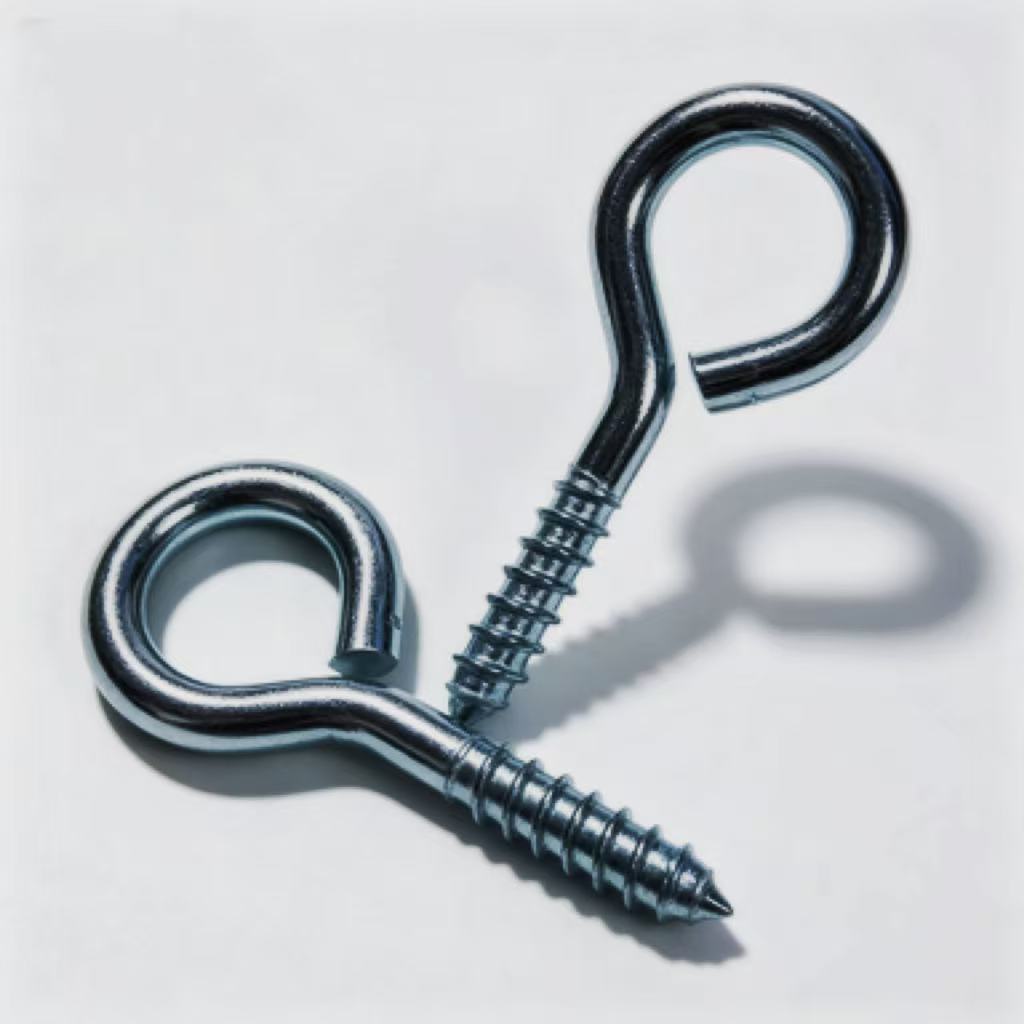
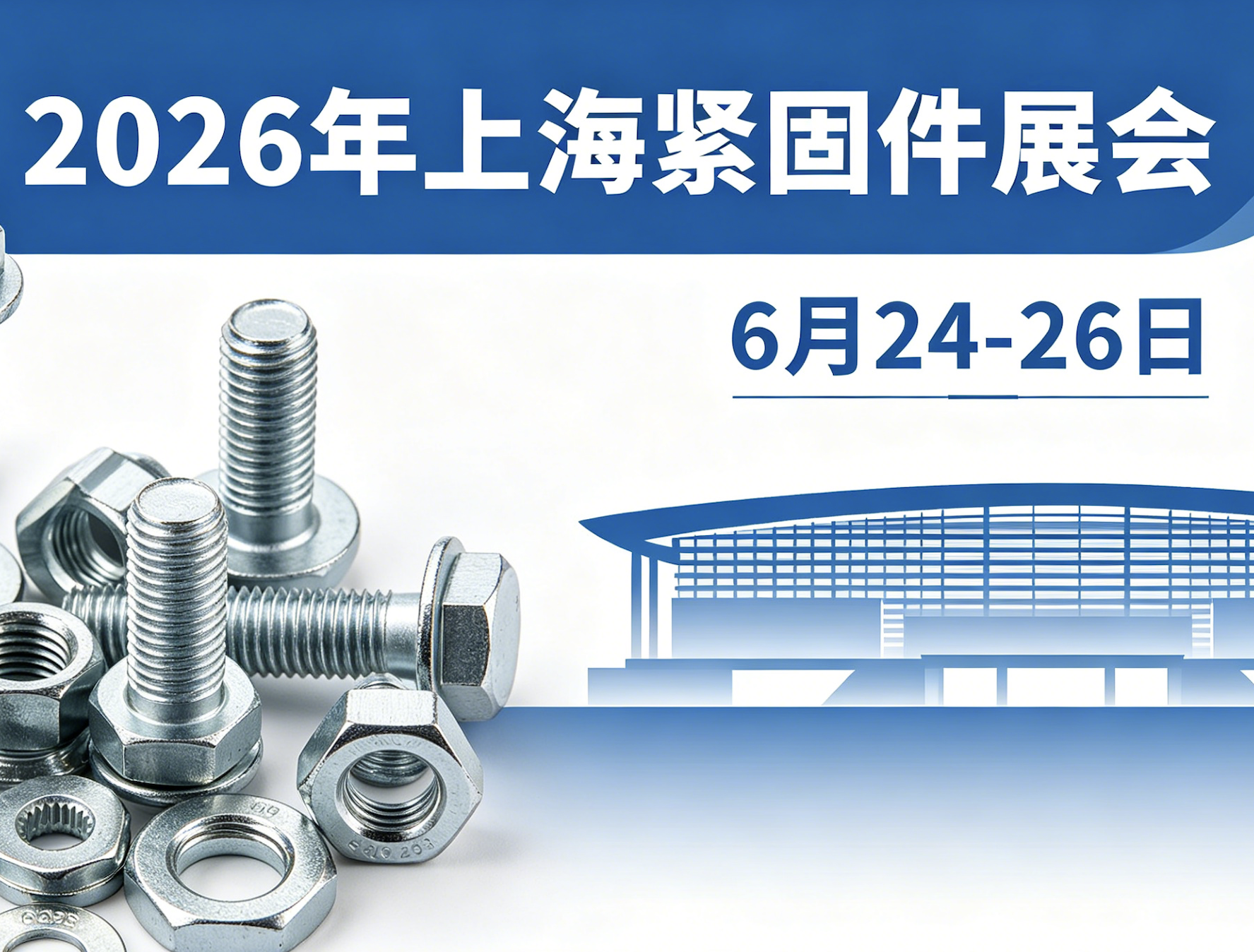
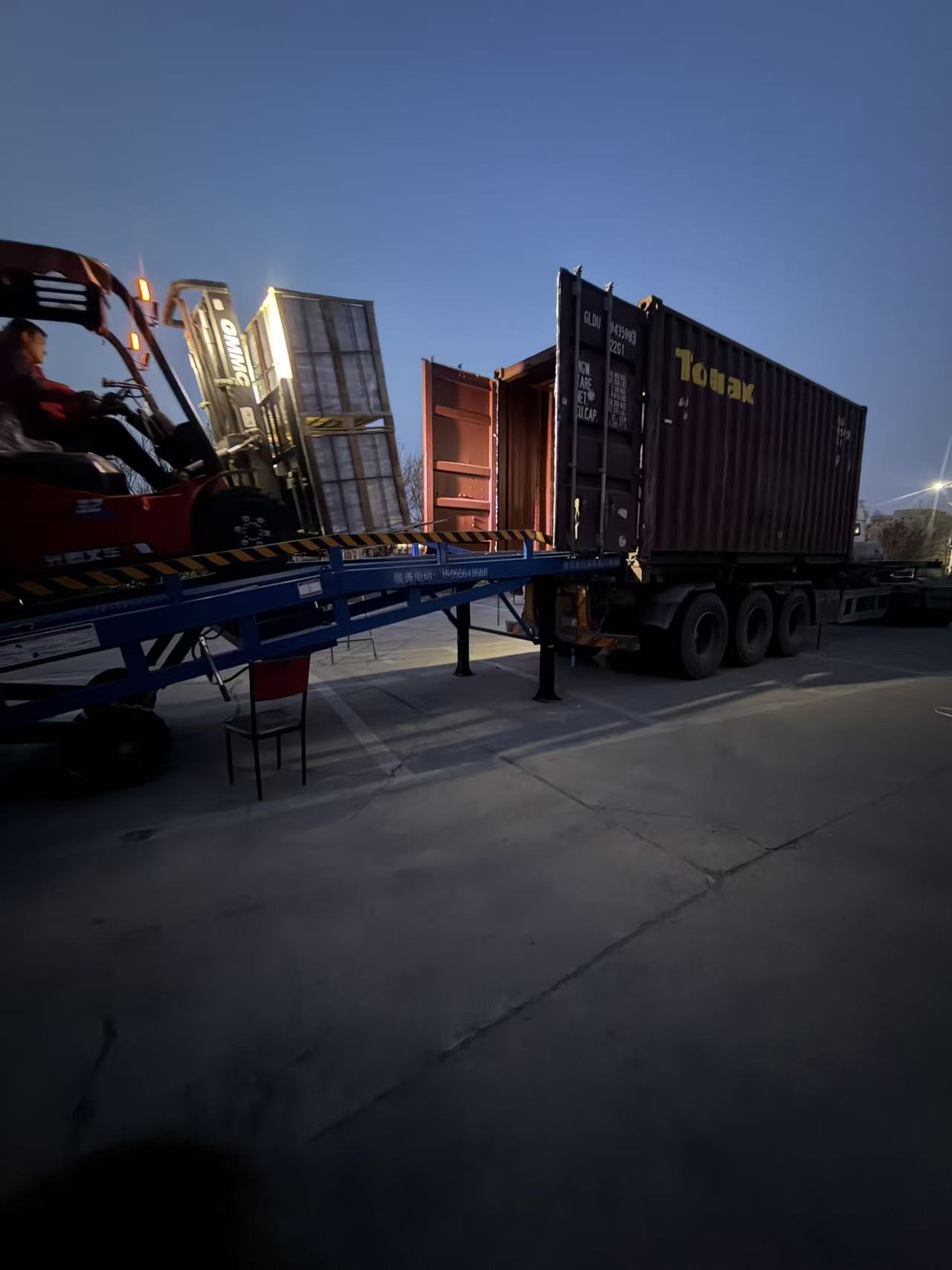
Headquartered in Handan, Hebei—China’s renowned hub for fastener manufacturing—our company operates as a integrated industry and trade entity with over a decade of specialized experience. While we are widely recognized for our expertise in producing diverse fastening solutions, including casing geckos and wooden teeth welded sheep’s eye screws, our core competency lies in the comprehensive development, manufacturing, and global distribution of high-precision hardware tools. With products exported to more than 26 countries, we have established a reputation for integrity and innovation, investing heavily in scientific research and high-tech talent to ensure our offerings meet rigorous GB, DIN, JIS, and ANSI standards.
OEM (Original Equipment Manufacturer) services enable customization to fit exact specifications. Whether you require non-standard dimensions, unique material grades, or specific packaging solutions, our flexible production lines can adapt to your needs. Supported by a professional technical team and advanced machinery, we adhere to the principle of “quality first, customer first,” ensuring that every custom order reflects our commitment to excellence and thoughtful service.
Partnering with us means gaining access to technical expertise and collaborative problem-solving. We work closely with clients during the design phase to recommend the optimal locking solution, potentially reducing assembly costs and improving product reliability.
Cost Efficiency and Scalability
By controlling the entire production process from raw material procurement to final packaging, we maintain strict cost controls. These savings are passed directly to our customers, offering the best factory price in the market. Bulk orders benefit from economies of scale, further reducing the unit cost.
Scalability is another key advantage. Our facility is equipped to handle sudden spikes in demand, ensuring that your supply chain remains uninterrupted. Advanced inventory management systems allow us to forecast material needs and maintain strategic stock levels of popular sizes and materials.
This reliability makes us a preferred partner for industries with just-in-time manufacturing requirements. You can trust that your orders will be fulfilled on schedule, keeping your production lines running smoothly and efficiently.
Customization Capabilities for Specialized Needs
Standard catalog items do not always meet the unique challenges of innovative engineering projects. Our OEM division specializes in developing bespoke lock washers tailored to specific application constraints. This includes custom outer diameters, thicknesses, and tooth patterns.
We support prototyping and small-batch production for testing purposes before scaling up to mass production. Our engineering team utilizes CAD software and simulation tools to validate designs virtually, reducing the time and cost associated with physical trials.
From specialized alloys for high-temperature environments to unique plating for medical devices, our customization capabilities are virtually limitless. This flexibility empowers innovators to push the boundaries of what is possible in mechanical fastening.
Installation Best Practices and Common Mistakes
Even the highest quality lock washers can fail if installed incorrectly. Proper installation technique is crucial to activate the locking mechanism and ensure long-term joint stability. Understanding the correct sequence and torque values is essential for every technician and engineer.
A common mistake is reusing lock washers. Once compressed, split rings and toothed washers lose a portion of their spring tension and their teeth may be worn down. Reusing them significantly compromises their locking ability and increases the risk of joint failure.
Another frequent error is incorrect torque application. Under-tightening fails to engage the locking features, while over-tightening can crush the washer or strip the threads. Using calibrated torque wrenches and following manufacturer specifications is the only way to guarantee performance.
Step-by-Step Installation Guide
To ensure optimal performance, follow these steps when installing lock washers:
- Prepare the Surface: Clean the mating surfaces of dirt, oil, and debris to ensure proper contact and friction.
- Inspect Components: Check the washer for defects and ensure it matches the fastener size and grade.
- Correct Orientation: Place the washer with the correct side facing the nut or bolt head. For toothed washers, teeth should face the softer surface or both surfaces depending on the design.
- Hand Tighten: Thread the nut by hand until it seats firmly against the washer to avoid cross-threading.
- Apply Torque: Use a calibrated torque wrench to tighten the fastener to the specified value in a star pattern if multiple bolts are used.
- Final Inspection: Verify that the washer is fully compressed and the teeth have engaged the surfaces properly.
Troubleshooting Joint Loosening Issues
If a joint continues to loosen despite using lock washers, several factors may be at play. Insufficient preload is a primary culprit, often resulting from incorrect torque settings or inaccurate torque tools. Re-evaluating the torque specification and calibration of tools is the first step.
Surface conditions also play a role. Extremely smooth or lubricated surfaces can reduce the friction necessary for some locking mechanisms to work. In such cases, switching to a more aggressive toothed design or a wedge-locking system may be necessary.
Additionally, mismatched hardness between the washer and the fastener can cause issues. If the fastener is softer than the washer, the teeth may strip the bolt head rather than locking. Ensuring compatible material grades resolves this mechanical incompatibility.
Applications Across Key Industries
The versatility of lock washers makes them indispensable across a broad spectrum of industries. From everyday consumer appliances to critical infrastructure, their role in maintaining safety and functionality cannot be overstated. Each sector has specific requirements that drive the selection of washer type and material.
In the automotive industry, engines and chassis components are subjected to intense vibration and thermal cycling. Reliable locking fasteners are mandatory to prevent component detachment and ensure passenger safety. Manufacturers rely on high-grade steel washers with specialized coatings to withstand these harsh conditions.
The construction sector utilizes heavy-duty lock washers in steel structures, bridges, and roofing systems. These applications demand resistance to weathering and the ability to maintain tension over decades. Galvanized and stainless steel options are prevalent in this field to combat corrosion.
Automotive and Transportation Sector
Vehicles operate in dynamic environments with constant engine vibration and road shocks. Lock washers are used extensively in suspension systems, engine mounts, and wheel assemblies. Failure in these areas can lead to severe accidents, making quality paramount.
Modern electric vehicles introduce new challenges with high-voltage battery packs and sensitive electronics. Here, internal tooth washers are often preferred to provide secure grounding connections without damaging delicate housing materials. The trend towards lightweight materials also drives the need for washers that compensate for different thermal expansion rates.
Our automotive-grade products undergo rigorous testing to meet OEM standards for fatigue life and corrosion resistance. We partner with major Tier 1 suppliers to deliver consistent quality that supports the safety ratings of modern vehicles.
Renewable Energy and Infrastructure
Wind turbines and solar panel mounting systems represent some of the most demanding applications for fasteners. Exposed to relentless wind loads and varying temperatures, these structures require lock washers that can maintain integrity for 20 years or more without maintenance.
Stainless steel and hot-dip galvanized washers are the standard here, providing the necessary durability against salt spray and UV exposure. The sheer scale of these projects means that even a small percentage of failure can result in massive repair costs and downtime.
We supply bulk quantities of specialized locking solutions for renewable energy projects worldwide. Our focus on long-term reliability helps infrastructure developers minimize lifecycle costs and maximize energy output efficiency.
Frequently Asked Questions (FAQ)
Addressing common queries helps clarify the selection and usage of lock washers. Below are answers to frequently asked questions based on our experience serving global clients.
Are split ring lock washers effective for high-vibration applications?
While split ring washers are widely used, recent industry studies suggest they may lose effectiveness in extremely high-vibration environments compared to toothed or wedge-locking designs. For critical high-vibration applications, we recommend upgrading to internal/external tooth washers or paired wedge systems for superior security.
Can I reuse a lock washer after removal?
No, lock washers are generally considered single-use components. Once compressed, their spring properties are permanently altered, and toothed variants suffer wear on their serrations. Reusing them compromises the locking mechanism and increases the risk of joint failure. Always replace with a new washer during reassembly.
What is the difference between internal and external tooth washers?
The primary difference lies in the location of the serrations and their impact on appearance. Internal tooth washers have teeth on the inside diameter, hiding the marks under the bolt head, which is aesthetically preferable. External tooth washers have teeth on the outside, providing a larger moment arm for better locking torque but leaving visible marks on the surface.
Do lock washers work with soft materials like plastic or aluminum?
Yes, but care must be taken. Toothed washers can bite effectively into soft materials, but excessive torque may cause the material to crush or strip. In such cases, using a larger diameter washer to distribute the load or selecting a wave washer for lower surface pressure is advisable. Consult our technical team for specific material recommendations.
How do I determine the correct size for my application?
The size of the lock washer must match the nominal diameter of the fastener (e.g., M8, 1/4″). The inner diameter should fit snugly around the bolt shank, while the outer diameter should be sufficient to bear against the mating surface. Refer to standard dimension charts or contact our sales team for custom sizing assistance.
Conclusion and Next Steps
Selecting the right lock washers is a critical decision that impacts the safety, longevity, and performance of your mechanical assemblies. By understanding the various types, materials, and installation best practices, engineers can prevent costly failures and ensure robust connections. Partnering with a dedicated lock washers manufacturer ensures access to high-quality products, competitive factory pricing, and tailored OEM solutions.
This guide is ideal for procurement managers, mechanical engineers, and maintenance professionals seeking reliable fastening components for automotive, construction, or industrial machinery. Whether you need standard split rings or custom-toothed designs, our facility in Handan is equipped to meet your specific requirements with precision and speed, backed by over ten years of global industry experience.
To secure the best factory price and discuss your OEM needs, contact our technical sales team today. Let us help you optimize your fastening strategy with proven locking solutions that deliver peace of mind and operational excellence.