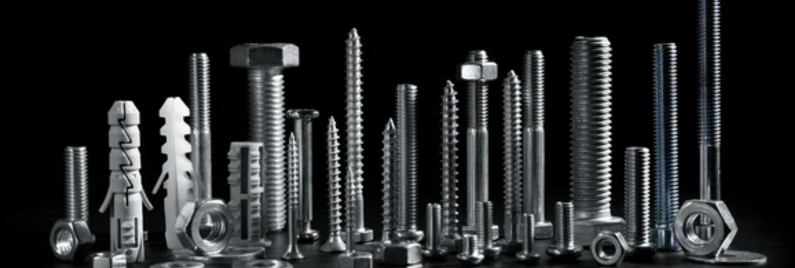
As a leading stainless steel nuts manufacturer, we provide factory-direct pricing for high-performance OEM fasteners. Our facility specializes in producing corrosion-resistant, durable nuts engineered for demanding industrial environments. By eliminating intermediaries, we ensure competitive costs without compromising on material integrity or precision threading standards required by global sectors.
What Defines a High-Quality Stainless Steel Nut?
A stainless steel nut is a specialized fastener designed to secure bolts and screws while resisting oxidation and chemical degradation. Unlike standard carbon steel variants, these components utilize iron-chromium alloys to form a passive protective layer. This intrinsic property makes them indispensable in industries where moisture, salts, or acidic compounds threaten structural integrity.
The core value lies in the alloy composition. Manufacturers manipulate ratios of chromium, nickel, and molybdenum to achieve specific performance tiers. For instance, increasing nickel content enhances ductility and low-temperature toughness. Conversely, adding molybdenum significantly boosts resistance to pitting corrosion in chloride-rich environments like marine settings.
Quality definition extends beyond material chemistry. It encompasses thread precision, surface finish, and heat treatment consistency. A superior nut maintains its clamping force under vibration and thermal cycling. Poorly manufactured units may gall during installation or strip under torque, leading to catastrophic equipment failure. Therefore, adherence to international dimensional standards is non-negotiable.
Key Material Grades in Modern Manufacturing
Understanding grade distinctions is critical for selecting the right component. The industry primarily relies on the 300 series austenitic steels and the 400 series martensitic or ferritic steels. Each offers unique trade-offs between strength, corrosion resistance, and magnetic properties.
- Grade 304 (A2): The most ubiquitous option, offering excellent general corrosion resistance and formability. It suits most architectural and food processing applications.
- Grade 316 (A4): Enhanced with molybdenum for superior resistance to chlorides. This is the standard for marine hardware and chemical processing plants.
- Grade 321: Stabilized with titanium to prevent carbide precipitation during welding, ideal for high-temperature exhaust systems.
- Grade 410: A martensitic steel that can be heat-treated for higher strength, though with reduced corrosion resistance compared to austenitic grades.
Selecting the incorrect grade often leads to premature failure. While Grade 304 is cost-effective, it may succumb to pitting in coastal regions where Grade 316 is mandatory. Our manufacturing process ensures strict segregation of materials to prevent cross-contamination, guaranteeing the specified alloy properties in every batch.
Why Choose Factory-Direct OEM Manufacturing?
Sourcing directly from a stainless steel nuts manufacturer eliminates supply chain inefficiencies that inflate costs and delay projects. Traditional distribution models involve multiple markups from brokers, warehousing fees, and extended lead times. Factory-direct engagement streamlines this flow, passing savings directly to the buyer while enhancing communication clarity.
OEM (Original Equipment Manufacturer) partnerships allow for deep customization. Off-the-shelf inventory rarely meets the nuanced requirements of specialized machinery. Direct manufacturers can adjust thread pitches, modify hex dimensions, or apply unique surface treatments to match specific engineering drawings. This flexibility is vital for companies developing proprietary equipment.
Furthermore, direct oversight ensures rigorous quality control. When production occurs in-house, every stage from raw material verification to final packaging is monitored. There is no ambiguity regarding the origin of the steel or the calibration of the threading machines. This transparency builds the trust necessary for long-term industrial collaborations.
Cost Efficiency Without Compromising Quality
Factory-direct pricing does not imply lower quality; rather, it reflects the removal of redundant logistical layers. By optimizing production schedules and reducing inventory holding costs, manufacturers can offer competitive rates. Bulk ordering further leverages economies of scale, reducing the unit price significantly for large-scale infrastructure projects.
Custom tooling investments are another area where direct partnership shines. For high-volume runs, dedicated dies and molds can be created to maximize throughput speed. These upfront costs are amortized over the production volume, resulting in a lower per-unit expense compared to generic machining methods used for small batches.
Transparent costing structures allow buyers to understand exactly what they are paying for. There are no hidden fees for “premium branding” or unnecessary middleman commissions. The invoice reflects material costs, labor, machining time, and finishing processes, providing a clear view of value allocation.
Comprehensive Guide to Stainless Steel Nut Types
The geometry of a nut dictates its application suitability. While the material provides corrosion resistance, the shape determines load distribution, installation speed, and locking capability. Our facility produces a vast array of configurations to meet diverse mechanical needs across automotive, aerospace, and construction sectors.
Standard hex nuts remain the workhorse of the industry, offering a balance of torque application ease and space efficiency. However, specialized environments demand more sophisticated designs. Flange nuts integrate a bearing surface to distribute load over a wider area, eliminating the need for separate washers. This reduces assembly time and part count.
Locking mechanisms are essential in dynamic environments subject to vibration. Nylon insert nuts provide a reliable friction lock for moderate temperatures. For higher thermal exposure, all-metal prevailing torque nuts or deformed thread designs offer secure retention without polymer degradation. Understanding these variations prevents maintenance issues down the line.
Detailed Comparison of Common Nut Configurations
Choosing the correct style requires analyzing the specific stresses the joint will face. The following table outlines the primary characteristics of popular stainless steel nut types to aid in selection.
| Nut Type | Primary Function | Ideal Application | Temperature Limit |
| Hex Nut | General fastening | Structural frameworks, machinery | High (Material dependent) |
| Nylock Nut | Vibration resistance | Automotive, vibrating equipment | Moderate (~120°C) |
| Flange Nut | Load distribution | Sheet metal, plastic assemblies | High |
| Cap Nut | Protection & aesthetics | Furniture, exposed threads | Moderate |
| Weld Nut | Permanent attachment | Tubing, sheet fabrication | Very High |
This comparison highlights that no single design fits all scenarios. For instance, while Nylock nuts excel in preventing loosening, their nylon inserts fail in high-heat engine compartments. In such cases, an all-metal lock nut or a prevailing torque hex nut becomes the necessary alternative. Our engineering team assists clients in mapping these requirements to the optimal product specification.
Precision Manufacturing Processes and Quality Control
Producing high-grade stainless steel nuts involves a sequence of precise metallurgical and mechanical operations. The journey begins with cold heading, where wire rods are cut and formed into rough shapes at room temperature. This process work-hardens the material, initially increasing its strength before subsequent annealing restores ductility for threading.
Threading is typically achieved through rolling rather than cutting. Thread rolling displaces material to form the helix, preserving the grain structure and enhancing fatigue resistance. Cut threads, conversely, sever the grain lines, creating potential weak points prone to cracking under cyclic loading. Our facility exclusively utilizes precision rolling dies for superior longevity.
Heat treatment follows forming to relieve internal stresses and achieve target hardness levels. For martensitic grades, this involves quenching and tempering cycles. Austenitic grades generally undergo solution annealing to dissolve carbides and restore corrosion resistance. Strict temperature monitoring ensures uniformity across every batch, preventing brittle fractures or soft spots.
Advanced Surface Treatments and Finishing
Surface finish plays a dual role in aesthetics and performance. Passivation is a critical chemical process that removes free iron from the surface, maximizing the chromium oxide layer’s effectiveness. This step is mandatory for ensuring the stated corrosion resistance of the alloy, particularly after machining operations that may embed carbon steel particles.
Electropolishing offers an additional level of refinement. By removing microscopic peaks from the surface, this electrochemical process reduces friction coefficients and improves cleanability. It is highly valued in pharmaceutical and food processing industries where bacterial growth on rough surfaces is a concern. The resulting mirror-like finish also aids in visual inspection for defects.
For specific applications, additional coatings may be applied. While stainless steel is inherently resistant, PTFE coatings can further reduce galling risks in tight-tolerance assemblies. Galvanic compatibility must always be considered when applying dissimilar coatings to avoid accelerating corrosion at the interface. Our technical team evaluates these factors before recommending any supplementary treatment.
Critical Applications Across Industries
The versatility of stainless steel nuts enables their deployment in virtually every major industry. Their ability to withstand harsh conditions makes them the default choice for safety-critical systems where failure is not an option. From deep-sea exploration rigs to sterile surgical suites, these fasteners maintain structural cohesion.
In the marine sector, resistance to saltwater corrosion is paramount. Grade 316 nuts secure hull fittings, deck hardware, and propulsion systems. Without this specific alloy composition, rapid pitting would compromise vessel safety within months. Similarly, offshore oil platforms rely on these components to endure constant exposure to saline mist and aggressive chemicals.
The food and beverage industry demands materials that do not react with acidic products or harbor bacteria. Stainless steel nuts used in processing conveyors, mixing tanks, and packaging machines meet stringent hygiene regulations. Their smooth surfaces allow for easy cleaning with caustic detergents without degrading the fastener itself.
Role in Infrastructure and Construction
Modern architecture increasingly utilizes stainless steel for both structural and aesthetic purposes. Bridge expansions, stadium roofs, and façade cladding systems depend on the long-term durability of these fasteners. Unlike coated carbon steel, which requires periodic repainting, stainless steel maintains its integrity for decades with minimal maintenance.
Chemical processing plants present some of the most corrosive environments on earth. Acids, alkalis, and solvents attack standard metals rapidly. Here, high-alloy stainless nuts, sometimes even super-austenitic grades, protect piping flanges and reactor vessels. The cost of premium fasteners is negligible compared to the expense of unplanned shutdowns caused by leaks.
Railway and transportation sectors benefit from the vibration resistance and strength of these components. High-speed trains and heavy freight locomotives generate immense dynamic forces. Specialized locking nuts ensure that wheel assemblies and bogie frames remain securely fastened throughout millions of miles of operation, safeguarding passenger lives.
Common Challenges: Galling and Corrosion
Despite their robustness, stainless steel fasteners face specific challenges, notably galling. Also known as cold welding, galling occurs when two similar metal surfaces slide against each other under pressure, causing material transfer and seizure. This phenomenon is prevalent in austenitic stainless steels due to their work-hardening nature.
To mitigate galling, proper installation techniques are essential. Applying anti-seize lubricants containing nickel or copper creates a barrier between mating threads. Controlling tightening speed also helps; slower rotation reduces heat generation, which is a primary catalyst for galling. Our engineering guidelines emphasize these best practices to ensure smooth assembly.
Corrosion, while rare in stainless steel, can occur if the passive layer is compromised. Crevice corrosion happens in tight gaps where oxygen depletion prevents layer regeneration. Stress corrosion cracking arises from the combination of tensile stress and corrosive environments. Selecting the appropriate grade and designing joints to avoid stagnant fluid pockets are effective preventive measures.
Mitigation Strategies for Long-Term Reliability
Preventive maintenance starts with correct selection. Using a higher grade than minimally required often provides a safety margin against unexpected environmental changes. For example, upgrading from 304 to 316 in borderline coastal areas can extend service life exponentially. Our consultation services help clients assess risk factors accurately.
Regular inspection protocols detect early signs of distress. Visual checks for discoloration, pitting, or thread deformation allow for timely replacement before catastrophic failure. Non-destructive testing methods like dye penetrant inspection can reveal subsurface cracks in critical load-bearing applications.
Education of installation personnel is equally vital. Over-torquing is a common error that strips threads or induces excessive stress, predisposing the nut to cracking. Providing torque charts and calibrated tools ensures that fasteners are tightened to their optimal preload, maximizing joint integrity and lifespan.
Frequently Asked Questions (FAQ)
Addressing common inquiries helps clarify misconceptions and guides purchasing decisions. Below are expert answers to frequent questions regarding our stainless steel nuts and manufacturing capabilities.
What is the difference between A2 and A4 stainless steel nuts?
A2 corresponds to Grade 304, offering excellent general corrosion resistance suitable for most indoor and mild outdoor environments. A4 corresponds to Grade 316, which includes molybdenum for superior resistance to chlorides and acids. A4 is the mandatory choice for marine, coastal, and chemical processing applications where salt exposure is significant.
Can stainless steel nuts be reused?
Yes, stainless steel nuts can generally be reused if they show no signs of thread damage, stripping, or corrosion. However, locking nuts with nylon inserts (Nylock) are typically single-use because the friction element degrades after removal. All-metal locking nuts may be reused limited times provided their prevailing torque remains within specification.
Do you offer custom sizes and threads?
Absolutely. As a dedicated OEM manufacturer, we specialize in producing non-standard sizes, fine pitch threads, and unique geometries based on client drawings. Whether you require metric, imperial, or specialized aerospace thread forms, our engineering team can configure production lines to meet your exact specifications.
How do you prevent galling during installation?
We recommend using anti-seize lubricants specifically formulated for stainless steel. Additionally, avoiding high-speed power tools during final tightening reduces heat buildup. For critical applications, we can supply nuts with specialized surface treatments or coatings designed to lower the coefficient of friction and prevent seizing.
What certifications do your products carry?
Our manufacturing facility adheres to strict international quality standards. We provide material test reports (MTRs) tracing the chemical composition and mechanical properties of every batch. Depending on the industry requirement, we can comply with ISO, ASTM, DIN, and specific sector certifications for aerospace or nuclear applications.
How to Select the Right Manufacturer for Your Needs
Identifying a reliable partner goes beyond comparing unit prices. Evaluate the manufacturer’s technical capability, quality assurance protocols, and responsiveness to engineering challenges. A true partner acts as an extension of your team, offering solutions rather than just selling commodities.
Look for facilities with in-house testing laboratories. The ability to perform spectral analysis, hardness testing, and salt spray trials on-site indicates a commitment to quality. Ask for case studies or references from similar industries to verify their track record in handling complex requirements.
Communication is key in OEM relationships. Ensure the manufacturer has a dedicated engineering support team capable of interpreting technical drawings and suggesting optimizations. Delays in clarification can stall entire production lines, so responsive and knowledgeable support is a critical asset.
Steps to Initiate Your Custom Order
Starting a project with a factory-direct manufacturer is a streamlined process designed to move from concept to delivery efficiently. Following these steps ensures your specifications are met precisely.
- Submit Requirements: Provide detailed drawings, material grades, quantity estimates, and intended application environment.
- Engineering Review: Our technical team analyzes the design for manufacturability and suggests any necessary adjustments for optimal performance.
- Quotation & Sampling: Receive a transparent cost breakdown and request prototype samples for validation before full-scale production.
- Production & QC: Upon approval, manufacturing begins with regular quality checkpoints and interim reporting.
- Delivery & Support: Finished goods are shipped with full documentation, backed by ongoing technical support for future needs.
About Our Company: A Global Partner in Fasteners
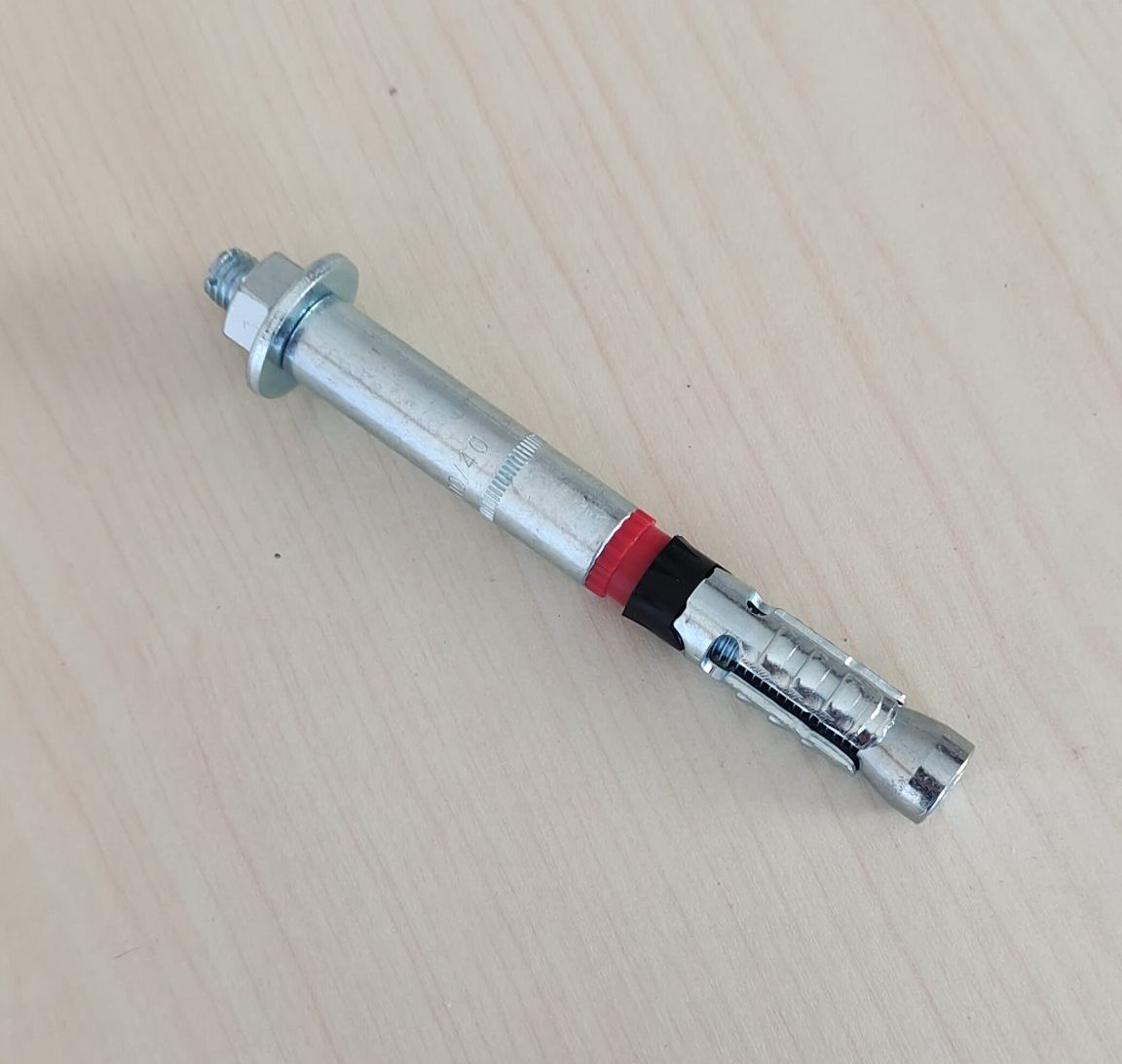
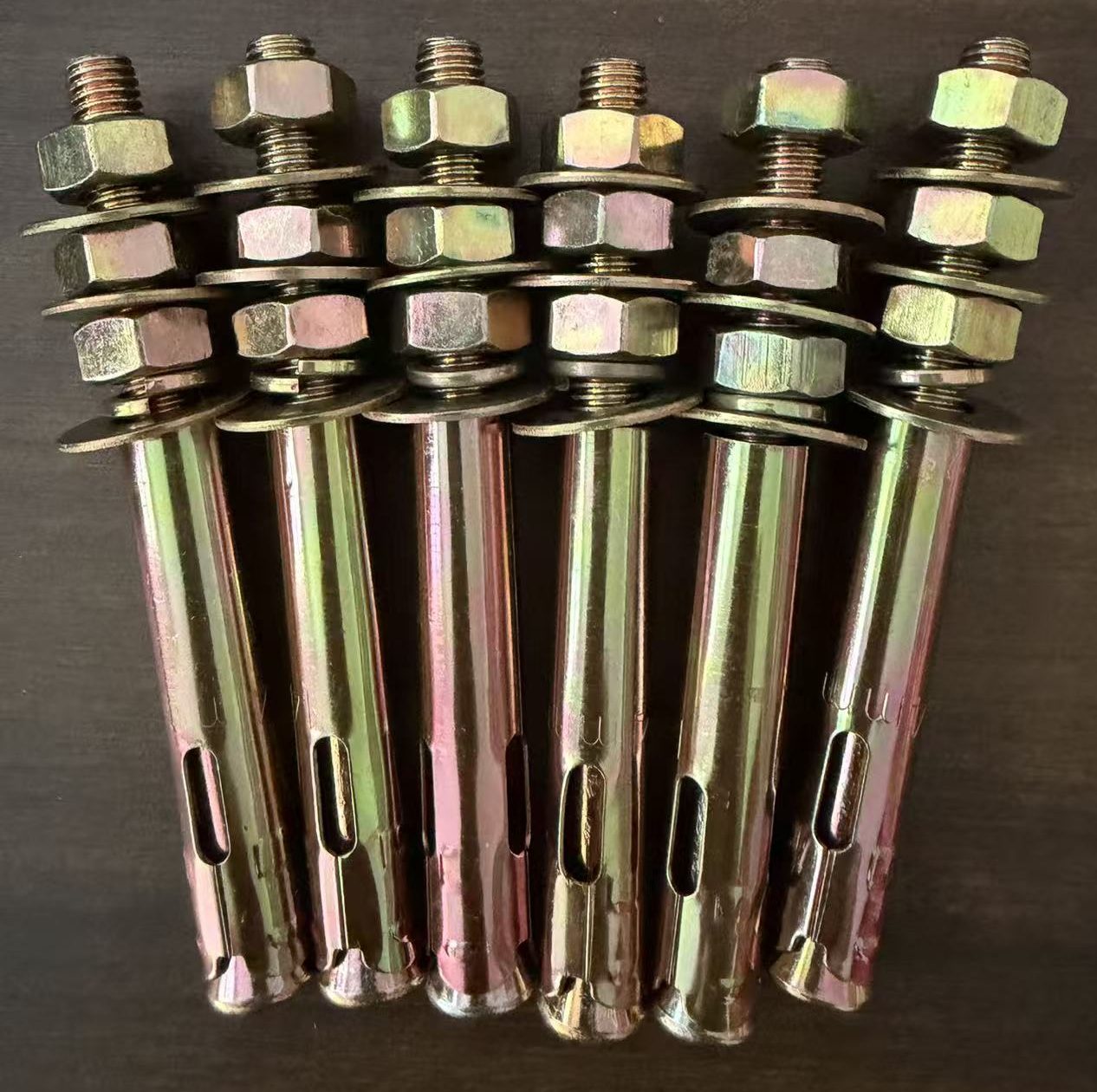
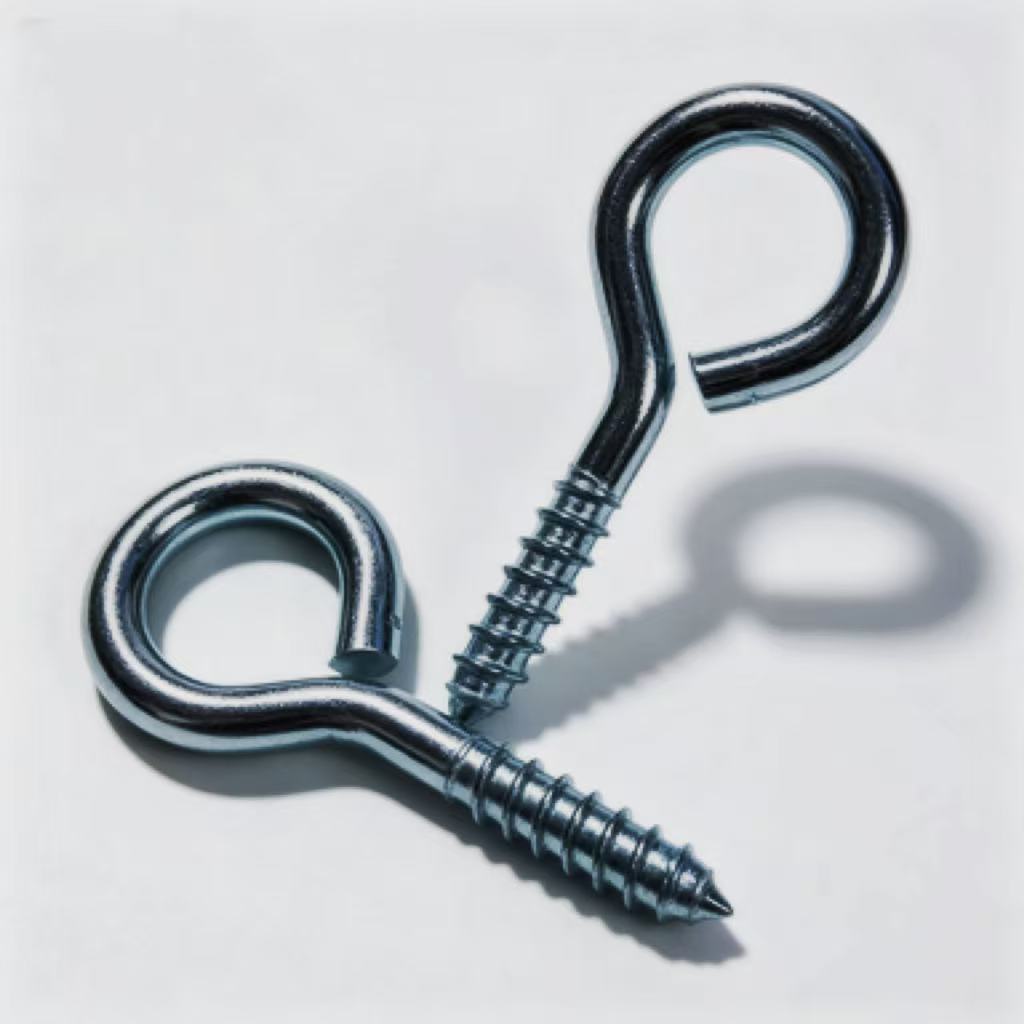
While our expertise spans a wide range of fastening solutions, our foundation is built on over a decade of experience in the heart of China’s fastener industry. Located in Handan, Hebei—a city renowned for its manufacturing prowess—our company operates as a global industry and trade integration entity. Although we are widely recognized for specialized products like casing geckos and wooden teeth welded sheep’s eye screws, our core competency lies in the comprehensive development, manufacturing, and servicing of high-quality fasteners and hardware tools.
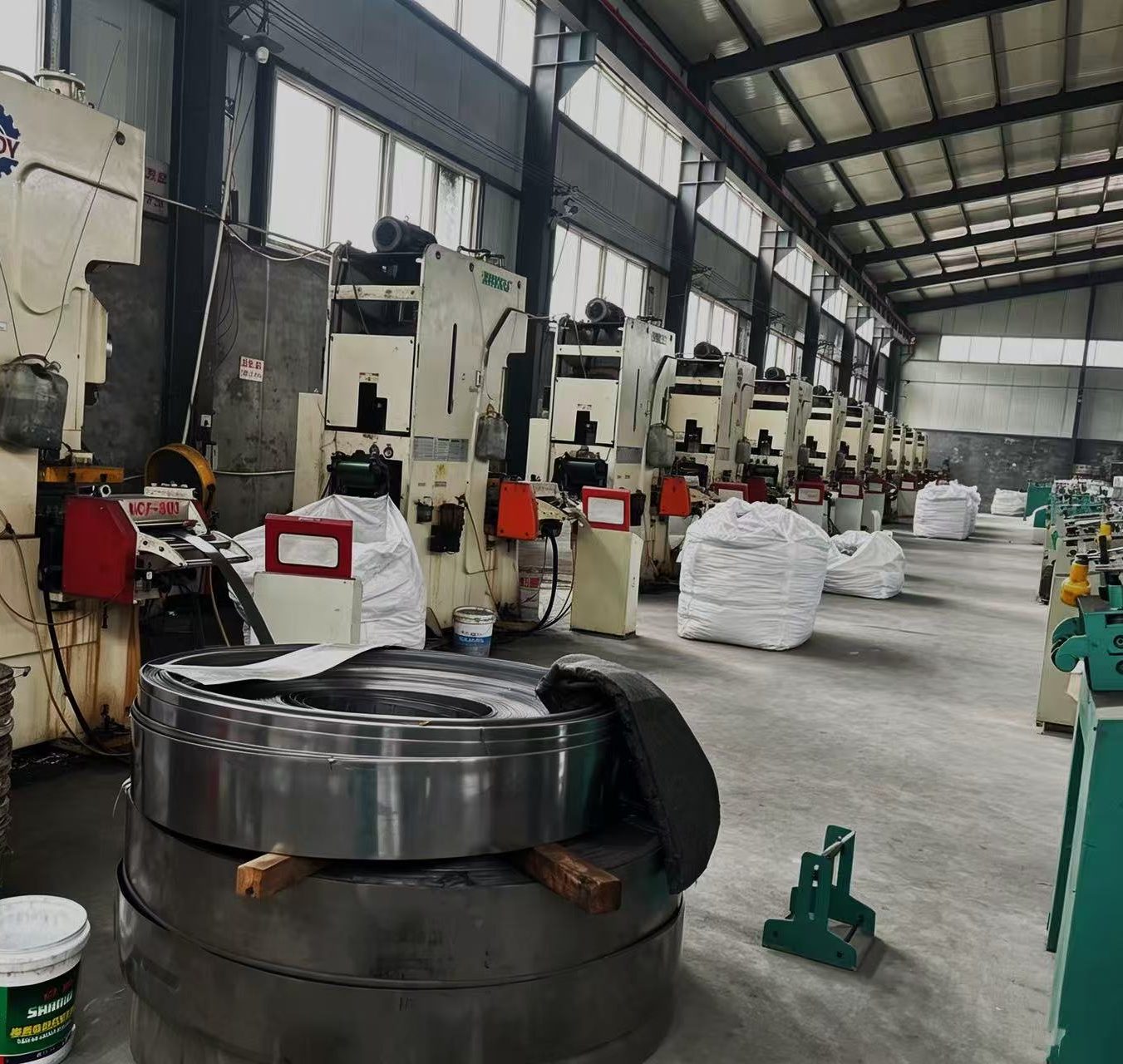
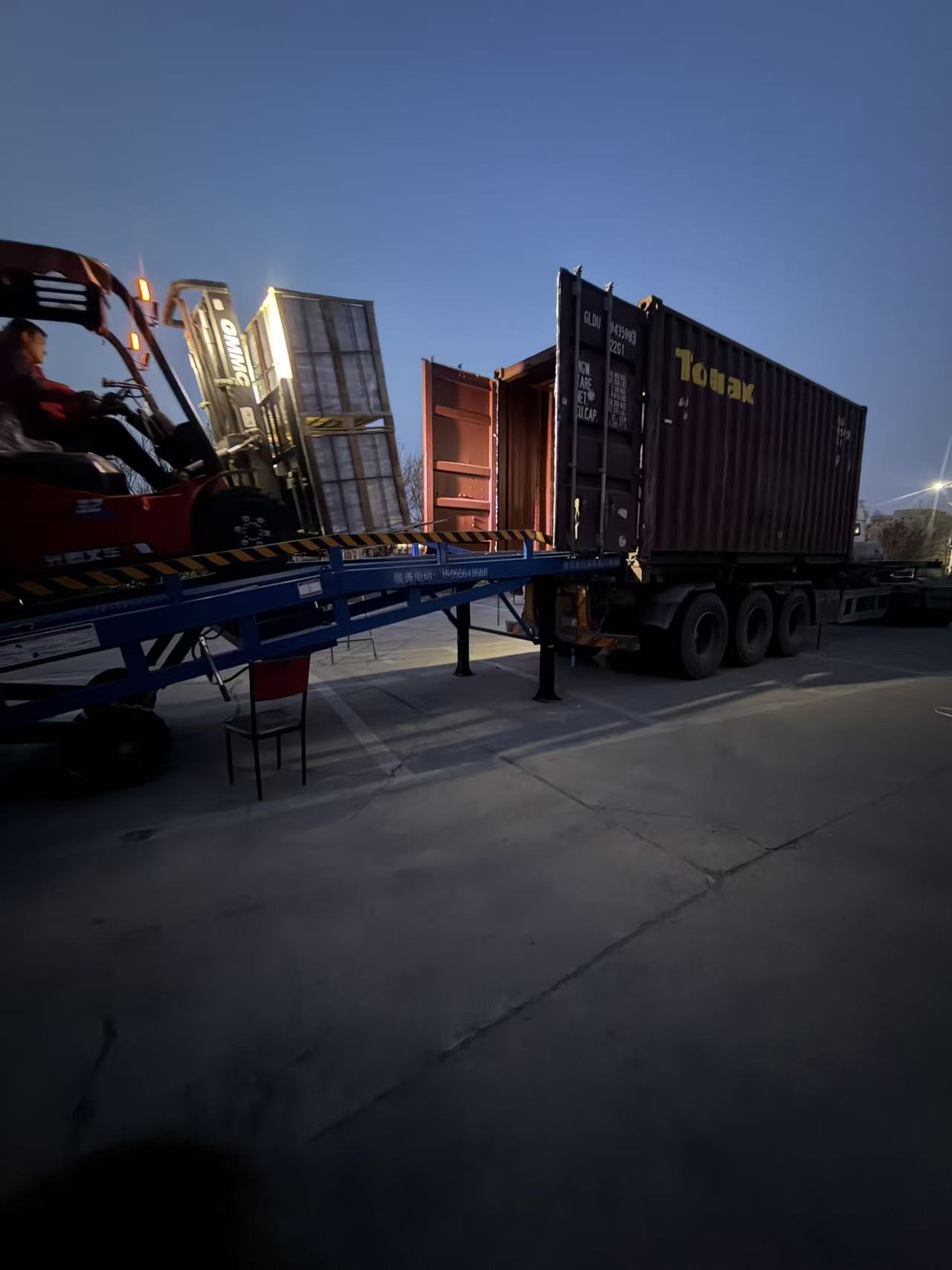
With products exported to more than 26 countries, we have established a reputation for integrity and innovation. We adhere strictly to a “quality first, customer first” philosophy, continuously investing in scientific research and introducing high-tech talent to our professional technical team. By utilizing advanced production technology and perfect testing methods, we ensure that every product, whether a standard stainless steel nut or a custom-engineered bolt, meets rigorous international standards including GB, DIN, JIS, and ANSI.
Our commitment extends beyond mere production; we strive to be a strategic partner. Whether you require custom specifications, unique quantities, or specialized quality controls, our advanced machinery and dedicated team are ready to deliver. Maintaining our reputation and meeting the evolving needs of our global customers remains our ultimate goal.
Conclusion: Securing Your Supply Chain with Quality
In conclusion, selecting the right stainless steel nuts is a strategic decision impacting the longevity and safety of your projects. Partnering with a direct manufacturer ensures access to premium materials, precise engineering, and cost-effective pricing structures. The elimination of intermediaries guarantees that your specific requirements are understood and executed without dilution.
This solution is ideal for OEMs, construction firms, marine engineers, and industrial plant managers who demand reliability. Whether you require standard bulk inventory or highly customized fasteners for specialized machinery, factory-direct engagement offers the flexibility and assurance needed for success.
To optimize your next project, evaluate your current supply chain for inefficiencies. Consider initiating a dialogue with a specialized manufacturer to discuss your specific grading needs and volume requirements. Taking this step today secures a foundation of quality and value for all your future fastening applications.