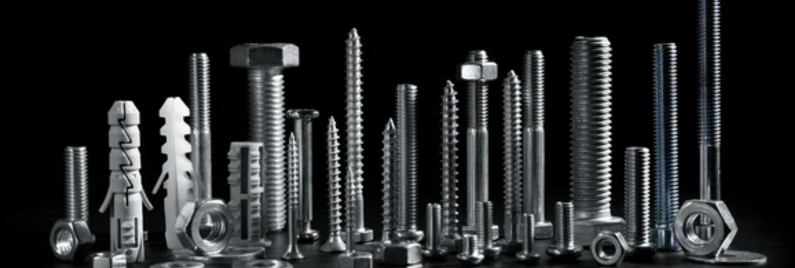
Looking for a reliable wood screws supplier in 2026? Factory-direct sourcing with OEM capabilities ensures superior quality, cost efficiency, and customized solutions for global buyers. This guide details how to identify top-tier manufacturers, understand technical specifications, and secure supply chains that meet rigorous international standards without intermediary markups.
What Defines a Top Wood Screws Supplier in 2026?
The landscape of fastener manufacturing has evolved significantly. A leading wood screws supplier today is defined not just by production volume, but by technological integration and material science expertise. In 2026, the industry standard demands suppliers who offer full traceability, advanced corrosion resistance, and flexible OEM services.
Buyers increasingly prioritize partners who can adapt to fluctuating raw material costs while maintaining strict tolerance levels. The shift towards sustainable manufacturing processes also plays a critical role. A true factory-direct partner eliminates middlemen, providing transparent pricing and direct communication channels for engineering support.
Key indicators of a premium supplier include ISO certifications, in-house testing laboratories, and the ability to handle complex custom head styles or drive types. These factors ensure that every batch of wood screws performs consistently across diverse applications, from residential framing to heavy-duty outdoor decking.
The Shift Towards Factory-Direct Sourcing Models
Traditional distribution networks often add layers of cost and delay. By engaging directly with the manufacturer, businesses gain control over lead times and quality assurance protocols. This model allows for real-time adjustments to production schedules based on market demand.
Factory-direct relationships facilitate deeper collaboration on product development. Engineers can work side-by-side with production teams to refine thread patterns or coating technologies. This proximity reduces the risk of miscommunication and ensures that the final product aligns perfectly with project requirements.
Furthermore, direct sourcing provides better visibility into the supply chain. Buyers can verify raw material origins and manufacturing conditions, ensuring compliance with ethical labor practices and environmental regulations. This transparency builds long-term trust between the supplier and the client.
Technical Specifications of High-Performance Wood Screws
Understanding the technical nuances of wood screws is essential for selecting the right fastener for specific applications. Performance depends on a combination of geometry, material composition, and surface treatment. Each element contributes to holding power, driving torque, and durability.
Modern manufacturing utilizes cold heading and thread rolling techniques to enhance grain structure integrity. This process increases tensile strength and reduces the likelihood of breakage during installation. Precision engineering ensures consistent thread pitch and depth, which is vital for automated driving systems.
Surface coatings have also advanced beyond simple galvanization. New polymer-based and ceramic-infused treatments offer extended protection against harsh environments. These innovations allow wood screws to withstand saltwater exposure, chemical preservatives in treated lumber, and extreme temperature fluctuations.
Material Grades and Metallurgy
The choice of steel grade determines the fundamental strength and flexibility of the screw. Carbon steel remains the most common choice for indoor applications due to its excellent balance of hardness and ductility. However, outdoor and marine environments require higher alloy content.
- Low Carbon Steel (C1008-C1022): Ideal for general interior woodworking where corrosion is not a primary concern. Offers good formability for complex head shapes.
- Medium Carbon Steel: Provides increased tensile strength for structural applications requiring higher load-bearing capacity.
- Stainless Steel (304/316): Essential for coastal areas or pressure-treated wood. Grade 316 offers superior resistance to chlorides and acidic compounds.
- Hardened Alloy Steel: Used for specialized applications demanding extreme drive torque resistance and minimal cam-out.
Selecting the appropriate material prevents premature failure. Using non-corrosive metals in aggressive environments avoids rust staining and structural degradation over time. Industry experts recommend matching the screw material to the expected lifespan of the wooden structure.
Thread Geometry and Drive Systems
Thread design directly influences withdrawal resistance and splitting prevention. Aggressive threads with wide spacing are designed for softwoods, allowing rapid penetration and chip clearance. Fine threads are better suited for hardwoods, providing more engagement points per inch.
The drive system is equally critical for installation efficiency. Traditional Phillips drives are prone to cam-out under high torque. Modern alternatives like Torx, Square, and proprietary multi-lobe designs transfer torque more effectively, reducing driver bit wear and installer fatigue.
Self-drilling tips eliminate the need for pre-drilling in many scenarios. These points act as miniature drills, cutting through wood fibers cleanly. Some advanced designs incorporate serrated threads under the head to counter-sink the screw flush without tearing the wood surface.
OEM Capabilities: Customization for Specific Projects
Original Equipment Manufacturer (OEM) services allow buyers to tailor wood screws to unique project needs. This goes beyond simple length variations; it encompasses comprehensive design modifications. Customization ensures optimal performance for niche applications where off-the-shelf solutions fall short.
A capable OEM partner engages in collaborative engineering. They analyze the specific wood species, environmental conditions, and assembly methods to propose the ideal fastener configuration. This proactive approach minimizes trial-and-error costs and accelerates time-to-market for new products.
From branding to packaging, OEM services cover every aspect of the product lifecycle. Private labeling enables companies to build their brand identity while leveraging the manufacturing prowess of established factories. Custom packaging solutions protect the product during transit and enhance shelf appeal.
Custom Head Styles and Coatings
Head geometry affects both aesthetics and functionality. While pan heads and flat heads are standard, specialized projects may require bugle heads for drywall compatibility or washer heads for increased bearing surface. OEM suppliers can produce virtually any profile based on CAD drawings.
Coating customization is another vital area. Beyond standard zinc plating, suppliers can apply color-matched epoxy coatings to blend with stained wood. Functional coatings include lubricants to reduce driving torque or sealants to waterproof the entry point automatically.
- Color Matching: Powder coat or paint finishes matched to specific RAL codes for invisible integration.
- Corrosion Barriers: Multi-layer systems combining galvanization with organic topcoats for decades of protection.
- Lubrication: Wax or polymer coatings that ease insertion into dense hardwoods or engineered lumber.
- Branding: Laser etching or head stamping with company logos for authentication and marketing.
These customizations add value by solving specific pain points. For instance, a deck builder might require a screw with a specific head color to match composite decking boards, eliminating the need for post-installation painting or covering.
Packaging and Logistics Optimization
Efficient packaging reduces waste and lowers shipping costs. OEM suppliers offer various options, from bulk boxes for large construction sites to retail-ready blister packs for hardware stores. Smart packaging designs optimize pallet density, maximizing container utilization.
Labeling compliance is crucial for international trade. Professional suppliers ensure all packaging meets the destination country’s regulations regarding safety warnings, material composition, and origin marking. This reduces the risk of customs delays or rejection at the port of entry.
Just-in-time delivery models are increasingly popular. By coordinating production schedules with the buyer’s inventory levels, suppliers can ship smaller batches more frequently. This reduces warehousing costs for the buyer and ensures a fresh supply of fasteners with optimal coating integrity.
Quality Assurance and Testing Protocols
Trustworthiness in the fastener industry hinges on rigorous quality control. A top-tier wood screws supplier implements multi-stage inspection processes. These protocols ensure that every shipment meets or exceeds declared specifications and industry standards.
Testing begins with raw material verification. Spectrometry analysis confirms the chemical composition of the steel wire rod. Mechanical testing evaluates tensile strength, yield point, and elongation properties before production even begins. This preventative measure stops defective materials from entering the manufacturing line.
During production, statistical process control (SPC) monitors critical dimensions. Automated optical sorting systems detect surface defects, head cracks, or thread irregularities at high speeds. Samples are regularly pulled for destructive testing to validate batch consistency.
Corrosion Resistance Testing Standards
Corrosion resistance is a primary concern for outdoor applications. Suppliers use standardized tests to quantify the durability of coatings. The Salt Spray Test (ASTM B117) is the industry benchmark, exposing screws to a saline fog environment to simulate years of weathering in a condensed timeframe.
Advanced testing facilities also perform cyclic corrosion tests, which alternate between wet, dry, and humid conditions. This method more accurately replicates real-world weather patterns than continuous salt spray. Results guide the formulation of improved coating systems.
| Test Method | Description | Typical Application |
| Salt Spray (ASTM B117) | Continuous exposure to salt fog | General outdoor fasteners, basic galvanized screws |
| Cyclic Corrosion (GMW14872) | Alternating humidity, dry, and salt cycles | Automotive and high-performance architectural screws |
| Kesternich Test | Exposure to sulfur dioxide and humidity | Industrial environments with acid rain or pollution |
| Humidity Chamber | High temperature and constant humidity | Tropical climates and indoor pool areas |
Understanding these test results helps buyers make informed decisions. A screw rated for 500 hours of salt spray may suffice for a covered porch, while a coastal deck requires a rating of 1000 hours or more. Reliable suppliers provide certified test reports with every batch.
Dimensional Accuracy and Torque Testing
Precision matters in automated assembly lines. Even minor deviations in shank diameter or thread pitch can cause jams or stripped drives. Laser micrometers measure critical dimensions to within microns, ensuring interchangeability and smooth operation.
Torque testing evaluates the relationship between applied rotation and clamping force. This data ensures that installers can achieve the required preload without breaking the screw or stripping the head. Consistent torque performance is vital for structural integrity.
Batch traceability is maintained through unique lot numbers. If an issue arises in the field, the supplier can trace the product back to the specific production run, raw material batch, and operator. This capability is essential for rapid root cause analysis and corrective actions.
Comparative Analysis: Standard vs. Premium Wood Screws
Not all wood screws are created equal. Differentiating between standard commercial grade and premium engineered fasteners is crucial for project success. While initial cost differences exist, the total cost of ownership often favors higher-quality options due to reduced failure rates and labor savings.
Standard screws typically meet minimum industry requirements but lack optimization for specific challenges. They may have inconsistent thread forms, lower hardness, or basic coatings that degrade quickly. Premium screws incorporate design features that address common installation problems.
The table below highlights key differences between generic market offerings and factory-direct premium solutions. This comparison aids in evaluating the true value proposition of investing in higher-grade fasteners.
| Feature | Standard Commercial Screws | Premium Factory-Direct Screws |
| Material Consistency | Variable carbon content, potential impurities | Controlled alloy composition, certified mill reports |
| Thread Formation | Cut or rolled with wider tolerances | Precision rolled for maximum strength and smooth entry |
| Drive System | Often Phillips, prone to cam-out | Torx or Square, high torque transfer, low cam-out |
| Coating Durability | Thin zinc plating, limited corrosion resistance | Multi-layer polymer/ceramic, extended salt spray ratings |
| Tip Design | Basic point, may require pre-drilling | Engineered self-drilling tip, splits resistant |
| Quality Control | Spot checks only | 100% optical sorting and batch testing |
Premium screws reduce installation time significantly. Features like self-countersinking heads and anti-split tips eliminate secondary operations. In large-scale projects, these labor savings far outweigh the marginal increase in material cost.
Furthermore, the reliability of premium screws minimizes call-backs and warranty claims. A single failed connection in a structural application can have costly consequences. Investing in verified quality provides peace of mind and protects reputation.
Applications and Industry Use Cases
The versatility of wood screws makes them indispensable across multiple sectors. From light residential carpentry to heavy industrial timber framing, the right fastener ensures structural stability and longevity. Understanding specific application requirements guides the selection process.
In residential construction, speed and ease of use are paramount. Decking, fencing, and framing demand screws that drive quickly without splitting the wood. Aesthetic considerations also play a role, with hidden head designs becoming increasingly popular for visible surfaces.
Commercial and industrial applications often involve engineered wood products like LVL, CLT, and OSB. These materials have different density profiles compared to solid lumber, requiring specialized thread designs to achieve optimal hold. Fire-rated assemblies also necessitate specific fastener approvals.
Decking and Outdoor Structures
Outdoor environments present the harshest conditions for fasteners. Moisture, UV radiation, and temperature swings accelerate corrosion. Decking screws must resist rust while maintaining holding power in expanding and contracting wood.
Composite decking materials require screws with specialized threads to prevent “mushrooming” around the head. Color-matched coatings are standard to maintain the visual appeal of the deck. Hidden clip systems also rely on precise screw dimensions for proper engagement.
- Pressure-Treated Lumber: Requires highly corrosive-resistant coatings due to chemical preservatives like ACQ.
- Tropical Hardwoods: Dense grains necessitate hardened steel and sharp, aggressive threads to prevent breakage.
- Composite Boards: Need fine threads and specific head geometries to avoid surface damage.
- Railings and Stairs: Structural loads demand high shear strength and reliable clamp force.
Failure in outdoor applications often stems from using indoor-grade screws. The resulting rust stains and loose connections compromise safety and aesthetics. Selecting the correct grade for the specific outdoor environment is non-negotiable.
Furniture Manufacturing and Cabinetry
In furniture making, precision and finish are critical. Screws must be invisible or decorative, depending on the design intent. Assembly line efficiency drives the demand for screws that feed smoothly in automated drivers.
Cabinet installation requires screws that hold firmly in particleboard and MDF without stripping. Confirmat screws and specialized joinery fasteners are often used alongside traditional wood screws. The trend towards flat-pack furniture has increased the need for cam-lock compatible screws.
Finishing touches matter. Brass, bronze, or black oxide finishes are chosen for their aesthetic contribution to the final piece. Suppliers offering custom plating services enable designers to realize unique visual concepts without compromising mechanical performance.
How to Choose the Right Wood Screws Supplier
Selecting the right partner is as important as choosing the product itself. A reliable wood screws supplier acts as an extension of your team, providing technical support and supply chain stability. Several factors should guide this decision-making process.
First, evaluate the supplier’s manufacturing capabilities. Do they own their production facilities, or do they broker goods from third parties? Direct ownership usually implies better quality control and pricing flexibility. Request a virtual or physical audit of their plant if possible.
Second, assess their technical expertise. Can they provide engineering support for complex projects? Look for suppliers with a dedicated R&D department and a history of solving difficult fastening challenges. Their ability to innovate indicates long-term viability.
Evaluating Supply Chain Reliability
Consistency in delivery is vital for maintaining production schedules. Investigate the supplier’s logistics network and inventory management systems. Do they have buffer stock for raw materials? How do they handle peak season demand surges?
Geopolitical factors and trade regulations also influence supply chain resilience. Diversified sourcing strategies and multiple shipping routes mitigate risks associated with port congestion or tariff changes. A robust supplier proactively communicates potential disruptions and offers alternatives.
Financial stability is another key indicator. Long-standing relationships with banks and raw material vendors suggest a healthy business. Request references from current clients to gauge satisfaction levels regarding communication, problem resolution, and delivery adherence.
Verifying Certifications and Compliance
International standards serve as a baseline for quality. Ensure the supplier holds relevant certifications such as ISO 9001 for quality management. Product-specific certifications like ICC-ES for construction fasteners add an extra layer of assurance.
Environmental compliance is increasingly important. Verify that the manufacturing process adheres to RoHS, REACH, and other environmental directives. Sustainable practices not only protect the planet but also future-proof your supply chain against tightening regulations.
Documentation should be readily available. Mill certificates, test reports, and material safety data sheets (MSDS) must accompany shipments. A disorganized documentation process often reflects broader operational inefficiencies.
Case Study: Excellence in Integrated Manufacturing
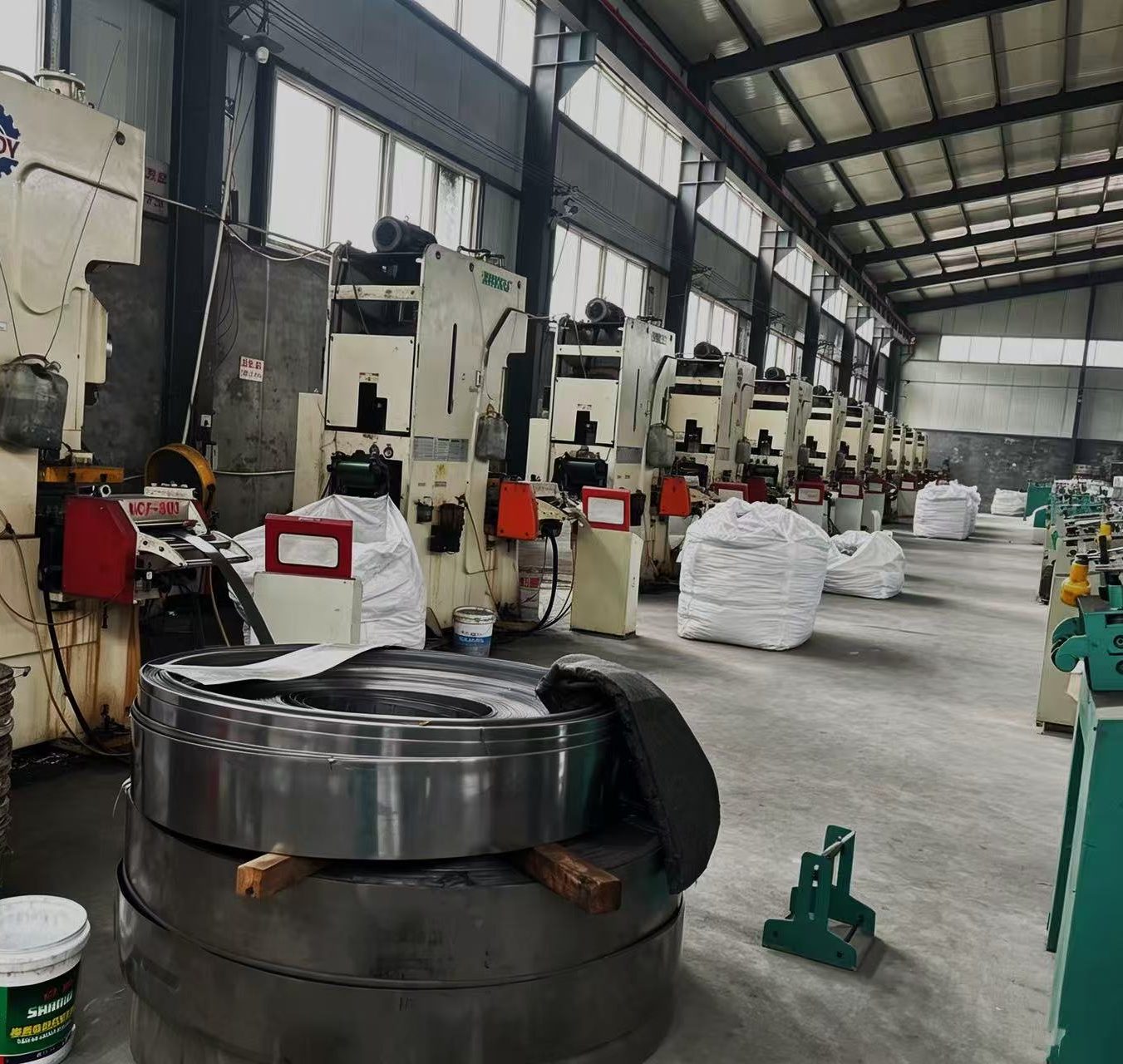
To illustrate the qualities of a top-tier partner, consider the model of a leading industry and trade combination company based in Handan, Hebei, China—the heart of the global fastener manufacturing hub. With over a decade of specialized experience, this entity exemplifies the shift toward integrated production and service that defines the 2026 market.
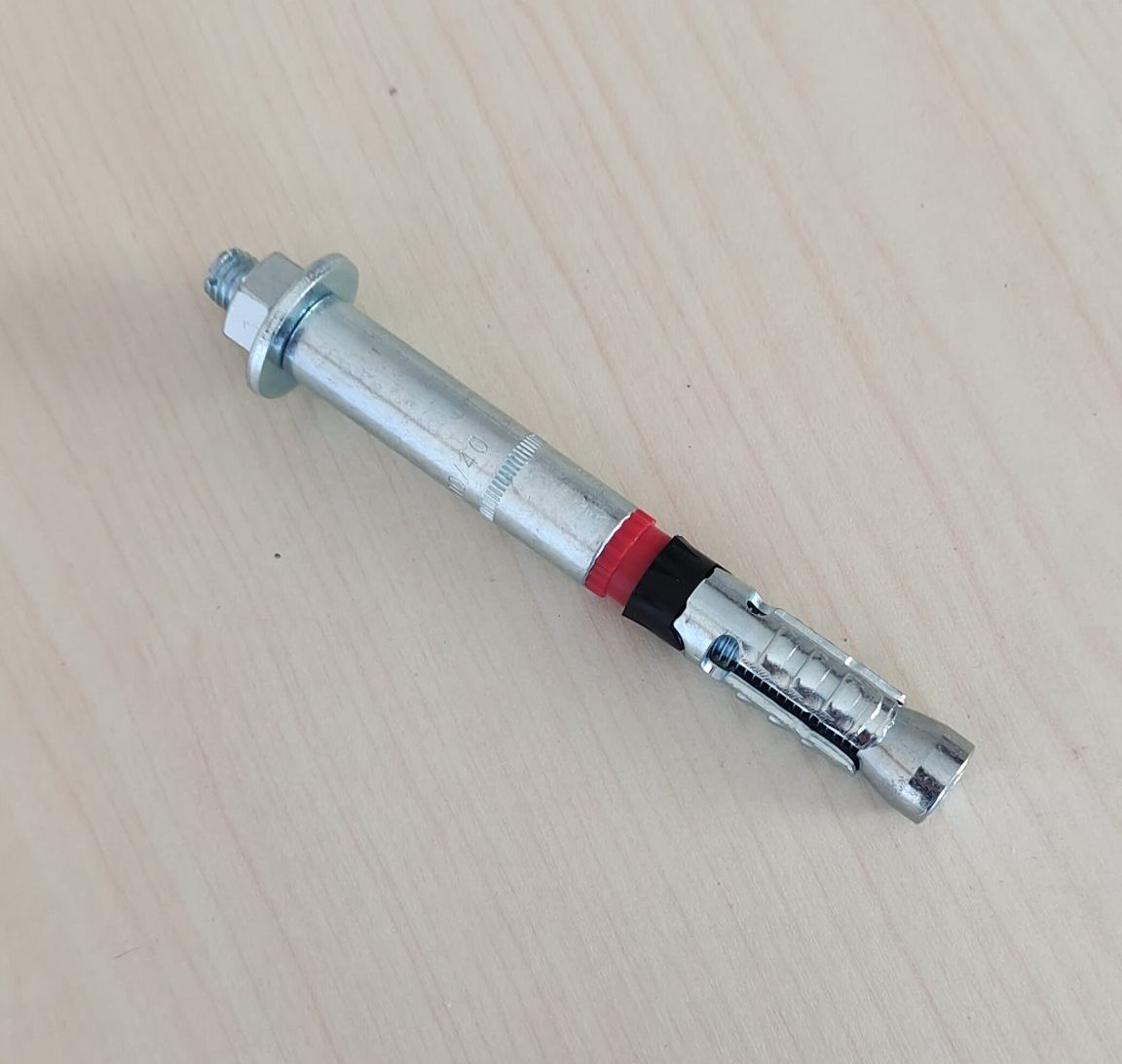
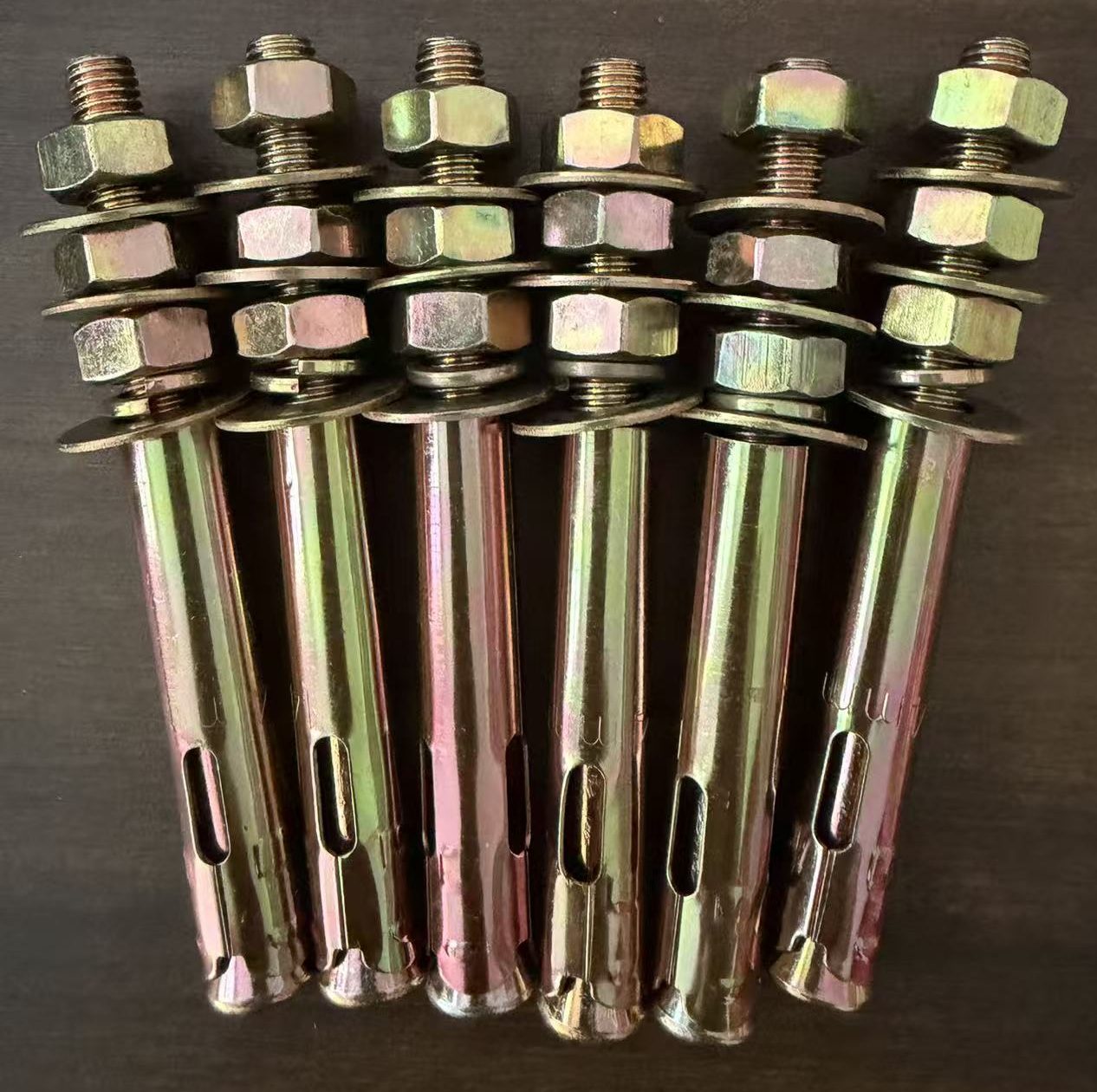
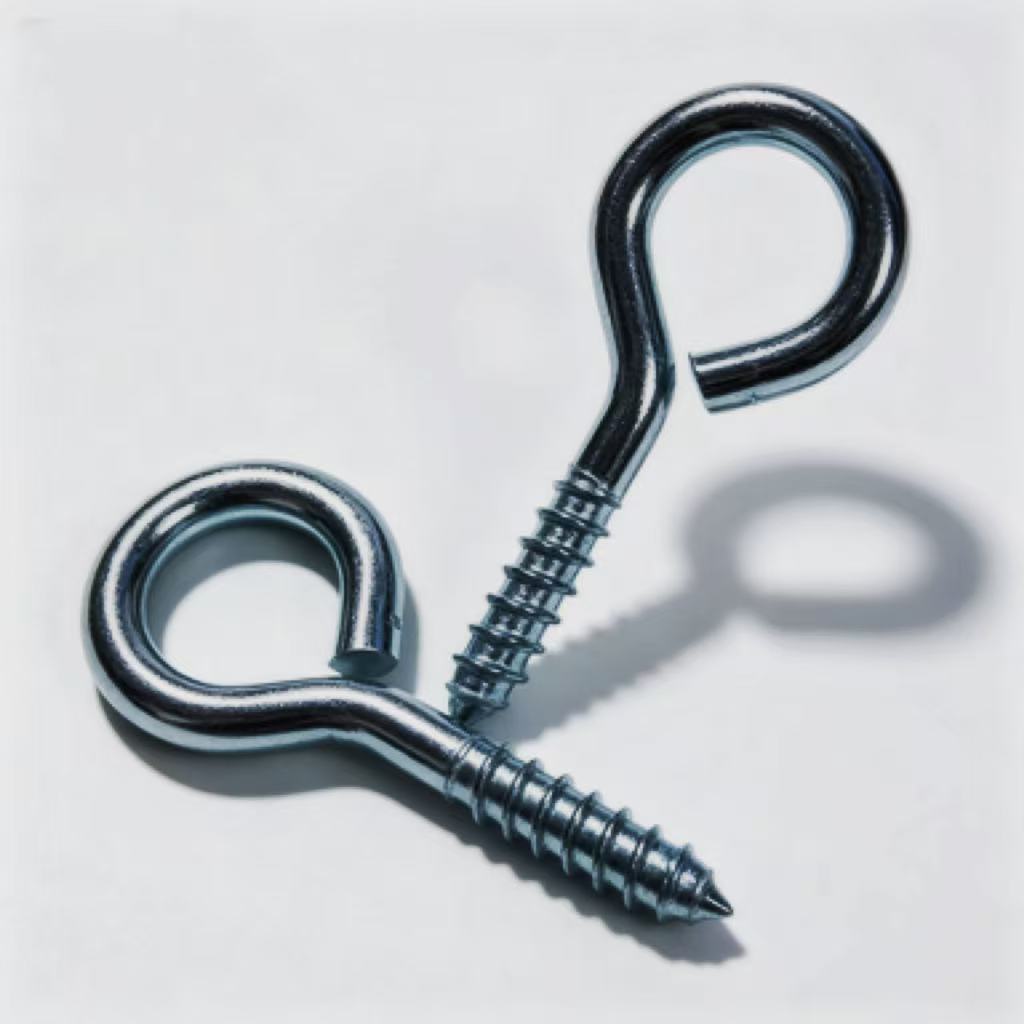
Unlike simple brokers, this company combines development, manufacturing, and trade under one roof, specializing in a diverse range of products including casing geckos, wooden teeth welded sheep’s eye screws/bolts, and high-performance wood screws. Their commitment to R&D is evident in their continuous investment in high-tech talent and advanced production technologies. This approach ensures their products strictly adhere to international benchmarks, including GB, DIN, JIS, and ANSI standards, catering to a global clientele spanning more than 26 countries.
Their operational philosophy centers on “quality first, customer first,” supported by a professional technical team and state-of-the-art machinery. This infrastructure allows them to offer not just competitive pricing, but true customization. Whether a client needs special specifications, unique quality grades, or specific quantities, the company adapts its production lines to meet these exact demands. By maintaining rigorous quality control and fostering an integrity-based business culture, they have built a reputation for delivering thoughtful service that secures long-term partnerships.
Frequently Asked Questions (FAQ)
Addressing common queries helps clarify uncertainties regarding wood screws procurement and usage. These answers reflect current industry practices and technical realities.
What is the difference between self-tapping and self-drilling wood screws?
Self-tapping screws create their own threads in a pre-drilled hole but cannot drill through material. Self-drilling screws feature a drill-bit-like tip that penetrates the wood without a pilot hole. For most softwoods and some hardwoods, self-drilling screws save significant labor time.
How do I prevent wood splitting when driving screws?
Splitting occurs when the screw wedge forces wood fibers apart. To prevent this, use screws with a tapered shank and sharp threads. Drilling a pilot hole slightly smaller than the screw diameter is effective for hardwoods. Additionally, screws with serrated undersides cut fibers rather than pushing them aside.
Can I use stainless steel screws with pressure-treated wood?
Yes, but grade selection is critical. Pressure-treated wood contains corrosive chemicals. Grade 304 stainless steel may suffer from crevice corrosion in severe environments. Grade 316 marine-grade stainless steel is recommended for maximum longevity and resistance to chemical attack.
What is the typical lead time for OEM wood screw orders?
Lead times vary based on complexity and volume. Standard customizations like packaging or length changes may take 2-4 weeks. Complex die changes for new head styles or coatings can extend this to 6-8 weeks. Factory-direct suppliers usually provide more accurate timelines than distributors.
Are there eco-friendly options for wood screws?
Manufacturers are increasingly adopting green practices. Options include screws made from recycled steel, coatings free of hexavalent chromium, and packaging made from biodegradable materials. Some suppliers also operate carbon-neutral facilities powered by renewable energy.
Conclusion and Next Steps
Securing a reliable source for wood screws in 2026 requires a strategic approach focused on quality, customization, and direct partnership. The shift towards factory-direct models offers unparalleled advantages in cost control, technical support, and supply chain transparency.
By prioritizing suppliers with robust QA protocols, advanced OEM capabilities, and proven metallurgical expertise, businesses can ensure their projects stand the test of time. Whether for massive infrastructure developments or intricate furniture pieces, the right fastener is the foundation of success.
Who is this for? This guide is essential for procurement managers, construction firms, furniture manufacturers, and distributors seeking to optimize their supply chain. If you require high-volume production, specialized engineering, or consistent quality assurance, partnering directly with a certified manufacturer is the logical next step.
Evaluate your current fastener needs against the criteria outlined above. Reach out to potential suppliers with specific technical questions to gauge their expertise. Request samples and test reports to verify claims before committing to large orders. Making an informed choice today secures the structural integrity and profitability of your projects tomorrow.