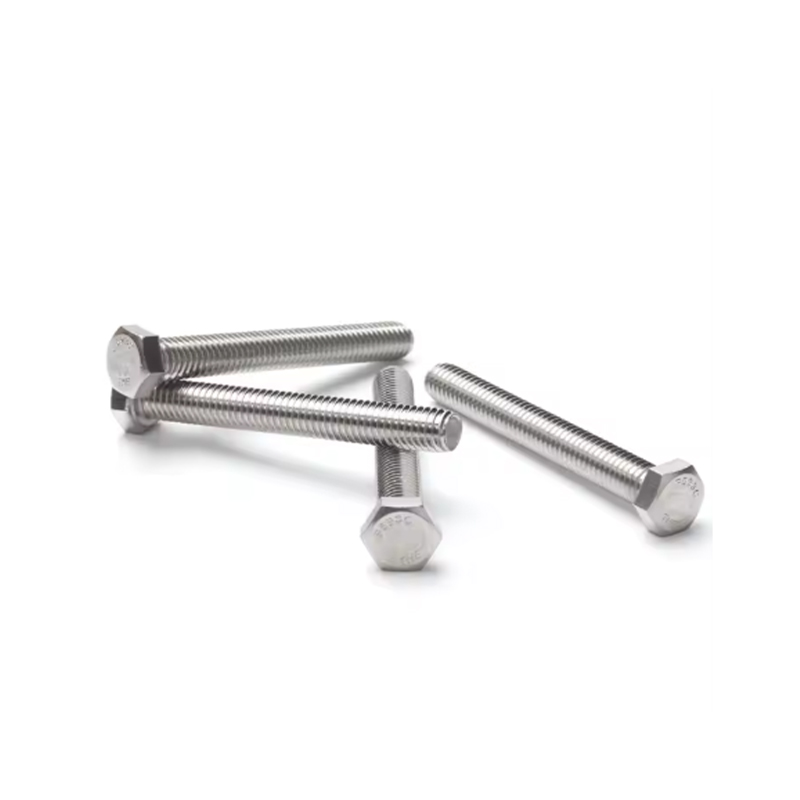
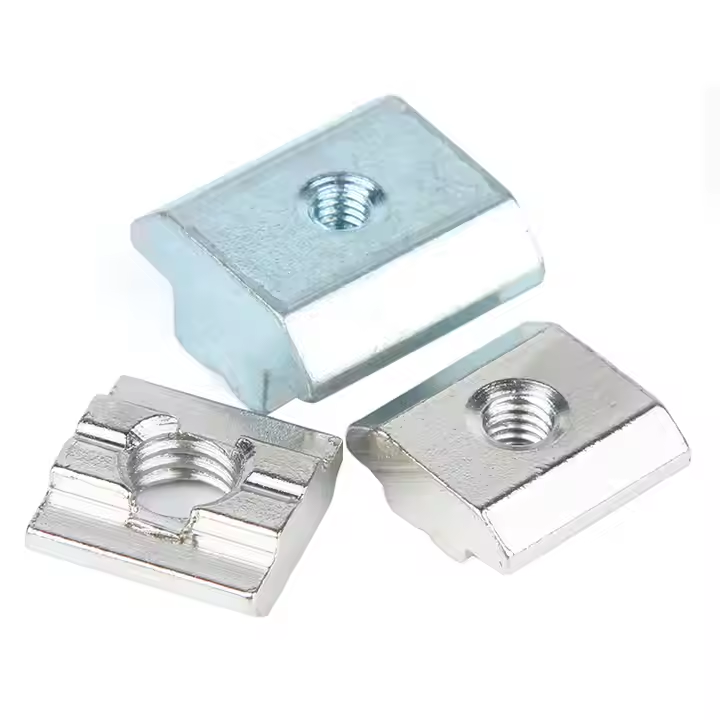
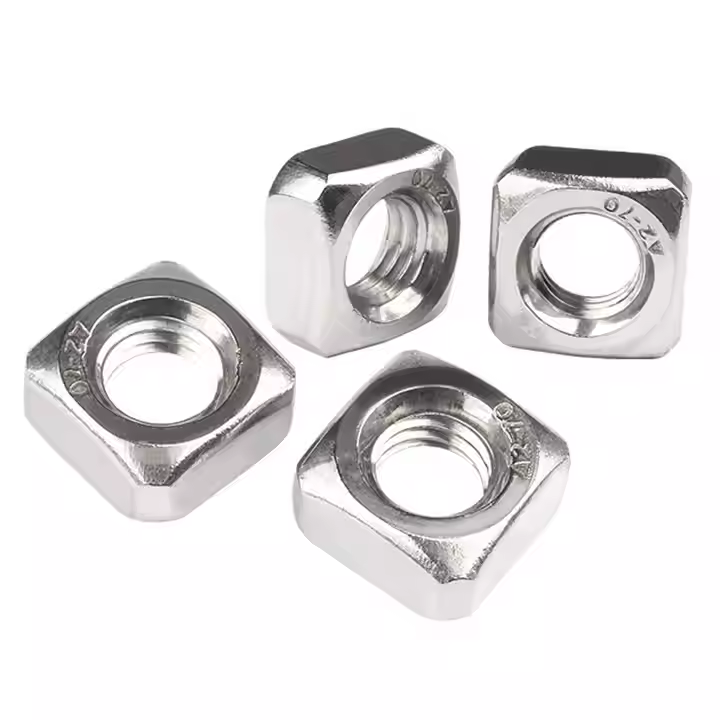
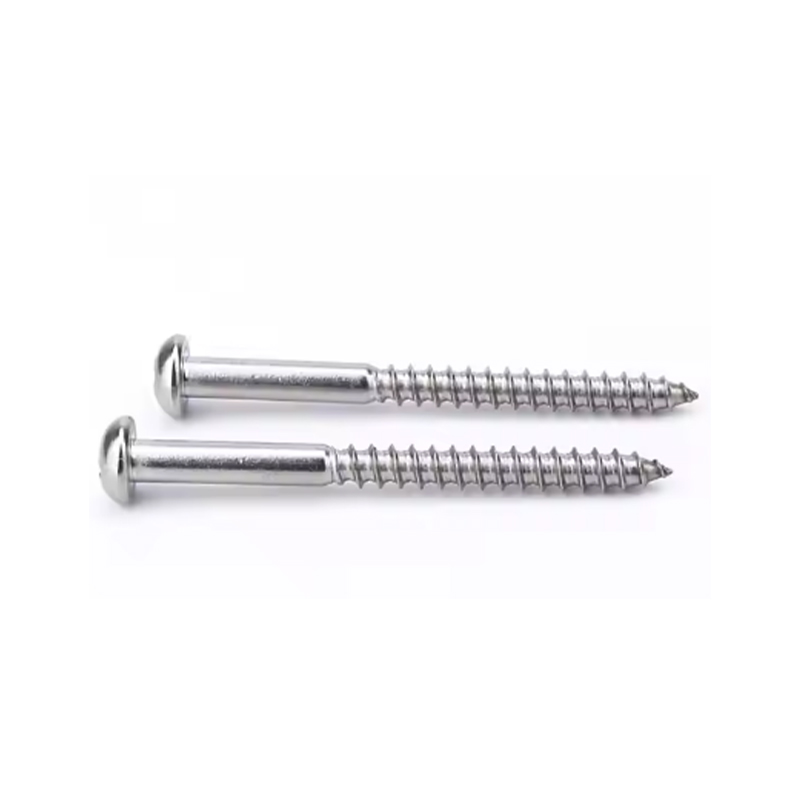
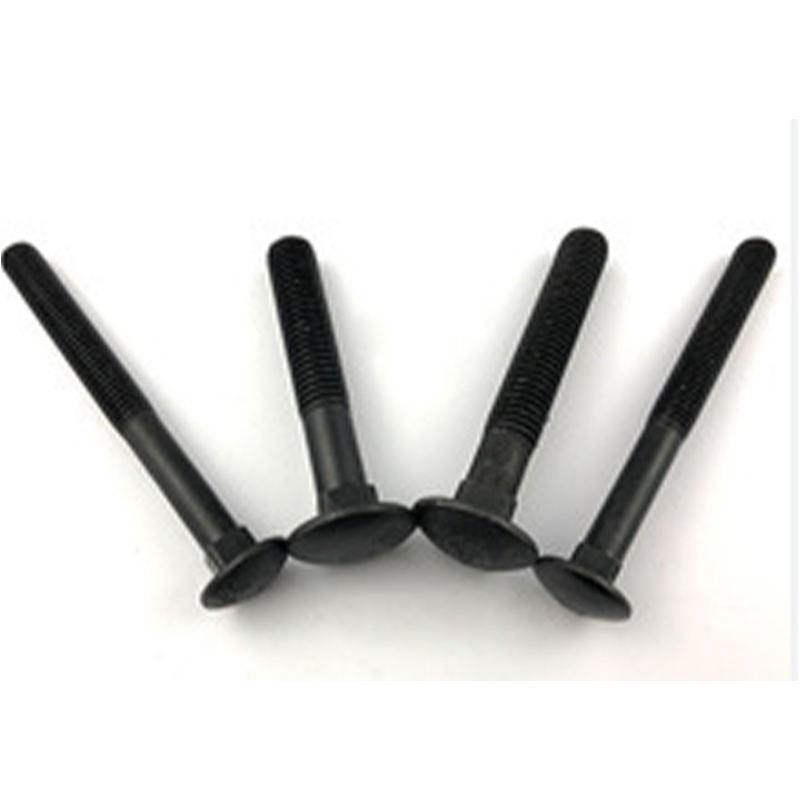
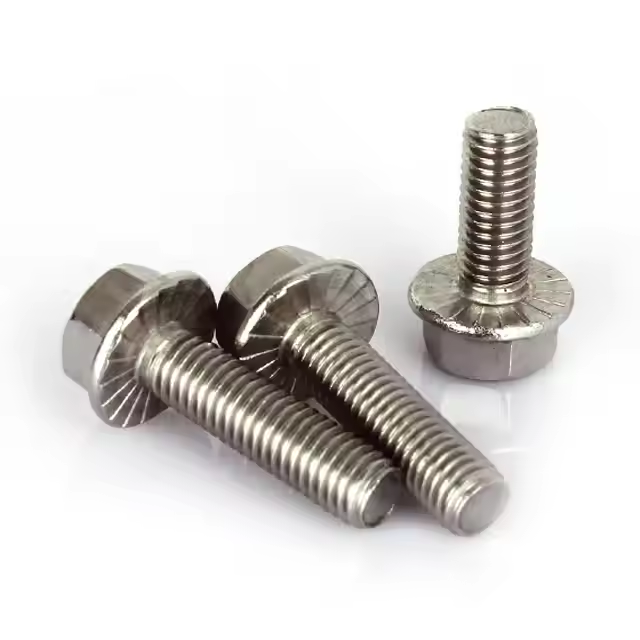
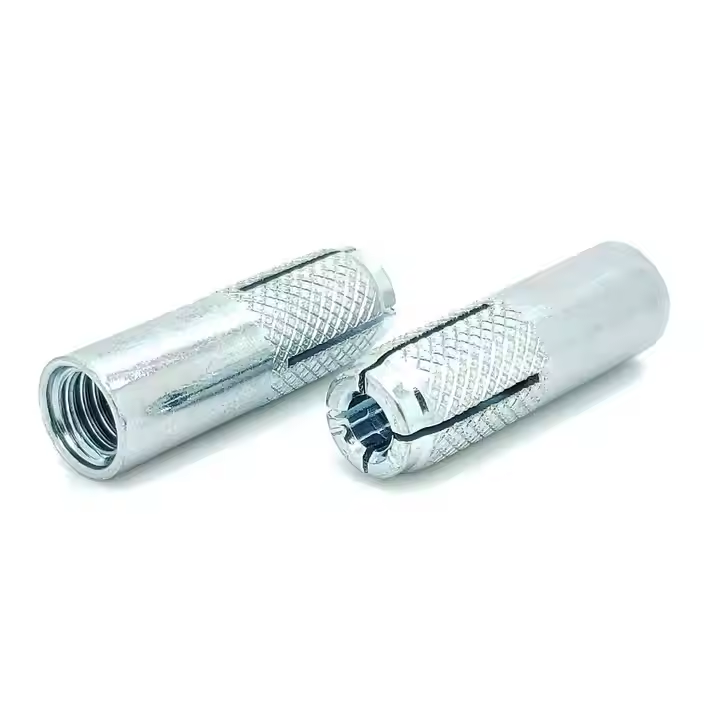
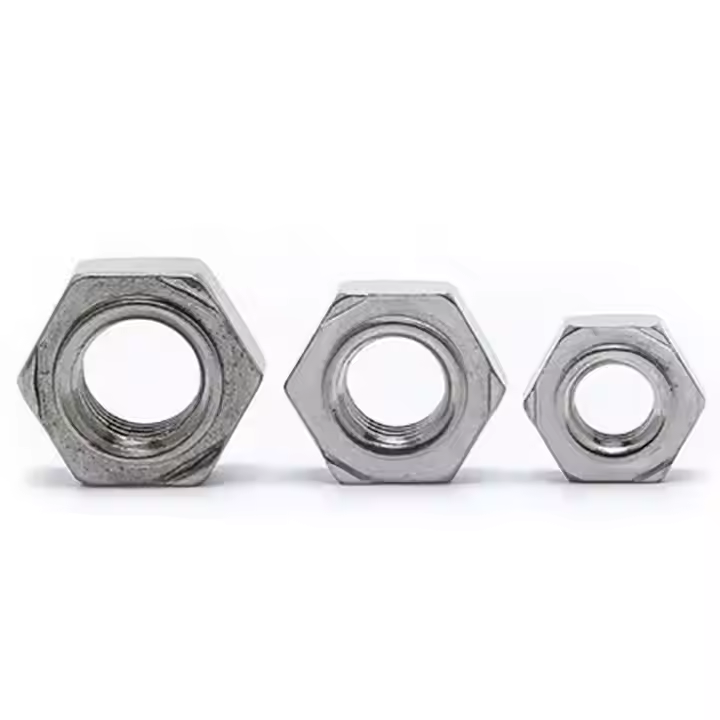
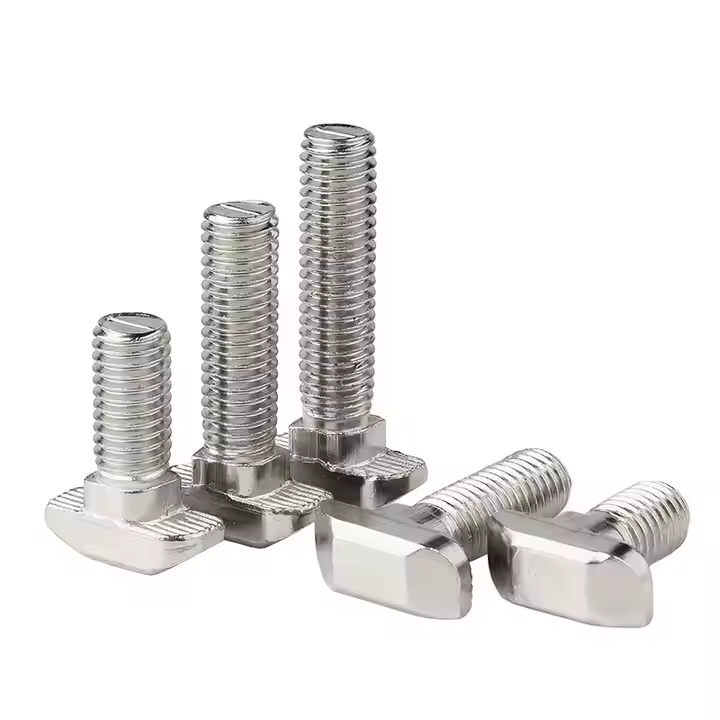
The M6 screw, identified by its 6mm diameter, is a common fastener used across numerous industries. Understanding its characteristics and applications is crucial for selecting the appropriate screw for your project. This guide delves into the specifics of M6 screws, providing insights to ensure you choose the right one for your needs. Whether you're a seasoned professional or a DIY enthusiast, this guide will help you navigate the world of M6 screws.
Understanding M6 Screw Specifications
Diameter and Thread Pitch
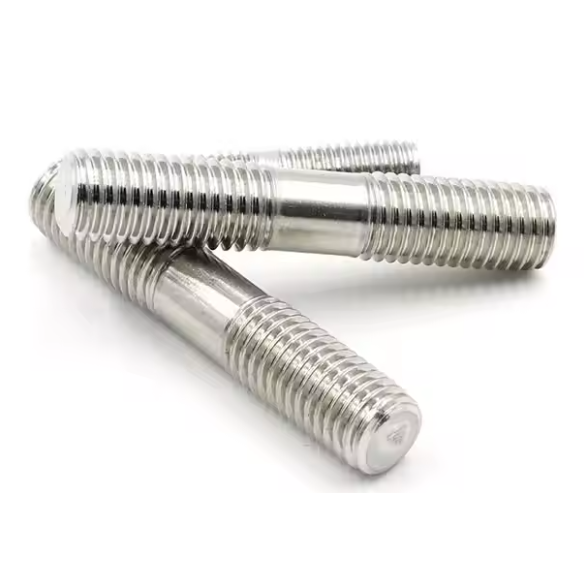
The 'M6' designation indicates a nominal diameter of 6 millimeters. The thread pitch, representing the distance between adjacent screw threads, varies depending on the screw type. Common thread pitches include 0.75mm and 1.0mm. Choosing the correct thread pitch is important for proper fit and strength. Incorrect pitch can lead to stripped threads or insufficient clamping force. Always refer to the manufacturer's specifications for the precise pitch of your chosen M6 screw.
Screw Head Types
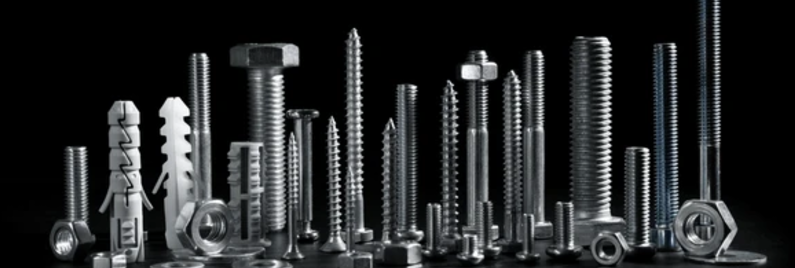
M6 screws are available with various head types, each designed for specific applications and driving methods. Common head types include:
- Pan Head: Low profile, ideal for applications where a flush or near-flush surface is required.
- Flat Head: Similar to pan head but with a completely flat top.
- Oval Head: A slightly raised head, offering a good balance between aesthetics and strength.
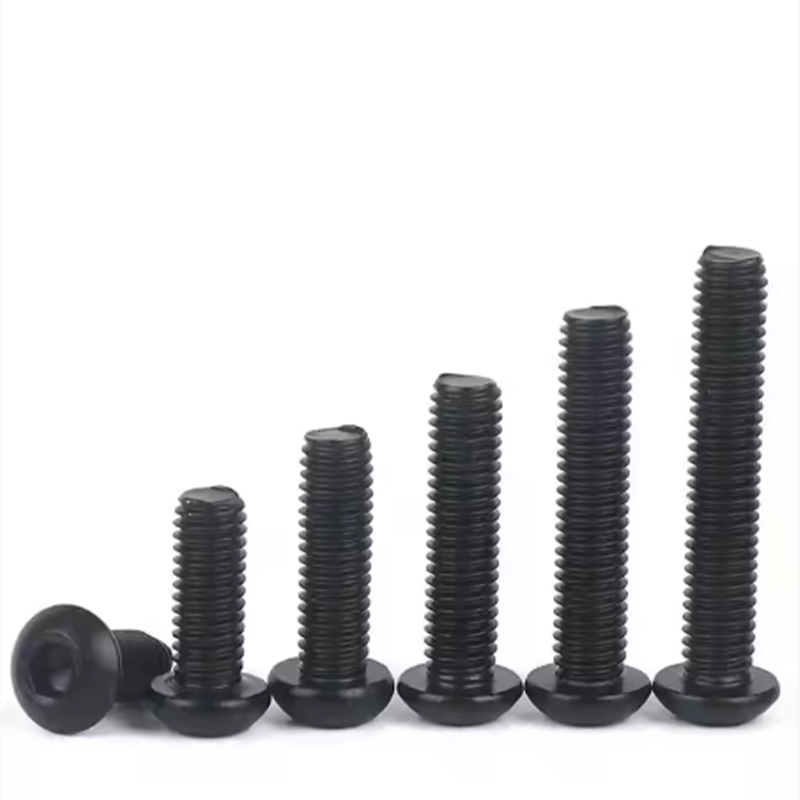
- Button Head: A rounded head often used for decorative purposes.
- Countersunk Head: Designed to sit flush with the surface when driven into a countersunk hole.
Materials
M6 screws are commonly manufactured from various materials, each offering different properties and suitability for specific environments. Common materials include:
- Steel: Strong and durable, suitable for general-purpose applications. Often zinc-plated or stainless steel for corrosion resistance. We at Hebei Muyi Import&Export Trading Co.,Ltd offer a wide selection of steel M6 screws. You can visit our website at https://www.muyi-trading.com/ to explore our range.
- Stainless Steel: Highly corrosion-resistant, ideal for outdoor or wet environments. Different grades of stainless steel (e.g., 304, 316) offer varying levels of corrosion resistance.
- Brass: Offers good corrosion resistance and often used in decorative applications.
- Aluminum: Lightweight and corrosion-resistant, suitable for applications where weight is a concern.
Choosing the Right M6 Screw
Selecting the appropriate M6 screw depends on several factors:
- Material being fastened: Different materials require screws with different strength and thread engagement characteristics.
- Application environment: Consider factors like exposure to moisture, chemicals, or extreme temperatures.
- Required holding power: Choose a screw with the appropriate shear strength and tensile strength to securely fasten the components.
- Aesthetics: The head type and finish should be considered for the overall look.
M6 Screw Applications
M6 screws are widely used in various applications, including:
- Machinery and Equipment: Securing components in industrial machinery, vehicles, and equipment.
- Construction: Used in various building and construction projects.
- Furniture Assembly: Commonly used in assembling furniture and other household items.
- Electronics: Smaller M6 screws may be used in certain electronic devices.
Comparison of Common M6 Screw Types
| Screw Type | Material | Head Type | Applications |
| Hex Head Bolt | Steel, Stainless Steel | Hex Head | Heavy-duty applications |
| Machine Screw | Steel, Brass, Stainless Steel | Pan Head, Flat Head, etc. | General purpose |
| Self-Tapping Screw | Steel, Stainless Steel | Various | Fast assembly, thin materials |
Remember to always consult the manufacturer's specifications and safety guidelines when working with M6 screws and other fasteners. Proper handling and installation are essential for ensuring the strength and durability of your project.