Anchor bolts are critical fasteners designed to secure structural elements to concrete, ensuring stability and safety in construction projects. This 2026 guide details the primary types, including wedge, sleeve, and chemical anchors, explaining their specific uses, installation protocols, and load-bearing capabilities for engineers and contractors seeking reliable foundation solutions.
What Are Anchor Bolts and How Do They Work?
Anchor bolts serve as the fundamental link between a structure and its concrete foundation. Unlike standard fasteners that rely on friction alone, these specialized devices transfer loads directly into the base material through mechanical interlock or chemical bonding. Their primary function is to resist uplift, shear, and tension forces that could otherwise compromise structural integrity.
The working principle varies by type. Mechanical anchors expand against the concrete walls when tightened, creating immediate holding power. In contrast, adhesive or chemical anchors utilize a resin system to bond a threaded rod to the substrate, distributing stress over a larger area. Understanding this distinction is vital for selecting the right hardware for dynamic versus static loads.
In modern construction, the demand for high-performance anchoring has grown due to stricter building codes and seismic requirements. Industry professionals now prioritize systems that offer predictable failure modes and verified load ratings. The choice of anchor often dictates the longevity and safety of the entire assembly, from steel columns to heavy machinery.
The Evolution of Anchoring Technology
Over recent years, anchoring technology has shifted from simple expansion mechanisms to sophisticated systems engineered for specific environmental conditions. Early designs often struggled with cracked concrete or vibration-heavy environments. Current mainstream solutions address these challenges through advanced metallurgy and improved resin formulations.
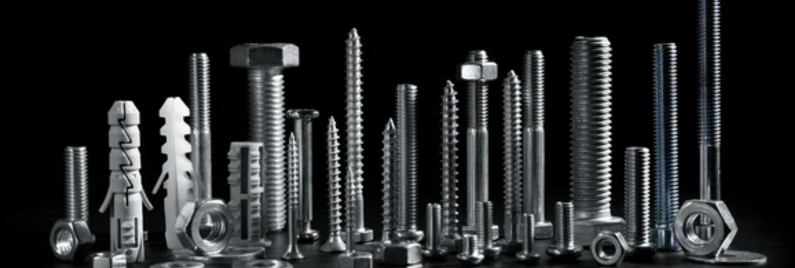
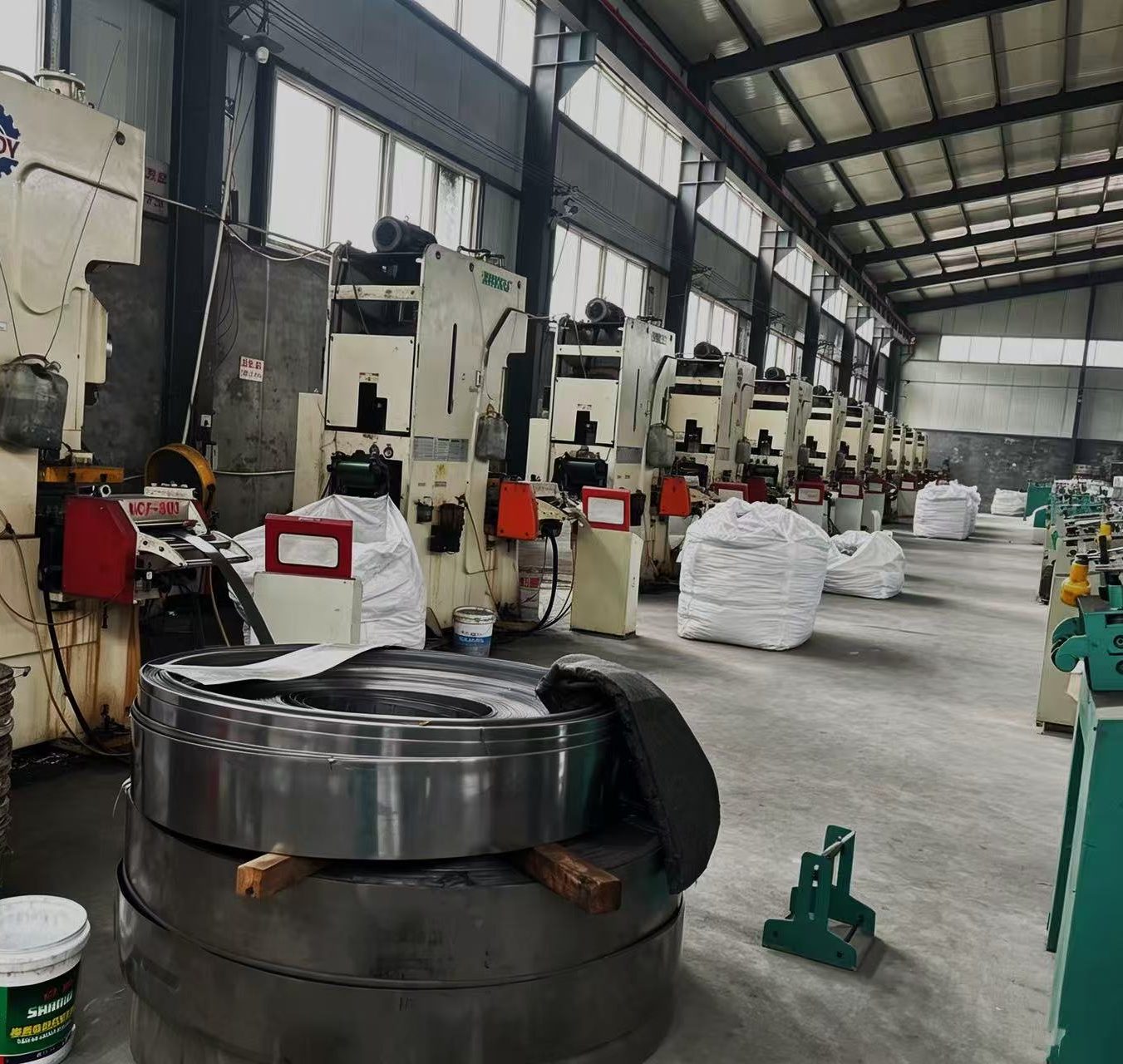
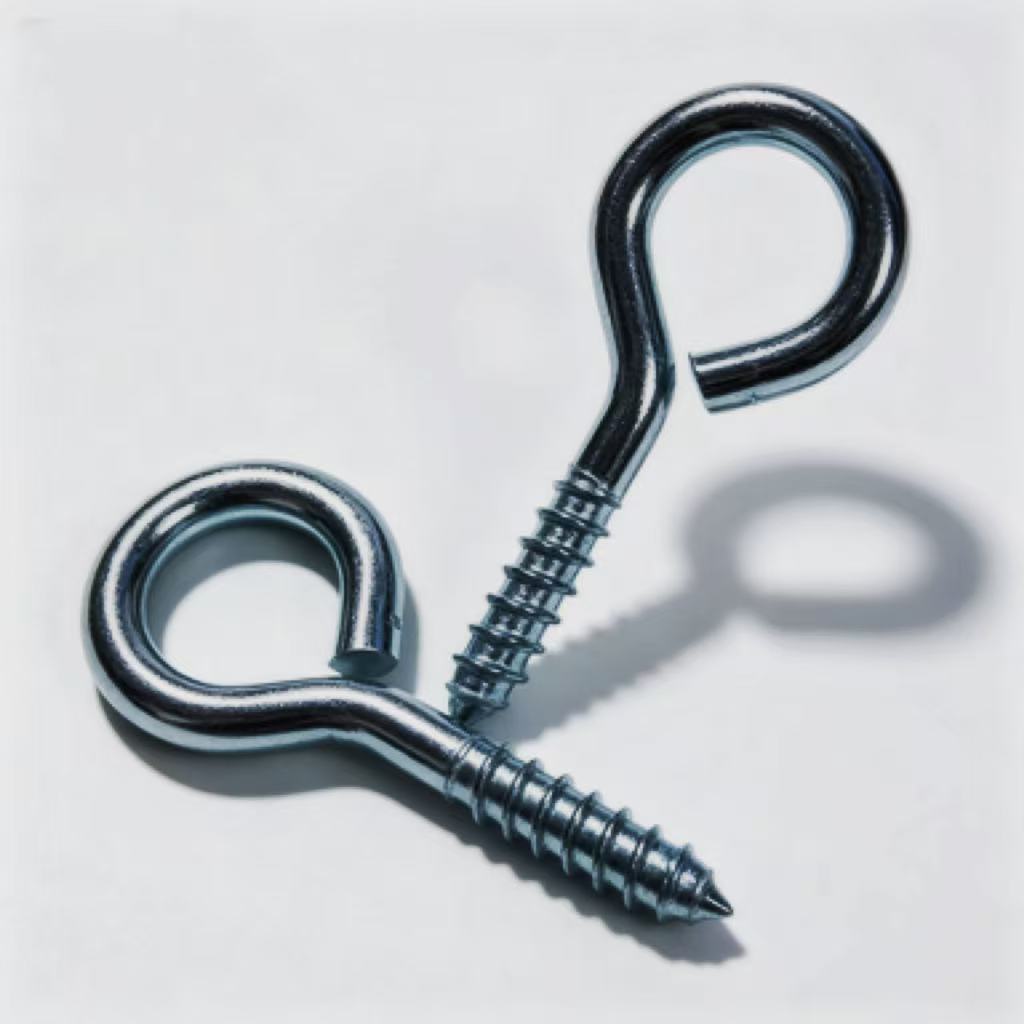
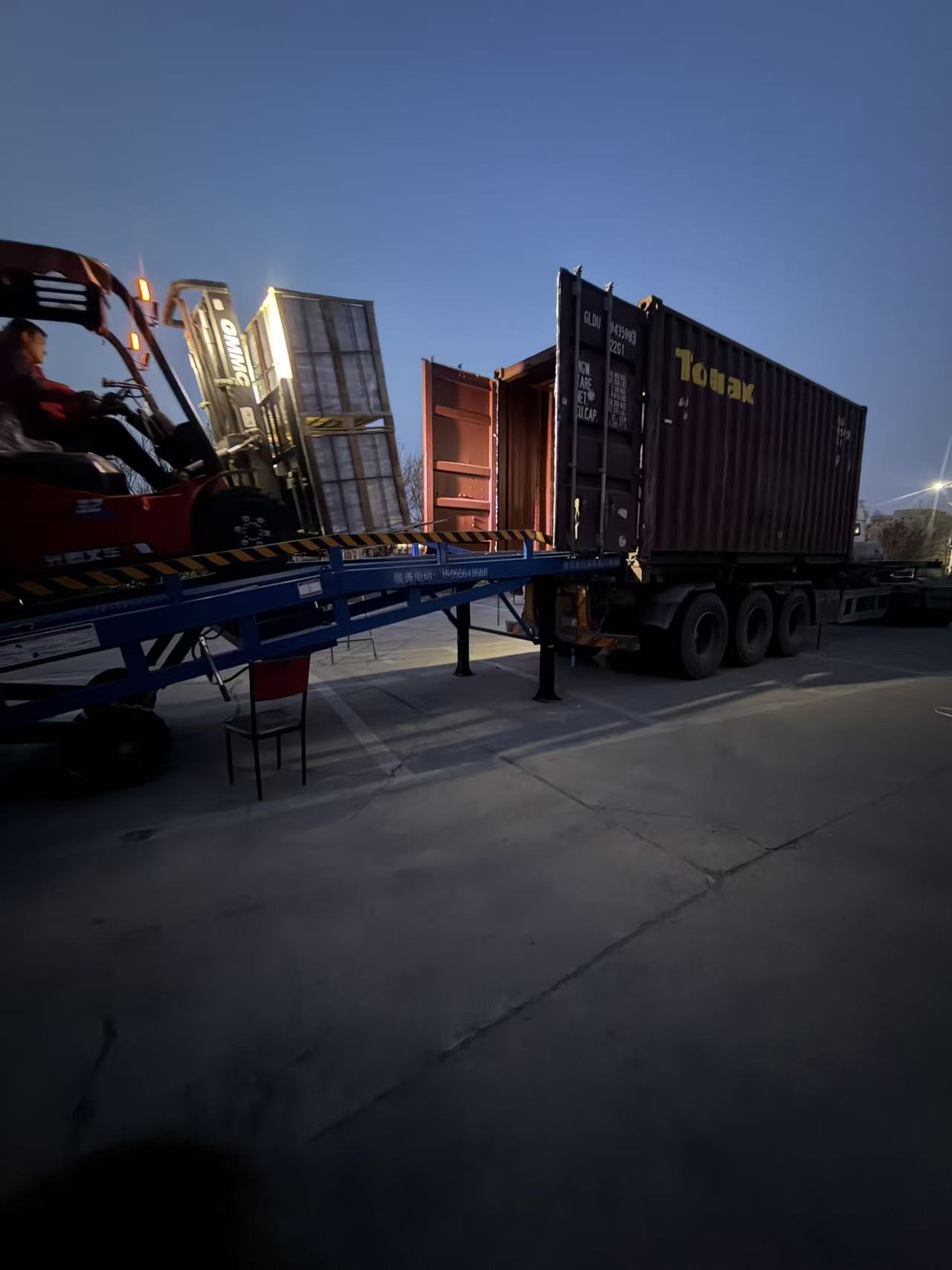
Manufacturers now focus on providing comprehensive technical data, allowing engineers to calculate precise load capacities based on concrete strength and edge distances. This shift towards data-driven selection ensures that every installation meets rigorous safety standards without over-engineering the solution. Leading this charge are global industry leaders like our company, based in Handan, Hebei—China’s premier hub for fastener manufacturing. With over a decade of experience, we specialize in the development and production of diverse fastening solutions, ranging from casing geckos to welded sheep’s eye screws and bolts. By integrating high-tech talent and advanced production technologies, we deliver products that strictly adhere to international standards including GB, DIN, JIS, and ANSI, serving clients in more than 26 countries.
Core Types of Anchor Bolts: A Comprehensive Breakdown
Selecting the correct anchor type is the most critical step in any installation process. The market offers several distinct categories, each optimized for different load requirements and concrete conditions. Misapplication can lead to catastrophic failure, making it essential to understand the nuances of each design.
Wedge Anchors: The Standard for Heavy Loads
Wedge anchors are arguably the most common choice for heavy-duty applications in solid concrete. They feature a clip or wedge at the bottom that expands as the nut is tightened. This mechanism creates a powerful mechanical lock against the concrete walls.
- Ideal Use: Securing steel columns, bridge rails, and heavy machinery.
- Substrate Requirement: Must be installed in uncracked, solid concrete.
- Installation Speed: Very fast; requires only a drilled hole and a torque wrench.
The simplicity of wedge anchors makes them a favorite among contractors. However, they exert significant outward pressure during expansion. Therefore, they are not suitable for installations near the edge of a slab or in low-strength concrete where spalling might occur.
Sleeve Anchors: Versatility for Medium Duty
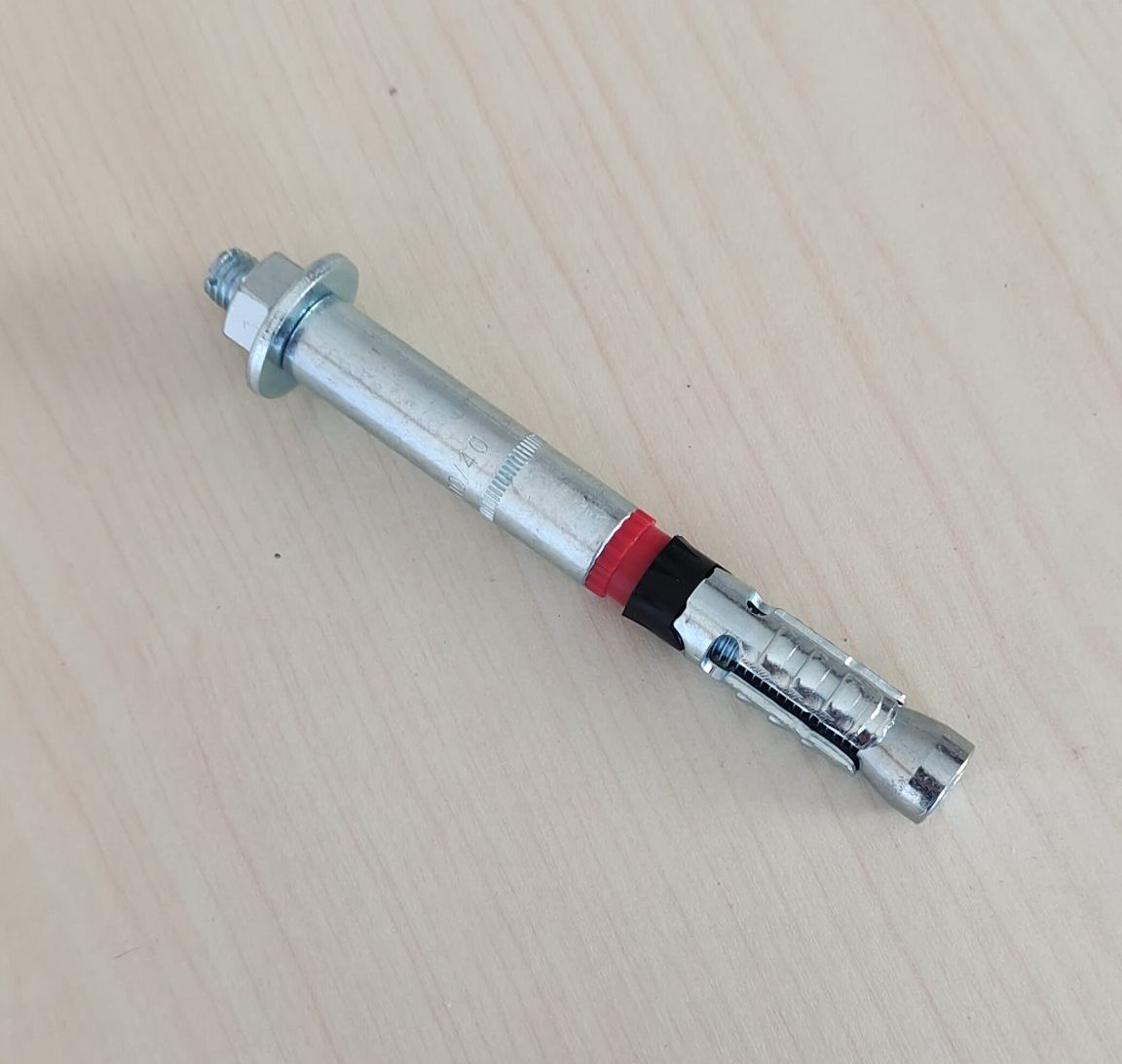
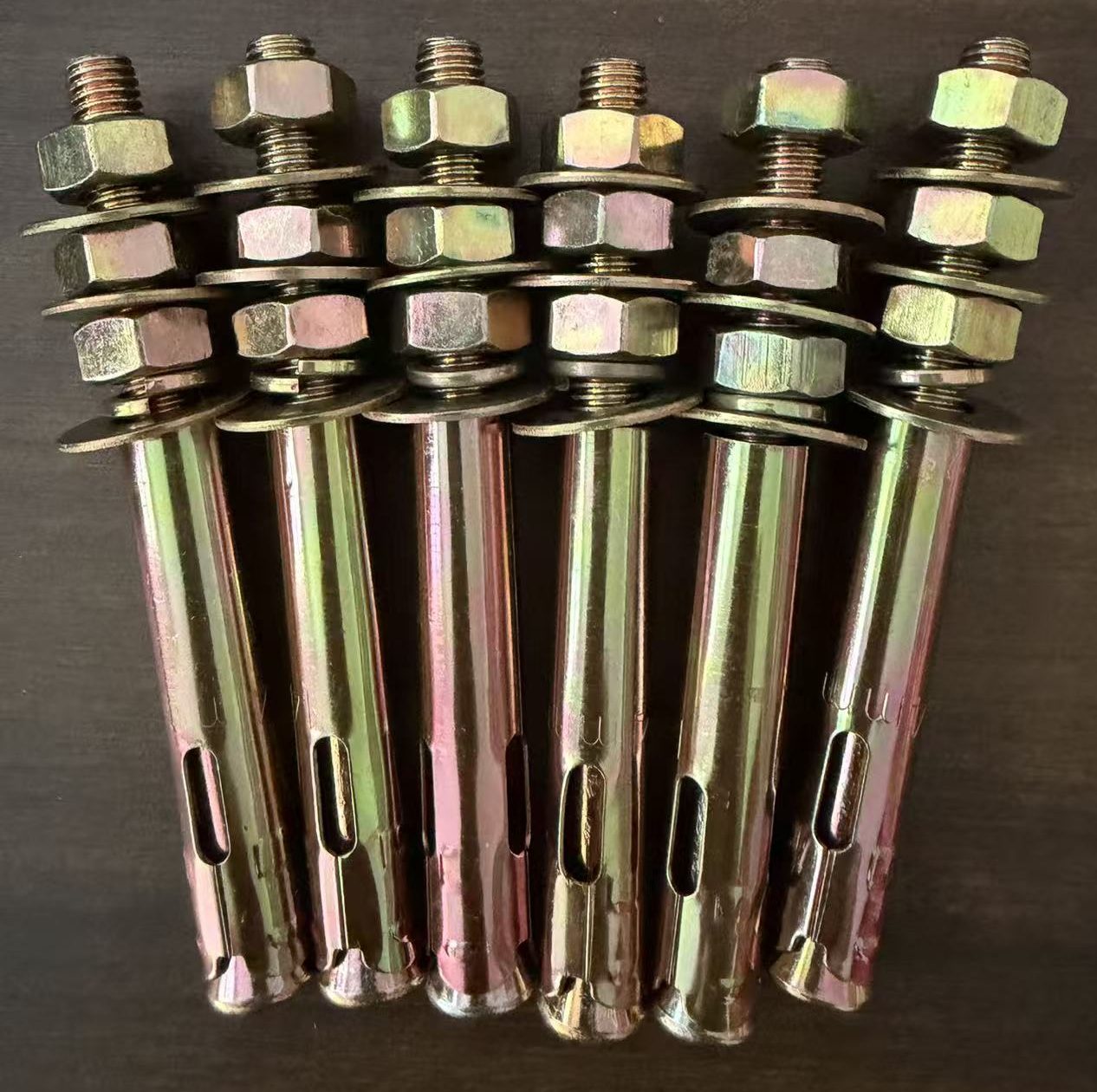
Sleeve anchors operate on a similar expansion principle but enclose the expanding mechanism within a metal sleeve. This design provides a more uniform expansion force, making them slightly gentler on the surrounding concrete compared to wedge anchors.
These anchors are highly versatile and can be used in brick, block, and solid concrete. They are frequently employed for attaching handrails, pipe supports, and electrical conduits. While they offer excellent holding power for medium loads, they generally do not match the ultimate tensile strength of large-diameter wedge anchors.
Chemical Anchors: Superior Performance in Challenging Conditions
Chemical anchors, also known as adhesive anchors, represent the high-end solution for complex scenarios. Instead of mechanical expansion, they use a two-part epoxy or vinyl ester resin to bond a threaded rod to the concrete. This method eliminates expansion stress entirely.
- Key Advantage: Can be installed very close to edges without risking concrete breakout.
- Cracked Concrete: Specifically rated for use in seismic zones and cracked structures.
- Load Distribution: Spreads stress along the entire embedment depth, maximizing capacity.
While chemical anchors offer superior performance, they require strict adherence to installation procedures. Hole cleaning is paramount; any dust or moisture can compromise the bond. Despite the longer cure times, their reliability in critical infrastructure projects makes them an industry standard for high-risk applications.
Drop-In Anchors: For Flush Mount Applications
When a flush finish is required, drop-in anchors are the preferred choice. These female anchors are set into the concrete, allowing a bolt to be threaded in later without protruding hardware. They are commonly used for securing machinery bases where a smooth surface is necessary.
Installation involves placing the anchor in a pre-drilled hole and using a setting tool to expand the internal plug. Once set, the tool is removed, leaving a clean threaded receptacle. Like wedge anchors, they rely on expansion and are best suited for solid, uncracked concrete substrates.
Detailed Comparison of Anchor Bolt Systems
To assist in the selection process, the following table contrasts the primary characteristics of the most widely used anchor types. This comparison highlights key differences in load capacity, installation complexity, and suitable environments.
| Feature | Wedge Anchor | Sleeve Anchor | Chemical Anchor | Drop-In Anchor |
| Primary Mechanism | Mechanical Expansion | Mechanical Expansion | Adhesive Bonding | Mechanical Expansion |
| Load Capacity | Very High | Medium to High | Highest (Variable by rod) | High |
| Concrete Condition | Solid/Uncracked | Solid/Brick/Block | Solid/Cracked/Wet | Solid/Uncracked |
| Edge Distance | Large Required | Moderate Required | Minimal Required | Large Required |
| Installation Speed | Fast | Fast | Slow (Cure Time) | Fast |
| Cost Factor | Low to Medium | Low | High | Medium |
This table illustrates that no single anchor is perfect for every scenario. Wedge anchors dominate in pure strength for solid slabs, while chemical anchors win in versatility and safety margins for compromised concrete. Sleeve anchors offer a balanced cost-to-performance ratio for general fixtures.
Step-by-Step Installation Guide for Mechanical Anchors
Proper installation is just as important as product selection. Even the highest-grade anchor will fail if installed incorrectly. The following procedure outlines the industry-standard steps for installing mechanical expansion anchors like wedge and sleeve types.
Preparation and Drilling
The first step involves marking the exact locations according to the project blueprint. Precision here prevents costly rework later. Once marked, select a carbide-tipped drill bit that matches the manufacturer’s specified diameter exactly. Using an undersized bit can prevent insertion, while an oversized bit reduces holding power.
Drill the hole to the required depth, which typically exceeds the anchor length to accommodate dust settlement. It is crucial to maintain a perpendicular angle to the surface unless the design specifically calls for inclined drilling. Hammer drills with rotation stops are often used to ensure clean, cylindrical holes.
Hole Cleaning Protocol
Cleaning the hole is a non-negotiable step often overlooked by novices. Concrete dust acts as a lubricant, preventing the anchor from gripping the substrate effectively. The industry best practice involves using compressed air to blow out debris, followed by a wire brush, and then blowing again.
- Step 1: Blow out loose dust with oil-free compressed air.
- Step 2: Scrub the walls with a stiff wire brush of the appropriate diameter.
- Step 3: Blow out remaining particles until no visible dust exits the hole.
For chemical anchors, this process is even more critical and may require multiple cycles of brushing and blowing. Any residue left in the hole compromises the bond strength significantly.
Setting and Torquing
Insert the anchor into the cleaned hole. For wedge anchors, ensure the clip is fully seated before tapping it gently with a hammer. Do not overtighten the nut during insertion; the goal is to seat the anchor, not expand it yet. Place the fixture over the anchor and thread the washer and nut.
Tighten the nut using a calibrated torque wrench to the manufacturer’s specified value. You will feel a distinct resistance as the wedge expands and locks into place. Stop immediately once the target torque is reached. Overtorquing can strip the threads or crack the concrete, while undertorquing leaves the anchor loose.
Critical Factors Influencing Anchor Performance
Several variables dictate the real-world performance of an anchor bolt beyond its rated load. Engineers must account for environmental conditions, concrete quality, and spacing constraints to ensure a safe installation.
Concrete Strength and Condition
The compressive strength of the base material is a primary determinant of anchor capacity. Anchors rated for 4,000 psi concrete will perform differently in 2,500 psi mixes. Furthermore, the presence of cracks changes the game entirely. Mechanical anchors generally lose capacity in cracked zones, whereas specially qualified chemical anchors maintain their ratings.
Moisture content also plays a role. Some mechanical anchors may corrode if installed in perpetually wet environments without proper coating. Chemical resins vary in their tolerance to moisture; some require dry holes, while others are formulated specifically for water-saturated or underwater applications.
Edge Distance and Spacing
Installing an anchor too close to the edge of a concrete slab creates a risk of “concrete breakout,” where the anchor pulls out a cone of material rather than failing itself. Minimum edge distances are strictly defined by engineering standards and vary by anchor diameter and type.
Similarly, spacing between adjacent anchors matters. If anchors are placed too closely, their stress fields overlap, reducing the overall group capacity. Guidelines typically recommend a minimum spacing of three to four times the anchor diameter, though specific product data sheets should always be consulted.
Corrosion Resistance and Material Selection
The environment dictates the material grade required. Standard carbon steel anchors are sufficient for indoor, dry environments. However, outdoor applications or areas exposed to chemicals require galvanized, stainless steel, or hot-dip galvanized options.
In coastal regions with high salt exposure, 316-grade stainless steel is often the mandatory choice to prevent rapid degradation. Using incompatible materials, such as mixing aluminum fixtures with steel anchors, can also lead to galvanic corrosion, weakening the connection over time. This is why reputable manufacturers, committed to a “quality first” philosophy, invest heavily in advanced testing methods to ensure their products meet the rigorous demands of various corrosive environments.
Common Applications Across Industries
Anchor bolts are ubiquitous in construction, serving diverse roles across various sectors. Their application ranges from securing massive industrial equipment to delicate architectural features.
Structural Steel and Framing
In commercial building construction, anchor bolts form the base of steel columns. These J-bolts or L-bolts are often cast into the concrete foundation before pouring. They must be positioned with extreme precision to align with the steel beam holes. Failure here can delay the entire erection schedule.
Post-installed anchors are also used to attach ledger boards for floor joists or to reinforce existing connections during retrofits. In these scenarios, high-tension wedge or chemical anchors provide the necessary shear strength to support floor loads.
Infrastructure and Civil Engineering
Bridges, highways, and tunnels rely heavily on anchoring systems. Guardrails, light poles, and traffic signal bases are secured using robust anchor patterns designed to withstand impact and wind loads. Seismic zones require anchors that can endure cyclic loading without losing grip.
Tunnel lining segments are often connected using specialized anchors that handle immense ground pressures. The reliability of these systems is critical for public safety, necessitating rigorous testing and quality control during installation.
Industrial Machinery and Equipment
Factories depend on anchor bolts to keep heavy machinery stationary. Vibrating equipment like generators, pumps, and presses generates dynamic forces that can loosen inferior fasteners. Here, the combination of high preload and vibration-resistant designs is essential.
Precision equipment, such as CNC machines, requires anchors that maintain alignment over decades. Any shift in the base can ruin product tolerances. Consequently, epoxy-based systems are frequently chosen for their ability to dampen vibration and provide a rigid, monolithic connection.
Pros and Cons of Major Anchor Categories
Understanding the trade-offs helps in making informed decisions. Below is an analysis of the strengths and limitations associated with the primary anchor families discussed earlier.
Mechanical Anchors (Wedge/Sleeve)
Pros:
- Immediate load-bearing capability upon installation.
- Simple installation process requiring basic tools.
- Cost-effective for large-scale projects.
- Visual inspection of installation is straightforward.
Cons:
- High expansion stress can damage weak or old concrete.
- Not suitable for cracked concrete zones without special qualification.
- Requires significant edge distance to prevent breakout.
- Susceptible to vibration loosening if not properly torqued.
Chemical/Adhesive Anchors
Pros:
- No expansion stress, ideal for brittle materials and short edge distances.
- Highest load capacities in many scenarios.
- Excellent performance in cracked concrete and seismic events.
- Waterproof seal protects the embedded rod from corrosion.
Cons:
- Longer installation time due to curing requirements.
- Strict hole cleaning protocols are mandatory.
- Higher material cost compared to mechanical options.
- Sensitive to temperature during the curing phase.
Frequently Asked Questions (FAQ)
Addressing common queries clarifies misconceptions and aids in the selection process. These answers reflect current industry practices and technical realities.
Can I use a wedge anchor in cracked concrete?
Generally, no. Standard wedge anchors are not rated for cracked concrete because the expansion force can widen existing cracks, leading to failure. For cracked zones, you must use anchors specifically tested and approved for such conditions, typically certain chemical anchors or undercut mechanical anchors.
How long do I need to wait before loading a chemical anchor?
Cure times vary significantly based on the resin type and ambient temperature. In warm conditions, some fast-set epoxies allow loading in under an hour. In colder temperatures, this can extend to 24 hours or more. Always refer to the specific product’s technical data sheet for precise cure schedules.
What happens if I drill the hole too deep?
If the hole is deeper than the anchor length, the anchor may bottom out before expanding fully, resulting in zero holding power. Conversely, if the hole is too shallow, the anchor won’t insert to the required depth. Both scenarios compromise safety. Depth gauges on drill bits are recommended to ensure accuracy.
Are stainless steel anchors always better than galvanized ones?
Not necessarily. While stainless steel offers superior corrosion resistance, it is softer and can gall (seize) during installation if not lubricated properly. Galvanized anchors are harder and often sufficient for standard outdoor exposures. The choice depends on the specific environmental aggressiveness and budget constraints.
Can I reuse an anchor bolt if I remove it?
No. Mechanical anchors deform the concrete and the anchor itself during expansion. Removing them destroys the locking mechanism and damages the hole. Chemical anchors cannot be removed without destroying the bond. If relocation is needed, a new hole must be drilled at a safe distance.
Expert Insights for 2026 and Beyond
As we move through 2026, the anchoring industry continues to evolve with a stronger emphasis on sustainability and digital integration. Manufacturers are increasingly providing QR codes on packaging that link directly to installation videos, certification documents, and load calculators.
Sustainability is also driving innovation. New resin formulations are emerging with lower volatile organic compound (VOC) emissions and bio-based ingredients. Additionally, the push for electrification in construction is leading to battery-powered installation tools that offer precise torque control, reducing human error.
Experts predict a rise in “smart” anchoring solutions where sensors embedded in critical anchors monitor tension and structural health in real-time. While currently niche, this technology holds promise for predictive maintenance in bridges and high-rise buildings, alerting engineers to potential issues before they become critical. To stay ahead of these trends, forward-thinking companies are continuously increasing investment in scientific research and introducing high-tech talents to develop next-generation fasteners that meet the evolving needs of global infrastructure.
Conclusion and Selection Recommendations
Anchor bolts are the unseen heroes of structural stability, bridging the gap between design intent and physical reality. Choosing the right type involves a careful assessment of load requirements, concrete conditions, and environmental factors. Whether opting for the speed of wedge anchors, the versatility of sleeve anchors, or the supreme strength of chemical systems, adherence to installation guidelines is paramount.
Who should use which type?
- Contractors needing speed and cost-efficiency in solid concrete should choose wedge or sleeve anchors.
- Engineers designing for seismic zones or working near concrete edges must specify chemical or undercut anchors.
- Facility managers dealing with vibrating machinery should prioritize high-preload mechanical anchors with vibration-resistant features.
For your next project, start by evaluating the substrate condition and consulting the latest technical data sheets. Never compromise on hole preparation or torque specifications. By matching the anchor technology to the specific demands of the application, you ensure a safe, durable, and code-compliant installation that stands the test of time. Partnering with experienced manufacturers who adhere to integrity-based business philosophies and offer customizable solutions ensures that your specific project needs—whether in quantity, specification, or standard compliance—are met with excellence.