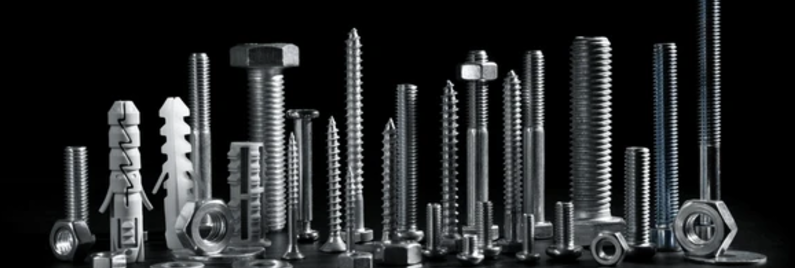
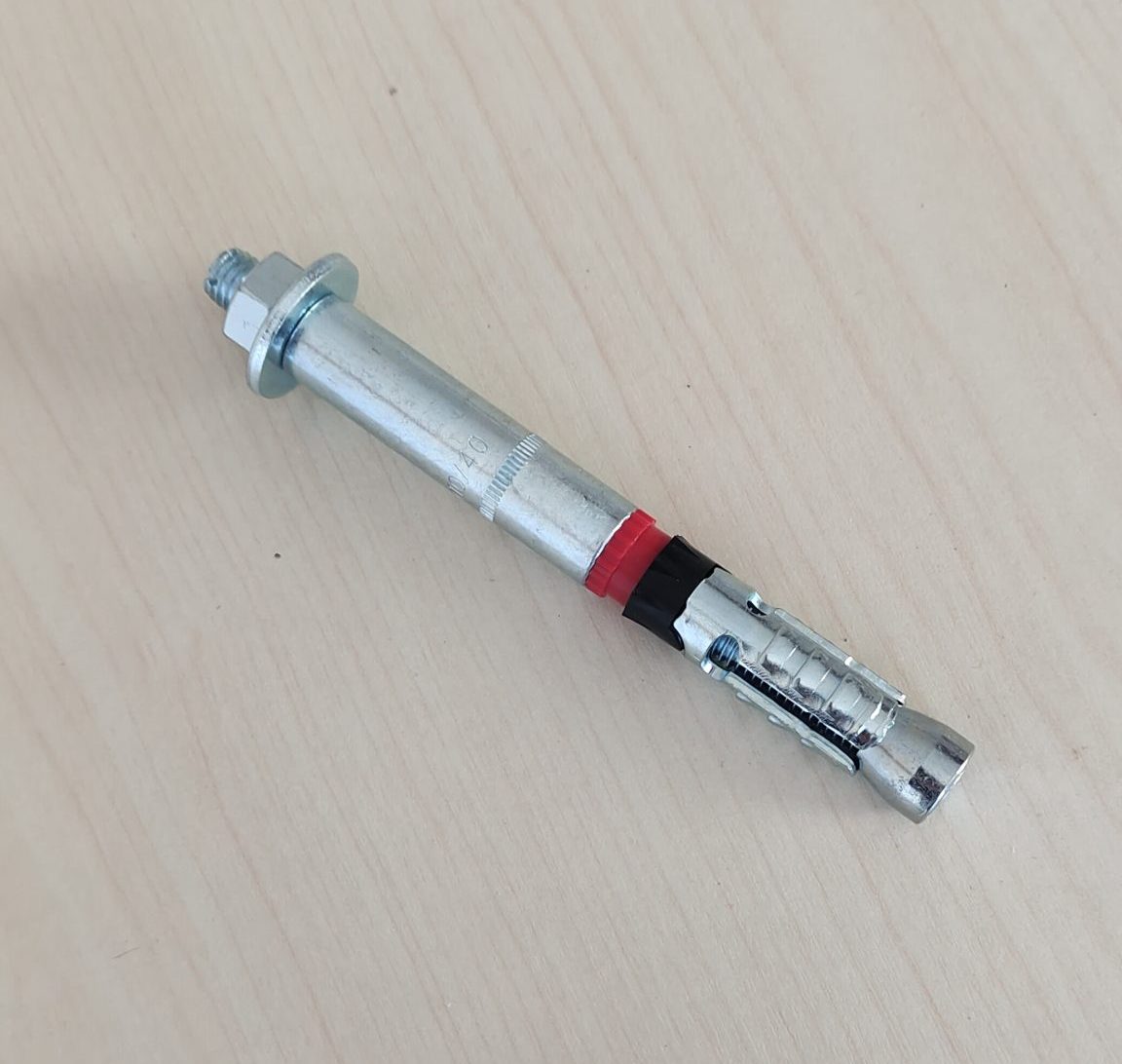
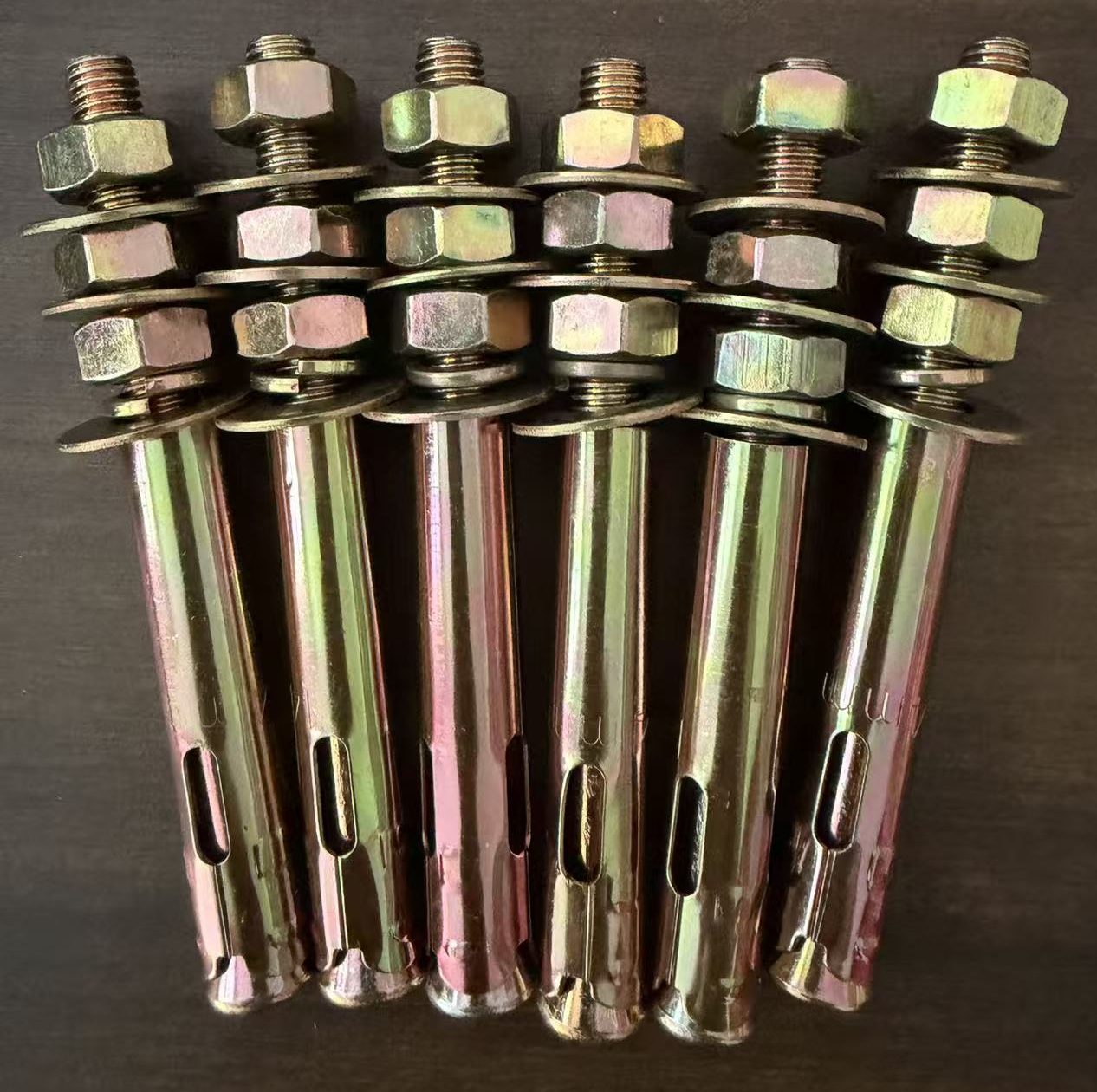
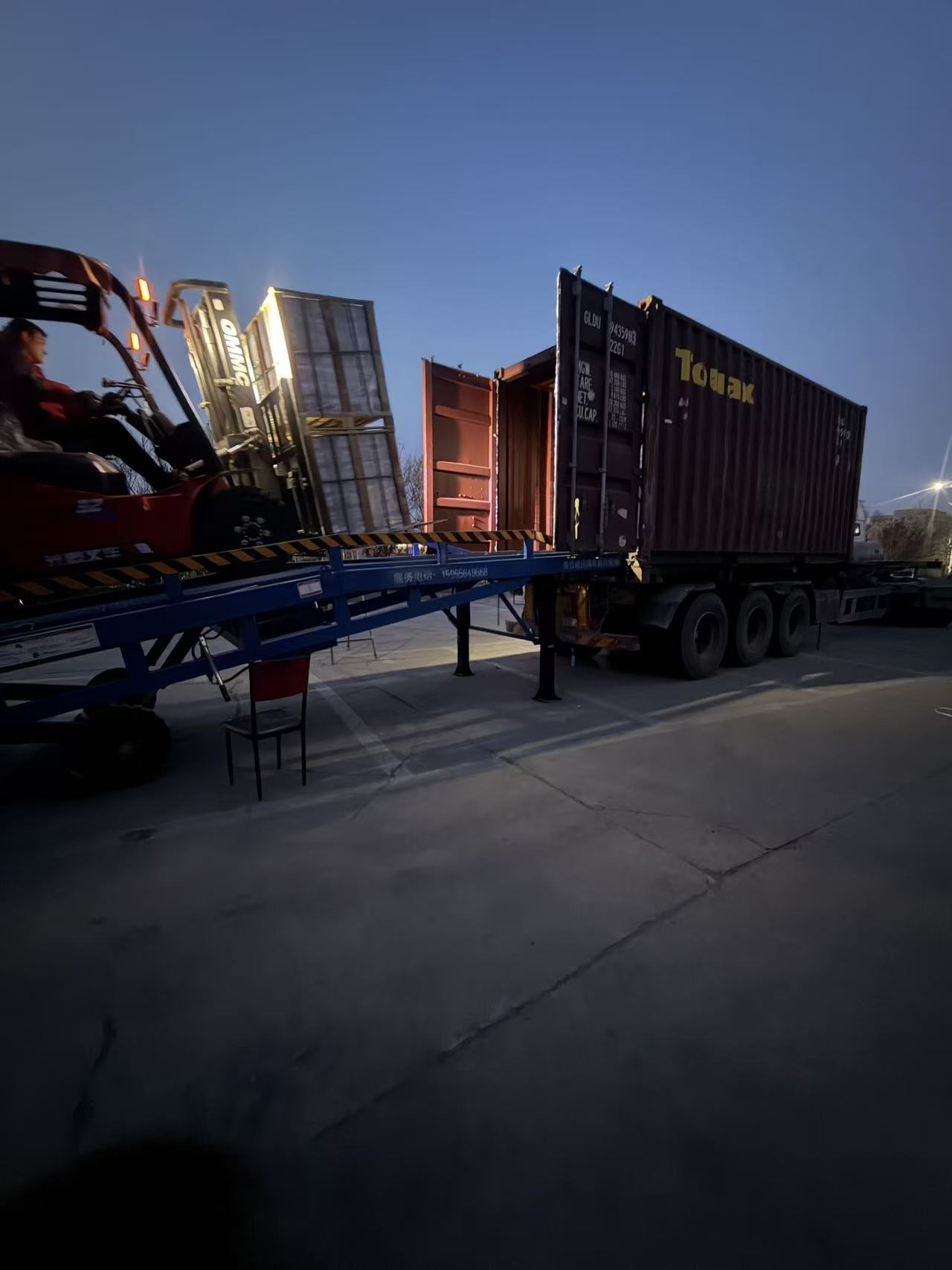
A wedge anchor is a heavy-duty mechanical fastener designed for securing structural elements to solid concrete. It operates through an expansion mechanism where a wedge is drawn into a split sleeve, creating outward pressure against the drilled hole walls. This friction-based locking system provides immediate load-bearing capacity without the curing time required by chemical anchors. As a specialized manufacturer based in Handan, Hebei, we produce high-performance wedge anchors compliant with GB, DIN, JIS, and ANSI standards, serving construction and industrial projects across more than 26 countries.
What Is a Wedge Anchor and How Does It Work?
Understanding the mechanics of a wedge anchor is critical for ensuring structural integrity in construction applications. Unlike adhesive anchors that rely on chemical bonding, wedge anchors are purely mechanical. They are ideal for scenarios requiring immediate loading and high tensile strength.
The Mechanical Expansion Principle
The core functionality of a wedge anchor lies in its simple yet robust design. The assembly typically consists of three main components:
- The Stud (Body): A threaded rod with a pre-installed clip or cone at the bottom end.
- The Expansion Clip: A stainless steel or carbon steel ring that surrounds the bottom of the stud.
- The Nut and Washer: Used to drive the expansion mechanism.
When the nut is tightened, it pulls the stud upward. This action forces the expansion clip into the tapered section of the stud or drives a wedge into the split sleeve. This movement causes the clip to expand outward, pressing firmly against the interior walls of the concrete hole. The resulting friction and mechanical interlock secure the anchor in place.
Immediate Load-Bearing Capacity
One of the primary advantages of wedge anchors over epoxy or resin-based systems is the ability to load them immediately after installation. There is no waiting period for curing, which significantly accelerates project timelines. This feature makes wedge anchors the preferred choice for dynamic environments such as seismic zones or areas subject to vibration, provided they are installed correctly in qualified concrete.
Key Features and Technical Specifications
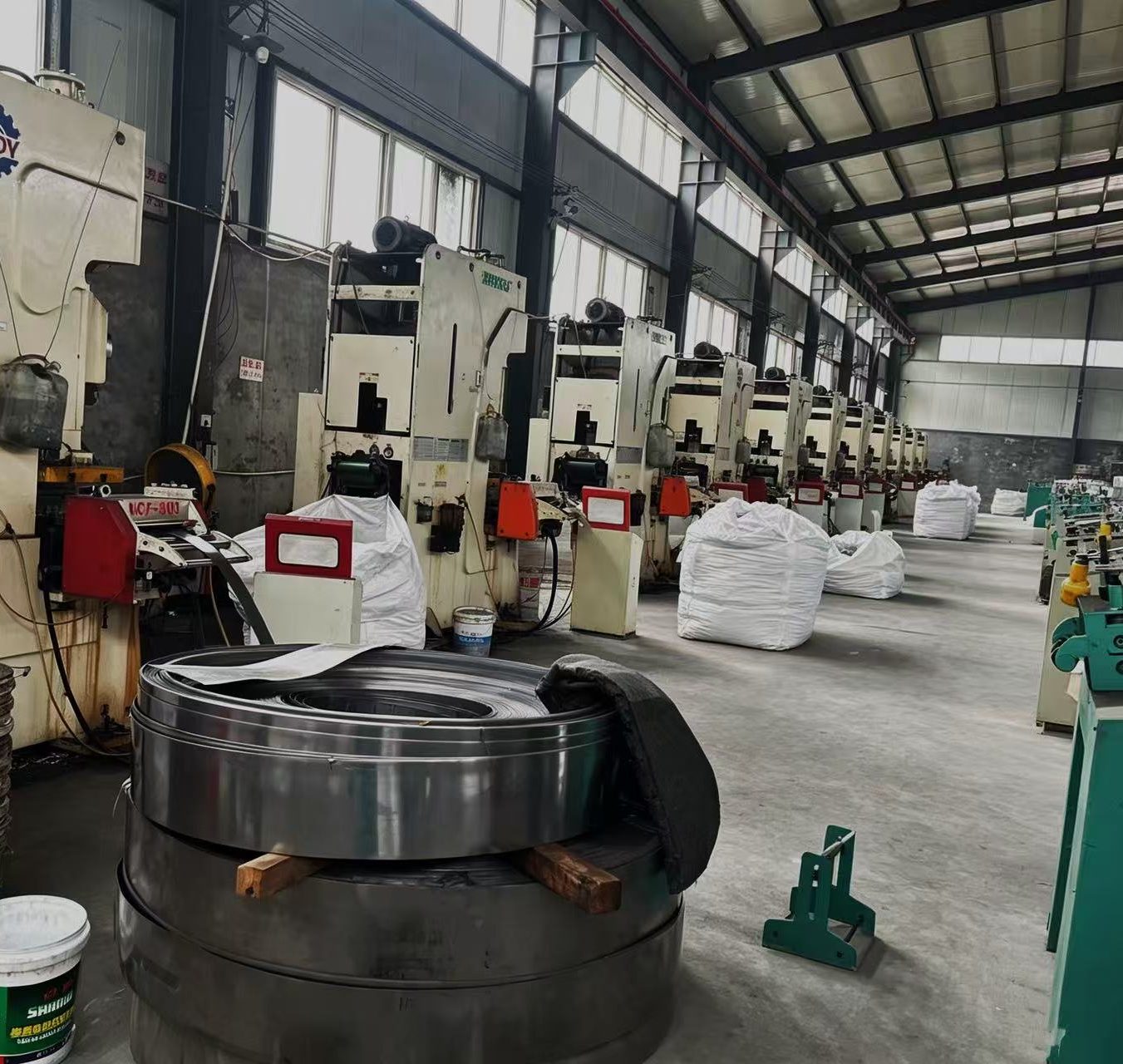
Selecting the right wedge anchor requires a detailed understanding of technical parameters. Our manufacturing process in Handan utilizes advanced cold-forming and heat-treatment technologies to ensure each anchor meets rigorous international standards. We focus on precision engineering to minimize tolerance deviations, ensuring consistent performance across batches.
Material Composition and Durability
The longevity of a wedge anchor depends heavily on material quality. We offer variants tailored to specific environmental conditions:
- Carbon Steel (Zinc Plated): Suitable for indoor, dry environments. The zinc plating provides basic corrosion resistance.
- Stainless Steel (304/316): Essential for outdoor applications, humid environments, or areas exposed to mild chemicals. Grade 316 offers superior resistance to chlorides and marine environments.
Our production line integrates strict quality control measures, including tensile testing and salt spray tests, to verify that our products meet the durability requirements of global markets. By adhering to an integrity-based business philosophy, we ensure that every batch shipped reflects our commitment to “quality first.”
Standard Compliance and Certifications
Global construction projects demand adherence to specific regional standards. Our wedge anchors are manufactured to comply with multiple international specifications:
| Standard | Region/Application | Key Focus |
| ANSI/ASME | North America | Imperial dimensions, high tensile strength requirements. |
| DIN | Europe | Metric precision, material grade consistency (e.g., DIN 529). |
| JIS | Asia (Japan) | Strict dimensional tolerances and surface finish quality. |
| GB | China | National standard compliance for domestic and export use. |
This multi-standard capability allows us to serve a diverse client base, from European infrastructure developers to American industrial contractors. Our technical team stays updated with evolving codes to ensure our product designs remain compliant and competitive.
Wedge Anchors vs. Other Concrete Fasteners
Choosing the correct fastener type is a common challenge for engineers and procurement specialists. While wedge anchors are versatile, they are not suitable for every application. Understanding the differences between wedge anchors, sleeve anchors, and drop-in anchors helps in making informed decisions.
Comparative Analysis Table
| Feature | Wedge Anchor | Sleeve Anchor | Drop-In Anchor |
| Installation Method | Hammer in, tighten nut | Hammer in, tighten nut | Hammer in, use setting tool |
| Load Capacity | High (Tensile & Shear) | Medium | High (Flush mount) |
| Hole Depth Requirement | Deeper (for expansion) | Moderate | Precise depth critical |
| Removability | Difficult (Permanent) | Moderate | Permanent |
| Best Use Case | Heavy machinery, structural steel | Light fixtures, pipes, conduits | Flush floor installations |
When to Choose a Wedge Anchor
Wedge anchors are the optimal solution when high tensile loads are expected. Their design allows for deeper embedment depths compared to sleeve anchors, providing greater pull-out resistance. They are particularly effective in solid concrete where the substrate can withstand the expansion forces without cracking. For cracked concrete applications, specialized undercut anchors or chemical adhesives might be required, but for standard solid slabs, wedge anchors offer a cost-effective and reliable solution.
Step-by-Step Installation Guide
Proper installation is paramount to achieving the rated load capacity of any mechanical anchor. Even the highest quality product will fail if installed incorrectly. Based on our ten years of industry experience, we have refined the following best-practice installation procedure.
Preparation and Drilling
- Select the Correct Bit: Use a carbide-tipped hammer drill bit that matches the diameter of the wedge anchor exactly. Do not use worn-out bits, as they create oversized holes that compromise holding power.
- Drill the Hole: Drill perpendicular to the concrete surface. The hole depth should exceed the length of the anchor by at least 10-15mm to accommodate dust accumulation.
- Clean the Hole: This is the most overlooked step. Use compressed air, a vacuum, or a wire brush to remove all concrete dust and debris. Debris prevents the anchor from reaching the required depth and reduces friction.
Insertion and Setting
- Assemble the Anchor: Ensure the washer and nut are threaded onto the stud just enough to protect the threads during hammering but loose enough to allow expansion.
- Insert the Anchor: Place the wedge anchor into the clean hole. Tap it gently with a hammer until the washer sits flush against the concrete surface. Ensure the anchor is vertical.
- Tighten the Nut: Using a torque wrench, tighten the nut clockwise. As you tighten, the nut pulls the stud up, forcing the wedge into the expansion clip. Continue tightening until the specified torque value is reached. Do not overtighten, as this can strip the threads or damage the concrete.
Common Installation Errors to Avoid
- Oversized Holes: Caused by using the wrong drill bit size or excessive wobble during drilling.
- Insufficient Embedment: Failing to drill deep enough results in the anchor pulling out under load.
- Dirty Holes: Dust at the bottom of the hole acts as a spacer, preventing full expansion.
- Using Impact Wrenches: Always use a hand torque wrench for final tightening to ensure precise control and prevent over-stressing the anchor.
Applications and Industry Use Cases
Wedge anchors are ubiquitous in modern construction and industrial settings. Their versatility allows them to be used in various sectors, from residential building to heavy infrastructure. Our products, sold to over 26 countries, have been utilized in diverse projects, demonstrating their adaptability to different engineering requirements.
Structural Steel and Column Base Plates
In commercial construction, steel columns must be securely anchored to concrete foundations. Wedge anchors provide the high tensile strength needed to resist uplift forces caused by wind or seismic activity. Their ability to be loaded immediately allows for faster erection of steel structures, reducing overall project duration.
Heavy Machinery and Equipment Mounting
Industrial facilities require stable mounting for vibrating machinery such as generators, compressors, and CNC machines. Wedge anchors distribute the dynamic loads effectively into the concrete slab. Our company’s focus on new product development has led to optimized designs that better withstand vibration loosening, enhancing safety in industrial environments.
Facade and Bracket Installation
For exterior building facades, curtain walls, and heavy shelving brackets, wedge anchors offer a secure attachment point. When using stainless steel variants, these anchors resist environmental corrosion, ensuring long-term stability for exterior applications. This aligns with our commitment to providing products that meet the rigorous demands of international construction standards.
Selection Guide: Choosing the Right Wedge Anchor
Selecting the appropriate wedge anchor involves analyzing several factors, including load requirements, concrete condition, and environmental exposure. As a supplier specializing in fasteners and hardware tools, we assist clients in navigating these choices to ensure optimal performance.
Load Requirements: Tensile vs. Shear
Determine whether the application involves primarily tensile loads (pulling out) or shear loads (sliding sideways). Wedge anchors perform well in both, but the safety factors differ. Always apply a safety factor of at least 4:1 for static loads and higher for dynamic or seismic loads. Consult engineering tables to match the anchor diameter and embedment depth to your specific load calculations.
Concrete Condition and Quality
The strength of the concrete substrate is crucial. Wedge anchors require a minimum concrete compressive strength, typically around 2,000 psi (14 MPa), to function correctly. In older or weaker concrete, the expansion force may cause spalling or cracking. In such cases, consider using larger diameter anchors with deeper embedment or alternative fixing methods.
Environmental Considerations
For outdoor or wet environments, always specify stainless steel wedge anchors. Carbon steel anchors with zinc plating are sufficient for indoor, dry applications but will corrode rapidly if exposed to moisture or chemicals. Our introduction of high-tech talents in material science ensures we can recommend the best material grade for your specific environmental conditions.
Why Partner with Our Manufacturing Team?
In a market flooded with generic fasteners, finding a reliable partner who combines manufacturing expertise with global trade capabilities is essential. Located in Handan, Hebei—a city renowned for its fastener industry—we leverage local supply chain advantages while maintaining international quality standards.
Integrated Industry and Trade Model
We are not just a trading company; we are a global industry and trade combination entity. This structure allows us to control the entire production process, from raw material sourcing to final inspection. By eliminating middlemen, we offer competitive prices without compromising on quality. Our direct involvement in manufacturing ensures that we can respond quickly to custom requests and technical queries.
Customization and R&D Capabilities
We understand that standard sizes do not fit every project. Our company attaches great importance to the development of new products and invests heavily in scientific research. Whether you need special lengths, non-standard diameters, or unique head configurations, our professional technical team can customize specifications to meet your exact needs. We adhere to the principle of “customer first,” ensuring that your specific project requirements are met with precision.
Global Reach and Reliability
With products sold to more than 26 different countries, we have established a reputation for reliability and integrity. Our adherence to GB, DIN, JIS, and ANSI standards ensures that our wedge anchors are accepted in major global markets. We maintain perfect testing methods and advanced machinery to guarantee that every shipment meets the highest quality benchmarks. Our goal is to maintain our company’s reputation by consistently delivering excellence.
Frequently Asked Questions (FAQ)
Can wedge anchors be removed and reused?
No, wedge anchors are designed for permanent installation. Removing them typically requires cutting the stud off flush with the concrete surface or grinding it down. Attempting to pull them out can damage the concrete and the anchor itself. If removability is required, consider using screw anchors or drop-in anchors with removable inserts.
What is the minimum concrete thickness for wedge anchors?
The concrete thickness should be at least twice the embedment depth of the anchor to prevent blowout on the back side. For example, if an anchor is embedded 50mm deep, the concrete slab should be at least 100mm thick. Always refer to the specific technical data sheet for minimum edge distances and spacing requirements.
Do wedge anchors work in brick or block?
Generally, no. Wedge anchors rely on the uniform density and strength of solid concrete. Brick, cinder block, and hollow masonry units cannot withstand the expansion forces generated by wedge anchors and will likely crack or crumble. For masonry applications, use sleeve anchors or toggle bolts designed for hollow or brittle substrates.
How do I determine the correct torque value?
Torque values depend on the anchor diameter and material. Over-tightening can strip threads or crush the concrete, while under-tightening fails to activate the expansion mechanism. Refer to the manufacturer’s installation instructions for specific torque recommendations. Using a calibrated torque wrench is essential for consistent results.
Are your wedge anchors certified for seismic use?
Standard wedge anchors are suitable for many applications, but seismic-rated projects require specific certifications (such as ICC-ES ESR reports in the US or ETA in Europe). We provide detailed test reports and can guide you on which product lines meet specific seismic criteria based on your project location and regulatory requirements.
Conclusion and Next Steps
Wedge anchors remain a cornerstone of modern concrete fixation, offering a blend of strength, immediacy, and reliability. Whether you are securing heavy industrial machinery or structural steel columns, selecting the right anchor and installing it correctly is vital for safety and performance. Our decade of experience in the fastener industry, combined with our commitment to international standards and customer-centric service, positions us as a trusted partner for your construction needs.
We invite engineers, contractors, and distributors to explore our comprehensive range of wedge anchors and other fastening solutions. By choosing a manufacturer that prioritizes quality control, R&D, and integrity, you ensure the long-term success of your projects.
For detailed technical datasheets, custom specification inquiries, or bulk pricing, please contact our sales team. We are ready to provide tailored solutions that meet your exact engineering requirements.
View Full Product Catalog & Technical Specifications