A DIN6923 flange nut is a specialized fastener featuring an integrated wide circular flange at one end, designed to distribute load over a larger surface area without the need for a separate washer. Conforming to the German Industrial Standard (DIN), these nuts are engineered with serrations on the bearing surface to prevent loosening under vibration, making them critical for automotive, machinery, and structural applications where reliability is paramount.
What is a DIN6923 Flange Nut?
The DIN6923 flange nut represents a specific category of hexagonal nuts that incorporate a non-removable flange. Unlike standard hex nuts defined by DIN 934, the DIN 6923 specification mandates a larger bearing surface diameter relative to the thread size. This design innovation eliminates the requirement for a separate flat washer during assembly, streamlining the installation process while enhancing joint integrity.
The defining characteristic of this component is the serrated bearing surface located on the underside of the flange. These serrations act as a locking mechanism by biting into the mating surface, providing resistance against rotational loosening caused by dynamic loads or vibration. The geometry adheres strictly to dimensional tolerances set forth in the DIN standard, ensuring interchangeability across global supply chains.
Engineers specify DIN 6923 nuts when space constraints or assembly efficiency are primary concerns. The integrated flange reduces the total number of parts in a bill of materials, lowering inventory complexity. Furthermore, the increased contact area minimizes surface pressure on soft materials, preventing deformation of the clamped components.
Key Technical Specifications and Dimensions
Understanding the precise dimensions of a DIN6923 flange nut is essential for proper selection and engineering design. The standard covers metric threads ranging from M5 up to M20, with specific requirements for width across flats, height, and flange diameter. Deviations from these specs can compromise the mechanical performance of the fastened joint.
The following table outlines the core dimensional parameters for common sizes found in industrial applications. Note that values represent nominal dimensions and typical ranges based on current manufacturing standards.
| Thread Size (d) | Width Across Flats (s) mm | Height of Nut (m) mm | Flange Diameter (dc) min mm | Flange Height (c) approx mm |
| M5 | 8 | 5 | 11.8 | 1.5 |
| M6 | 10 | 6 | 14.8 | 1.8 |
| M8 | 13 | 8 | 18.8 | 2.2 |
| M10 | 16 | 10 | 23.8 | 2.5 |
| M12 | 18 | 12 | 26.8 | 2.8 |
| M14 | 21 | 14 | 30.8 | 3.0 |
| M16 | 24 | 16 | 35.8 | 3.5 |
| M20 | 30 | 20 | 42.8 | 4.0 |
Beyond physical dimensions, material properties play a crucial role. Most DIN6923 flange nuts are manufactured from carbon steel with property classes 8, 10, or 12, indicating their tensile strength and hardness. Stainless steel variants, typically A2 or A4 grade, are available for corrosive environments, though they may have different torque specifications due to lower friction coefficients.
Tolerance Classes and Surface Finish
The precision of the thread fit is governed by tolerance classes, usually 6H for general-purpose applications. High-performance sectors may require tighter tolerances to ensure consistent preload. Surface finishes vary significantly based on environmental exposure; common treatments include zinc plating, geometrically sealed coatings, and hot-dip galvanization for outdoor use.
It is vital to note that the addition of thick coatings can affect the effective thread diameter. Engineers must account for this when calculating tightening torques to avoid thread stripping or insufficient clamping force. The serrations themselves must remain sharp and free of coating buildup to function correctly as a locking feature.
DIN6923 vs. Standard Hex Nuts: A Detailed Comparison
Selecting between a DIN6923 flange nut and a traditional hex nut paired with a washer often depends on the specific demands of the assembly. While both achieve the goal of securing a bolted joint, their operational characteristics differ in terms of load distribution, vibration resistance, and assembly speed.
The primary advantage of the flange design lies in its ability to handle higher bearing stresses. By integrating the washer function, the nut ensures perfect alignment every time, eliminating the risk of a washer slipping or being omitted during manual assembly. This consistency is particularly valuable in high-volume production lines.
| Feature | DIN6923 Flange Nut | Standard Hex Nut + Washer |
| Part Count | Single component | Two components (nut + washer) |
| Assembly Speed | Faster (one placement action) | Slower (two placement actions) |
| Vibration Resistance | High (integrated serrations) | Moderate (depends on washer type) |
| Load Distribution | Optimized, fixed geometry | Variable, dependent on washer alignment |
| Cost Efficiency | Higher unit cost, lower labor cost | Lower unit cost, higher labor cost |
| Space Requirement | Requires clearance for flange diameter | Similar footprint but variable height |
In scenarios involving frequent disassembly, standard hex nuts might be preferred if the serrated flange risks damaging the mating surface upon removal. However, for permanent or semi-permanent joints subject to shock and vibration, the DIN6923 flange nut offers superior reliability. The serrated face creates a prevailing torque effect that maintains clamp load even when external forces attempt to rotate the nut loose.
When to Choose Serrated vs. Non-Serrated Flanges
Not all flange nuts feature serrations. While DIN 6923 specifically implies a serrated bearing surface in most industrial contexts, variations exist. Non-serrated flange nuts are used when the substrate material is too soft to withstand the bite of serrations, such as certain plastics or soft aluminum alloys.
In these cases, the benefit of load distribution remains, but the locking feature is sacrificed. Engineers must evaluate the hardness of the clamped material against the hardness of the nut serrations. If the material is softer, the serrations may gouge the surface excessively without providing adequate locking force, potentially leading to joint failure over time.
Material Grades and Strength Classes Explained
The performance of a DIN6923 flange nut is intrinsically linked to its material composition and heat treatment. The property class, stamped on the top of the nut, indicates its mechanical capabilities. Understanding these markings is fundamental for ensuring the safety and durability of the final product.
Property Class 8: This is the most common grade for general engineering applications. Made from medium carbon steel, these nuts offer a good balance of strength and ductility. They are suitable for most automotive and machinery uses where extreme loads are not anticipated.
Property Class 10 and 12: These grades utilize alloy steels that have been quenched and tempered to achieve higher tensile strengths. Class 10 and 12 nuts are reserved for critical structural connections, heavy-duty trucking components, and high-stress industrial equipment. Using a lower class nut in a high-stress application can lead to catastrophic thread stripping or nut fracture.
Corrosion Resistance Options
For environments exposed to moisture, chemicals, or salt spray, material selection extends beyond carbon steel. Stainless steel DIN6923 flange nuts, typically marked as A2 (304) or A4 (316), provide excellent corrosion resistance. However, stainless steel has a tendency to gall or seize under high torque, necessitating the use of lubricants or anti-seize compounds during installation.
Coated carbon steel options offer a middle ground, combining the high strength of alloy steel with enhanced environmental protection. Zinc-nickel plating and other advanced geo-met coatings are increasingly popular in the automotive sector due to their ability to withstand hundreds of hours of salt spray testing while maintaining consistent friction coefficients for torque control.
Installation Best Practices and Torque Guidelines
Proper installation is critical to realizing the full benefits of a DIN6923 flange nut. Incorrect torque application can either leave the joint loose, leading to vibration failure, or overstress the bolt, causing elongation or breakage. The presence of serrations adds a variable to the torque-tension relationship that must be accounted for.
- Surface Preparation: Ensure the mating surface is clean, flat, and free of debris. While the serrations can penetrate light rust or paint, heavy irregularities can prevent the flange from seating evenly, resulting in uneven load distribution.
- Orientation: Always install the nut with the flange facing the workpiece. Installing it backwards negates the load-spreading benefit and renders the serrations useless.
- Torque Application: Use a calibrated torque wrench. The torque values for serrated flange nuts are generally slightly higher than for plain hex nuts of the same grade due to the increased friction from the serrations biting into the surface.
- One-Time Use Consideration: In critical safety applications, serrated flange nuts are often considered single-use fasteners. Once the serrations have bitten into the material and the nut is removed, the locking effectiveness may be compromised for re-installation.
Calculating Preload and Clamp Force
The ultimate goal of tightening is to generate sufficient preload to keep the joint members clamped together. The wide flange of the DIN 6923 nut helps maintain this preload by reducing the relaxation of the joint under settlement. Engineers should refer to manufacturer-specific torque tables rather than generic charts, as the coefficient of friction varies significantly with surface finish and lubrication.
Over-torquing is a common pitfall. Because the flange distributes load effectively, there is a temptation to apply excessive force. However, this can exceed the yield strength of the bolt, leading to plastic deformation. It is always safer to adhere to the recommended torque ranges provided for the specific property class and thread size.
Common Applications Across Industries
The versatility of the DIN6923 flange nut has made it a staple in numerous sectors. Its ability to simplify assembly while enhancing joint security addresses universal engineering challenges. From microscopic electronic assemblies to massive construction projects, these fasteners play a silent but vital role.
Automotive Industry: This is the largest consumer of DIN 6923 nuts. They are found in engine mounts, suspension systems, exhaust manifolds, and chassis assemblies. The vibration resistance provided by the serrated flange is essential for vehicles that operate under constant dynamic stress. The reduction in part count also aids in robotic assembly processes.
Heavy Machinery and Equipment: Construction equipment, agricultural machinery, and mining tools rely on these nuts to withstand harsh operating conditions. The robust design prevents loosening due to the intense shocks and vibrations inherent in these environments. High-strength grades are frequently specified here to handle heavy structural loads.
Electronics and Appliances: In smaller scales, M5 and M6 flange nuts secure internal components of washing machines, HVAC units, and server racks. The wide flange protects delicate sheet metal housings from damage during tightening, distributing the force over a broader area to prevent warping.
Emerging Trends in Fastener Technology
Recent industry shifts focus on lightweighting and sustainability. Manufacturers are developing DIN6923 flange nuts made from advanced high-strength materials that allow for downsizing—using a smaller nut to achieve the same clamp load as a larger traditional one. Additionally, there is a growing demand for eco-friendly coatings that eliminate hexavalent chromium while maintaining superior corrosion protection.
Smart manufacturing initiatives are also influencing production. Modern CNC machining and cold forging techniques ensure tighter tolerances and more consistent serration profiles. This precision allows for more accurate torque control in automated assembly lines, reducing waste and improving overall product quality.
Advantages and Limitations Analysis
Like any engineering component, the DIN6923 flange nut comes with a specific set of strengths and weaknesses. A balanced understanding of these factors enables engineers to make informed decisions about when to deploy this solution versus alternative fastening methods.
Key Advantages:
- Enhanced Safety: The serrated locking feature significantly reduces the risk of spontaneous loosening, a critical factor in safety-critical applications.
- Assembly Efficiency: Eliminating the separate washer reduces handling time and the potential for human error during manual assembly.
- Improved Load Distribution: The large flange diameter lowers bearing stress, protecting soft substrates from crushing or indentation.
- Space Optimization: In some designs, the integrated flange allows for a more compact joint configuration compared to a nut-washer-bolt stack.
Potential Limitations:
- Surface Damage: The aggressive serrations can mar the surface of the clamped material, which may be unacceptable in visible or aesthetic applications.
- Reusability Issues: Once installed and removed, the locking efficacy diminishes, often requiring replacement in critical joints.
- Clearance Requirements: The larger flange diameter requires more radial space around the bolt hole, which might be constrained in tight design envelopes.
- Cost: Individual unit costs are higher than standard hex nuts, although total system costs may be lower due to reduced labor and part counts.
Frequently Asked Questions (FAQ)
To further clarify common queries regarding the DIN6923 flange nut, the following section addresses technical details, compatibility, and usage scenarios frequently encountered by professionals.
Can a DIN6923 flange nut be reused?
While physically possible to remove and reinstall a DIN6923 flange nut, it is generally not recommended for critical applications. The serrations deform the mating surface and may wear down upon removal, compromising the locking ability. For non-critical, low-vibration applications, reuse may be acceptable after careful inspection of the serration integrity.
What is the difference between DIN 6923 and ISO 4161?
DIN 6923 and ISO 4161 are technically very similar and often interchangeable in practice. Both define hexagon flange nuts with serrations. However, minor differences in dimensional tolerances or testing protocols may exist depending on the specific revision of the standard. In most global supply chains, they are treated as equivalent, but strict compliance projects should verify the specific standard referenced in the engineering drawings.
Do I need to use a washer with a DIN6923 nut?
No, the primary purpose of the DIN6923 flange nut is to eliminate the need for a separate washer. The integrated flange serves the exact same function. Adding a washer underneath would negate the benefits of the serrated locking mechanism and could introduce instability into the joint.
Are stainless steel DIN6923 nuts magnetic?
This depends on the specific grade. A2 (304) and A4 (316) stainless steel nuts are generally non-magnetic or weakly magnetic due to their austenitic structure. However, the cold-forming process used to manufacture the nut can induce slight magnetism in the worked areas. If strict non-magnetic properties are required, specialized alloys or annealing processes may be necessary.
How do I identify the property class of a flange nut?
The property class is typically stamped on the top surface of the nut. Look for numbers such as “8”, “10”, or “12”. Stainless steel nuts are usually marked with “A2” or “A4”. If no marking is present, the nut may not conform to the DIN standard, and its mechanical properties should not be trusted for structural applications.
Partnering for Quality: Manufacturing Excellence
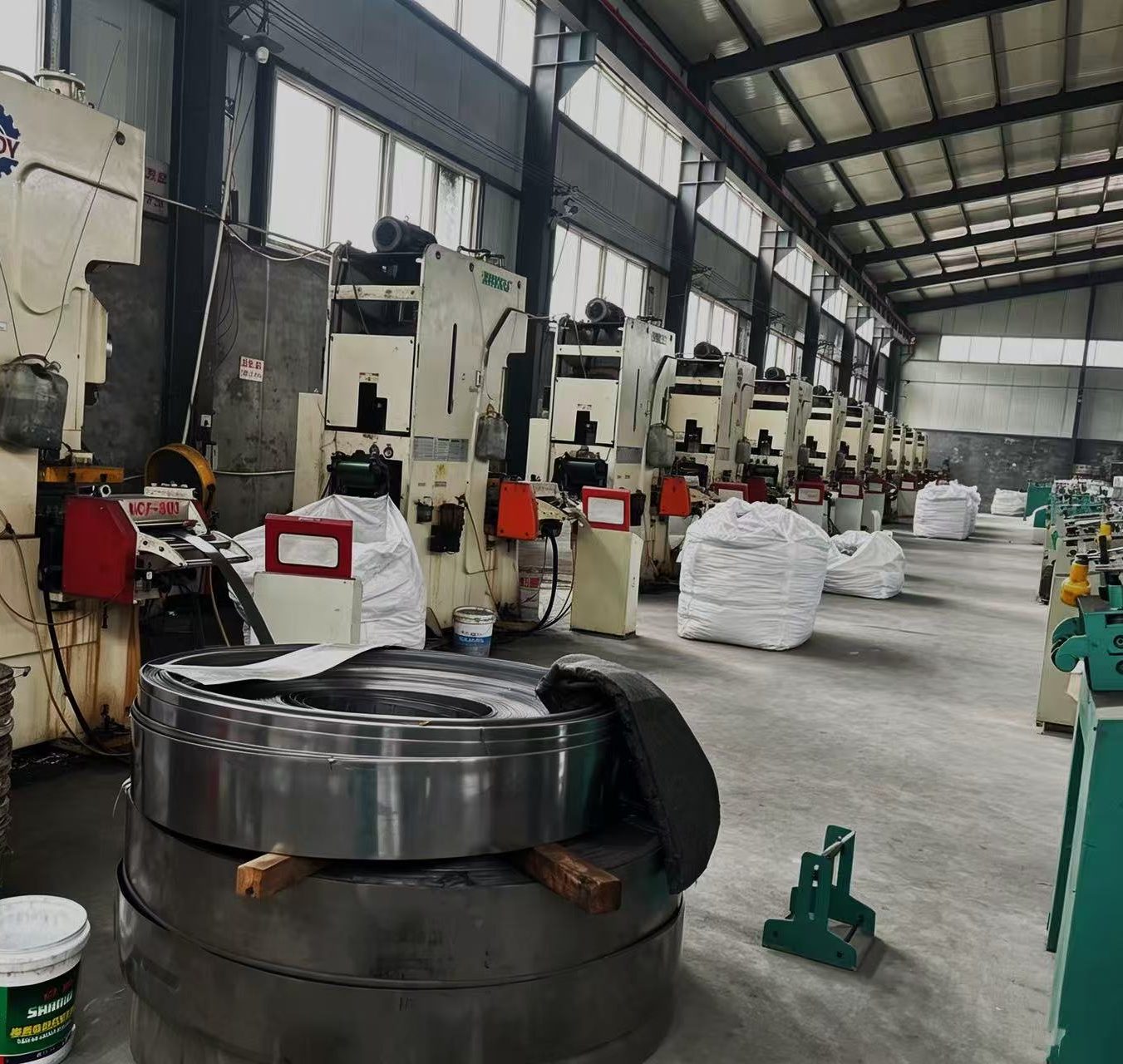
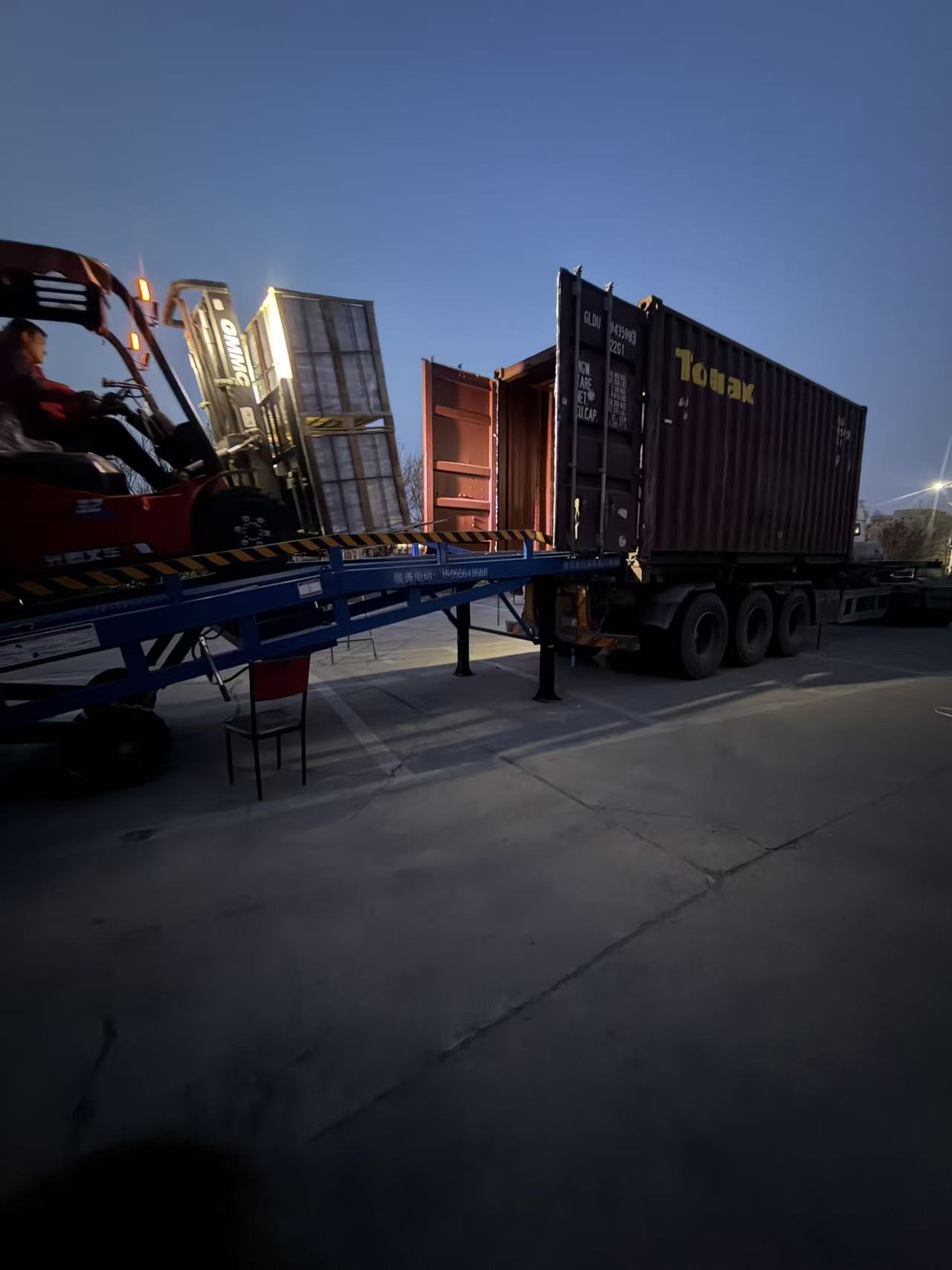
Securing the right supplier is just as critical as selecting the correct fastener specification. For organizations seeking reliable sources of DIN6923 flange nuts and related hardware, partnering with an experienced manufacturer ensures adherence to strict international standards. Based in Handan, Hebei—China’s renowned hub for fastener manufacturing—a leading industry and trade combination company has dedicated over a decade to mastering the art of fastener production.
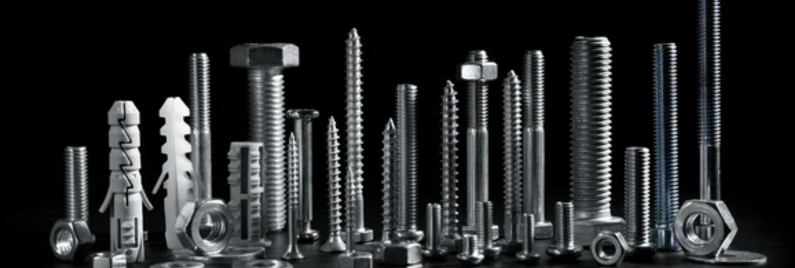
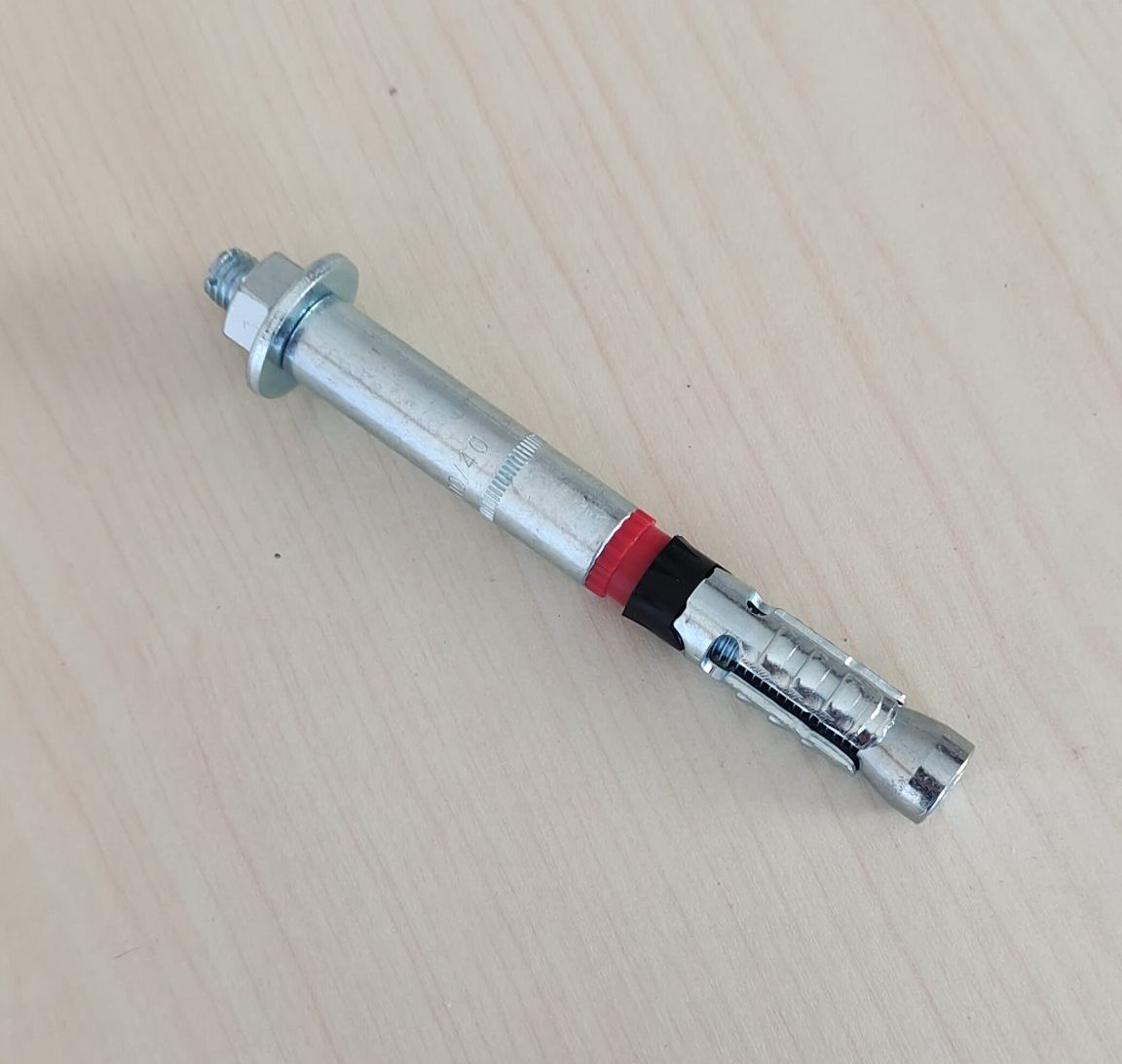
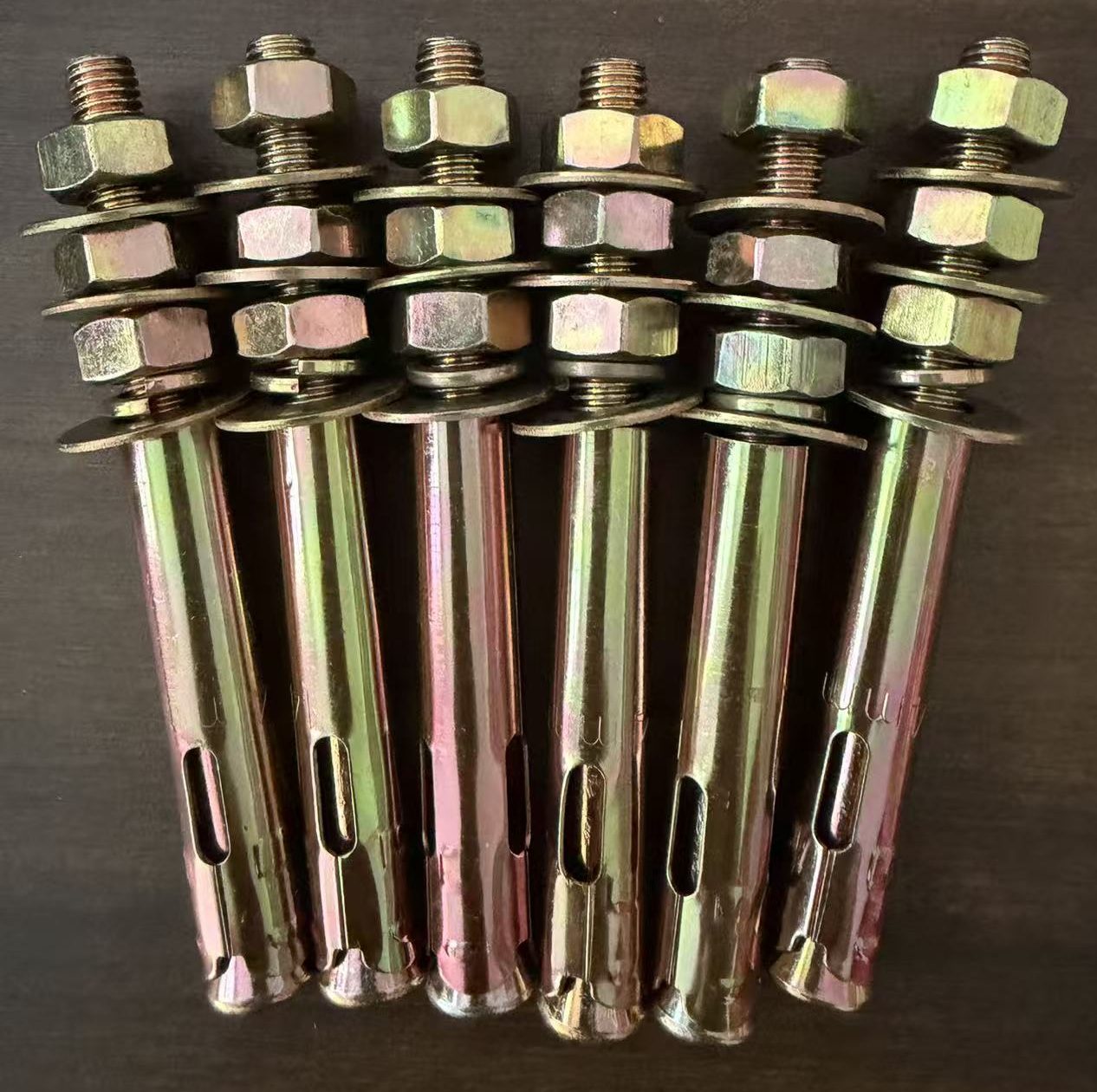
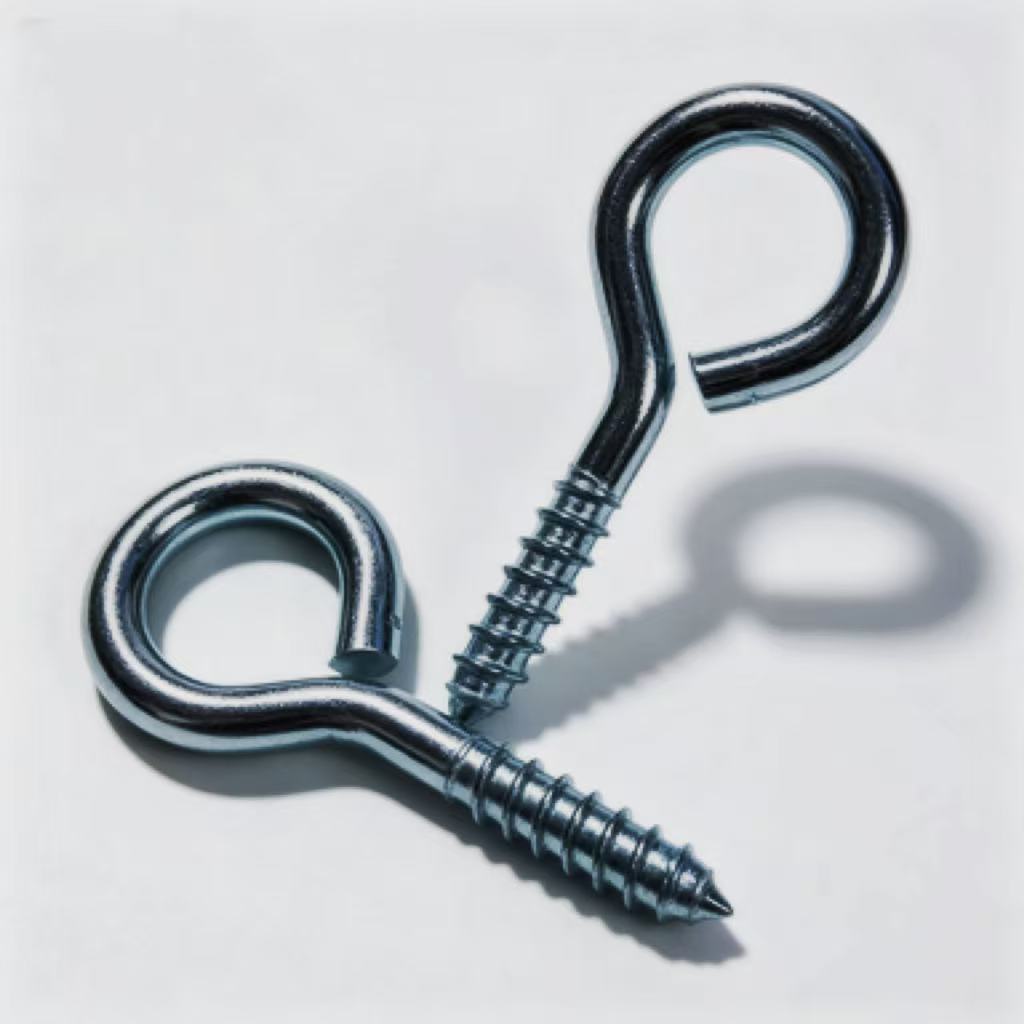
This enterprise specializes in the development, manufacturing, and global trade of a diverse range of fasteners, including casing geckos, wooden teeth welded sheep’s eye screws/bolts, and precision-engineered flange nuts. With products exported to more than 26 countries, the company combines deep industry experience with a commitment to innovation. By investing heavily in scientific research and introducing high-tech talent, they utilize advanced production technologies and rigorous testing methods to deliver products that meet GB, DIN, JIS, ANSI, and other global standards.
Driven by a philosophy of “quality first, customer first,” the company boasts a professional technical team and state-of-the-art machinery capable of customizing special specifications to meet unique project requirements. Whether you need standard DIN 6923 nuts for automotive assembly or bespoke hardware solutions, their focus on integrity and continuous improvement ensures that every component delivered supports the safety and durability of your final product.
Conclusion and Selection Guide
The DIN6923 flange nut stands as a testament to efficient mechanical design, merging the functions of a nut and a washer into a single, high-performance component. Its widespread adoption across automotive, industrial, and construction sectors underscores its value in enhancing joint reliability while simplifying assembly processes. The integration of serrated locking features provides a robust defense against vibration-induced loosening, a common cause of mechanical failure.
For engineers and procurement specialists, the choice to utilize DIN 6923 nuts should be driven by the need for vibration resistance, load distribution, and assembly efficiency. They are ideally suited for dynamic environments where joint integrity cannot be compromised. However, care must be taken to select the appropriate property class and material grade to match the specific demands of the application, ensuring that the fastener does not become the weak link in the system.
When specifying these components for your next project, prioritize suppliers who adhere strictly to DIN standards and provide certified test reports for material properties. Evaluate whether the serrated interface is compatible with your substrate material to avoid surface damage. By understanding the nuances of the DIN6923 flange nut and partnering with reputable manufacturers, you can optimize your designs for safety, durability, and cost-effectiveness. Take the next step by reviewing your current bill of materials to identify opportunities where switching to flange nuts could streamline your production line and enhance product quality.