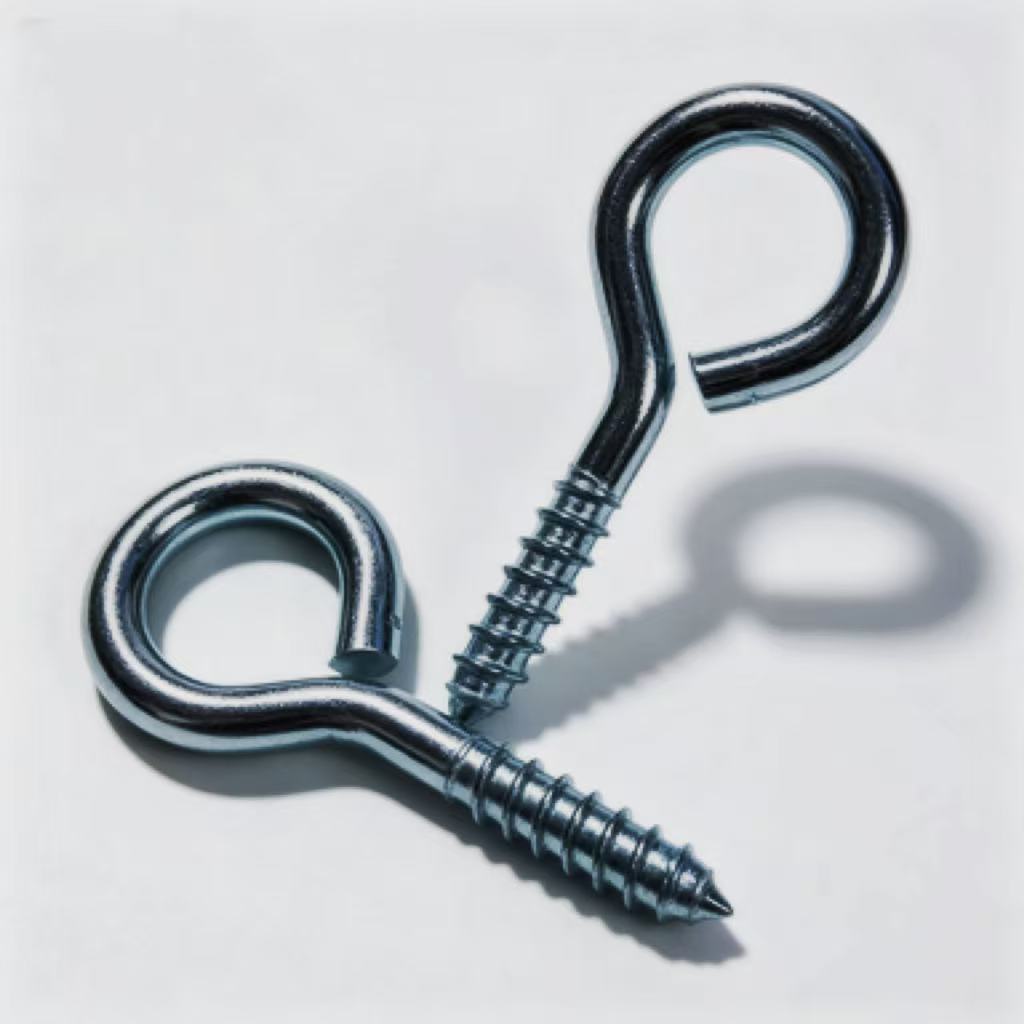
Eye bolts are specialized fasteners featuring a looped head, engineered to create secure lifting points for rigging, hoisting, and anchoring applications. These critical hardware components transform standard threaded connections into reliable attachment nodes for cables, chains, and hooks. Understanding the specific types of eye bolts, their load ratings, and proper installation angles is essential for maintaining workplace safety and preventing catastrophic equipment failure during overhead lifts.
What Are Eye Bolts and How Do They Function?
An eye bolt consists of a threaded shank topped with a circular loop, known as the “eye.” This design allows users to attach lifting gear directly to machinery, structural beams, or heavy loads. The primary function is to transfer tensile loads from the lifting device through the bolt and into the receiving material. Unlike standard hex bolts, eye bolts are subjected to dynamic forces and angular stresses that require precise engineering.
The integrity of an eye bolt depends heavily on its geometry and material composition. The eye portion must be forged or bent to withstand shear forces, while the threads must engage sufficiently with the base material to prevent pull-out. Industry standards dictate strict manufacturing tolerances to ensure that the working load limit (WLL) remains consistent across batches. Misapplication or improper installation can reduce the effective capacity by up to 70%, making technical knowledge vital for operators.
These fasteners serve as the interface between static structures and dynamic lifting operations. Whether securing a motor to a foundation or hoisting a steel beam, the eye bolt acts as the single point of failure if not selected correctly. Professionals rely on clear markings and standardized dimensions to verify suitability before every lift. The versatility of eye bolts spans construction, marine, aerospace, and general manufacturing sectors.
Core Types of Eye Bolts: Machinery vs. Shoulder Patterns
Selecting the correct type of eye bolt is the most critical step in rigging planning. The two primary categories are machinery eye bolts and shoulder pattern eye bolts. Each serves distinct purposes based on the direction of the applied load. Using a machinery eye bolt for an angular lift, for instance, can lead to immediate bending or fracture of the shank.
Machinery Eye Bolts: Straight Pull Applications
Machinery eye bolts feature a straight shank with no shoulder beneath the eye. These are designed exclusively for vertical lifts where the force is applied directly along the axis of the bolt. The absence of a shoulder means there is no mechanism to support angular forces. If a side load is applied, the bending moment concentrates entirely on the root of the threads, creating a high risk of failure.
- Design: Simple threaded shank with a loop; no supporting collar.
- Load Direction: Strictly vertical (0 degrees from the axis).
- Installation: Must be tightened until the eye aligns perfectly with the load path.
- Limitations: Capacity drops precipitously with any angular deviation; not rated for side loading.
Professionals use machinery eye bolts primarily for anchoring equipment that will be lifted straight up, such as electric motors or pumps. They are cost-effective and widely available but demand strict adherence to vertical lifting protocols. Any attempt to use them for towing or angled hoisting violates safety standards and compromises structural integrity.
Shoulder Pattern Eye Bolts: Angular Lift Capabilities
Shoulder pattern eye bolts include a squared or shouldered section directly beneath the eye. This shoulder is designed to seat flush against the mounting surface, providing crucial support when loads are applied at an angle. By transferring angular forces into the mounting surface rather than the threads, these bolts maintain higher working load limits during non-vertical lifts.
- Design: Features a distinct shoulder that bears against the installation surface.
- Load Direction: Rated for vertical, angular, and limited side loads.
- Installation: Requires the shoulder to sit fully flat against the material; washers may be used for alignment.
- Advantages: Significantly higher safety margin for rigging scenarios involving multiple sling legs.
When rigging complex loads where slings converge at an angle, shoulder pattern eye bolts are the industry standard. The shoulder prevents the bolt from bending under lateral stress. However, even with this reinforced design, the working load limit decreases as the lift angle increases. Users must consult load charts to derate the capacity appropriately for specific angular configurations.
Detailed Comparison: Machinery vs. Shoulder Eye Bolts
Understanding the operational differences between these two main types is essential for safe rigging practices. The following table outlines the key distinctions regarding load capacity, installation requirements, and suitable applications. This comparison aids in selecting the appropriate hardware for specific lifting scenarios.
| Feature | Machinery Eye Bolt | Shoulder Pattern Eye Bolt |
| Primary Load Direction | Vertical only (inline) | Vertical and Angular |
| Shoulder Design | None | Prominent shoulder for surface contact |
| Angular Load Capacity | Not rated; high failure risk | Rated, but requires derating based on angle |
| Installation Criticality | Eye orientation less critical for vertical | Shoulder must seat flush; eye must align with load |
| Typical Applications | Motor mounting, straight hoisting | Rigging, multi-leg sling lifts, towing |
| Safety Margin | Low for non-vertical forces | High, due to load distribution via shoulder |
The data clearly indicates that shoulder pattern eye bolts offer superior versatility for complex rigging tasks. However, machinery eye bolts remain the preferred choice for simple, dedicated vertical lifting points where cost and simplicity are priorities. Never substitute one for the other without recalculating the load dynamics and verifying compliance with safety regulations.
Specialized Variants and Material Considerations
Beyond the standard machinery and shoulder types, the market offers specialized eye bolts designed for extreme environments and unique mechanical requirements. These variants address specific challenges such as corrosion, high temperatures, and self-locking needs. Selecting the right material and variant ensures longevity and reliability in harsh operating conditions.
Nut Eye Bolts and Self-Locking Designs
Nut eye bolts feature a threaded shank intended to pass completely through a material, secured by a nut on the opposite side. This configuration is ideal when the base material is too thin to accommodate deep thread engagement or when disassembly is frequently required. Some models include integrated locking mechanisms or prevailing torque features to prevent loosening under vibration.
Self-locking eye bolts incorporate nylon inserts or deformed threads to maintain tension without additional hardware. These are particularly useful in automotive and transportation applications where constant vibration could loosen standard fasteners. The ability to secure the bolt without accessing the rear of the mounting surface simplifies installation in confined spaces.
Material Selection: Steel, Stainless, and Alloy
The material composition of an eye bolt dictates its environmental resistance and ultimate strength. Carbon steel eye bolts are the most common, offering high tensile strength for general industrial use. They are typically plated with zinc or galvanized to provide moderate corrosion protection. For outdoor or marine environments, this level of protection may be insufficient over time.
Stainless steel eye bolts, usually manufactured from 304 or 316 grades, provide exceptional resistance to rust and chemical corrosion. Type 316 is specifically recommended for marine applications due to its molybdenum content, which combats pitting in saltwater environments. While slightly lower in tensile strength compared to high-grade alloy steel, their durability in corrosive settings makes them indispensable for coastal and chemical processing facilities.
For heavy-duty lifting requiring maximum strength-to-weight ratios, alloy steel eye bolts are the preferred choice. These are often heat-treated to achieve higher working load limits and are frequently used in conjunction with alloy chain slings. It is crucial to match the grade of the eye bolt with the rest of the rigging assembly to ensure uniform performance and safety factors.
Industry Expertise and Manufacturing Excellence
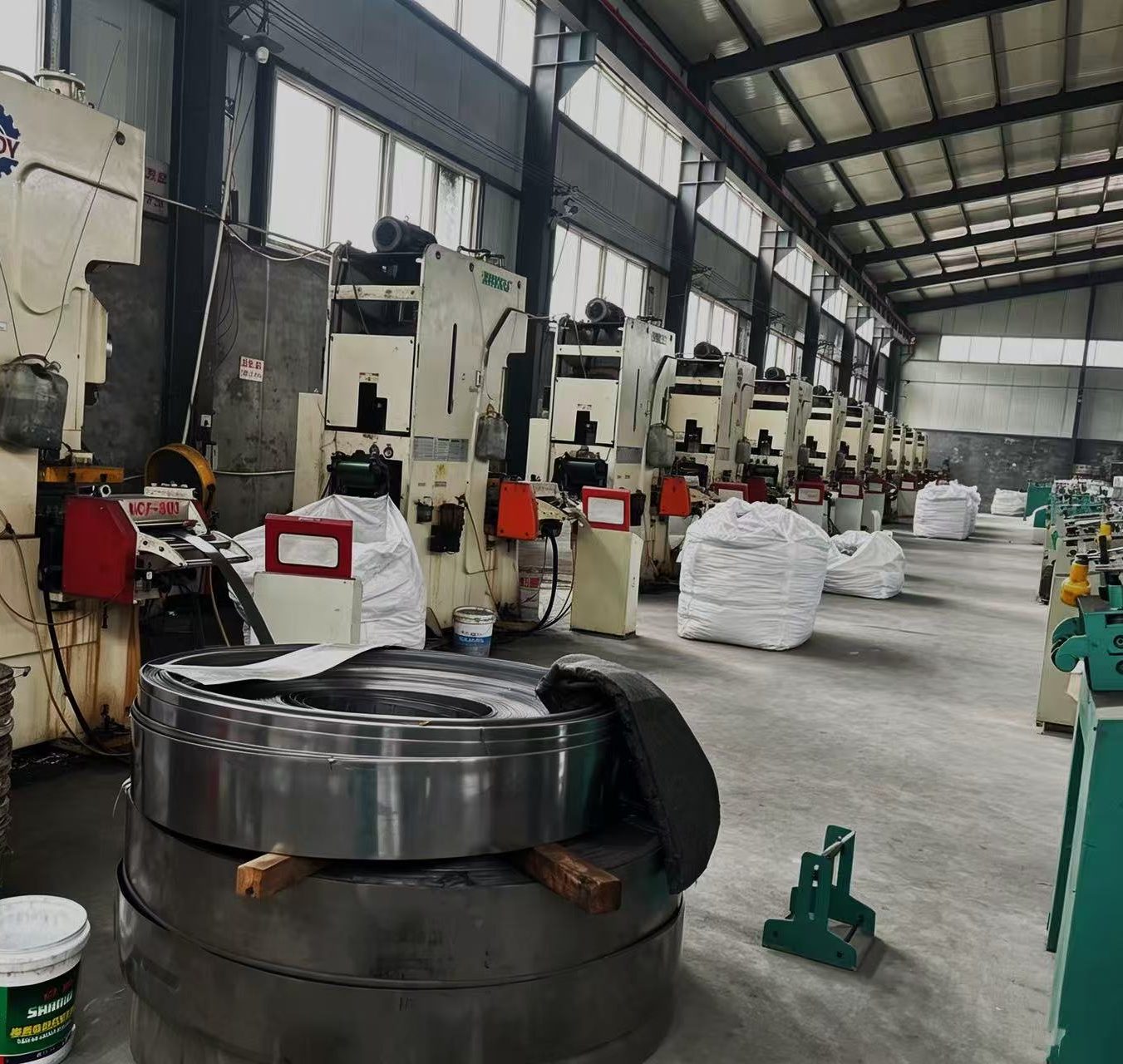
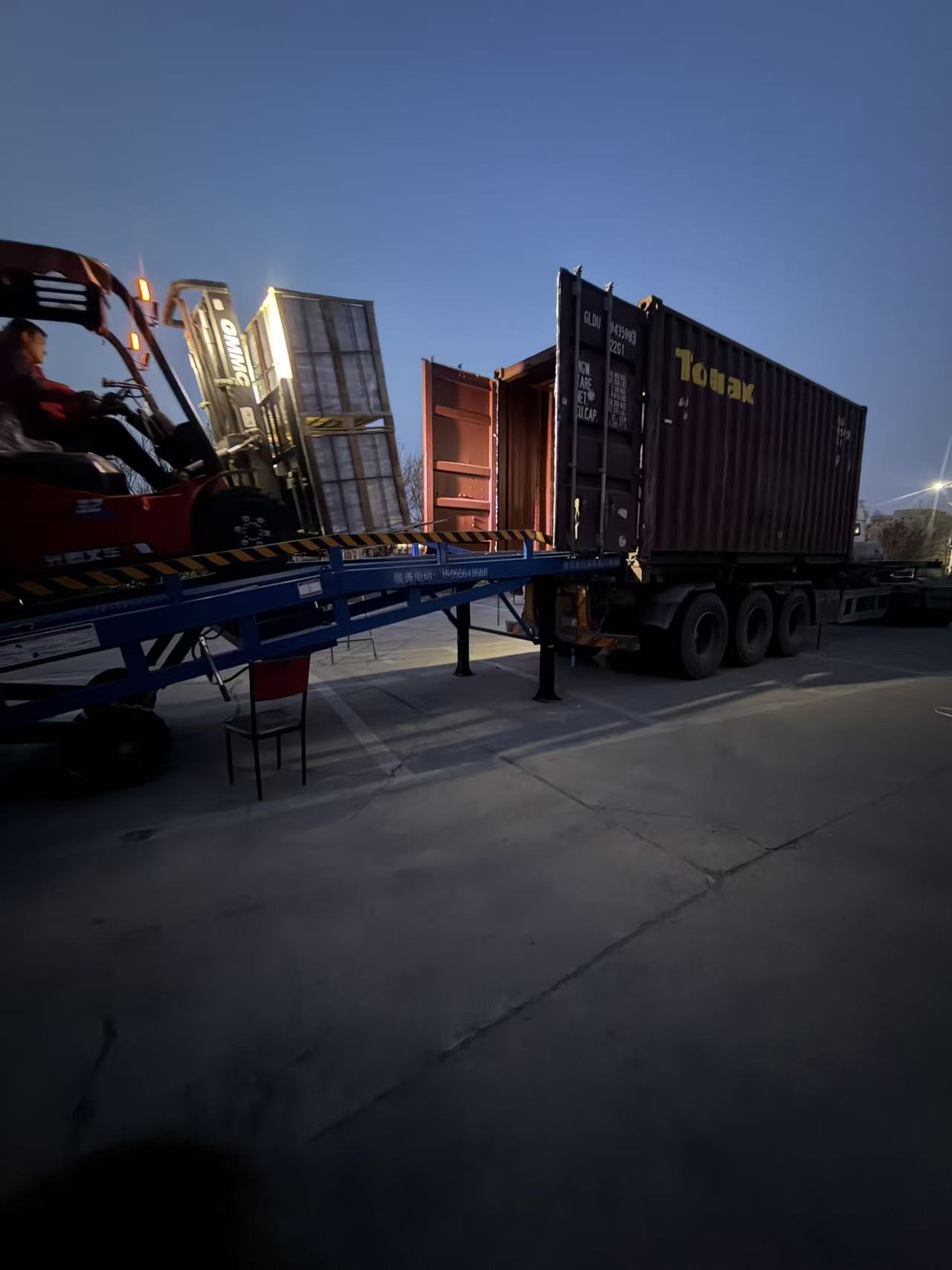
Given the critical nature of these components, sourcing eye bolts from a manufacturer with deep industry experience and rigorous quality control is paramount. As a global industry and trade combination company based in Handan, Hebei—China’s premier hub for fastener manufacturing—we specialize in the development, production, and distribution of high-performance fasteners and hardware tools. With over a decade of experience, our facility has supplied reliable lifting solutions to clients in more than 26 countries worldwide.
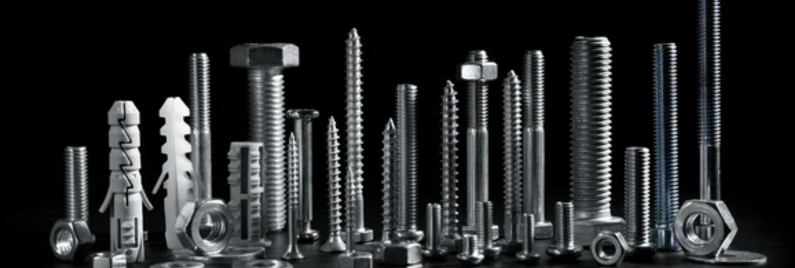
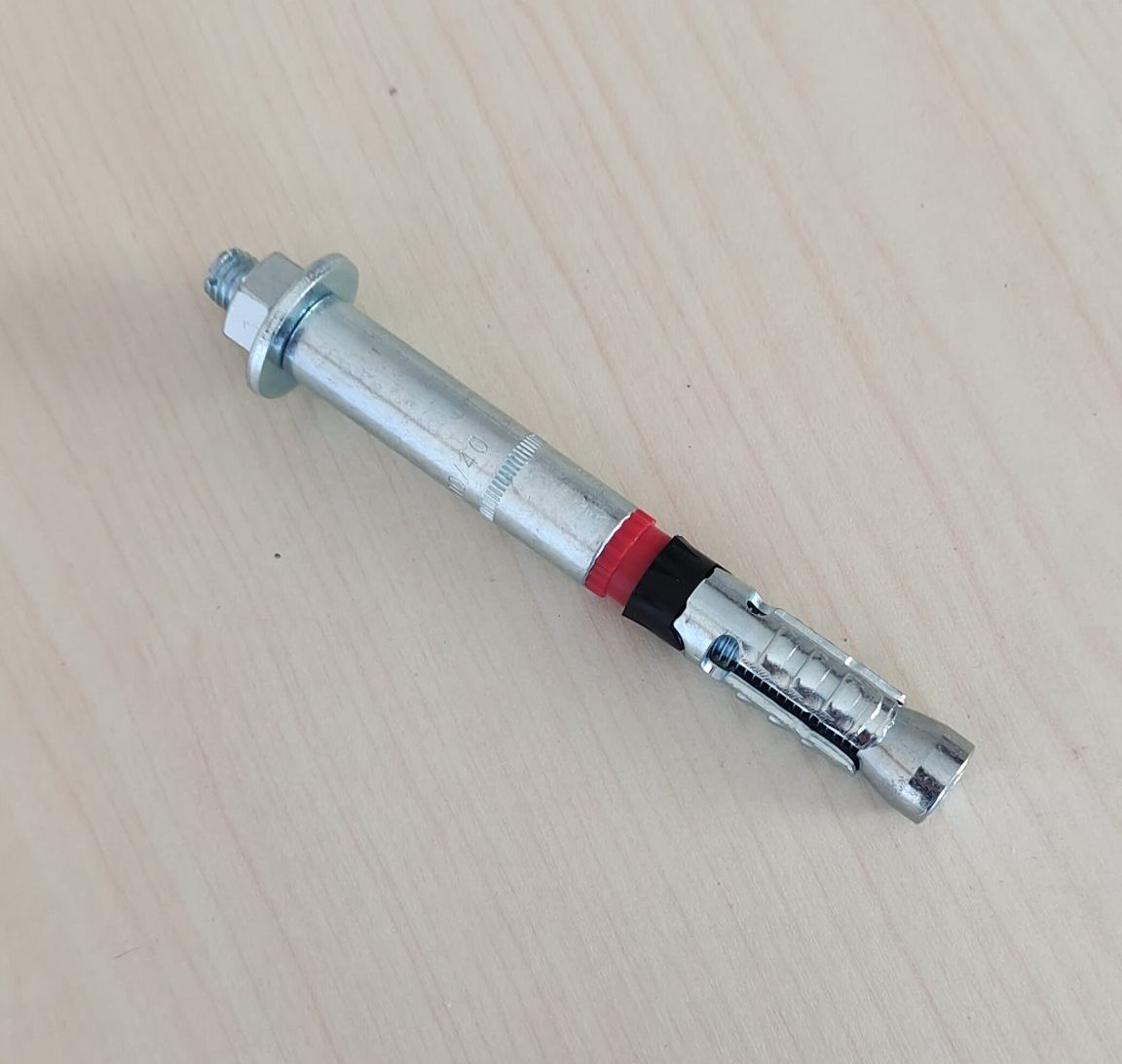
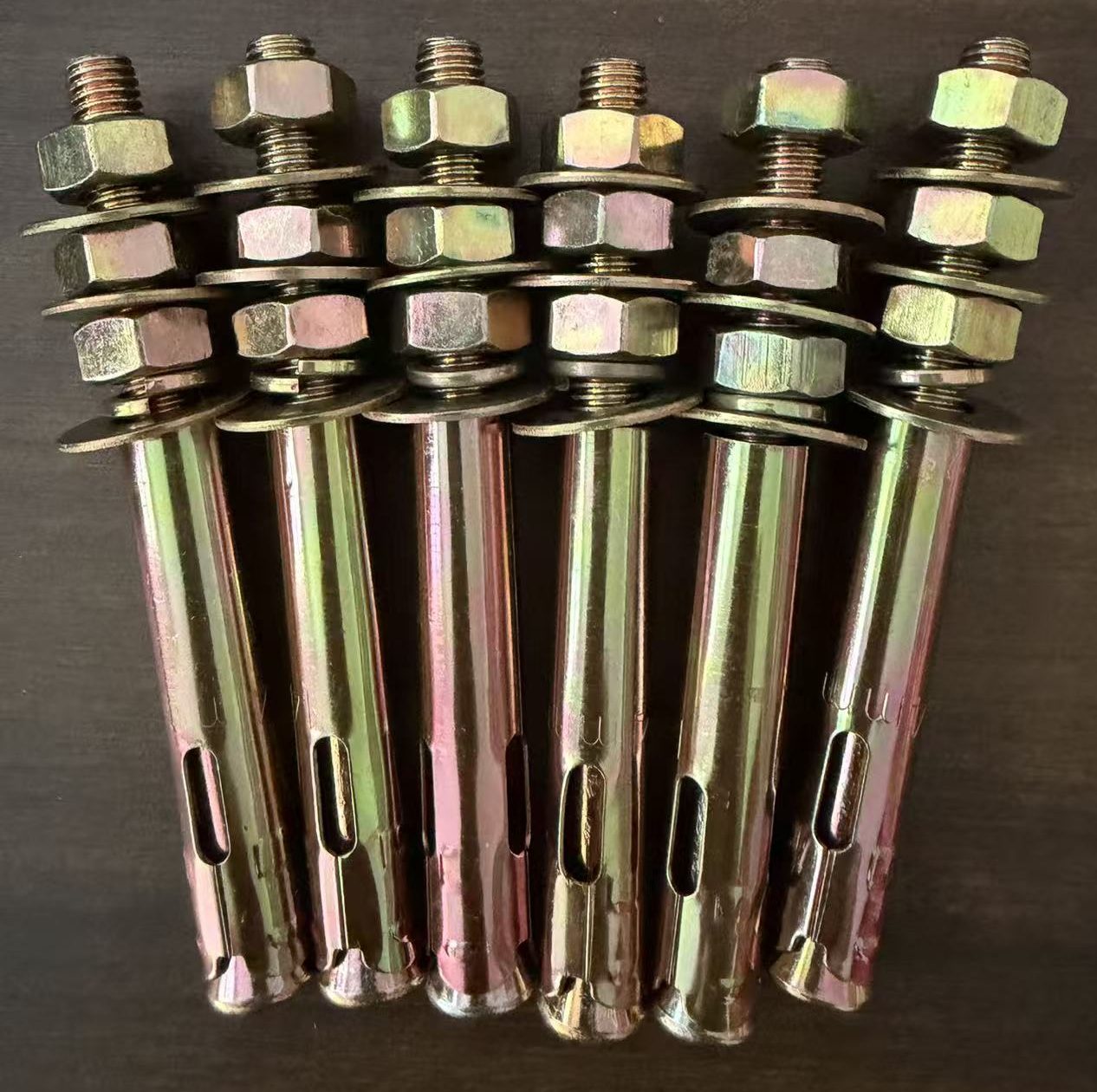
Our product line includes a comprehensive range of fasteners, notably specializing in various types of casing geckos and wooden teeth welded sheep’s eye screws/bolts, alongside standard and custom eye bolt configurations. We adhere to a philosophy of integrity and innovation, continuously investing in scientific research and introducing high-tech talent to our professional technical team. By utilizing advanced production technology and perfect testing methods, we ensure that every product meets stringent international standards, including GB, DIN, JIS, and ANSI.
We understand that no two lifting scenarios are identical. Therefore, we offer extensive customization services to meet specific customer needs regarding special specifications, quality grades, and order quantities. Guided by the principle of “quality first, customer first,” we maintain strict quality control protocols to deliver products that not only meet but exceed expectations. Our goal is to uphold our reputation by providing competitive prices, thoughtful service, and hardware that ensures the safety and efficiency of your operations.
Installation Best Practices and Safety Protocols
Proper installation is just as critical as selecting the correct eye bolt type. Even the highest-rated hardware can fail if installed incorrectly. Adhering to established protocols ensures that the theoretical load ratings translate into real-world safety. The following guidelines represent industry best practices for installing eye bolts securely.
Step-by-Step Installation Guide
Executing a safe installation requires attention to detail at every stage. From hole preparation to final torque application, each step influences the overall integrity of the lifting point. Follow this logical sequence to minimize risks and ensure optimal performance.
- Inspect the Component: Before installation, examine the eye bolt for cracks, nicks, or thread damage. Verify that the marking indicates the correct grade and type for your application.
- Prepare the Mounting Surface: Ensure the surface is flat, clean, and free of debris. For shoulder pattern bolts, the seating area must be perfectly smooth to allow full contact.
- Drill and Tap Correctly: Use the recommended drill size for the specific thread pitch. Tapped holes must be perpendicular to the surface to prevent angular stress on the shank.
- Align the Eye: Screw the eye bolt in until the shoulder seats firmly (for shoulder types) or the eye aligns with the intended load path. Avoid backing the bolt out to adjust alignment; instead, use washers if necessary and permitted.
- Apply Proper Torque: Tighten to the manufacturer’s specified torque values. Under-tightening can lead to loosening, while over-tightening may strip threads or distort the eye.
- Final Verification: Confirm that the eye is oriented correctly relative to the sling angle. For angular lifts, the plane of the eye must align with the direction of the pull.
Common Installation Errors to Avoid
Several recurring mistakes compromise the safety of eye bolt installations. One frequent error is failing to seat the shoulder of a shoulder pattern bolt flush against the surface. This creates a gap that induces bending moments, drastically reducing the load capacity. Another common issue is cross-threading during installation, which weakens the connection and can lead to sudden stripping under load.
Using washers incorrectly is also a significant risk. While washers can help align the eye, using too many or the wrong type can elevate the shoulder, negating its supportive function. Additionally, installing eye bolts into materials that lack sufficient thickness or strength can cause the base material to fail before the bolt itself. Always verify that the receiving material can handle the imposed loads.
Neglecting to account for the angle of the lift during installation is perhaps the most dangerous oversight. An eye bolt installed without considering the sling angle may be subjected to forces it was not designed to handle. Rigors planning must precede installation to ensure the hardware orientation matches the anticipated load vector.
Load Ratings and Derating Factors
Understanding load ratings is fundamental to safe rigging operations. The Working Load Limit (WLL) represents the maximum weight an eye bolt can safely support under ideal conditions. However, real-world scenarios rarely match ideal conditions. Factors such as lift angle, dynamic forces, and environmental conditions necessitate derating the WLL to maintain a safe margin.
The Impact of Lift Angle on Capacity
As the angle of the lift deviates from the vertical axis, the effective capacity of the eye bolt decreases. This is due to the introduction of horizontal force components that create bending moments. For shoulder pattern eye bolts, manufacturers provide specific derating charts. Generally, as the angle increases from 0 to 45 degrees, the WLL may drop by 30% or more. Beyond 45 degrees, the reduction becomes even more severe.
It is critical to calculate the actual tension on each leg of a multi-sling lift. The tension in each leg exceeds the share of the total weight as the angle flattens. For example, in a two-leg sling setup with a 60-degree included angle, the tension in each leg is equal to the load weight, not half. Failing to account for this multiplication effect can easily exceed the eye bolt’s rated capacity.
Dynamic Loads and Shock Factors
Static load ratings do not account for dynamic forces generated during lifting. Starting a lift, stopping a moving load, or swinging a suspended object introduces shock loads that can momentarily double or triple the static weight. Industry standards recommend applying a dynamic factor to the calculated load when selecting eye bolts. In high-speed or jerky operations, choosing a bolt with a significantly higher WLL than the static load is prudent.
Environmental factors also influence effective load capacity. Extreme temperatures can alter the metallurgical properties of the steel, potentially reducing strength. Corrosive environments can weaken the cross-section of the bolt over time through pitting and material loss. Regular inspections are mandatory to detect such degradation before it leads to failure.
Applications Across Industries
Eye bolts are ubiquitous in modern industry, serving as the backbone of countless lifting and securing operations. Their application varies widely depending on the specific demands of the sector. From delicate instrumentation to massive construction projects, the versatility of eye bolts makes them indispensable.
Construction and Structural Engineering
In construction, eye bolts are used to lift precast concrete elements, steel beams, and modular building components. High-strength alloy eye bolts are often embedded into concrete forms or attached to steel frameworks. The ability to safely maneuver heavy materials at height relies entirely on the reliability of these connection points. Engineers specify shoulder pattern bolts for almost all structural lifts to accommodate the inevitable angular forces of crane operations.
Marine and Offshore Operations
The marine environment presents unique challenges due to constant exposure to saltwater and humidity. Stainless steel eye bolts, particularly grade 316, are standard for securing cargo, rigging sails, and anchoring equipment on ships and offshore platforms. Corrosion resistance is paramount here, as a rusted eye bolt can fail without warning. Regular maintenance schedules in this sector focus heavily on inspecting these fasteners for signs of pitting or stress cracking.
Manufacturing and Machinery Maintenance
Inside factories, eye bolts facilitate the movement of heavy machinery parts during assembly and maintenance. Motors, generators, and large presses often come equipped with integrated eye bolts for easy relocation. Maintenance teams use portable hoists connected to these points to remove components for repair. The efficiency of downtime reduction depends on the quick and secure attachment of lifting gear to these standardized points.
Frequently Asked Questions (FAQ)
Addressing common queries helps clarify misconceptions and promotes safer usage of eye bolts. The following questions cover critical aspects of selection, usage, and maintenance that professionals frequently encounter.
Can I use a machinery eye bolt for an angled lift?
No, machinery eye bolts are strictly rated for vertical lifts only. Applying an angular load to a machinery eye bolt creates a bending moment that the design cannot support, leading to a high probability of failure. For any lift where the sling is not vertical, you must use a shoulder pattern eye bolt and adhere to the appropriate derating guidelines.
How often should eye bolts be inspected?
Eye bolts should be inspected before every use for visible signs of damage, such as cracks, deformation, or corrosion. Additionally, a formal periodic inspection by a competent person should be conducted at least annually, or more frequently depending on the severity of service conditions. Any eye bolt showing signs of wear, stretching, or thread damage must be removed from service immediately.
What is the difference between regular and swivel eye bolts?
Regular eye bolts have a fixed eye that does not rotate. Swivel eye bolts feature a bearing mechanism that allows the eye to rotate independently of the shank. This prevents the lifting sling from twisting during the lift, which is crucial for maintaining load stability and preventing damage to the sling. Swivel eyes are often used in applications where the load may naturally rotate.
Do eye bolts expire?
Eye bolts do not have a fixed expiration date like food products, but they do have a finite service life determined by usage and environmental exposure. Fatigue, corrosion, and mechanical damage accumulate over time. If an eye bolt has been overloaded, exposed to extreme heat, or shows significant corrosion, it must be replaced regardless of its age. Documentation of inspection history is key to determining continued usability.
How do I determine the correct thread size for my application?
The correct thread size depends on the load requirements and the thickness of the material being tapped. Consult the manufacturer’s load tables to find the minimum shank diameter required for your specific Working Load Limit. Then, match this diameter to the standard thread sizes compatible with your base material. Ensuring sufficient thread engagement depth is equally important to prevent pull-out failures.
Expert Buying Guide: How to Choose the Right Eye Bolt
Selecting the right eye bolt involves a systematic evaluation of your specific lifting requirements. A haphazard approach can lead to costly delays or safety incidents. By following a structured decision-making process, you can ensure that your purchase aligns perfectly with your operational needs.
Assess Your Load Requirements
Begin by calculating the maximum weight you intend to lift, including the weight of any rigging hardware. Apply a safety factor appropriate for your industry standards, typically ranging from 3:1 to 5:1. Determine the nature of the load: is it static, dynamic, or subject to shock loading? This assessment establishes the baseline Working Load Limit (WLL) your eye bolt must meet.
Evaluate the Lift Geometry
Analyze the geometry of the lift. Will the force be applied vertically, or will there be an angle? If any angular component exists, rule out machinery eye bolts immediately. Determine the maximum expected angle to select a shoulder pattern eye bolt with sufficient residual capacity after derating. Consider whether the load will rotate, which might necessitate a swivel eye design.
Consider Environmental Conditions
Assess the environment where the eye bolt will operate. Is it indoors in a controlled factory setting, or outdoors exposed to rain and salt? For corrosive environments, invest in stainless steel or hot-dip galvanized options. If temperature extremes are a factor, verify that the material grade retains its strength properties within that range. Ignoring environmental factors is a common cause of premature failure.
Verify Compliance and Certification
Ensure that the eye bolts you purchase comply with relevant international standards, such as ASME B30.26 or EN 1677. Look for clear markings on the product indicating the grade, size, and manufacturer. Certified products undergo rigorous testing to validate their load ratings. Avoid unmarked or generic hardware for critical lifting applications, as their actual capacity may be unknown. Partnering with established manufacturers who prioritize R&D and adhere to global standards ensures you receive products that are both safe and reliable.
Conclusion and Next Steps
Eye bolts are deceptively simple components that play a pivotal role in industrial safety and efficiency. Distinguishing between machinery and shoulder pattern types, understanding the impact of lift angles, and adhering to strict installation protocols are the cornerstones of safe rigging practices. By respecting load ratings and selecting materials suited to the environment, professionals can mitigate risks and ensure successful lifting operations.
This guide is ideal for riggers, safety managers, procurement specialists, and engineers involved in lifting operations. Whether you are outfitting a new facility or auditing existing hardware, applying these principles will enhance operational safety. Always prioritize certified products and maintain a rigorous inspection schedule to extend the service life of your equipment.
To move forward, evaluate your current inventory against the criteria outlined in this article. Identify any machinery eye bolts currently used in angular applications and replace them with appropriate shoulder pattern alternatives immediately. Consult with qualified suppliers to source certified hardware that meets your specific load and environmental requirements. Safe lifting begins with the right choice of hardware.