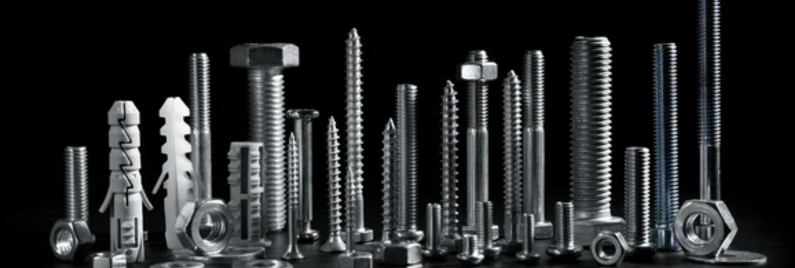
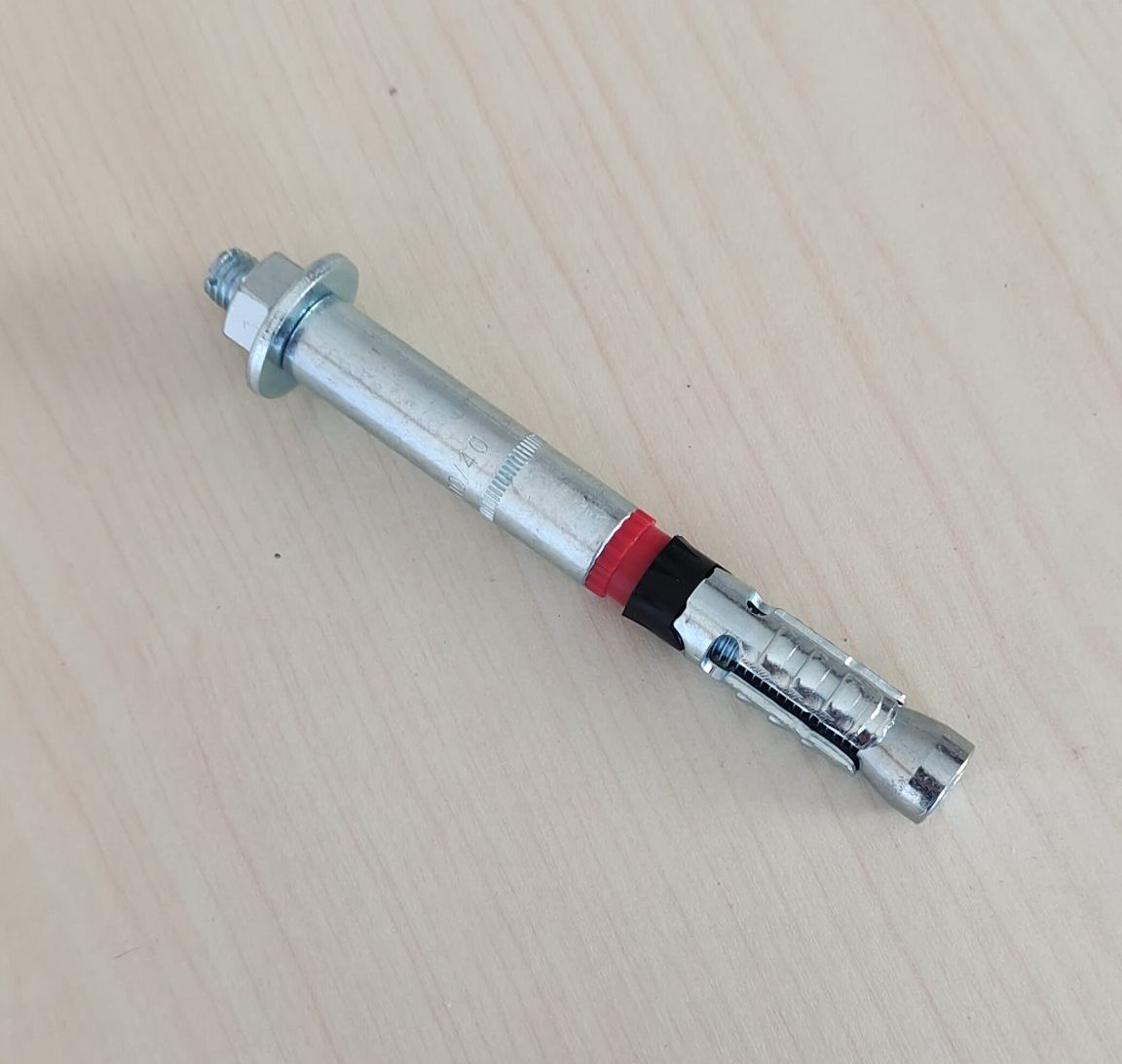
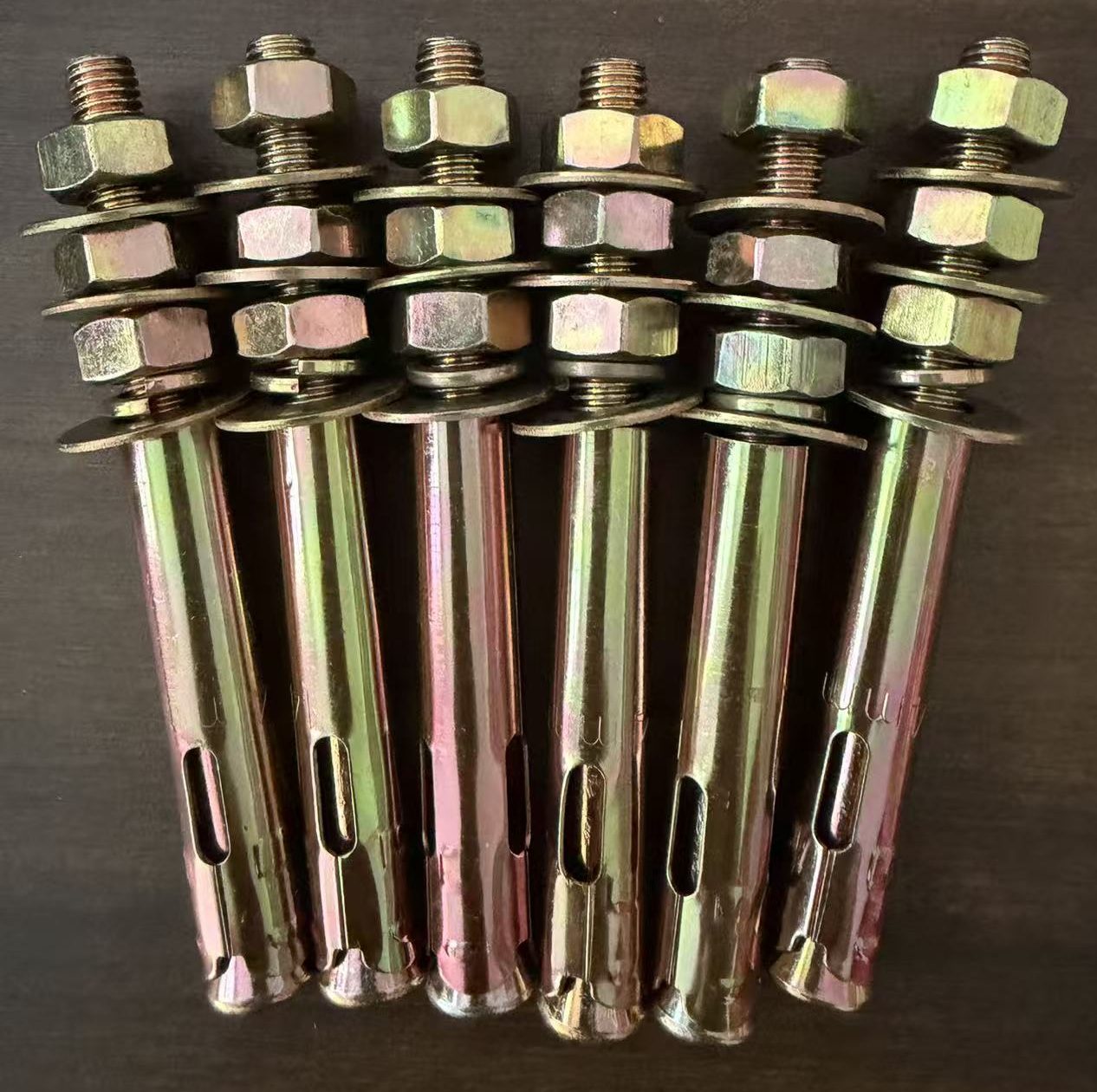
A hex nut is a six-sided fastener with internal threads designed to mate with a bolt or stud, providing a secure mechanical joint in industrial assemblies. As a specialized manufacturer, we produce hex nuts adhering to strict ISO, DIN, and ANSI standards, ensuring precise thread tolerance and high tensile strength. Our facility supports both standard metric and imperial sizes, alongside custom engineering for unique applications in automotive, construction, and heavy machinery sectors.
Precision Hex Nuts Manufacturing: Standards and Specifications
In the realm of industrial fastening, the hex nut remains the most ubiquitous component for creating non-permanent joints. However, not all hex nuts are created equal. The integrity of an assembly depends heavily on the manufacturing precision, material grade, and adherence to international standards. As a dedicated manufacturer, our production process is engineered to meet the rigorous demands of modern engineering, where failure is not an option.
We focus on producing hex nuts that offer superior load distribution and resistance to loosening under vibration. By controlling every variable from raw material selection to final plating, we ensure that every nut leaving our facility meets the specified mechanical properties. This commitment to quality allows engineers and procurement specialists to rely on our components for critical infrastructure and high-performance machinery.
Understanding ISO and DIN Standards for Hex Nuts
International Organization for Standardization (ISO) and Deutsches Institut für Normung (DIN) standards define the geometric and mechanical requirements for hex nuts. Understanding these distinctions is crucial for selecting the right component for your application.
- ISO 4032: This is the standard for hex nuts with property classes 5, 8, and 10. It defines the dimensions for general-purpose nuts. Most commercial and industrial applications utilize this standard.
- ISO 4033: Specifies hex nuts with property class 12. These are high-strength nuts used in structural steelwork and heavy machinery where higher preload is required.
- DIN 934: A widely recognized German standard that closely aligns with ISO 4032 but may have slight variations in chamfer angles and width across flats.
- DIN 933 vs. DIN 934: While DIN 933 refers to hex head bolts, DIN 934 is the corresponding nut. Ensuring compatibility between these paired standards is vital for proper thread engagement.
Our manufacturing lines are calibrated to strictly adhere to these dimensional tolerances. We utilize advanced CNC machining and cold forging techniques to ensure that the width across flats (WAF) and height of the nut remain within the permissible limits defined by these standards. This precision ensures that standard wrenches and sockets fit correctly, preventing rounding of corners during installation.
Material Grades and Mechanical Properties
The performance of a hex nut is directly linked to its material composition and heat treatment. We offer a comprehensive range of material grades to suit various environmental and load-bearing requirements.
| Property Class / Grade | Material Type | Tensile Strength (Min) | Typical Applications |
| Class 5 / Grade A | Low/Medium Carbon Steel | 500 MPa | General construction, low-stress assemblies |
| Class 8 / Grade B | Medium Carbon Steel, Quenched & Tempered | 800 MPa | Automotive, machinery, structural steel |
| Class 10 / Grade C | Medium Carbon Steel, Quenched & Tempered | 1040 MPa | High-vibration environments, heavy equipment |
| Class 12 | Alloy Steel, Quenched & Tempered | 1220 MPa | Critical structural connections, bridge building |
| A2-70 (Stainless) | Austenitic Stainless Steel (304) | 700 MPa | Corrosive environments, food processing, marine |
| A4-80 (Stainless) | Austenitic Stainless Steel (316) | 800 MPa | Chemical plants, offshore platforms, high corrosion |
Selecting the correct property class is essential. Using a Class 5 nut with a Class 10.9 bolt can lead to thread stripping because the nut is significantly weaker than the bolt. Our engineering team assists clients in matching nut grades to bolt strengths to ensure the joint fails safely (usually by bolt stretching) rather than catastrophically (thread stripping).
Manufacturing Process: From Raw Wire to Finished Product
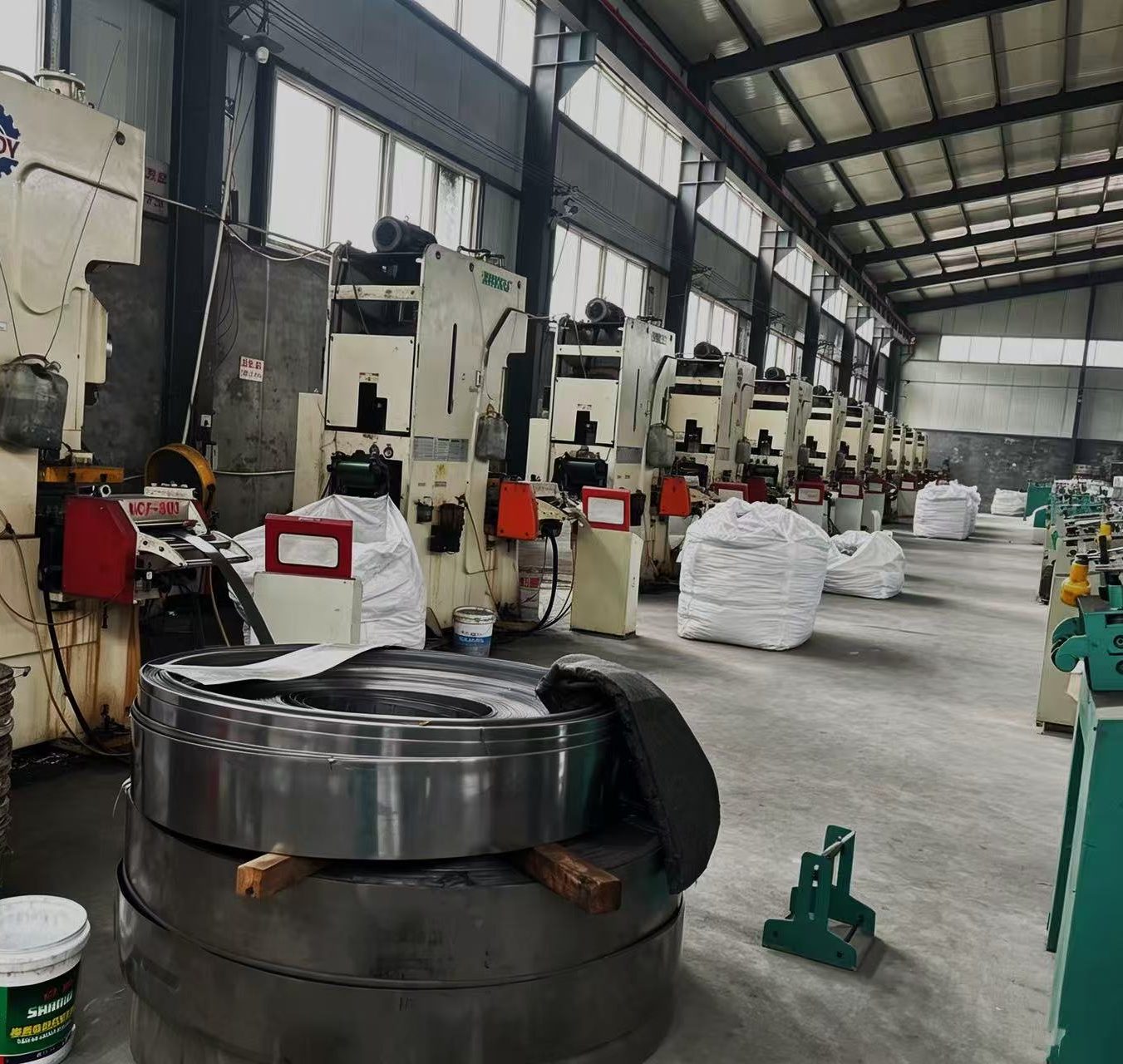
The journey of a hex nut from raw material to a finished, certified product involves several critical stages. Our manufacturing facility employs a hybrid approach, utilizing both cold forging and hot forging depending on the size and material of the nut. This flexibility allows us to optimize cost and mechanical properties for different customer needs.
Cold Forging vs. Hot Forging
Cold Forging is the primary method for producing standard hex nuts up to M24. In this process, wire is cut to length and then pressed into a die at room temperature. The metal flows into the shape of the nut under immense pressure. This method offers several advantages:
- Enhanced Strength: Cold working induces strain hardening, increasing the yield strength of the material.
- Superior Surface Finish: The process results in a smoother surface, reducing the need for extensive finishing.
- Material Efficiency: Minimal waste is generated compared to machining from bar stock.
Hot Forging is employed for larger diameters (above M24) or high-alloy materials that are difficult to deform at room temperature. The material is heated to its recrystallization temperature before being forged. While this process consumes more energy, it allows for the formation of complex shapes and larger sizes without cracking the material.
Tapping and Thread Formation
Once the hexagonal shape is formed, the internal threads must be created. We use high-speed tapping machines equipped with premium carbide taps. The precision of the tap determines the thread class (typically 6H for standard nuts). Our quality control system regularly checks thread gauges to ensure that the go/no-go criteria are met. Proper thread formation is critical for achieving the desired clamp load and preventing galling during assembly.
Heat Treatment and Hardening
For property classes 8, 10, and 12, heat treatment is mandatory. The nuts are subjected to quenching and tempering processes. Quenching rapidly cools the heated steel to increase hardness, while tempering reheats it to a lower temperature to reduce brittleness and improve toughness. We maintain strict control over furnace atmospheres to prevent decarburization, which can weaken the surface of the nut and lead to premature failure.
Surface Treatment and Corrosion Protection
Raw steel hex nuts are susceptible to rust. We offer a variety of surface treatments to enhance corrosion resistance and aesthetic appeal:
- Zinc Plating: The most common finish. Available in clear, yellow, or black chromate. Provides moderate corrosion protection suitable for indoor use.
- Hot-Dip Galvanizing (HDG): Involves dipping the nut in molten zinc. This creates a thick, durable coating ideal for outdoor and marine environments. Note that HDG increases the dimensions, so oversized taps are used to ensure bolt compatibility.
- Dacromet/Geomet: Zinc flake coatings that offer superior corrosion resistance without hydrogen embrittlement risks. Often used in automotive applications.
- Phosphating: Provides a base for painting or oil retention, offering mild corrosion resistance and improved friction characteristics.
Types of Hex Nuts and Their Specific Applications
While the standard hex nut is versatile, specific engineering challenges require specialized designs. As a comprehensive manufacturer, we produce a wide array of hex nut variants tailored to distinct functional requirements.
Heavy Hex Nuts
Heavy hex nuts are larger in width and height compared to standard hex nuts of the same thread diameter. The increased bearing surface distributes the load over a wider area, reducing the pressure on the connected material. This makes them ideal for use with structural bolts in steel construction, bridges, and heavy machinery where high preload forces are applied.
Thin Hex Nuts (Jam Nuts)
Also known as jam nuts, these are approximately half the height of a standard nut. They are primarily used in two scenarios:
- Locking Mechanism: When tightened against a standard nut, they lock the assembly in place, preventing loosening due to vibration.
- Space Constraints: In applications where vertical space is limited, thin nuts provide a viable fastening solution.
Nylon Insert Lock Nuts (Nyloc)
These nuts feature a nylon collar at the top that deforms when the bolt is inserted. The friction between the nylon and the bolt threads prevents the nut from backing off. Nyloc nuts are widely used in automotive and aerospace industries where vibration resistance is critical. However, they are generally not reusable and have temperature limitations due to the nylon insert.
Flange Nuts
A flange nut has a wide flange at one end that acts as an integrated washer. This design distributes the load evenly and prevents the nut from digging into soft materials like aluminum or plastic. Flange nuts are commonly used in plumbing, automotive exhaust systems, and electronic enclosures.
Castle Nuts and Slotted Nuts
These nuts have slots cut into one end, allowing for the insertion of a cotter pin or safety wire. This mechanical locking method is essential in high-security applications such as wheel bearings, suspension systems, and aerospace controls, where absolute prevention of rotation is required.
Selection Guide: How to Choose the Right Hex Nut
Choosing the correct hex nut involves more than just matching the thread size. Engineers and procurement managers must consider several factors to ensure reliability and cost-effectiveness.
1. Load Requirements
Determine the tensile and shear loads the joint will experience. For high-load applications, select higher property classes (Class 10 or 12) and consider using heavy hex nuts to distribute the stress. Ensure the nut grade matches or exceeds the bolt grade to prevent thread stripping.
2. Environmental Conditions
The operating environment dictates the material and finish. For outdoor or marine applications, stainless steel (A2 or A4) or hot-dip galvanized carbon steel is necessary to prevent corrosion. In high-temperature environments, avoid nylon insert nuts and consider alloy steels that retain strength at elevated temperatures.
3. Vibration and Dynamic Loads
If the assembly is subject to vibration, standard hex nuts may loosen over time. In such cases, opt for locking mechanisms such as nylon insert nuts, serrated flange nuts, or use a prevailing torque lock nut. Alternatively, a double-nutting strategy with a jam nut can be effective.
4. Space Constraints
Evaluate the available clearance. If vertical space is limited, thin hex nuts are the appropriate choice. If lateral space is restricted, ensure that the wrench size required for the nut fits within the assembly envelope.
5. Regulatory and Industry Standards
Certain industries, such as automotive, aerospace, and construction, have specific regulatory requirements. Ensure that the selected nuts comply with relevant standards (e.g., ISO, DIN, ANSI, SAE) and possess the necessary certifications (e.g., Mill Test Certificates, RoHS compliance).
Common Installation Errors and How to Avoid Them
Even the highest quality hex nut can fail if installed incorrectly. Understanding common pitfalls can save time, money, and prevent safety hazards.
Galling and Thread Seizure
Galling occurs when threads seize due to excessive friction and heat, particularly in stainless steel nuts. To prevent this:
- Use lubricants or anti-seize compounds on the threads.
- Avoid high-speed tightening, which generates heat.
- Ensure threads are clean and free of debris before assembly.
Over-Tightening
Applying excessive torque can stretch the bolt beyond its yield point or strip the threads of the nut. Always use a calibrated torque wrench and follow the manufacturer’s recommended torque specifications. Remember that torque values depend on the friction coefficient of the surface finish.
Under-Tightening
Insufficient torque leads to loose joints that are prone to vibration loosening and fatigue failure. Ensure that the correct preload is achieved. In critical applications, use tension-indicating washers or ultrasonic bolt measurement to verify clamp load.
Mismatched Components
Never mix incompatible materials or standards. For example, do not use a metric nut on an imperial bolt, even if they appear to fit loosely. This mismatch leads to poor thread engagement and significant reduction in load capacity. Always verify thread pitch and diameter before assembly.
Quality Assurance and Testing Protocols
Trustworthiness in manufacturing is built on rigorous quality control. Our facility implements a multi-stage inspection process to ensure every batch of hex nuts meets the specified requirements.
Dimensional Inspection
We use advanced optical sorting machines and coordinate measuring machines (CMM) to check critical dimensions such as thread pitch, major diameter, width across flats, and height. Random sampling is conducted according to ISO 2859-1 standards to ensure statistical validity.
Mechanical Testing
Sample nuts from each heat treatment batch undergo mechanical testing, including:
- Hardness Testing: Vickers or Rockwell hardness tests to verify heat treatment effectiveness.
- Proof Load Testing: Applying a specified load to ensure the nut does not deform or strip.
- Wedge Testing: Assessing the ductility and head strength of the associated fasteners.
Coating Thickness and Adhesion
For plated nuts, we measure coating thickness using X-ray fluorescence (XRF) analysis. Salt spray testing (ASTM B117) is performed periodically to verify corrosion resistance capabilities. Adhesion tests ensure that the coating does not peel or flake during handling and installation.
About Our Manufacturing Heritage
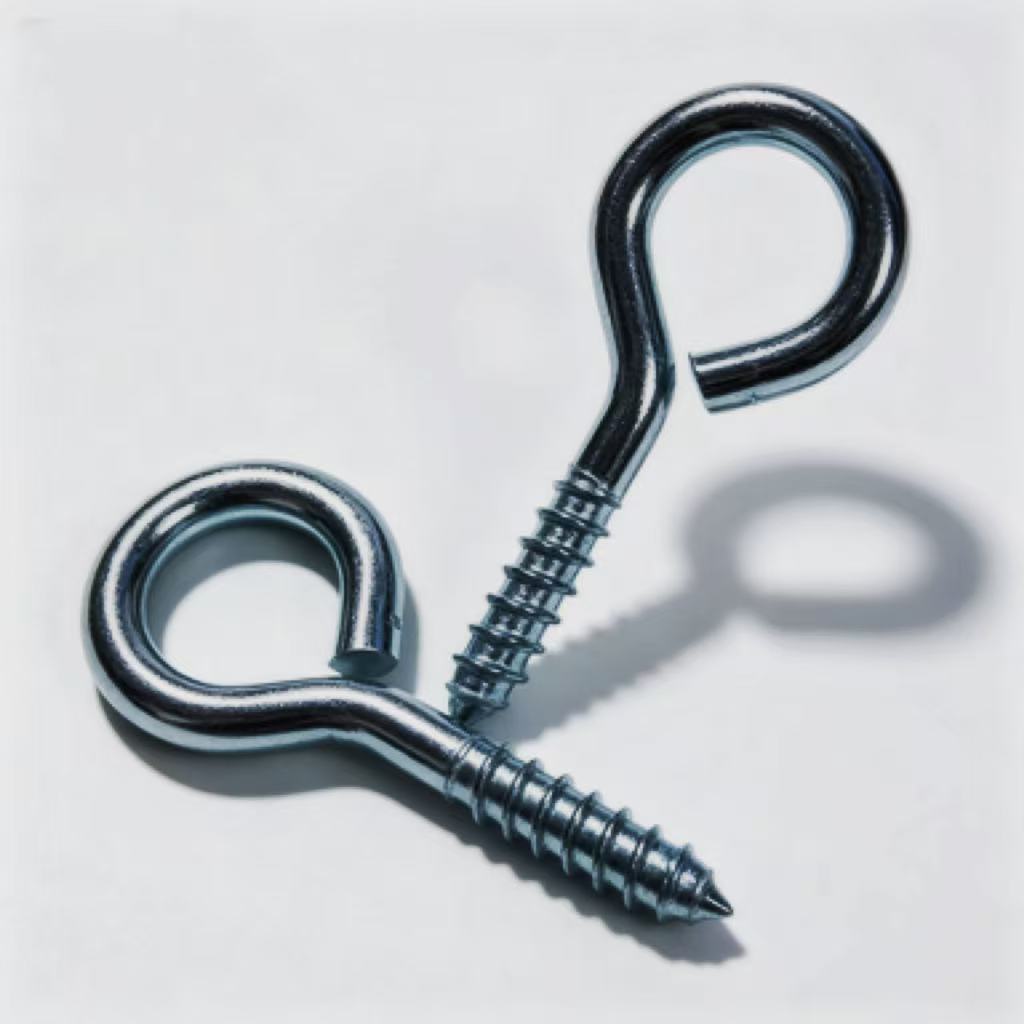
Located in Handan, Hebei—China’s premier hub for fastener manufacturing—our company operates as a global industry and trade combination entity with over ten years of specialized experience. While we are widely recognized for our diverse product portfolio, including casing geckos, wooden teeth, and welded sheep’s eye screws, our core expertise lies in the development, manufacturing, and service of high-precision fasteners and hardware tools.
We adhere to an integrity-based business philosophy, heavily investing in scientific research and introducing high-tech talent to drive innovation. By utilizing advanced production technology and perfect testing methods, we provide products that meet GB, DIN, JIS, ANSI, and other international standards. Our professional technical team and advanced machinery allow us to offer high-quality products at competitive prices, customized to meet specific customer requirements in terms of quality and quantity.
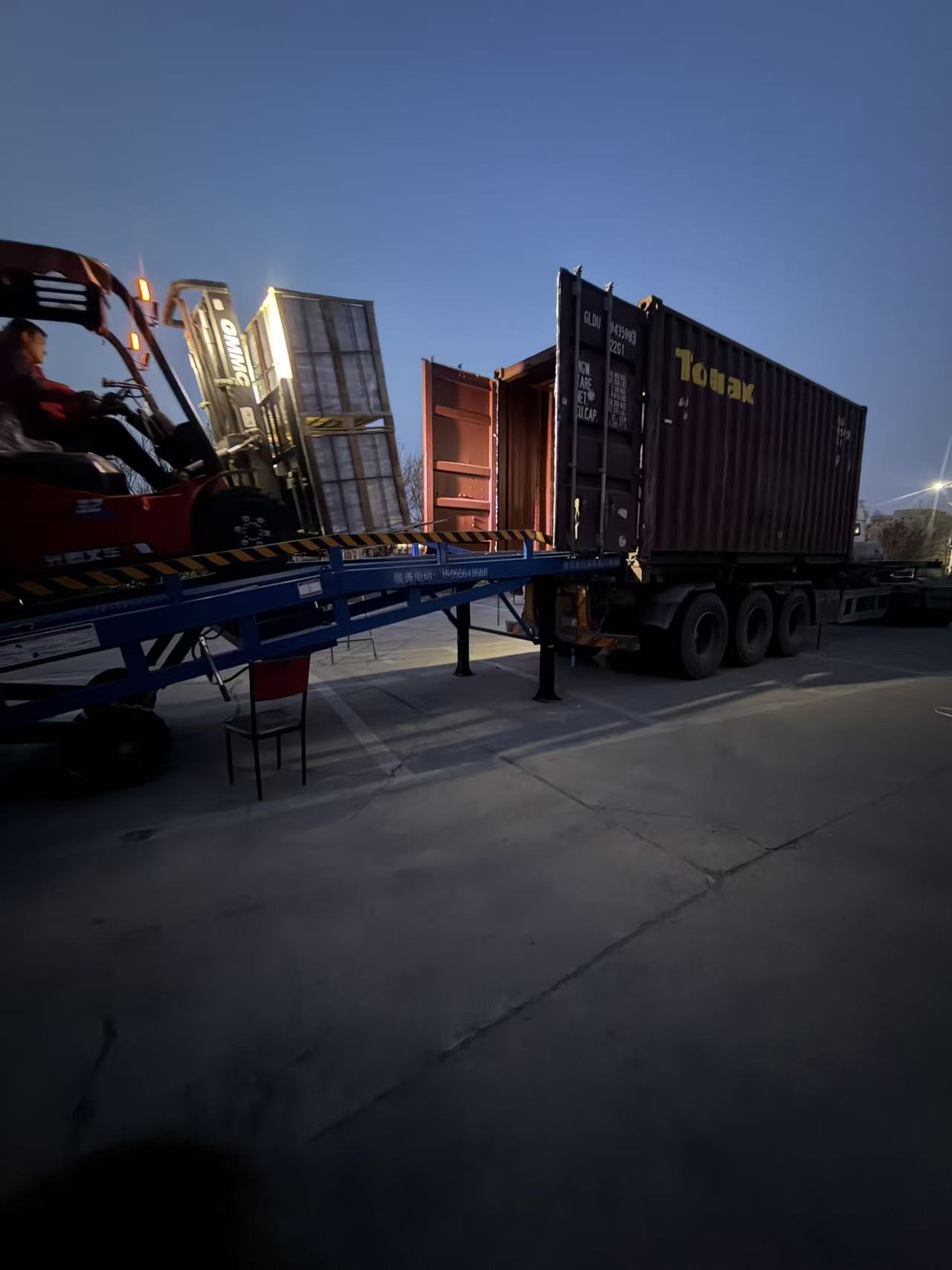
With products sold to more than 26 countries, we uphold the principle of “quality first, customer first.” Our goal is to maintain our reputation by constantly seeking more excellent and thoughtful service, ensuring that we meet the evolving needs of our global clientele.
Custom Hex Nut Manufacturing Services
Standard parts do not always solve unique engineering challenges. We offer comprehensive custom manufacturing services for clients requiring non-standard hex nuts.
Non-Standard Sizes and Threads
We can produce hex nuts with unusual diameters, pitches, or left-hand threads. Whether you need a miniature nut for precision instruments or an oversized nut for heavy civil engineering, our flexible production lines can accommodate your specifications.
Special Materials
Beyond standard carbon and stainless steel, we work with exotic alloys such as Inconel, Hastelloy, Titanium, and Brass. These materials are essential for extreme environments involving high temperatures, aggressive chemicals, or specific electrical conductivity requirements.
Modified Geometries
Custom modifications include drilled holes for safety wiring, counterboring, slotting, or adding welding projections. Our engineering team collaborates with clients to design solutions that optimize assembly efficiency and performance.
FAQ: Frequently Asked Questions About Hex Nuts
What is the difference between a hex nut and a lock nut?
A standard hex nut relies on friction and preload to stay in place. A lock nut incorporates a design feature, such as a nylon insert, serrated flange, or distorted threads, to create additional resistance against rotation. Lock nuts are preferred in vibrating environments.
Can I reuse a nylon insert lock nut?
Generally, no. The nylon insert loses its elasticity and gripping power after the first use. Reusing it may result in insufficient locking torque. For non-critical applications, some engineers allow limited reuse, but best practice is to replace them during maintenance.
How do I determine the correct torque for a hex nut?
Torque values depend on the bolt grade, diameter, lubrication, and surface finish. Refer to standard torque charts provided by fastener organizations or the bolt manufacturer. Always use a calibrated torque wrench for accurate application.
What does “property class” mean for hex nuts?
Property class indicates the mechanical strength of the nut. For metric nuts, common classes are 5, 8, 10, and 12. Higher numbers represent higher tensile strength and hardness. It is crucial to match the nut class with the bolt class to ensure joint integrity.
Why do stainless steel nuts gall?
Stainless steel has a tendency to gall due to its passive oxide layer. When threads rub together, this layer breaks down, causing metal-to-metal contact and welding. Using lubricants, anti-seize compounds, or coatings can significantly reduce galling.
Are hot-dip galvanized nuts compatible with standard bolts?
Hot-dip galvanizing adds thickness to the nut. Therefore, HDG nuts are tapped with an oversize thread to accommodate standard bolts. Never force a standard nut onto a galvanized bolt or vice versa, as this will damage the threads.
Why Partner With Us for Your Hex Nut Supply?
In the competitive landscape of industrial fasteners, reliability and precision are paramount. As a specialized hex nut manufacturer, we combine decades of engineering expertise with state-of-the-art production technology. Our commitment to ISO standards ensures that every product delivers consistent performance.
We understand that supply chain stability is critical for your operations. Our robust inventory management and flexible manufacturing capabilities allow us to meet tight deadlines and large volume requirements without compromising quality. Whether you need standard ISO hex nuts for general assembly or custom-engineered solutions for specialized machinery, we are equipped to deliver.
Our technical support team is ready to assist you in selecting the right materials, finishes, and specifications for your specific application. We believe in building long-term partnerships based on transparency, quality, and mutual success.
Ready to Secure Your Supply Chain?
Don’t let fastener failures compromise your project. Contact our engineering sales team today for a detailed consultation, sample requests, or a customized quote. Let us provide the precision and reliability your assemblies demand.
Explore our full range of industrial fasteners and technical resources: View Product Catalog & Technical Specifications