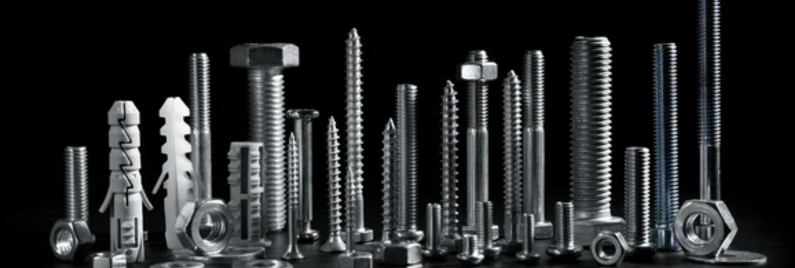
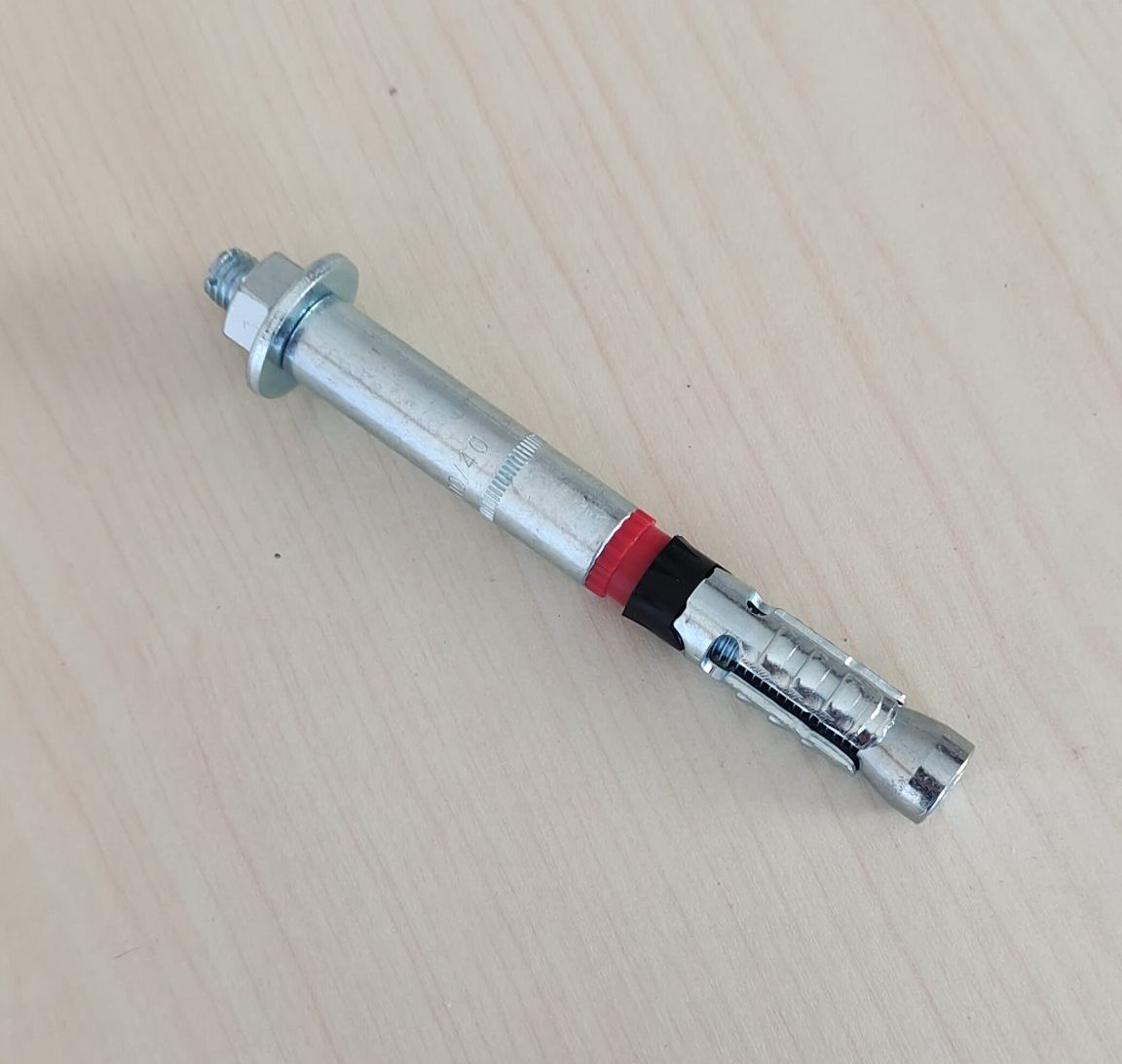
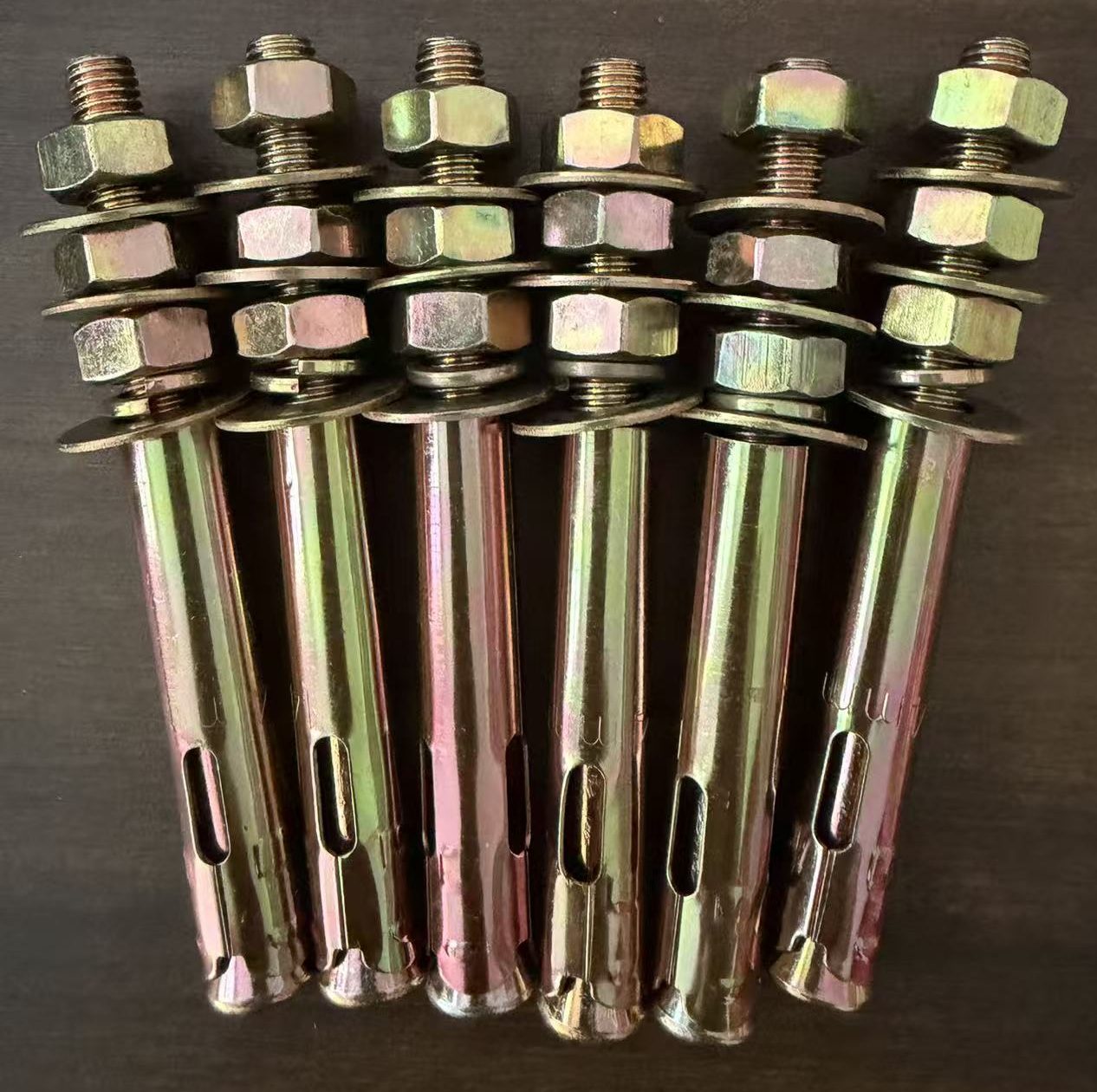
ISO standard fasteners are precision-engineered mechanical components manufactured in strict compliance with International Organization for Standardization (ISO) specifications. These fasteners, including bolts, screws, nuts, and washers, ensure global interoperability, consistent mechanical properties, and reliable performance in industrial applications. As a leading China manufacturer and supplier, we provide high-grade ISO-compliant fastening solutions that meet rigorous international quality benchmarks, ensuring seamless integration into machinery, construction, and automotive assemblies worldwide.
Understanding ISO Standard Fasteners: Definition and Global Significance
In the global supply chain, standardization is the backbone of reliability. ISO standard fasteners refer to threaded or non-threaded fixing elements produced according to specific dimensional, mechanical, and material guidelines set by the ISO. Unlike proprietary or non-standard fasteners, ISO-compliant products guarantee that a bolt manufactured in China will fit a nut produced in Germany or a machine assembled in the United States.
The significance of adhering to ISO standards extends beyond mere compatibility. It ensures predictable load-bearing capacity, torque resistance, and environmental durability. For procurement managers and engineers, specifying ISO standards eliminates ambiguity in technical drawings and reduces the risk of assembly failures. In 2026, as global manufacturing becomes increasingly interconnected, the demand for verified, certified ISO fasteners from reliable Chinese suppliers has reached an all-time high.
Key Characteristics of ISO-Compliant Fasteners
- Dimensional Precision: Strict adherence to thread pitch, diameter, head height, and wrench sizes as defined in standards like ISO 4014 (hexagon head bolts) or ISO 4032 (hexagon nuts).
- Mechanical Property Classes: Clearly defined strength grades, such as 8.8, 10.9, or 12.9 for steel bolts, ensuring users know the exact tensile and yield strength limits.
- Material Consistency: Use of standardized raw materials (e.g., carbon steel, stainless steel A2/A4) with verified chemical compositions.
- Marking Requirements: Mandatory manufacturer identification marks on heads of bolts and nuts, providing traceability and accountability.
Common Types of ISO Standard Fasteners and Their Specifications
The ISO system covers a vast array of fastener types. Understanding the specific standard associated with each type is crucial for correct selection. Below is a detailed breakdown of the most commonly sourced ISO fasteners from Chinese manufacturers.
1. ISO Hexagon Head Bolts and Screws
Hexagon head bolts are the most ubiquitous fasteners in industrial construction and machinery. They are designed for high-load applications where a wrench or socket can be applied.
- ISO 4014: Hexagon head bolts with shank. This is the general-purpose standard for coarse pitch threads.
- ISO 4017: Hexagon head screws with full thread. Used when the entire length of the fastener needs to engage with the mating thread.
- ISO 4016: Hexagon head bolts with reduced shank. Designed for applications requiring specific clearance or shear strength characteristics.
These bolts typically come in property classes 8.8, 10.9, and 12.9. The choice depends on the required tensile strength. For instance, class 12.9 is used in high-stress structural connections, while 8.8 is sufficient for general machinery assembly.
2. ISO Hexagon Nuts
Nuts are paired with bolts to create secure joints. The ISO standards for nuts ensure that the internal threads match the external threads of the corresponding bolts perfectly.
- ISO 4032: Hexagon nuts, style 1. This is the standard heavy hex nut used with property class 8.8 and 10.9 bolts.
- ISO 4033: Hexagon nuts, style 2. These are thicker and stronger, designed for use with property class 10.9 and 12.9 bolts.
- ISO 4034: Hexagon thin nuts. Used in applications with limited space or as lock nuts when paired with a standard nut.
3. ISO Socket Head Cap Screws
For applications requiring a low profile and high torque transmission, socket head cap screws are preferred. They are driven by an Allen key (hexagonal socket).
- ISO 4762: Hexagon socket head cap screws. These are precision fasteners often made from alloy steel and heat-treated to class 10.9 or 12.9. They are common in automotive engines, robotics, and precision equipment.
4. ISO Washers
Washers distribute the load of a threaded fastener and prevent damage to the surface being fastened.
- ISO 7089: Plain washers, normal series. Standard flat washers for general use.
- ISO 7090: Plain washers, wide series. Used when the hole in the substrate is larger than standard or when greater load distribution is needed.
- ISO 7093-1: Large outer diameter plain washers. Ideal for soft materials like aluminum or plastic to prevent indentation.
Technical Parameters and Material Grades: A Deep Dive
Selecting the right fastener requires more than just knowing the size. Engineers must understand the material grades and mechanical properties defined by ISO standards. This section details the technical nuances that define quality in ISO standard fasteners.
Steel Property Classes Explained
ISO 898-1 specifies the mechanical properties of fasteners made from carbon steel and alloy steel. The property class is marked on the head of the bolt.
| Property Class | Min. Tensile Strength (MPa) | Min. Yield Strength (MPa) | Typical Application |
| 4.6 | 400 | 240 | Low-stress applications, general assembly, wood structures. |
| 8.8 | 800 | 640 | General machinery, automotive chassis, structural steelwork. |
| 10.9 | 1000 | 900 | High-vibration environments, heavy equipment, bridges. |
| 12.9 | 1200 | 1080 | Critical structural connections, high-performance automotive, aerospace components. |
It is critical to note that higher strength classes require stricter manufacturing controls, including quenching and tempering processes. As a specialized manufacturer, we ensure that our heat treatment facilities are calibrated to meet these precise metallurgical requirements.
Stainless Steel Grades: A2 vs. A4
For corrosive environments, stainless steel fasteners are essential. ISO 3506 defines the mechanical properties for stainless steel fasteners.
- A2 (ISO 3506-1): Corresponds to AISI 304 stainless steel. It offers good corrosion resistance in mild environments, such as indoor applications or fresh water exposure. It is magnetic after cold working.
- A4 (ISO 3506-1): Corresponds to AISI 316 stainless steel. It contains molybdenum, which provides superior resistance to chlorides and acids. A4 is mandatory for marine applications, chemical processing plants, and coastal construction.
Surface Treatments and Coatings
Surface treatment enhances corrosion resistance and aesthetic appeal. Common ISO-compliant coatings include:
- Zinc Plating (ISO 4042): Electroplated zinc provides a basic barrier against rust. Often supplemented with chromate conversion coating for added protection.
- Hot-Dip Galvanizing (ISO 10684): Provides a thick zinc layer suitable for outdoor structural applications. Note that this process increases dimensions, so nuts must be over-tapped to fit.
- Geomet/Dacromet: Zinc-flake coatings that offer excellent corrosion resistance without hydrogen embrittlement risks, ideal for high-strength bolts (10.9/12.9).
- Phosphating: Provides a good base for painting or oil impregnation, often used in automotive applications.
Why Source ISO Standard Fasteners from China?
China has evolved from a low-cost producer to a hub for high-precision manufacturing. Sourcing ISO standard fasteners from a reputable Chinese manufacturer offers distinct strategic advantages for global buyers in 2026.
1. Comprehensive Supply Chain Integration
China possesses a complete industrial ecosystem for fastener production. From raw wire drawing and cold heading to heat treatment and surface finishing, every step is localized. This vertical integration reduces lead times and minimizes logistical bottlenecks. Manufacturers can control quality at every stage, ensuring that the final product meets ISO specifications without reliance on third-party processors.
2. Advanced Manufacturing Capabilities
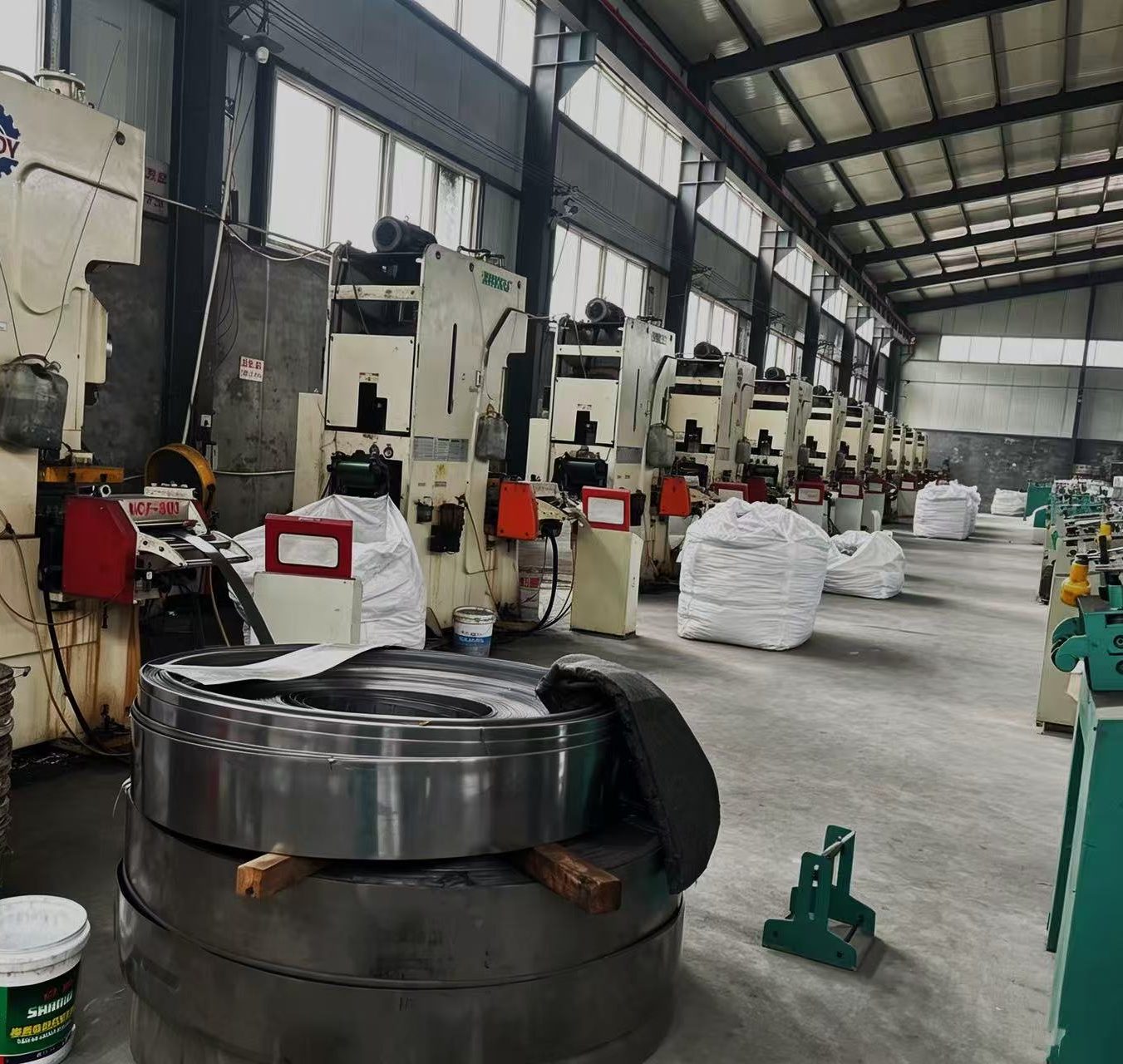
Modern Chinese fastener factories utilize state-of-the-art multi-station cold formers, CNC threading machines, and automated optical inspection (AOI) systems. These technologies enable high-volume production with tight tolerances. For example, our facility employs automated sorting lines that check dimensions, hardness, and surface defects, ensuring that only compliant products are shipped.
3. Cost Efficiency Without Compromising Quality
While labor costs have risen, efficiency gains through automation and economies of scale keep Chinese manufacturing competitive. Buyers can achieve significant cost savings compared to European or North American suppliers, especially for large-volume orders. However, it is vital to partner with manufacturers who prioritize quality control over price cutting. Look for suppliers with ISO 9001 certification and IATF 16949 for automotive sectors.
4. Flexibility and Customization
Chinese manufacturers are known for their agility. Whether you need standard ISO parts or slight modifications (e.g., custom lengths, special coatings, or unique packaging), suppliers can adapt quickly. This flexibility is crucial for projects with tight deadlines or specific engineering requirements.
About Us: Your Trusted Partner in Handan, China
Located in Handan, Hebei—a city renowned globally as a premier hub for fastener manufacturing—our company stands at the forefront of the industry. As a combined industry and trade enterprise with over ten years of experience, we specialize in the development, manufacturing, and service of a diverse range of fasteners and hardware tools.
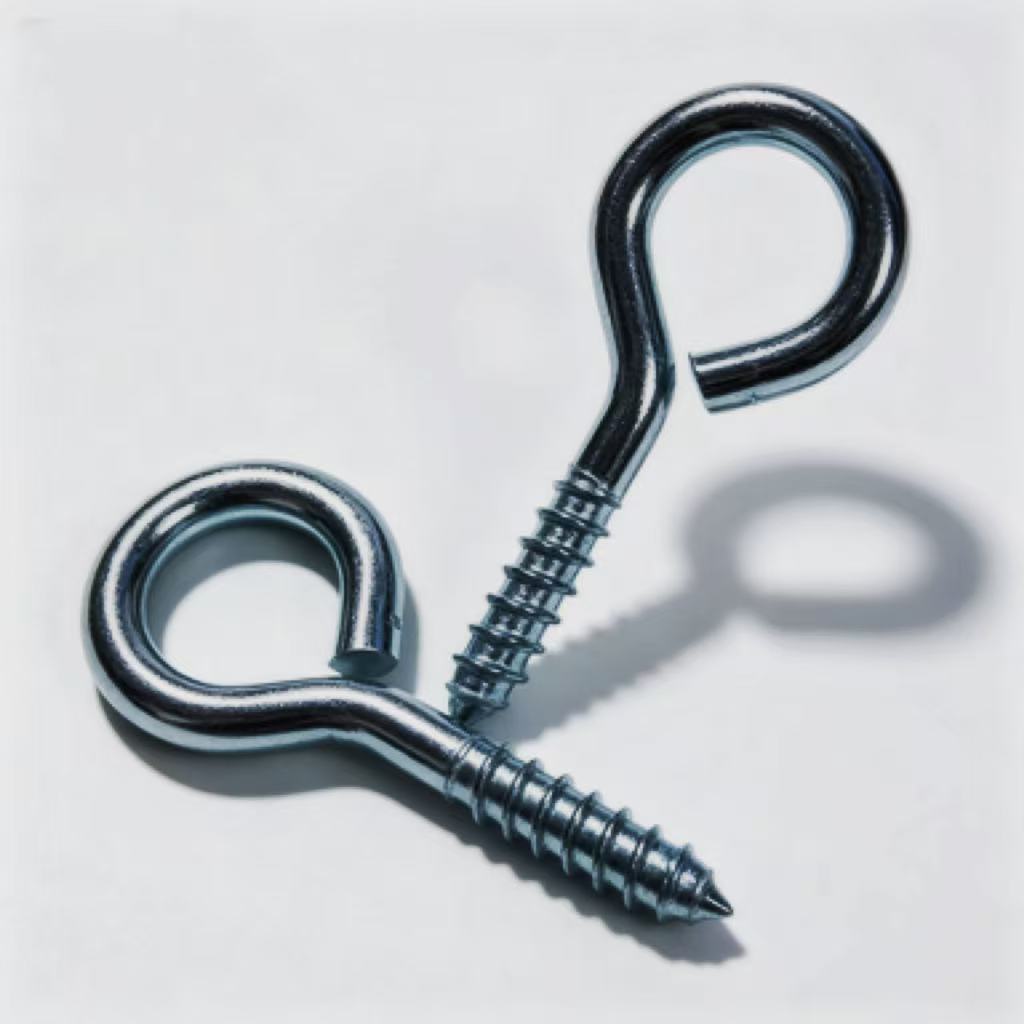
Our expertise extends beyond standard ISO components. We are particularly recognized for producing specialized items such as casing geckos, wooden teeth, and welded sheep’s eye screws/bolts. With a commitment to integrity and innovation, we have expanded our reach to more than 26 countries, delivering products that meet not only ISO standards but also GB, DIN, JIS, and ANSI specifications.
We believe in “Quality First, Customer First.” By investing in scientific research, introducing high-tech talent, and utilizing advanced production technology alongside rigorous testing methods, we ensure that every product—from standard hex bolts to custom-engineered solutions—meets the highest expectations. Our professional technical team is dedicated to providing competitive prices without compromising on quality, offering customization for special specifications to meet your unique project needs.
Quality Assurance and Certification: Ensuring Trustworthiness
Trust is the cornerstone of B2B transactions. When sourcing ISO standard fasteners, verifying the manufacturer’s quality assurance processes is non-negotiable. Here is how we ensure EEAT (Experience, Expertise, Authoritativeness, and Trustworthiness) in our production.
ISO 9001:2015 Quality Management System
A certified Quality Management System (QMS) ensures consistent processes. Our factory operates under ISO 9001:2015 standards, which mandate regular audits, documented procedures, and continuous improvement. This certification guarantees that every batch of fasteners is produced under controlled conditions.
Material Traceability and Mill Certificates
Every batch of raw material comes with a Mill Test Certificate (MTC) from the steel mill. This document verifies the chemical composition and mechanical properties of the wire or bar stock. We maintain full traceability, linking each finished fastener batch back to its original material source. This is critical for industries like oil and gas, where failure can have catastrophic consequences.
In-House Laboratory Testing
Reliable manufacturers do not outsource all testing. Our in-house laboratory is equipped to perform:
- Tensile Testing: Verifying that bolts meet the minimum tensile and yield strength requirements of their property class.
- Hardness Testing: Using Rockwell and Vickers methods to ensure proper heat treatment.
- Salt Spray Testing: Evaluating the corrosion resistance of coated fasteners (e.g., 72 hours for zinc plating, 1000+ hours for Geomet).
- Dimensional Inspection: Using coordinate measuring machines (CMM) and go/no-go gauges to check thread accuracy and head dimensions.
- Wedging Tensile Test: Specifically for high-strength bolts to ensure head strength under angular loading.
Third-Party Inspection and Certification
For added assurance, we welcome third-party inspections by agencies such as SGS, TÜV, or BV. Additionally, for specific markets, we provide CE marking documentation and REACH compliance reports, ensuring that our products meet European safety and environmental regulations.
How to Choose the Right ISO Fastener for Your Application
Selecting the wrong fastener can lead to joint failure, vibration loosening, or corrosion. Follow this step-by-step guide to make informed decisions.
Step 1: Determine the Load Requirements
Analyze the forces acting on the joint. Is it static or dynamic? Does it involve shear loads or tensile loads? High-vibration environments require higher property classes (10.9 or 12.9) and potentially locking mechanisms like nylon-insert nuts or wedge-locking washers.
Step 2: Assess the Environmental Conditions
Consider the operating environment. Will the fastener be exposed to moisture, chemicals, or extreme temperatures?
- Indoor/Dry: Zinc-plated carbon steel (Class 8.8) is usually sufficient.
- Outdoor/Humid: Hot-dip galvanized or stainless steel A2 is recommended.
- Marine/Chemical: Stainless steel A4 or specialized alloy fasteners are necessary.
Step 3: Select the Correct Dimensions
Refer to your engineering drawings for diameter (M6, M8, M10, etc.) and length. Ensure the thread pitch (coarse vs. fine) matches the mating component. Fine threads (e.g., M10x1.0) offer better resistance to vibration loosening but are more susceptible to damage during assembly.
Step 4: Verify Compatibility
Ensure that the bolt and nut property classes are compatible. For example, a class 10.9 bolt should be paired with a class 10 nut (ISO 4033). Using a lower-grade nut with a high-grade bolt can cause the nut to strip before the bolt reaches its full strength.
Common Mistakes in Fastener Procurement and Usage
Even experienced engineers can make errors when dealing with fasteners. Avoid these common pitfalls to ensure project success.
- Mixing Metric and Imperial Standards: Never mix ISO metric fasteners with UNC/UNF imperial fasteners. Even if they appear similar in size, the thread pitches differ, leading to poor engagement and potential stripping. Always verify the standard (ISO vs. ANSI/ASME).
- Ignoring Hydrogen Embrittlement: High-strength steel fasteners (10.9/12.9) are susceptible to hydrogen embrittlement during electroplating. Ensure your supplier uses baking processes to remove hydrogen or chooses alternative coatings like Geomet for critical applications.
- Over-Torquing: Applying excessive torque can stretch the bolt beyond its yield point, causing permanent deformation or immediate failure. Use calibrated torque wrenches and follow ISO torque guidelines.
- Neglecting Lubrication: Friction coefficients vary with surface finish. Dry bolts require different torque values than lubricated ones. Failure to account for this can lead to under-clamping or over-stressing.
- Reusing Single-Use Fasteners: Some fasteners, particularly those with locking patches or certain high-strength structural bolts, are designed for single use. Reusing them compromises their integrity.
Applications of ISO Standard Fasteners Across Industries
The versatility of ISO standard fasteners makes them indispensable across various sectors. Here is how different industries utilize these components.
Automotive and Transportation
The automotive industry demands high-volume, high-precision fasteners. ISO 4762 socket head screws and ISO 4014 hex bolts are used in engine assemblies, chassis construction, and body panels. With the rise of electric vehicles (EVs), lightweight yet strong fasteners are crucial for battery pack assembly, where vibration resistance and electrical conductivity considerations are paramount.
Construction and Infrastructure
Structural steel connections in bridges, skyscrapers, and stadiums rely on high-strength ISO bolts (Class 10.9 and 12.9). These fasteners must withstand dynamic loads from wind and traffic. Hot-dip galvanizing is standard here to protect against decades of weather exposure.
Energy and Oil & Gas
In offshore platforms and refineries, fasteners face extreme pressures and corrosive environments. Stainless steel A4 and duplex stainless steel fasteners are common. Standards like ISO 3506 are strictly enforced, and additional certifications like API 20E may be required for critical drilling equipment.
Renewable Energy
Wind turbines and solar farms require durable fastening solutions. Wind turbine towers use massive M30+ diameter bolts to secure sections together. These fasteners must endure constant cyclic loading and harsh weather conditions, making quality and coating integrity critical.
Electronics and Appliances
Smaller ISO fasteners, such as M2 and M3 socket head screws, are used in consumer electronics. Precision and aesthetic finish are key here. Stainless steel A2 is often used for its clean appearance and resistance to oxidation.
FAQ: Frequently Asked Questions About ISO Standard Fasteners
Below are answers to common questions asked by procurement officers and engineers.
What is the difference between ISO and DIN standards?
DIN (Deutsches Institut für Normung) is the German national standard. Many ISO standards were originally based on DIN standards. For example, ISO 4014 replaced DIN 931. While they are largely identical, ISO is the internationally recognized standard today. Most Chinese manufacturers produce to ISO standards, which are fully compatible with former DIN specifications.
Can I mix different property classes of bolts and nuts?
It is generally recommended to match the property class of the nut to the bolt. A rule of thumb is that the nut’s property class should be equal to or higher than the bolt’s. For example, use a class 10 nut with a class 10.9 bolt. Using a lower-class nut may result in thread stripping before the bolt breaks.
How do I verify if a fastener is truly ISO compliant?
Check for the manufacturer’s identification mark on the bolt head. Request the Material Test Certificate (MTC) and proof of ISO 9001 certification from the supplier. For critical applications, conduct independent third-party testing of sample batches.
What is the lead time for ordering ISO fasteners from China?
Lead times vary based on quantity and customization. Standard items in stock can ship within 3-7 days. Custom orders typically take 15-30 days for production, plus shipping time. Working with a manufacturer with ample raw material inventory can significantly reduce lead times.
Do you provide samples before bulk orders?
Yes, reputable suppliers offer free or low-cost samples for quality verification. This allows you to check dimensions, finish, and material quality before committing to a large purchase. Always test samples in your actual application environment.
Logistics and Packaging: Ensuring Safe Delivery
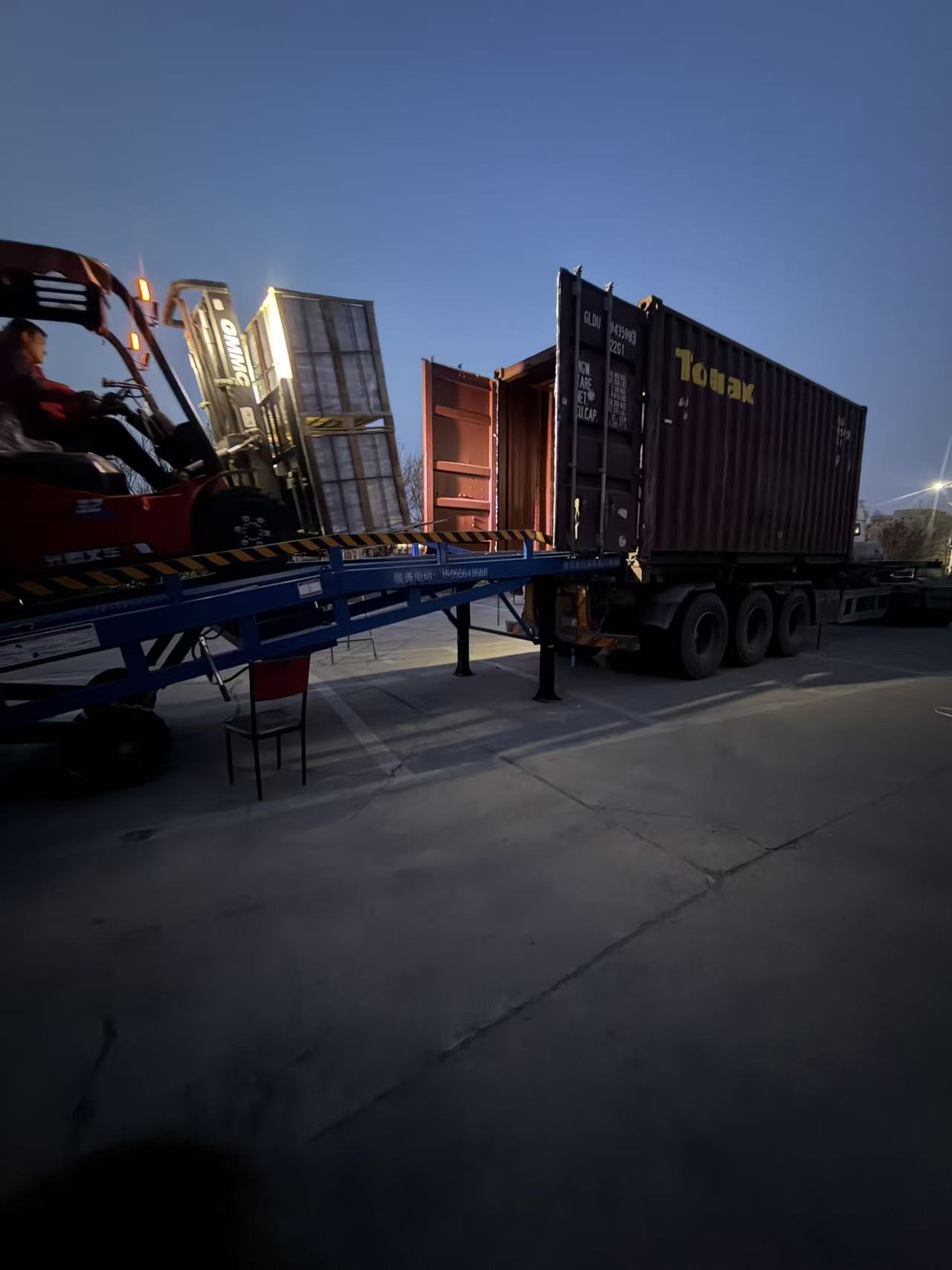
Proper packaging is essential to prevent damage and corrosion during transit. We offer various packaging options tailored to customer needs.
- Standard Cartons: Double-walled cardboard boxes with palletization for stability. Ideal for general industrial fasteners.
- Wooden Crates: For heavy or large-volume shipments, ISPM 15-certified wooden crates provide robust protection.
- Anti-Corrosion Packaging: Use of VCI (Vapor Corrosion Inhibitor) bags and desiccants to protect fasteners from humidity during sea freight.
- Custom Labeling: Boxes are clearly labeled with part numbers, quantities, batch numbers, and country of origin to facilitate easy inventory management upon arrival.
Conclusion: Partnering for Precision and Reliability
In the complex landscape of global manufacturing, ISO standard fasteners serve as the critical links that hold infrastructure, machinery, and innovation together. Choosing the right supplier is not just about price; it is about securing a partnership built on technical expertise, rigorous quality control, and unwavering reliability.
As a dedicated China manufacturer and supplier based in Handan, we are committed to delivering fasteners that meet the highest ISO, DIN, JIS, and ANSI standards. Our integrated production capabilities, advanced testing facilities, and customer-centric approach ensure that you receive products that perform exactly as specified. Whether you are building high-speed rail networks, assembling precision robotics, or constructing offshore wind farms, our fasteners provide the strength and durability you need.
Who Should Contact Us?
- Procurement Managers: Looking for consistent supply, competitive pricing, and verified quality documentation.
- Engineers: Seeking technical support for fastener selection and custom solutions.
- Distributors: Requiring reliable OEM/ODM services and private labeling options.
Do not compromise on the integrity of your assemblies. Ensure your projects are built on a foundation of trust and precision.
Ready to optimize your supply chain?
Contact our technical sales team today to request a quote, discuss your specific requirements, or order samples. Let us demonstrate why we are the preferred partner for ISO standard fasteners in 2026 and beyond.