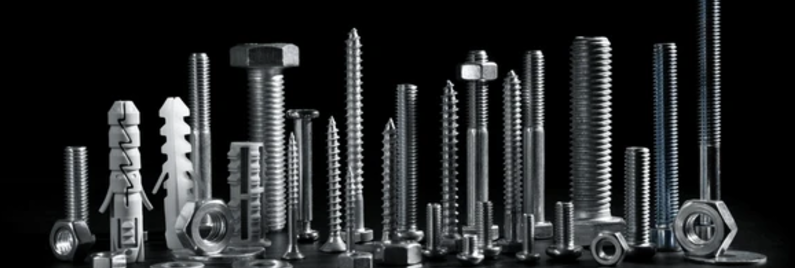
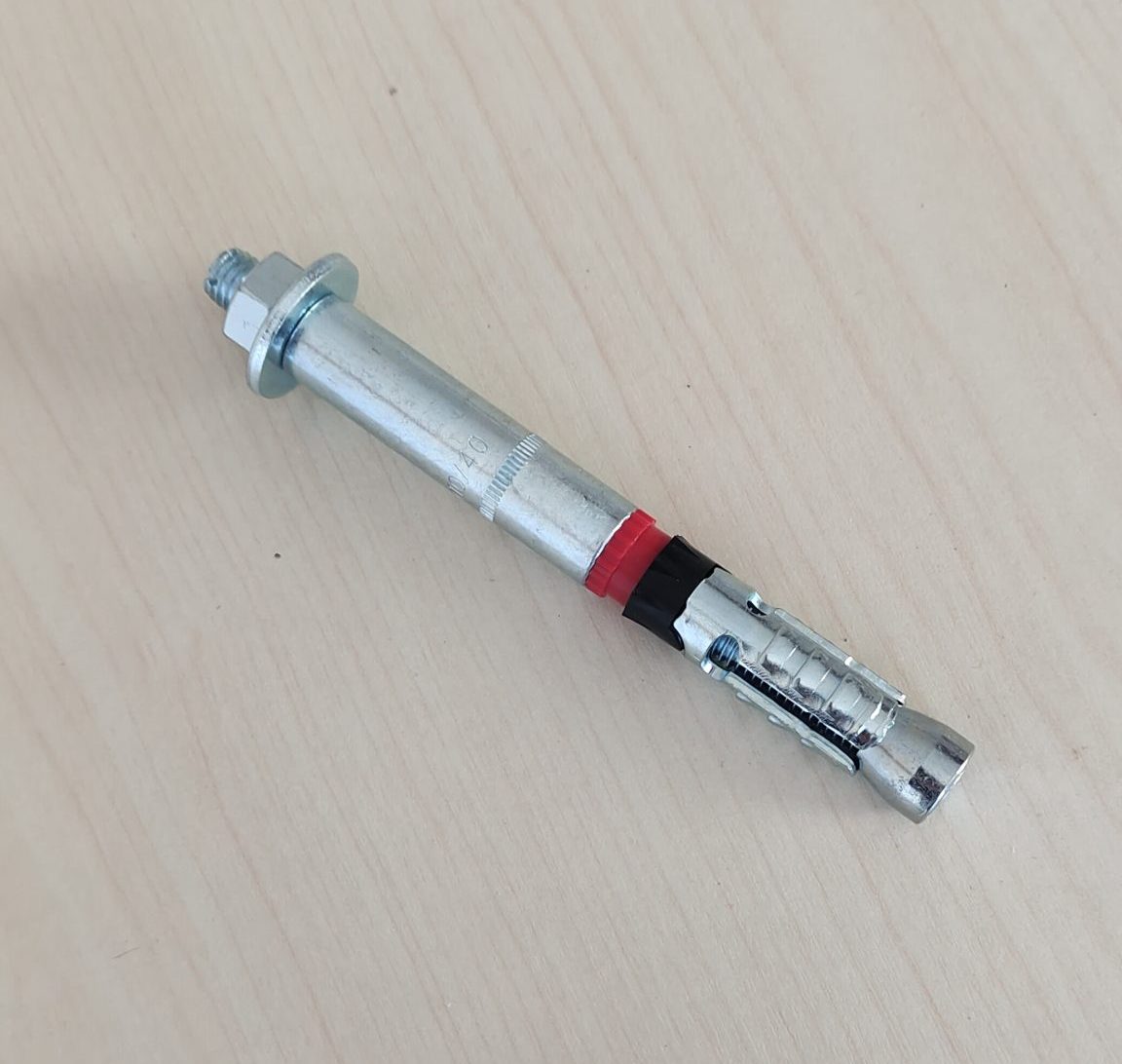
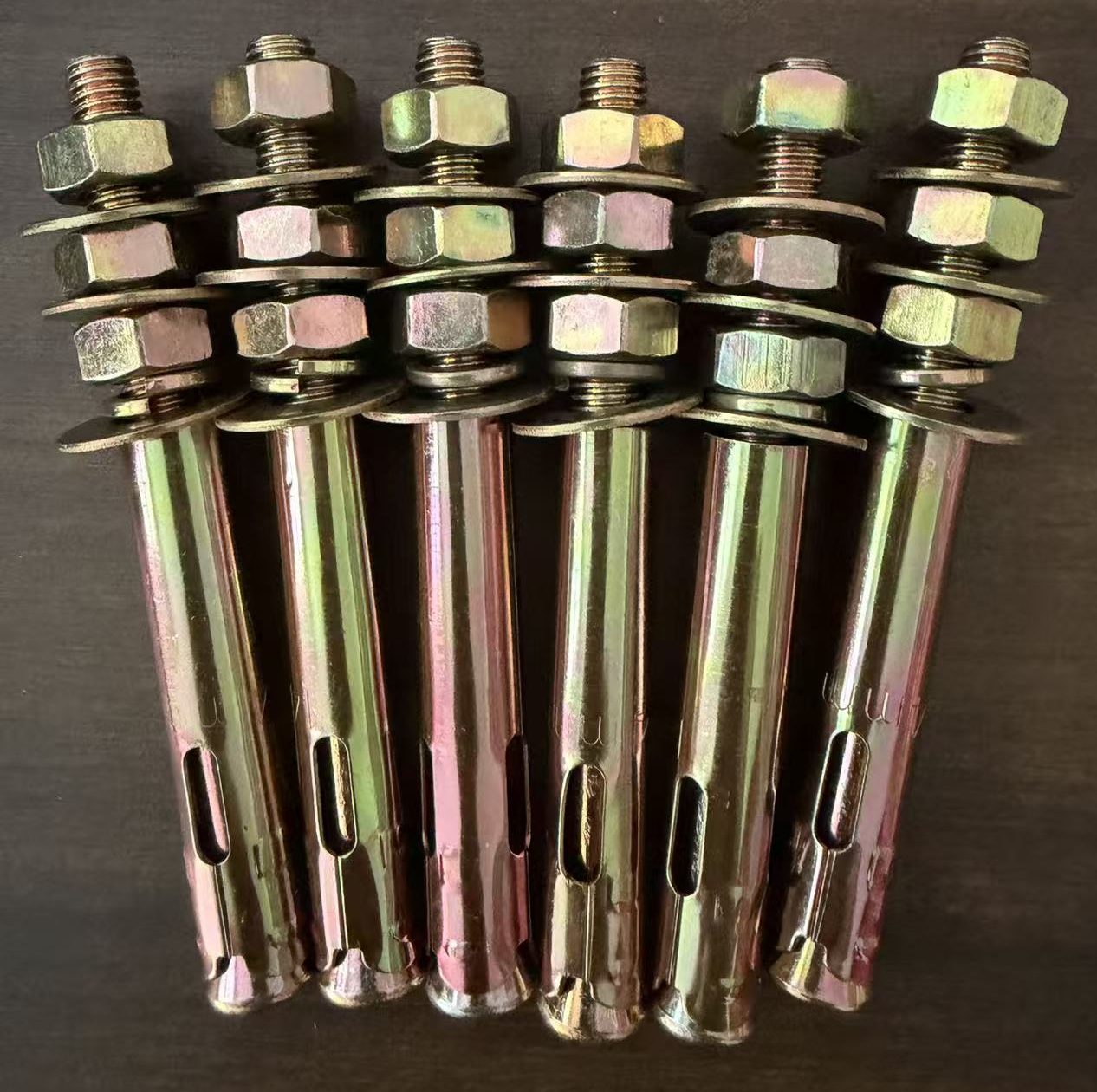
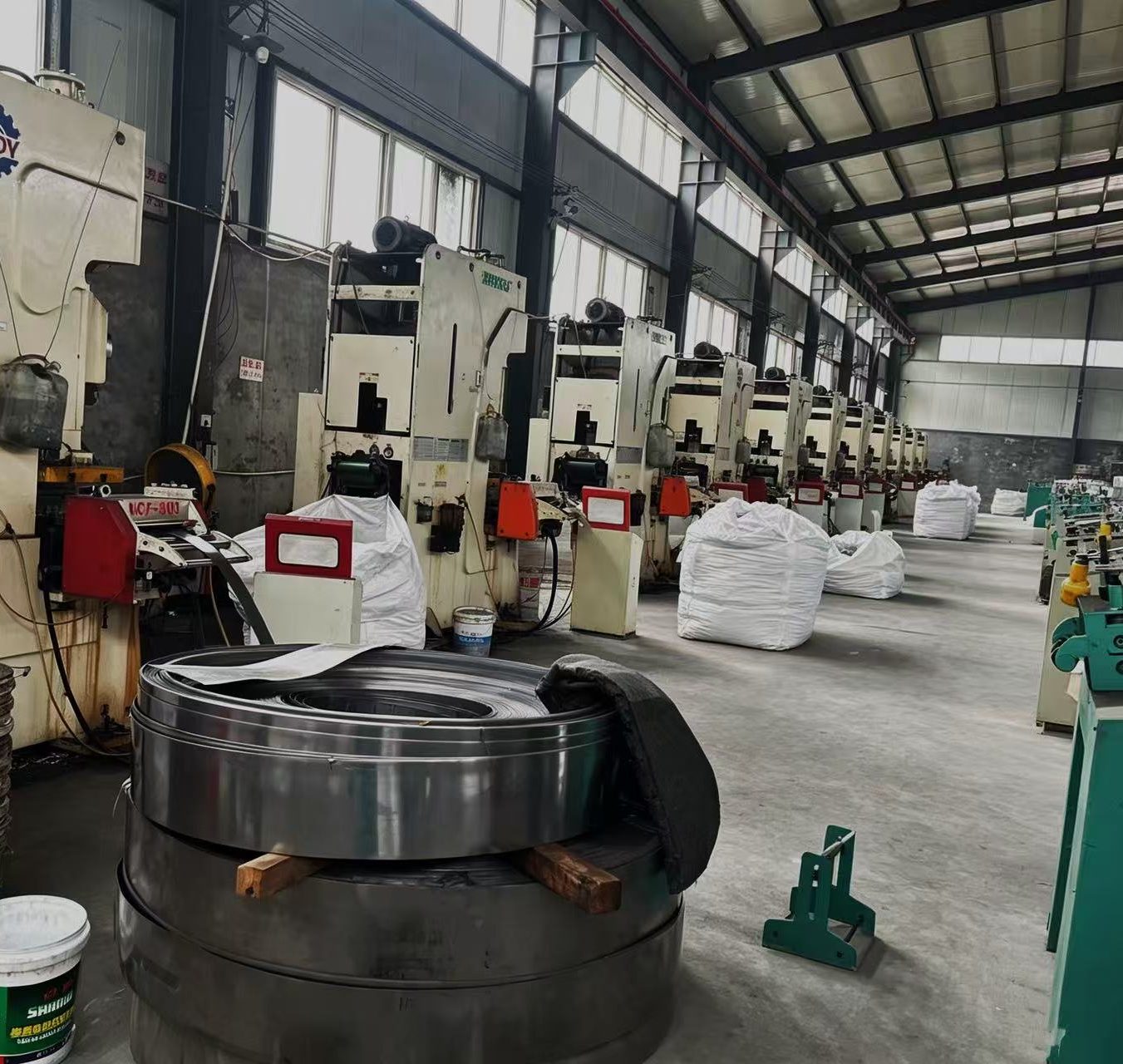
As a leading automotive stainless steel fasteners supplier, our OEM factory delivers direct, high-performance solutions engineered for extreme durability and corrosion resistance. We specialize in manufacturing precision components that meet rigorous global automotive standards, ensuring reliability for critical vehicle assemblies. By eliminating intermediaries, we provide cost-effective, custom-engineered fastening systems tailored to the specific demands of modern automotive production lines.
What Defines High-Quality Automotive Stainless Steel Fasteners?
The integrity of any vehicle assembly relies heavily on the quality of its connecting components. Automotive stainless steel fasteners are distinct from standard hardware due to their ability to withstand harsh environmental conditions, including road salt, moisture, and extreme temperature fluctuations. Unlike carbon steel alternatives, these components utilize specific alloy compositions to prevent rust and maintain structural integrity over the vehicle’s lifespan.
Industry experts recognize that the primary value proposition lies in the material’s inherent resistance to oxidation. This is critical for undercarriage components, exhaust systems, and exterior trim where exposure to elements is unavoidable. The manufacturing process involves precise cold heading and thread rolling to ensure dimensional accuracy that meets or exceeds ISO and DIN specifications.
Furthermore, the mechanical properties of these fasteners are optimized for high-tensile applications. They must resist vibration-induced loosening, a common failure mode in automotive dynamics. Our factory employs advanced heat treatment protocols to enhance yield strength without compromising the material’s ductility, ensuring that bolts and screws can absorb shock loads without fracturing.
Key Material Grades Used in Automotive Applications
Selecting the correct alloy grade is fundamental to performance. The automotive sector predominantly utilizes austenitic stainless steels due to their superior balance of strength and corrosion resistance. The most common grades include:
- 304 Stainless Steel: Widely used for general automotive applications where moderate corrosion resistance is required. It offers excellent formability and welding characteristics.
- 316 Stainless Steel: Contains molybdenum, providing enhanced resistance to chlorides and acidic environments. This is the preferred choice for coastal regions or vehicles exposed to heavy de-icing salts.
- 17-4 PH (Precipitation Hardening): Used for high-strength requirements where standard austenitic grades may not suffice. It combines good corrosion resistance with very high tensile strength.
Understanding these distinctions allows engineers to specify the exact material needed for each subsystem, optimizing both cost and performance. Using a higher grade than necessary increases costs, while selecting a lower grade risks premature failure and warranty claims.
Why Choose an OEM Factory Direct Supplier?
Sourcing automotive stainless steel fasteners directly from the manufacturer offers significant advantages over purchasing through distributors or trading companies. The primary benefit is the elimination of markup layers, resulting in more competitive pricing for large-volume orders. However, the strategic value extends far beyond cost savings.
Direct engagement with the factory facilitates seamless communication regarding technical specifications. Engineers can collaborate directly with production teams to refine designs, adjust tolerances, and solve complex fastening challenges before mass production begins. This level of interaction is often impossible when working with intermediaries who lack deep technical knowledge of the manufacturing process.
Moreover, factory-direct suppliers maintain strict control over the entire supply chain, from raw material procurement to final quality inspection. This vertical integration ensures traceability, a critical requirement for automotive manufacturers adhering to IATF 16949 quality management standards. Every batch of fasteners can be traced back to its heat number and production run, providing unparalleled accountability.
Customization Capabilities for Specific Vehicle Platforms
Modern vehicle architectures often require non-standard fastening solutions. An OEM factory possesses the flexibility to produce custom geometries, unique head styles, and specialized drive types that off-the-shelf catalogs cannot accommodate. Whether it is a lightweight bolt for electric vehicle battery packs or a high-temperature screw for turbocharger assemblies, custom tooling enables precise adaptation.
The ability to modify surface finishes is another crucial aspect. Depending on the application, fasteners may require passivation, electropolishing, or specific coating treatments to enhance performance. Direct manufacturers can integrate these finishing processes inline, ensuring consistency and reducing lead times compared to outsourcing these steps to third-party vendors.
Rapid prototyping services further accelerate development cycles. Factories equipped with in-house R&D departments can produce sample runs for validation testing within days. This agility supports just-in-time manufacturing models, allowing automotive brands to bring new models to market faster while maintaining rigorous quality benchmarks.
Technical Advantages of Stainless Steel in Automotive Engineering
The shift towards electrification and autonomous driving has intensified the demand for reliable connectivity. Automotive stainless steel fasteners play a pivotal role in securing sensitive electronic components and high-voltage systems. Their non-magnetic properties, particularly in austenitic grades, prevent interference with sensors and communication modules, ensuring optimal system functionality.
Thermal stability is another defining characteristic. As engine compartments become more compact and temperatures rise, fasteners must maintain their clamping force without relaxing. Stainless steel exhibits low thermal expansion coefficients compared to many other metals, reducing the risk of joint loosening during thermal cycling. This stability is essential for maintaining seal integrity in fluid systems and preventing leaks.
Additionally, the aesthetic appeal of stainless steel cannot be overlooked for visible applications. Interior trim, door handles, and emblem attachments benefit from the material’s natural luster and ability to retain its appearance over time. Unlike plated carbon steel, which may chip or peel, stainless steel maintains its finish even after years of exposure to UV radiation and cleaning agents.
Corrosion Resistance Mechanisms Explained
The corrosion resistance of stainless steel is attributed to a passive chromium oxide layer that forms spontaneously on the surface. When exposed to oxygen, chromium reacts to create this invisible shield, which self-heals if scratched or damaged. This mechanism provides robust protection against uniform corrosion, pitting, and crevice corrosion.
In automotive contexts, resistance to stress corrosion cracking (SCC) is vital. Components subjected to tensile stress in corrosive environments are prone to sudden failure. High-grade stainless alloys are engineered to mitigate this risk, ensuring that suspension components and steering linkages remain intact under dynamic loading conditions. Proper selection of the alloy grade based on the specific environment is key to maximizing service life.
Maintenance requirements are significantly reduced when using stainless steel. Vehicles equipped with these fasteners experience fewer issues related to seized bolts during repair and maintenance operations. This ease of disassembly translates to lower labor costs for service centers and improved owner satisfaction, reinforcing the long-term value proposition of investing in premium materials.
Manufacturing Processes Ensuring Precision and Reliability
Producing high-quality automotive stainless steel fasteners requires sophisticated manufacturing technologies. The process typically begins with cold heading, where wire is fed into a machine and formed into the basic shape at room temperature. This work-hardening effect increases the strength of the material, creating a grain structure that follows the contour of the fastener for enhanced durability.
Thread rolling follows the heading process, utilizing hardened dies to form threads by displacing material rather than cutting it. This method preserves the continuity of the grain flow, resulting in threads that are stronger and more resistant to fatigue than cut threads. Precision control during this stage ensures that pitch diameter and major diameter fall within tight tolerance bands required for automated assembly lines.
Heat treatment is applied selectively depending on the grade and application. For martensitic or precipitation-hardening grades, specific heating and cooling cycles are executed to achieve target hardness levels. Throughout production, statistical process control (SPC) systems monitor critical dimensions in real-time, automatically adjusting machinery to prevent deviations and ensure consistent output.
Quality Assurance and Testing Protocols
Rigorous testing is integral to the manufacturing workflow. Every production batch undergoes comprehensive inspection to verify compliance with international standards. Common tests include tensile strength verification, hardness testing, and dimensional analysis using coordinate measuring machines (CMM). These checks confirm that each fastener meets the specified mechanical properties.
Salt spray testing is conducted to validate corrosion resistance claims. Samples are exposed to controlled saline environments for extended periods to simulate years of real-world exposure. Results from these tests guide formulation adjustments and process refinements, ensuring that the final product performs reliably in the field. Documentation of these test results is provided to customers as part of the certification package.
Traceability systems track every component from raw material intake to final shipment. Batch numbers are laser-marked or stamped onto packaging, linking each unit to its production data. This transparency builds trust with automotive OEMs, who require absolute confidence in the safety and reliability of every part installed in their vehicles.
Comparative Analysis: Stainless Steel vs. Alternative Materials
Choosing the right fastener material involves weighing various factors including cost, weight, strength, and environmental resistance. While carbon steel and aluminum are common alternatives, automotive stainless steel fasteners offer a unique combination of attributes that make them indispensable for critical applications. The following table highlights key differences to aid in decision-making.
| Feature | Stainless Steel | Carbon Steel (Plated) | Aluminum |
| Corrosion Resistance | Excellent (Inherent) | Moderate (Dependent on Coating) | Good (Oxide Layer) |
| Tensile Strength | High to Very High | Very High | Moderate |
| Temperature Stability | Excellent | Good (Coating may degrade) | Poor (Loses strength at heat) |
| Weight | Moderate | High | Lightweight |
| Lifespan | Long-term / Lifetime | Limited by Coating Integrity | Moderate |
| Cost Efficiency | Higher Initial, Lower Lifecycle | Low Initial, Higher Maintenance | Moderate |
As illustrated, while carbon steel may offer higher initial strength at a lower price point, its reliance on plating introduces a potential failure point. Once the coating is compromised, rapid corrosion can occur. Aluminum offers weight savings but lacks the necessary strength for high-load structural connections. Stainless steel strikes the optimal balance for applications demanding longevity and reliability without excessive weight penalties.
For electric vehicles, where battery safety and weight efficiency are paramount, the choice often leans towards high-strength stainless variants or specialized aluminum alloys. However, for powertrain and chassis components subject to vibration and chemical exposure, stainless steel remains the industry standard. Understanding these trade-offs enables engineers to design safer and more durable vehicles.
Applications Across Modern Vehicle Systems
The versatility of automotive stainless steel fasteners allows them to be deployed across virtually every subsystem of a modern vehicle. From the engine bay to the interior cabin, their presence ensures structural cohesion and operational safety. Identifying specific use cases helps in understanding the diverse requirements placed upon these components.
In powertrain applications, fasteners secure cylinder heads, manifolds, and transmission housings. These locations experience extreme heat and vibration, necessitating materials that can maintain clamp load without relaxing. Stainless steel’s thermal properties make it ideal for these high-stress environments, preventing leaks and ensuring efficient engine operation.
Exterior body panels and trim pieces also rely heavily on stainless fasteners. Exposure to rain, snow, and road debris demands superior corrosion resistance to prevent unsightly rust stains and structural degradation. Door hinges, license plate mounts, and mirror assemblies utilize these components to maintain alignment and function throughout the vehicle’s life.
Critical Roles in Electric and Hybrid Vehicles
The rise of electrification has introduced new challenges and opportunities for fastening technology. Battery packs, inverters, and electric motors require secure mounting solutions that do not interfere with electromagnetic fields. Non-magnetic stainless steel grades are increasingly specified for these applications to ensure sensor accuracy and system stability.
Thermal management systems in EVs involve complex networks of cooling plates and pipes. Fasteners used here must resist glycol-based coolants and maintain seals under varying pressure conditions. The chemical inertness of stainless steel makes it compatible with these fluids, preventing contamination and system failures that could compromise vehicle range or safety.
Furthermore, the lightweighting initiatives in EV design drive the need for high-strength-to-weight ratio fasteners. Advanced stainless alloys allow designers to use smaller diameter bolts that deliver equivalent or superior performance to larger carbon steel counterparts. This reduction in mass contributes directly to improved energy efficiency and extended driving range.
Installation Best Practices for Optimal Performance
Even the highest quality automotive stainless steel fasteners can fail if not installed correctly. Proper installation techniques are essential to realize the full potential of these components. Adhering to recommended torque values and lubrication practices prevents common issues such as galling, stripping, and uneven load distribution.
Galling, or cold welding, is a phenomenon specific to stainless steel where friction causes material transfer between mating threads. To mitigate this, the use of appropriate anti-seize compounds is strongly recommended. These lubricants reduce friction coefficients, allowing for accurate torque application and easier future disassembly without damaging the threads.
Torque control is critical because stainless steel has different elastic limits compared to carbon steel. Over-torquing can lead to permanent deformation or fracture, while under-torquing results in insufficient clamping force. Utilizing calibrated torque wrenches and following manufacturer-specified sequences ensures that joints are secured uniformly, maximizing joint integrity and safety.
Common Installation Mistakes to Avoid
- Ignoring Lubrication: Installing dry stainless fasteners significantly increases the risk of galling and inaccurate torque readings.
- Mixing Metals: Combining stainless steel with dissimilar metals without isolation can lead to galvanic corrosion. Insulating washers should be used where necessary.
- Reusing Stretched Bolts: Many high-strength fasteners are designed for single-use. Reinstalling stretched bolts compromises their tensile strength and reliability.
- Inconsistent Tightening Patterns: Failing to follow a star or spiral pattern when tightening multi-bolt flanges can cause warping and uneven sealing.
Educating assembly line personnel and service technicians on these nuances is vital. Training programs that emphasize the unique characteristics of stainless steel help prevent costly rework and warranty claims. A culture of precision in installation complements the high quality of the manufactured parts, delivering a robust final product.
Future Trends in Automotive Fastening Technology
The automotive industry is continuously evolving, driven by sustainability goals and technological advancements. Automotive stainless steel fasteners are no exception, with ongoing innovations aimed at improving performance and reducing environmental impact. Emerging trends suggest a shift towards smarter, lighter, and more sustainable fastening solutions.
Advanced coatings and surface treatments are being developed to further enhance corrosion resistance and reduce friction. Nano-coatings, for instance, offer ultra-thin protective layers that do not alter dimensions but provide exceptional durability. These innovations enable fasteners to perform in increasingly aggressive environments while supporting tighter assembly tolerances.
Sustainability is also shaping material sourcing and production methods. Manufacturers are exploring recycled stainless steel content and energy-efficient processing techniques to lower the carbon footprint of fastener production. As automakers commit to net-zero targets, the supply chain must adapt to provide transparent, eco-friendly components that align with broader corporate responsibility goals.
The Impact of Autonomous Driving on Fastener Requirements
Autonomous vehicles rely on a myriad of sensors and computing units that must remain securely mounted despite constant motion. Vibration damping and shock absorption capabilities of fastening systems become even more critical to protect delicate electronics. Future fastener designs may incorporate integrated damping elements or adaptive locking mechanisms to address these needs.
Data-driven maintenance models will also influence fastener design. Smart fasteners equipped with sensors could monitor clamp load and tension in real-time, alerting systems to potential loosening before failure occurs. While currently niche, such technologies represent the frontier of connected vehicle safety, turning passive components into active participants in vehicle health monitoring.
Standardization efforts are underway to harmonize global specifications, simplifying supply chains for international automakers. Unified standards facilitate easier sourcing and reduce complexity in manufacturing operations. As the industry converges on best practices, the role of specialized suppliers becomes increasingly strategic in delivering compliant, high-performance solutions.
Frequently Asked Questions (FAQ)
What makes automotive stainless steel fasteners better than regular steel?
Automotive stainless steel fasteners offer superior corrosion resistance due to their chromium content, which forms a protective oxide layer. Unlike regular plated steel, they do not rely on a coating that can chip or wear away, making them ideal for harsh environments like undercarriages and exhaust systems. They also provide better long-term durability and require less maintenance.
Can stainless steel fasteners be used in high-temperature engine areas?
Yes, specific grades of stainless steel, such as 304 and 316, maintain their mechanical properties at elevated temperatures. They are commonly used in exhaust manifolds and turbocharger assemblies. However, for extremely high-heat applications, specialized heat-resistant alloys may be recommended. Consulting with the supplier ensures the correct grade is selected for the specific temperature range.
How do I prevent galling when installing stainless steel bolts?
To prevent galling, always apply a suitable anti-seize lubricant to the threads before installation. This reduces friction and prevents the metal surfaces from cold-welding together. Additionally, avoid over-tightening and use slow tightening speeds to minimize heat generation during assembly. Following proper torque specifications is also crucial.
Are automotive stainless steel fasteners magnetic?
It depends on the grade. Austenitic stainless steels (like 304 and 316) are generally non-magnetic or weakly magnetic, making them suitable for electronic applications. Martensitic and ferritic grades are magnetic. For automotive sensors and EV components, non-magnetic austenitic grades are typically specified to avoid interference.
Does buying factory direct affect the lead time for custom orders?
Buying factory direct often reduces lead times for custom orders because it eliminates intermediary handling. Direct communication allows for quicker resolution of technical queries and faster initiation of production. While custom tooling takes time, the streamlined process ensures that samples and bulk orders are delivered more efficiently compared to distributed channels.
About Our Manufacturing Excellence
Our commitment to delivering superior automotive stainless steel fasteners is rooted in our identity as a global industry and trade combination company based in Handan, Hebei, China—the heart of the country’s fastener manufacturing hub. With over a decade of specialized industry experience, we have evolved from a traditional producer into a comprehensive solution provider, exporting our precision components to more than 26 countries worldwide.
While our heritage includes expertise in diverse hardware such as casing geckos and specialized welded screws, our core focus has strategically expanded to the development, manufacturing, and servicing of high-performance automotive fasteners. We adhere to an integrity-based business philosophy, heavily investing in scientific research and introducing high-tech talent to drive innovation. Our state-of-the-art facility utilizes advanced production technology and perfect testing methods to ensure every product meets rigorous international standards, including GB, DIN, JIS, and ANSI.
Backed by a professional technical team and advanced machinery, we pride ourselves on offering not just high-quality products, but also competitive pricing and bespoke customization. Whether you require special specifications, unique quality grades, or specific quantities, our “quality first, customer first” principle guides every interaction. We constantly seek to provide excellent and thoughtful service, maintaining our reputation by meeting the evolving needs of our global customers. Partnering with us means gaining access to a supplier dedicated to engineering excellence and long-term reliability.
Conclusion and Strategic Selection Guide
In the demanding landscape of automotive manufacturing, the choice of fastening components is a critical determinant of vehicle safety, longevity, and performance. Automotive stainless steel fasteners stand out as the premier solution for applications requiring exceptional corrosion resistance, thermal stability, and mechanical strength. By partnering with a dedicated OEM factory like ours, automotive brands gain access to customized engineering, rigorous quality control, and supply chain transparency that distributors simply cannot match.
This approach is ideally suited for OEMs developing next-generation vehicles, including electric and autonomous platforms, where reliability is non-negotiable. It is also beneficial for aftermarket suppliers seeking premium replacement parts that exceed original equipment standards. The investment in high-grade stainless solutions pays dividends through reduced warranty claims, enhanced brand reputation, and improved customer satisfaction.
When evaluating suppliers, prioritize those with proven IATF 16949 certification, in-house R&D capabilities, and a track record of serving major automotive tiers. Request detailed material certifications and sample testing data to verify claims. Taking these steps ensures that your vehicle assemblies are built on a foundation of trust and engineering excellence. Contact our factory team today to discuss your specific project requirements and discover how our direct manufacturing model can optimize your supply chain.