Choosing the right fasteners supplier is critical for manufacturing efficiency, product safety, and cost control. A top-tier partner offers factory-direct pricing, comprehensive OEM solutions, and strict adherence to international quality standards. This guide explores how to identify a reliable source for industrial fasteners, ensuring your supply chain remains robust while accessing custom engineering capabilities tailored to your specific project requirements.
What Defines a Leading Fasteners Supplier?
A premier fasteners supplier distinguishes itself through more than just inventory volume. The core differentiator lies in the ability to bridge the gap between raw material sourcing and precise final application. In the current industrial landscape, buyers seek partners who function as extensions of their own engineering teams rather than simple transactional vendors.
The definition of a high-quality provider has evolved. It now encompasses technical consultation, material traceability, and agile logistics. When evaluating potential partners, industry professionals look for entities that demonstrate deep expertise in metallurgy, threading standards, and load-bearing calculations. This expertise ensures that every bolt, nut, or screw performs exactly as intended under stress.
Furthermore, a true leader in this sector maintains rigorous quality control protocols. These protocols are not merely internal checklists but are often aligned with globally recognized certifications. The capacity to provide full documentation, from heat treatment records to plating thickness reports, builds the necessary trust for long-term industrial partnerships.
The Shift Toward Factory-Direct Models
The traditional distribution model involving multiple intermediaries is increasingly being replaced by factory-direct engagements. This shift allows manufacturers to reduce lead times significantly while lowering overall procurement costs. By eliminating middlemen, buyers gain direct access to production lines and engineering resources.
Direct engagement also facilitates better communication regarding custom specifications. When a buyer interacts directly with the manufacturing source, nuances in design requirements are less likely to be lost in translation. This clarity is essential for complex projects where tolerance levels are measured in microns.
Moreover, factory-direct suppliers can offer greater flexibility in order volumes. Whether a project requires a small batch for prototyping or millions of units for mass production, a direct source can adjust its production schedule to meet these fluctuating demands without the rigid constraints often imposed by distributors.
OEM Solutions: Customization Beyond Standard Parts
Original Equipment Manufacturer (OEM) solutions represent the pinnacle of value offered by a specialized fasteners supplier. While standard off-the-shelf components serve many purposes, advanced applications often demand bespoke designs. OEM capabilities allow for the creation of fasteners that fit unique geometric constraints or withstand extreme environmental conditions.
The process of developing an OEM solution begins with a thorough analysis of the application’s mechanical requirements. Engineers collaborate to determine the optimal material grade, thread pitch, and head style. This collaborative approach ensures that the final component integrates seamlessly into the larger assembly, reducing the risk of failure points.
Customization extends beyond physical dimensions. It includes specialized coatings and surface treatments designed to enhance corrosion resistance or reduce friction. For industries such as aerospace, automotive, and marine engineering, these tailored solutions are not optional but mandatory for compliance and safety.
Engineering Collaboration in Product Development
Effective OEM partnerships rely on early involvement in the product development lifecycle. When a supplier engages during the design phase, they can suggest modifications that improve manufacturability without compromising performance. This proactive input often results in cost savings and accelerated time-to-market.
Technical teams utilize advanced simulation tools to predict how custom fasteners will behave under various loads. By validating designs virtually before physical prototyping, potential issues are identified and resolved early. This methodical approach minimizes waste and ensures that the final product meets all specified criteria.
Documentation and intellectual property protection are also central to OEM relationships. Reputable suppliers maintain strict confidentiality agreements, ensuring that proprietary designs remain secure. This trust is fundamental when developing innovative products that provide a competitive edge in the marketplace.
Material Selection and Technical Expertise
The integrity of any mechanical assembly depends heavily on the material properties of its fasteners. A knowledgeable fasteners supplier provides expert guidance on selecting the appropriate alloy for specific environments. Common materials range from carbon steel and stainless steel to exotic alloys like titanium and Inconel.
Carbon steel remains a popular choice for general construction due to its high tensile strength and cost-effectiveness. However, it requires protective coatings to prevent rust in corrosive environments. Understanding the limitations and strengths of each material grade is essential for making informed purchasing decisions.
Stainless steel variants, such as 304 and 316, offer superior corrosion resistance, making them ideal for food processing, chemical, and marine applications. The choice between these grades often depends on the specific chemical exposure and temperature ranges the fastener will encounter during its service life.
Advanced Alloys for Extreme Conditions
In sectors like aerospace and energy, standard materials may not suffice. High-performance alloys are engineered to maintain structural integrity under extreme temperatures and pressures. Suppliers with expertise in these materials can guide clients through the complex selection process.
Titanium fasteners, for instance, offer an exceptional strength-to-weight ratio and excellent corrosion resistance. While more expensive, their use is justified in applications where weight reduction is critical. Similarly, nickel-based superalloys provide stability in high-heat environments where other metals would degrade.
The heat treatment process further enhances material properties. Techniques such as quenching and tempering adjust the hardness and ductility of the metal. A proficient supplier controls these processes precisely to ensure consistent mechanical properties across every batch produced.
Quality Assurance and Certification Standards
Trust in a fasteners supplier is built on a foundation of verifiable quality assurance. In regulated industries, the absence of proper certification can halt production lines or lead to catastrophic failures. Therefore, adherence to international standards is non-negotiable.
ISO 9001 certification is a baseline indicator of a supplier’s commitment to quality management systems. It ensures that processes are documented, monitored, and continuously improved. Beyond this, specific industry standards like AS9100 for aerospace or IATF 16949 for automotive add layers of rigor.
Traceability is another critical component. Every batch of fasteners should be traceable back to the raw material melt. This chain of custody allows for quick identification and recall if a defect is discovered later. Comprehensive test reports, including chemical composition and mechanical testing data, accompany shipments.
Testing Protocols and Inspection Methods
Rigorous testing protocols are employed to validate the performance of fasteners before they leave the factory. Non-destructive testing methods, such as magnetic particle inspection and dye penetrant testing, detect surface and subsurface defects without damaging the part.
Mechanical testing includes tensile strength, yield strength, and hardness measurements. These tests confirm that the fasteners meet the specified grade requirements. Salt spray testing is also conducted to evaluate the effectiveness of corrosion-resistant coatings over time.
Dimensional accuracy is verified using precision measuring instruments. Thread gauges, calipers, and optical comparators ensure that every dimension falls within the required tolerances. Consistent adherence to these inspection methods guarantees reliability in the field.
Case Study: Excellence from Handan’s Manufacturing Hub
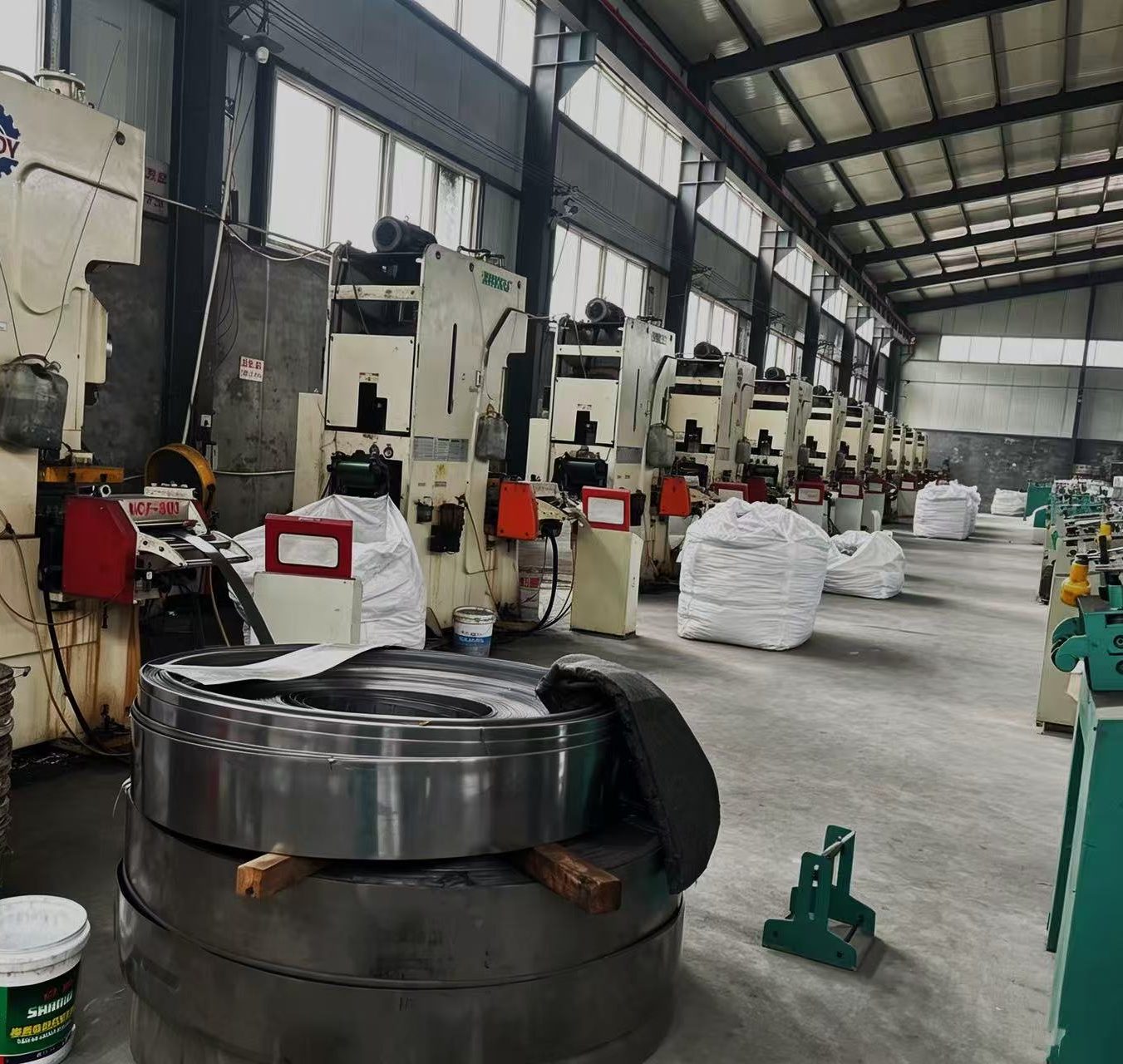
To illustrate the principles of a successful factory-direct partnership, consider the example of a leading integrated industry and trade company based in Handan, Hebei, China. Known as the “Capital of Fasteners,” Handan provides a unique ecosystem for manufacturing excellence. With over a decade of industry experience, this company exemplifies how combining R&D, manufacturing, and global trade creates value for international clients.
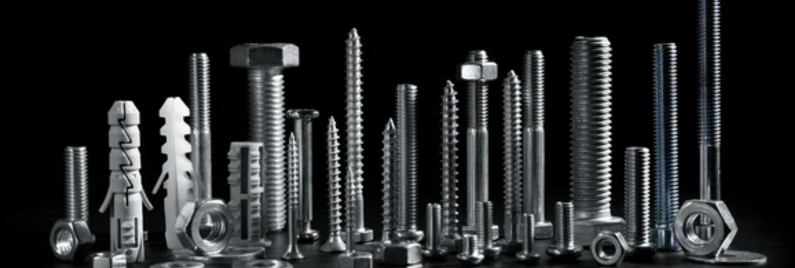
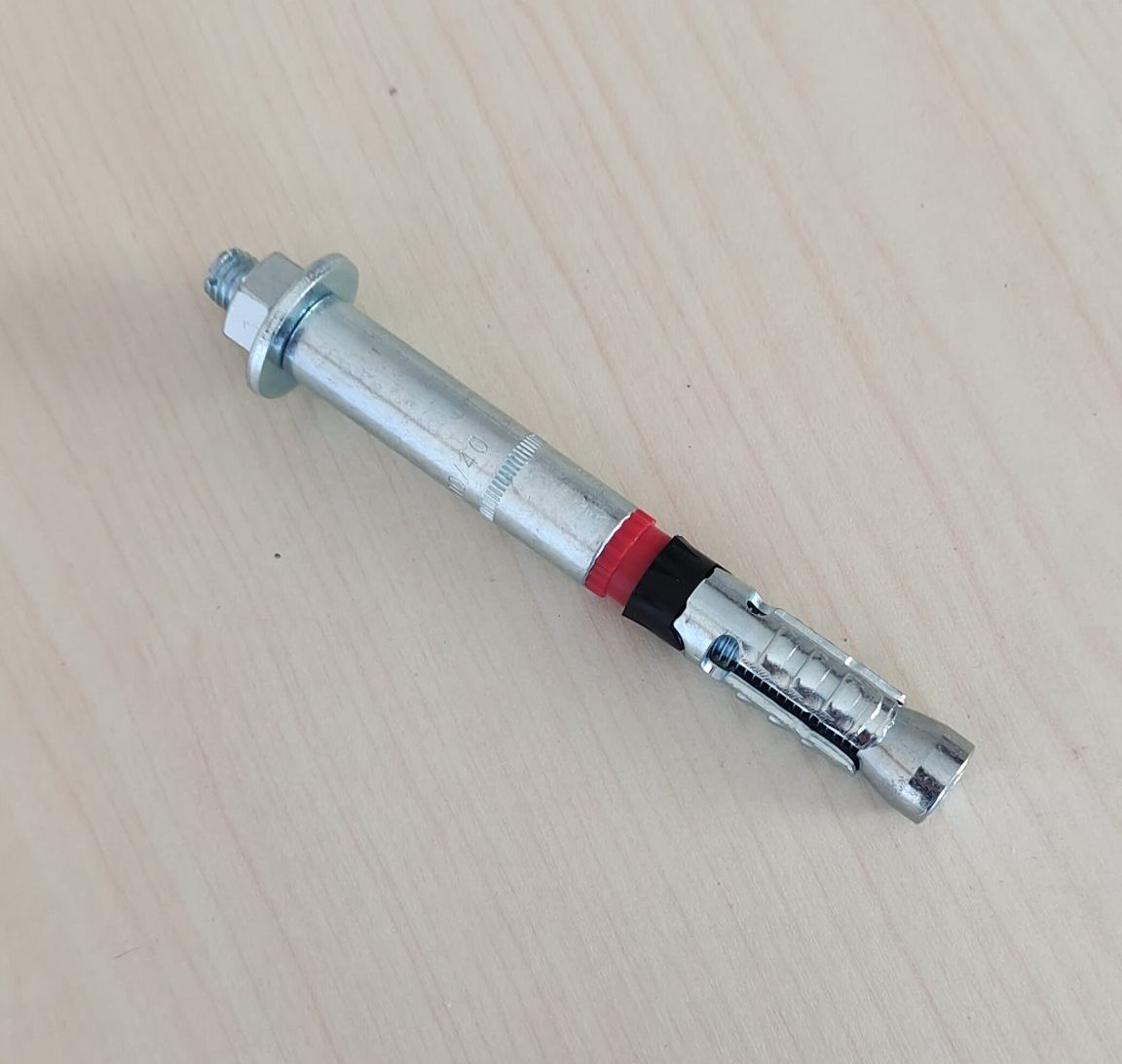
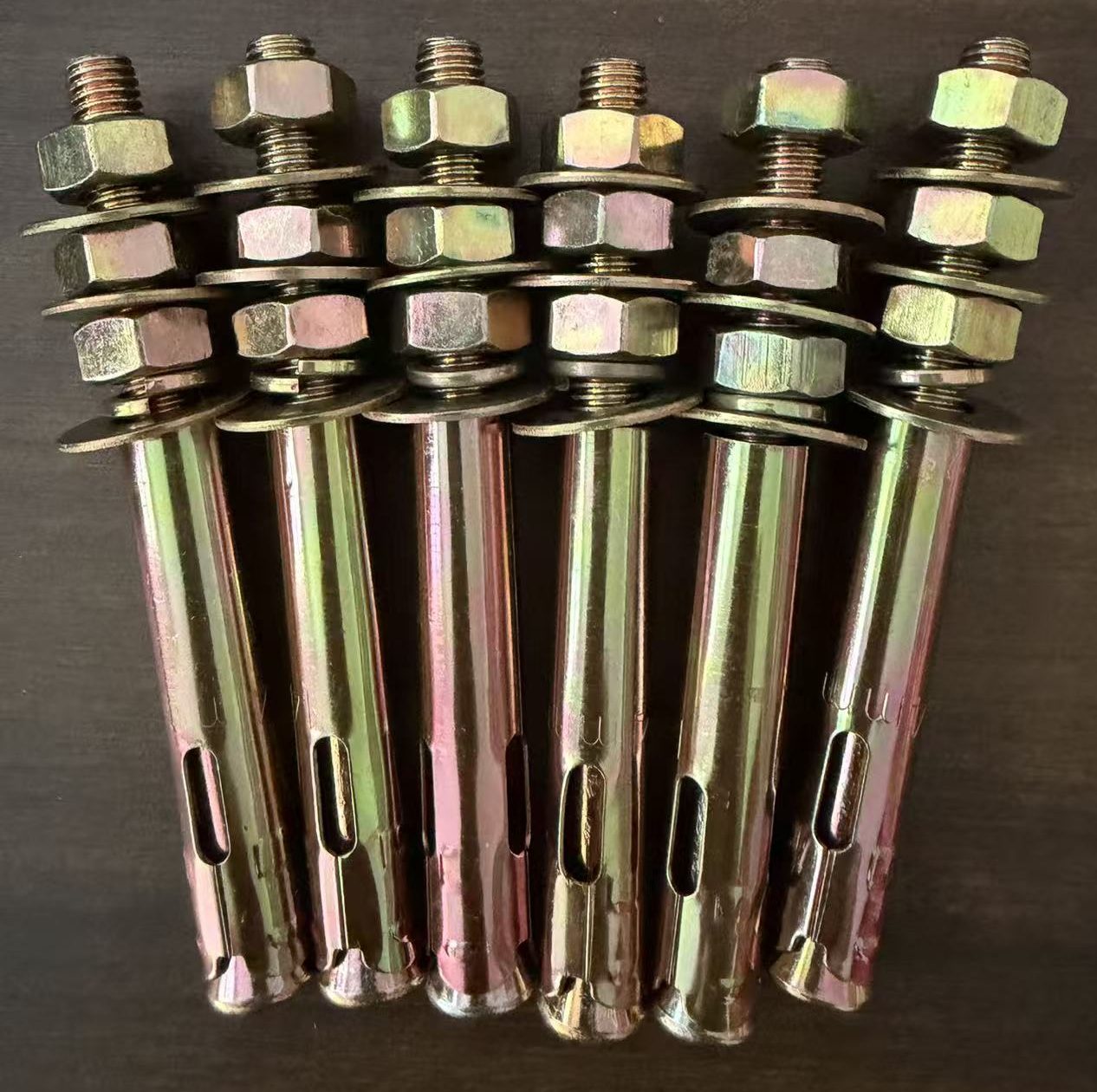
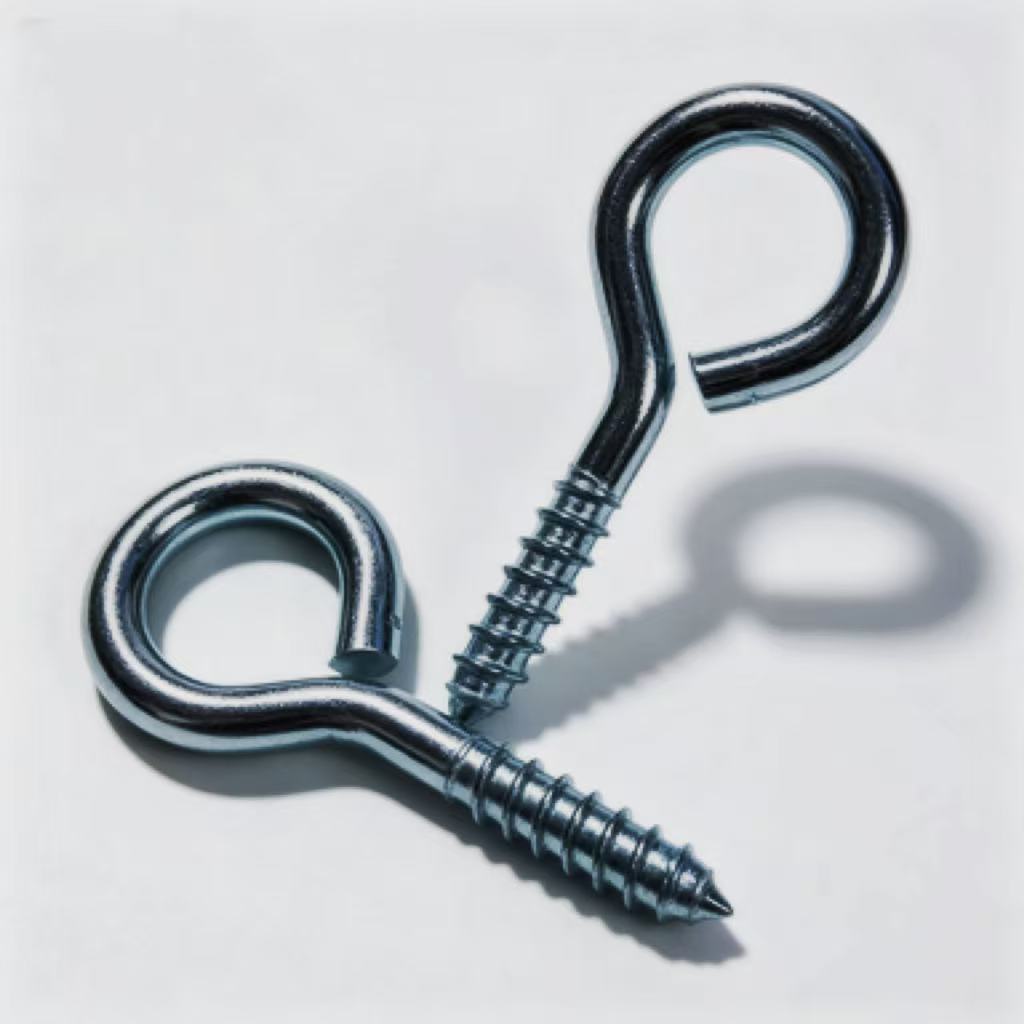
This supplier has expanded its reach to more than 26 countries by adhering to an integrity-based business philosophy. Unlike generic vendors, they specialize in both standard hardware and complex custom developments, including unique products like casing geckos and wooden teeth welded sheep’s eye screws/bolts. Their commitment to innovation is evident in their continuous investment in scientific research and the recruitment of high-tech talent.
By utilizing advanced production technology and perfect testing methods, the company ensures its products meet diverse international standards, including GB, DIN, JIS, and ANSI. Their professional technical team works closely with clients to customize specifications, quality, and quantity, embodying the “quality first, customer first” principle. This approach not only secures their reputation but also ensures that every shipment aligns perfectly with the customer’s specific operational needs.
Comparative Analysis: Standard vs. OEM Fasteners
Understanding the differences between standard catalog items and OEM custom solutions helps buyers make strategic sourcing decisions. While standard parts offer immediacy, OEM parts provide optimization. The following table outlines key distinctions to consider.
| Feature | Standard Fasteners | OEM Custom Solutions |
| Design Flexibility | Limited to existing catalogs | Fully customizable geometry and specs |
| Lead Time | Immediate availability | Requires tooling and production time |
| Cost Structure | Lower unit cost for small volumes | Optimized cost at scale; higher initial setup |
| Application Fit | General purpose usage | Precise fit for specialized applications |
| Material Options | Common grades only | Exotic alloys and specialized treatments |
| Tooling Requirements | No tooling needed | Custom dies and molds required |
This comparison highlights that while standard fasteners are suitable for maintenance and repair operations, OEM solutions are indispensable for new product development. The investment in custom tooling pays off through improved performance and reduced assembly issues in high-volume production.
Key Industries Served by Top Suppliers
A versatile fasteners supplier serves a diverse range of industries, each with unique demands. The ability to adapt to these varying requirements demonstrates the breadth of a supplier’s capabilities. From heavy machinery to delicate electronics, the need for reliable joining solutions is universal.
The automotive sector demands high-volume production with zero-defect tolerance. Fasteners here must withstand vibration, thermal cycling, and corrosive road salts. Suppliers to this industry often operate Just-In-Time delivery models to support assembly line continuity.
In the construction industry, structural integrity is paramount. Fasteners used in bridges and skyscrapers must handle immense static and dynamic loads. Compliance with building codes and the ability to supply large diameters and lengths are crucial factors.
Specialized Applications in Aerospace and Energy
The aerospace industry represents the highest tier of fastener requirements. Components must be lightweight yet incredibly strong, capable of functioning in vacuum and extreme temperature variations. Traceability and documentation are as important as the physical product itself.
Similarly, the energy sector, including oil and gas and renewable power, operates in harsh environments. Offshore wind turbines and deep-sea drilling platforms require fasteners that resist saltwater corrosion and high pressure. Specialized coatings and superalloys are frequently deployed in these settings.
Electronics manufacturing presents a different challenge, focusing on miniaturization. Micro-fasteners are needed to assemble compact devices without adding bulk. Precision and consistency are vital to prevent damage to sensitive components during assembly.
Steps to Select the Right Fasteners Partner
Selecting the appropriate fasteners supplier involves a structured evaluation process. Following a systematic approach ensures that the chosen partner aligns with your quality, cost, and delivery objectives. The following steps outline a best-practice methodology.
- Define Technical Requirements: Clearly document the material, size, strength grade, and environmental conditions your application demands.
- Verify Certifications: Request proof of relevant ISO, AS, or IATF certifications to ensure the supplier meets industry standards.
- Evaluate Manufacturing Capabilities: Assess whether the supplier owns their production facilities or outsources, and review their equipment list.
- Request Samples and Testing: Obtain prototypes for real-world testing to validate performance before committing to large orders.
- Analyze Supply Chain Stability: Investigate their raw material sources and logistics networks to ensure consistent delivery.
- Review Customer References: Speak with existing clients in similar industries to gauge reliability and service quality.
By meticulously following these steps, organizations can mitigate risks associated with supply chain disruptions and quality failures. The goal is to establish a partnership that fosters innovation and operational excellence.
Negotiating Terms and Service Level Agreements
Once a potential supplier is identified, negotiating clear terms is essential. Service Level Agreements (SLAs) should define expectations regarding lead times, defect rates, and response times for issues. Clear communication channels prevent misunderstandings.
Pricing structures should be transparent, accounting for raw material fluctuations. Long-term contracts can offer price stability, benefiting both parties. It is also important to discuss inventory management strategies, such as Vendor Managed Inventory (VMI), to optimize stock levels.
Intellectual property clauses must be clearly defined, especially when developing custom components. Ensuring that your designs remain protected fosters a secure environment for collaboration and innovation.
Common Challenges in Fastener Sourcing
Sourcing fasteners is not without its challenges. Global supply chain volatility, raw material price swings, and quality inconsistencies are common hurdles. A robust fasteners supplier proactively addresses these issues to maintain service continuity.
Counterfeit parts pose a significant risk in the industry. Unscrupulous vendors may sell substandard products labeled as high-grade. Rigorous incoming inspection and buying only from authorized sources are critical defenses against this threat.
Lead time variability can disrupt production schedules. Factors such as port congestion or raw material shortages can cause delays. Diversifying the supply base and maintaining safety stock are effective strategies to manage this uncertainty.
Mitigating Risks Through Strategic Partnerships
Building a strategic partnership rather than a transactional relationship helps mitigate many sourcing risks. Partners who understand your business goals are more likely to prioritize your orders during shortages and collaborate on problem-solving.
Regular audits and performance reviews keep the relationship healthy and accountable. These interactions provide opportunities to address emerging issues before they escalate. Transparency from both sides strengthens the bond and ensures mutual success.
Investing in digital integration, such as EDI (Electronic Data Interchange), streamlines ordering and tracking processes. Real-time visibility into order status reduces administrative burdens and enhances planning accuracy.
The Future of Fastener Manufacturing
The fastener industry is undergoing a transformation driven by automation and digitalization. Smart factories utilize IoT sensors to monitor production parameters in real-time, ensuring consistent quality. This technological leap enhances the capabilities of a modern fasteners supplier.
Sustainability is becoming a central focus. Manufacturers are exploring eco-friendly coatings and recycling programs to reduce environmental impact. Buyers are increasingly prioritizing suppliers who demonstrate a commitment to green practices.
Additive manufacturing, or 3D printing, is beginning to influence fastener production, particularly for highly complex, low-volume parts. While traditional forging and machining remain dominant for high volumes, hybrid approaches are emerging to solve unique engineering challenges.
Frequently Asked Questions (FAQ)
What is the minimum order quantity (MOQ) for custom fasteners?
MOQs vary depending on the complexity of the custom design and the tooling required. For simple modifications, MOQs may be relatively low, while complex geometries might require higher volumes to justify setup costs. Discussing your specific needs with the supplier provides an accurate figure.
How long does it take to develop an OEM fastener solution?
The timeline typically ranges from a few weeks to several months. It includes design validation, tooling fabrication, sample production, and testing. Complex projects with stringent testing requirements naturally take longer than simpler adaptations.
Can a supplier provide mixed containers with different fastener types?
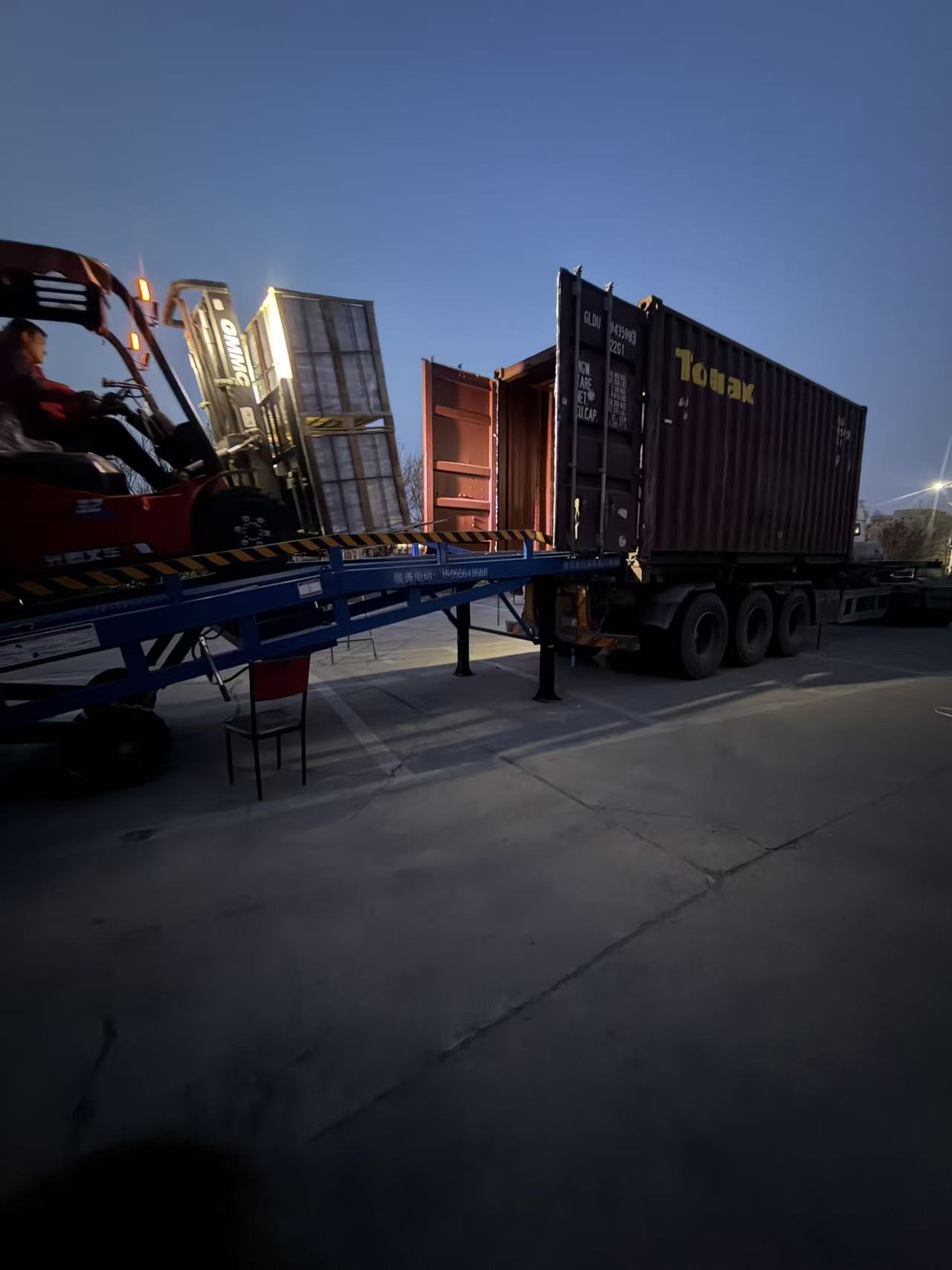
Yes, many factory-direct suppliers offer consolidation services. They can pack various types and sizes of fasteners into a single container, optimizing shipping costs and simplifying logistics for the buyer. This is particularly useful for MRO (Maintenance, Repair, and Operations) needs.
What certifications should I look for in an aerospace fastener supplier?
For aerospace applications, AS9100 certification is the industry standard. Additionally, look for NADCAP accreditation for special processes like heat treating and plating. These certifications ensure the supplier meets the rigorous safety and quality demands of the aviation sector.
How do you ensure traceability of fasteners?
Traceability is maintained through a unique batch number assigned to each production run. This number links the finished product to raw material certificates, heat treatment logs, and inspection reports. A reputable supplier provides these documents with every shipment.
Conclusion and Next Steps
Selecting the right fasteners supplier is a strategic decision that impacts product quality, operational efficiency, and bottom-line profitability. By prioritizing partners who offer factory-direct advantages, robust OEM capabilities, and unwavering commitment to quality standards, businesses can secure a competitive edge.
This guide has outlined the critical factors to consider, from material expertise and certification compliance to the benefits of custom engineering. Whether you are in automotive, aerospace, construction, or general manufacturing, the principles of due diligence remain the same.
Who is this for? This information is essential for procurement managers, design engineers, and supply chain directors looking to optimize their component sourcing strategy. If your current supply chain lacks flexibility or transparency, it may be time to re-evaluate your partnerships.
To move forward, begin by auditing your current fastener requirements and identifying gaps in performance or cost. Reach out to qualified suppliers who demonstrate the technical depth and manufacturing capacity discussed in this article. Request samples, verify certifications, and initiate a dialogue about how a factory-direct partnership can elevate your production capabilities.