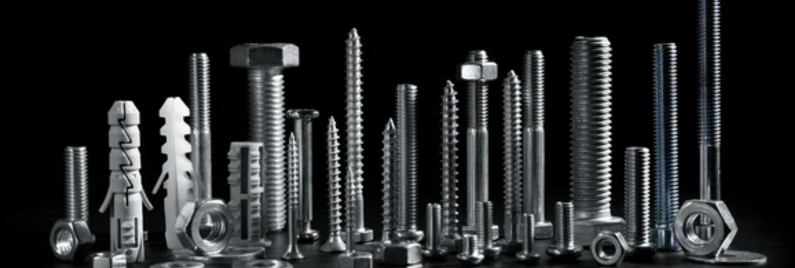
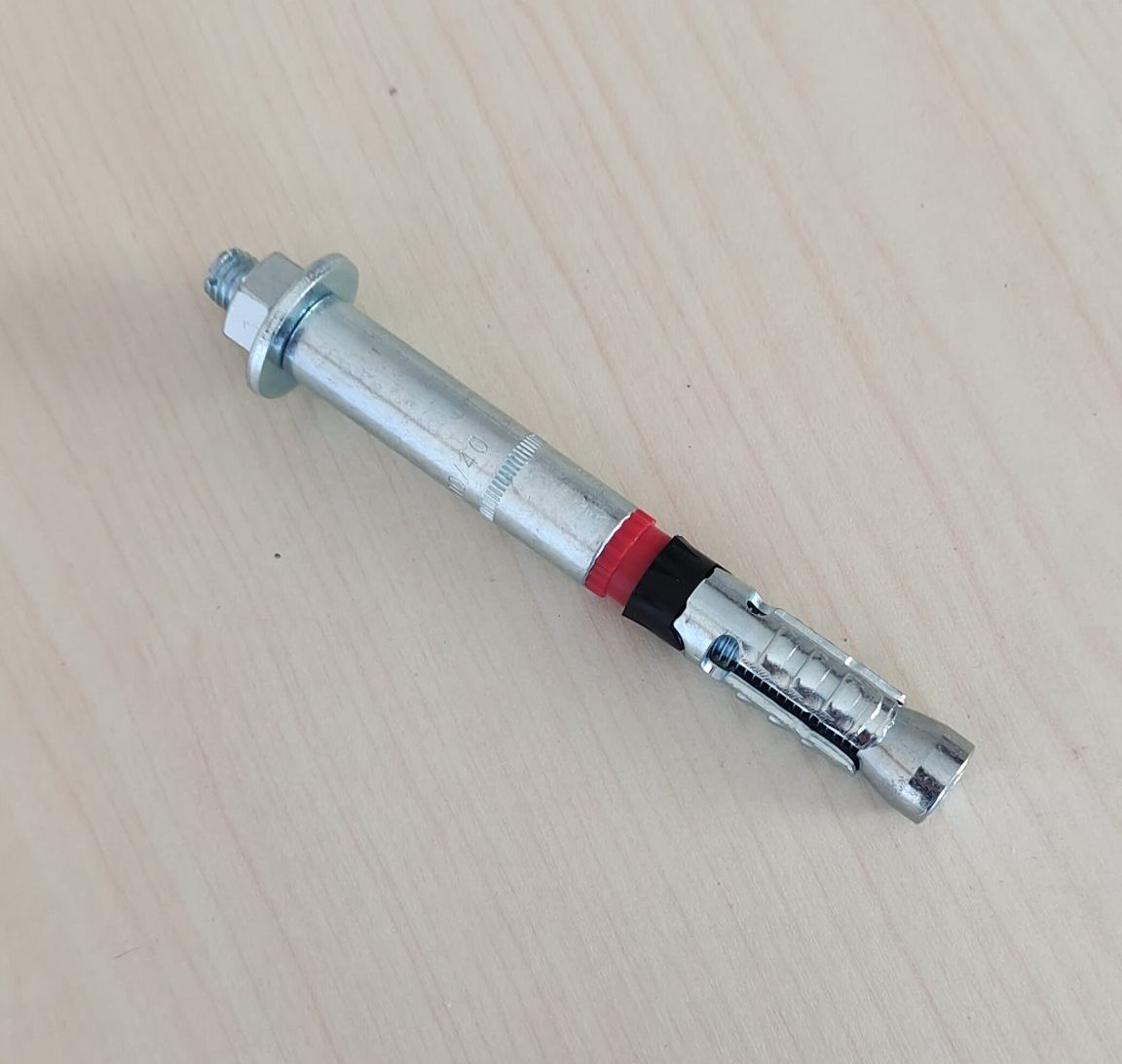
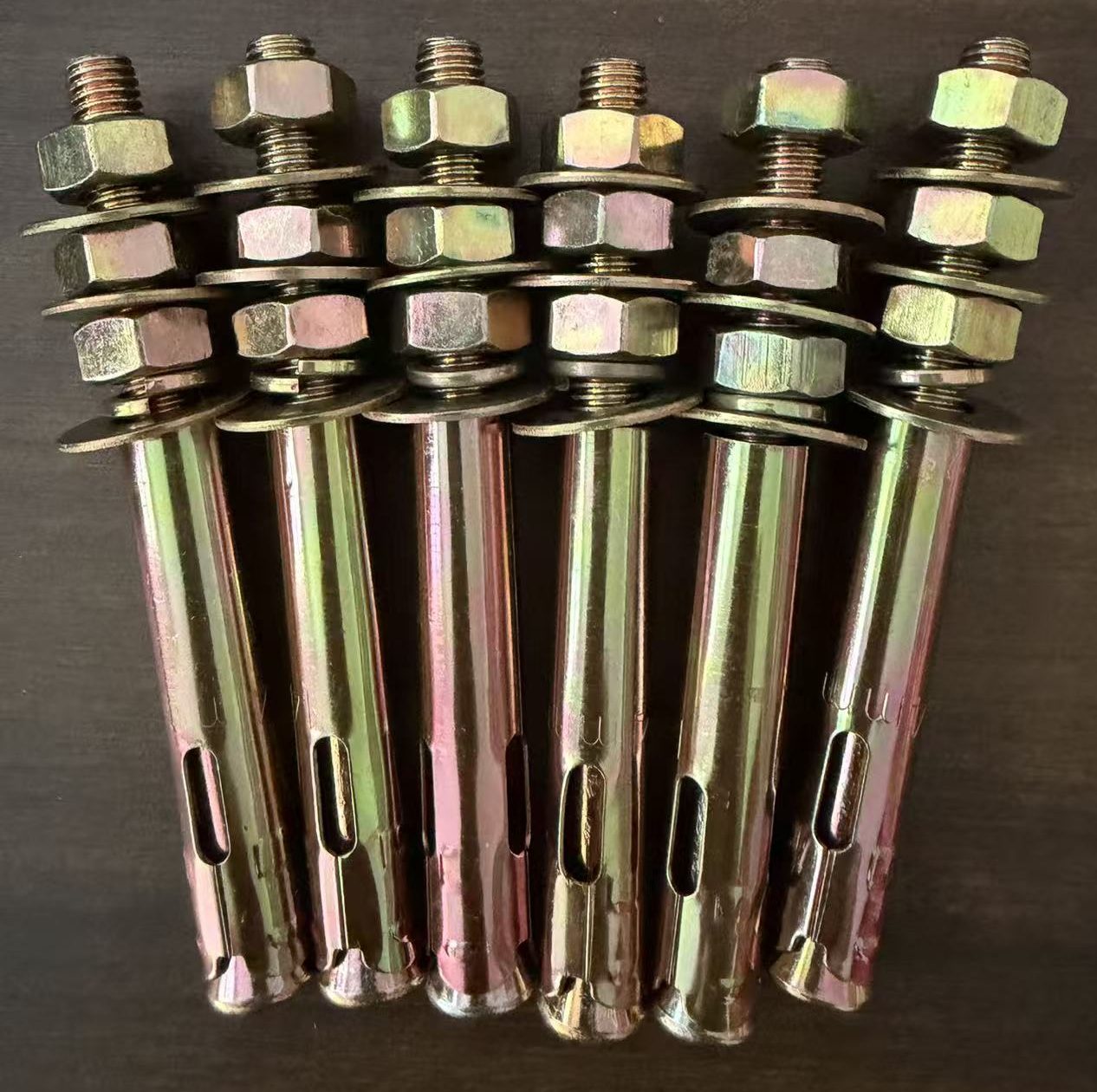
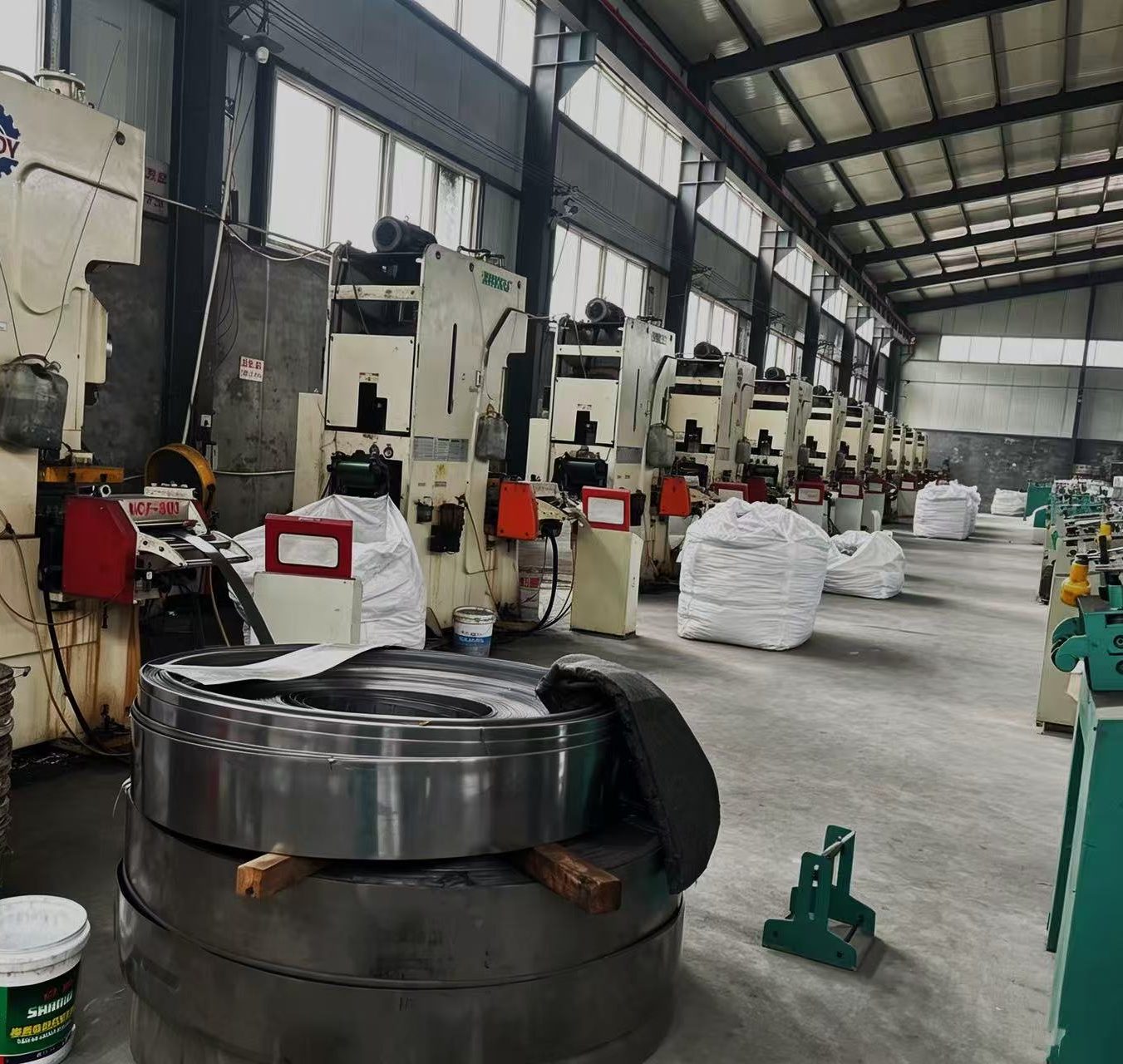
Looking for a reliable stainless steel screws supplier with factory direct pricing in 2026? Our facility, located in Handan, Hebei—the heart of China’s fastener manufacturing industry—specializes in producing high-grade fasteners that resist corrosion and ensure structural integrity across diverse industries. With over a decade of global experience serving clients in more than 26 countries, we combine advanced production technology with rigorous testing methods to deliver premium quality stainless steel screws directly to your project site. By eliminating intermediaries, we offer competitive rates without compromising on material standards or precision engineering, adhering strictly to GB, DIN, JIS, and ANSI specifications.
What Defines High-Quality Stainless Steel Screws?
The term stainless steel screws refers to fasteners crafted from iron alloys containing a minimum of 10.5% chromium. This specific composition creates a passive oxide layer on the surface, providing exceptional resistance to rust and staining. In 2026, industry standards demand not just basic corrosion resistance but also enhanced tensile strength and durability under extreme environmental conditions.
Not all fasteners labeled as “stainless” perform equally. The quality depends heavily on the specific alloy grade used during production. Superior manufacturers adhere to strict chemical composition limits to ensure the material behaves predictably under stress. This consistency is vital for applications ranging from marine infrastructure to medical device assembly.
When evaluating potential suppliers, buyers must look beyond surface appearance. True quality involves rigorous testing of mechanical properties, including yield strength and hardness. A reputable factory will provide detailed mill test reports confirming that every batch meets international specifications for stainless steel screws.
Understanding Material Grades: 304 vs. 316
Selecting the correct grade is the most critical decision in any fastening project. The two most prevalent grades in the current market are 304 and 316. While both offer excellent protection against oxidation, their performance diverges significantly in harsh environments. Understanding these differences prevents premature failure and costly maintenance.
Grade 304 is the industry standard for general-purpose applications. It contains 18% chromium and 8% nickel, offering robust resistance to atmospheric corrosion and many organic chemicals. This makes it ideal for indoor machinery, kitchen equipment, and architectural features where exposure to salt is minimal.
Grade 316 includes an additional 2-3% molybdenum. This element dramatically improves resistance to chlorides and industrial solvents. Consequently, 316 stainless steel screws are the mandatory choice for marine environments, coastal construction, and chemical processing plants where salt spray or acidic vapors are present.
| Feature | Grade 304 (A2) | Grade 316 (A4) |
| Primary Alloy | 18% Chromium, 8% Nickel | 16% Chromium, 10% Nickel, 2% Molybdenum |
| Corrosion Resistance | Excellent for general use | Superior, especially against chlorides |
| Ideal Environment | Indoor, dry, mild outdoor | Marine, coastal, chemical, high humidity |
| Cost Factor | Standard, cost-effective | Premium, higher initial investment |
| Magnetic Properties | Slightly magnetic (when worked) | Generally non-magnetic |
Why Choose Factory Direct Pricing in 2026?
The global supply chain has evolved, making the traditional distributor model less efficient for large-scale procurement. Sourcing stainless steel screws directly from the manufacturer eliminates multiple markups, resulting in significant cost savings. In 2026, this approach also offers greater transparency regarding material origins and production timelines.
Direct engagement allows buyers to customize specifications without the friction of third-party communication. Whether you require non-standard head styles, unique thread pitches, or specific coating treatments, a factory can adapt its production line to meet these needs. This flexibility is often unavailable through standard stockists.
Furthermore, factory-direct relationships foster better quality control. When issues arise, feedback loops are shorter, enabling rapid resolution. Manufacturers can trace defects back to specific production batches immediately, ensuring that corrective actions are implemented before further shipment. This level of accountability builds long-term trust.
Cost Efficiency Without Compromising Quality
A common misconception is that lower prices imply inferior materials. However, factory direct pricing reduces overhead costs associated with warehousing, marketing, and intermediary profits. These savings are passed to the buyer while maintaining strict adherence to quality protocols. The result is a high-value proposition for procurement managers.
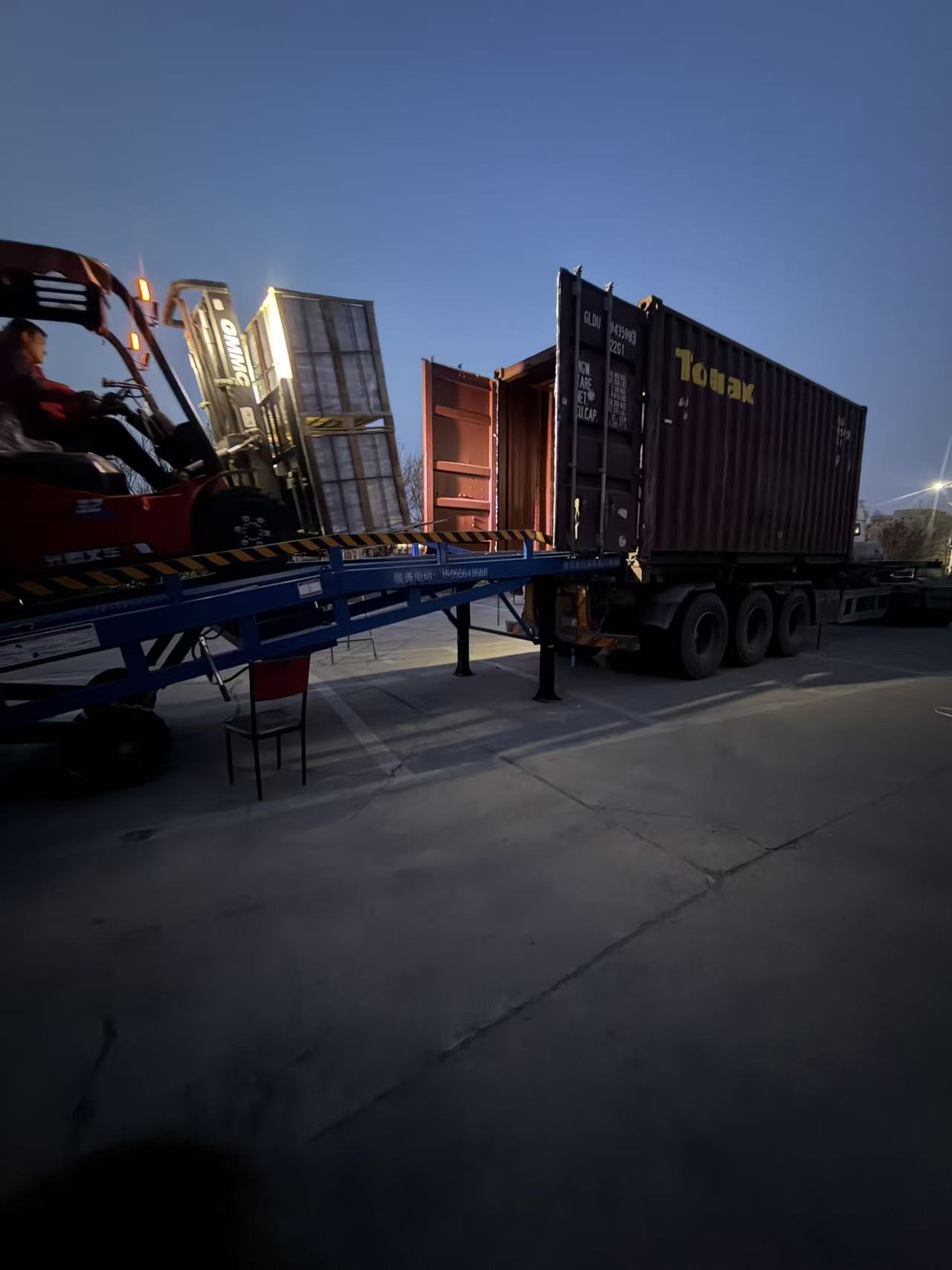
Bulk ordering directly from the source also optimizes logistics. Instead of receiving partial shipments from various distributors, clients can consolidate orders into full container loads. This reduces freight costs per unit and minimizes the carbon footprint associated with transportation, aligning with modern sustainability goals.
Long-term contracts with factories often lock in favorable pricing structures, shielding buyers from volatile raw material markets. Since stainless steel prices fluctuate based on nickel and chromium costs, having a direct line to the producer provides strategic financial stability for ongoing projects.
Key Applications of Stainless Steel Screws
The versatility of stainless steel screws makes them indispensable across numerous sectors. Their ability to withstand harsh conditions while maintaining aesthetic appeal drives their widespread adoption. From heavy industry to delicate consumer electronics, these fasteners play a crucial role in product longevity.
In the construction sector, they are used for facades, roofing, and structural connections exposed to the elements. The architectural community favors them for their clean finish and durability. Unlike coated carbon steel, stainless options do not require periodic repainting, reducing lifecycle maintenance costs significantly.
The marine industry relies almost exclusively on high-grade stainless fasteners. Boats, docks, and offshore platforms face constant exposure to saltwater, which rapidly corrodes lesser materials. Using the correct grade of stainless steel screws ensures safety and structural reliability in these demanding environments.
Industrial and Manufacturing Uses
Food and beverage processing facilities mandate the use of stainless steel due to hygiene regulations. These screws can withstand frequent washdowns with harsh cleaning agents without rusting or contaminating products. Their smooth surfaces prevent bacterial buildup, making them essential for sanitary design.
Chemical processing plants utilize these fasteners in reactors, piping systems, and storage tanks. The resistance to acidic and alkaline substances prevents leaks and catastrophic failures. Engineers specify specific alloys based on the exact chemical composition of the processes involved.
Automotive and aerospace sectors increasingly adopt stainless fasteners for components requiring high strength-to-weight ratios and heat resistance. As vehicles become more complex and operate under higher thermal loads, the reliability of these small but critical components becomes paramount.
Technical Specifications and Performance Metrics
Understanding the technical data behind stainless steel screws is essential for proper selection. Key metrics include tensile strength, yield strength, elongation, and hardness. These values determine how much load a fastener can bear before deforming or breaking. Industry standards like ISO and ASTM define these parameters rigorously.
Thread geometry also plays a vital role in performance. Precision-rolled threads ensure consistent clamping force and reduce the risk of stripping during installation. High-quality manufacturers utilize advanced rolling techniques to work-harden the surface, enhancing fatigue resistance and overall durability.
Head styles and drive types vary based on application requirements. From hex heads for high-torque applications to Phillips and Torx drives for precision assembly, the right combination ensures efficient installation. Selecting the appropriate drive prevents cam-out and damage to the screw head.
Corrosion Resistance Mechanisms
The primary defense of stainless steel is its passive film. This invisible layer of chromium oxide forms instantly upon exposure to oxygen. If scratched, the film self-heals provided sufficient oxygen is present. This self-repairing capability is what distinguishes stainless steel from plated or painted alternatives.
Pitting and crevice corrosion are specific risks in stagnant or low-oxygen environments. Proper design practices, such as avoiding tight crevices and ensuring good drainage, mitigate these risks. In severe cases, electropolishing can enhance the passive layer, providing an extra margin of safety.
Stress corrosion cracking (SCC) is another failure mode to consider, particularly in high-temperature chloride environments. Selecting duplex stainless steels or higher alloyed grades can prevent SCC. Engineers must evaluate the operating temperature and chemical exposure when specifying materials for critical applications.
How to Identify Premium Stainless Steel Screws
Distinguishing high-quality stainless steel screws from substandard imitations requires attention to detail. Visual inspection alone is often insufficient, as poor-quality materials can be polished to look acceptable. Reliable identification involves checking markings, testing magnetic properties, and reviewing documentation.
Genuine products usually bear head markings indicating the grade, such as “A2” or “A4” according to ISO standards, or “304” and “316” per ASTM norms. Absence of these markings on industrial-grade fasteners is a red flag. Reputable suppliers ensure clear and legible identification on every piece.
Magnetic testing offers a quick field check, though it is not definitive. Austenitic grades like 304 and 316 are generally non-magnetic but may exhibit slight magnetism due to cold working during thread formation. Ferritic and martensitic grades are strongly magnetic. Unexpected strong magnetism in an austenitic screw suggests incorrect material usage.
The Importance of Certification and Testing
Trustworthy suppliers provide Mill Test Certificates (MTC) with each shipment. These documents verify the chemical composition and mechanical properties of the batch. They serve as proof that the material conforms to the specified standard. Buyers should always request and archive these certificates for quality assurance records.
Third-party testing adds another layer of verification. Independent laboratories can perform spectral analysis to confirm alloy content and conduct salt spray tests to validate corrosion resistance. For critical projects, investing in independent validation ensures peace of mind and mitigates liability risks.
Consistency across batches is a hallmark of a professional manufacturer. Variations in color, finish, or dimensions between lots indicate poor process control. High-end producers maintain tight tolerances and uniform finishes, ensuring that every screw performs identically regardless of when it was produced.
Installation Best Practices for Longevity
Proper installation is just as important as material selection. Even the highest grade stainless steel screws can fail if installed incorrectly. Following best practices ensures optimal performance and maximizes the service life of the fastening system. Torque control is the first critical factor.
Stainless steel has a tendency to gall or cold-weld under high friction and pressure. This occurs when threads seize together, making removal impossible or causing thread damage. To prevent galling, use lower installation speeds, apply anti-seize lubricants, and avoid over-torquing.
Using compatible washers and nuts is essential. Mixing different metals can lead to galvanic corrosion, where one metal corrodes preferentially. Always pair stainless screws with stainless nuts and washers of the same or higher grade. Isolation pads should be used when connecting to dissimilar metals like aluminum or carbon steel.
Preventing Galling and Seizing
- Control Rotation Speed: Drive screws slowly to reduce heat generation, which accelerates galling.
- Apply Lubrication: Use specialized anti-seize compounds containing nickel or PTFE to reduce friction between threads.
- Avoid Over-Tightening: Use calibrated torque wrenches to apply only the necessary clamping force.
- Inspect Threads: Ensure threads are clean and undamaged before installation to prevent binding.
- Use Coated Variants: Consider screws with proprietary coatings designed to reduce friction in high-stress applications.
Neglecting these steps can lead to stripped heads, broken shafts, or seized assemblies. In maintenance scenarios, removing a galled screw often requires destructive methods, damaging the surrounding component. Prevention is far more cost-effective than remediation.
Common Challenges and Solutions
Despite their robustness, users sometimes encounter challenges with stainless steel screws. Addressing these proactively ensures project success. One frequent issue is discoloration or “tea staining” on exterior surfaces. While not structural corrosion, it affects aesthetics and can be mistaken for rust.
Tea staining typically results from surface contamination or inadequate cleaning after installation. Iron particles from nearby grinding of carbon steel can settle on the stainless surface and rust. Regular cleaning with dedicated stainless steel cleaners removes these contaminants and restores the finish.
Another challenge is breakage during installation, often due to excessive hardness or brittleness. This usually stems from improper heat treatment or using the wrong grade for the application. Ensuring the screw grade matches the required tensile strength and ductility prevents such failures.
Troubleshooting Corrosion Issues
If corrosion appears shortly after installation, investigate the environment and installation method. Check for crevices where moisture might trap. Verify that no carbon steel tools were used, which could embed iron particles. In coastal areas, ensure Grade 316 was used instead of 304.
For existing structures showing signs of degradation, a thorough assessment is needed. Minor surface rust can often be cleaned and passivated. However, deep pitting indicates material failure, necessitating replacement with a higher-grade alloy. Ignoring early signs can lead to structural compromise.
Education is key to preventing recurrence. Training installation teams on the specific handling requirements of stainless steel reduces human error. Simple protocols, like using dedicated tools and keeping packaging intact until use, make a significant difference in final outcomes.
Frequently Asked Questions (FAQ)
Buyers and engineers often have specific queries regarding stainless steel screws. Addressing these common questions clarifies misconceptions and aids in decision-making. The following answers reflect current industry knowledge and practical experience.
Are stainless steel screws stronger than regular steel screws?
Generally, standard austenitic stainless steel (304/316) has lower tensile strength than high-grade hardened carbon steel. However, stainless steel offers superior toughness and corrosion resistance. For applications requiring extreme strength, precipitation-hardening stainless grades or alloy steel with protective coatings may be more suitable.
Can I use stainless steel screws with aluminum?
Yes, but caution is required to prevent galvanic corrosion. Aluminum is anodic to stainless steel, meaning it will corrode if directly connected in the presence of an electrolyte. Using plastic washers, sleeves, or sealants to isolate the two metals is recommended to protect the aluminum component.
How long do stainless steel screws last outdoors?
In typical atmospheric conditions, Grade 304 screws can last decades without significant degradation. In marine or highly polluted industrial environments, Grade 316 is necessary to achieve similar longevity. Proper installation and regular maintenance further extend their service life indefinitely in many cases.
What is the difference between A2 and A4 stainless steel?
A2 corresponds to Grade 304, suitable for general outdoor use. A4 corresponds to Grade 316, which includes molybdenum for enhanced resistance to chlorides and acids. A4 is the preferred choice for seaside locations and chemical exposures, while A2 is cost-effective for standard applications.
Do you offer custom sizes for stainless steel screws?
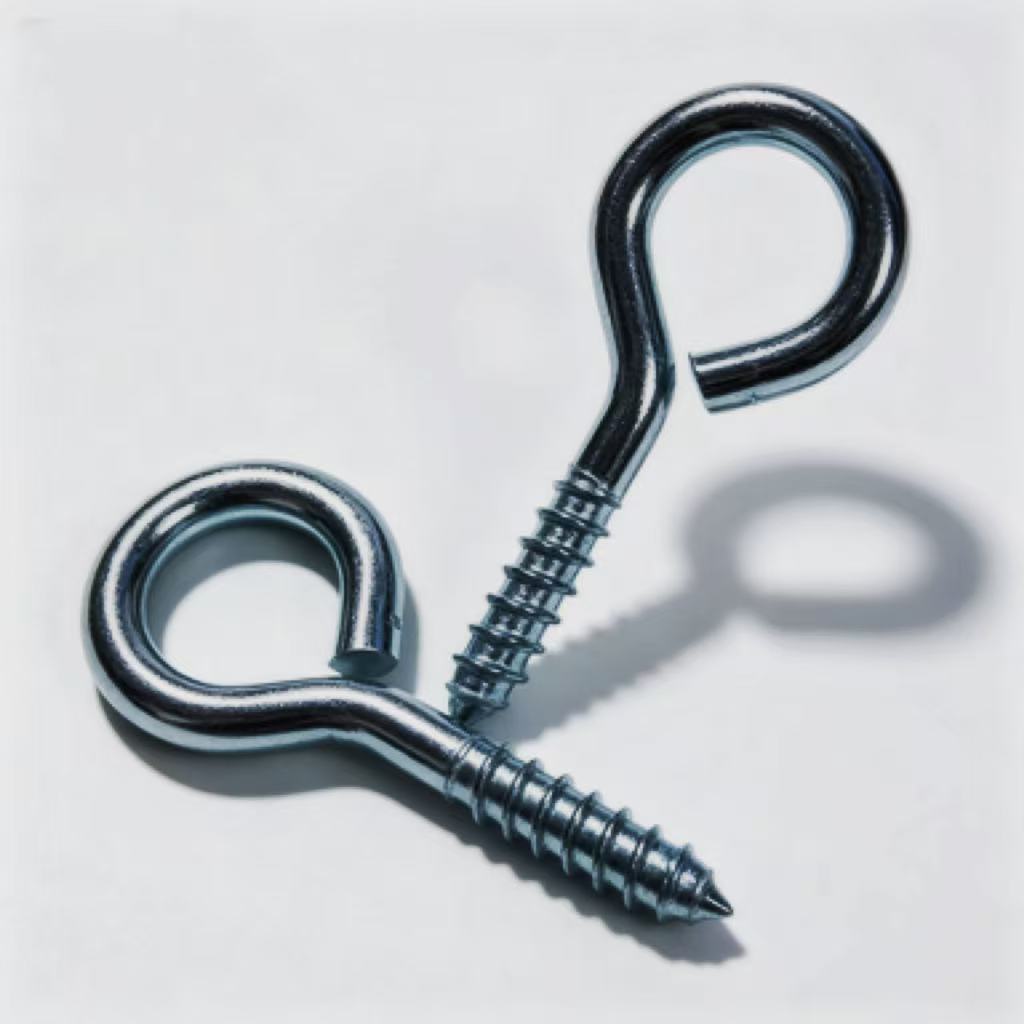
Yes. Backed by a professional technical team and advanced machinery, our factory specializes in developing and manufacturing custom dimensions, thread pitches, and head styles to meet specific project requirements. Whether you need standard fasteners or specialized products like wooden teeth welded sheep’s eye screws, we adhere to a “quality first, customer first” principle. We invest heavily in R&D and high-tech talent to ensure every custom order meets GB, DIN, JIS, or ANSI standards efficiently.
Future Trends in Fastener Technology
The fastener industry continues to innovate, driven by demands for higher performance and sustainability. In 2026 and beyond, we anticipate advancements in alloy formulations that offer even greater strength-to-weight ratios. New processing techniques will enhance the natural corrosion resistance of stainless steel screws without relying on harmful chemical treatments.
Digital tracking and blockchain technology are emerging tools for supply chain transparency. Buyers will soon be able to trace the entire history of a fastener batch, from raw material sourcing to final delivery. This enhances accountability and ensures compliance with ethical and environmental standards.
Sustainability remains a core focus. Manufacturers are optimizing energy consumption during production and increasing recycling rates of scrap material. The inherent recyclability of stainless steel makes it a green choice, and future developments will further reduce its environmental footprint throughout the lifecycle.
Conclusion and Selection Guide
Selecting the right stainless steel screws is a strategic decision that impacts the safety, durability, and cost-efficiency of your projects. By understanding the differences between grades like 304 and 316, recognizing the value of factory-direct sourcing, and adhering to proper installation practices, you ensure optimal results.
This guide is ideal for procurement managers, engineers, contractors, and DIY enthusiasts who demand reliability. Whether you are building a coastal resort, assembling food processing equipment, or constructing industrial machinery, the right fastener makes all the difference.
To move forward, evaluate your specific environmental conditions and load requirements. Contact our team to discuss your project needs and request a quote for premium, factory-direct stainless steel screws. With over ten years of industry experience and a commitment to integrity-based business, we are ready to provide you with high-quality products and thoughtful service. Let us help you secure the foundation of your success with fasteners built to last.