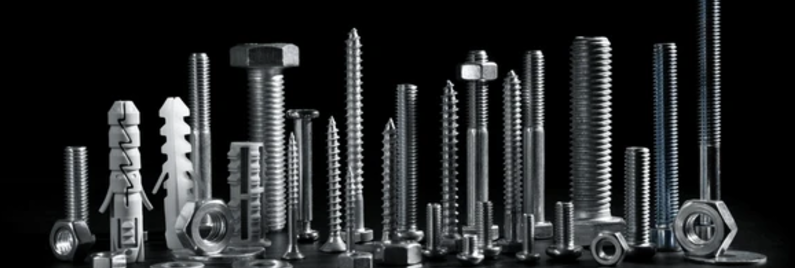
Alloy steel fasteners are high-performance mechanical components engineered from iron-based alloys containing elements like chromium, molybdenum, nickel, and vanadium. Unlike standard carbon steel, these fasteners offer superior tensile strength, corrosion resistance, and durability under extreme temperatures and heavy loads. They are critical for industries such as oil and gas, aerospace, automotive, and heavy construction, where failure is not an option. As a specialized manufacturer based in Handan, China, with over a decade of export experience to 26+ countries, we provide precision-engineered alloy bolts, screws, and nuts that meet rigorous international standards including DIN, ANSI, JIS, and GB.
What Are Alloy Steel Fasteners and Why Do They Matter?
In industrial engineering, the integrity of a structure often depends on its weakest link. Standard carbon steel fasteners, while cost-effective, lack the metallurgical properties required for high-stress environments. Alloy steel fasteners bridge this gap by incorporating specific alloying elements that enhance the material’s microstructure.
The primary advantage lies in the heat treatment process. Alloy steels can be quenched and tempered to achieve specific hardness and toughness levels that plain carbon steel cannot sustain. This makes them indispensable for applications involving:
- High Tensile Loads: Preventing shear failure in structural connections.
- Extreme Temperatures: Maintaining integrity in both cryogenic and high-heat environments.
- Corrosive Conditions: Resisting oxidation and chemical degradation without the high cost of stainless steel.
- Vibration Resistance: Reducing the risk of loosening in dynamic machinery.
For procurement managers and engineers, selecting the right alloy grade is not just about strength; it is about lifecycle cost and safety compliance. A failed bolt in a pipeline or a bridge support can lead to catastrophic consequences. Therefore, understanding the composition and application of these fasteners is essential for reliable project execution.
Key Alloying Elements and Their Functions
The performance of alloy steel fasteners is dictated by their chemical composition. Each element added to the base iron serves a specific metallurgical purpose. Understanding these helps in selecting the right fastener for your specific operational environment.
Chromium (Cr)
Chromium is primarily added to increase hardenability and corrosion resistance. In alloy steels used for fasteners, chromium content typically ranges from 0.5% to 1.5%. It forms stable carbides that improve wear resistance and allows the steel to maintain strength at elevated temperatures. For instance, Grade B7 studs, commonly used in pressure vessels, rely heavily on chromium for their performance profile.
Molybdenum (Mo)
Molybdenum is a powerful hardening agent that also enhances high-temperature strength and creep resistance. It prevents the steel from becoming brittle during the tempering process. In high-pressure applications, such as oil refinery flanges, molybdenum ensures that the fastener does not deform under sustained stress and heat.
Nickel (Ni)
Nickel improves toughness, particularly at low temperatures. It refines the grain structure of the steel, making it less prone to sudden fracture under impact loads. Nickel-alloyed fasteners are often specified in offshore platforms and Arctic exploration equipment where ambient temperatures can drop significantly.
Vanadium (V)
Vanadium is added in small amounts to inhibit grain growth during heat treatment. This results in a finer grain structure, which translates to higher strength and better fatigue resistance. It is crucial for fasteners subjected to cyclic loading, such as those in automotive engines or rotating machinery.
Common Grades of Alloy Steel Fasteners
Not all alloy steels are created equal. Different grades are standardized to meet specific mechanical property requirements. The most common standards governing these grades include ASTM, SAE, DIN, and ISO. Below is a breakdown of the most widely used alloy steel fastener grades in global trade.
| Grade/Standard |
Typical Composition |
Key Characteristics |
Common Applications |
| ASTM A193 B7 |
Chromium-Molybdenum |
High tensile strength, good temperature resistance |
Pressure vessels, valves, flanges in oil & gas |
| SAE J429 Grade 8 |
Medium Carbon Alloy |
Quenched and tempered, high yield strength |
Automotive suspensions, heavy machinery |
| DIN 25CrMo4 |
Chromium-Molybdenum |
Excellent fatigue strength, good weldability |
European automotive and engineering sectors |
| ASTM A320 L7 |
Chromium-Molybdenum |
Designed for low-temperature service |
Cryogenic plants, LNG facilities |
| 4140 / 4142 |
Chromium-Molybdenum |
Versatile, high strength-to-weight ratio |
General industrial manufacturing, tools |
When sourcing alloy steel fasteners, it is vital to specify the exact grade required by your engineering drawings. Substituting a lower grade can compromise safety, while using a higher grade than necessary may inflate costs without adding value.
Manufacturing Process: From Raw Material to Finished Product
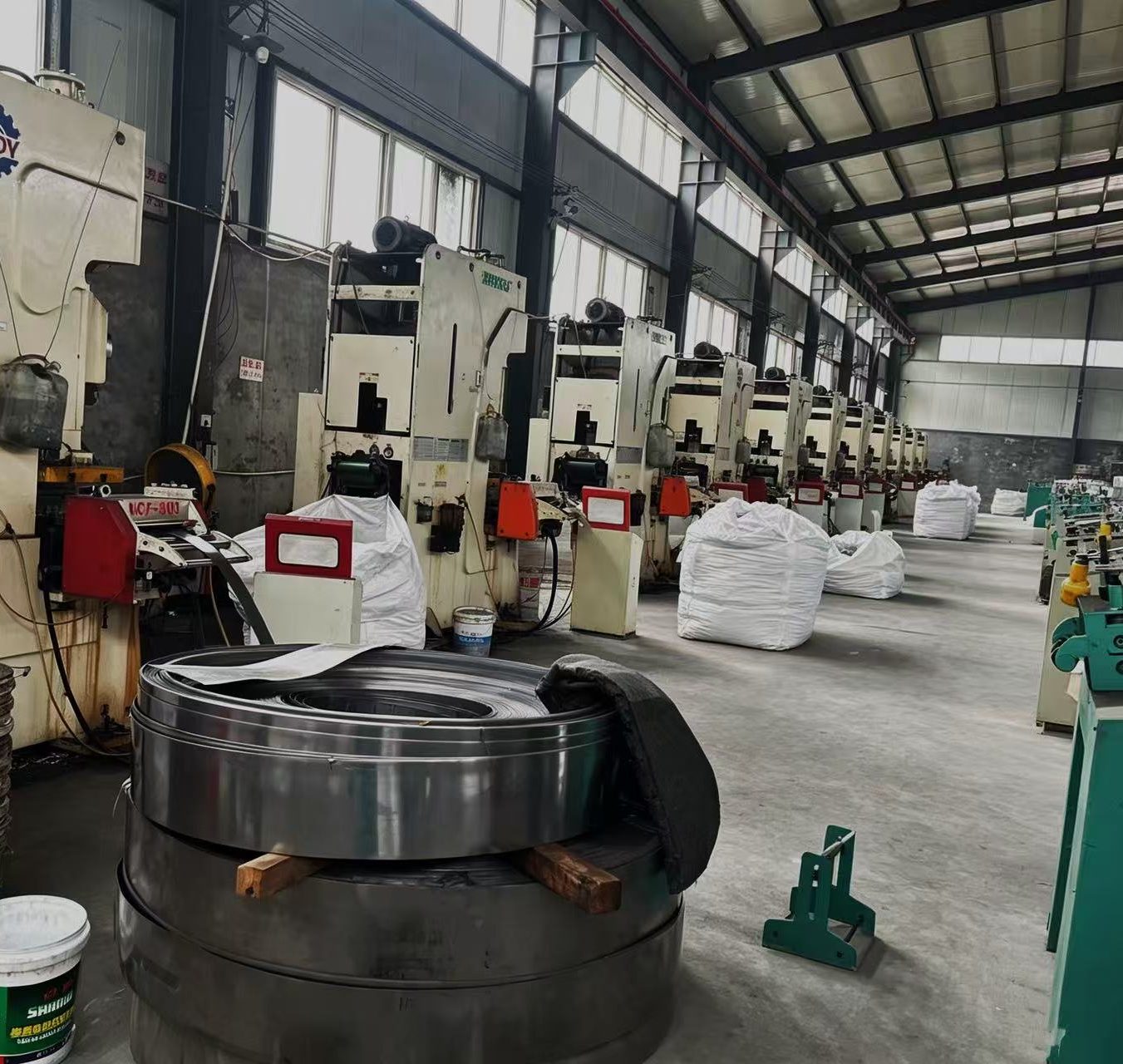
Quality alloy fasteners are not just cut and threaded; they undergo a rigorous manufacturing sequence to ensure mechanical integrity. As a manufacturer located in Handan, Hebei—a hub for fastener production in China—we adhere to strict processing protocols to meet global standards like GB, DIN, JIS, and ANSI.
1. Material Selection and Testing
The process begins with sourcing high-quality alloy steel rods or wires. Spectroscopic analysis is conducted to verify the chemical composition. Any deviation in alloy content can lead to batch rejection. This step ensures that the raw material meets the specified grade requirements before any machining occurs.
2. Cold or Hot Forging
Depending on the size and complexity of the fastener, the steel is shaped using either cold forging (for smaller, high-volume parts) or hot forging (for larger, high-strength bolts). Forging aligns the grain structure of the metal, enhancing its strength compared to simple machining.
3. Heat Treatment (Quenching and Tempering)
This is the most critical step for alloy steels. The fasteners are heated to a specific temperature, rapidly cooled (quenched) to harden the structure, and then reheated to a lower temperature (tempered) to reduce brittleness. This process achieves the desired balance of hardness and toughness. Precise control of temperature and time is essential to avoid defects like cracking or decarburization.
4. Surface Treatment and Coating
Alloy steel is susceptible to rust if left untreated. Surface coatings such as zinc plating, hot-dip galvanizing, phosphating, or Dacromet are applied to enhance corrosion resistance. For high-temperature applications, specialized coatings like Xylan are used. Our facility employs advanced testing methods to ensure coating adhesion and thickness meet customer specifications.
5. Threading and Finishing
Threads are cut or rolled to precise tolerances. Thread rolling is preferred for high-strength fasteners as it work-hardens the thread roots, improving fatigue life. Final inspection includes dimensional checks, hardness testing, and proof load testing to ensure every batch meets international standards.
Applications of Alloy Steel Fasteners Across Industries
The versatility of alloy steel allows it to serve a wide range of sectors. Our products, exported to more than 26 countries, are utilized in diverse environments where reliability is paramount.
Oil and Gas Industry
In upstream and downstream operations, fasteners are exposed to high pressures, corrosive gases, and fluctuating temperatures. ASTM A193 B7 bolts and ASTM A194 2H nuts are standard for flange connections in pipelines and refineries. The ability of alloy steel to resist hydrogen embrittlement and stress corrosion cracking is vital here.
Automotive and Transportation
Modern vehicles require lightweight yet strong components to improve fuel efficiency and safety. High-grade alloy bolts are used in engine blocks, transmission systems, and chassis assemblies. They must withstand constant vibration and thermal cycling without loosening or failing.
Construction and Infrastructure
Large-scale structures such as bridges, stadiums, and high-rise buildings use high-strength alloy bolts for structural steel connections. These fasteners must handle massive static and dynamic loads. Compliance with standards like ASTM A325 or A490 is typically required for structural integrity.
Power Generation
Whether in nuclear, thermal, or renewable energy plants, fasteners secure critical components like turbine casings and boiler tubes. In these environments, creep resistance (resistance to deformation under long-term stress and heat) is a key requirement, provided by molybdenum-containing alloy steels.
How to Choose the Right Alloy Steel Fastener
Selecting the correct fastener involves more than just matching the thread size. Engineers and procurement specialists must consider several factors to ensure optimal performance and cost-efficiency.
- Load Requirements: Determine the tensile, shear, and fatigue loads the fastener will endure. Choose a grade with a yield strength exceeding the maximum expected load.
- Environmental Conditions: Assess exposure to moisture, chemicals, and temperature extremes. For high heat, choose chromium-molybdenum alloys. For low temperatures, consider nickel-alloyed steels.
- Compatibility: Ensure the fastener material is compatible with the materials being joined to prevent galvanic corrosion. For example, avoid using certain alloy steels directly against aluminum without proper isolation.
- Regulatory Standards: Verify which industry standards apply to your project (e.g., ASME for pressure vessels, ISO for international machinery). Ensure the manufacturer provides certified test reports.
- Cost vs. Lifecycle: While alloy fasteners are more expensive than carbon steel, their longevity and reduced maintenance needs often result in lower total cost of ownership.
Why Partner with a Handan-Based Manufacturer?
Handan, Hebei, is recognized globally as a center for fastener manufacturing. Leveraging this regional expertise, our company combines traditional craftsmanship with modern technology to deliver superior alloy steel fasteners.
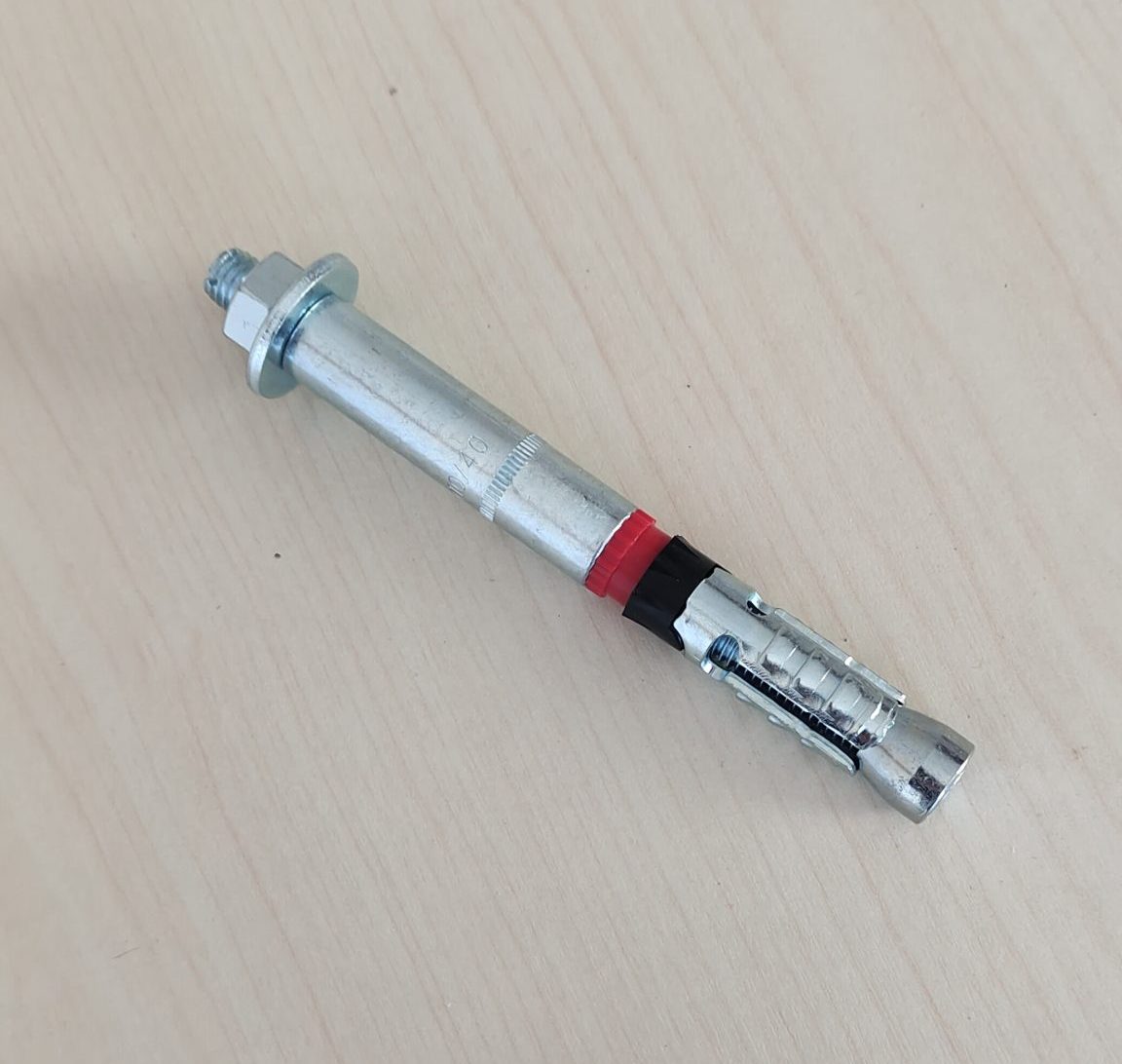
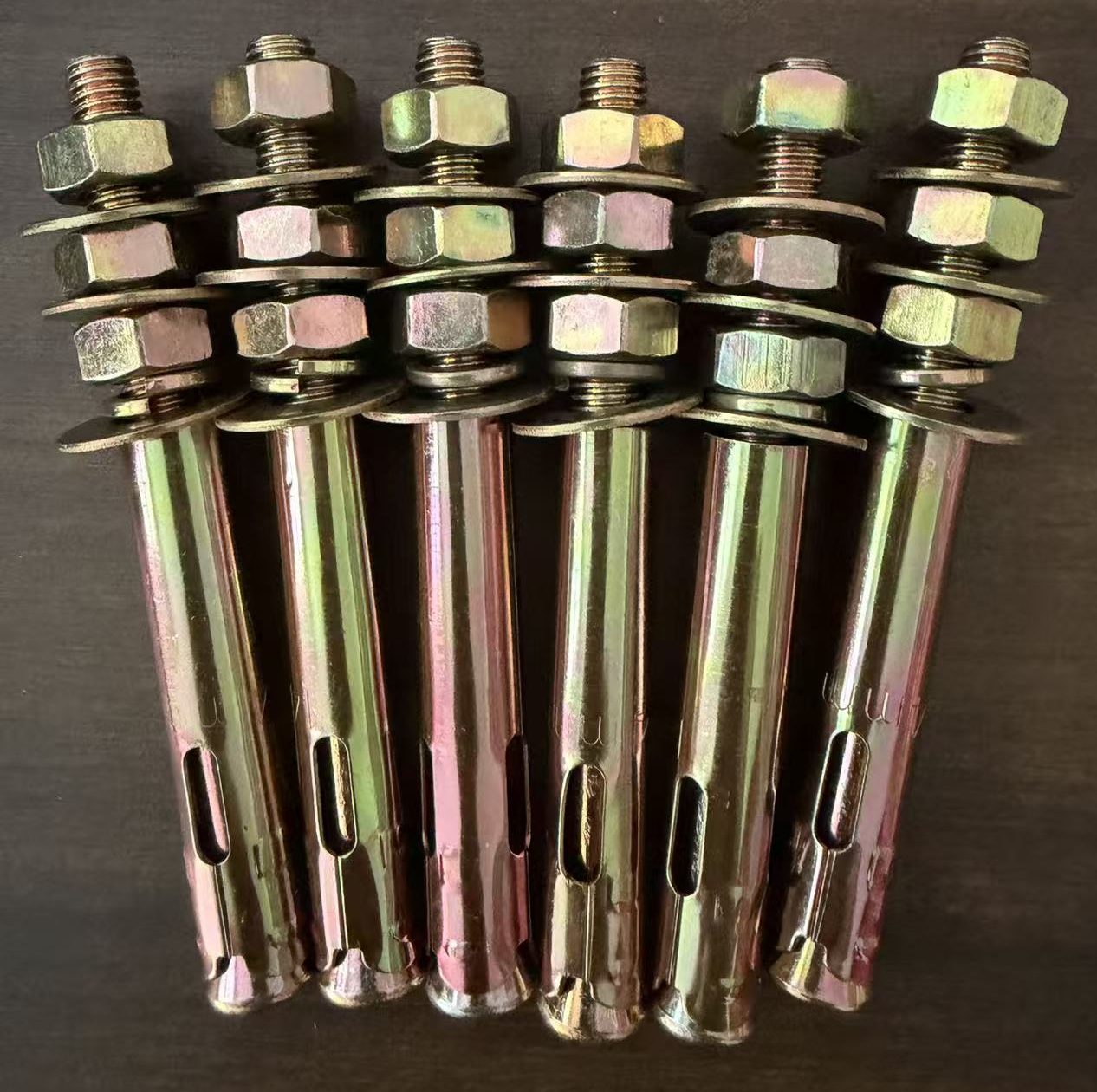
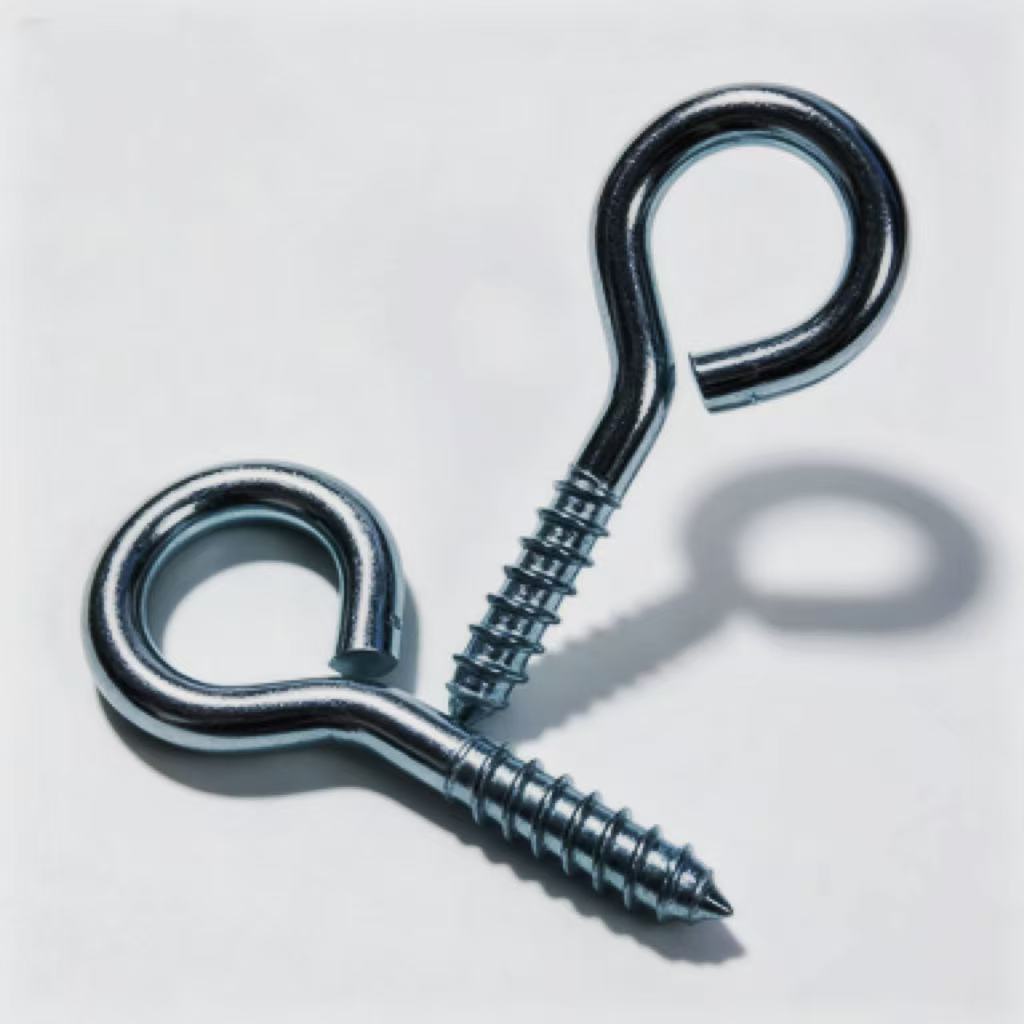
With over ten years of industry experience, we have established ourselves as a global industry and trade combination company. We do not just supply products; we provide solutions. Our specialization extends beyond standard bolts to include various types of casing geckos, wooden teeth welded sheep’s eye screws, and other specialized hardware tools. This diverse manufacturing capability demonstrates our technical flexibility and depth.
Our Core Competencies:
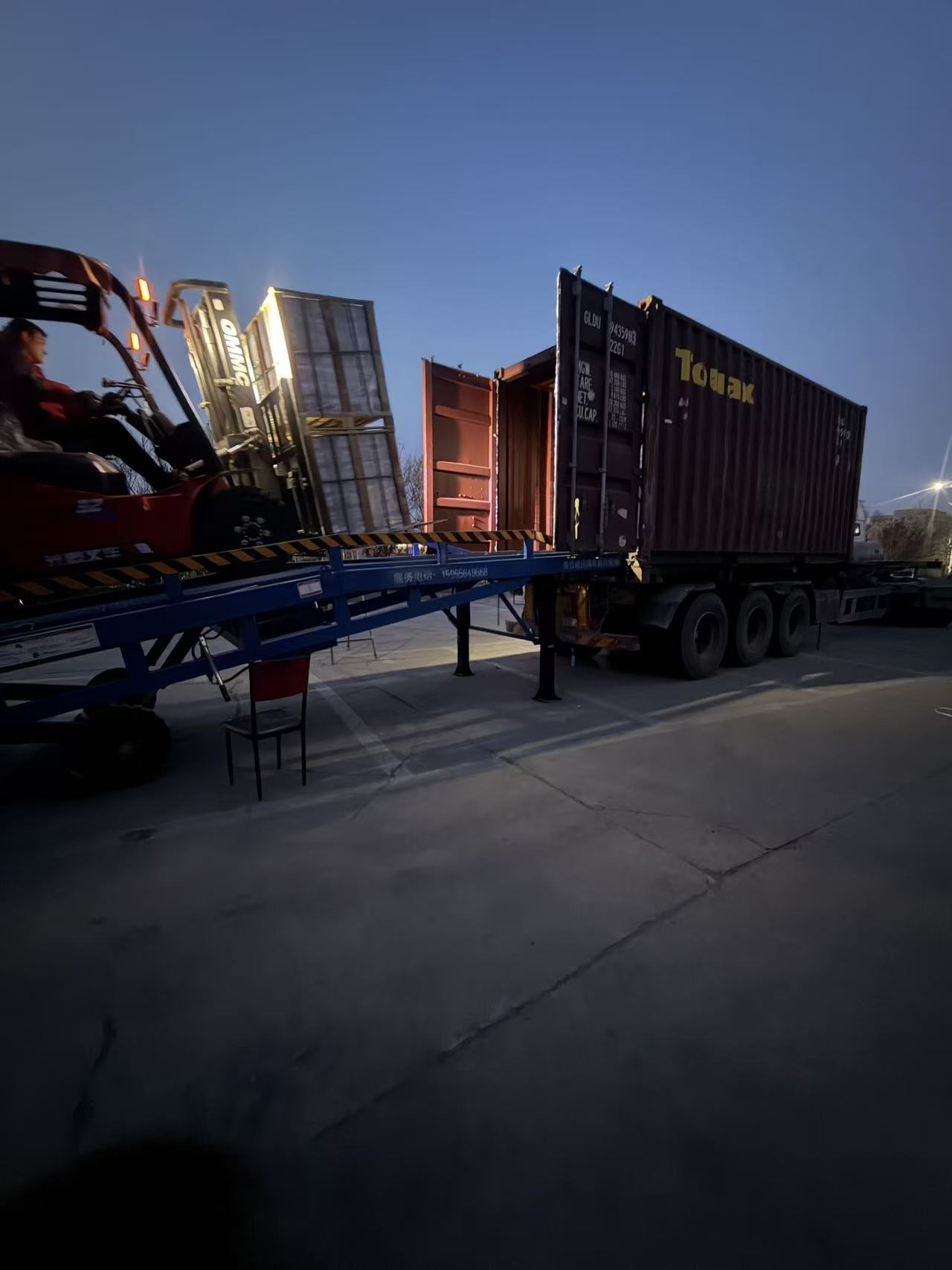
- Global Reach: Our products are sold to more than 26 different countries, reflecting our ability to meet diverse international quality expectations.
- Standards Compliance: We strictly adhere to GB, DIN, JIS, ANSI, and other standards. Our advanced testing methods ensure every batch is traceable and compliant.
- R&D Investment: We attach great importance to new product development. By introducing high-tech talents and increasing investment in scientific research, we stay ahead of industry trends.
- Customization: We understand that off-the-shelf solutions do not fit every need. We customize special specifications, quality, and quantity according to customer needs.
- Integrity and Service: Adhering to an integrity-based business philosophy, we operate on the principle of “quality first, customer first.” Our goal is to maintain our reputation by meeting and exceeding customer needs.
Frequently Asked Questions (FAQ)
What is the difference between alloy steel and stainless steel fasteners?
Alloy steel fasteners are generally stronger and harder than stainless steel, making them better for high-load structural applications. Stainless steel offers superior corrosion resistance but typically has lower tensile strength. Alloy steel requires surface coating for corrosion protection, whereas stainless steel is inherently resistant.
Can alloy steel fasteners be welded?
Welding alloy steel fasteners is generally not recommended because the heat from welding can alter the heat-treated microstructure, reducing strength and toughness. If welding is necessary, specialized procedures and post-weld heat treatments are required, but it is safer to use mechanical connections.
How do I prevent galvanic corrosion with alloy steel fasteners?
Galvanic corrosion occurs when two dissimilar metals are in contact in the presence of an electrolyte. To prevent this, use insulating washers or sleeves, apply protective coatings, or select fasteners with a similar electrochemical potential to the base material.
What certifications do your alloy steel fasteners come with?
We provide Mill Test Certificates (MTC) that detail the chemical composition and mechanical properties of each batch. Depending on customer requirements, we can also provide third-party inspection reports from agencies like SGS or BV to ensure transparency and trust.
Do you offer custom-sized alloy fasteners?
Yes, our professional technical team and advanced machinery allow us to customize special specifications. Whether you need non-standard lengths, unique head shapes, or specific thread pitches, we can tailor our production to your exact requirements.
Conclusion: Securing Your Projects with Premium Alloy Fasteners
In the realm of industrial construction and manufacturing, the choice of fasteners is a decision that impacts safety, efficiency, and longevity. Alloy steel fasteners offer the robust performance needed for demanding applications, providing a balance of strength, toughness, and resilience that standard materials cannot match.
By partnering with a manufacturer that values integrity, innovation, and quality control, you ensure that your supply chain is reliable and your projects are built on a solid foundation. Our decade of experience, combined with our commitment to international standards and customer-centric service, makes us a trusted partner for businesses worldwide.
Whether you require standard DIN bolts or custom-engineered specialized hardware, we are equipped to deliver solutions that meet your precise specifications. Do not compromise on the integrity of your assemblies.
Ready to optimize your supply chain with high-quality alloy steel fasteners?
Contact our technical team today to discuss your specific requirements, request a quote, or learn more about our customization capabilities. Let us help you secure your next project with confidence.
Explore Our Full Range of Fasteners and Hardware Solutions