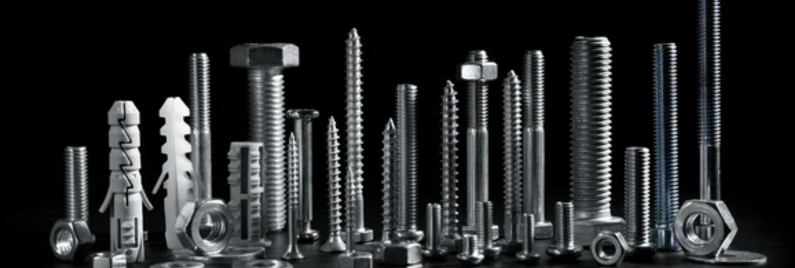
Automotive fasteners are specialized mechanical components engineered to join vehicle parts under extreme conditions, including high vibration, thermal cycling, and dynamic loads. Unlike standard industrial hardware, these precision-engineered connectors—such as bolts, nuts, screws, and clips—must adhere to strict automotive standards like IATF 16949, ISO 898, and DIN specifications. As a dedicated manufacturer, we provide OEM and custom solutions that ensure structural integrity, safety compliance, and lightweight performance for modern electric and internal combustion vehicles. Our production capabilities cover high-strength steel, aluminum alloys, and advanced polymers, delivering reliable assembly solutions for chassis, powertrain, battery systems, and interior applications.
The Critical Role of Precision Automotive Fasteners in Vehicle Safety
In the automotive industry, a fastener is never just a piece of metal; it is a critical safety component. The failure of a single bolt in a suspension system or a battery pack can lead to catastrophic consequences. Therefore, the design, material selection, and manufacturing process of automotive fasteners are governed by rigorous engineering principles and quality control protocols.
Modern vehicles contain thousands of these components. From the engine block to the smallest trim panel, each connector serves a specific function. The shift towards electric vehicles (EVs) has further complicated the requirements. EVs demand fasteners that are not only strong but also non-conductive in certain areas, resistant to new types of coolants, and capable of securing heavy battery modules without adding excessive weight.
Our approach to manufacturing focuses on three core pillars: precision tolerance, material integrity, and surface treatment durability. By controlling every stage of production, we ensure that every fastener meets the exact specifications required by automotive OEMs and Tier 1 suppliers.
Key Functions in Modern Vehicle Assembly
- Structural Integrity: High-tensile bolts secure the chassis and frame, absorbing impact energy during collisions.
- Vibration Damping: Specialized locking mechanisms prevent loosening caused by constant road vibrations and engine resonance.
- Thermal Management: Fasteners in powertrain and exhaust systems must withstand temperatures exceeding 1000°C without losing clamping force.
- Weight Reduction: Aluminum and composite fasteners help reduce overall vehicle mass, improving fuel efficiency and range.
- Electrical Isolation: In EV battery packs, insulated fasteners prevent short circuits and ensure safe high-voltage operation.
Comprehensive Product Portfolio for Automotive Applications
We manufacture a wide range of fastening solutions tailored to specific automotive subsystems. Our product line is designed to meet the diverse needs of exterior, interior, powertrain, and underbody applications. Each category requires distinct material properties and geometric designs to function correctly.
High-Strength Bolts and Screws
Hex head bolts, flange bolts, and wheel studs are the backbone of automotive assembly. We produce these components in various strength grades, from Class 8.8 to Class 12.9 and higher. For critical applications such as cylinder heads and connecting rods, we utilize ultra-high-strength steel alloys that maintain tension under extreme thermal expansion and contraction cycles.
Our self-tapping screws are designed for joining sheet metal components, such as body panels and bracket attachments. These screws feature optimized thread forms that cut their own threads into pre-drilled holes, providing high pull-out resistance and reducing assembly time on the production line.
Precision Nuts and Locking Elements
Nuts are paired with bolts to create secure joints. We offer hex nuts, flange nuts, and weld nuts. A significant portion of our production involves self-locking nuts, which incorporate nylon inserts or deformed threads to resist vibrational loosening. This is crucial for suspension components and engine mounts where dynamic loads are constant.
Weld nuts are extensively used in body-in-white (BIW) assembly. These components are welded directly to the car body before final assembly, providing threaded attachment points for interior trim, seats, and bumpers. Our weld nuts are designed with precise projection heights to ensure consistent welding quality and spatter-free connections.
Clips, Retainers, and Plastic Fasteners
Not all automotive connections require metal. Interior trim, door panels, wire harnesses, and underbody shields often use plastic clips and retainers. These components must be flexible enough to snap into place yet rigid enough to hold components securely over the vehicle’s lifespan.
We engineer these plastic fasteners using high-performance polymers like PA66, POM, and PBT. These materials offer excellent resistance to UV radiation, temperature fluctuations, and chemical exposure from cleaning agents or road salts. Our design team optimizes the geometry of these clips to minimize insertion force while maximizing retention strength, reducing the risk of breakage during assembly.
Specialized Rivets and Blind Fasteners
For applications where access is limited to one side of the joint, we provide blind rivets and flow-form screws. These are commonly used in attaching hinges, brackets, and interior components. Our blind rivets offer high shear and tensile strength, ensuring durable connections even in thin-sheet materials.
About Us: Decades of Expertise from Handan, China’s Fastener Hub
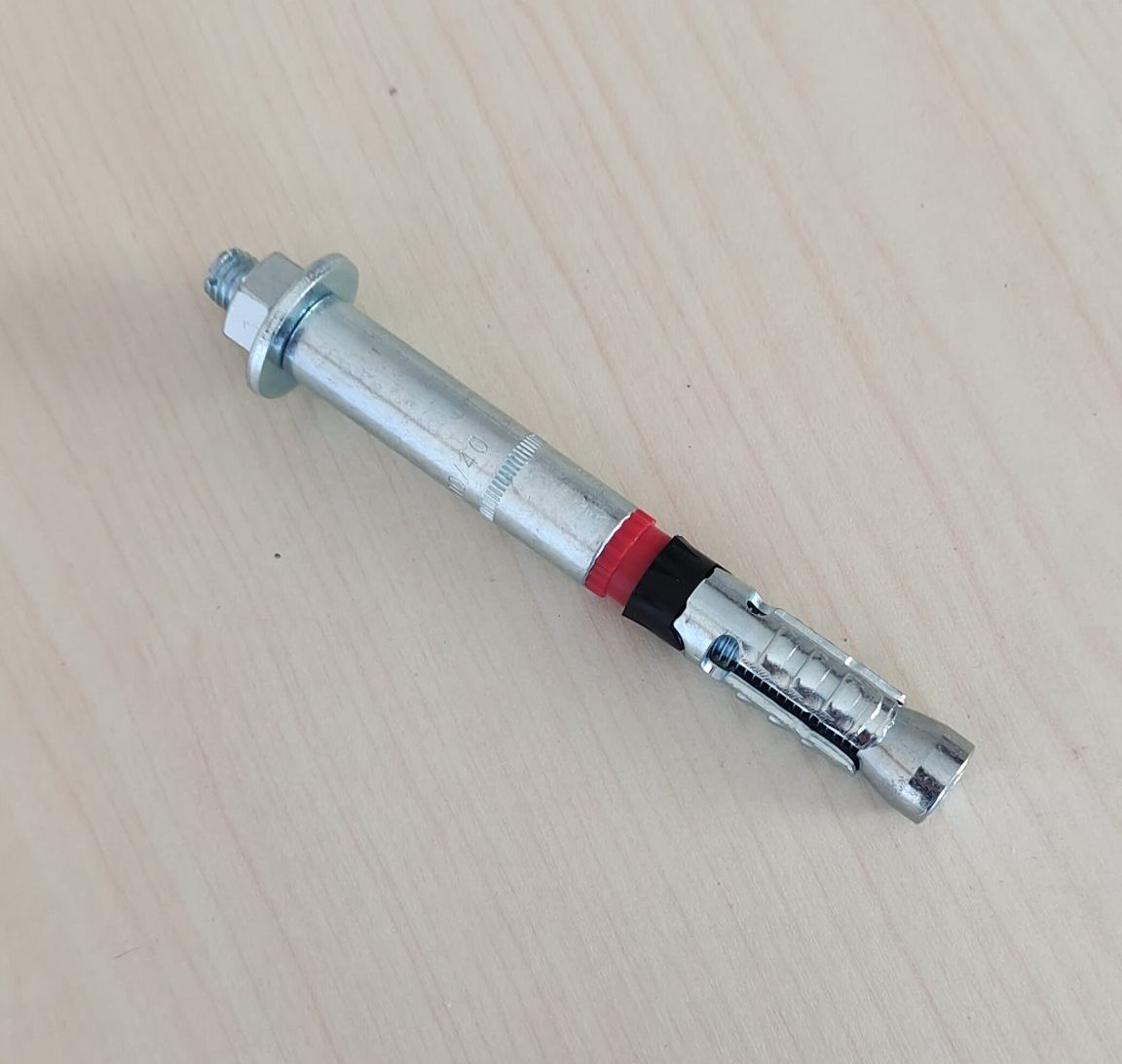
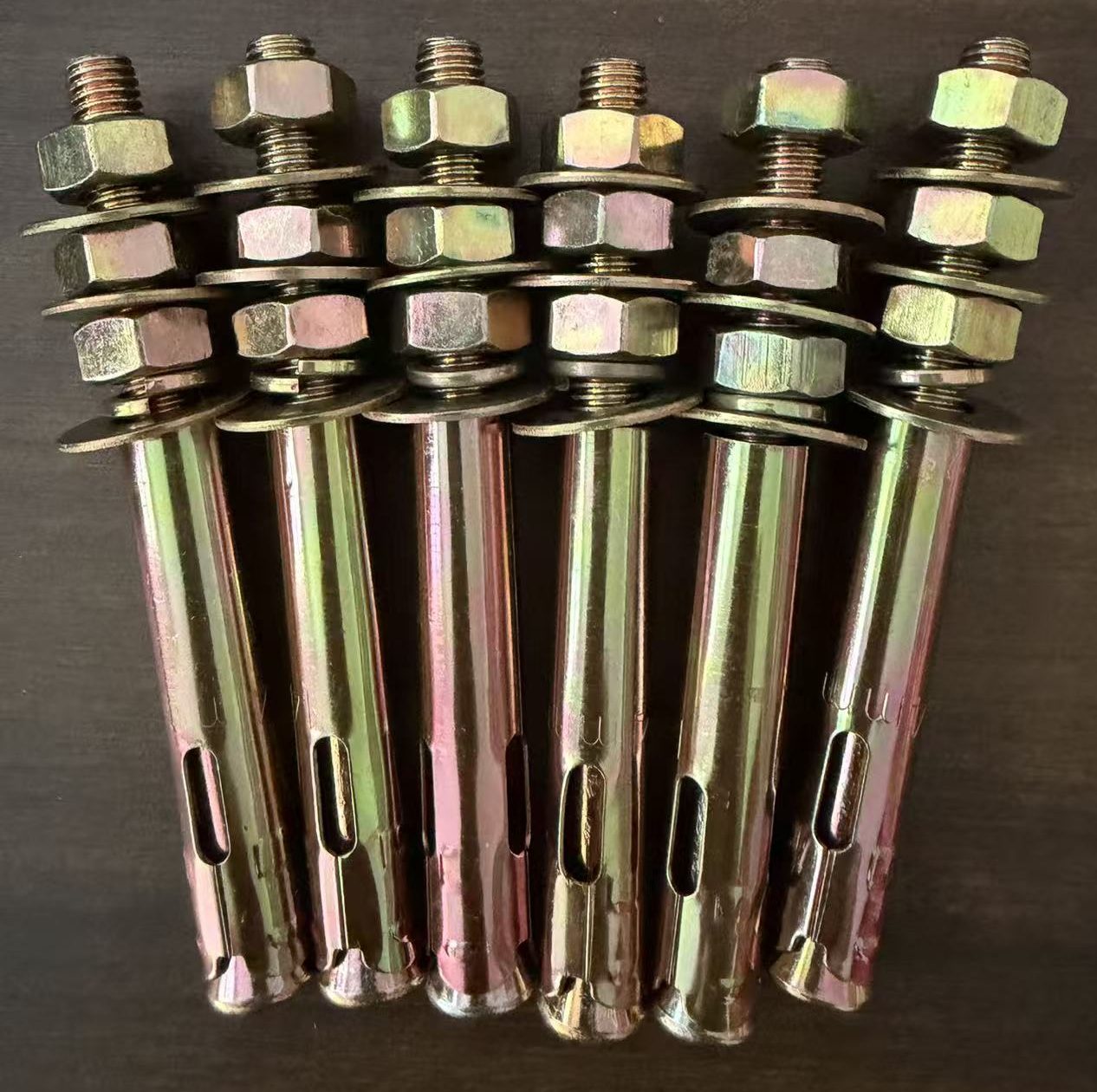
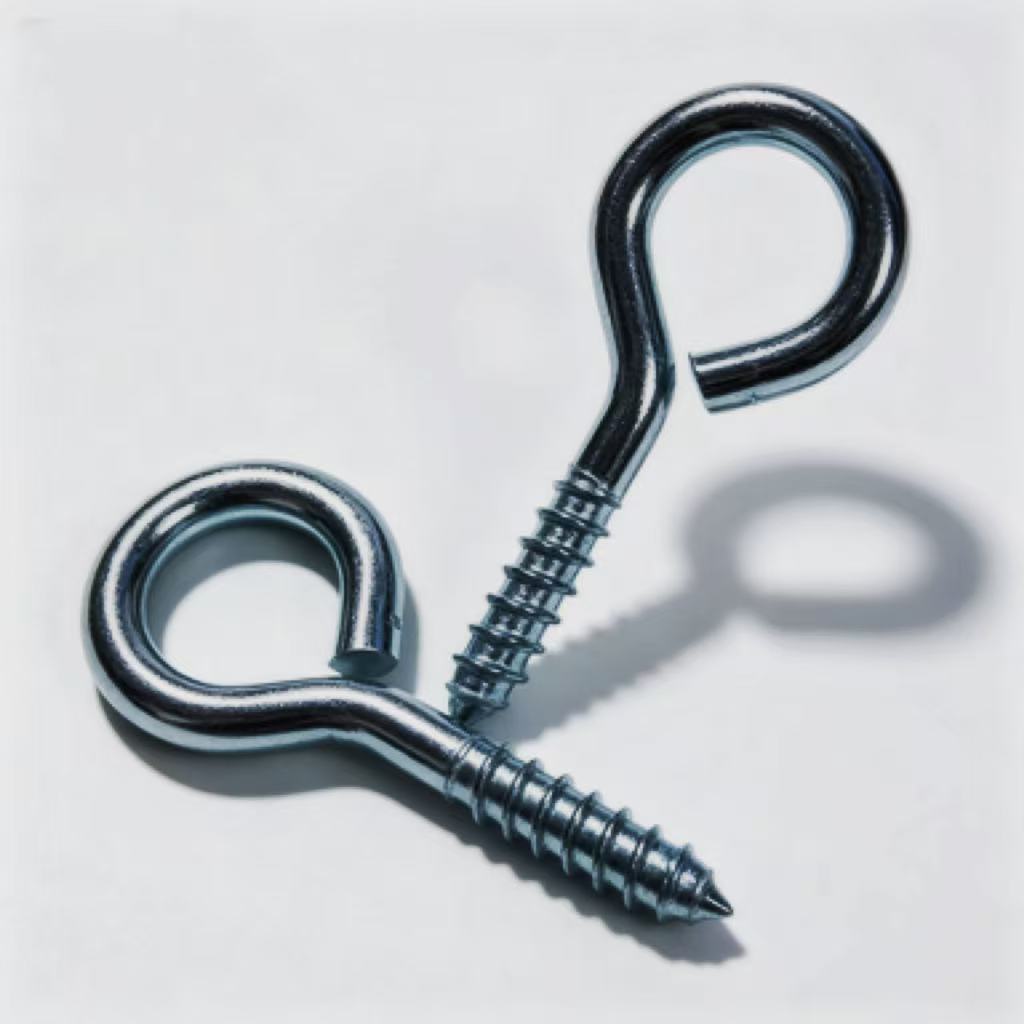
Rooted in Handan, Hebei—a city renowned globally for its fastener manufacturing ecosystem—our company operates as a integrated industry and trade enterprise with over ten years of specialized experience. We specialize in the development, manufacturing, and global distribution of high-quality fasteners and hardware tools. Our extensive portfolio includes specialized products such as casing geckos, wooden teeth, welded sheep’s eye screws/bolts, and a comprehensive range of standard and custom automotive connectors.
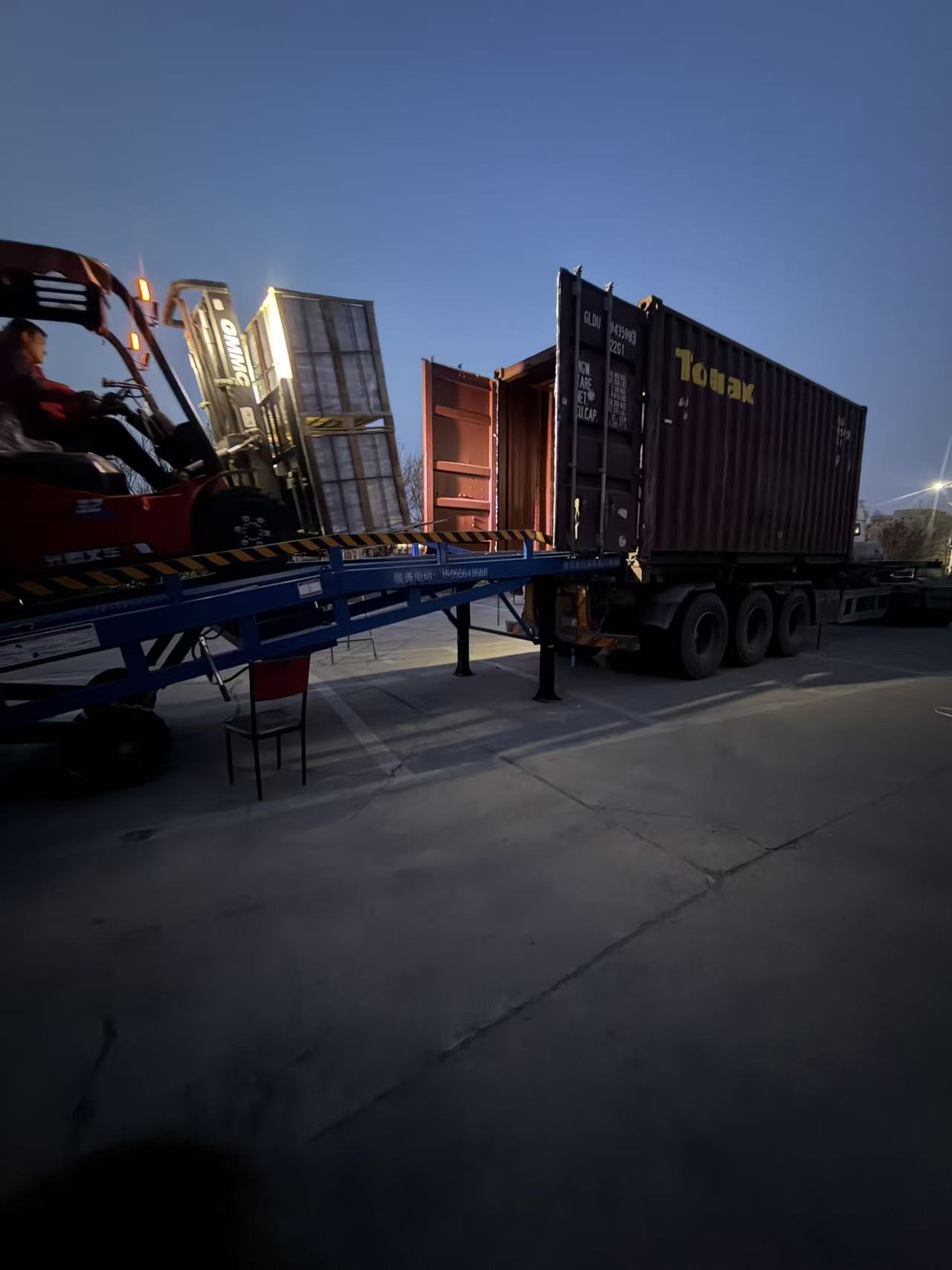
With a footprint spanning more than 26 countries, we have built a reputation for integrity and innovation. We adhere strictly to international standards, including GB, DIN, JIS, and ANSI, ensuring our products meet the diverse regulatory needs of global markets. By investing heavily in R&D and introducing high-tech talent, we leverage advanced production technology and rigorous testing methods to deliver products that balance superior quality with competitive pricing. Whether you require standard specifications or bespoke customizations, our professional technical team is dedicated to the principle of “quality first, customer first,” ensuring that every connection we supply enhances the reliability of your final product.
Material Science: Selecting the Right Alloy for Performance
The choice of material is the most critical decision in fastener engineering. Different automotive environments demand specific mechanical and chemical properties. Using the wrong material can lead to premature failure, corrosion, or galvanic issues.
| Material Type |
Key Properties |
Common Automotive Applications |
| Carbon Steel (Grade 8.8-12.9) |
High tensile strength, cost-effective, good fatigue resistance. |
Chassis, engine blocks, suspension systems, wheel hubs. |
| Stainless Steel (A2/A4) |
Excellent corrosion resistance, moderate strength, aesthetic finish. |
Exterior trim, exhaust systems, underbody components, marine-grade vehicles. |
| Aluminum Alloys (7075/6061) |
Lightweight, good strength-to-weight ratio, non-magnetic. |
EV battery housings, body panels, interior structures, heat sinks. |
| Titanium Alloys |
Ultra-high strength, extremely lightweight, superior corrosion resistance. |
High-performance racing engines, critical aerospace-derived automotive parts. |
| Engineering Plastics (PA/POM) |
Insulating, lightweight, corrosion-proof, flexible. |
Wire harness clips, interior trim, fluid reservoirs, cable management. |
Addressing Galvanic Corrosion
When dissimilar metals come into contact in the presence of an electrolyte (such as road salt or humidity), galvanic corrosion occurs. This is a major concern in modern vehicles that mix steel, aluminum, and copper. We mitigate this risk by applying appropriate coatings or using insulating washers. For example, when joining aluminum body panels to steel frames, we recommend coated steel fasteners or aluminum fasteners to prevent electrochemical reactions that weaken the joint.
Surface Treatments and Coatings for Durability
Raw metal fasteners are rarely used in automotive applications due to the harsh operating environment. Surface treatments are essential for preventing corrosion, reducing friction during assembly, and enhancing aesthetic appeal. Our coating processes are compliant with environmental regulations, including REACH and RoHS directives.
Zinc Plating and Passivation
Zinc plating is the most common coating for steel fasteners. It provides a sacrificial layer that protects the base metal from rust. We offer both clear and black zinc plating. To enhance performance, we apply chromate passivation layers, which significantly improve corrosion resistance. However, due to environmental concerns regarding hexavalent chromium, we primarily utilize trivalent chromium passivation, which offers comparable protection with a lower environmental footprint.
Geomet® and Zinc Flake Coatings
For underbody and engine compartment applications, standard zinc plating may not suffice. We apply zinc flake coatings (such as Geomet® or Dacromet®). These coatings provide superior corrosion resistance, often exceeding 1000 hours in salt spray tests. They also offer controlled friction coefficients, which are critical for achieving accurate torque values during assembly. This consistency ensures that bolts are neither under-torqued (leading to loosening) nor over-torqued (leading to stripping).
Phosphate and Oil Coatings
Phosphating creates a micro-crystalline layer on the steel surface, improving adhesion for subsequent paint or oil layers. This treatment is often used for internal engine components where lubricity is required. The porous nature of the phosphate layer holds oil, reducing friction during the tightening process and preventing galling.
Organic and Polymer Coatings
For specialized applications, we use organic coatings that provide excellent chemical resistance and color coding for quality control. These coatings are particularly useful in EV battery assemblies where electrical insulation and chemical resistance to coolants are paramount.
Manufacturing Excellence: IATF 16949 Certified Processes
Quality assurance is not an afterthought; it is embedded in every step of our manufacturing process. As an automotive fasteners manufacturer, we adhere to the IATF 16949 standard, which specifies quality management system requirements for automotive production. This certification ensures that our processes are capable of consistently producing products that meet customer and regulatory requirements.
Cold Heading and Forming
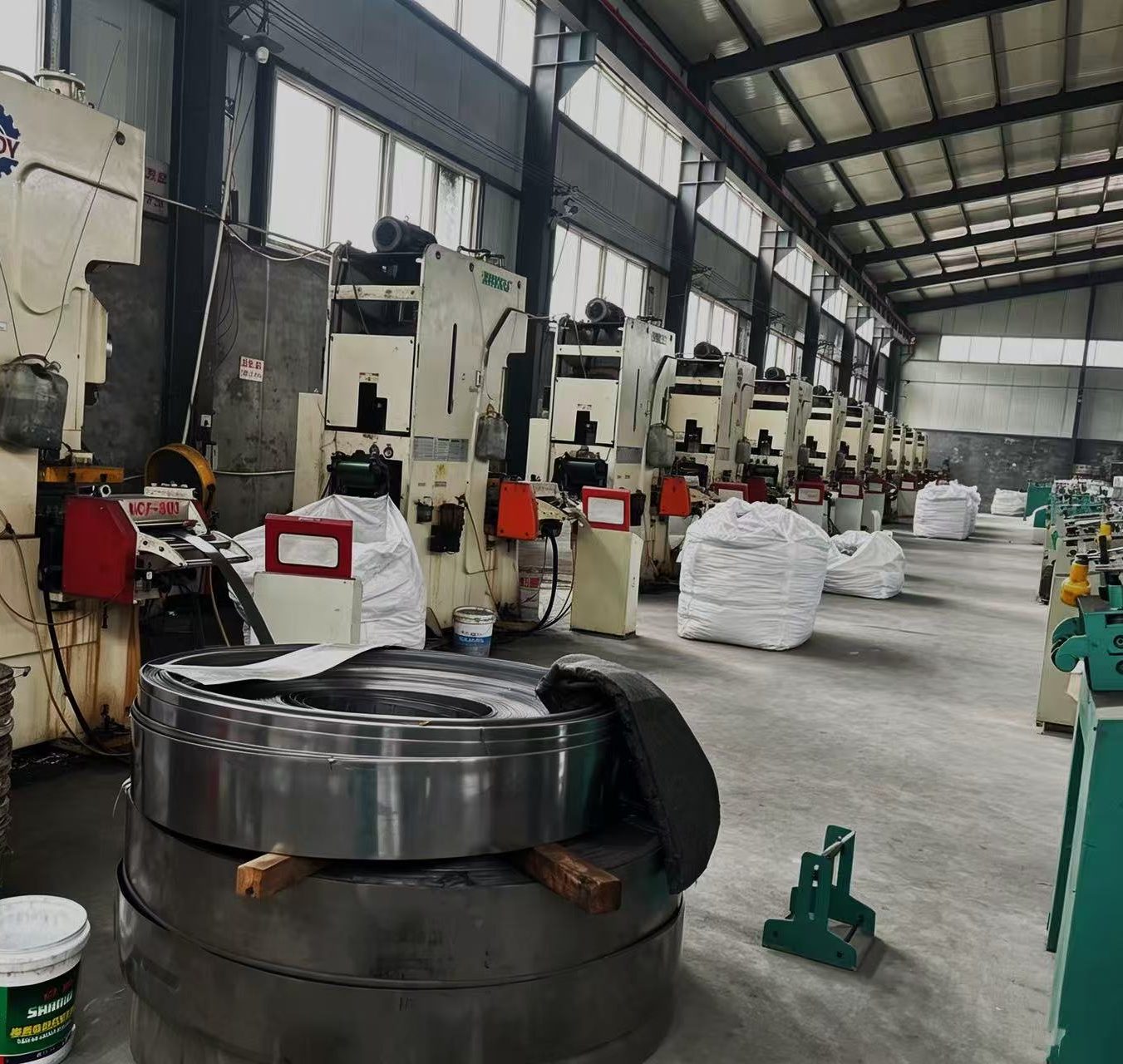
The majority of our fasteners are produced via cold heading. This process involves shaping metal wire at room temperature using high-speed presses. Cold heading aligns the grain structure of the metal, resulting in a part that is stronger than one produced by machining. We utilize multi-station headers that can form complex shapes, including undercuts and non-standard heads, in a single continuous operation.
Thread Rolling
Threads are rolled rather than cut to preserve the integrity of the metal grain. Thread rolling compresses the material, creating a smoother surface finish and higher fatigue strength. We employ precision thread rollers that ensure tight tolerance classes (typically 6g or 6h), guaranteeing proper fitment with mating nuts and tapped holes.
Heat Treatment and Hardening
High-strength fasteners undergo heat treatment to achieve the desired mechanical properties. This process involves quenching and tempering the steel to reach specific hardness levels. We monitor carbon potential and temperature profiles closely to prevent decarburization, which can weaken the thread roots. Every batch is tested for hardness, tensile strength, and yield strength to ensure compliance with ISO 898-1 standards.
Automated Optical Inspection (AOI)
To eliminate human error, we employ Automated Optical Inspection systems. These cameras inspect 100% of produced parts for defects such as cracks, missing threads, or dimensional inaccuracies. Any part that does not meet the strict criteria is automatically rejected. This level of inspection is critical for maintaining zero-defect standards required by major automotive OEMs.
OEM and Custom Engineering Solutions
Standard fasteners do not always solve unique engineering challenges. Many automotive innovations require custom-designed connectors. Our engineering team works closely with clients from the concept phase to mass production to develop bespoke fastening solutions.
Design for Assembly (DFA)
We optimize fastener designs to simplify the assembly process. This includes features like self-aligning tips, anti-cross-threading geometries, and visual indicators for proper torque. By reducing the complexity of assembly, we help manufacturers lower labor costs and improve production line efficiency.
Prototyping and Rapid Tooling
Time-to-market is critical in the automotive sector. We offer rapid prototyping services using CNC machining and 3D printing to validate designs before committing to mass production tooling. Our in-house tooling department can design and manufacture precision dies and molds quickly, allowing for faster iteration and validation.
Lightweighting Initiatives
As vehicles become heavier due to batteries and safety features, lightweighting becomes essential. We collaborate with clients to replace steel fasteners with aluminum or composite alternatives where feasible. Our engineers perform finite element analysis (FEA) to ensure that lighter materials can still withstand the required loads and fatigue cycles.
Application-Specific Challenges and Solutions
Different parts of a vehicle present unique challenges for fastening systems. Understanding these contexts is vital for selecting the right product.
Powertrain and Engine Systems
Challenge: Extreme heat, pressure, and vibration.
Solution: Use of high-grade alloy steel bolts with zinc flake coatings. These fasteners are designed to maintain clamp load despite thermal expansion. For cylinder heads, we provide specialized studs that offer superior fatigue resistance compared to standard bolts.
Electric Vehicle Battery Packs
Challenge: High voltage safety, weight, and thermal management.
Solution: Implementation of insulated fasteners with high dielectric strength. Aluminum bolts are used to reduce weight, while specialized coatings protect against battery coolant chemicals. We also supply busbar connection bolts that ensure low electrical resistance and high current carrying capacity.
Chassis and Suspension
Challenge: Dynamic loading, shock absorption, and exposure to road debris.
Solution: High-tensile strength bolts (Class 10.9 and 12.9) with robust corrosion protection. Self-locking nuts are mandatory here to prevent loosening from constant vibration. We also provide large-diameter flange bolts that distribute load over a wider area, reducing stress on suspension arms.
Interior and Trim
Challenge: Aesthetics, noise reduction, and ease of assembly.
Solution: Plastic clips and retainers that snap into place quietly. For visible screws, we offer decorative caps and colored coatings that match the interior design. Low-profile heads are used to ensure a smooth finish on dashboards and door panels.
How to Choose the Right Automotive Fastener: A Buyer’s Guide
Selecting the correct fastener involves balancing performance, cost, and manufacturability. Here are the key factors to consider when sourcing automotive fasteners.
1. Load Requirements
Determine the type of load the fastener will bear: tensile (pulling apart), shear (sliding past each other), or fatigue (cyclic loading). High-tensile applications require higher grade materials, while shear applications may benefit from larger diameters or different alloys.
2. Environmental Conditions
Consider the operating environment. Will the fastener be exposed to salt, moisture, extreme heat, or chemicals? Exterior and underbody components need superior corrosion protection, while engine components need heat resistance.
3. Material Compatibility
Ensure the fastener material is compatible with the materials being joined to avoid galvanic corrosion. If joining aluminum to steel, use insulated or coated fasteners.
4. Assembly Method
Will the fastener be installed manually, with a pneumatic tool, or by a robot? The coefficient of friction of the coating affects torque values. Ensure the selected coating provides consistent friction for automated assembly lines.
5. Regulatory Compliance
Verify that the fastener meets relevant industry standards (ISO, DIN, JIS, SAE) and environmental regulations (REACH, RoHS). Documentation such as Material Certificates and Test Reports should be available for traceability.
Common Mistakes in Fastener Selection and Installation
Even the best-engineered fastener can fail if selected or installed incorrectly. Avoid these common pitfalls.
- Reusing Stretch Bolts: Many modern automotive bolts are “stretch bolts” designed to yield slightly during installation to maintain clamp load. Reusing them compromises their integrity and can lead to failure.
- Incorrect Torque Specification: Applying too much torque can strip threads or break the bolt, while too little torque leads to loosening. Always follow the manufacturer’s torque specifications, accounting for the friction coefficient of the coating.
- Mixing Metric and Imperial: Although rare in modern global automotive manufacturing, mixing standards can cause severe damage. Ensure all tools and mating parts match the fastener standard.
- Ignoring Lubrication: Some high-strength bolts require specific lubricants to achieve the correct preload. Installing them dry can result in inaccurate torque readings and insufficient clamping force.
- Overlooking Vibration Locking: In high-vibration areas, failing to use locking nuts, thread lockers, or serrated flanges can result in spontaneous loosening.
Frequently Asked Questions (FAQ)
What is the difference between Class 8.8 and Class 10.9 automotive bolts?
The class designation refers to the tensile strength of the bolt. A Class 8.8 bolt has a minimum tensile strength of 800 MPa and a yield strength of 640 MPa. A Class 10.9 bolt is stronger, with a minimum tensile strength of 1000 MPa and a yield strength of 900 MPa. Class 10.9 is used for more critical, high-load applications such as suspension and engine components, while Class 8.8 is common for general structural assembly.
Why are zinc flake coatings preferred for underbody fasteners?
Zinc flake coatings provide superior corrosion resistance compared to standard zinc plating, often lasting over 1000 hours in salt spray tests. They also offer a controlled coefficient of friction, which is essential for accurate torque control during automated assembly. Additionally, they are free from hexavalent chromium, making them environmentally compliant.
Can aluminum fasteners be used in engine applications?
Generally, no. Aluminum loses strength at high temperatures and is prone to galling and creep under sustained load. Engine applications typically require high-strength steel or titanium alloys that can withstand extreme heat and pressure. Aluminum fasteners are better suited for body panels, interior structures, and EV battery housings where temperatures are lower.
What is IATF 16949 certification and why does it matter?
IATF 16949 is the global technical standard and quality management system for the automotive industry. It ensures that manufacturers have robust processes for defect prevention, waste reduction, and continuous improvement. Sourcing from an IATF 16949 certified manufacturer guarantees that the fasteners meet the stringent quality and traceability requirements of major automotive OEMs.
How do you prevent galvanic corrosion between steel and aluminum parts?
Galvanic corrosion is prevented by isolating the two metals. This can be achieved by using fasteners with insulating coatings, adding plastic or rubber washers, or using fasteners made from the same material as one of the joined parts (e.g., aluminum bolts for aluminum parts). Proper surface treatment and sealants can also block the electrolyte path.
What are the benefits of self-tapping screws in automotive assembly?
Self-tapping screws eliminate the need for pre-tapped holes or nuts, reducing part count and assembly time. They create their own threads in sheet metal or plastic, providing a tight, vibration-resistant joint. This is particularly beneficial for attaching brackets, covers, and interior components where speed and efficiency are critical.
Future Trends in Automotive Fastening Technology
The automotive industry is evolving rapidly, and fastener technology is keeping pace. Several trends are shaping the future of this sector.
Smart Fasteners
Integration of sensors into fasteners is emerging for critical safety applications. These “smart bolts” can monitor clamp load, temperature, and vibration in real-time, sending data to the vehicle’s central computer. This allows for predictive maintenance and early detection of potential failures.
Adhesive Bonding and Hybrid Joining
While mechanical fasteners remain dominant, hybrid joining methods that combine adhesives with bolts are gaining traction. This approach distributes stress more evenly across the joint, improves sealing, and enhances fatigue life. We are developing fasteners optimized for use with structural adhesives.
Sustainable Manufacturing
There is a growing demand for eco-friendly fastening solutions. This includes the use of recycled materials, bio-based plastics for clips, and coating processes that minimize water usage and hazardous waste. Our R&D team is actively exploring biodegradable packaging and carbon-neutral production methods.
Conclusion: Partnering for Precision and Reliability
In the high-stakes world of automotive manufacturing, the reliability of every component matters. Automotive fasteners may be small, but their role in ensuring vehicle safety, performance, and longevity is immense. Choosing the right partner for your fastening needs requires a manufacturer who understands the complexities of material science, precision engineering, and global quality standards.
Our commitment to excellence, backed by IATF 16949 certification and advanced manufacturing capabilities, makes us the ideal partner for OEMs and Tier 1 suppliers. Whether you need standard high-strength bolts, custom-engineered clips, or specialized solutions for electric vehicle battery packs, we deliver precision and reliability at scale.
Who Should Contact Us?
- Automotive OEMs: Seeking reliable, high-volume supply chains for chassis, powertrain, and body assembly.
- Tier 1 Suppliers: Needing customized fastening solutions for sub-assemblies and modules.
- EV Manufacturers: Looking for lightweight, insulated, and corrosion-resistant fasteners for battery and motor systems.
- Aftermarket Parts Manufacturers: Requiring high-quality replacements that meet or exceed original equipment specifications.
Do not compromise on the integrity of your vehicle assembly. Ensure every connection is secure, durable, and compliant.
Ready to optimize your assembly line? Contact our engineering team today to discuss your specific requirements, request samples, or initiate a custom project. Let us provide the precision solutions that drive your success.
Explore Our Full Range of Automotive Fasteners & Technical Solutions