Anchor bolts for concrete are specialized fasteners engineered to secure structural elements, machinery, and equipment directly into cured or fresh concrete substrates. As a direct manufacturer based in China, we provide high-tensile strength anchor solutions compliant with international standards such as ASTM F1554, DIN, and ISO. Our product range includes cast-in-place heads, wedge anchors, chemical anchors, and sleeve anchors, designed to withstand significant static and dynamic loads. By eliminating intermediaries, we offer competitive pricing without compromising on material integrity or manufacturing precision, ensuring reliable performance for industrial, commercial, and residential construction projects globally.
Understanding Anchor Bolts for Concrete: Types and Engineering Principles
Selecting the correct anchor bolts for concrete is critical for structural integrity. Unlike standard screws or nails, anchor bolts transfer loads from the attached fixture into the concrete mass. The effectiveness of an anchor depends on its mechanical interlock, friction, or chemical bond with the surrounding substrate. In 2026, engineering standards demand higher corrosion resistance and load-bearing capacities due to the increasing complexity of modern infrastructure and heavy industrial machinery.
Concrete anchors are broadly categorized into two main groups: cast-in-place anchors and post-installed anchors. Cast-in-place anchors are embedded into the concrete before it cures, offering the highest load capacity. Post-installed anchors are drilled into hardened concrete, providing flexibility for retrofitting and modifications. Understanding the distinct mechanical behaviors of each type is essential for engineers, contractors, and procurement specialists aiming to optimize safety and cost-efficiency.
Cast-in-Place Anchors: The Foundation of Heavy Loads
Cast-in-place anchors are installed before the concrete is poured. This method allows the concrete to cure around the anchor, creating a monolithic structure with superior pull-out and shear strength. These are typically used in new construction projects where load requirements are predictable and high.
- Headed Anchors: Featuring a forged head at one end, these prevent pull-out by bearing against the concrete. They are ideal for securing steel columns and heavy machinery bases.
- Hooked Anchors (J-Bolts and L-Bolts): The bent shape provides mechanical locking. J-bolts are commonly used for light poles and signposts, while L-bolts are frequent in column base plates.
- Threaded Rods with Plates: A threaded rod with a large plate welded to the bottom distributes loads over a wider area, reducing stress concentration in the concrete.
The primary advantage of cast-in systems is their reliability. Since the anchor is surrounded by fresh concrete, there are no issues with hole diameter tolerances or dust removal, which often plague post-installed systems. However, precise positioning is required during the pouring phase, as adjustments are impossible once the concrete sets.
Post-Installed Anchors: Flexibility for Retrofitting
Post-installed anchors are inserted into pre-drilled holes in cured concrete. This category is vast and includes mechanical and chemical solutions. They are indispensable for renovation projects, equipment upgrades, and situations where exact anchor locations were not predetermined during construction.
Mechanical anchors rely on friction and mechanical interlock. When tightened, they expand against the walls of the drilled hole, creating significant radial pressure. Chemical anchors, or bonded anchors, use epoxy or polyester resins to glue the bolt to the concrete. This method distributes stress more evenly and is suitable for cracked concrete zones when specific adhesives are used.
Comprehensive Product Catalog: Technical Specifications
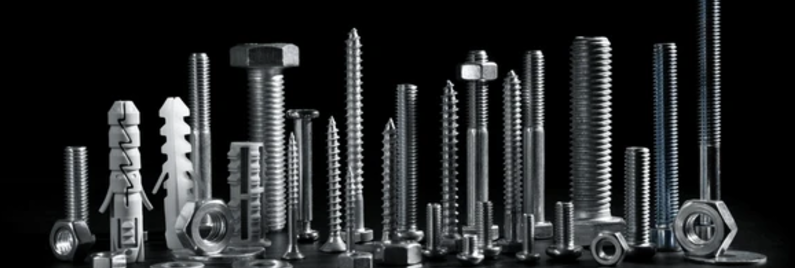
As a specialized manufacturer, our production lines cover a wide spectrum of anchor bolt types. Each product is manufactured using high-grade carbon steel, stainless steel, or alloy steel, depending on the environmental conditions and load requirements. Below is a detailed breakdown of our core product offerings.
Wedge Anchors: High Performance in Tight Spaces
Wedge anchors are a premium choice for heavy-duty applications in solid concrete. They feature a clip mechanism that wedges between the bolt shaft and the cone-shaped expansion unit. This design ensures consistent holding values and minimizes the stress imposed on the concrete during installation.
- Material Options: Carbon steel with zinc plating, hot-dip galvanized, or 304/316 stainless steel for corrosive environments.
- Diameter Range: M6 to M24 (1/4″ to 1″).
- Installation Depth: Requires minimal embedment depth compared to sleeve anchors, making them ideal for slabs with limited thickness.
- Key Feature: Immediate load-bearing capability. No curing time is required, allowing for instant fixture installation.
Wedge anchors are particularly effective in seismic zones due to their ability to maintain clamping force under vibration. Our manufacturing process ensures that the wedge clip is precisely calibrated to prevent premature slipping or over-expansion, which could crack the concrete.
Sleeve Anchors: Versatility for Medium Loads
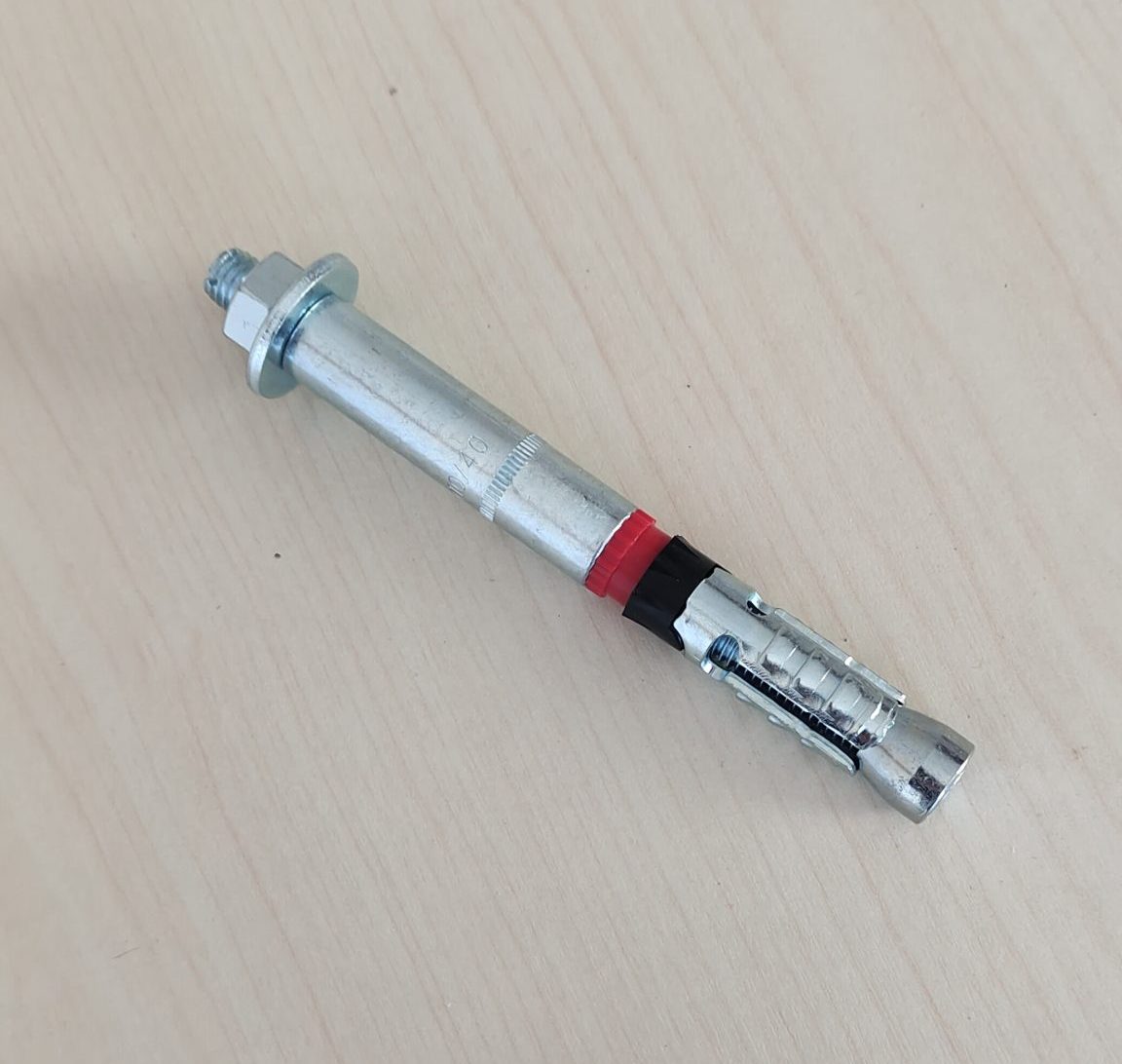
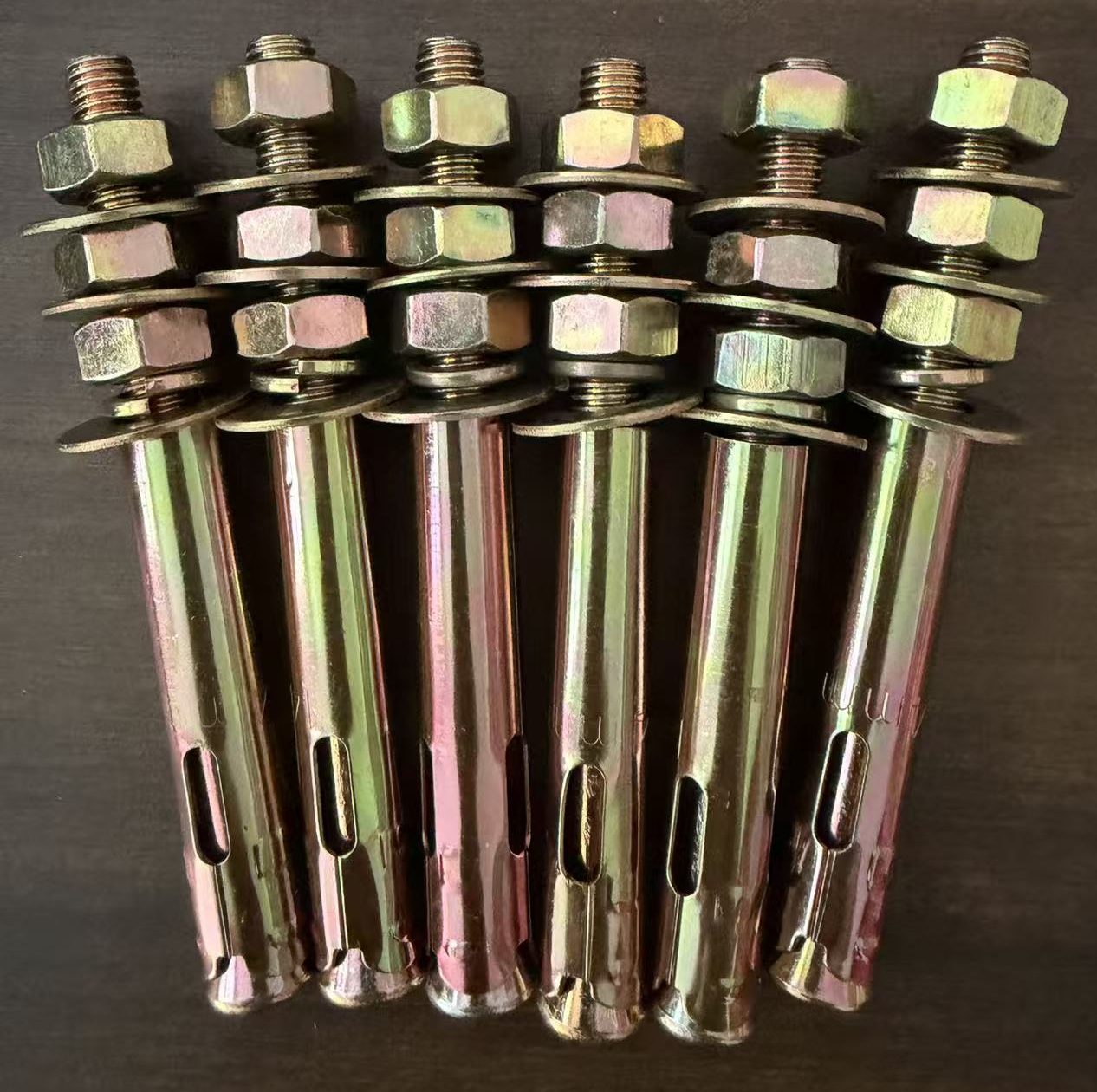
Sleeve anchors are among the most widely used post-installed fasteners. They consist of a threaded stud, a nut, a washer, and an expanding sleeve. When the nut is tightened, the sleeve is pulled up over the conical end of the stud, forcing it to expand against the concrete hole.
These anchors are suitable for medium-load applications such as attaching wooden sill plates, metal framing, and light machinery. They are available in various head styles, including flat head, hex head, and round head, to accommodate different aesthetic and functional needs.
- Ease of Installation: Simple hammer-set installation followed by tightening with a standard wrench.
- Removability: Unlike wedge anchors, the stud can be removed after installation, leaving the sleeve in place if needed, or the entire unit can be extracted with difficulty.
- Cost-Effectiveness: Generally more affordable than wedge anchors, making them a preferred choice for high-volume residential and commercial projects.
Chemical Anchor Bolts: Bonded Strength for Critical Applications
Chemical anchors utilize a resin capsule or injection system to bond a threaded rod or rebar to the concrete. This method is superior for applications involving high tensile loads, edge distances, or cracked concrete. The liquid resin fills all voids and irregularities in the drill hole, creating a 100% contact surface.
Our chemical anchor systems include vinyl ester capsules for rapid curing and epoxy injection systems for maximum structural integrity. These are extensively used in bridge construction, tunnel lining, and the anchoring of heavy industrial equipment where vibration damping is crucial.
Undercut Anchors: Maximizing Concrete Capacity
Undercut anchors create a mechanical interlock by undercutting the base of the drill hole. This unique geometry allows the anchor to transfer loads through compression rather than friction. As a result, undercut anchors exert minimal expansion pressure on the concrete, significantly reducing the risk of micro-cracking.
This makes them the ideal solution for thin concrete sections, edges, and corners where traditional expansion anchors might cause spalling. They are also highly resistant to fatigue and shock loads, making them suitable for dynamic applications such as elevator rails and crane tracks.
Material Selection and Corrosion Resistance Standards
The longevity of anchor bolts is heavily influenced by the material composition and surface treatment. In 2026, environmental regulations and durability standards have become stricter, requiring manufacturers to provide clear guidance on material suitability for different exposure classes.
| Material Type |
Corrosion Resistance |
Tensile Strength |
Typical Application |
| Carbon Steel (Zinc Plated) |
Low (Indoor/Dry) |
High |
Interior drywall, light fixtures, indoor machinery. |
| Hot-Dip Galvanized (HDG) |
Medium (Outdoor/Humid) |
High |
Outdoor structures, utility poles, marine atmospheres (non-submerged). |
| Stainless Steel 304 (A2) |
High (General Outdoor) |
Medium-High |
Food processing plants, architectural facades, coastal areas. |
| Stainless Steel 316 (A4) |
Very High (Chemical/Marine) |
Medium-High |
Chemical plants, offshore platforms, swimming pools. |
| Alloy Steel (Grade 10.9/12.9) |
Dependent on Coating |
Very High |
Heavy industrial machinery, seismic bracing, high-stress structural joints. |
Choosing the wrong material can lead to premature failure due to rust jacking, where corrosion products expand and crack the surrounding concrete. For projects near coastlines or in chemical processing facilities, stainless steel 316 is non-negotiable. For general outdoor use, hot-dip galvanizing provides a robust barrier against moisture and oxidation.
Step-by-Step Installation Guide for Post-Installed Anchors
Proper installation is as critical as the quality of the anchor itself. Even the highest-grade bolt will fail if installed incorrectly. The following procedure outlines the best practices for installing mechanical expansion anchors, which are the most common type supplied by our facility.
Step 1: Drilling the Hole
Use a hammer drill with a carbide-tipped bit that matches the nominal diameter of the anchor. It is vital to drill perpendicular to the concrete surface unless angled installation is specifically designed. The hole depth should exceed the anchor length by approximately 10-15mm to accommodate dust and debris.
Common Mistake: Using a worn-out drill bit results in an oversized hole, preventing the anchor from expanding properly. Always check bit diameter regularly.
Step 2: Cleaning the Hole
Concrete dust acts as a lubricant, reducing friction and holding power. Use a wire brush, compressed air, or a vacuum pump to remove all loose particles from the hole. For chemical anchors, cleaning is even more critical; any dust will compromise the chemical bond.
Step 3: Inserting the Anchor
Insert the anchor into the clean hole. For sleeve anchors, ensure the sleeve is fully seated. For wedge anchors, tap them gently with a hammer until the washer sits flush against the surface. Do not overtighten at this stage.
Step 4: Tightening and Expansion
Using a torque wrench, tighten the nut to the recommended installation torque. This action pulls the cone into the sleeve or wedge, causing expansion. Feel for resistance; once the anchor is tight, stop. Over-torquing can strip threads or crush the concrete around the anchor head.
Step 5: Inspection
Verify that the fixture is secure and does not wobble. Check for any signs of concrete spalling around the hole. If the concrete cracks during installation, the hole may be too close to an edge or the anchor size may be too large for the application.
Load Capacity and Safety Factors
Understanding load ratings is essential for safe design. Anchor bolts are subjected to three primary types of loads: tension (pull-out), shear (lateral force), and combined loading. Manufacturers provide ultimate load values, but engineers must apply safety factors to determine allowable working loads.
In general, a safety factor of 4:1 is recommended for static loads, meaning the working load should not exceed 25% of the ultimate failure load. For dynamic or seismic loads, a higher safety factor or specific seismic-certified anchors should be used. The concrete’s compressive strength also plays a pivotal role; anchors tested in C20/25 concrete will perform differently in C40/50 concrete.
Edge distance and spacing are equally important. Installing anchors too close to each other or to the edge of the concrete slab can cause a “blowout” failure, where a cone of concrete breaks away. Standard guidelines suggest maintaining a minimum edge distance of 10 times the anchor diameter and spacing of 10 times the diameter between anchors, although specific product data sheets should always be consulted.
Common Installation Errors and Troubleshooting
Even experienced contractors encounter issues. Recognizing these problems early can save time and prevent structural compromises.
- Anchor Spinning: If the anchor spins freely when tightening, the hole is likely oversized or the concrete is too soft. Solution: Use a larger diameter anchor or switch to a chemical anchor system.
- Concrete Cracking: Caused by excessive expansion pressure or insufficient edge distance. Solution: Use undercut anchors or reduce the anchor diameter. Ensure proper spacing from edges.
- Insufficient Holding Power: Often due to inadequate hole cleaning or shallow drilling. Solution: Re-drill and clean thoroughly, ensuring the correct depth is achieved.
- Stripped Threads: Resulting from over-torquing or using incompatible nuts. Solution: Use high-quality nuts matched to the bolt grade and adhere to torque specifications.
About Us: Decades of Expertise in Fastener Manufacturing
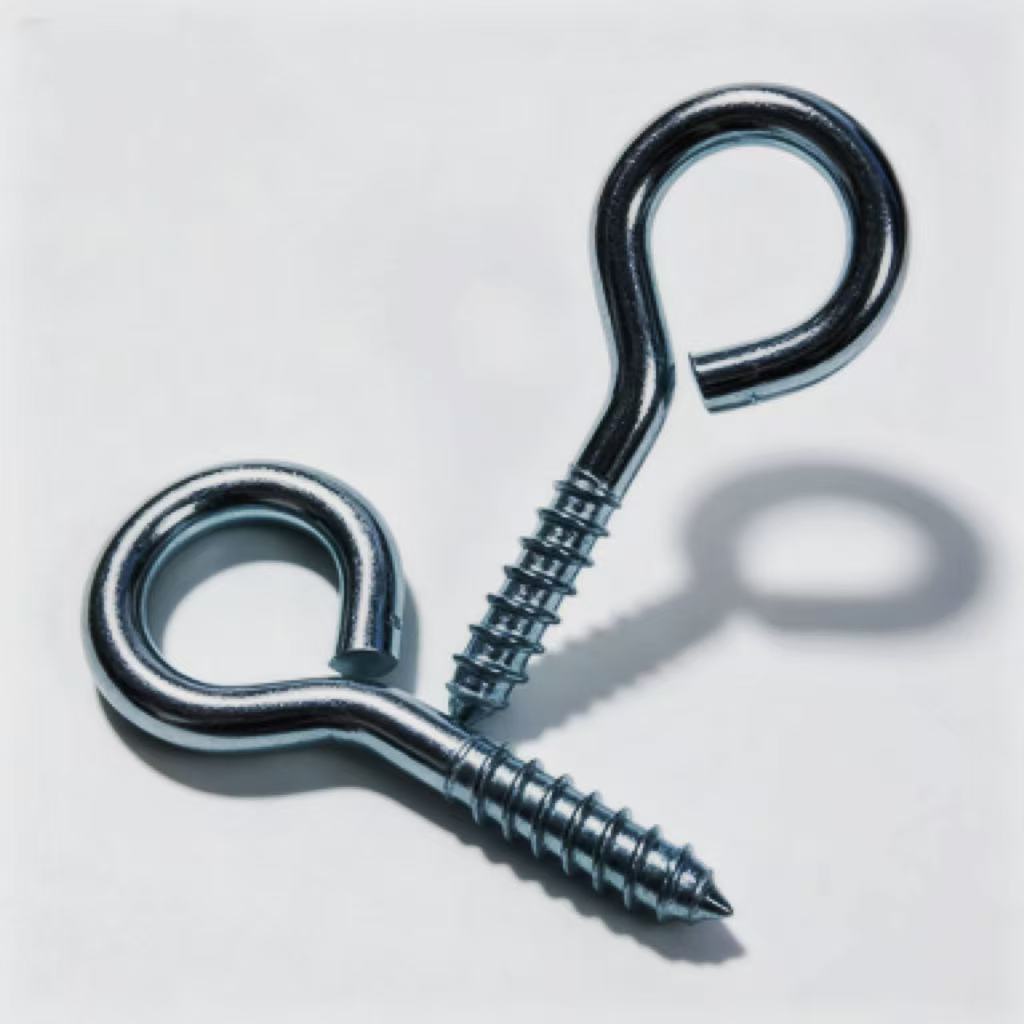
Located in Handan, Hebei—China’s premier hub for fastener manufacturing—our company combines industrial prowess with global trade capabilities. With over ten years of industry experience, we have evolved into a comprehensive entity specializing in the development, manufacturing, and service of high-quality fasteners and hardware tools. While our portfolio includes diverse products such as casing geckos and wooden teeth welded sheep’s eye screws, our core competency lies in producing precision anchor bolts and structural fasteners.
We adhere to a philosophy of integrity and innovation, continuously investing in scientific research and introducing high-tech talent to our team. Our advanced production technology and rigorous testing methods ensure that every product meets stringent international standards, including GB, DIN, JIS, and ANSI. This commitment to “quality first, customer first” has allowed us to export our products to more than 26 countries, building a reputation for reliability and excellence.
Our professional technical team and state-of-the-art machinery enable us to offer both standard and customized solutions. Whether you require special specifications, unique quantities, or tailored coatings, we are equipped to meet your specific project needs while maintaining competitive pricing and uncompromising quality control.
Why Choose a Direct Manufacturer from China?
Sourcing anchor bolts directly from a specialized manufacturer in China offers strategic advantages for B2B buyers, distributors, and large-scale construction firms. In 2026, the global supply chain has shifted towards transparency and vertical integration, and our facility exemplifies this trend.
Cost Efficiency Without Compromise
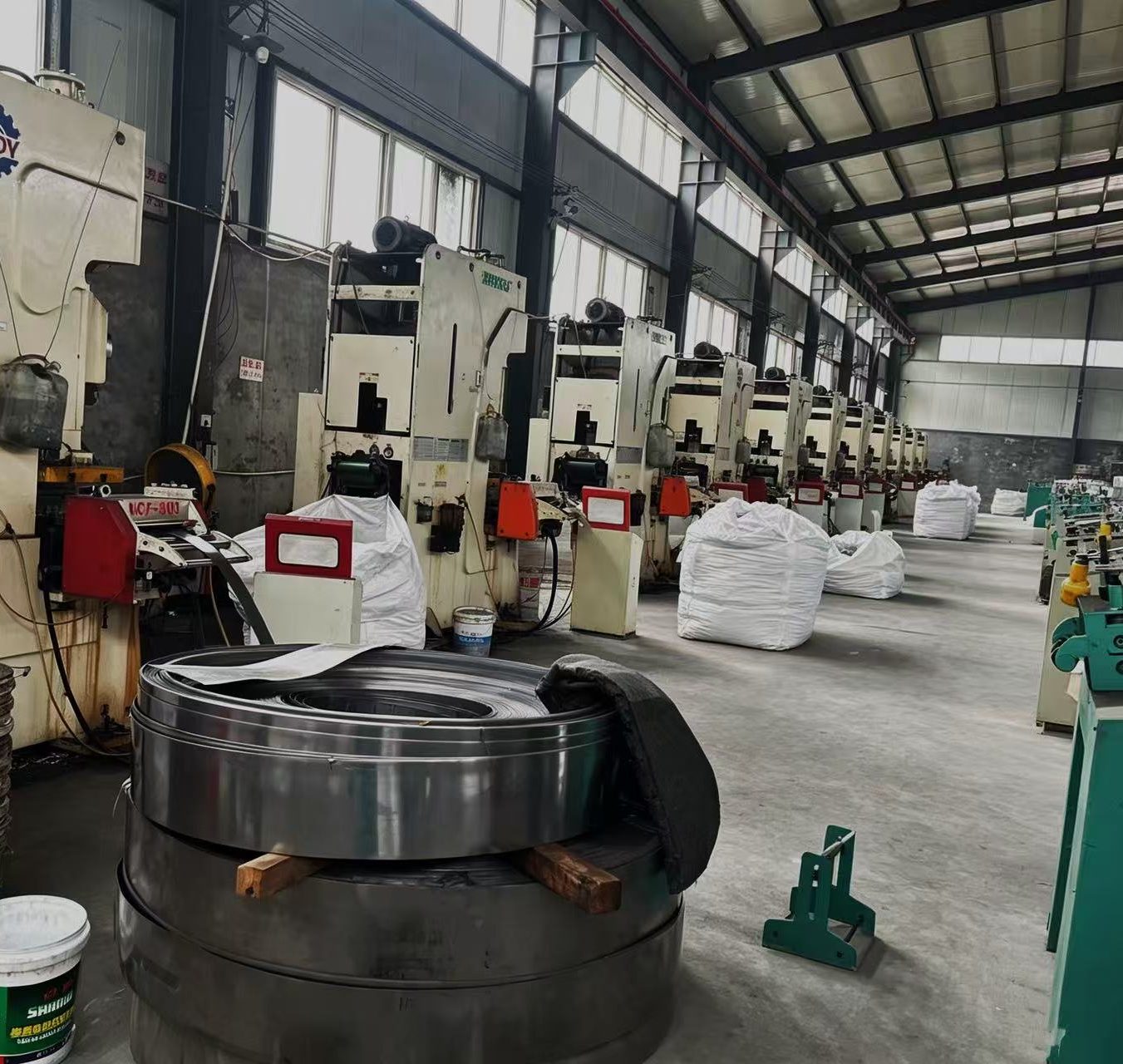
By eliminating trading companies and middlemen, we pass significant cost savings directly to our clients. Our automated production lines reduce labor costs while enhancing consistency. However, low cost does not mean low quality. We adhere to strict ISO 9001 quality management systems, ensuring every batch meets international standards.
Customization and OEM Capabilities
Standard sizes do not fit every project. We offer extensive customization options, including non-standard lengths, diameters, thread pitches, and head configurations. Our engineering team can produce bespoke anchors based on CAD drawings, allowing for precise integration into unique structural designs. Whether you need special coatings for extreme environments or specific packaging for retail distribution, we can accommodate your requirements.
Quality Control and Certification
Trust is built on verification. Our laboratory conducts rigorous testing on raw materials and finished products. This includes tensile strength testing, salt spray testing for corrosion resistance, and dimensional accuracy checks. We provide mill certificates and test reports with every shipment, ensuring full traceability and compliance with project specifications.
Scalability and Lead Time
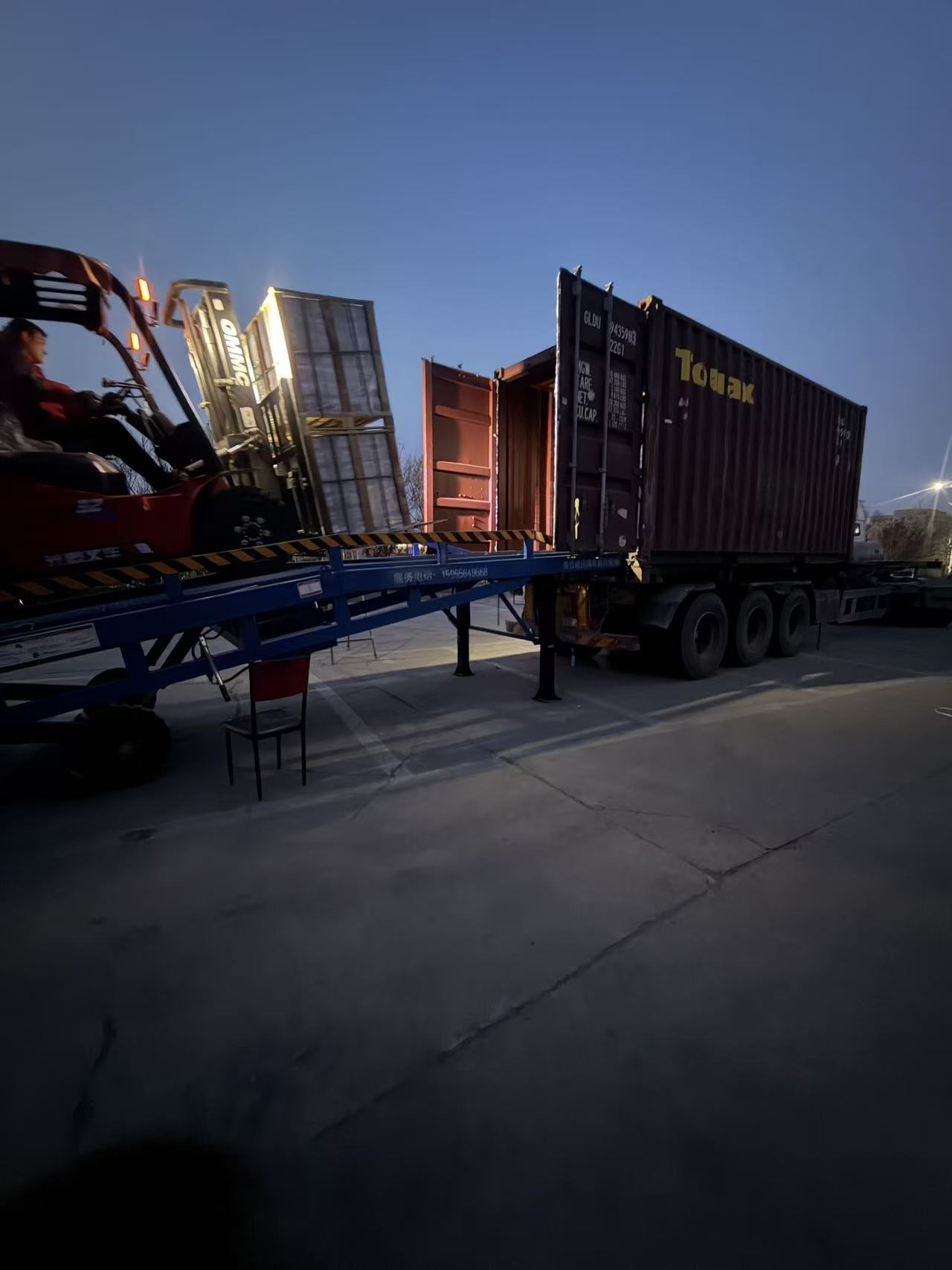
With substantial production capacity, we can handle orders ranging from small trial batches to container-load quantities. Our streamlined logistics network ensures timely delivery to ports worldwide, minimizing project delays. In an era where supply chain reliability is paramount, our consistent output provides peace of mind for procurement managers.
Frequently Asked Questions (FAQ)
What is the difference between wedge anchors and sleeve anchors?
Wedge anchors generally offer higher load capacities and are better suited for heavy-duty applications in solid concrete. They expand via a wedge mechanism at the bottom. Sleeve anchors are more versatile for medium loads and easier to install in varied conditions but may exert more expansion pressure on the concrete. Wedge anchors are typically more expensive but provide superior performance in critical structural applications.
Can anchor bolts be used in cracked concrete?
Standard mechanical expansion anchors should not be used in cracked concrete zones unless specifically certified for such use. Chemical anchors (bonded anchors) are the preferred solution for cracked concrete, as they distribute stress along the bond line rather than relying on expansion pressure. Always consult the technical data sheet for crack-width limitations.
How do I determine the correct anchor size?
The correct size depends on the load requirements (tension and shear), the thickness of the concrete, and the weight of the fixture. Engineering calculations should be performed to determine the required safety factors. Generally, larger diameters and deeper embedment depths provide higher holding values. Refer to our load tables or consult our engineering support team for specific project advice.
What is the shelf life of chemical anchor capsules?
Vinyl ester and epoxy capsules typically have a shelf life of 12 to 24 months when stored in cool, dry conditions away from direct sunlight. Always check the expiration date on the packaging before use. Expired capsules may not cure properly, leading to significant strength reduction.
Do you provide samples for testing?
Yes, we understand the importance of verification. We provide free samples of our standard anchor bolts for quality assessment and testing. Clients only need to cover the shipping costs. This allows you to verify thread quality, material grade, and coating finish before placing a bulk order.
Applications Across Industries
Our anchor bolts are utilized in a diverse array of sectors, demonstrating their versatility and reliability.
Construction and Infrastructure
From securing steel beams in skyscrapers to anchoring bridge railings, our products meet the rigorous demands of civil engineering. Cast-in-place headed anchors are standard in foundation work, while post-installed undercut anchors are used for facade attachments and retrofitting.
Industrial Machinery and Manufacturing
Heavy machinery generates significant vibration and dynamic loads. Our high-strength alloy steel anchors with precise torque control ensure that CNC machines, presses, and generators remain stable. This stability is crucial for maintaining precision and preventing equipment damage.
Energy and Utilities
In power plants and substations, equipment must be securely grounded and anchored. Our stainless steel and hot-dip galvanized anchors resist the harsh environmental conditions found in these facilities. They are used for securing transformers, switchgear, and piping systems.
Marine and Offshore
Corrosion is the primary enemy in marine environments. Our 316 stainless steel anchors provide the necessary resistance to saltwater and humidity, ensuring long-term structural integrity for docks, piers, and offshore platforms.
Selection Guide: Matching Anchors to Your Project
Choosing the right anchor involves a systematic evaluation of project parameters. Use this checklist to guide your decision-making process.
- Assess the Substrate: Is the concrete cracked or uncracked? What is the compressive strength? Is it solid or hollow?
- Determine Load Requirements: Calculate the maximum tension and shear forces. Include safety factors for dynamic loads.
- Evaluate Environmental Conditions: Will the anchor be exposed to moisture, chemicals, or extreme temperatures? Select the appropriate material and coating.
- Check Geometric Constraints: What is the available edge distance and spacing? Is the concrete slab thick enough for the required embedment depth?
- Consider Installation Constraints: Is there access for heavy drilling equipment? Is noise a concern? Do you need immediate load-bearing capability?
By addressing these factors, you can select an anchor solution that optimizes both safety and cost. If uncertainty remains, our technical team is available to review your project specifications and recommend the most suitable product.
Conclusion: Secure Your Projects with Reliable Anchor Solutions
Anchor bolts are small components with massive responsibilities. Their failure can lead to catastrophic structural consequences, making quality and precision non-negotiable. As a dedicated manufacturer of anchor bolts for concrete, we combine advanced manufacturing technology with rigorous quality control to deliver products that engineers and contractors can trust.
Whether you require high-volume standard anchors for commercial development or specialized custom solutions for complex industrial applications, our facility is equipped to meet your needs. We offer a comprehensive range of types, materials, and finishes, backed by technical expertise and competitive direct-from-factory pricing.
Don’t compromise on the foundations of your projects. Partner with a supplier who understands the science of anchoring and the dynamics of global supply chains.
Ready to optimize your procurement strategy?
Contact our sales engineering team today to request a quote, download technical data sheets, or order samples. Let us provide the secure, reliable anchoring solutions your projects demand.
View Full Product Catalog and Technical Specifications