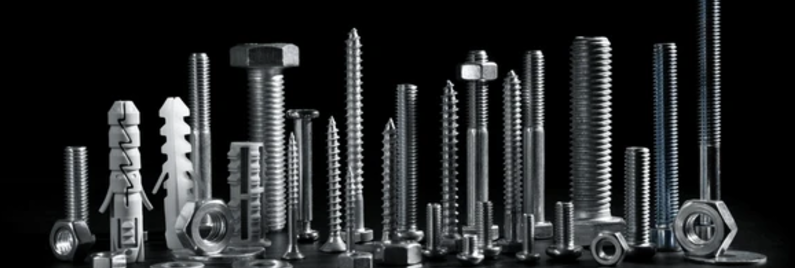
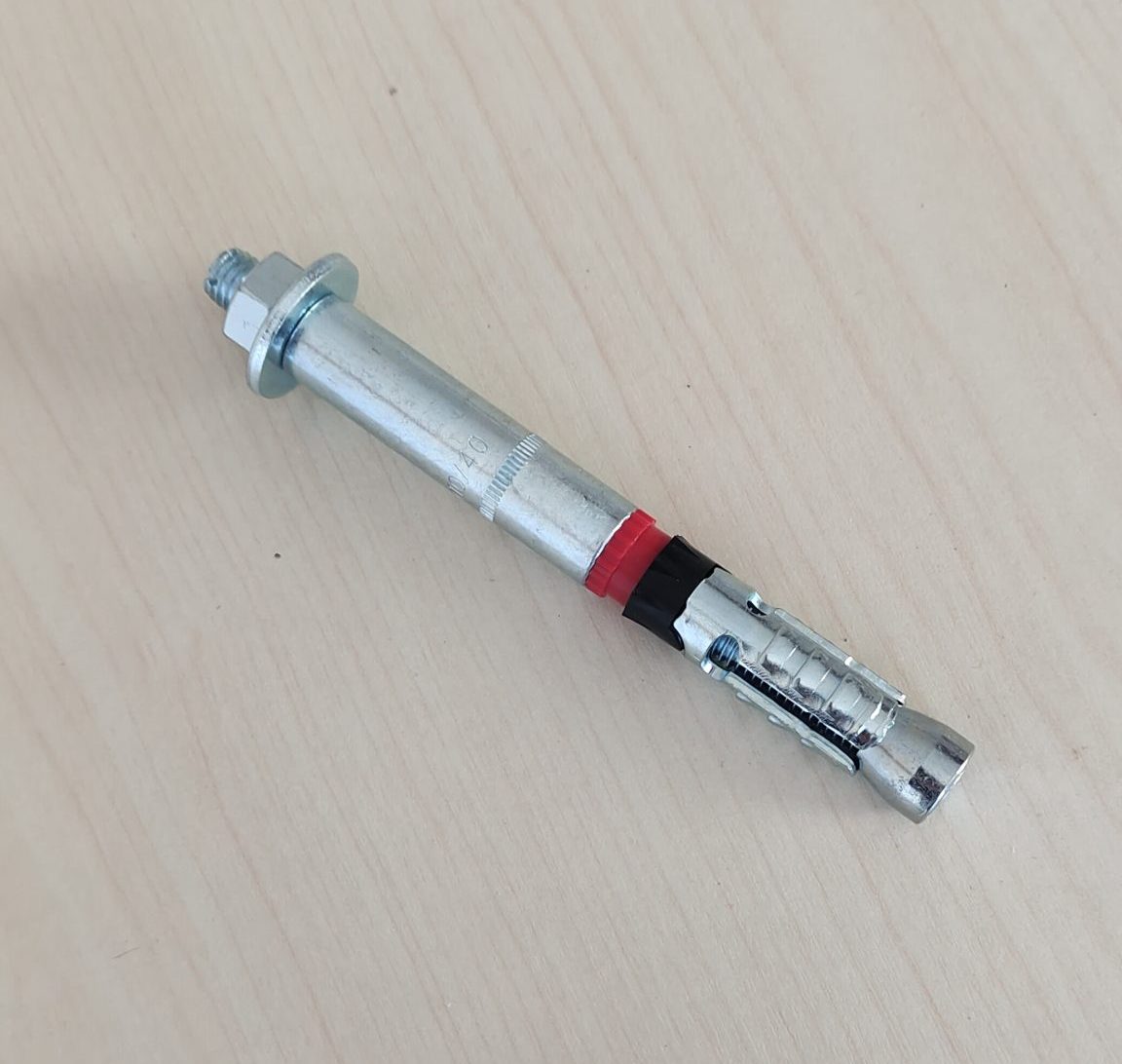
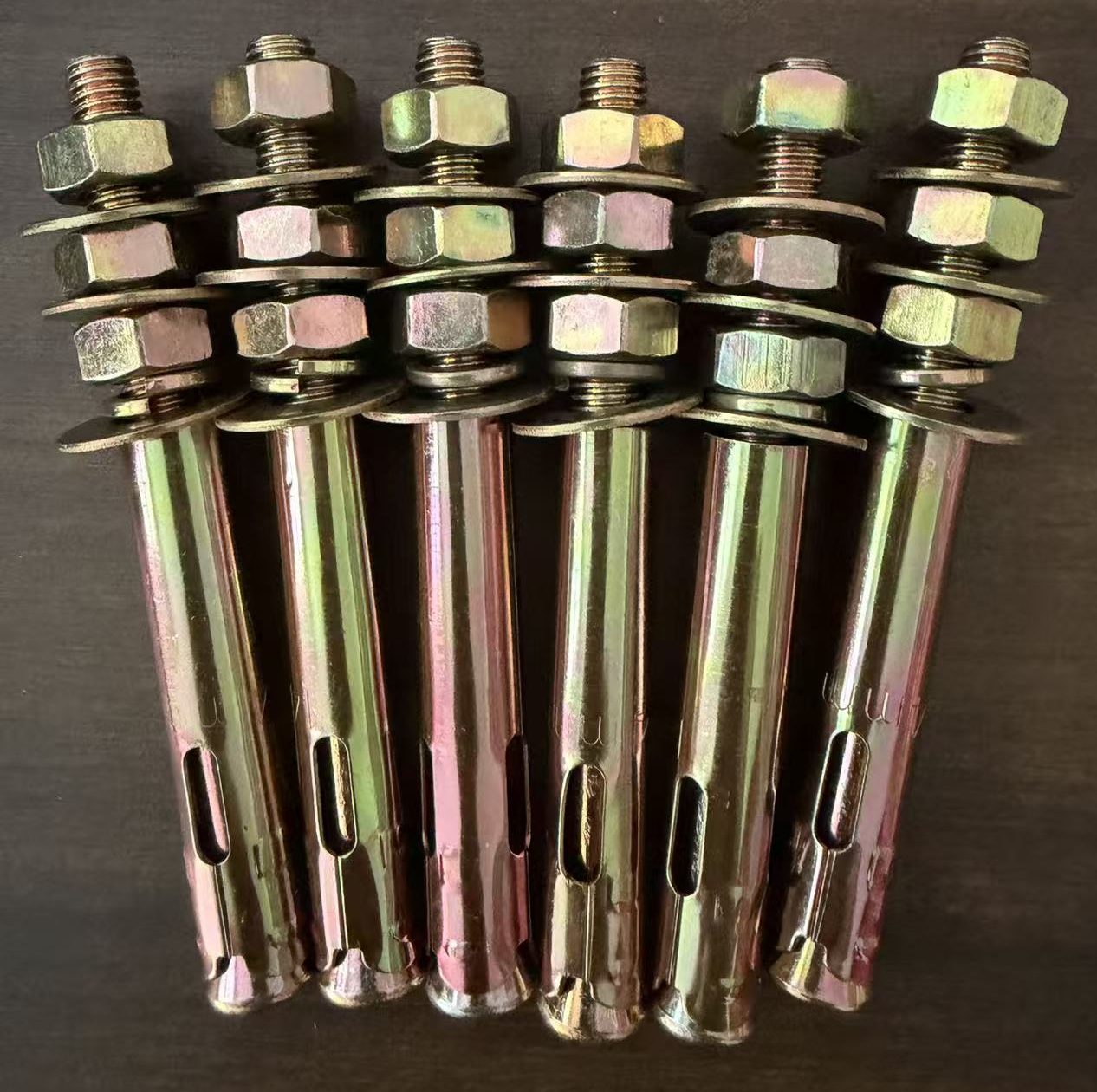
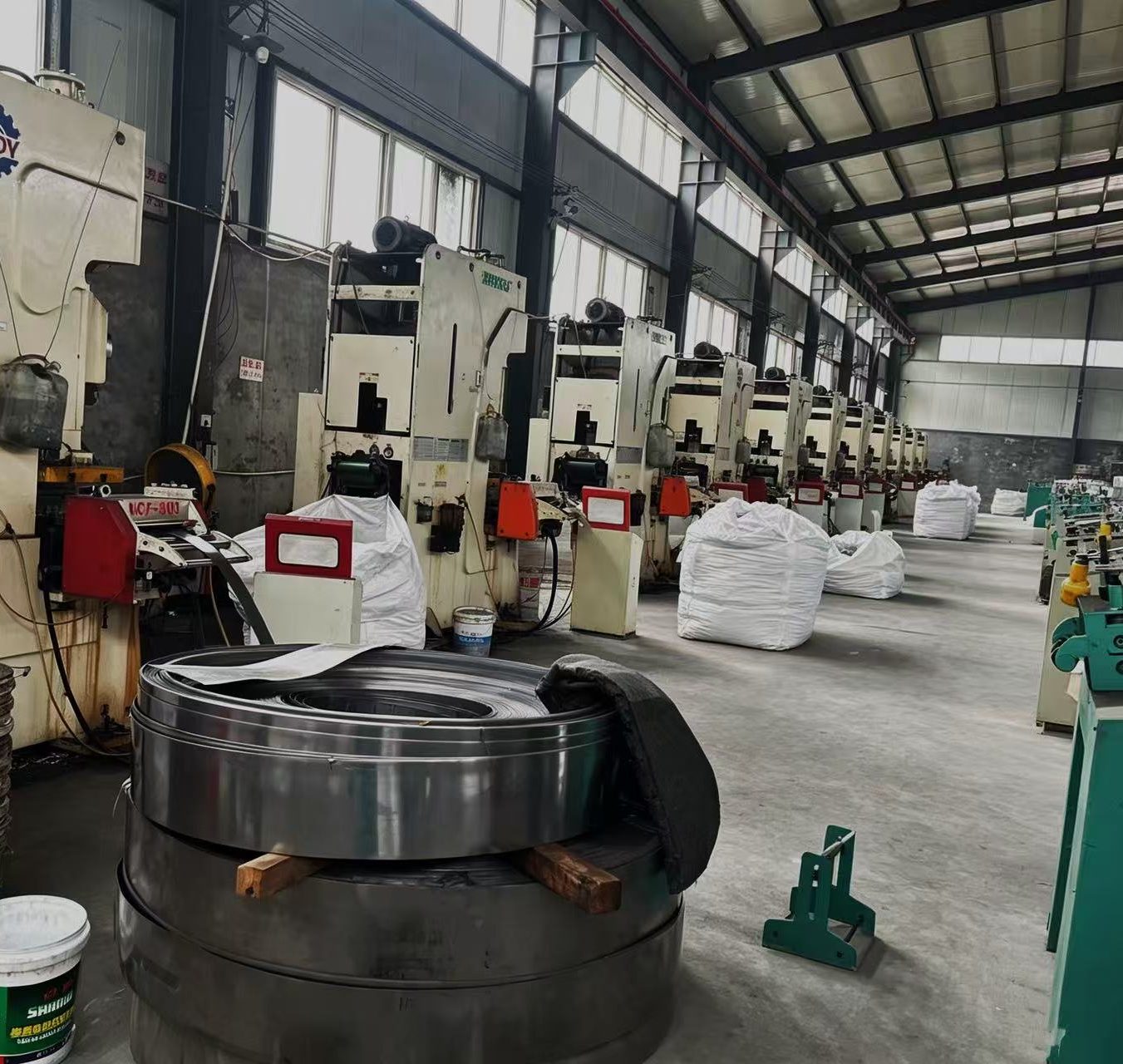
High strength carbon steel bolts are precision-engineered fasteners designed to withstand extreme tensile loads and shear forces in critical structural applications. Manufactured from medium to high-carbon steel grades (such as 1045, 10B21, or 10B33) and subjected to rigorous heat treatment processes like quenching and tempering, these bolts achieve superior hardness and yield strength compared to standard low-carbon alternatives. As a specialized manufacturer based in Handan, Hebei—the heart of China’s fastener industry—we produce these components to meet strict international standards including GB, DIN, JIS, and ANSI. Our decade-long expertise ensures that every bolt delivers reliable performance for construction, heavy machinery, and infrastructure projects across more than 26 countries.
What Are High Strength Carbon Steel Bolts?
High strength carbon steel bolts represent a specific category of fasteners where the material composition and manufacturing process are optimized for maximum load-bearing capacity. Unlike standard Grade 2 or Grade 5 bolts made from low-carbon steel, high-strength variants utilize carbon content typically ranging from 0.30% to 0.60%. This increased carbon level, combined with alloying elements like boron or manganese, allows the steel to respond effectively to heat treatment.
The defining characteristic of these bolts is their mechanical property profile. They exhibit higher tensile strength (the maximum stress they can withstand while being stretched) and yield strength (the point at which they begin to deform permanently). In industrial contexts, these are often classified under grades such as ASTM A325, ASTM A490, ISO 8.8, ISO 10.9, or ISO 12.9. The “high strength” designation is not merely marketing; it is a technical specification that dictates the bolt’s suitability for safety-critical joints where failure could result in catastrophic structural damage.
Key Material Composition and Properties
The performance of high strength carbon steel bolts is directly linked to their metallurgical structure. The base material usually involves medium carbon steel or medium carbon alloy steel. Common grades include:
- 1045 Carbon Steel: A versatile medium-carbon steel offering a good balance of strength and ductility, often used for ISO 8.8 and 10.9 class bolts.
- 10B21 / 10B33 Boron Steel: The addition of boron significantly enhances hardenability, allowing for deeper and more uniform heat treatment penetration, which is crucial for larger diameter bolts.
- 35K / 45K Steel: Frequently used in Chinese GB standards, these grades provide the necessary carbon backbone for achieving high tensile ratings after quenching and tempering.
Through controlled heat treatment, the microstructure of the steel is transformed into tempered martensite. This structure provides the optimal combination of hardness and toughness, ensuring the bolt can resist sudden impacts without becoming brittle.
Manufacturing Process: From Raw Steel to Finished Fastener
Producing high-quality high strength carbon steel bolts requires a sophisticated manufacturing workflow. At our facility in Handan, we integrate advanced cold forging and hot forging techniques with precise thermal processing. Understanding this process helps buyers appreciate the value proposition of professionally manufactured fasteners versus generic alternatives.
1. Cold Heading and Hot Forging
The initial shaping of the bolt blank depends on its size and grade. For smaller diameters, cold heading is preferred as it work-hardens the material, increasing strength through grain flow alignment. For larger diameters or higher grades (like ISO 12.9), hot forging is employed. This process involves heating the steel to a plastic state and forming it under high pressure, which eliminates internal voids and creates a robust grain structure capable of handling extreme stress.
2. Thread Rolling
Unlike cutting threads, which removes material and creates stress concentration points, thread rolling forms the threads by displacing the metal. This cold-working process compresses the grain structure at the thread roots, significantly enhancing fatigue resistance. For high-strength applications, rolled threads are essential to prevent premature failure under cyclic loading.
3. Heat Treatment: Quenching and Tempering
This is the most critical step for high strength carbon steel bolts. The bolts are heated to a specific austenitizing temperature and then rapidly cooled (quenched) in oil or water. This creates a very hard but brittle martensitic structure. Subsequently, the bolts are reheated to a lower temperature (tempered) to relieve internal stresses and restore toughness. This dual process ensures the bolt meets the required hardness and tensile strength specifications without being prone to snapping under shock loads.
4. Surface Treatment and Coating
Carbon steel is susceptible to corrosion. To protect the integrity of the bolt and extend its service life, various surface treatments are applied. Common options include zinc plating, hot-dip galvanizing, and black oxide coating. For high-strength bolts, hydrogen embrittlement is a significant risk during electroplating. Therefore, our manufacturing protocol includes strict baking processes after plating to diffuse hydrogen atoms, ensuring the mechanical properties remain intact.
Technical Specifications and Standards Compliance
When sourcing high strength carbon steel bolts, adherence to international standards is non-negotiable. These standards define the chemical composition, mechanical properties, dimensions, and testing methods. As a global supplier, we ensure our products comply with the major frameworks used in international trade and engineering.
| Standard |
Grade/Class |
Tensile Strength (MPa) |
Yield Strength (MPa) |
Typical Application |
| ISO 898-1 |
Class 8.8 |
800 – 1000 |
≥ 640 |
General machinery, automotive |
| ISO 898-1 |
Class 10.9 |
1000 – 1200 |
≥ 900 |
Structural steel, heavy equipment |
| ISO 898-1 |
Class 12.9 |
1200 – 1400 |
≥ 1080 |
Critical high-load connections |
| ASTM A325 |
Type 1 |
830 – 1030 |
≥ 660 |
Structural steel joints (US) |
| DIN 931/933 |
10.9 |
1000 – 1200 |
≥ 900 |
European machinery and construction |
| GB/T 3098.1 |
10.9 / 12.9 |
1000+ / 1200+ |
≥ 900 / ≥ 1080 |
Domestic Chinese infrastructure |
Our technical team verifies each batch against these parameters using tensile testing machines and hardness testers. We also accommodate custom specifications for clients requiring unique head styles, thread pitches, or lengths, leveraging our R&D capabilities to meet specific engineering drawings.
Why Choose High Strength Carbon Steel Over Alternatives?
Selecting the right fastener material involves balancing cost, strength, weight, and environmental resistance. High strength carbon steel occupies a sweet spot in this matrix, offering superior mechanical performance at a competitive price point compared to exotic alloys.
Advantages of High Strength Carbon Steel Bolts
- Superior Load Capacity: They can handle significantly higher pre-load forces, which is essential for maintaining joint integrity in vibrating environments.
- Cost-Effectiveness: Compared to stainless steel or titanium, carbon steel offers a much lower cost per unit of strength, making it ideal for large-scale construction projects.
- Availability: As a standard industrial material, high strength carbon steel is readily available in various sizes and configurations, reducing lead times.
- Proven Track Record: Decades of engineering data support the use of these bolts in bridges, buildings, and machinery, providing engineers with confidence in their performance.
Limitations and Considerations
While highly effective, carbon steel bolts are not suitable for all environments. Their primary weakness is corrosion resistance. In marine or highly acidic environments, they require robust protective coatings such as hot-dip galvanizing or specialized polymer coatings. Additionally, care must be taken to avoid hydrogen embrittlement during the plating process, a risk we mitigate through strict quality control protocols.
Applications Across Industries
The versatility of high strength carbon steel bolts makes them indispensable in various sectors. Our products, exported to over 26 countries, serve diverse industrial needs.
Construction and Infrastructure
In structural steelwork, these bolts connect beams, columns, and girders. The high preload capability ensures that friction between the connected plates carries the load, rather than the bolt shank bearing against the hole walls. This is critical for the seismic resilience of skyscrapers and bridges.
Heavy Machinery and Equipment
Excavators, cranes, and mining equipment operate under extreme dynamic loads. High strength bolts secure boom sections, bucket links, and chassis components. Their resistance to fatigue failure ensures operational safety and minimizes downtime due to maintenance.
Automotive and Transportation
From engine mounts to suspension systems, vehicles rely on high strength fasteners to withstand vibration and shock. The lightweight nature of steel compared to some alternatives, combined with high strength, contributes to overall vehicle efficiency.
Energy Sector
In wind turbines and oil rigs, bolts must endure constant cyclic loading and harsh weather conditions. Our high strength carbon steel bolts, when properly coated, provide the reliability needed for these remote and critical installations.
How to Select the Right High Strength Bolt for Your Project
Choosing the correct bolt involves more than just picking a grade. Engineers and procurement managers must consider several factors to ensure optimal performance and safety.
1. Determine the Load Requirements
Calculate the tensile and shear loads the joint will experience. Include a safety factor to account for unexpected spikes in load or vibration. For dynamic loads, prioritize bolts with high fatigue resistance, such as those with rolled threads.
2. Assess Environmental Conditions
If the bolts will be exposed to moisture, salt, or chemicals, select an appropriate coating. Hot-dip galvanizing offers excellent corrosion protection but adds thickness to the threads, which must be accounted for in nut pairing. For indoor, dry environments, black oxide or plain finishes may suffice.
3. Verify Compatibility with Nuts and Washers
High strength bolts must be paired with matching high strength nuts and hardened washers. Using a standard nut with a high strength bolt can lead to thread stripping before the bolt reaches its full tensile capacity. Ensure the nut grade (e.g., ISO 10 for a 10.9 bolt) matches the bolt class.
4. Check Standard Compliance
Confirm which standards your project specifies. International projects may require ASTM, DIN, or ISO certification. Our company provides full traceability and test reports for all shipments, ensuring compliance with GB, DIN, JIS, and ANSI standards as required.
Common Mistakes to Avoid When Using High Strength Bolts
Even the best-engineered bolts can fail if installed incorrectly. Avoid these common pitfalls to ensure joint integrity.
- Over-tightening: Exceeding the yield point of the bolt stretches it permanently, weakening the joint. Use calibrated torque wrenches or tension-indicating washers.
- Under-tightening: Insufficient preload allows the joint to slip, leading to fretting corrosion and fatigue failure.
- Reusing Bolts: High strength bolts are generally designed for single-use. Reusing them can compromise their structural integrity due to previous stretching and surface wear.
- Ignoring Lubrication: Friction coefficients vary significantly with lubrication. Always follow the manufacturer’s recommendations for lubricants to ensure accurate torque-tension relationships.
- Mixing Grades: Never mix different grades of bolts in the same joint. This leads to uneven load distribution, where the strongest bolts carry disproportionate loads, leading to premature failure.
Quality Assurance and Manufacturing Excellence
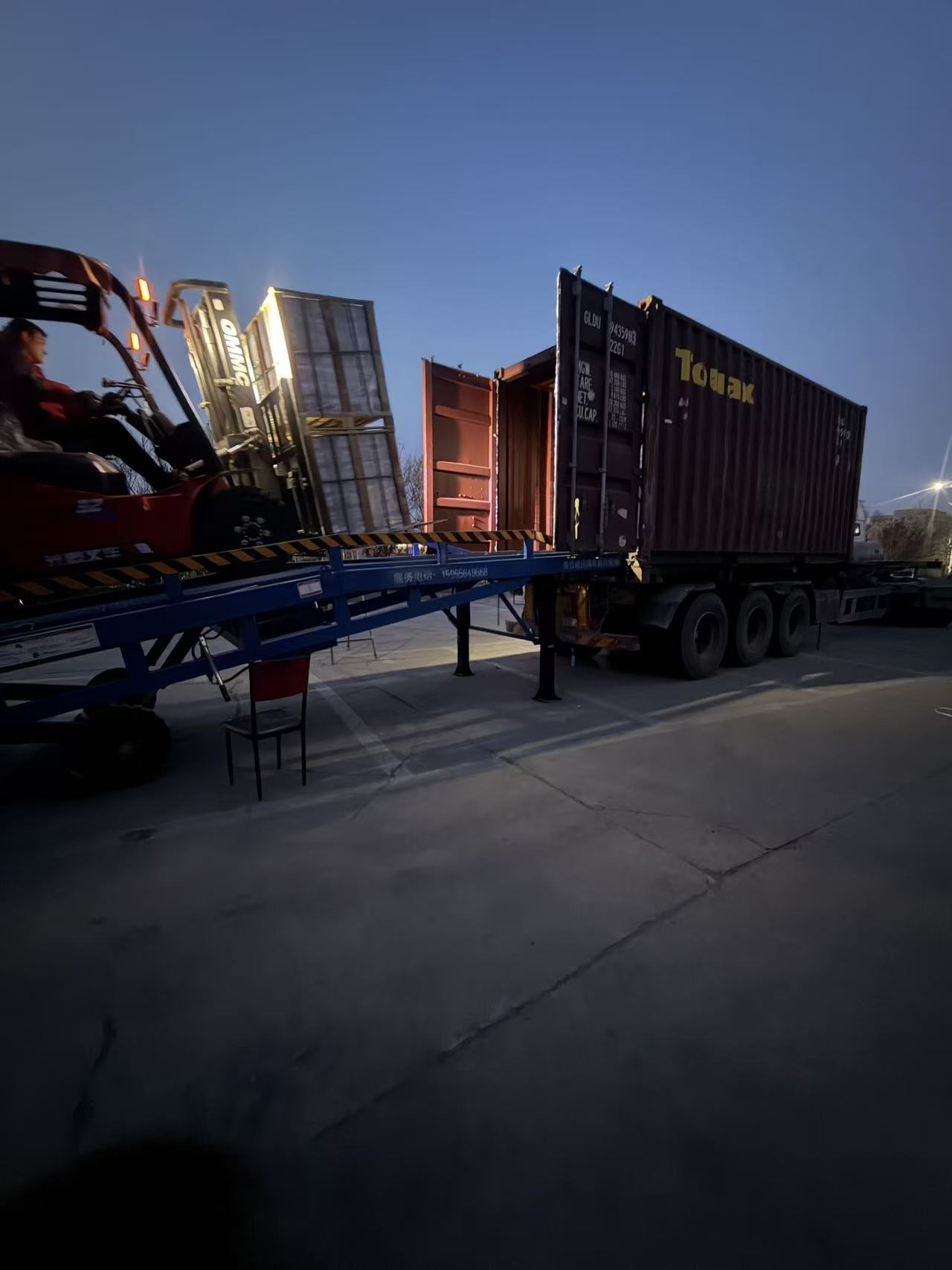
As a global industry and trade combination company located in Handan, Hebei, we pride ourselves on our integrity-based business philosophy. With over ten years of industry experience, we have established a robust quality control system that spans from raw material inspection to final product testing.
Our facility employs advanced production technology and perfect testing methods. We have introduced high-tech talents and invested heavily in scientific research to develop new products that meet evolving market demands. Our professional technical team ensures that every batch of high strength carbon steel bolts undergoes rigorous inspection for dimensions, hardness, tensile strength, and coating thickness.
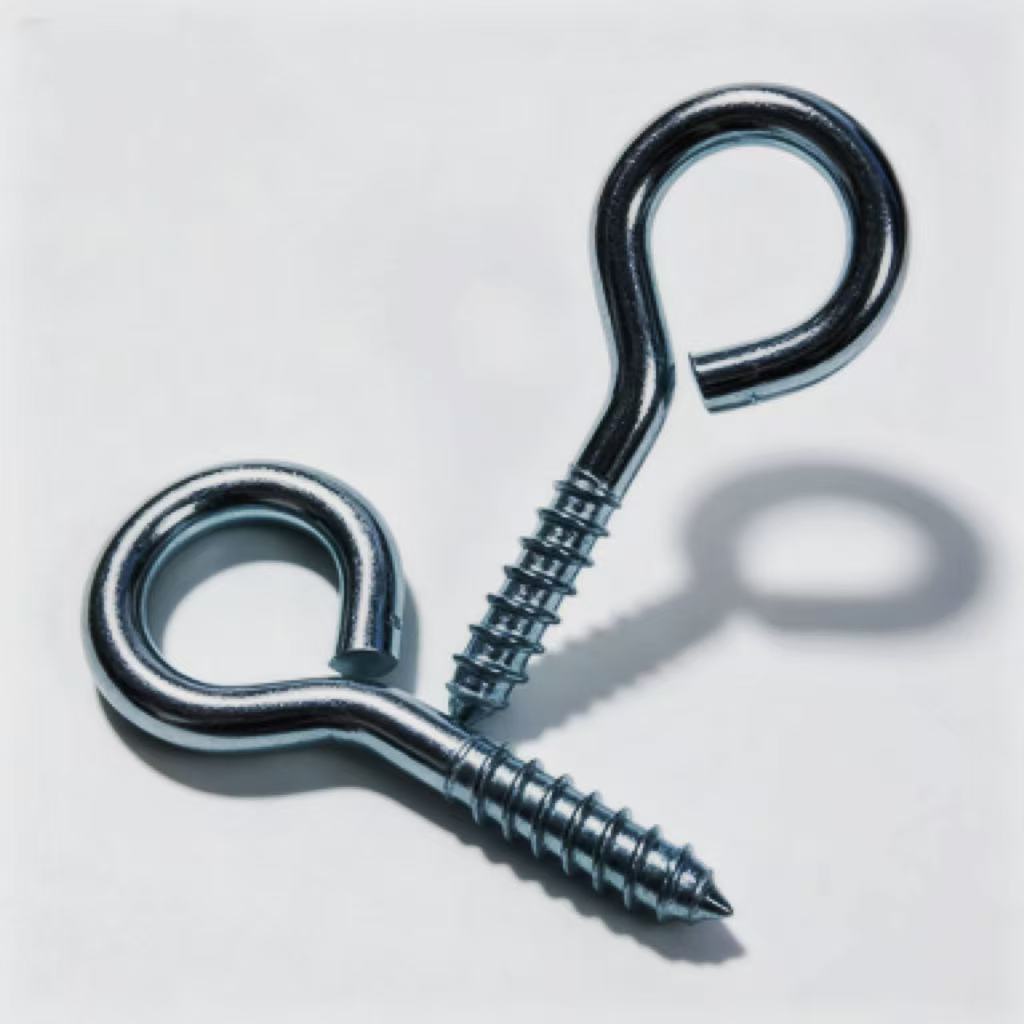
We adhere to the principle of “quality first, customer first.” This means we do not just sell products; we provide solutions. Whether you need standard DIN 933 hex bolts or custom wooden teeth welded sheep’s eye screws, we customize special specifications according to your specific quality and quantity needs. Our commitment to maintaining our reputation drives us to constantly seek more excellent and thoughtful service, ensuring that our products sold to more than 26 different countries meet the highest expectations.
Frequently Asked Questions (FAQ)
What is the difference between Grade 8.8 and Grade 10.9 bolts?
The primary difference lies in their tensile and yield strengths. Grade 10.9 bolts have a higher minimum tensile strength (1000 MPa) and yield strength (900 MPa) compared to Grade 8.8 bolts (800 MPa tensile, 640 MPa yield). Grade 10.9 is used for more critical, higher-load applications.
Can high strength carbon steel bolts be welded?
Generally, no. Welding high strength bolts alters the heat-treated microstructure, significantly reducing their strength and making them brittle. If welding is required, specific low-hydrogen welding procedures and post-weld heat treatments are necessary, but it is usually recommended to use bolts designed for welding or alternative joining methods.
How do I prevent hydrogen embrittlement in plated bolts?
Hydrogen embrittlement occurs when hydrogen atoms diffuse into the steel during electroplating. To prevent this, manufacturers must bake the bolts at a specific temperature (usually around 200°C) for a set period immediately after plating to drive out the hydrogen. Our manufacturing process strictly follows these protocols to ensure safety.
What is the shelf life of high strength carbon steel bolts?
If stored in a dry, indoor environment away from corrosive agents, high strength carbon steel bolts have an indefinite shelf life. However, once installed or exposed to harsh environments, their lifespan depends on the effectiveness of their protective coating and the severity of the conditions.
Do you provide custom manufacturing services?
Yes. Leveraging our advanced machinery and professional technical team, we customize special specifications, qualities, and quantities according to customer needs. Whether you require unique head shapes, specific thread pitches, or non-standard lengths, we can develop and manufacture products that meet your exact requirements.
Conclusion: Partner with a Trusted Manufacturer for Critical Fastening Solutions
High strength carbon steel bolts are the backbone of safe and durable structural connections. Their ability to withstand extreme loads makes them indispensable in construction, machinery, and infrastructure. However, the quality of these bolts varies significantly based on material selection, heat treatment precision, and quality control rigor.
By choosing a manufacturer with deep industry experience and a commitment to international standards, you mitigate the risks of joint failure and ensure the longevity of your projects. Our company, rooted in the fastener hub of Handan, Hebei, combines over a decade of expertise with advanced technology to deliver products that meet GB, DIN, JIS, and ANSI standards. We serve clients in over 26 countries, providing not just bolts, but reliable, engineered solutions tailored to specific needs.
Whether you require standard high strength hex bolts or specialized fasteners like casing geckos and wooden teeth welded sheep’s eye screws, our team is ready to support your supply chain with competitive prices and uncompromising quality.
Ready to secure your next project with high-performance fasteners?
Contact our technical sales team today to discuss your specifications, request a quote, or learn more about our custom manufacturing capabilities. Let us help you achieve the perfect balance of strength, safety, and cost-efficiency.
View Our Full Product Catalog and Technical Solutions