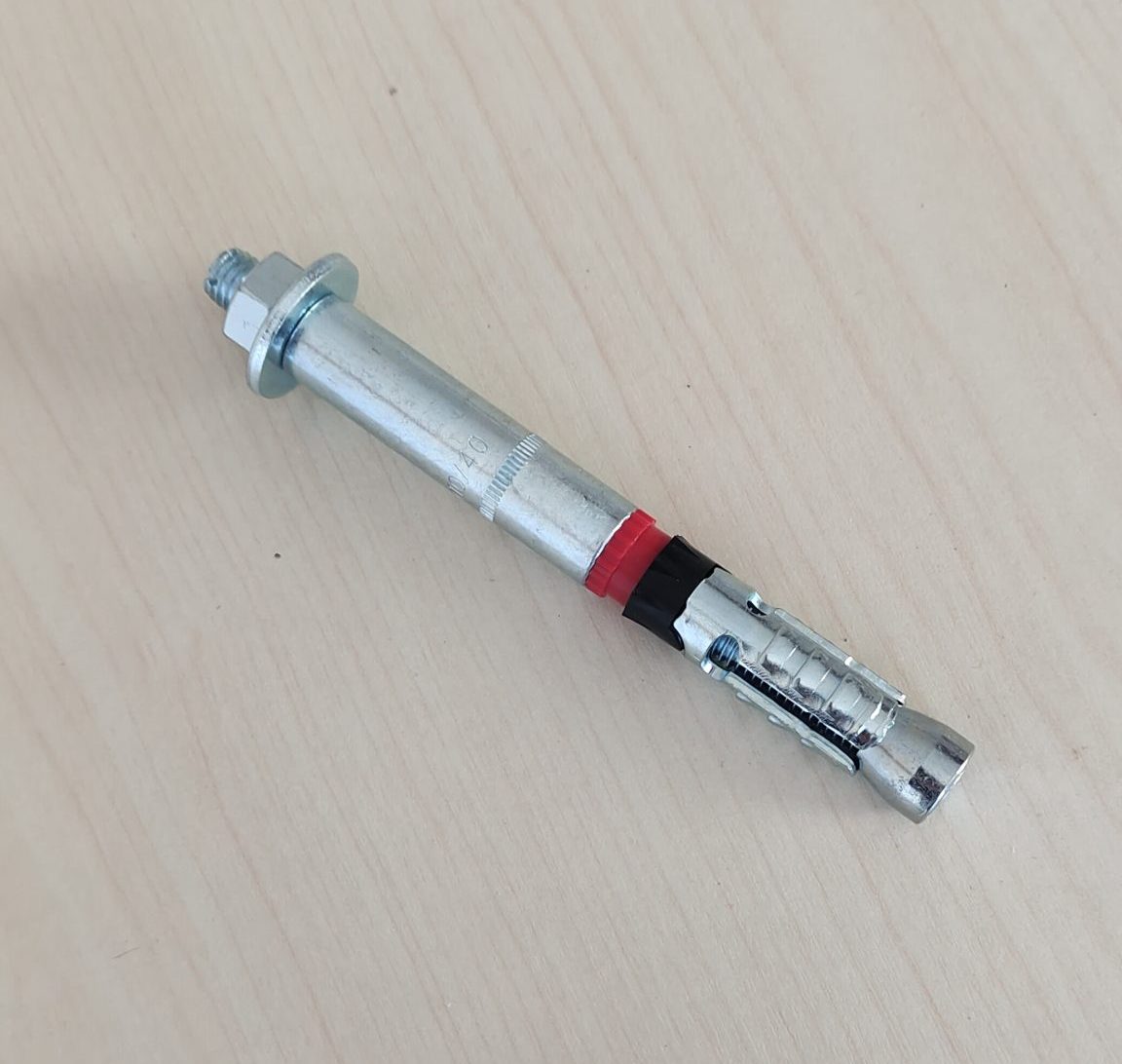
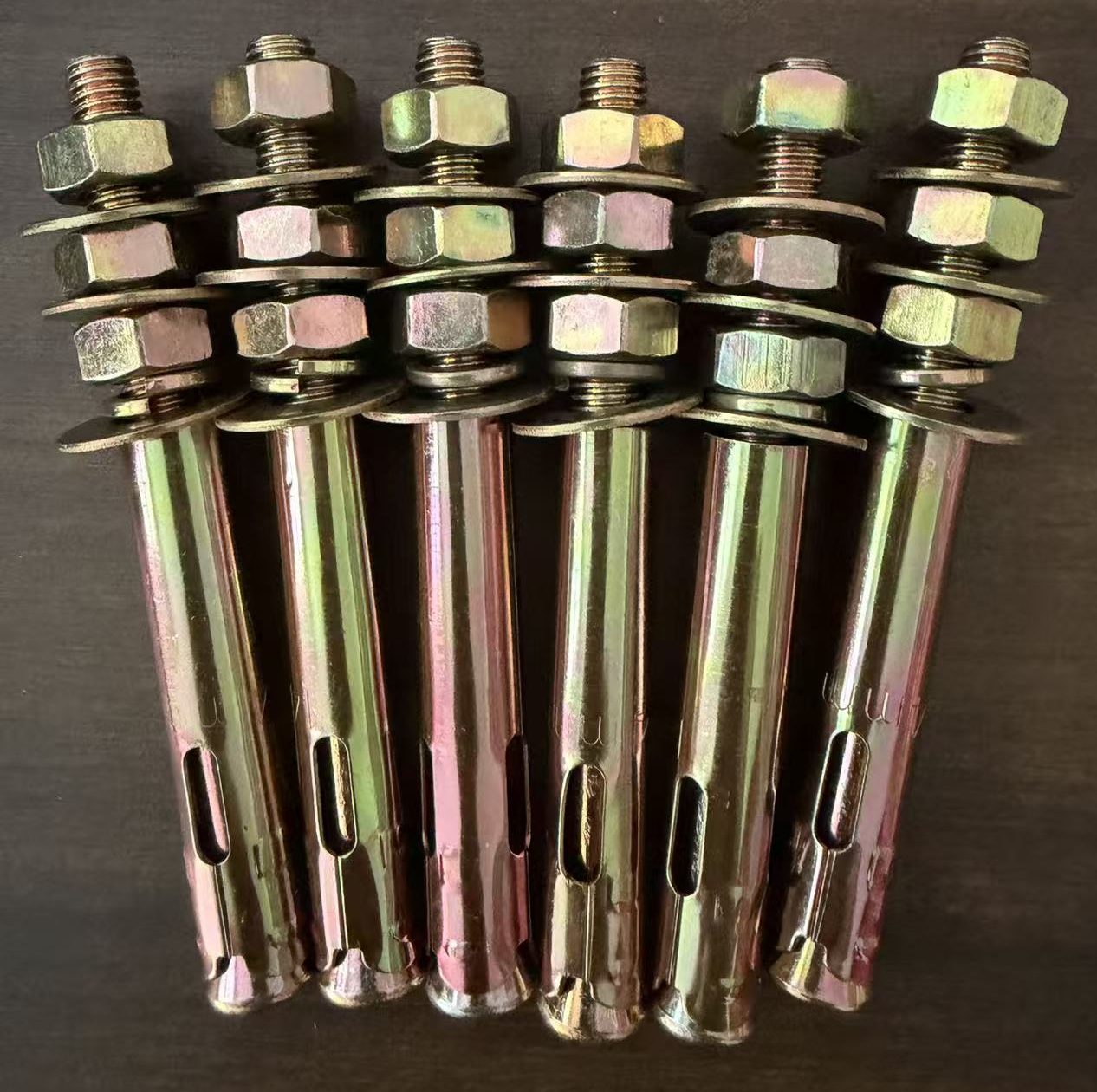
Sleeve anchors with hex bolts or hex nuts are heavy-duty mechanical fasteners designed to secure objects to solid base materials such as concrete, brick, and stone. These anchors function through a friction-based expansion mechanism, where tightening the hex head pulls a conical plug into a slotted sleeve, forcing it outward against the drilled hole walls. As a specialized manufacturer based in Handan, Hebei, we produce high-precision sleeve anchors that comply with GB, DIN, JIS, and ANSI standards, ensuring reliable load-bearing performance for construction, industrial, and infrastructure projects worldwide.
What Is a Sleeve Anchor with Hex Bolt / Hex Nut?
A sleeve anchor is a type of wedge anchor used primarily in masonry and concrete applications. The “hex” designation refers to the drive type of the fastener head—either a hexagonal bolt head or a hexagonal nut paired with a threaded stud. This design allows for installation using standard wrenches or socket drivers, providing significant torque application during setting.
The core component is the split sleeve, typically made from carbon steel, stainless steel, or zinc-plated alloys. When the anchor is inserted into a pre-drilled hole and the hex head is tightened, the internal cone expands the sleeve. This creates a tight interference fit with the base material, generating high holding values through both friction and mechanical keying.
Key Components of the Assembly
- Hex Head Bolt or Nut: Provides the driving force for expansion and serves as the attachment point for fixtures.
- Expansion Sleeve: A slotted tube that expands outward when the cone is drawn up.
- Conical Plug (Wedge): Located at the bottom of the bolt/shank, this piece forces the sleeve to expand.
- Washer (Optional): Often included to distribute load and prevent damage to the fixture surface.
How Does a Sleeve Anchor Work? (Installation Logic)
Understanding the mechanical principle behind sleeve anchors is crucial for proper application. Unlike chemical anchors that rely on adhesive bonding, sleeve anchors are purely mechanical. Their holding power is derived from the radial pressure exerted against the walls of the drilled hole.
Our engineering team emphasizes that the integrity of the installation depends heavily on the quality of the drilled hole and the correct torque application. In our manufacturing facility in Handan, we rigorously test the expansion ratio of our sleeves to ensure they engage effectively without splitting low-quality concrete.
Step-by-Step Installation Guide
To achieve optimal performance and safety, follow these professional installation steps:
- Drill the Hole: Use a hammer drill with a carbide-tipped bit matching the anchor’s diameter. Ensure the hole depth exceeds the anchor length by at least 10mm to accommodate dust and debris.
- Clean the Hole: Remove all dust and loose particles using compressed air, a vacuum, or a wire brush. Debris can prevent the anchor from seating fully, reducing holding capacity.
- Insert the Anchor: Place the sleeve anchor into the hole. If using a hex nut version, ensure the washer and nut are loosely assembled on the stud before insertion.
- Set the Anchor: Tighten the hex head or nut with a wrench. As you tighten, the bolt shank pulls the cone into the sleeve. You will feel increased resistance as the sleeve expands against the concrete.
- Final Torque: Continue tightening until the fixture is secure. Do not overtighten, as this may strip the threads or damage the base material if the concrete is weak.
Technical Specifications and Standards Compliance
As a global industry and trade combination company with over ten years of experience, we adhere to strict international standards. Our sleeve anchors are manufactured to meet diverse regional requirements, including GB (China), DIN (Germany), JIS (Japan), and ANSI (USA). This versatility allows us to serve clients in more than 26 countries, ensuring that our products integrate seamlessly into local construction codes.
Material Grades and Finishes
The choice of material determines the anchor’s corrosion resistance and tensile strength. We offer various configurations to suit different environmental conditions:
| Material Type |
Finish/Coating |
Best Application Environment |
Strength Characteristics |
| Carbon Steel |
Zinc Plated (White/Yellow) |
Indoor, dry environments |
High tensile strength, cost-effective |
| Stainless Steel 304 (A2) |
Passivated |
Outdoor, mild humidity |
Good corrosion resistance, moderate strength |
| Stainless Steel 316 (A4) |
Passivated |
Marine, chemical, high humidity |
Superior corrosion resistance, high durability |
| Hot-Dip Galvanized |
Thick Zinc Layer |
Industrial, outdoor exposure |
Enhanced protection against rust |
Dimensional Parameters
Our production line supports a wide range of diameters and lengths. Common sizes include M6, M8, M10, M12, M16, and M20. Custom specifications are available upon request, allowing for tailored solutions in specialized engineering projects. Our advanced machinery ensures tight tolerances on thread pitch and sleeve diameter, which is critical for consistent expansion performance.
Why Choose Sleeve Anchors with Hex Heads?
In the fastener industry, selecting the right anchor type is pivotal. Sleeve anchors with hex bolts or nuts offer distinct advantages over other mechanical anchors like drop-in anchors or wedge anchors.
Advantages of Hex Drive Systems
- High Torque Application: The hexagonal shape allows for the use of powerful wrenches and impact drivers, ensuring the anchor is set firmly even in dense concrete.
- Removability (Limited): Unlike some permanent anchors, hex-head sleeve anchors can sometimes be removed if the nut is unscrewed before full expansion, offering flexibility during adjustments.
- Fixture Versatility: The external hex head or nut allows for easy attachment of brackets, channels, and machinery bases without needing additional tools to hold the anchor in place during tightening.
- Visual Inspection: It is easier to visually confirm that a hex head is flush against the fixture, indicating proper installation.
Comparison: Hex Bolt vs. Hex Nut Sleeve Anchors
While functionally similar, the choice between a hex bolt head and a hex nut configuration depends on the application:
| Feature |
Hex Bolt Head Sleeve Anchor |
Hex Nut Sleeve Anchor |
| Head Profile |
Built-in hex head on the stud |
Separate nut and washer assembly |
| Aesthetics |
Cleaner look, fewer parts |
Bulkier due to nut and washer |
| Adjustability |
Fixed head position |
Nut can be adjusted along the thread |
| Best For |
Direct mounting of flat fixtures |
Through-bolt applications or thick fixtures |
Applications Across Industries
Our sleeve anchors are utilized in a broad spectrum of sectors. From residential construction to heavy industrial manufacturing, the reliability of our fasteners supports critical infrastructure.
Construction and Civil Engineering
In building construction, sleeve anchors are essential for securing steel beams, column bases, and facade elements to concrete foundations. Our products, compliant with DIN and ANSI standards, are trusted by contractors who require predictable load-bearing capacities.
Industrial Machinery Installation
Vibration-resistant mounting is crucial for heavy machinery. While sleeve anchors are primarily for static loads, their high friction hold makes them suitable for securing equipment bases where dynamic loads are minimal. Our technical team advises on proper spacing and edge distances to prevent concrete spalling under vibration.
MEP (Mechanical, Electrical, Plumbing) Services
HVAC ducts, cable trays, and pipe supports often require quick and secure attachment to concrete ceilings and walls. The ease of installation of hex-head sleeve anchors makes them a preferred choice for MEP contractors working on large-scale commercial projects.
Quality Control and Manufacturing Excellence
Located in Handan, Hebei—a city renowned for its fastener manufacturing ecosystem—our company leverages local expertise while maintaining global quality standards. We are not just a trading company; we are a manufacturer with deep roots in production.
Advanced Production Technology
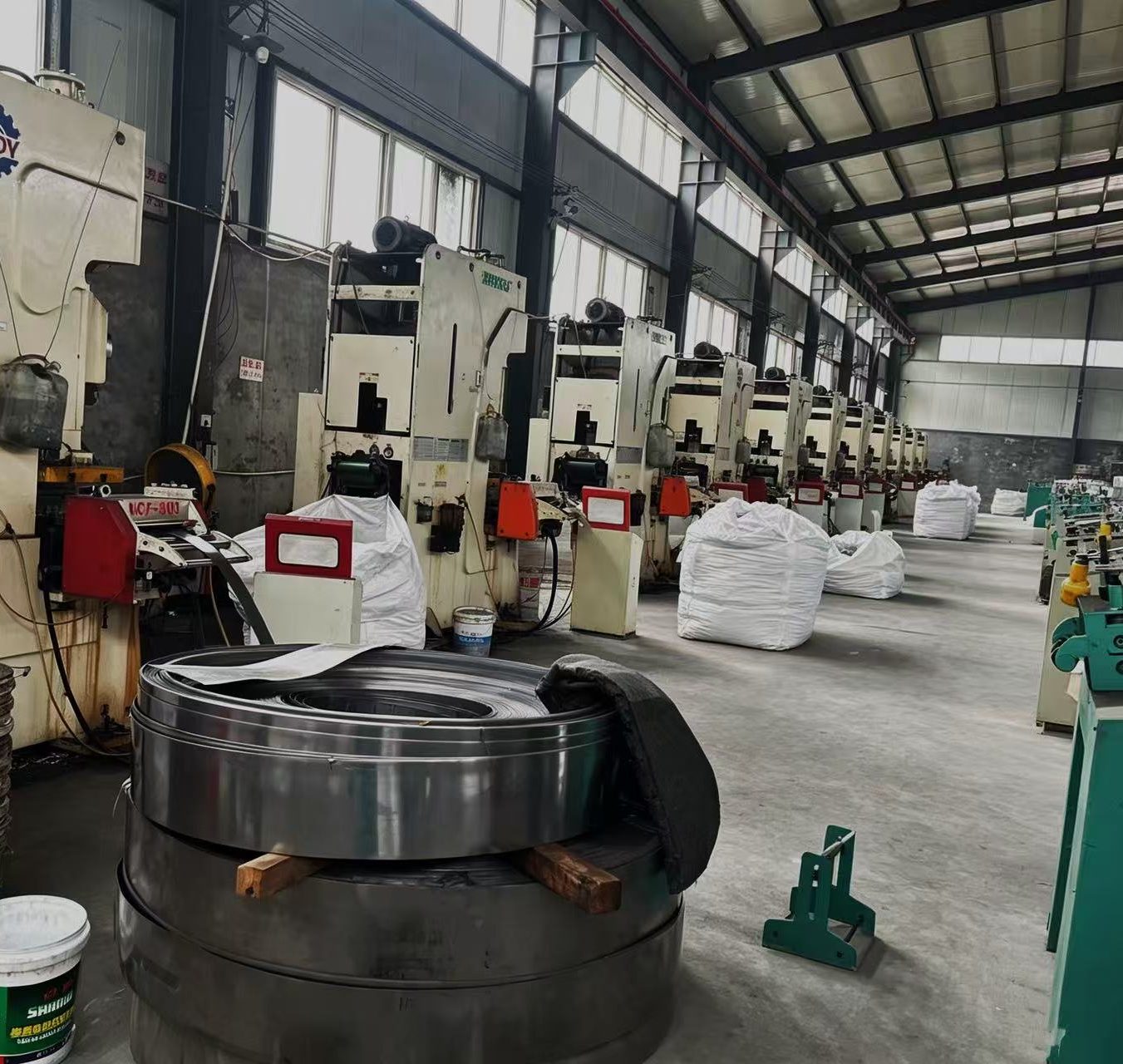
We have invested significantly in scientific research and high-tech talent introduction. Our facility utilizes automated cold-heading machines and precision threading equipment to ensure every bolt and sleeve meets exact specifications. This investment in technology allows us to maintain consistency across large batch orders, a critical factor for B2B buyers.
Rigorous Testing Methods
Quality control is embedded in every stage of our process. We employ perfect testing methods to evaluate:
- Tensile Strength: Ensuring the bolt does not break under maximum load.
- Expansion Performance: Verifying that the sleeve expands uniformly without cracking.
- Corrosion Resistance: Salt spray testing for zinc-plated and stainless steel variants.
- Thread Integrity: Checking for gauge compliance to ensure nuts fit smoothly.
Our adherence to the “quality first, customer first” principle means that every shipment undergoes final inspection before leaving our factory. This diligence has helped us build a reputation for integrity and reliability in over 26 countries.
Selection Guide: Choosing the Right Sleeve Anchor
Selecting the appropriate sleeve anchor involves considering several engineering factors. Our professional technical team recommends evaluating the following parameters before procurement.
1. Base Material Condition
Sleeve anchors perform best in solid concrete, brick, and stone. They are not recommended for hollow blocks or aerated concrete, as the expansion force can crack the material. If the base material is old or cracked, consider using chemical anchors instead.
2. Load Requirements
Determine the static and dynamic loads the anchor must support. Larger diameters (M12, M16) provide higher holding values but require larger drill bits and deeper holes. Always apply a safety factor, typically 4:1 for static loads.
3. Environmental Exposure
For outdoor or humid environments, stainless steel (304 or 316) is mandatory to prevent rust failure. For indoor, dry applications, zinc-plated carbon steel offers a cost-effective solution with sufficient durability.
4. Edge and Spacing Distance
To prevent concrete breakout, maintain minimum distances from the edge of the concrete and between adjacent anchors. A general rule of thumb is to keep the distance from the edge at least 5 times the anchor diameter.
Common Mistakes to Avoid During Installation
Even the highest quality anchor can fail if installed incorrectly. Based on our industry experience, here are common pitfalls to avoid:
- Oversized Holes: Using a worn-out drill bit can create a hole larger than the anchor diameter, preventing proper expansion. Always check bit size.
- Insufficient Hole Depth: If the hole is too shallow, the anchor will not seat fully, leaving the fixture loose.
- Dirty Holes: Failing to clean out dust reduces the friction between the sleeve and the concrete, significantly lowering holding power.
- Overtightening: Applying excessive torque can strip the threads or crush the concrete around the anchor, especially in weaker materials.
Frequently Asked Questions (FAQ)
What is the difference between a sleeve anchor and a wedge anchor?
While both are expansion anchors, a sleeve anchor has a full-length sleeve that expands along its entire body, providing uniform contact. A wedge anchor typically expands only at the tip. Sleeve anchors are generally easier to install in varied hole qualities and offer better performance in slightly oversized holes.
Can sleeve anchors be used in brickwork?
Yes, sleeve anchors can be used in solid brick. However, care must be taken not to overtighten, as brick is more brittle than concrete. It is advisable to drill into the brick body rather than the mortar joint for maximum holding strength.
Do you offer custom specifications for sleeve anchors?
Yes, according to customer needs, we customize special specifications, quality, and quantity. Whether you require non-standard lengths, specific thread pitches, or unique coatings, our flexible production lines can accommodate bespoke orders.
What standards do your products meet?
Our products meet GB, DIN, JIS, ANSI, and other international standards. We provide certification and test reports upon request to ensure compliance with your local building codes.
How do I remove a sleeve anchor?
Removal is difficult once fully expanded. If the nut has not been fully tightened, you may be able to unscrew it and push the anchor out. Otherwise, the anchor must be cut off flush with the surface using a grinder or chiseled out.
Why Partner With Us?
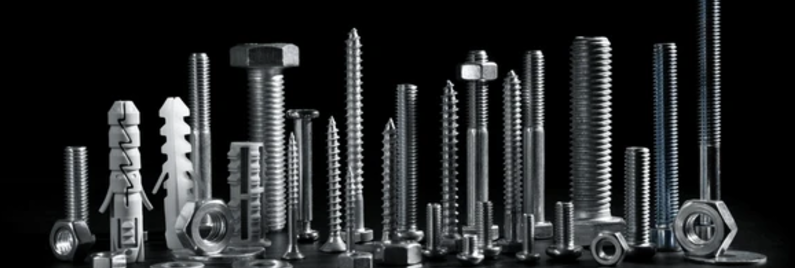
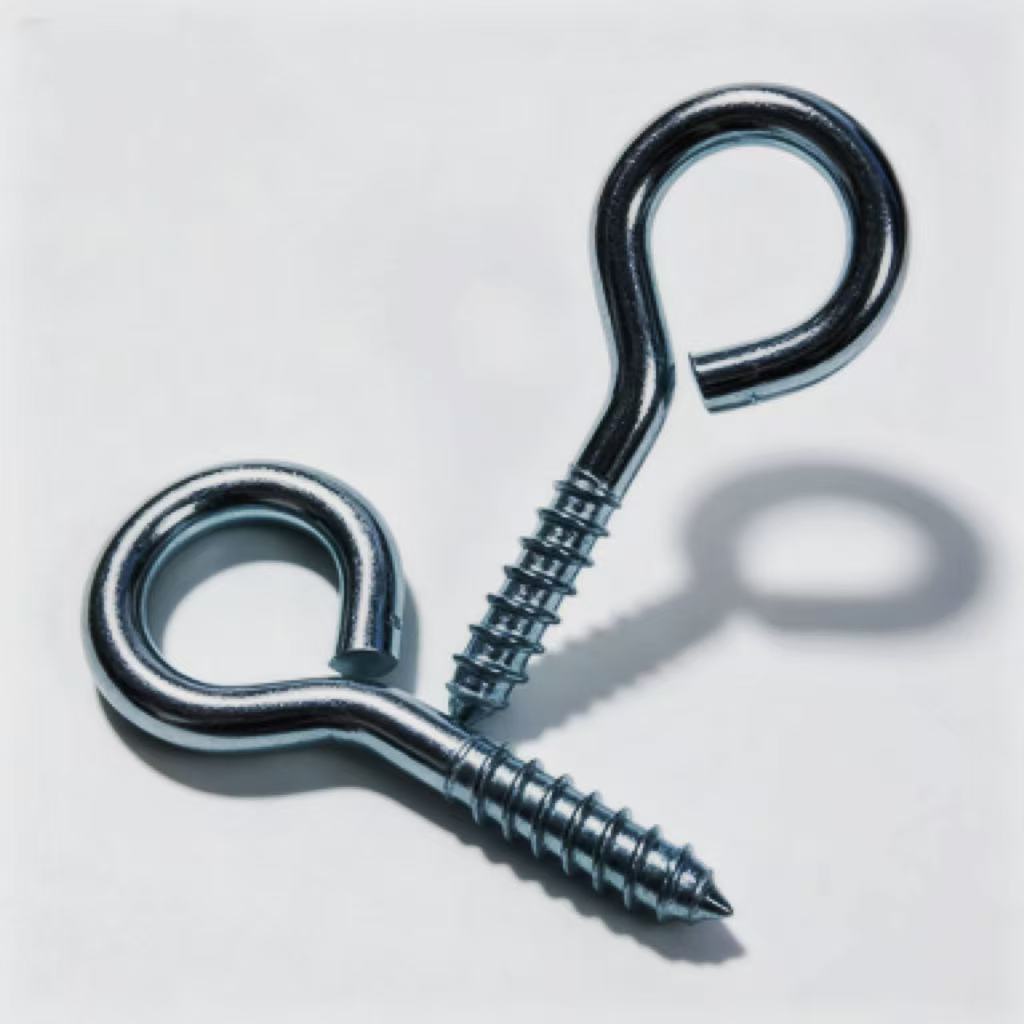
As a global industry and trade combination company, we offer more than just products; we provide comprehensive solutions. Our decade-long experience in the fastener industry has taught us that reliability is paramount. We specialize in the development, manufacturing, trade, and service of fasteners and hardware tools, including casing geckos, wooden teeth welded sheep’s eye screws, and our flagship sleeve anchors.
We attach great importance to the development of new products and adhere to an integrity-based business philosophy. By increasing investment in scientific research and introducing high-tech talents, we stay ahead of industry trends. Our goal is to maintain the company’s reputation and meet the needs of our customers through thoughtful service and superior product quality.
Global Reach, Local Service
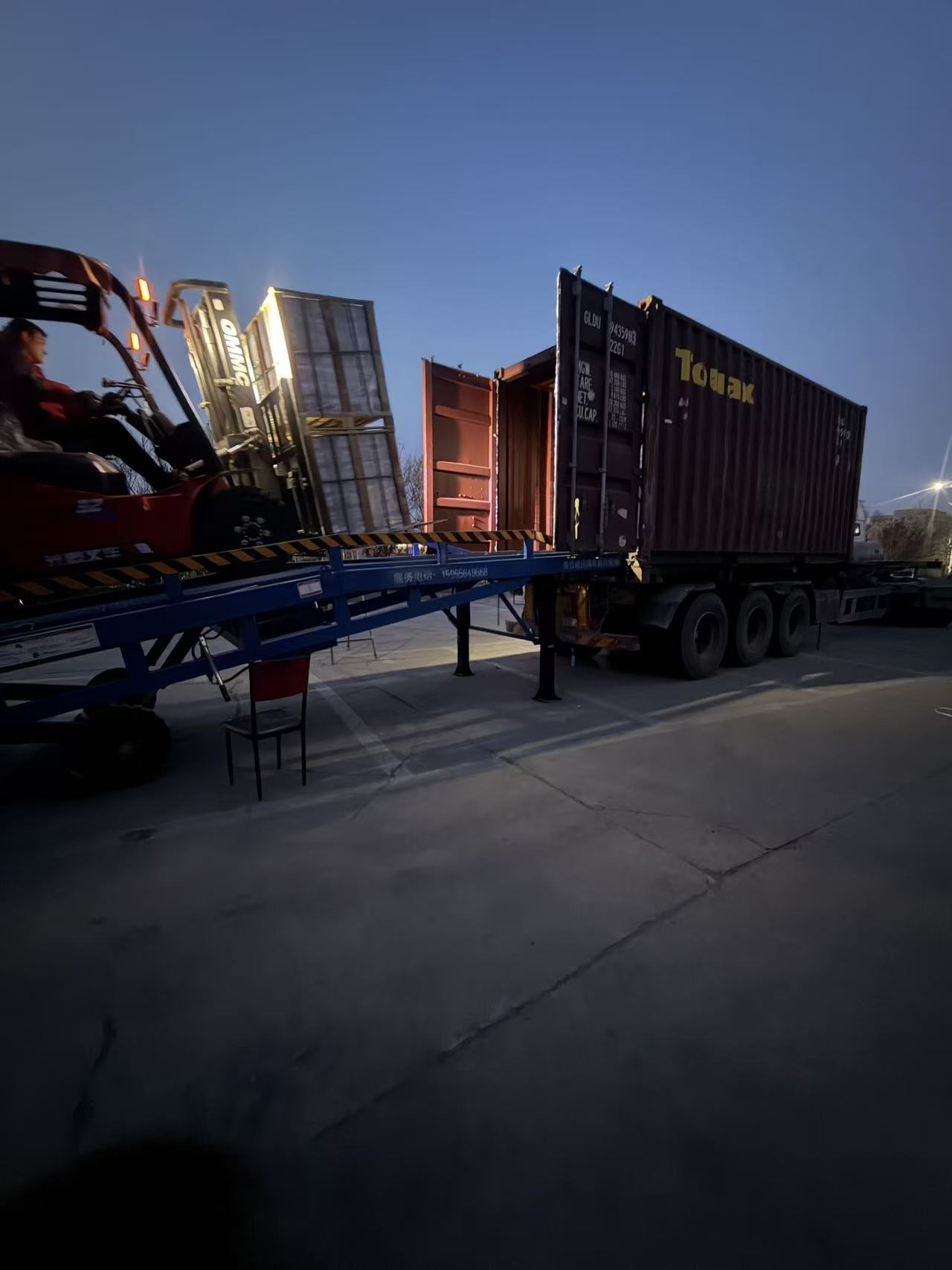
With products sold to more than 26 different countries, we understand the logistical and regulatory challenges of international trade. Our team is equipped to handle export documentation, customs compliance, and shipping logistics, ensuring a smooth transaction from Handan to your doorstep.
Conclusion and Next Steps
Sleeve anchors with hex bolts or hex nuts are indispensable for secure, heavy-duty fastening in concrete and masonry. Their mechanical simplicity, combined with high holding power, makes them a preferred choice for construction and industrial applications. By choosing a manufacturer with proven expertise, rigorous quality control, and international standard compliance, you mitigate risk and ensure project longevity.
Whether you need standard M6-M20 anchors for immediate stock or custom-engineered solutions for a specialized project, our team is ready to assist. We combine competitive pricing with the technical depth required for complex B2B procurement.
Ready to secure your next project?
Contact our technical sales team today to discuss your specific requirements, request a quote, or obtain detailed technical data sheets. Let us provide you with high-quality products and competitive prices tailored to your needs.
Explore our full range of fasteners and hardware tools