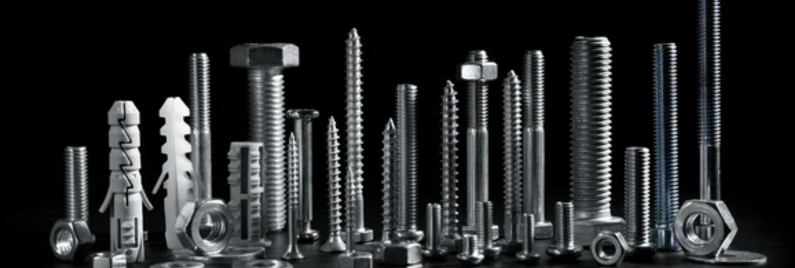
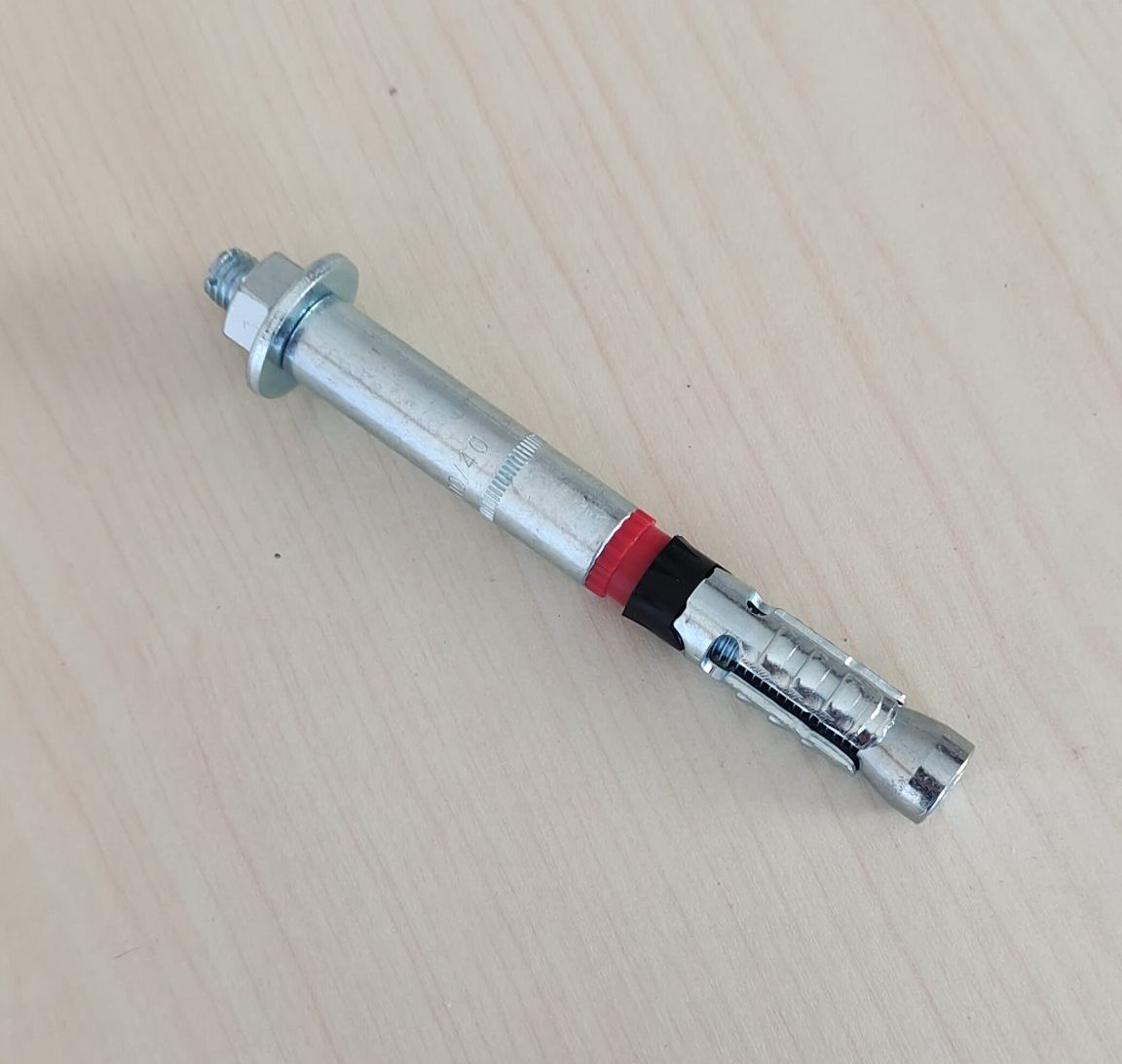
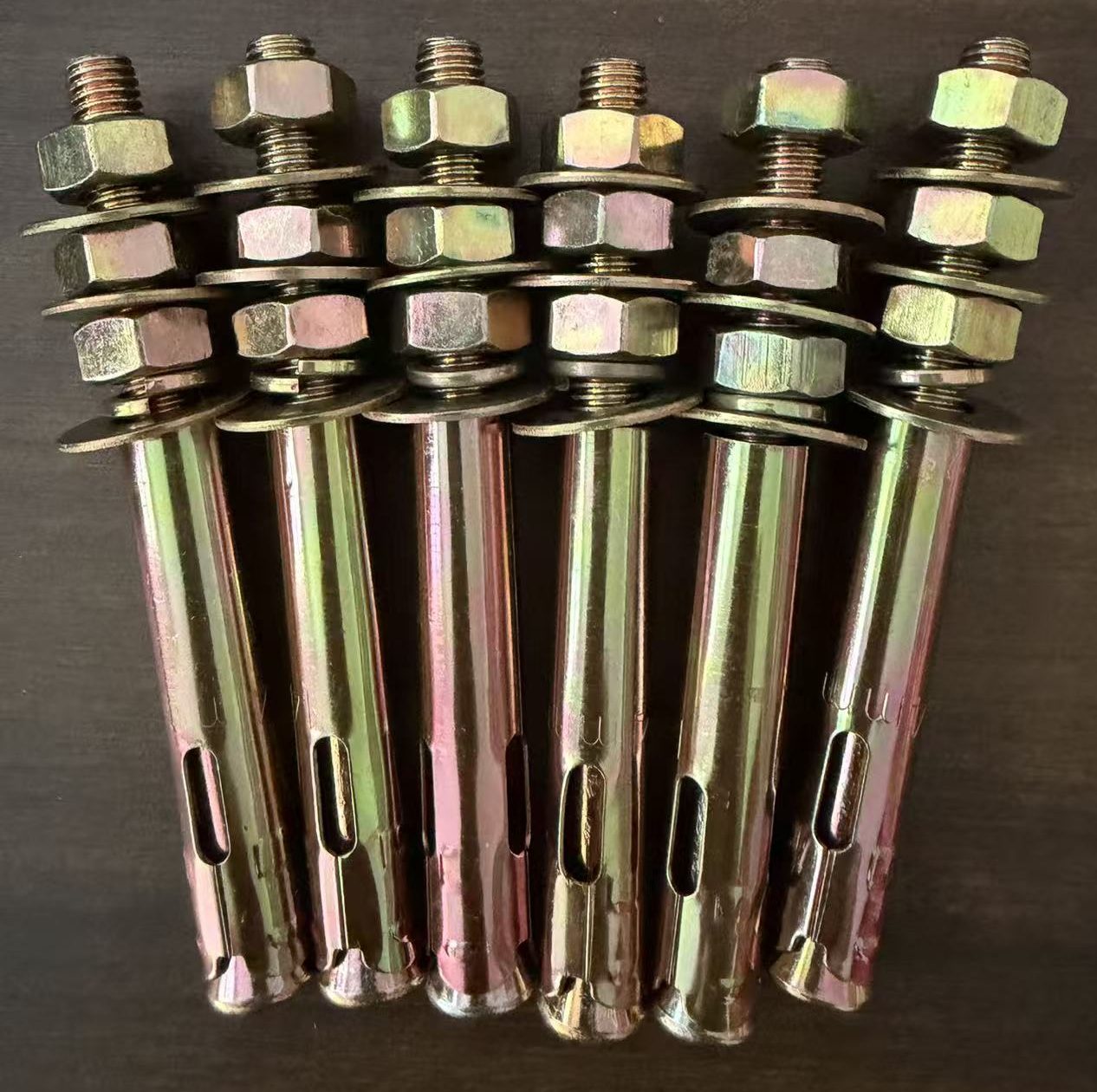
A Cover Nut is a specialized fastener component designed to shield exposed threads, enhance aesthetic appeal, and provide critical protection against environmental factors like corrosion and debris. In the 2026 industrial landscape, selecting the right cover nut involves balancing material durability, installation efficiency, and specific application requirements. This guide details the types, uses, and expert insights necessary for making informed decisions in modern assembly and manufacturing processes.
What Is a Cover Nut and How Does It Function?
A Cover Nut, often referred to as a cap nut or acorn nut in general terminology, serves a dual purpose in mechanical assemblies. Primarily, it acts as a protective barrier over the protruding threads of a bolt or stud. Secondly, it provides a finished, smooth surface that prevents injury from sharp edges and improves the visual quality of the final product.
The fundamental mechanism involves an internal threading that matches standard bolt pitches, combined with a closed dome or flat top. Unlike standard hex nuts, the Cover Nut encloses the end of the bolt entirely. This design is crucial in industries where exposed metal threads could lead to rust initiation, fluid leakage, or accidental snagging on clothing and machinery.
In recent years, the engineering focus has shifted towards high-performance polymers and advanced alloy coatings. These materials ensure that the Cover Nut maintains its integrity under extreme temperatures and chemical exposure. The functionality extends beyond simple coverage; it often includes sealing properties when paired with integrated gaskets or O-rings.
The Evolution of Cover Nut Technology
Historically, cover nuts were simple stamped metal caps. However, current mainstream solutions utilize precision molding and multi-material construction. Industry experts note a significant trend towards lightweight composites that do not compromise on tensile strength. This evolution reflects the broader industry push for efficiency and longevity in mechanical systems.
Modern manufacturing techniques allow for tighter tolerances, ensuring a snug fit that resists vibration loosening. The integration of locking features within the Cover Nut design has become a standard expectation in automotive and aerospace sectors. These advancements highlight the transition from passive components to active safety elements.
Comprehensive Types of Cover Nuts in 2026
Selecting the appropriate Cover Nut requires a deep understanding of the available variations. The market currently offers a diverse range of types, each engineered for specific environmental conditions and load requirements. Understanding these distinctions is vital for engineers and procurement specialists.
Material-Based Classifications
The material composition defines the primary capabilities of a Cover Nut. The choice depends heavily on the operating environment, including exposure to moisture, chemicals, and temperature fluctuations.
- Stainless Steel Cover Nuts: Ideally suited for corrosive environments such as marine applications and food processing plants. They offer excellent resistance to oxidation and maintain structural integrity over long periods.
- Nylon and Plastic Variants: These are lightweight and electrically insulating. They are frequently used in electronics and situations where metal-to-metal contact must be avoided to prevent galvanic corrosion.
- Brass and Bronze Options: Preferred for their aesthetic appeal and moderate corrosion resistance. These are common in decorative architectural fixtures and plumbing applications.
- High-Temperature Alloys: Designed for engine compartments and industrial furnaces, these variants withstand thermal cycling without deforming or losing their seal.
Design and Geometry Variations
Beyond materials, the geometric design of the Cover Nut dictates its installation method and protective capacity. Different profiles serve distinct functional needs.
- Domed (Acorn) Style: The most common type, featuring a rounded top that sheds water and debris effectively. This shape minimizes stress concentrations and offers a premium look.
- Flat Top Cover Nuts: Used when a flush surface is required or when space constraints prevent the use of a domed profile. They are often utilized in conveyor systems and tight enclosures.
- Extended Shank Models: These feature a longer internal cavity to accommodate bolts with extra thread length or to provide additional insulation depth.
- Flanged Cover Nuts: Incorporating a wide base, these distribute clamping force over a larger area, reducing the risk of damaging soft substrates during tightening.
Detailed Comparison of Cover Nut Specifications
To assist in the selection process, the following table contrasts the key characteristics of common Cover Nut types. This comparison highlights the trade-offs between durability, weight, and cost, enabling a data-driven approach to component selection.
| Type |
Primary Material |
Corrosion Resistance |
Temperature Range |
Ideal Application |
| Standard Domed |
Carbon Steel (Zinc Plated) |
Moderate |
-40°C to 120°C |
General Machinery, Automotive Interiors |
| Marine Grade |
316 Stainless Steel |
Excellent |
-50°C to 400°C |
Boat Fittings, Coastal Infrastructure |
| Insulating Cap |
Nylon 6/6 |
High (Chemical) |
-30°C to 85°C |
Electrical Panels, PCB Mounting |
| High-Heat Shield |
Inconel Alloy |
Superior |
Up to 700°C |
Exhaust Systems, Turbine Engines |
| Decorative Finish |
Polished Brass |
Good (Indoor) |
-20°C to 150°C |
Furniture, Architectural Hardware |
This table illustrates that no single Cover Nut fits all scenarios. The decision matrix must account for the specific environmental stresses the assembly will face. For instance, while nylon offers superior electrical isolation, it cannot match the thermal limits of Inconel alloys.
Step-by-Step Guide to Installing Cover Nuts
Proper installation is critical to ensuring the Cover Nut performs as intended. Incorrect torque application or misalignment can compromise the seal and lead to premature failure. Follow this expert-derived procedure for optimal results.
Preparation and Inspection
Before installation, inspect the bolt threads for any damage, dirt, or burrs. Clean threads ensure smooth engagement and prevent cross-threading. Verify that the Cover Nut internal threads match the bolt pitch and diameter exactly. Using mismatched components can strip threads and weaken the joint.
Check the interior of the Cover Nut for any manufacturing debris or molding flash. In high-precision applications, a quick visual inspection can prevent contamination of sensitive systems. Ensure the seating surface of the base material is clean and flat.
Installation Procedure
- Hand Tightening: Begin by threading the Cover Nut onto the bolt by hand. Rotate clockwise until resistance is felt. This step ensures proper alignment before applying tools.
- Tool Selection: Choose a wrench or socket that fits the external hexagon of the nut perfectly. Avoid adjustable pliers which can round off the corners, making future removal difficult.
- Torque Application: Apply torque gradually and evenly. Refer to the manufacturer’s torque specifications for the specific material and size. Over-tightening can crack plastic nuts or deform metal ones.
- Final Verification: Once tightened, verify that the bolt end does not bottom out prematurely inside the cap unless designed to do so. The nut should sit flush against the mounting surface.
- Seal Check: If the Cover Nut includes an integrated gasket, ensure it is compressed uniformly around the circumference to guarantee a watertight seal.
Post-Installation Maintenance
Periodic inspection of installed Cover Nut units is recommended, especially in vibrating environments. Look for signs of loosening, cracking, or corrosion creep. Re-torquing may be necessary after the initial operational cycle to account for material settling.
Key Advantages and Limitations Analysis
Understanding the strengths and weaknesses of using a Cover Nut helps in evaluating whether it is the right solution for a specific project. While they offer substantial benefits, there are scenarios where alternative fastening methods might be considered.
Core Advantages
The primary benefit of the Cover Nut is enhanced safety. By covering sharp thread ends, it significantly reduces the risk of cuts and snags for personnel working near machinery. This is particularly important in consumer-facing products and public infrastructure.
Corrosion protection is another major advantage. Exposed threads are vulnerable points where rust often begins, potentially spreading to the entire bolt. The Cover Nut creates a physical barrier against moisture, salt, and aggressive chemicals, extending the lifespan of the fastening system.
Aesthetically, these components provide a clean, finished look that standard nuts cannot achieve. In industries like automotive trim, furniture, and architectural hardware, the visual finish is a critical selling point. The smooth dome reflects light and hides the mechanical complexity underneath.
Potential Limitations
One limitation is the added height requirement. A Cover Nut is taller than a standard hex nut due to the capped top. In designs with extremely tight vertical clearance, this extra dimension might necessitate a redesign of the surrounding components.
Additionally, certain plastic variants may have lower torque limits compared to all-metal nuts. In high-vibration applications without secondary locking mechanisms, there is a risk of loosening over time. Engineers must account for this by specifying prevailing torque types or using thread-locking adhesives where appropriate.
Critical Applications Across Industries
The versatility of the Cover Nut allows it to serve pivotal roles across a wide spectrum of industries. From heavy machinery to delicate electronic devices, its application demonstrates its fundamental importance in modern engineering.
Automotive and Transportation
In the automotive sector, Cover Nut units are ubiquitous. They are used on wheel hubs, engine covers, and interior trim panels. The ability to withstand road salts, oil splashes, and temperature swings makes them indispensable. Furthermore, they prevent passengers from injuring themselves on exposed bolts within the cabin.
The transportation industry also utilizes these components in rail and aerospace applications. Here, the focus is on weight reduction and fire resistance. Specialized alloys and high-grade polymers are selected to meet rigorous safety standards while providing necessary thread protection.
Construction and Architecture
Architectural installations rely heavily on the aesthetic qualities of Cover Nut products. Facade fixings, handrails, and glass support systems often feature polished brass or stainless steel caps. These not only protect the structural integrity of the building but also contribute to the overall design language.
In outdoor construction, the weatherproofing capability is paramount. Bridges, signage, and playground equipment utilize heavy-duty covered nuts to resist UV degradation and moisture ingress. This ensures long-term stability with minimal maintenance requirements.
Electronics and Consumer Goods
For electronics, non-conductive nylon Cover Nut options are essential. They prevent short circuits by isolating live components from grounded chassis parts. Their lightweight nature also contributes to the overall portability of consumer devices.
In household appliances and furniture, these nuts provide a user-friendly interface. They eliminate rough edges that could damage fabrics or skin. The smooth finish also simplifies cleaning, as there are no crevices for dust and grime to accumulate.
Expert Insights for Selecting the Right Cover Nut
Choosing the correct Cover Nut goes beyond picking a size. Industry veterans emphasize a holistic approach that considers the entire lifecycle of the product. Making the right choice initially can save significant costs in maintenance and replacements later.
Environmental Compatibility
Always assess the chemical environment. If the application involves exposure to solvents, acids, or bases, verify the chemical resistance chart of the Cover Nut material. Standard plastics may degrade quickly in harsh chemical settings, whereas specialized fluoropolymers might be required.
Consider the thermal cycle. Will the component experience rapid heating and cooling? Materials with different coefficients of thermal expansion can cause the nut to loosen or crack if not matched correctly with the bolt material. Expert consensus suggests testing prototypes under simulated thermal stress.
Load and Vibration Considerations
Evaluate the dynamic loads the joint will endure. In high-vibration environments, a standard Cover Nut may not suffice without additional locking features. Look for models with nylon inserts or deformed threads that provide prevailing torque to resist rotation.
Static load capacity is also crucial. Ensure the wall thickness of the cap is sufficient to handle the clamping force without collapsing. Thinner-walled decorative nuts should never be used in structural applications where high preload is necessary.
Regulatory and Compliance Standards
Many industries have strict regulatory requirements regarding fasteners. Automotive and aerospace sectors often mandate compliance with specific ISO or ASTM standards. Ensure the selected Cover Nut meets these certifications to avoid legal and safety liabilities.
For food and medical applications, materials must be FDA-compliant and non-toxic. Stainless steel grades like 316L are commonly specified to ensure hygiene and ease of sterilization. Never compromise on material certification in regulated industries.
Industry Leadership in Fastener Manufacturing
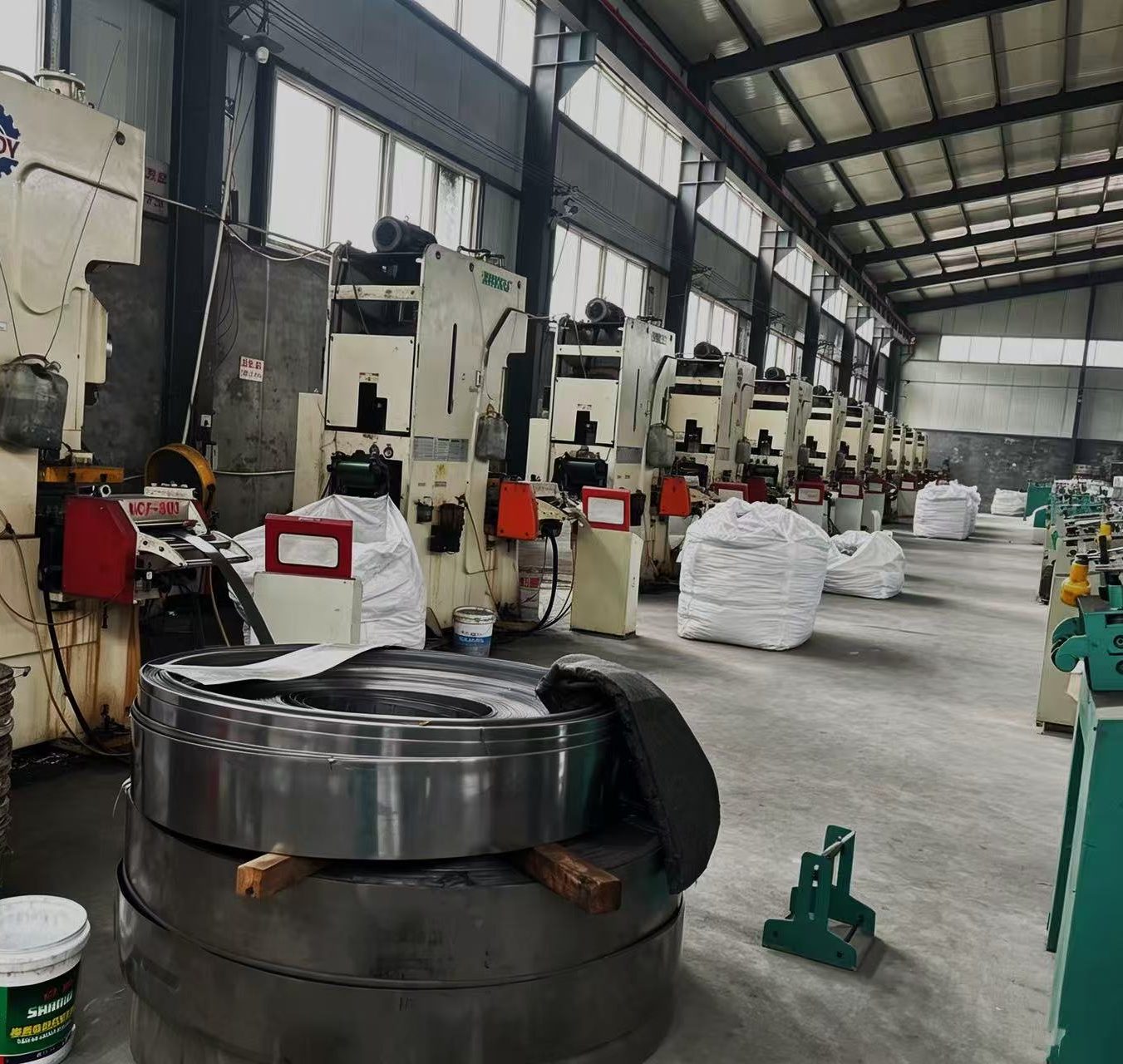
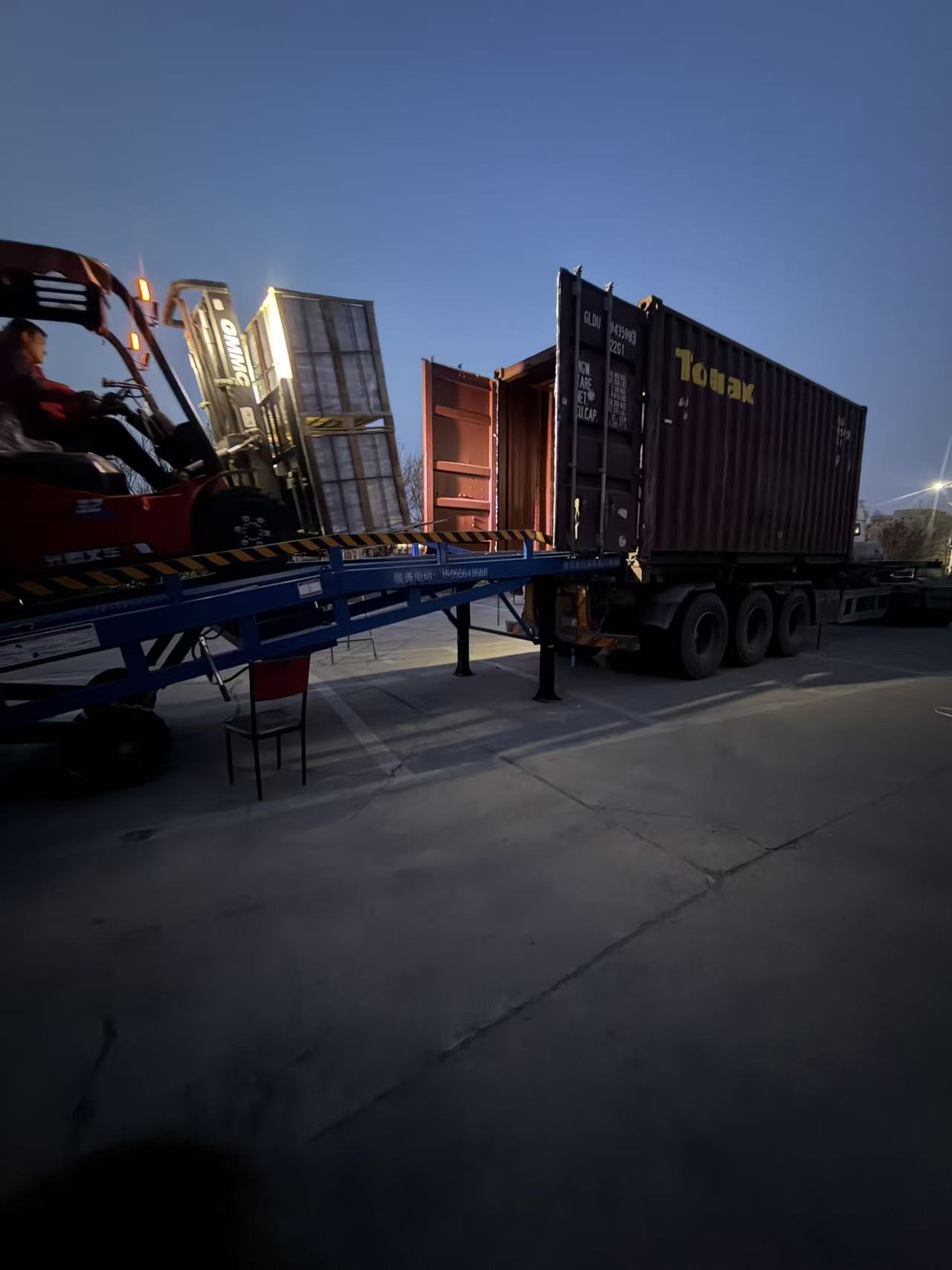
As the demand for high-quality Cover Nut solutions grows globally, partnering with experienced manufacturers becomes essential. Leading the charge in this sector is a prominent global industry and trade combination company based in Handan, Hebei, China—a city renowned as a hub for fastener manufacturing. With over a decade of industry experience, this company specializes in the development, manufacturing, trade, and service of comprehensive fastener and hardware tool solutions.
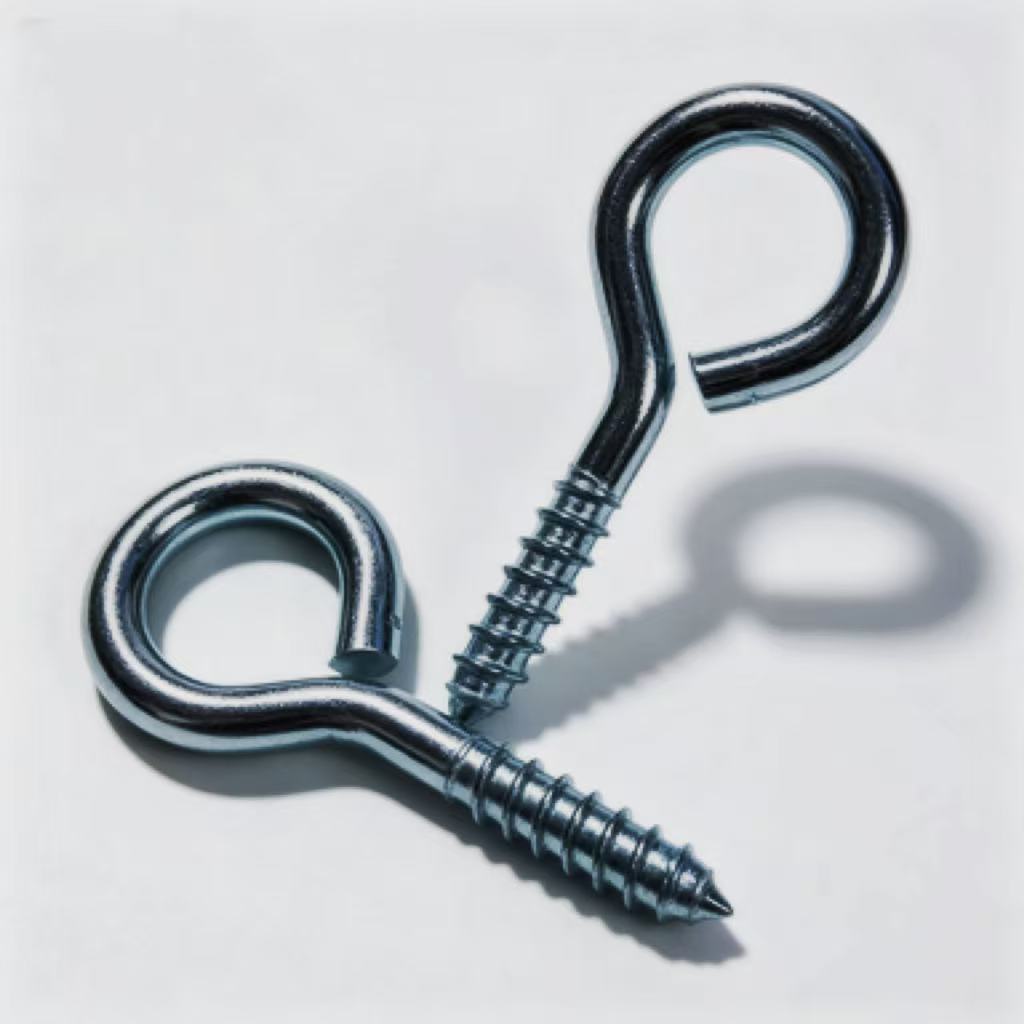
Their expertise extends beyond standard offerings to include specialized products such as casing geckos and wooden teeth welded sheep’s eye screws/bolts, demonstrating a commitment to diverse engineering needs. Serving clients in more than 26 countries, the company prioritizes innovation through significant investment in scientific research and the recruitment of high-tech talent. By utilizing advanced production technologies and rigorous testing methods, they ensure every product meets international standards including GB, DIN, JIS, and ANSI.
What sets this manufacturer apart is their dedicated professional technical team and state-of-the-art machinery, allowing them to deliver high-quality products at competitive prices. They excel in customization, tailoring special specifications, quality levels, and quantities to meet unique customer requirements. Adhering to a philosophy of “quality first, customer first,” the company maintains its reputation by providing thoughtful service and reliable products that stand up to the demanding criteria outlined in this guide.
Frequently Asked Questions About Cover Nuts
Addressing common queries helps clarify uncertainties surrounding the specification and use of Cover Nut components. Below are answers to frequent questions encountered by engineers and DIY enthusiasts alike.
Can a Cover Nut be reused?
Reusability depends on the material and condition. Metal Cover Nut units can generally be reused if the threads are undamaged and the cap is not dented. However, nylon insert lock nuts lose their gripping power after removal and should typically be replaced to ensure safety.
What is the difference between a Cap Nut and a Cover Nut?
While terms are often used interchangeably, a subtle distinction exists. A “Cap Nut” usually refers specifically to the domed, acorn-style variant. A Cover Nut is a broader term that encompasses domed, flat, and extended styles. Functionally, they serve the same purpose of covering threads.
How do I remove a stuck Cover Nut?
If a Cover Nut is seized due to corrosion, apply a penetrating oil and let it sit. Use a properly sized socket to avoid rounding the edges. If necessary, carefully cut a slot into the dome using a rotary tool to apply screwdriver leverage, taking care not to damage the underlying bolt threads.
Are there waterproof Cover Nut options?
Yes, many Cover Nut designs incorporate integrated rubber gaskets or O-rings at the base. When tightened correctly, these create a watertight seal that prevents moisture from reaching the bolt threads. These are essential for outdoor and marine applications.
Does the color of a plastic Cover Nut affect its performance?
Generally, the color is cosmetic and does not impact mechanical performance. However, in outdoor applications, darker colors may absorb more heat, potentially affecting the material’s thermal properties slightly. UV-stabilized additives are more critical than pigment for long-term durability.
Future Trends in Cover Nut Manufacturing
Looking ahead to 2026 and beyond, the Cover Nut industry is poised for innovation driven by sustainability and smart manufacturing. The shift towards eco-friendly materials is accelerating, with bio-based polymers gaining traction as viable alternatives to traditional petroleum-based plastics.
Smart fastening technology is also emerging. Although still in early stages, research is underway to integrate sensors within Cover Nut housings to monitor torque levels and detect loosening in real-time. This could revolutionize predictive maintenance in critical infrastructure.
Additive manufacturing, or 3D printing, allows for customized Cover Nut geometries that were previously impossible to produce cost-effectively. This enables engineers to design bespoke solutions for unique spatial constraints without the need for expensive tooling changes.
Conclusion and Strategic Recommendations
The Cover Nut is far more than a simple cosmetic accessory; it is a critical component that ensures safety, durability, and performance in countless applications. From protecting threads against corrosive elements to enhancing the visual appeal of finished products, its role is indispensable in modern engineering.
For professionals selecting these components, the key takeaway is to prioritize compatibility with the specific operating environment. Whether choosing high-grade stainless steel for marine use or insulated nylon for electronics, the right choice mitigates risk and extends product life. Always consider factors such as thermal exposure, chemical resistance, and vibration levels.
Who should use this guide? This information is essential for mechanical engineers, procurement managers, maintenance technicians, and product designers involved in assembly processes. By leveraging these insights, stakeholders can make informed decisions that align with quality standards and operational goals.
As you move forward with your projects, evaluate your current fastening strategies. Are your existing Cover Nut selections optimized for longevity and safety? Take the next step by auditing your inventory against the criteria outlined in this guide. Ensuring you have the correct specifications today prevents costly failures tomorrow.