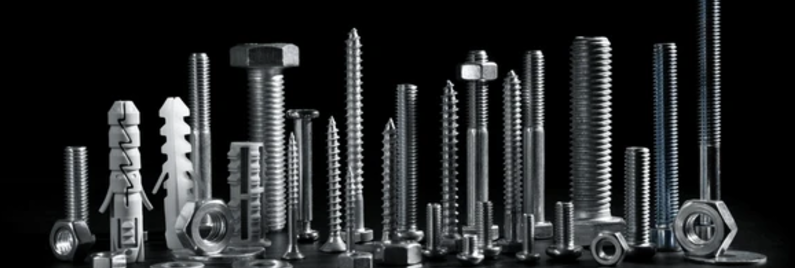
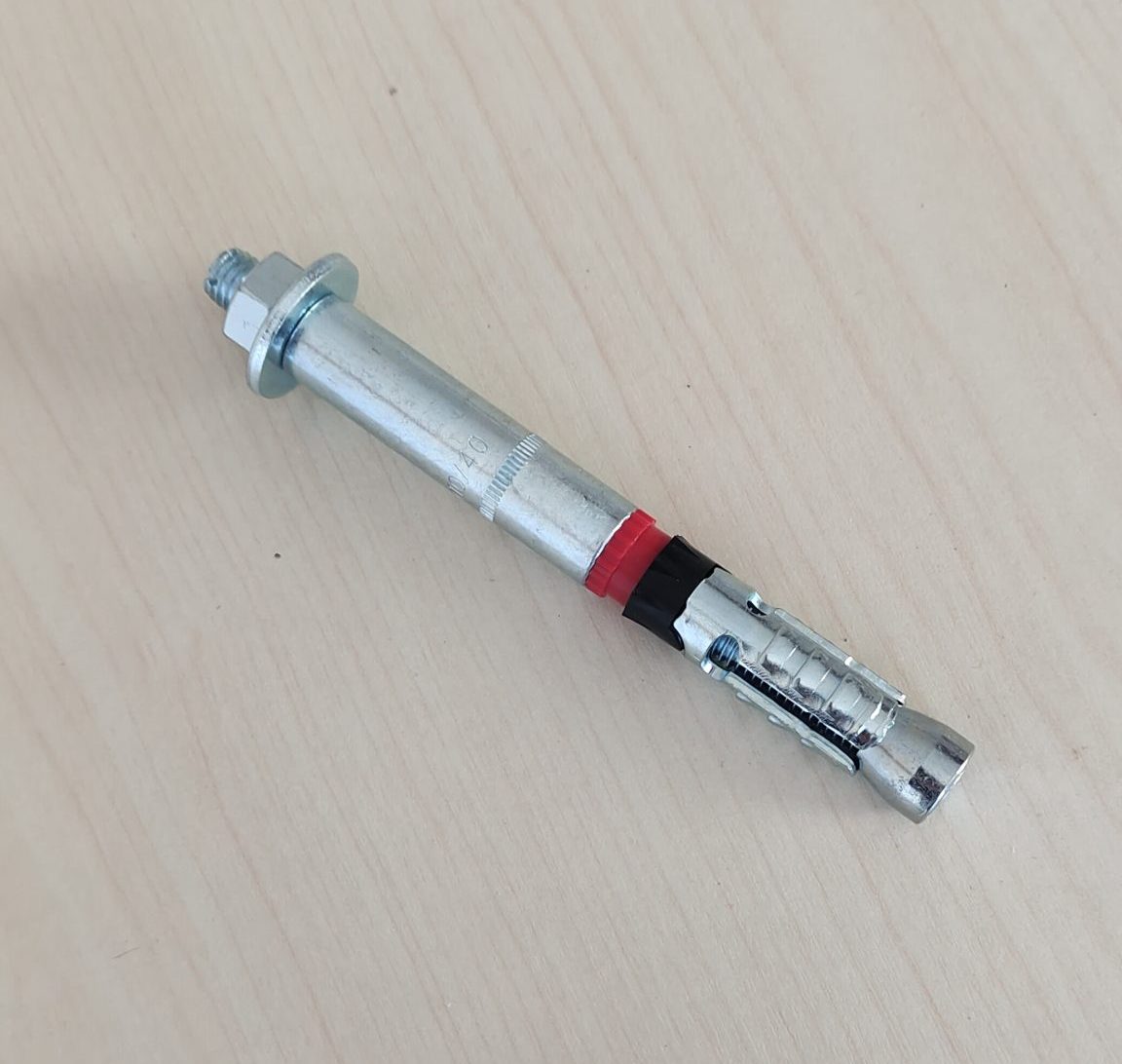
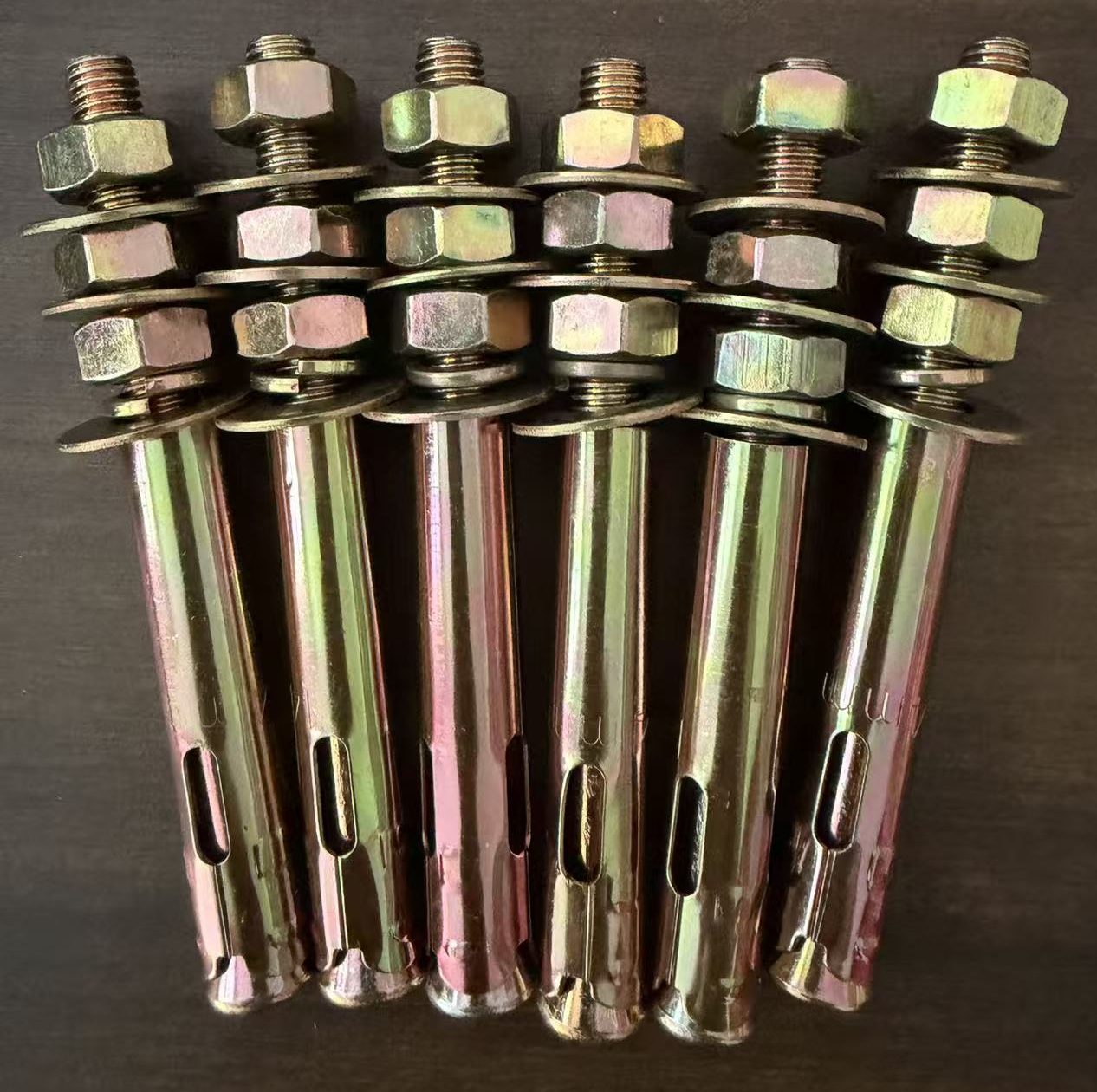
As a leading custom metal fasteners manufacturer, we specialize in delivering high-precision, OEM factory-direct solutions tailored to complex engineering requirements. Unlike standard off-the-shelf hardware, our custom manufacturing process ensures exact adherence to your specific dimensions, material grades, and performance standards. From aerospace-grade titanium bolts to heavy-duty industrial anchors, we bridge the gap between design concepts and reliable mechanical reality through advanced machining and rigorous quality control.
What Defines a Professional Custom Metal Fasteners Manufacturer?
The term custom metal fasteners manufacturer refers to a specialized industrial partner capable of producing non-standard connecting elements based on unique client specifications. While general suppliers stock common sizes and threads, a true custom manufacturer possesses the engineering agility to create components that do not exist in any catalog.
This distinction is critical for industries where standard parts fail to meet safety, spatial, or load-bearing constraints. The core capability lies not just in cutting metal, but in understanding the interplay between material science, thread geometry, and application stress.
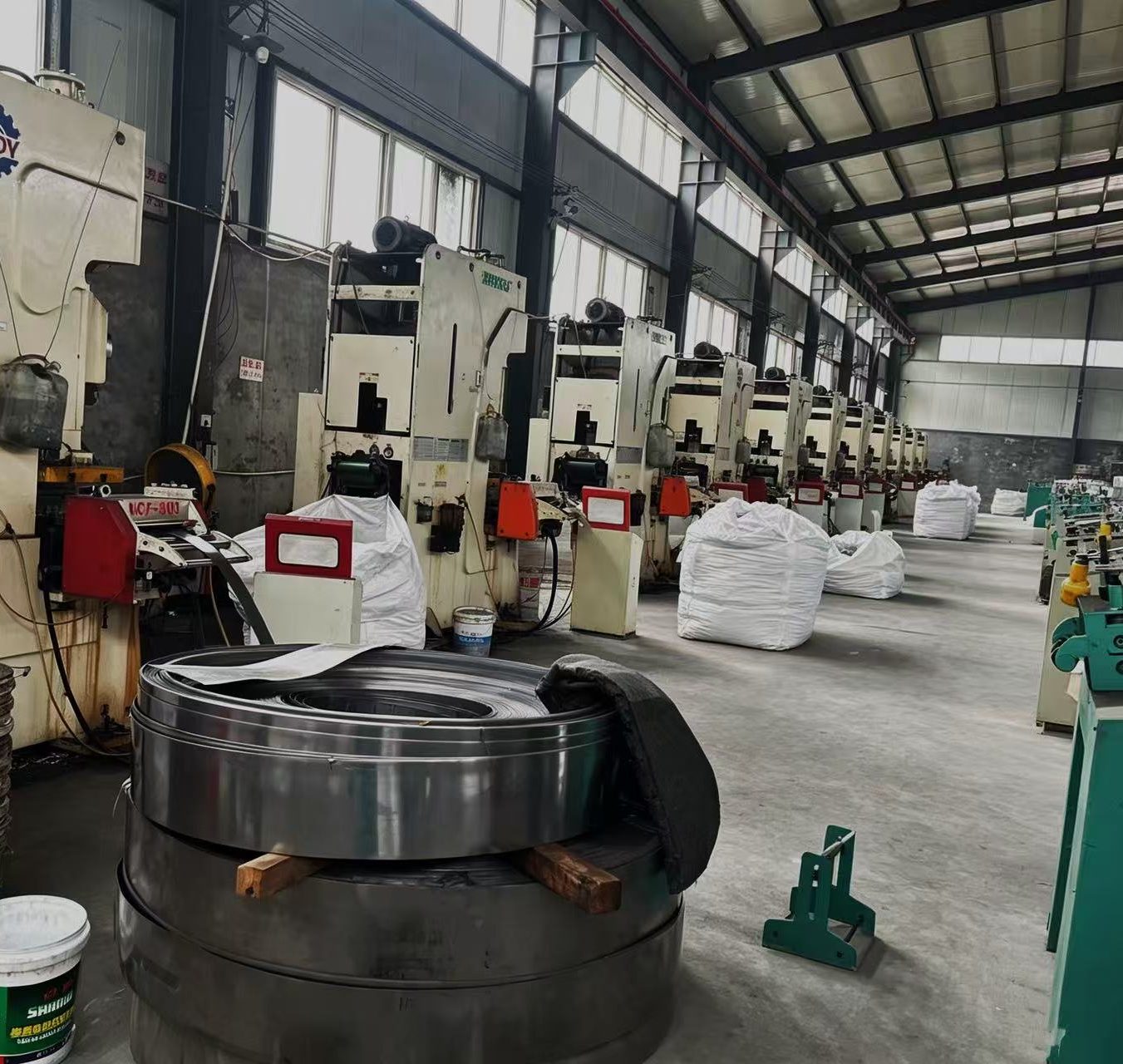
Our facility operates as a direct OEM source, eliminating intermediaries to ensure tighter communication loops between your engineering team and our production floor. This direct line is essential for iterating designs rapidly and maintaining strict confidentiality over proprietary component shapes. Located in Handan, Hebei—China’s premier hub for fastener manufacturing—we leverage over a decade of industry experience to serve clients in more than 26 countries. As a global industry and trade combination company, we integrate development, manufacturing, and service to provide a seamless supply chain experience. Our commitment to innovation drives us to invest heavily in scientific research and high-tech talent, ensuring our production technologies and testing methods remain at the forefront of the industry.
The Difference Between Standard and Custom Solutions
Standard fasteners are mass-produced to general industry norms, often sacrificing optimal performance for cost efficiency. In contrast, custom solutions are engineered from the ground up. They address specific failure points such as vibration loosening, corrosion in harsh environments, or space limitations in compact assemblies.
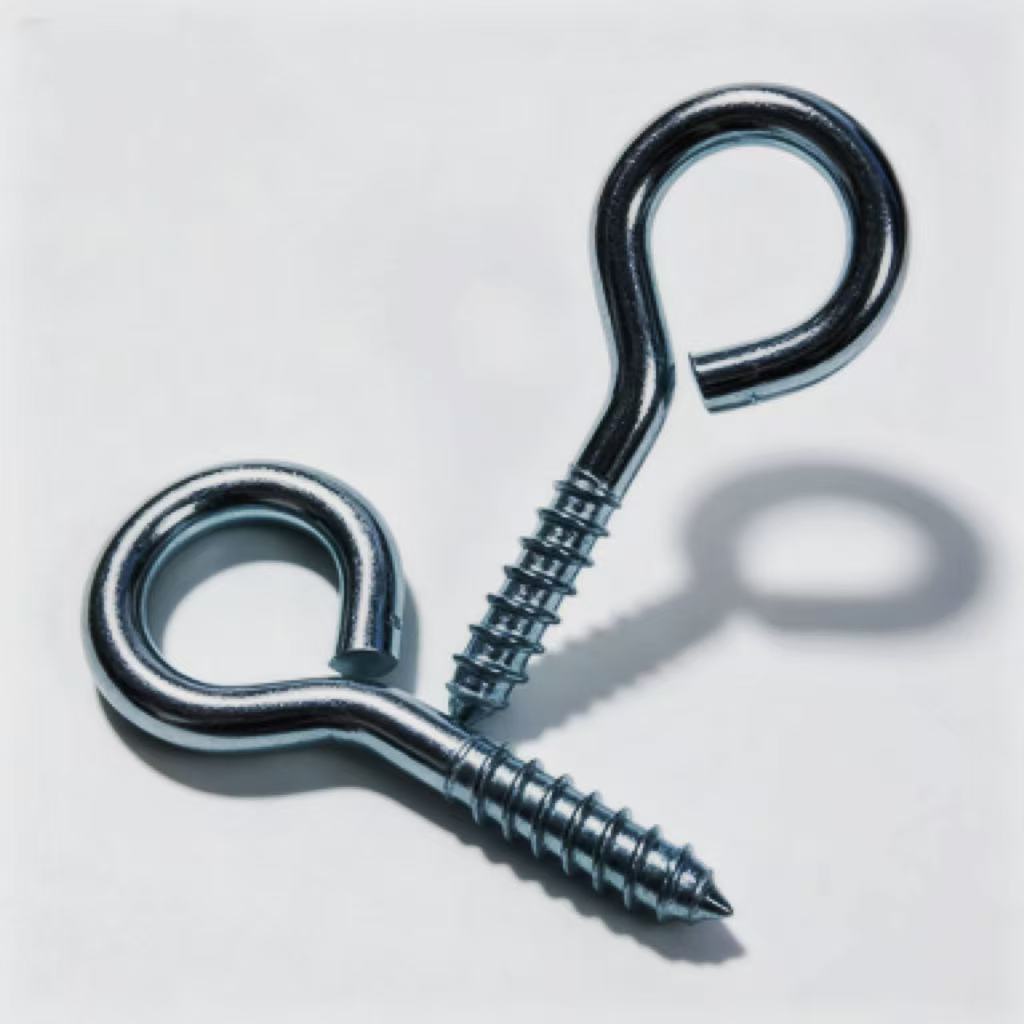
When a project demands a unique head style, a non-standard thread pitch, or a specific alloy blend, relying on modified stock parts can introduce structural weaknesses. A dedicated custom metal fasteners manufacturer utilizes raw material billets to forge or machine parts that maintain grain flow integrity, ensuring superior tensile strength. Whether you require specialized casing geckos, wooden teeth welded sheep’s eye screws/bolts, or other unique hardware tools, our professional technical team and advanced machinery allow us to customize specifications, quality, and quantity precisely according to your needs. We adhere to international standards including GB, DIN, JIS, and ANSI, guided by our philosophy of “quality first, customer first.”
- Design Freedom: Create entirely new geometries rather than adapting to existing ones.
- Material Specificity: Select exotic alloys like Inconel, Hastelloy, or duplex stainless steels suited for extreme conditions.
- Tolerance Precision: Achieve micron-level accuracy required for medical devices or optical instruments.
- Traceability: Full heat lot tracking and certification from raw material to finished good.
Core Manufacturing Capabilities and Processes
Producing high-quality custom fasteners requires a diverse array of manufacturing technologies. Our factory integrates cold heading, hot forging, CNC machining, and thread rolling to accommodate various production volumes and complexity levels. The choice of process depends heavily on the part geometry, material hardness, and required mechanical properties.
Cold heading is ideal for high-volume runs of simpler shapes, offering excellent material utilization and work-hardening benefits. However, when dealing with large diameters or complex profiles, hot forging becomes the preferred method to reduce forming forces and refine the metal’s microstructure.
For low-volume prototypes or highly intricate designs that cannot be formed, CNC machining provides the necessary flexibility. Although slightly less material-efficient than forging, machining allows for rapid turnaround on one-off pieces without the need for expensive tooling setups.
Cold Heading vs. Hot Forging: Selecting the Right Method
Understanding the nuances between forming methods is vital for cost optimization and performance. Cold heading works the metal at room temperature, which increases yield strength through strain hardening. This process is exceptionally fast and generates minimal waste, making it the industry standard for millions of automotive and electronics fasteners.
Conversely, hot forging involves heating the metal above its recrystallization temperature. This makes the material more pliable, allowing for the creation of larger heads and more complex shapes that would crack under cold conditions. It is the dominant method for heavy-duty structural bolts and high-strength aerospace components.
| Feature |
Cold Heading |
Hot Forging |
CNC Machining |
| Best For |
High volume, smaller diameters |
Large diameters, complex shapes |
Low volume, prototypes, intricate details |
| Material Strength |
Increased via work hardening |
Refined grain structure, high toughness |
Dependent on raw stock quality |
| Lead Time |
Fast (after tooling setup) |
Moderate |
Very Fast (no tooling needed) |
| Cost Efficiency |
High for mass production |
Moderate to High |
Higher per unit, lower upfront cost |
| Material Waste |
Minimal |
Low |
Moderate to High |
Precision Threading and Surface Finishing
The thread is the functional heart of any fastener. We employ precision thread rolling rather than cutting whenever possible. Rolling displaces the material to form the thread, preserving the grain flow and creating a smoother surface finish that resists fatigue cracking better than cut threads.
Surface finishing is equally critical for longevity. Depending on the operating environment, we apply a range of treatments including zinc plating, hot-dip galvanizing, PTFE coating, or specialized passivation for stainless steels. These coatings are not merely cosmetic; they provide essential barriers against corrosion and can alter friction coefficients for consistent torque-tension relationships.
Material Selection Strategies for Custom Applications
Selecting the correct material is arguably the most decisive factor in the success of a custom fastener application. As an experienced custom metal fasteners manufacturer, we guide clients through a rigorous selection process that balances mechanical requirements, environmental exposure, and budget constraints.
The “best” material does not exist in a vacuum; it is defined by the specific stresses the component will face. A bolt suitable for a dry indoor assembly may catastrophically fail in a marine environment due to chloride-induced stress corrosion cracking.
We maintain extensive inventory of carbon steels, alloy steels, stainless steels, aluminum, brass, copper, and superalloys. Our metallurgists analyze the application parameters to recommend the optimal grade, ensuring the fastener performs reliably throughout its intended lifecycle.
Carbon Steel vs. Stainless Steel vs. Superalloys
Carbon steel remains the workhorse of the industry, offering high strength and cost-effectiveness for general applications. When plated or coated, it serves well in many outdoor scenarios. However, its susceptibility to rust limits its use in corrosive environments without robust protection.
Stainless steel, particularly the 300 and 400 series, provides inherent corrosion resistance. It is the go-to choice for food processing, marine, and architectural applications. While generally having lower tensile strength than hardened alloy steels, precipitation-hardening grades can bridge this gap for demanding uses.
For extreme conditions involving high temperatures or aggressive chemicals, superalloys like Inconel, Monel, and Titanium are indispensable. These materials retain their strength at temperatures where steel would soften and resist acids that would dissolve lesser metals. They are prevalent in aerospace, oil and gas, and chemical processing sectors.
- Carbon/Alloy Steel: High strength, economical, requires coating for corrosion resistance.
- Stainless Steel: Excellent corrosion resistance, good aesthetics, moderate to high strength.
- Aluminum: Lightweight, good conductivity, non-magnetic, lower strength.
- Superalloys (Ti, Inconel): Extreme temperature and corrosion resistance, high cost, specialized machining.
Quality Assurance and Compliance Standards
In the realm of custom manufacturing, trust is built on verifiable data. Our quality assurance protocol goes beyond simple dimensional checks. We implement a comprehensive testing regime that validates chemical composition, mechanical properties, and structural integrity for every production batch.
Every custom order is accompanied by a detailed Inspection Report, often referred to as a Mill Test Certificate (MTC) or Certificate of Conformance (COC). These documents trace the fastener back to the original heat number of the raw material, providing full transparency.
We adhere to internationally recognized standards such as ISO 9001 for quality management systems. Additionally, our processes align with specific industry standards like ASTM, ASME, DIN, and JIS, ensuring that our custom parts integrate seamlessly into global supply chains. Our dedication to perfect testing methods and advanced production technology ensures that we consistently deliver products that meet these rigorous global benchmarks.
Testing Protocols and Certification
To guarantee reliability, we perform a suite of destructive and non-destructive tests. Tensile testing measures the maximum load a fastener can withstand before breaking, while yield testing determines the point at which permanent deformation occurs. Hardness testing ensures the material has been heat-treated correctly to achieve the desired balance of strength and ductility.
For critical applications, we offer salt spray testing to validate corrosion resistance coatings and magnetic particle inspection to detect surface cracks. These rigorous steps ensure that the custom metal fasteners manufacturer delivers products that meet or exceed the stringent safety factors required by modern engineering.
| Test Type |
Purpose |
Applicable Standards |
| Tensile Strength Test |
Measures maximum pulling force before failure |
ASTM F606, ISO 898-1 |
| Hardness Test |
Verifies heat treatment and material temper |
ASTM E18, Rockwell/Brinell |
| Salt Spray Test |
Evaluates coating durability against corrosion |
ASTM B117 |
| Chemical Analysis |
Confirms alloy composition matches specification |
ASTM E1086 |
| Dimensional Inspection |
Ensures geometric tolerances are met |
ASME Y14.5 |
Step-by-Step Guide to Ordering Custom Fasteners
Navigating the custom manufacturing process can seem daunting, but a structured approach ensures efficiency and accuracy. Working with a professional custom metal fasteners manufacturer involves a collaborative workflow designed to translate your needs into physical reality.
The journey begins with a clear definition of requirements. Vague specifications often lead to delays and increased costs. By providing detailed drawings and performance criteria upfront, you enable our engineers to propose the most manufacturable and cost-effective solution immediately.
Once the design is finalized, we move rapidly into prototyping. This stage allows for real-world testing of the custom part before committing to full-scale production, mitigating the risk of design flaws affecting the final assembly.
The Production Workflow Explained
Our streamlined process minimizes lead times without compromising quality. From the initial inquiry to final delivery, each step is monitored closely to maintain schedule integrity. Communication is key; our project managers serve as your single point of contact throughout the lifecycle.
- Step 1: Requirement Analysis: Submit drawings, CAD files, or samples along with application details (load, environment, quantity).
- Step 2: Engineering Review: Our team evaluates feasibility, suggests material optimizations, and provides a formal quotation.
- Step 3: Prototyping: We manufacture a small batch of samples for your approval and testing.
- Step 4: Tooling and Setup: Upon sample approval, we fabricate necessary dies and program machinery for mass production.
- Step 5: Mass Production & QC: Parts are manufactured with in-process inspections at critical stages.
- Step 6: Final Inspection & Shipping: Comprehensive final audit, documentation generation, and secure logistics arrangement.
Industry Applications and Use Cases
The versatility of custom fastening solutions means they are integral to nearly every sector of the modern economy. Each industry presents unique challenges that demand tailored approaches from a custom metal fasteners manufacturer.
In the automotive sector, the trend toward lightweighting requires fasteners made from high-strength aluminum or advanced high-strength steel (AHSS) to reduce vehicle weight while maintaining crash safety. Precision is paramount to ensure automated assembly lines run without interruption.
The aerospace industry represents the pinnacle of fastener technology. Here, components must withstand extreme temperature fluctuations, intense vibration, and immense structural loads. Materials like titanium and nickel-based superalloys are standard, and traceability is non-negotiable.
Solving Challenges in Renewable Energy and Construction
Renewable energy projects, particularly wind turbines and solar farms, operate in some of the harshest environments on earth. Offshore wind installations require fasteners with exceptional corrosion resistance to survive saltwater exposure for decades. Custom lengths and oversized diameters are often needed to secure massive turbine components.
In construction and infrastructure, custom anchors and bolts are frequently required for retrofitting historical buildings or constructing complex architectural features. Standard off-the-shelf options rarely fit the unique load paths and aesthetic requirements of modern landmark structures.
- Aerospace: Lightweight, high-temp alloys with strict traceability.
- Automotive: High-volume, precision parts for EV battery packs and chassis.
- Oil & Gas: Corrosion-resistant alloys for subsea and downhole applications.
- Medical Devices: Miniature, biocompatible fasteners for surgical instruments.
- Electronics: Non-magnetic, conductive fasteners for sensitive circuitry.
Frequently Asked Questions (FAQ)
Prospective clients often have specific concerns regarding the transition from standard to custom sourcing. Addressing these questions upfront helps clarify the value proposition of partnering directly with a factory.
One common misconception is that custom fasteners always entail prohibitive costs and long lead times. While true for certain complexities, modern manufacturing techniques have significantly lowered the barrier to entry for custom solutions, especially for mid-volume runs.
Another frequent topic is intellectual property protection. As an OEM partner, we understand that your designs are your competitive advantage. We enforce strict NDAs and secure data handling protocols to ensure your proprietary information remains confidential.
Common Queries About Custom Manufacturing
What is the minimum order quantity (MOQ) for custom fasteners?
MOQs vary depending on the manufacturing process. For CNC machined parts, we can accommodate very low quantities, even single pieces for prototyping. For cold-headed or forged items, MOQs are typically higher to justify tooling costs, but we strive to offer flexible options for growing businesses.
How long does it take to receive custom fasteners?
Lead times depend on complexity and volume. Prototypes can often be delivered within 1-2 weeks. Full production runs typically range from 4 to 8 weeks, including tooling fabrication and quality testing. Rush services are available for urgent project timelines.
Can you match a discontinued or foreign standard fastener?
Yes. One of our core strengths is reverse engineering. If you have a sample of a discontinued part or a fastener made to an obscure international standard, we can analyze its dimensions and material properties to reproduce it domestically with improved consistency.
Do you provide design assistance?
Absolutely. Our engineering team acts as an extension of your own. We review designs for manufacturability (DFM), suggesting modifications that can reduce cost or improve performance without altering the function of the assembly.
Why Choose Direct Factory Collaboration?
Engaging directly with a custom metal fasteners manufacturer eliminates the inefficiencies of the supply chain middlemen. Distributors and trading companies add layers of cost and communication lag that can hinder project progress. By working factory-direct, you gain direct access to the decision-makers and the production floor.
This direct relationship fosters a deeper understanding of your business needs. We become invested in your success, proactively identifying potential issues in the supply chain or design phase before they become costly problems. It transforms a transactional purchase into a strategic partnership. Rooted in integrity and driven by a goal to maintain our reputation while meeting customer needs, we constantly seek to provide more excellent and thoughtful service.
Furthermore, direct collaboration ensures better pricing stability. Without markup from multiple intermediaries, you receive competitive rates that reflect the true cost of manufacturing plus a fair margin, allowing you to optimize your product’s bill of materials.
The Strategic Advantage of OEM Partnerships
An OEM partnership offers more than just parts; it offers scalability. As your product evolves or demand surges, a direct manufacturer can scale production capacity rapidly. We can adjust shifts, dedicate production lines, and prioritize your orders in ways that general distributors cannot.
Consistency is another major benefit. Dealing with a single source ensures that the tenth thousandth part is identical to the first. This uniformity is crucial for maintaining quality control in your own assembly processes and reducing warranty claims downstream.
- Cost Efficiency: Eliminate distributor markups for better margins.
- Communication Speed: Direct line to engineers reduces misunderstanding and delays.
- Flexibility: Easier to manage design changes and rush orders.
- Accountability: Single point of responsibility for quality and delivery.
Conclusion and Next Steps
Securing the right fastening solution is fundamental to the integrity and performance of any engineered product. Partnering with a dedicated custom metal fasteners manufacturer provides the expertise, flexibility, and quality assurance necessary to navigate complex design challenges. Whether you require exotic materials, non-standard geometries, or rigorous certification, factory-direct collaboration is the optimal path forward.
This approach is ideally suited for engineering teams developing new products, maintenance departments facing obsolete parts, and procurement managers seeking to optimize supply chain resilience. If your application demands more than what the catalog offers, custom manufacturing is not just an option—it is a necessity.
To initiate your project, prepare your technical drawings or sample requirements and reach out to our engineering team. With over ten years of experience and a presence in more than 26 countries, we are ready to evaluate your needs, provide a detailed feasibility analysis, and deliver a competitive quote. Take the next step towards securing superior fastening solutions by contacting us today for a consultation.