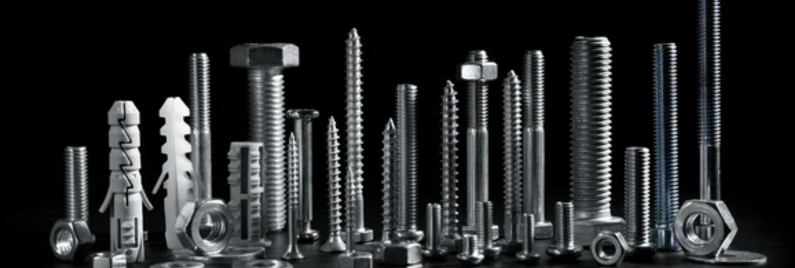
High strength bolts are precision-engineered fasteners designed to withstand significant tensile and shear forces in critical structural applications. As a certified manufacturer adhering to ASTM and ISO standards, we produce Grade 8.8, 10.9, and 12.9 bolts that ensure structural integrity in construction, heavy machinery, and infrastructure projects. Our factory combines advanced heat treatment processes with rigorous quality control to deliver reliable, high-load bearing solutions for global industrial needs.
What Are High Strength Bolts? Definition and Core Functionality
High strength bolts are specialized fasteners manufactured from medium carbon steel or alloy steel, subjected to quenching and tempering processes to achieve superior mechanical properties. Unlike standard commercial-grade fasteners, these bolts are engineered to handle pre-load tensions that exceed the yield strength of the material, ensuring joints remain secure under dynamic loads, vibration, and extreme environmental conditions.
The primary function of a high strength bolt is to create a clamping force between connected parts. This clamping force generates friction between the joint surfaces, which prevents slippage and distributes loads evenly across the connection. In structural steelwork, this is critical for maintaining the stability of beams, columns, and trusses. In mechanical assemblies, it ensures that components such as gearboxes, engines, and pressure vessels operate without leakage or misalignment.
From an engineering perspective, the “strength” of these bolts is defined by their proof load, tensile strength, and yield strength. These parameters are strictly regulated by international standards such as ASTM F3125, ASTM A325, ASTM A490, ISO 898-1, and EN 14399. Understanding these specifications is essential for engineers and procurement specialists who must match fastener performance with structural design requirements.
Key Mechanical Properties of High Tensile Fasteners
The performance of high strength bolts is determined by specific mechanical thresholds. These properties are not arbitrary; they are the result of precise metallurgical composition and thermal processing.
- Tensile Strength: The maximum stress the bolt can withstand while being stretched or pulled before breaking. For Grade 10.9 bolts, this is typically 1040 MPa.
- Yield Strength: The stress point at which the bolt begins to deform plastically. Beyond this point, the bolt will not return to its original shape. High strength bolts are designed to operate below this limit during normal service.
- Proof Load: A specified load that the bolt must withstand without permanent deformation. This is a key quality control metric during manufacturing.
- Hardness: Measured using Rockwell or Vickers scales, hardness correlates with tensile strength. However, excessive hardness can lead to brittleness and hydrogen embrittlement risks.
These properties ensure that the bolt acts as a resilient component within a joint, absorbing energy and maintaining clamp load even when subjected to external forces. The balance between strength and ductility is crucial; a bolt that is too hard may snap under shock loading, while one that is too soft may stretch and lose preload.
Manufacturing Process: How High Strength Bolts Are Made
The production of high strength bolts is a complex metallurgical process that requires strict adherence to quality protocols. As a manufacturer with extensive experience in ASTM and ISO certified production, we follow a multi-stage workflow to ensure every bolt meets rigorous performance criteria. The process begins with raw material selection and ends with final inspection and packaging.
1. Raw Material Selection and Heading
The process starts with high-quality wire rod or bar stock, typically made from medium carbon steel (such as C45 or 1045) or alloy steel (such as 40Cr or 35CrMo). The chemical composition is verified via spectrometry to ensure it meets the required grade specifications. The steel is then cut to length and heated if necessary, before being cold-formed or hot-forged into the bolt shape. This stage, known as heading, forms the head of the bolt (hex, socket, etc.) and the shank.
2. Thread Rolling
Threads are not cut but rolled onto the shank. Thread rolling is a cold-forming process that compresses the metal grains, resulting in threads that are stronger than cut threads. This process improves the fatigue resistance of the bolt, which is vital for applications involving cyclic loading. The precision of thread rolling determines the fit class (e.g., 6g or 6h), ensuring compatibility with standard nuts and tapped holes.
3. Heat Treatment: Quenching and Tempering
This is the most critical step in defining the “high strength” characteristic. The bolts are heated to a specific austenitizing temperature and then rapidly cooled (quenched) in oil or water. This transforms the microstructure into martensite, which is extremely hard but brittle. To restore toughness, the bolts are subsequently reheated to a lower temperature (tempered). This quench and temper (Q&T) process achieves the desired balance of hardness, tensile strength, and ductility required for Grades 8.8, 10.9, and 12.9.
4. Surface Treatment and Coating
Raw steel bolts are susceptible to corrosion. Surface treatments are applied to enhance durability and, in some cases, lubricity. Common coatings include:
- Zinc Plating: Provides basic corrosion resistance for indoor applications.
- Hot-Dip Galvanizing: Offers robust protection for outdoor structural use, though it requires careful torque adjustment due to increased friction.
- Dacromet/Geomet: Zinc-flake coatings that provide excellent corrosion resistance without significant hydrogen embrittlement risk.
- Phosphating: Often used as a base for oil or wax finishes to reduce friction coefficients during tightening.
5. Quality Control and Testing
Every batch undergoes rigorous testing. This includes dimensional checks, hardness testing, wedge tensile testing, and proof load testing. For structural bolts, rotational capacity tests are performed to ensure the bolt-nut-washer assembly can withstand the required installation torque without failure. Certificates of Compliance (COC) and Mill Test Reports (MTR) are generated for each shipment, providing full traceability.
International Standards: ASTM vs. ISO Specifications
Navigating international standards is crucial for global procurement. While ASTM standards are predominant in North America, ISO and EN standards are widely used in Europe, Asia, and other international markets. Understanding the equivalence and differences between these standards ensures that the correct fastener is selected for the project.
| Standard Body |
Common Grades |
Typical Applications |
Key Characteristics |
| ASTM (USA) |
A325, A490, F3125 Gr. A325/A490 |
Structural steel construction, bridges, buildings |
Focus on structural integrity, rotational capacity, and installed tension. A325 is comparable to ISO 8.8; A490 to ISO 10.9. |
| ISO (International) |
8.8, 10.9, 12.9 |
Machinery, automotive, general engineering, structural |
Defined by minimum tensile strength (first number x 100 MPa) and yield ratio. Widely recognized globally. |
| EN (Europe) |
EN 14399 (HV System), EN 15048 |
Preloaded structural connections in Europe |
Specifies systems for preloaded bolting. HV bolts are similar to ISO 10.9 but with specific dimensional and tolerance requirements. |
| DIN (Germany) |
DIN 931, DIN 933, DIN 6914 |
Heavy machinery, rail, legacy European projects |
Often aligned with ISO but includes specific dimensional standards for hex heads and thread lengths. |
Understanding Grade Classifications
The grade marking on a bolt head is a quick identifier of its mechanical properties. For ISO metrics, the grade is marked with two numbers separated by a dot. The first number indicates the ultimate tensile strength in hundreds of MPa. For example, a Grade 10.9 bolt has a minimum tensile strength of 1000 MPa. The second number represents the ratio of yield strength to tensile strength multiplied by 10. Thus, a 10.9 bolt has a yield strength that is 90% of its tensile strength.
In the ASTM system, grades are often designated by type and grade, such as ASTM A325 Type 1. These bolts are typically marked with specific symbols (e.g., three radial lines for A325) rather than numerical grades. It is vital to consult conversion charts when substituting standards, as dimensional differences (such as head height or thread pitch) can affect compatibility.
Types of High Strength Bolts and Their Applications
High strength bolts come in various configurations tailored to specific installation methods and load requirements. Selecting the right type is essential for achieving the designed joint performance.
Hex Head Structural Bolts
These are the most common type used in steel construction. They feature a hexagonal head for wrench tightening and are available in partially threaded (DIN 931) or fully threaded (DIN 933) versions. Partially threaded bolts are preferred in structural connections because the unthreaded shank provides a larger cross-sectional area to resist shear forces and ensures that the shear plane does not intersect the threads, which are weaker in shear.
Heavy Hex Bolts
Heavy hex bolts have a larger head diameter and height compared to standard hex bolts. This design allows for higher torque application without rounding off the corners of the head. They are commonly used in heavy machinery, pressure vessels, and applications where high preload is required and space permits a larger wrench size.
Socket Head Cap Screws (Allen Bolts)
Featuring a cylindrical head with an internal hexagonal drive, these bolts are used in machinery and equipment where external clearance is limited. High strength versions (Grade 12.9) are common in automotive and aerospace applications. They allow for a sleeker profile but require careful alignment during installation to avoid stripping the internal drive.
Twist-Off Bolts (TC Bolts)
Used primarily in structural steel erection, Twist-Off bolts are part of a direct-tension indicator system. They are installed with a special gun that grips the splined end of the bolt. As the nut is tightened, the spline twists off when the correct preload is achieved. This method eliminates the need for torque calibration and ensures consistent tension in the joint, significantly speeding up installation on large projects.
Anchor Bolts
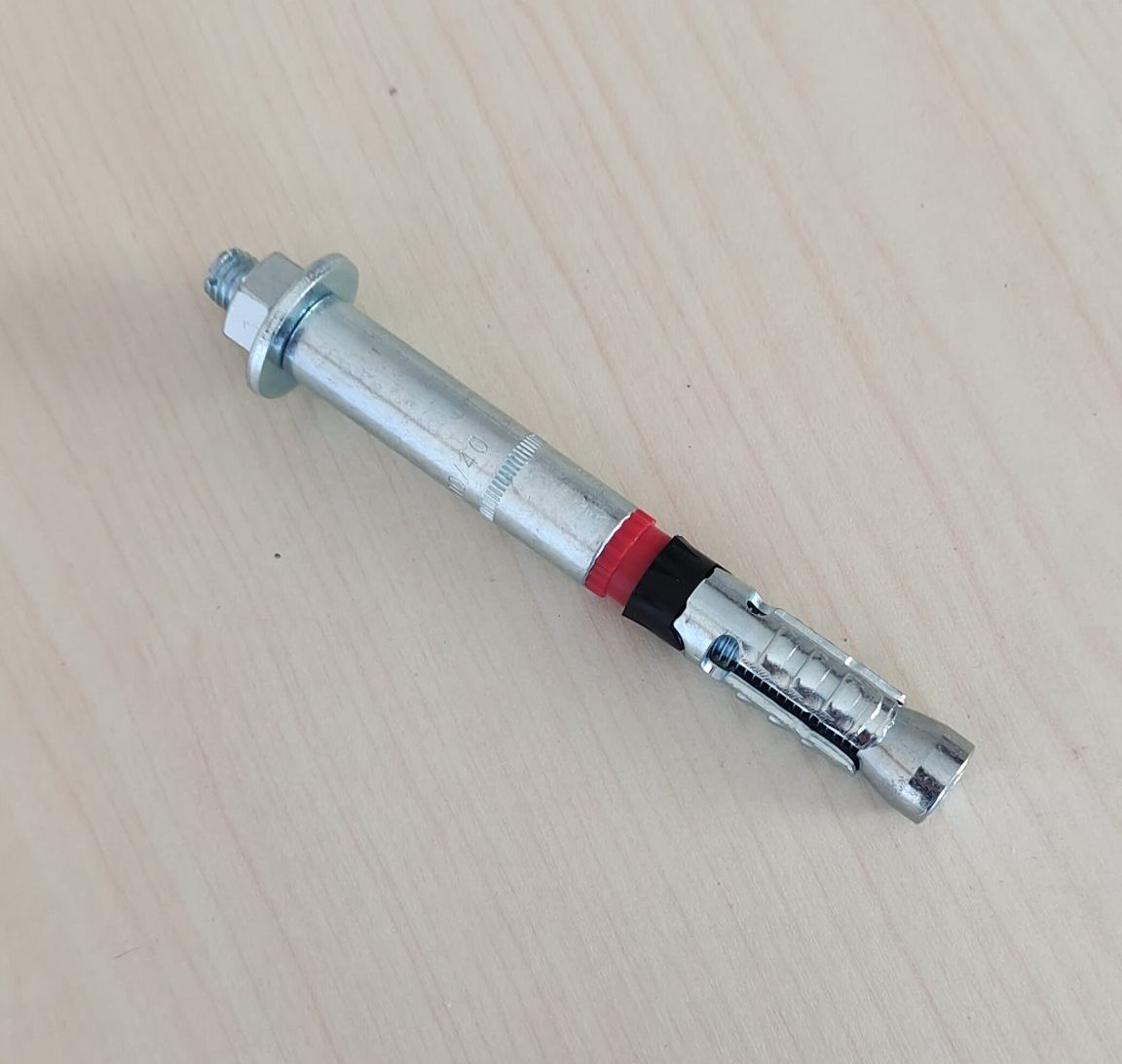
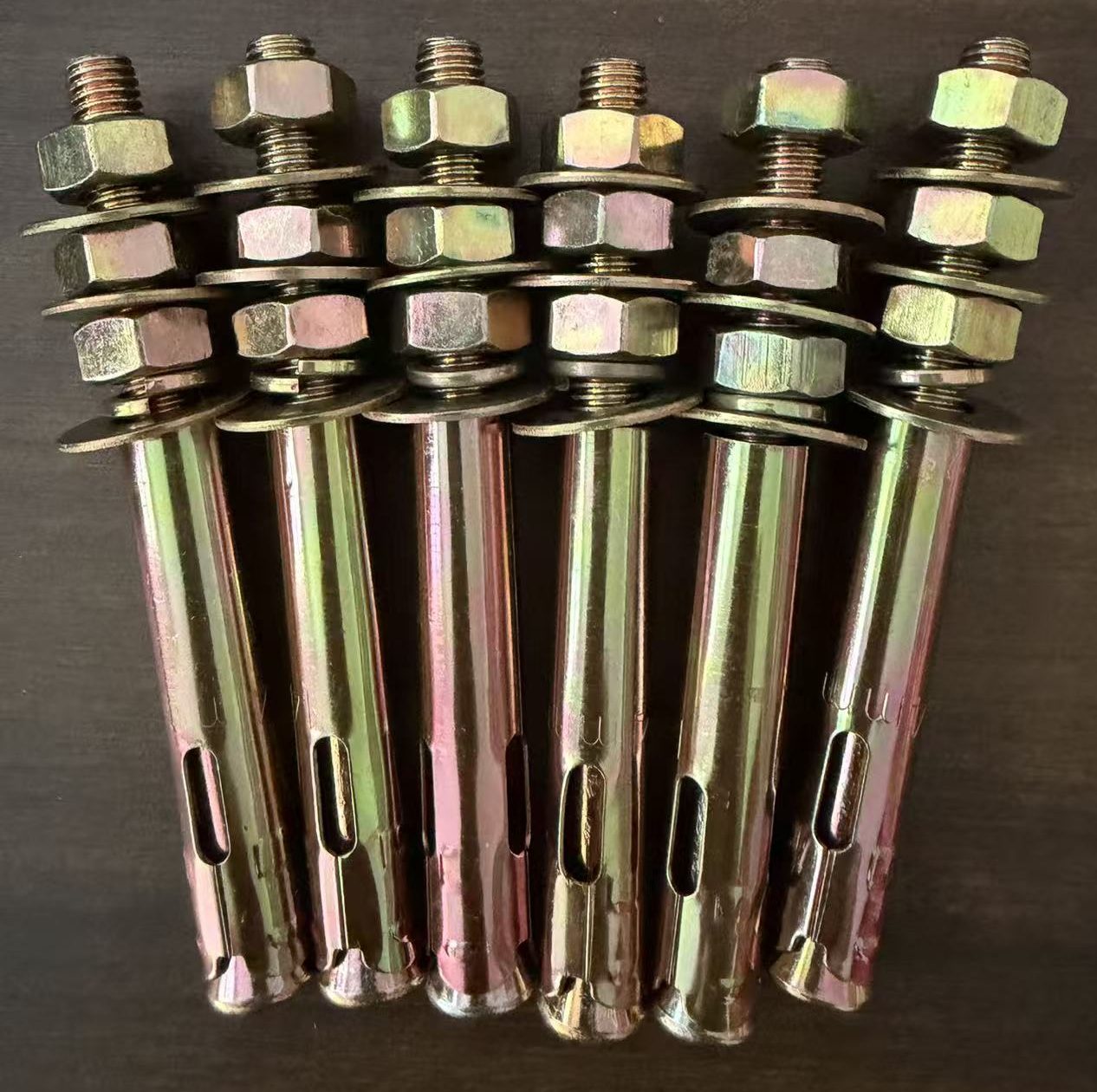
High strength anchor bolts are used to connect structural elements to concrete foundations. They can be cast-in-place or post-installed. High strength versions are critical for resisting wind uplift, seismic forces, and dynamic machinery vibrations. They often feature threaded ends for nut tightening and may include plates or hooks for enhanced pull-out resistance.
Selection Guide: Choosing the Right High Strength Bolt
Selecting the appropriate high strength bolt involves analyzing the load conditions, environmental factors, and installation constraints. Engineers and procurement managers should consider the following factors to ensure optimal performance and safety.
1. Load Type and Magnitude
Determine whether the joint is subjected to tension, shear, or a combination of both. For pure shear applications, partially threaded bolts with a smooth shank are ideal. For tensile loads, the full cross-section of the thread is engaged, so fully threaded bolts may be acceptable. Calculate the required preload based on the external loads to prevent joint separation.
2. Environmental Conditions
Corrosion resistance is a key consideration. For outdoor structures, marine environments, or chemical plants, standard zinc plating is insufficient. Hot-dip galvanizing, stainless steel (though typically lower strength than alloy steel), or specialized polymer coatings like Dacromet are recommended. Consider the risk of galvanic corrosion when pairing bolts with dissimilar metals.
3. Temperature Extremes
Standard carbon steel bolts lose strength at elevated temperatures and become brittle at cryogenic temperatures. For high-temperature applications (above 150°C), alloy steels with chromium and molybdenum (such as ASTM A193 B7) are required. For low-temperature environments, materials with verified impact resistance (Charpy V-notch testing) are essential to prevent brittle fracture.
4. Installation Method and Tooling
The choice of bolt affects the installation process. Torque-controlled tightening requires calibrated tools and knowledge of the friction coefficient. Direct tension indicators (like TC bolts) simplify this but require specific tools. Ensure that the chosen bolt type is compatible with the available installation equipment and the skill level of the workforce.
5. Regulatory and Project Specifications
Always adhere to the project’s technical specifications. Many infrastructure projects mandate specific standards (e.g., ASTM A325 for US federal projects). Deviating from specified standards without engineering approval can lead to liability issues and project rejection. Verify that the manufacturer provides the necessary certification documentation.
Common Challenges: Hydrogen Embrittlement and Fatigue
Even high quality bolts can fail if specific risks are not managed. Two of the most significant challenges in high strength fastening are hydrogen embrittlement and fatigue failure.
Hydrogen Embrittlement (HE)
Hydrogen embrittlement is a phenomenon where hydrogen atoms diffuse into the steel lattice, causing delayed brittle fracture under stress. This is particularly risky for bolts with a hardness exceeding HRC 39 (approximately Grade 10.9 and above). Hydrogen can be introduced during electroplating, pickling, or cleaning processes.
Prevention Strategies:
- Use mechanical plating or zinc-flake coatings instead of electrolytic zinc for high-strength grades.
- Bake the bolts after plating to drive out absorbed hydrogen.
- Avoid acid cleaning processes that generate hydrogen gas.
- Ensure proper storage in dry conditions to prevent corrosion-induced hydrogen generation.
Fatigue Failure
Fatigue occurs when a bolt is subjected to cyclic loading. Even if the load is below the yield strength, repeated stress cycles can initiate cracks that propagate until failure. This is common in vibrating machinery and dynamic structural loads.
Prevention Strategies:
- Ensure adequate preload. A properly preloaded bolt experiences minimal fluctuation in stress because the joint stiffness absorbs most of the external load variation.
- Use thread rolling instead of cutting to improve surface finish and grain structure.
- Avoid stress concentrators such as sharp undercuts or poor thread engagement.
- Consider using fatigue-resistant designs like waisted shank bolts for extreme dynamic applications.
Installation Best Practices for Maximum Performance
The performance of a high strength bolt is heavily dependent on correct installation. Improper tightening can lead to under-tensioning (joint slippage) or over-tensioning (bolt fracture).
1. Surface Preparation
The condition of the contact surfaces (faying surfaces) affects the friction coefficient. Paint, rust, or oil can alter the torque-tension relationship. For slip-critical connections, surfaces must be cleaned to bare steel or treated with specified coatings. Washers are often used to distribute load and provide a consistent bearing surface.
2. Lubrication
Lubrication reduces the friction coefficient, allowing more of the applied torque to convert into tensile preload rather than overcoming thread friction. Use lubricants specified by the bolt manufacturer. Note that lubricated bolts require lower torque values to achieve the same preload as dry bolts. Always adjust torque settings accordingly.
3. Tightening Methods
- Torque Control: The most common method. Uses a calibrated torque wrench. Accuracy depends on the friction coefficient, which can vary. Typically ±25% accuracy.
- Turn-of-Nut: The bolt is snug-tightened, then turned a specified number of degrees (e.g., 120° or 180°). This method is less sensitive to friction variations and is widely accepted in structural steel codes.
- Direct Tension Indicator (DTI): Uses special washers or bolts (like TC bolts) that indicate when the correct tension is reached. Highly accurate and verifiable.
- Hydraulic Tensioning: Used for very large bolts (e.g., in wind turbines or bridges). Applies direct axial load, bypassing torsional stress. Highest accuracy.
4. Verification and Inspection
After installation, joints should be inspected. Visual checks ensure all bolts are present and tight. For critical applications, non-destructive testing or ultrasonic measurement of bolt elongation may be used to verify preload. Regular re-torquing may be necessary for joints subject to settlement or vibration, although properly designed preloaded joints should maintain tension indefinitely.
About Us: Your Trusted Partner in Global Fastener Solutions
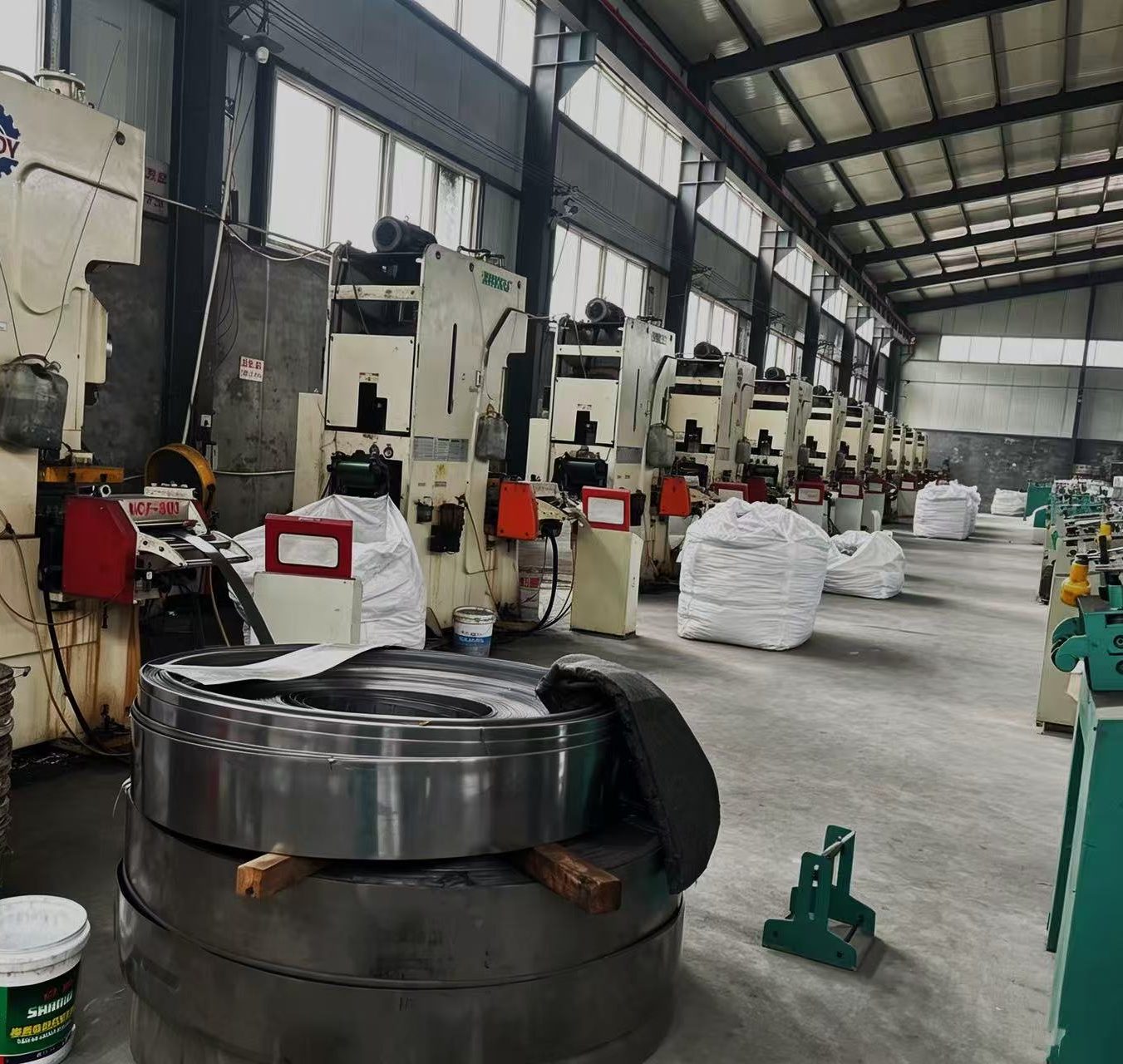
Located in Handan, Hebei—China’s premier hub for fastener manufacturing—we are a integrated industry and trade enterprise specializing in the development, production, and global distribution of high-quality fasteners and hardware tools. With over a decade of industry experience, we have established ourselves as a reliable supplier to clients in more than 26 countries across North America, Europe, and Southeast Asia.
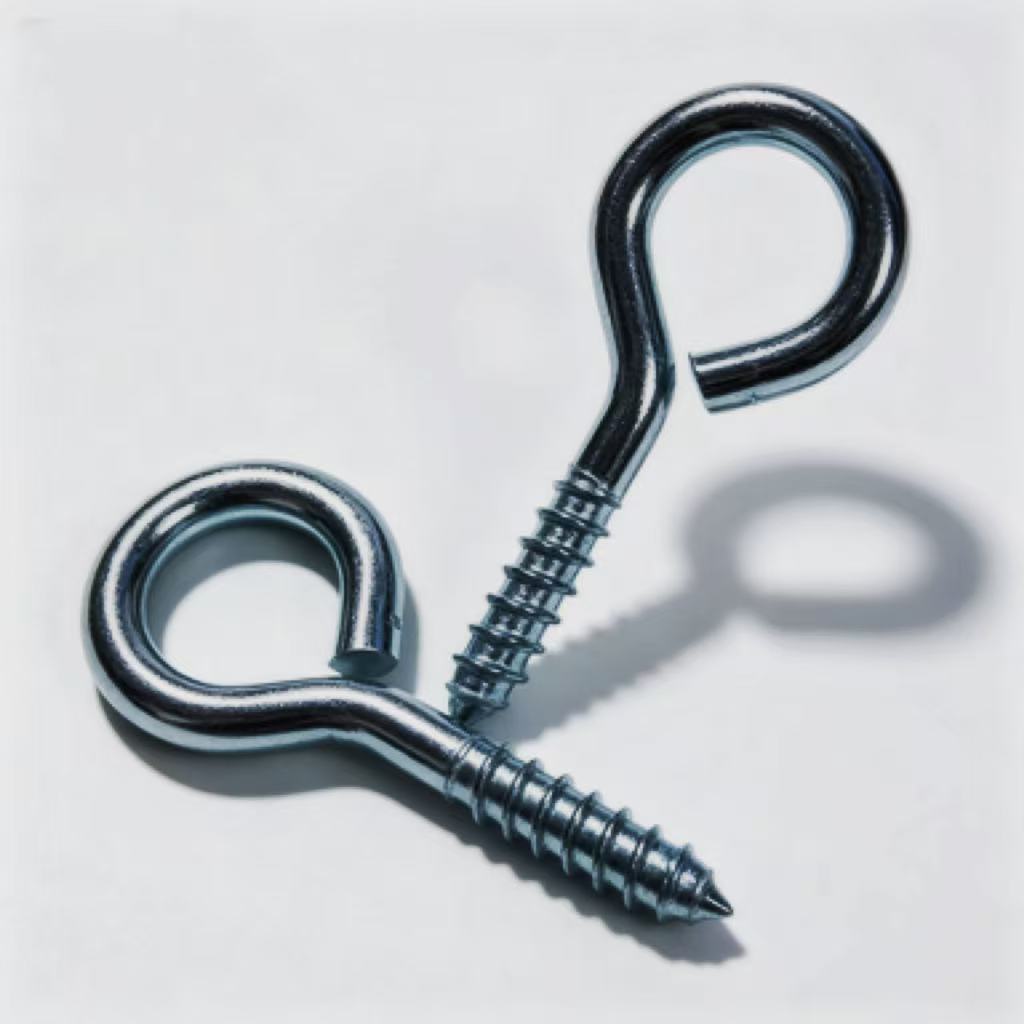
Our product portfolio extends beyond standard high-strength bolts to include specialized items such as casing geckos, wooden teeth welded sheep’s eye screws, and custom-engineered fasteners. We adhere to a philosophy of integrity and innovation, continuously investing in scientific research and introducing high-tech talent to refine our production capabilities. By utilizing advanced manufacturing technology and comprehensive testing methods, we ensure our products meet diverse international standards, including GB, DIN, JIS, ANSI, ASTM, and ISO.
We pride ourselves on our professional technical team and state-of-the-art machinery, which allow us to offer competitive pricing without compromising on quality. Whether you require standard specifications or bespoke OEM solutions, our “quality first, customer first” principle drives us to deliver thoughtful service and products that precisely meet your project’s needs. We welcome third-party inspections and are committed to maintaining our reputation by ensuring every shipment meets the highest standards of reliability.
Why Choose Our Certified High Strength Bolt Manufacturing?
As a dedicated manufacturer of high strength fasteners, we combine technical expertise with scalable production capabilities. Our facility is equipped with state-of-the-art heat treatment lines and automated quality inspection systems, ensuring consistency across millions of units.
EEAT: Demonstrating Expertise and Authority
Our engineering team possesses deep knowledge of metallurgy and fastener mechanics. We do not just produce bolts; we engineer solutions. We actively participate in industry forums and stay updated with the latest revisions of ASTM and ISO standards. This expertise allows us to advise clients on optimal material selection and coating technologies for their specific environments.
Trustworthiness Through Certification
Trust is built on transparency and verification. Our factory holds ISO 9001 certification for quality management systems. Every batch of high strength bolts is accompanied by comprehensive Mill Test Reports (MTRs) that detail chemical composition, mechanical test results, and dimensional inspections. We welcome third-party inspections by agencies such as SGS, BV, or TUV to validate our quality claims.
Experience in Global Supply Chains
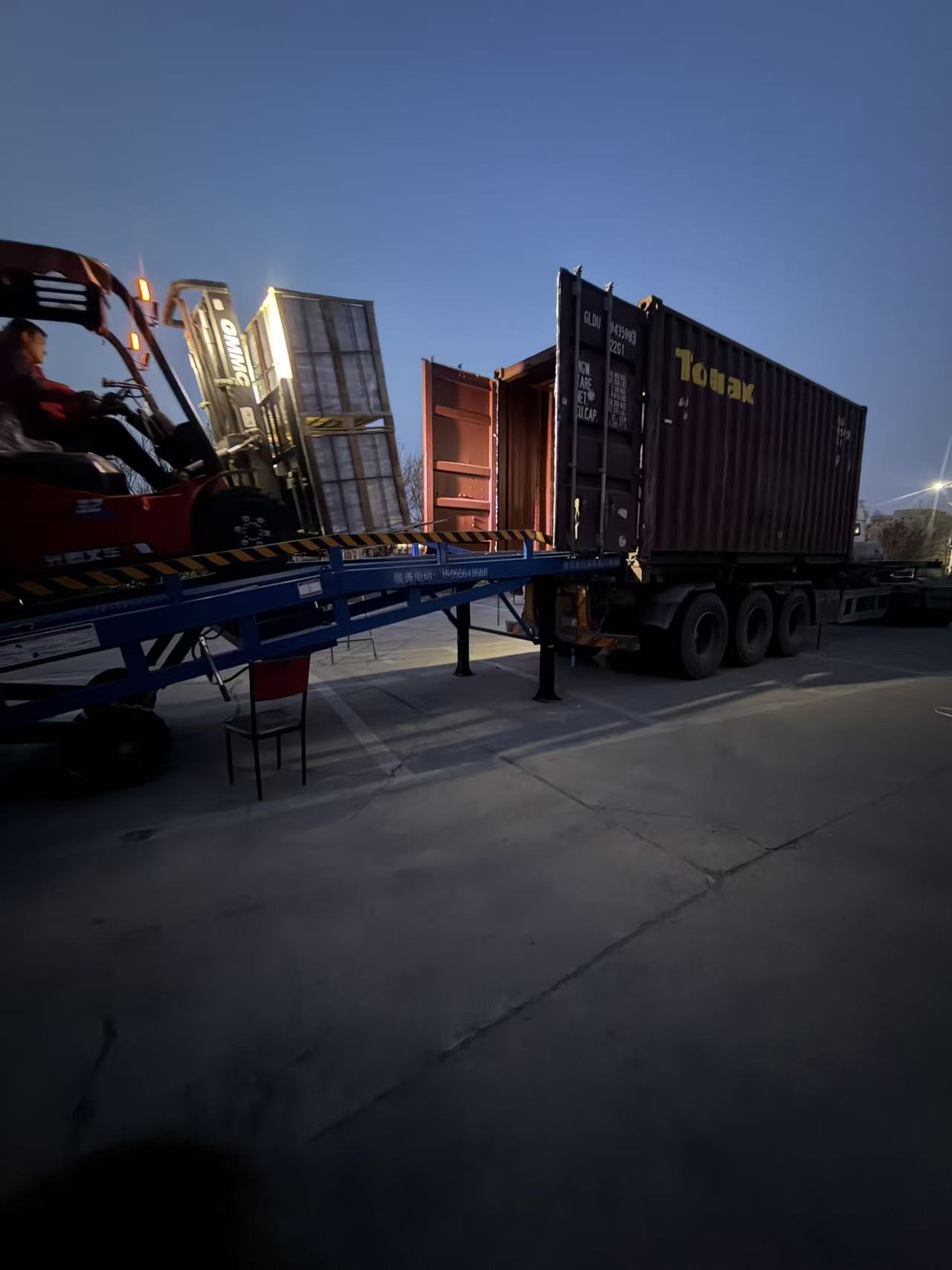
With years of experience serving the B2B industrial sector, we understand the logistical challenges of international trade. We offer flexible packaging options, from bulk bins to branded retail boxes, and ensure that documentation complies with customs requirements in major markets. Our supply chain resilience ensures on-time delivery, even during peak demand periods.
Frequently Asked Questions (FAQ)
What is the difference between Grade 8.8 and Grade 10.9 bolts?
Grade 10.9 bolts have higher tensile and yield strengths than Grade 8.8 bolts. Specifically, Grade 10.9 has a minimum tensile strength of 1040 MPa and yield strength of 940 MPa, whereas Grade 8.8 has 800 MPa tensile and 640 MPa yield strength. Grade 10.9 is used for more critical, higher-load applications.
Can high strength bolts be reused?
Generally, high strength structural bolts (such as ASTM A325/A490 or ISO 10.9) are not recommended for reuse after being tightened to full preload. Stretching and thread deformation can compromise their integrity. For non-critical applications, if the bolt shows no signs of stretching or thread damage, it may be reused with caution, but replacement is best practice for safety-critical joints.
How do I prevent galvanic corrosion with high strength bolts?
Galvanic corrosion occurs when dissimilar metals are in contact in the presence of an electrolyte. To prevent this, use bolts made of materials close to the base metal in the galvanic series, or use insulating washers and sleeves. Coatings like Dacromet or hot-dip galvanizing also provide a barrier. Avoid using aluminum bolts with steel structures without proper isolation.
What is the shelf life of high strength bolts?
High strength bolts do not have a fixed expiration date, but they are susceptible to corrosion and hydrogen embrittlement over time if stored improperly. Store them in a dry, indoor environment away from chemicals. If bolts have been stored for more than 6 months, especially if coated, inspect them for rust or coating degradation before use. Re-testing may be required for critical applications.
Do you provide custom OEM high strength bolts?
Yes, we offer OEM services for custom dimensions, head styles, and material grades. Our engineering team can work from drawings or samples to produce bespoke fasteners that meet specific project requirements, provided they adhere to feasible manufacturing constraints and metallurgical principles.
Conclusion: Securing Your Projects with Reliable Fastening Solutions
High strength bolts are the unsung heroes of structural integrity and mechanical reliability. Whether constructing a skyscraper, assembling heavy machinery, or building infrastructure, the quality of your fasteners directly impacts safety and longevity. By choosing ASTM and ISO certified high strength bolts, you ensure that your joints can withstand the rigors of real-world applications.
Our commitment to quality, backed by rigorous testing and industry expertise, makes us a trusted partner for your fastening needs. We provide not just products, but peace of mind through compliance, consistency, and technical support.
Ready to optimize your supply chain with high-performance fasteners?
Contact our engineering team today to discuss your specific requirements, request a quote, or obtain detailed technical datasheets. Let us help you select the right grade, coating, and specification for your next project.
Explore Our Full Range of High Strength Bolts and Structural Fasteners