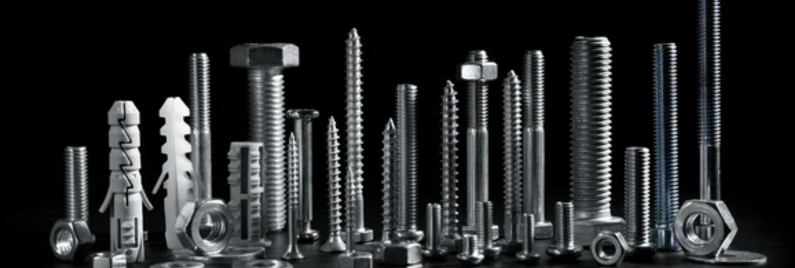
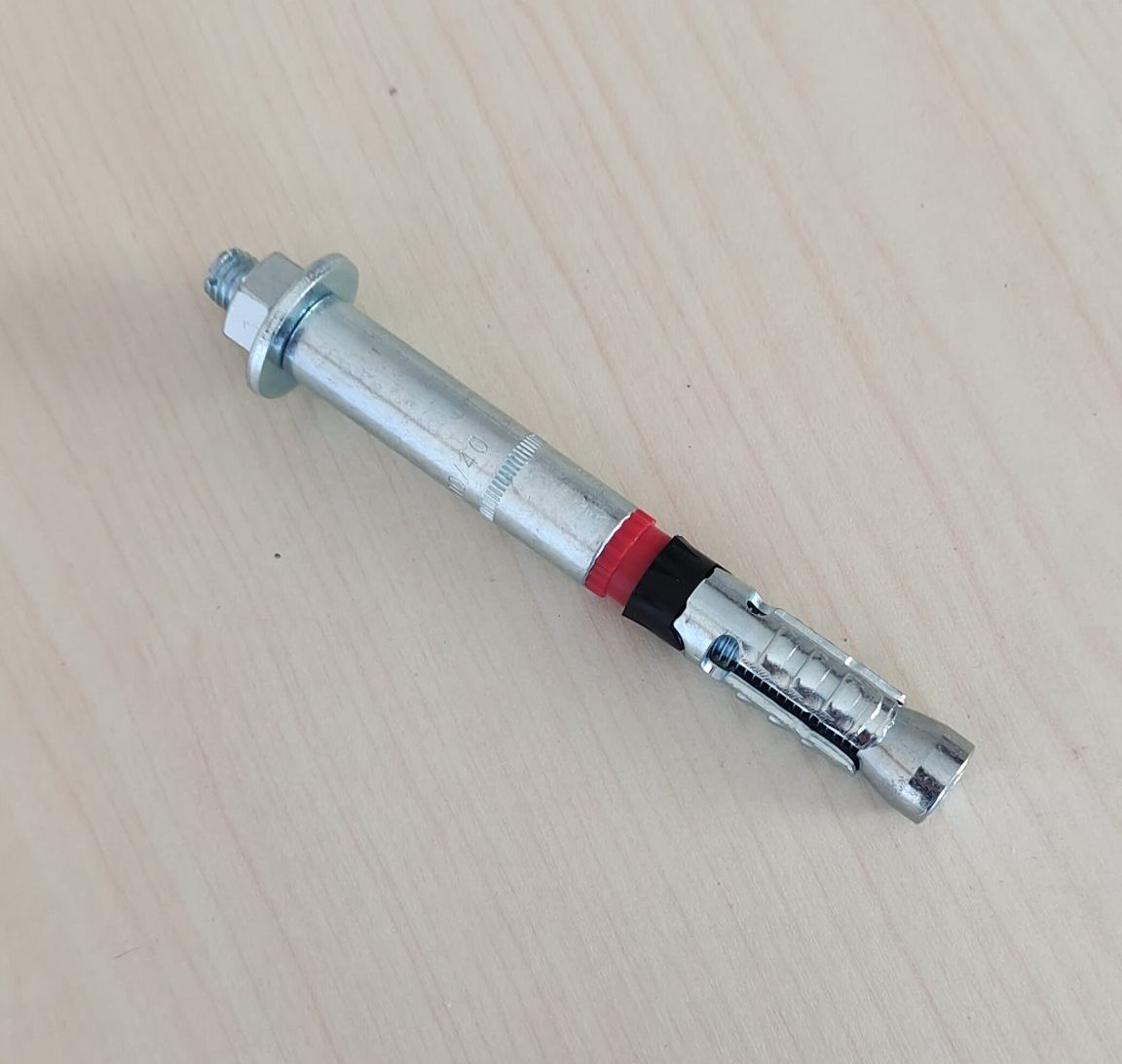
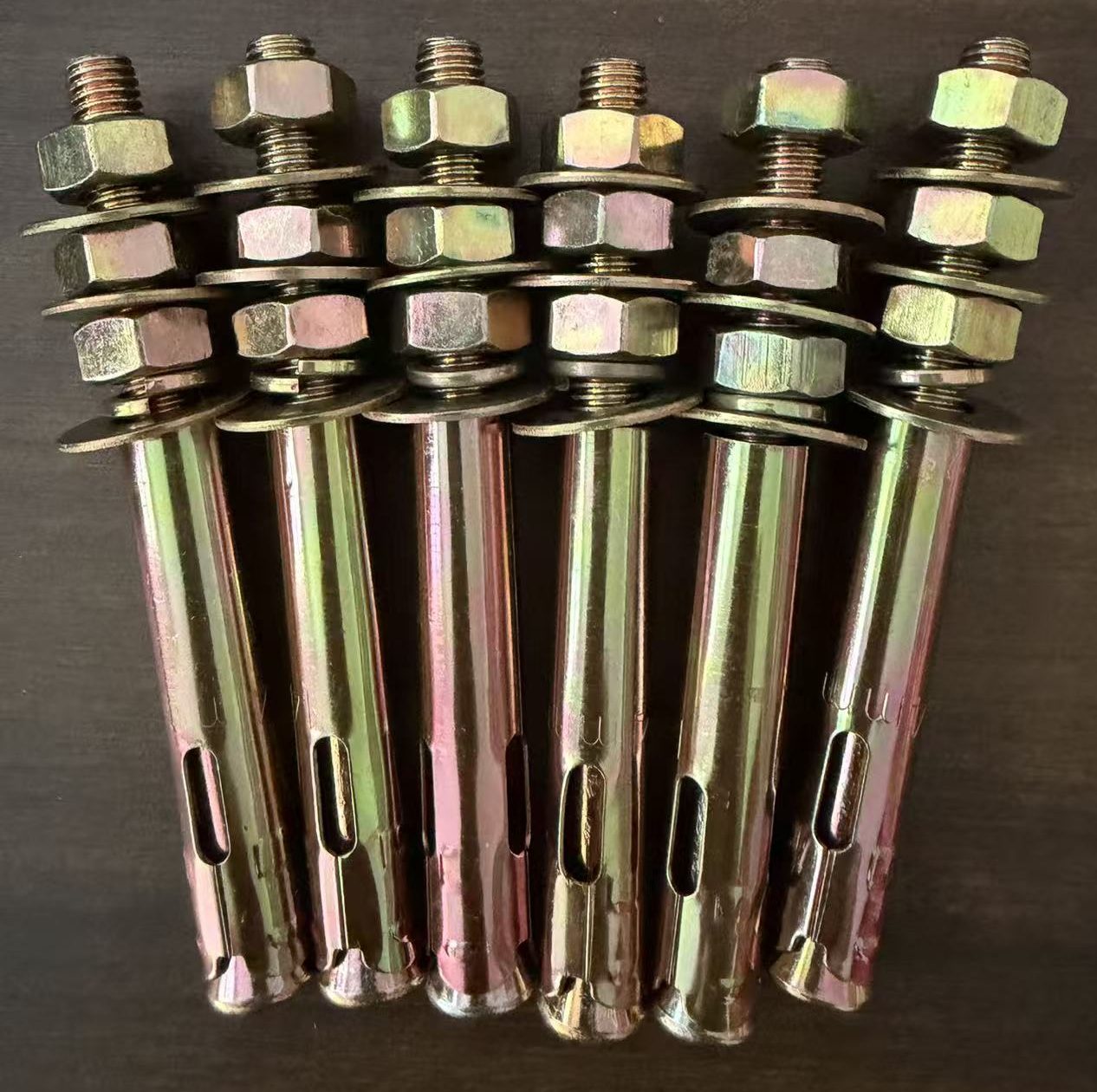
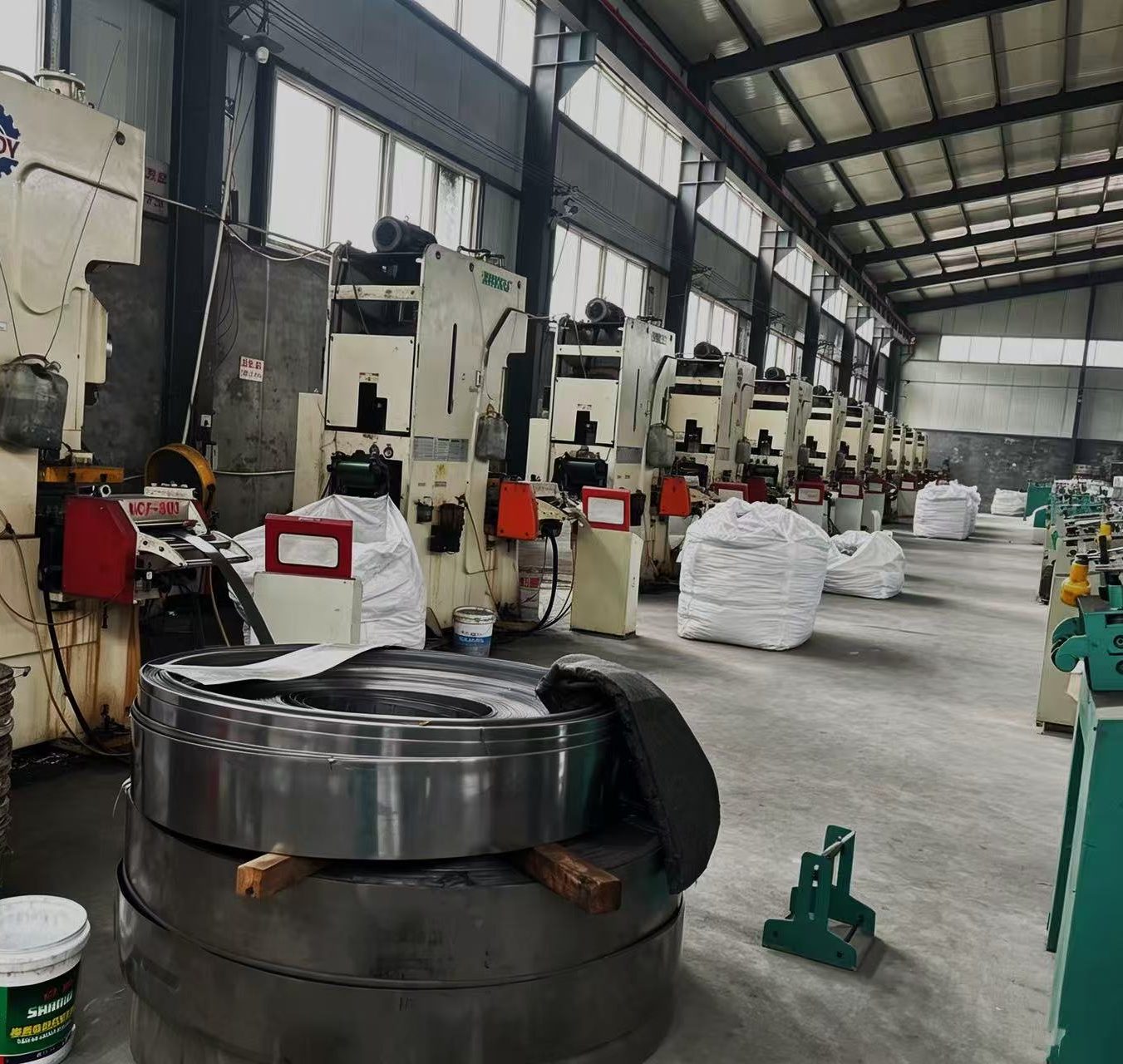
Looking for a reliable flat washers supplier in 2026? Our factory offers direct pricing, premium quality materials, and rapid global shipping. As a leading manufacturer based in Handan, Hebei—China’s premier hub for fastener production—we specialize in producing high-performance flat washers that meet international standards for industrial, automotive, and construction applications. Backed by over a decade of industry experience and a global footprint spanning more than 26 countries, we combine advanced manufacturing technology with rigorous testing to ensure every product meets GB, DIN, JIS, and ANSI specifications. By eliminating intermediaries, we ensure you receive the best price without compromising on durability or precision engineering.
What Are Flat Washers and Why Do They Matter?
Flat washers are thin, plate-like rings with a hole in the center, designed to distribute the load of a threaded fastener such as a bolt or screw. Their primary function is to prevent damage to the surface being fastened and to reduce the risk of the fastener loosening due to vibration. In 2026, as industrial machinery becomes more sophisticated, the demand for precision-engineered washers has never been higher.
These components act as a critical buffer between the fastener head and the material surface. Without them, concentrated pressure can cause deformation, cracking, or premature failure of the assembly. Industry experts agree that selecting the right washer is just as important as choosing the correct bolt grade for structural integrity.
The Core Functions of Industrial Flat Washers
Understanding the specific roles of these components helps in selecting the right product for your project. The functionality extends beyond simple spacing:
- Load Distribution: They spread the clamping force over a larger area, protecting soft materials like wood, plastic, or aluminum from crushing.
- Vibration Dampening: By providing a smooth bearing surface, they help maintain tension in dynamic environments where machinery vibrates constantly.
- Surface Protection: They prevent the rotating nut or bolt head from scratching or gouging the finished surface during tightening.
- Gap Bridging: They can fill oversized holes or compensate for minor misalignments in assembly structures.
Premium Materials Used in Factory-Direct Production
The longevity and performance of flat washers depend heavily on the material composition. As a top-tier supplier committed to “quality first,” our factory utilizes a diverse range of raw materials to suit various environmental conditions and load requirements. Choosing the wrong material can lead to corrosion, galvanic reactions, or mechanical failure.
In recent years, the industry has shifted towards specialized alloys and treated metals to withstand harsher operating environments. Our production lines, equipped with advanced machinery and operated by a professional technical team, handle everything from standard carbon steel to exotic superalloys. We adhere to strict scientific research protocols and perfect testing methods, ensuring every batch meets rigorous quality control standards before shipment.
Carbon Steel and Stainless Steel Options
Carbon steel remains the most popular choice for general-purpose applications due to its high tensile strength and cost-effectiveness. These washers are often plated with zinc or phosphate to enhance corrosion resistance. They are ideal for indoor machinery, automotive frames, and standard construction projects where extreme chemical exposure is not a concern.
For environments prone to moisture, chemicals, or salt spray, stainless steel is the superior option. We primarily manufacture grades 304 and 316. Grade 304 offers excellent resistance to oxidation and is suitable for food processing and architectural uses. Grade 316 contains molybdenum, providing enhanced protection against chlorides, making it perfect for marine and coastal applications.
Specialized Alloys and Non-Metallic Variants
Certain industries require properties that standard metals cannot provide. Brass and bronze washers are frequently used in electrical applications due to their conductivity and non-magnetic nature. They also offer natural corrosion resistance without plating, which is vital for plumbing and marine hardware.
Non-metallic options, such as nylon, PTFE, and rubber, serve unique purposes. Nylon washers provide electrical insulation and are lightweight, while PTFE (Teflon) offers exceptional chemical inertness and low friction. Rubber washers create watertight seals in piping systems. Our factory produces these variants with tight tolerances to ensure consistent performance across all batches, reflecting our dedication to developing new products that meet evolving market needs.
Comprehensive Size Standards and Specifications
Navigating the vast array of sizes and standards can be challenging for procurement managers. Global manufacturing relies on standardized dimensions to ensure interchangeability. As a direct supplier with deep expertise in global compliance, we adhere strictly to major international standards including ANSI/ASME, DIN, ISO, and JIS. This compliance guarantees that our flat washers fit perfectly with corresponding bolts and nuts from any reputable manufacturer.
Dimensions are typically defined by the inner diameter (ID), outer diameter (OD), and thickness. Even slight deviations can compromise the joint’s integrity. Our automated laser measurement systems verify every dimension during production, ensuring zero defects in mass production runs.
Understanding Metric vs. Imperial Systems
The world largely operates on two measurement systems: Metric (ISO/DIN) and Imperial (ANSI/SAE). Metric washers are designated by the nominal bolt size they accompany, such as M6, M8, or M10. The hole size is slightly larger than the bolt diameter to allow for easy insertion and alignment.
Imperial washers are categorized by fractional inch sizes or numbered series. Common types include SAE Flat Washers, which have a smaller outer diameter relative to thickness, and USS (United States Standard) Flat Washers, which feature a larger OD and are thinner. Selecting the correct system is crucial to avoid cross-threading or improper load distribution.
Standard Thickness Classifications
Thickness plays a pivotal role in the washer’s ability to distribute load. Standard flat washers come in regular, narrow, and extra-thick variations. Regular washers are suitable for most general applications. Narrow washers are used where space is constrained radially. Extra-thick washers are employed when significant leveling is required or when dealing with slotted holes that demand a larger bearing surface.
| Standard Type |
Common Designation |
Primary Application |
Key Characteristic |
| ANSI/ASME B18.22.1 |
SAE Flat Washer |
Automotive, Machinery |
Smaller OD, thicker profile |
| ANSI/ASME B18.22.1 |
USS Flat Washer |
Construction, Structural Steel |
Larger OD, thinner profile |
| DIN 125 / ISO 7089 |
Form A |
General Engineering (Metric) |
Standard metric dimensions |
| DIN 9021 / ISO 7090 |
Form C |
Heavy Duty Applications |
Larger OD for increased load spread |
Factory Direct Advantages: Cost and Quality Control
Sourcing flat washers directly from the factory offers distinct advantages over purchasing through distributors or trading companies. In the current economic landscape of 2026, supply chain efficiency and cost transparency are paramount for businesses aiming to maintain competitive margins. By cutting out the middleman, buyers gain direct access to manufacturing expertise and flexible customization options.
Our facility operates with a vertically integrated model, controlling every step from raw material sourcing to final packaging. Located in the heart of China’s fastener industry, we leverage local supply chains to minimize delays and reduce the risk of quality inconsistencies. Clients benefit from real-time communication with our professional technical team, who understand the nuances of customizing special specifications for quality and quantity.
Price Stability and Bulk Ordering Benefits
Direct factory pricing eliminates the markup layers added by wholesalers. For large-scale projects requiring millions of units, this cost saving can be substantial. Furthermore, factories can offer more stable pricing contracts, shielding buyers from short-term market fluctuations in raw material costs. We provide tiered pricing structures that reward volume commitments without sacrificing service quality, adhering to our integrity-based business philosophy.
Bulk ordering also ensures consistency across production batches. When components are sourced from multiple distributors, slight variations in material batches or plating thicknesses can occur. Factory-direct orders guarantee that every washer in your shipment comes from the same production run, maintaining uniform mechanical properties throughout your assembly line.
Customization and Rapid Prototyping
Off-the-shelf solutions do not always fit unique engineering challenges. As a manufacturer specializing in the development of new products, we offer extensive customization services. Whether you need non-standard dimensions, specific hardness levels, or proprietary coatings, our engineering team—bolstered by high-tech talent—can develop a solution tailored to your needs. Our rapid prototyping capabilities allow clients to test samples before committing to full-scale production, reducing development time and risk.
We support custom branding and packaging options, enabling distributors and retailers to private-label products seamlessly. From specialized kitting to barcode labeling for inventory management, our logistics team ensures that the product arrives ready for immediate integration into your supply chain.
Applications Across Key Industries
The versatility of flat washers makes them indispensable across a wide spectrum of industries. Each sector imposes unique demands regarding load capacity, environmental resistance, and regulatory compliance. Our product range, which complements our broader portfolio of fasteners and hardware tools, is engineered to meet these diverse requirements, ensuring reliable performance whether in a deep-sea oil rig or a delicate electronic device.
Industry trends in 2026 indicate a growing emphasis on sustainability and lifecycle durability. Manufacturers are increasingly specifying high-grade washers to extend the maintenance intervals of their equipment. This shift drives the demand for premium materials and advanced surface treatments that resist wear and corrosion over decades of operation.
Automotive and Transportation Sector
In the automotive industry, safety and reliability are non-negotiable. Flat washers are used extensively in engine assemblies, suspension systems, and chassis frameworks. They must withstand high temperatures, constant vibration, and exposure to road salts and oils. High-strength steel washers with specialized anti-corrosion coatings are standard here to prevent catastrophic fastener failure.
The rise of electric vehicles (EVs) has introduced new requirements. Lightweight aluminum and composite washers are gaining traction to reduce overall vehicle weight and improve energy efficiency. Additionally, non-conductive washers are critical in battery pack assemblies to prevent short circuits and ensure electrical isolation between components.
Construction and Infrastructure Projects
Large-scale infrastructure projects, such as bridges, skyscrapers, and tunnels, rely on massive quantities of structural fasteners accompanied by heavy-duty flat washers. These components must support immense static and dynamic loads. USS standard washers are commonly specified in steel construction to distribute the load of high-tension bolts over wide areas of steel beams and concrete anchors.
Corrosion resistance is particularly vital in outdoor infrastructure. Hot-dip galvanized washers are frequently mandated for projects exposed to the elements. Our factory adheres to strict coating thickness standards to ensure long-term protection against rust, preserving the structural integrity of buildings and bridges for generations.
Electronics and Precision Manufacturing
In the realm of electronics, miniaturization is the driving force. Tiny, precision-flat washers are used to secure components on circuit boards and within compact enclosures. Materials like brass and phosphor bronze are preferred for their conductivity and spring properties. Tolerance levels in this sector are extremely tight, often requiring microns-level accuracy to ensure proper fit in dense assemblies.
Thermal management is another critical factor. Certain washers are designed to aid in heat dissipation or provide thermal insulation between heat-generating components and sensitive circuitry. Our production lines utilize advanced stamping technologies to create these micro-components with burr-free edges and consistent flatness.
Quality Assurance and Testing Protocols
Trust is built on verifiable quality. As a leading supplier with a reputation for excellence, we implement a multi-stage quality assurance process that exceeds industry norms. Every batch of flat washers undergoes rigorous testing to confirm dimensional accuracy, material composition, and mechanical performance. This commitment to “quality first, customer first” is what distinguishes us from generic suppliers.
Our laboratory is equipped with state-of-the-art testing instruments capable of analyzing hardness, tensile strength, and coating adhesion. We maintain detailed records for every production lot, providing full traceability from raw material certificates to final inspection reports. This transparency gives our clients confidence in the reliability of their supply chain.
Dimensional and Visual Inspection
The first line of defense against defects is automated optical inspection. High-resolution cameras scan thousands of washers per minute, checking for deviations in inner and outer diameters, thickness, and concentricity. Any part falling outside the specified tolerance range is automatically rejected. This ensures that only perfectly formed washers proceed to packaging.
Visual inspection complements automated checks. Trained quality controllers examine samples for surface defects such as cracks, pits, excessive burrs, or uneven plating. Surface finish is critical not only for aesthetics but also for preventing stress concentrations that could lead to fatigue failure under load.
Mechanical and Chemical Testing
Material integrity is verified through destructive and non-destructive testing methods. Hardness tests (Rockwell or Vickers) confirm that the metal has been heat-treated correctly to achieve the desired balance of strength and ductility. Salt spray tests simulate years of environmental exposure in a matter of days, validating the effectiveness of corrosion-resistant coatings.
Chemical analysis via spectrometry ensures that the alloy composition matches the specified grade. For instance, verifying the nickel and chromium content in stainless steel or the carbon content in high-strength bolts. This step prevents material substitution fraud and guarantees that the washers will perform as expected under stress.
How to Choose the Right Flat Washer for Your Project
Selecting the appropriate flat washer involves evaluating several technical factors. Making the wrong choice can lead to joint failure, increased maintenance costs, or safety hazards. By following a systematic selection process, engineers and purchasers can optimize the performance and lifespan of their fastening systems.
It is essential to consider the interaction between the washer, the fastener, and the base material. The goal is to create a balanced system where no single component becomes the weak link. Consulting with our knowledgeable technical team early in the design phase can prevent costly redesigns later.
Step-by-Step Selection Guide
To simplify the decision-making process, follow these logical steps to identify the optimal washer for your application:
- Identify the Fastener Size: Determine the nominal diameter and thread pitch of the bolt or screw. This dictates the inner diameter of the washer.
- Assess the Load Requirements: Calculate the clamping force and shear loads. High-load applications may require thicker or larger OD washers to distribute stress effectively.
- Evaluate Environmental Conditions: Consider exposure to water, chemicals, temperature extremes, or UV radiation. Choose materials like stainless steel or specialized plastics accordingly.
- Check Material Compatibility: Ensure the washer material is compatible with the base material to avoid galvanic corrosion. Use insulating washers if joining dissimilar metals.
- Verify Industry Standards: Confirm if your project mandates specific standards (e.g., ASTM, DIN, ISO) for regulatory compliance or client specifications.
Common Mistakes to Avoid
One frequent error is using a washer that is too soft for the application. If the washer deforms excessively under load, it loses its ability to maintain tension, leading to loose joints. Conversely, using a washer that is too hard can cause brittleness and cracking under impact loads.
Another common oversight is ignoring the surface finish. In corrosive environments, a plain steel washer will rust quickly, staining the surrounding area and weakening the joint. Always specify the appropriate plating or material grade based on the operating environment. Additionally, reusing old washers is discouraged as they may have lost their flatness or developed micro-cracks.
Frequently Asked Questions (FAQ)
Addressing common queries helps clarify uncertainties regarding flat washers. Below are answers to frequently asked questions based on our interactions with global clients and industry data.
What is the difference between a flat washer and a fender washer?
A standard flat washer has an outer diameter roughly twice the size of its inner diameter. A fender washer, also known as a repair washer, features a much larger outer diameter relative to its hole size. Fender washers are designed to distribute loads over even larger areas, often used in sheet metal work, plumbing, or when fastening into oversized holes.
Can I use multiple flat washers to adjust spacing?
While stacking washers is sometimes done to adjust spacing, it is generally not recommended for critical structural applications. Stacking can lead to uneven load distribution and potential instability if the washers shift. It is better to use a single spacer or a custom-thick washer designed for the specific gap requirement to ensure stability and safety.
How do I prevent galvanic corrosion when using washers?
Galvanic corrosion occurs when two dissimilar metals are in contact in the presence of an electrolyte. To prevent this, choose a washer material that is close to the fastener and base material in the galvanic series. Alternatively, use non-conductive washers made of nylon or plastic to break the electrical path between the metals. Coatings can also help, but they must remain intact to be effective.
Do you offer samples for testing before bulk orders?
Yes, as a factory-direct supplier committed to thoughtful service, we encourage clients to request samples for testing and validation. We understand that verifying fit and material quality is a crucial step before placing large orders. Our sales team can arrange sample shipments quickly, allowing you to conduct your own trials and ensure our products meet your exact specifications.
What is the typical lead time for custom flat washers?
Lead times vary depending on the complexity of the customization and current production volume. Standard sizes are often available for immediate shipment from stock. For custom dimensions or materials, the typical lead time ranges from two to four weeks, including tooling setup and production. We strive to expedite urgent requests whenever possible to support our clients’ project timelines.
Conclusion: Partnering for Success in 2026
In conclusion, securing a reliable source for high-quality flat washers is a strategic decision that impacts the durability and safety of your projects. As we move through 2026, the importance of factory-direct partnerships cannot be overstated. By choosing a supplier that combines manufacturing expertise with transparent pricing, you ensure access to components that meet the highest industry standards.
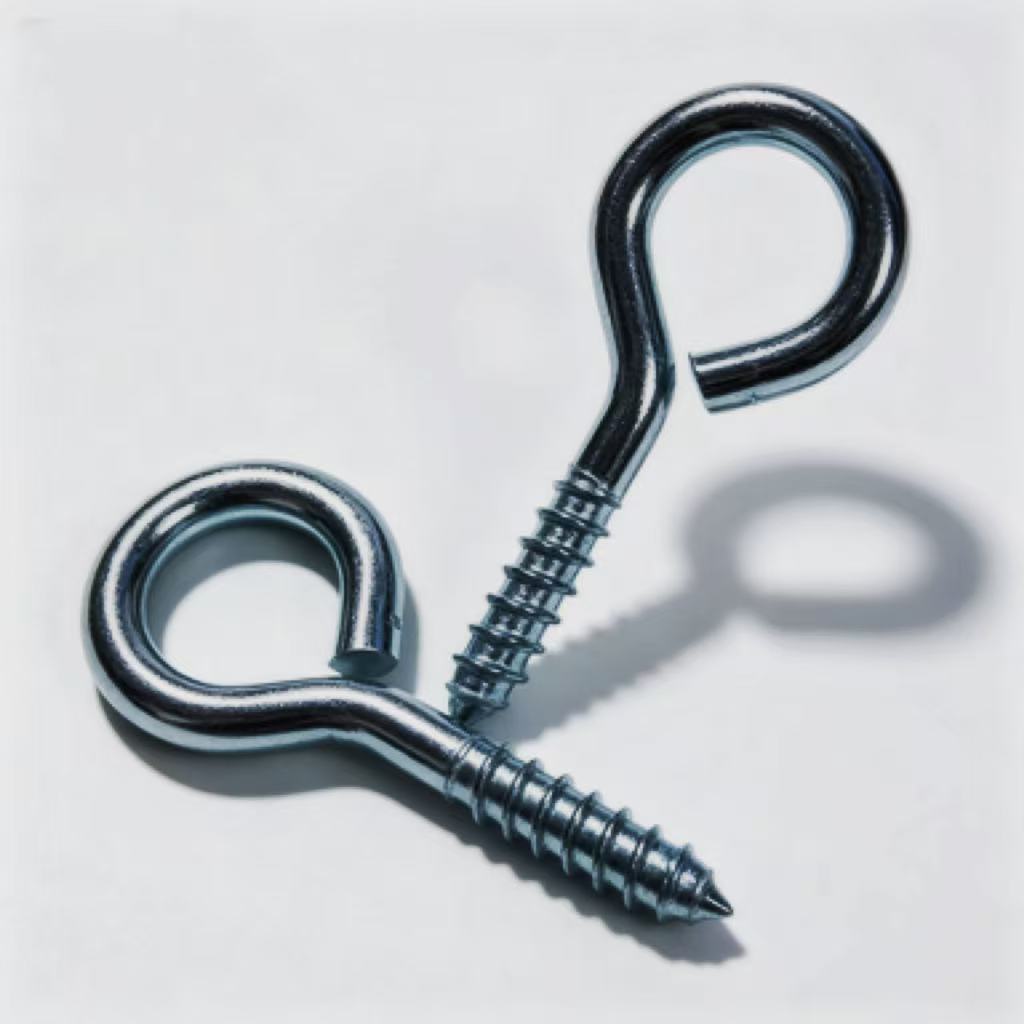
Our commitment to EEAT principles—demonstrating experience through over ten years of production, expertise in material science, authority in adhering to global standards (GB, DIN, JIS, ANSI), and trustworthiness in every transaction—makes us the preferred partner for businesses worldwide. While we are renowned for our diverse fastener offerings, including specialized casing geckos and welded sheep’s eye screws, our core mission remains providing foundational hardware solutions that drive global industry forward.
Who should choose us? Procurement managers, engineers, and distributors looking for consistent quality, competitive pricing, and responsive service will find immense value in our direct-to-customer model. We invite you to evaluate your current supply chain and consider how a direct factory partnership can optimize your operations.
Take the next step towards securing your supply chain. Contact our technical team today to discuss your specific requirements, request a quote, or order samples. Let us provide the foundational support your projects need to succeed in an increasingly demanding industrial landscape.