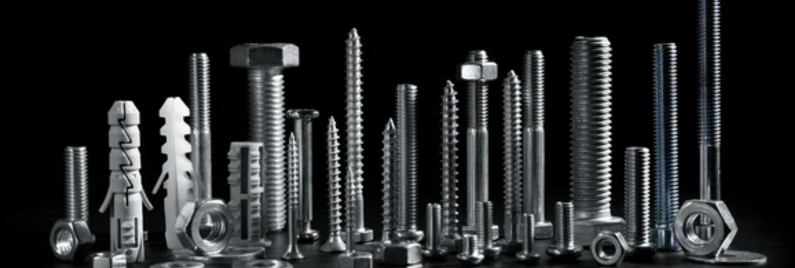
As a leading hex bolts manufacturer, we provide factory-direct pricing and comprehensive OEM services for industrial fasteners. Hex bolts are six-sided threaded fasteners designed to secure heavy machinery, structural steel, and automotive components with superior torque application. Our facility specializes in producing high-tensile hex head bolts that meet rigorous international standards, ensuring reliability for critical infrastructure projects worldwide without intermediary markups.
What Defines a High-Quality Hex Bolt?
A hex bolt is characterized by its hexagonal head, which allows for maximum torque transfer using standard wrenches or sockets. Unlike other fasteners, the geometry of the hex head provides six contact points, reducing the risk of rounding during tightening. This design is essential for applications requiring high clamping force and vibration resistance.
The quality of a hex bolt depends on three core factors: material composition, thread precision, and heat treatment. Premium manufacturers utilize cold forging techniques to maintain grain flow, enhancing tensile strength. Furthermore, strict adherence to dimensional tolerances ensures seamless assembly in automated production lines.
Industry professionals recognize that not all hex bolts are created equal. Variations in carbon content and alloying elements significantly impact performance under stress. Selecting the right specification is crucial for maintaining structural integrity in demanding environments.
Material Composition and Strength Grades
The durability of a hex bolt is directly linked to its material grade. Common materials include low carbon steel, medium carbon steel, and alloy steel. Each offers distinct mechanical properties suited for specific load requirements.
- Low Carbon Steel: Ideal for general-purpose applications where extreme strength is not critical. These are often plated for corrosion resistance.
- Medium Carbon Steel: Heat-treated to achieve higher tensile strength, suitable for automotive and machinery components.
- Alloy Steel: Contains elements like chromium or molybdenum for enhanced hardness and fatigue resistance in heavy-duty sectors.
- Stainless Steel: Provides excellent corrosion resistance for marine, chemical, and food processing environments.
Strength grades, such as Grade 5, Grade 8, or Metric Class 8.8 and 10.9, indicate the bolt’s ability to withstand tension and shear forces. Understanding these markings is vital for engineers specifying fasteners for safety-critical assemblies.
Precision Threading Standards
Thread accuracy determines how well a hex bolt engages with a nut or tapped hole. Imperfect threads can lead to cross-threading, stripped connections, or uneven load distribution. Our manufacturing process employs advanced rolling dies to ensure consistent pitch and depth.
Standard thread series include UNC (Unified National Coarse) and UNF (Unified National Fine) for imperial measurements, while metric bolts follow ISO standards. Coarse threads offer faster assembly and better resistance to stripping, whereas fine threads provide greater tensile strength and finer adjustment capabilities.
Quality control measures involve go/no-go gauging and optical inspection to verify thread conformity. This meticulous attention to detail prevents failure in high-vibration environments where loosening could be catastrophic.
Hex Bolts vs. Other Fastener Types
Selecting the correct fastener type is a common challenge in engineering procurement. While hex bolts are versatile, understanding their differences compared to socket head cap screws or carriage bolts helps optimize design efficiency and cost.
Hex bolts excel in scenarios requiring high torque application and frequent disassembly. Their external head design allows for robust tool engagement, making them preferable for outdoor and heavy industrial use where accessibility is key.
| Feature |
Hex Bolts |
Socket Head Cap Screws |
Carriage Bolts |
| Head Shape |
Hexagonal (External) |
Cylindrical with Internal Hex |
Rounded with Square Neck |
| Torque Capacity |
High |
Moderate to High |
Low to Moderate |
| Tool Requirement |
Wrench or Socket |
Allen Key |
Wrench (Nut side only) |
| Primary Application |
Structural, Machinery |
Precision Equipment, Tight Spaces |
Wood-to-Metal, Aesthetic Finish |
| Installation Speed |
Fast |
Moderate |
Fast (Self-locking neck) |
The table above highlights why hex bolts remain the industry standard for structural connections. Their ability to handle significant rotational force without damaging the head makes them indispensable in construction and heavy equipment manufacturing.
Conversely, socket head cap screws are preferred when space constraints prevent the use of a bulky wrench. However, they are more prone to stripping if over-torqued. Carriage bolts, with their smooth domed heads, are ideal for woodworking but lack the torque handling of hex variants.
When to Choose Hex Bolts Over Alternatives
Engineers should specify hex bolts when the assembly requires frequent maintenance or inspection. The external head allows for quick removal and reinstallation using common tools available on any job site.
In high-vibration environments, the large surface area of the hex head supports the use of locking washers or prevailing torque nuts more effectively than recessed heads. This stability is critical for transportation and energy sector applications.
Cost-effectiveness is another driving factor. Hex bolts are generally more economical to manufacture in high volumes compared to complex internal drive fasteners, offering savings for large-scale infrastructure projects.
Manufacturing Process: From Raw Material to Finished Product
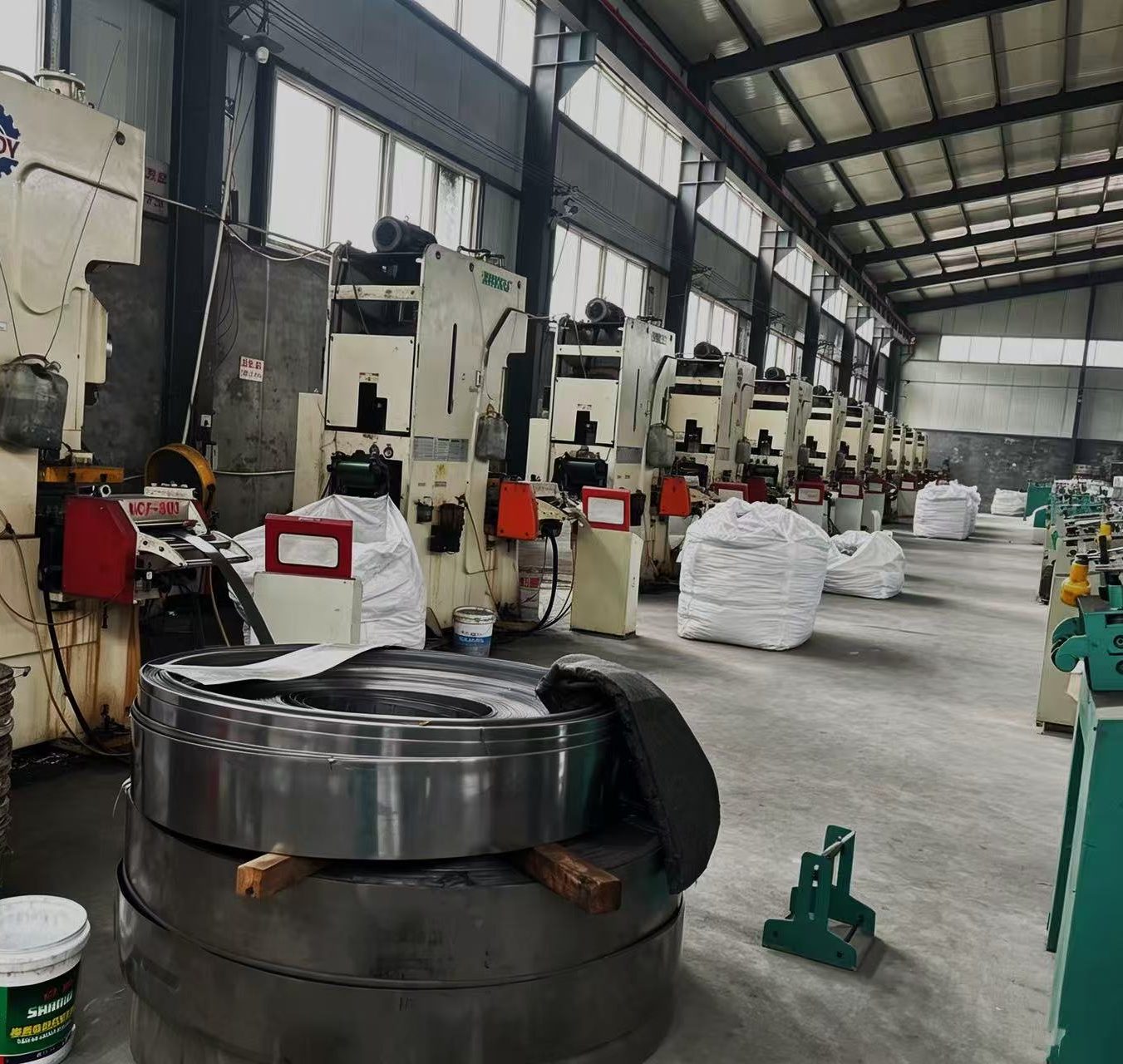
Producing high-performance hex bolts involves a sophisticated sequence of operations designed to enhance mechanical properties. As a dedicated manufacturer, we control every step from wire drawing to final packaging to ensure consistency.
The process begins with selecting premium wire rod coils. These are cleaned and pickled to remove surface oxides before being drawn to the precise diameter required for the specific bolt size. This cold working increases the material’s yield strength.
Cold Forging and Heading
The heading operation forms the hexagonal head and shank in a single high-speed stroke. Cold forging aligns the metal’s grain structure around the head, eliminating weak points found in machined alternatives. This results in superior impact resistance.
Modern heading machines utilize multi-station progressive dies to form complex geometries with tight tolerances. This method minimizes material waste and ensures that every bolt meets dimensional specifications consistently.
After heading, the blanks undergo thread rolling. Unlike cutting threads, rolling displaces the material to form the thread profile, work-hardening the surface and improving fatigue life. This technique is standard for high-grade fasteners.
Heat Treatment and Surface Finishing
For medium and high-strength bolts, heat treatment is essential. The components are heated to austenitizing temperatures and then quenched to form a martensitic structure, followed by tempering to achieve the desired balance of hardness and toughness.
- Quenching: Rapid cooling locks the microstructure in place, maximizing hardness.
- Tempering: Reheating to a lower temperature reduces brittleness while retaining strength.
- Surface Cleaning: Post-heat treatment cleaning removes scale and prepares the surface for coating.
Surface finishes protect against corrosion and enhance appearance. Options include zinc plating, hot-dip galvanizing, phosphate coating, and geometrically controlled dacromet layers. The choice depends on the environmental exposure the bolt will face.
Key Applications Across Industries
Hex bolts are foundational components in virtually every heavy industry. Their versatility allows them to serve in diverse roles, from securing bridge girders to assembling engine blocks. Understanding these applications helps buyers select the appropriate specifications.
In the construction sector, hex bolts are used for steel-to-steel connections in buildings and bridges. Structural bolts must meet stringent codes regarding shear strength and slip resistance to ensure public safety.
Automotive and Transportation
The automotive industry relies heavily on high-tensile hex bolts for chassis assembly, suspension systems, and engine mounting. These fasteners must withstand dynamic loads, thermal cycling, and constant vibration without failing.
Manufacturers often require custom lengths and head heights to fit specific vehicle architectures. OEM partnerships enable the production of bespoke solutions that integrate seamlessly into automated assembly lines.
Safety is paramount in transportation. A single fastener failure can lead to severe consequences. Therefore, traceability and batch testing are standard practices to guarantee performance reliability.
Energy and Infrastructure
In the energy sector, including oil, gas, and renewable power, hex bolts secure pipelines, wind turbine towers, and substation equipment. These environments often present extreme conditions such as high pressure, saltwater exposure, or temperature fluctuations.
Hot-dip galvanized hex bolts are frequently specified for outdoor infrastructure due to their thick protective zinc layer. For offshore applications, stainless steel or specialized alloy coatings are necessary to prevent rapid degradation.
Maintenance teams value the ease of inspection provided by hex heads. Visual checks for looseness or corrosion can be performed quickly, minimizing downtime in critical power generation facilities.
Advantages of Factory-Direct Sourcing
Purchasing hex bolts directly from the manufacturer offers significant benefits over buying through distributors or trading companies. This model eliminates middleman margins, resulting in more competitive pricing for bulk orders.
Direct communication with the production team facilitates clearer technical exchanges. Engineers can discuss custom requirements, material certifications, and testing protocols without information loss through intermediaries.
Our Heritage and Global Reach
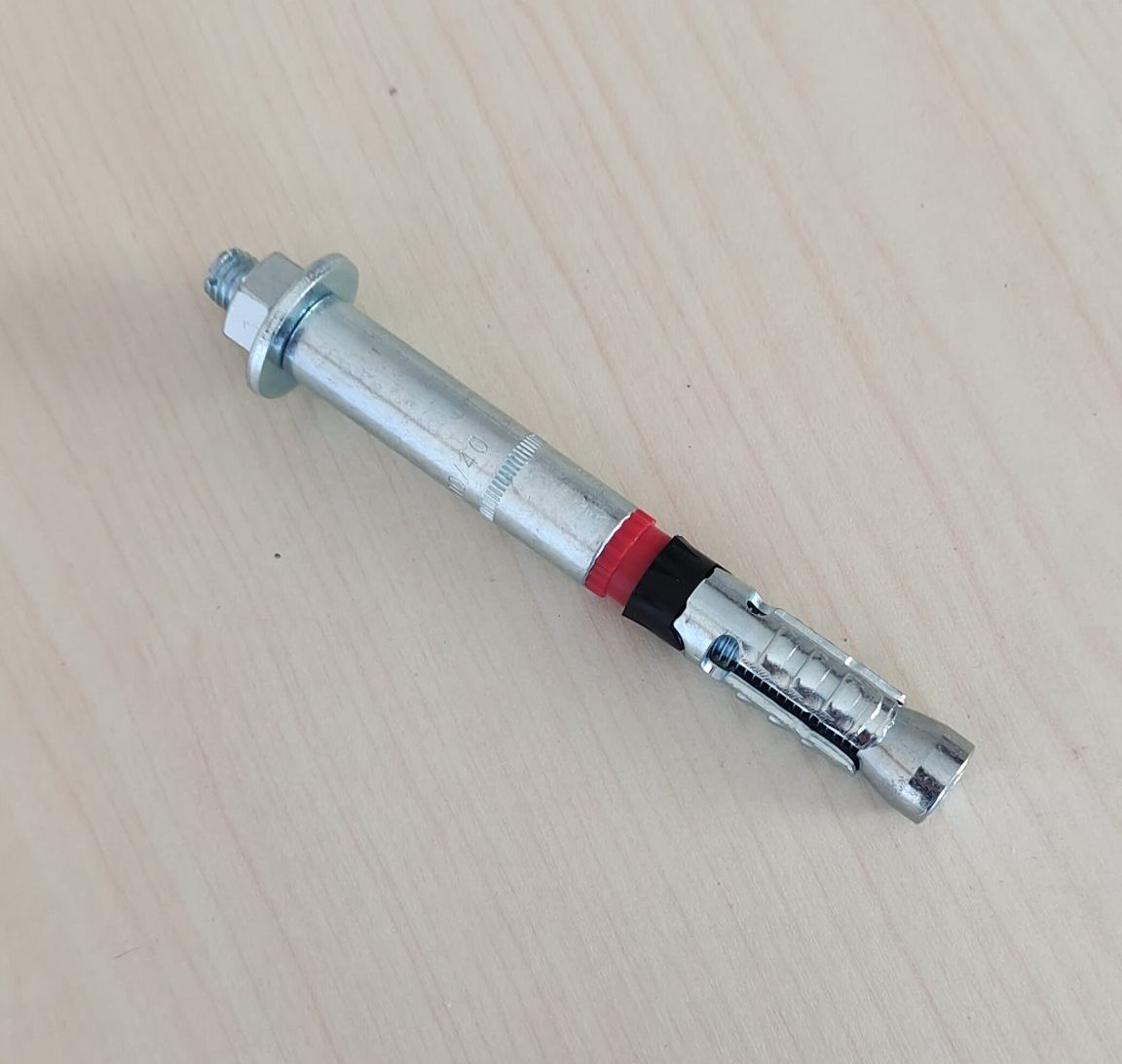
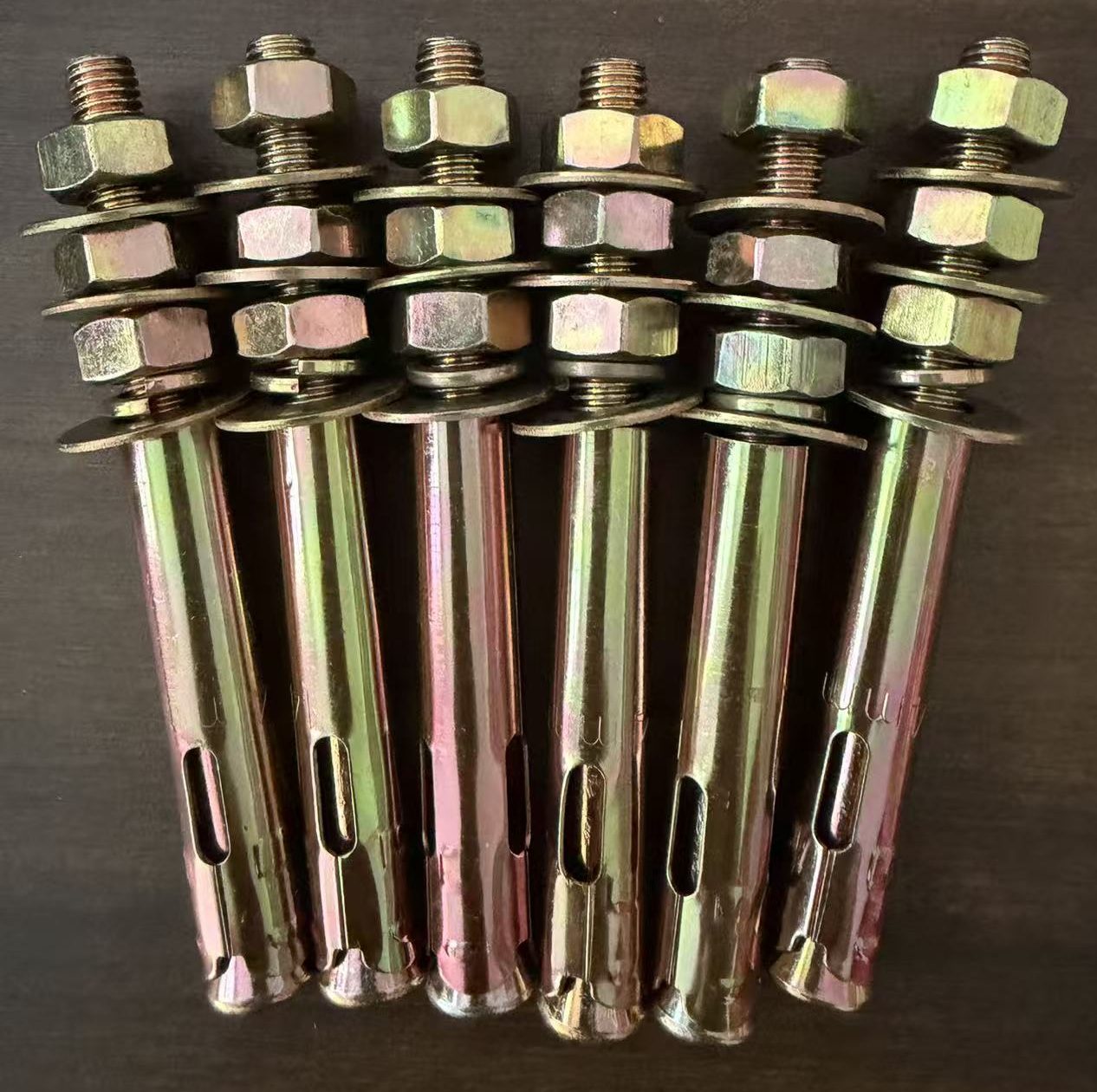
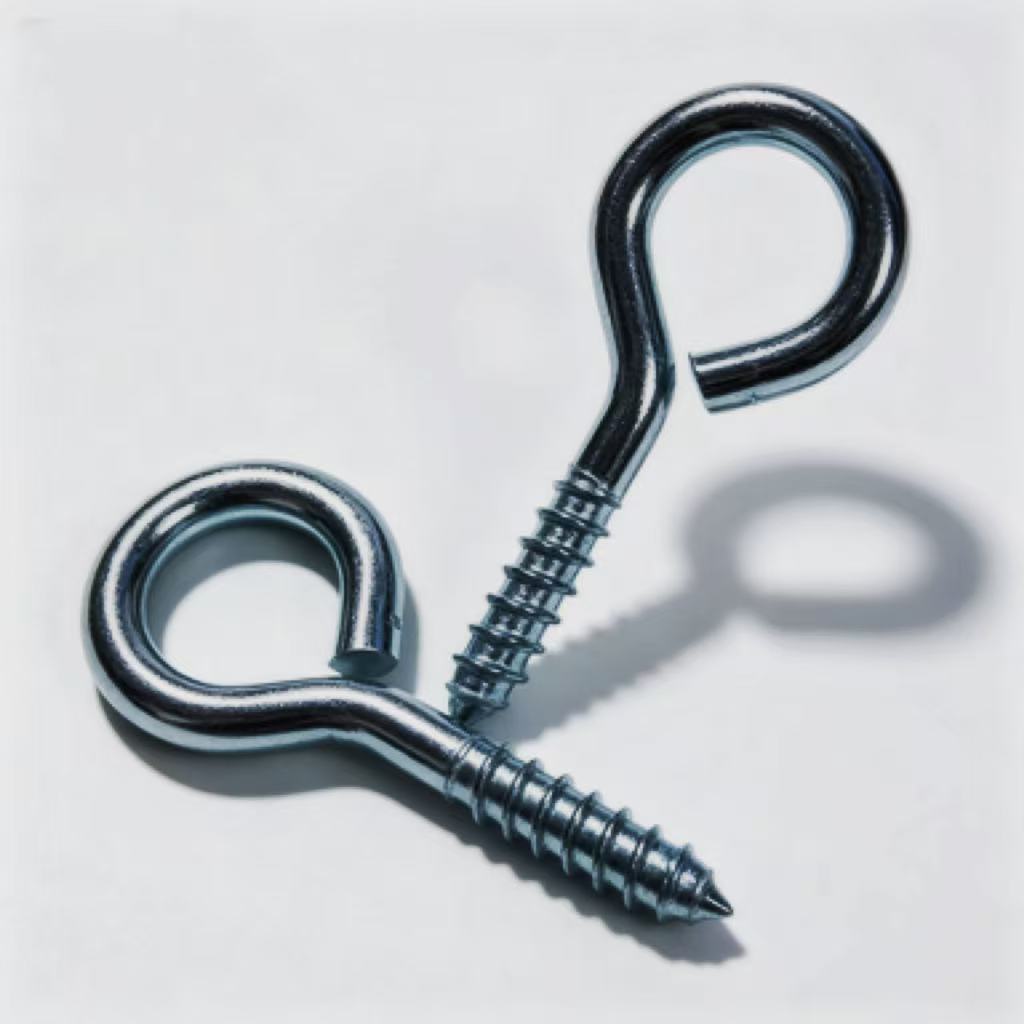
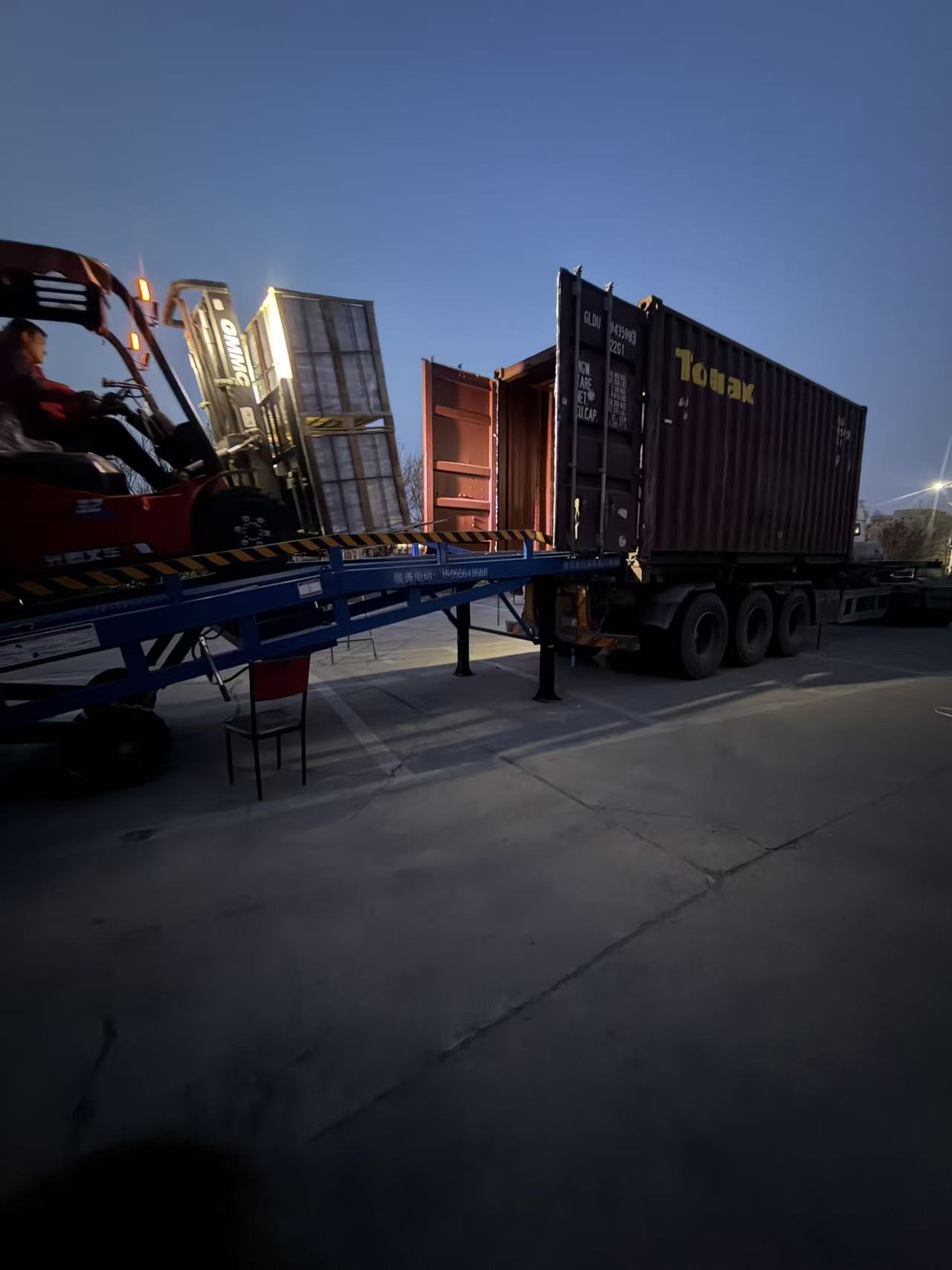
Located in Handan, Hebei—China’s renowned “City of Fasteners”—our company stands as a prime example of integrated industry and trade. With over a decade of specialized experience, we have evolved from a local producer into a global supplier, exporting our products to more than 26 countries. While we specialize in standard hex bolts, our expertise also extends to unique fastener solutions, including casing geckos, wooden teeth welded sheep’s eye screws/bolts, and a wide array of hardware tools.
We adhere to an integrity-based business philosophy, continuously investing in scientific research and high-tech talent. By leveraging advanced production technology and perfect testing methods, we ensure our products meet diverse international standards, including GB, DIN, JIS, and ANSI. This commitment allows us to serve a broad spectrum of global industries with confidence and precision.
Customization and OEM Capabilities
Every project has unique needs. Our OEM services allow clients to customize dimensions, thread types, head styles, and surface treatments. Whether you need non-standard lengths, specific logo stamping, or specialized alloys to meet unique environmental challenges, our flexible production lines accommodate these requests.
- Tailored Dimensions: Produce bolts outside standard catalog sizes to fit proprietary designs.
- Special Alloys: Utilize specific steel grades to meet unique environmental or strength challenges.
- Packaging Solutions: Custom bulk packs, boxed units, or kitted assemblies for streamlined inventory management.
Flexibility extends to order volumes. While large-scale production runs optimize costs, we also support pilot batches for prototyping and new product development, ensuring partners can innovate without excessive upfront commitment.
Quality Assurance and Certification
Reputable manufacturers maintain rigorous quality management systems certified to international standards. Guided by the principle of “quality first, customer first,” our professional technical team utilizes advanced machinery to deliver high-quality products at competitive prices. Every batch undergoes mechanical testing, including tensile strength, hardness, and wedge tests, to verify compliance.
Certification documents, such as Mill Test Reports (MTRs), accompany shipments to provide full traceability of raw materials. This transparency builds trust and simplifies audit processes for regulated industries. Consistent quality reduces the risk of field failures and associated liability costs. Investing in verified factory-direct products is a strategic decision that protects brand reputation and operational continuity.
How to Select the Right Hex Bolt for Your Project
Choosing the correct hex bolt involves analyzing several variables including load requirements, environmental conditions, and assembly methods. Making an informed selection prevents costly rework and ensures long-term reliability.
Start by determining the required strength grade based on the calculated loads. Over-specifying can increase costs unnecessarily, while under-specifying poses safety risks. Consult engineering tables or speak with technical experts to find the optimal balance.
Evaluating Environmental Factors
Consider the operating environment carefully. Will the fastener be exposed to moisture, chemicals, or extreme temperatures? Corrosive settings demand stainless steel or heavy-duty coatings like hot-dip galvanization.
Temperature extremes affect material properties. High-temperature applications may require alloy steels that retain strength when heated, while cryogenic environments need materials that remain ductile at low temperatures.
Vibration levels also dictate the choice of locking mechanisms. In high-vibration zones, pairing hex bolts with nylon insert nuts or chemical adhesives may be necessary to prevent self-loosening.
Compatibility and Assembly Considerations
Ensure the bolt length allows for proper thread engagement. A general rule is that the engaged length should be at least equal to the bolt diameter for steel connections. Insufficient engagement can lead to thread stripping.
Check clearance for the wrench or socket. Confined spaces might require thinner heads or alternative drive types, but if possible, stick to standard hex dimensions for tool availability and ease of maintenance.
Verify compatibility with the mating material. Dissimilar metals can cause galvanic corrosion. Using insulating washers or selecting compatible finishes can mitigate this electrochemical reaction.
Frequently Asked Questions (FAQ)
Buyers and engineers often have specific questions regarding hex bolt specifications, sourcing, and performance. Below are answers to common inquiries to assist in your decision-making process.
What is the difference between a hex bolt and a hex cap screw?
While similar in appearance, a hex cap screw typically has a washer face under the head and chamfered threads, adhering to stricter dimensional tolerances. Hex bolts may lack the washer face and are often used with separate washers. Cap screws are generally intended for higher precision applications.
Can hex bolts be reused?
Reuse depends on the condition of the bolt and the application. If a bolt has been stretched beyond its yield point or shows signs of thread damage, it should not be reused. Critical safety applications usually mandate single-use policies to prevent failure.
How do I determine the correct torque value?
Torque values depend on the bolt grade, diameter, lubrication, and material. Manufacturers provide torque charts based on standardized calculations. It is essential to follow these guidelines to achieve the correct clamp load without overtightening.
What certifications should I look for in a manufacturer?
Look for ISO 9001 certification for quality management. Specific industry certifications like CE marking for Europe or ASTM compliance for the US are also important. Request Mill Test Reports to verify material chemistry and mechanical properties.
Do you offer small quantity orders for prototyping?
Yes, many manufacturers, including our facility, support small batch orders for R&D and prototyping phases. This allows clients to test designs before committing to full-scale production runs, fostering innovation and agility.
Conclusion and Next Steps
Hex bolts are critical components that ensure the safety and longevity of structures and machinery across the globe. Understanding their manufacturing nuances, material grades, and application-specific requirements is essential for making informed procurement decisions.
This guide is ideal for procurement managers, mechanical engineers, and construction planners seeking reliable fastener solutions. By prioritizing factory-direct sourcing, businesses can achieve cost efficiencies while maintaining the highest standards of quality and customization.
To optimize your supply chain, evaluate your current fastener specifications against your project needs. Consider partnering with a manufacturer that offers transparent certification, flexible OEM capabilities, and direct technical support. Reach out to our engineering team today to discuss your specific requirements and request a customized quote for your next project.