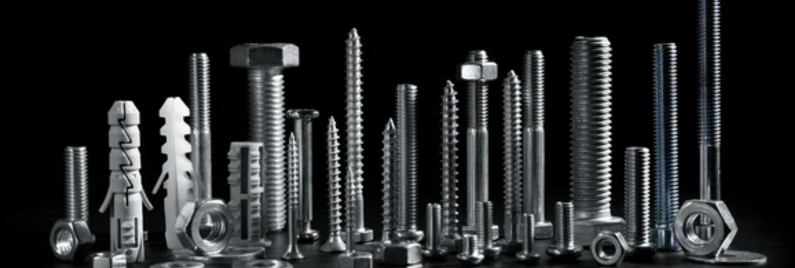
Looking for a reliable hex nuts manufacturer? Our factory delivers premium hex nuts at the best factory prices with full OEM supply capabilities. We specialize in producing high-tensile, corrosion-resistant fasteners that meet international standards like ISO, DIN, and ANSI. Whether you need standard sizes or custom specifications for industrial applications, our direct-to-client model ensures cost efficiency without compromising quality. This guide explores why choosing the right manufacturer matters for your supply chain success.
What Defines a Top-Tier Hex Nuts Manufacturer?
Selecting the right partner is critical for procurement managers and engineers. A top-tier hex nuts manufacturer distinguishes itself through rigorous quality control, advanced production technology, and adherence to global certification standards. Unlike generic suppliers, leading factories invest heavily in material testing and precision engineering.
The core difference lies in consistency. High-quality manufacturing ensures that every batch of hex nuts maintains uniform thread tolerance and hardness. This reliability prevents assembly failures in critical infrastructure, automotive lines, and heavy machinery. When evaluating potential partners, buyers should prioritize facilities with in-house laboratories and automated cold-heading processes.
Furthermore, a reputable manufacturer offers comprehensive technical support. They do not just sell products; they provide solutions tailored to specific load requirements and environmental conditions. This expertise reduces the risk of project delays caused by substandard fasteners.
Key Certifications to Look For
Industry credibility is often validated by third-party certifications. When sourcing hex nuts, verify that the manufacturer holds relevant accreditations. These documents prove compliance with safety and performance benchmarks.
- ISO 9001: Demonstrates a robust quality management system across all production stages.
- DIN/ANSI/ASME Compliance: Ensures dimensional accuracy and thread compatibility with global standards.
- Material Test Reports (MTRs): Provides traceability for raw materials, confirming chemical composition and mechanical properties.
- RoHS/REACH: Guarantees that products are free from hazardous substances, essential for export markets.
These certifications are not merely formalities; they are indicators of a factory’s commitment to excellence. Manufacturers lacking these credentials may cut corners on material quality or heat treatment processes.
Understanding Hex Nuts: Types and Technical Specifications
Hex nuts are six-sided fasteners designed to secure bolts and screws. While they appear simple, their engineering varies significantly based on application needs. Understanding these variations is crucial for selecting the correct component for your project.
The geometry of a hex nut allows for optimal torque application using standard wrenches. The six flat sides provide multiple gripping angles, making installation efficient even in tight spaces. However, the internal thread design and material grade determine the nut’s load-bearing capacity.
Modern manufacturing utilizes cold forging and hot forging techniques to shape these components. Cold forging enhances strength through work hardening, while hot forging is preferred for larger diameters and specialized alloys. The choice of method impacts the final grain structure and durability of the hex nut.
Common Material Grades and Their Applications
The performance of a hex nut is directly linked to its material composition. Different industries require specific grades to withstand varying levels of stress, temperature, and corrosion.
| Material Grade |
Key Characteristics |
Typical Applications |
| Carbon Steel (Grade 5/8) |
High tensile strength, cost-effective, moderate corrosion resistance. |
Construction, automotive frames, general machinery. |
| Stainless Steel (304/316) |
Excellent corrosion resistance, non-magnetic (304), superior chemical resistance (316). |
Marine environments, food processing, chemical plants. |
| Alloy Steel (Grade L7) |
High temperature resistance, exceptional toughness under extreme loads. |
Oil and gas pipelines, power generation, high-pressure valves. |
| Brass/Bronze |
Non-sparking, good electrical conductivity, decorative finish. |
Electrical fixtures, marine hardware, architectural details. |
Choosing the wrong material can lead to premature failure. For instance, using carbon steel in a saline environment without proper plating will result in rapid rusting. Conversely, specifying stainless steel for a low-stress application may unnecessarily increase costs.
Surface Treatments and Coatings
Beyond base materials, surface treatments play a vital role in extending the lifespan of hex nuts. Manufacturers apply various coatings to enhance corrosion resistance and improve aesthetic appeal.
- Zinc Plating: A common, economical coating that provides basic protection against rust. Suitable for indoor applications.
- Hot Dip Galvanizing: Offers a thick, durable zinc layer ideal for outdoor structures and harsh weather conditions.
- Dacromet/Geomet: Advanced inorganic coatings providing superior salt spray resistance without hydrogen embrittlement risks.
- Nickel/Chrome Plating: Used primarily for decorative purposes and enhanced wear resistance in consumer products.
Our factory employs state-of-the-art coating lines to ensure uniform coverage. Proper surface treatment not only protects the fastener but also ensures consistent torque values during assembly by reducing friction variability.
Why Choose Direct Factory Pricing and OEM Supply?
In today’s competitive market, cost efficiency is paramount. Sourcing directly from a hex nuts manufacturer eliminates intermediary markups, resulting in significant savings for bulk buyers. This direct relationship also fosters better communication and faster problem resolution.
Factory-direct pricing does not mean compromised quality. On the contrary, established manufacturers optimize their production lines to offer competitive rates while maintaining strict quality controls. By removing distributors, buyers gain transparency into the production process and lead times.
Moreover, direct engagement facilitates OEM (Original Equipment Manufacturer) collaborations. Whether you need custom threading, unique head heights, or specialized packaging, a dedicated factory can adapt its processes to meet your exact specifications. This flexibility is rarely available through stockists or trading companies.
Advantages of Custom OEM Solutions
Every engineering challenge is unique. Standard off-the-shelf hex nuts may not always fit specific design requirements. An experienced manufacturer offers tailored solutions that align with your product’s lifecycle.
- Custom Dimensions: Produce non-standard sizes or thread pitches that are not readily available in the open market.
- Proprietary Alloys: Develop fasteners using specific metal blends to meet unusual temperature or chemical exposure needs.
- Branded Packaging: Implement custom labeling, boxing, and palletizing to streamline your inventory management and brand presence.
- Just-in-Time Delivery: Coordinate production schedules to match your assembly line requirements, reducing warehousing costs.
These OEM capabilities allow businesses to innovate without being constrained by standard catalog items. Partnering with a flexible manufacturer accelerates time-to-market for new products.
Comparative Analysis: Standard vs. Heavy Hex Nuts
One of the most frequent decisions in fastener selection is choosing between standard and heavy hex nuts. While both serve the fundamental purpose of securing bolts, their structural differences dictate their suitability for various loads.
Standard hex nuts conform to regular thickness and width dimensions defined by ISO or ANSI standards. They are sufficient for general-purpose applications where loads are predictable and moderate. Heavy hex nuts, however, feature increased thickness and wider across-the-flats dimensions.
The additional material in heavy hex nuts distributes clamping force over a larger area. This reduces the risk of thread stripping and deformation under high tension. They are essential for structural steel connections, bridge building, and heavy equipment assembly.
Performance Comparison Table
To clarify the distinctions, here is a detailed comparison of standard and heavy hex nuts based on key performance metrics.
| Feature |
Standard Hex Nut |
Heavy Hex Nut |
| Thickness |
Nominal height per standard specs. |
Approximately 15-20% thicker than standard. |
| Load Distribution |
Suitable for moderate static loads. |
Superior distribution for high dynamic and static loads. |
| Thread Engagement |
Standard engagement depth. |
Deeper thread engagement reduces shear stress. |
| Cost Implication |
Lower material usage, more economical. |
Higher material cost, justified by safety margins. |
| Primary Use Case |
Consumer goods, light machinery, electronics. |
Structural engineering, railways, heavy industrial plants. |
Engineers must carefully evaluate load calculations before specifying heavy hex nuts. Over-engineering with heavy nuts in light applications increases weight and cost unnecessarily, while under-specifying in critical structures poses safety risks.
The Manufacturing Process: From Raw Material to Finished Product
Understanding how hex nuts are made provides insight into quality determinants. The manufacturing journey involves several precise steps, each critical to the final product’s integrity. A top manufacturer controls every stage of this process.
It begins with raw material selection. High-quality wire rods are sourced from certified mills. These rods undergo chemical analysis to ensure they meet the required alloy specifications. Any deviation at this stage can compromise the entire batch.
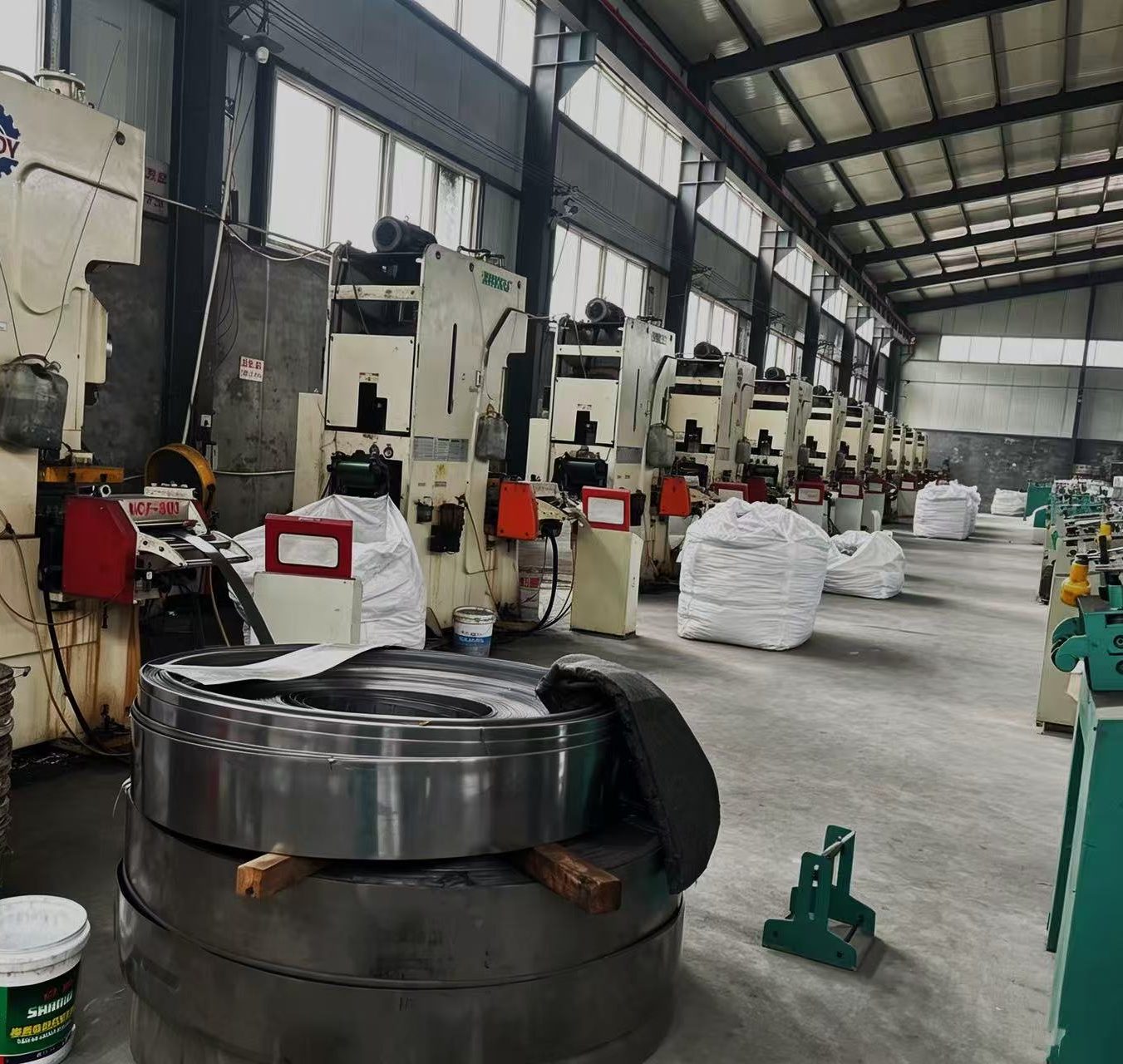
Next, the wire is drawn to the correct diameter and cut into blanks. These blanks are then fed into cold-heading machines where they are formed into the hexagonal shape. This cold-working process aligns the metal grain structure, enhancing tensile strength.
Step-by-Step Production Workflow
The transformation from raw steel to a finished hex nut follows a systematic workflow. Adherence to this sequence ensures consistency and reliability.
- Step 1: Wire Drawing: Reducing the rod diameter to precise tolerances required for the specific nut size.
- Step 2: Blanking: Cutting the wire into small slugs of exact volume to minimize waste and ensure uniformity.
- Step 3: Cold Heading: Forging the slugs into hexagonal shapes using high-pressure dies. This creates the basic form without heating the metal.
- Step 4: Tapping: Cutting the internal threads using high-speed taps. Precision here is vital for smooth bolt engagement.
- Step 5: Heat Treatment: Hardening and tempering the nuts to achieve the desired mechanical properties, such as hardness and ductility.
- Step 6: Surface Finishing: Applying coatings like zinc or galvanization to protect against corrosion.
- Step 7: Quality Inspection: Conducting dimensional checks, hardness tests, and salt spray tests before packaging.
Advanced manufacturers utilize automated optical sorting systems during the inspection phase. These systems detect microscopic defects that human inspectors might miss, ensuring that only perfect units reach the customer.
Applications Across Industries
Hex nuts are ubiquitous in modern industry. Their versatility makes them indispensable in sectors ranging from construction to aerospace. Understanding these applications helps buyers specify the right product for their needs.
In the construction sector, hex nuts secure steel beams, concrete forms, and scaffolding. Here, reliability is non-negotiable, as failure can lead to catastrophic structural collapse. High-strength alloy nuts are commonly used in skyscrapers and bridges.
The automotive industry relies on vast quantities of hex nuts for engine assembly, chassis framing, and interior components. Vibrational resistance is a key requirement here, often necessitating the use of nylon insert lock nuts or prevailing torque designs alongside standard hex nuts.
In renewable energy, particularly wind turbines and solar farms, hex nuts face extreme environmental challenges. They must withstand constant vibration, temperature fluctuations, and corrosive elements. Specialized coatings and high-grade materials are essential in these installations.
Specialized Uses in Harsh Environments
Certain industries operate in conditions that demand extraordinary fastener performance. Standard solutions often fail in these scenarios, requiring bespoke manufacturing approaches.
- Offshore Oil Rigs: Exposure to saltwater and high pressure requires super-duplex stainless steel or heavily galvanized nuts.
- Chemical Processing Plants: Resistance to acidic and alkaline fumes dictates the use of Hastelloy or titanium-based hex nuts.
- Railway Infrastructure: Constant dynamic loading and vibration necessitate nuts with superior fatigue resistance and locking mechanisms.
- Aerospace: Weight reduction is critical, leading to the use of lightweight alloys like aluminum or titanium, combined with precise torque specifications.
Our manufacturing facility is equipped to handle these specialized demands. By leveraging advanced metallurgy and coating technologies, we deliver hex nuts that perform reliably even in the harshest operational environments.
Quality Control and Testing Protocols
Trust is built on verification. A credible hex nuts manufacturer implements rigorous quality control (QC) protocols at every stage of production. These measures ensure that every shipment meets the promised specifications.
Dimensional accuracy is verified using coordinate measuring machines (CMM) and go/no-go gauges. This ensures that thread pitch, major diameter, and hex width fall within acceptable tolerances. Even minor deviations can cause assembly issues or reduced load capacity.
Mechanical testing is equally important. Samples from each batch undergo hardness testing, tensile strength analysis, and proof load testing. These tests confirm that the nuts can withstand the specified forces without deforming or breaking.
Essential Testing Methods
To guarantee product integrity, manufacturers employ a range of standardized testing methods. These procedures validate the physical and chemical properties of the hex nuts.
- Hardness Testing: Measures resistance to deformation using Rockwell or Vickers scales to ensure proper heat treatment.
- Salt Spray Testing: Evaluates corrosion resistance by exposing coated nuts to a saline fog environment for extended periods.
- Wedge Tension Test: Assesses the nut’s ability to withstand tension when placed on a wedge, simulating uneven loading conditions.
- Chemical Analysis: Uses spectrometry to verify the exact elemental composition of the raw material.
- Magnetic Particle Inspection: Detects surface and near-surface cracks that could lead to failure under stress.
Documentation is a key part of our QC process. Every order comes with a comprehensive Quality Assurance Certificate detailing the test results. This transparency builds long-term trust with our global clientele.
About Our Company: A Decade of Excellence in Fasteners
Located in Handan, Hebei—China’s renowned hub for fastener manufacturing—our company stands as a premier industry and trade integration enterprise. With over ten years of dedicated experience, we have evolved from a local producer into a global supplier, exporting high-quality fasteners and hardware tools to more than 26 countries worldwide.
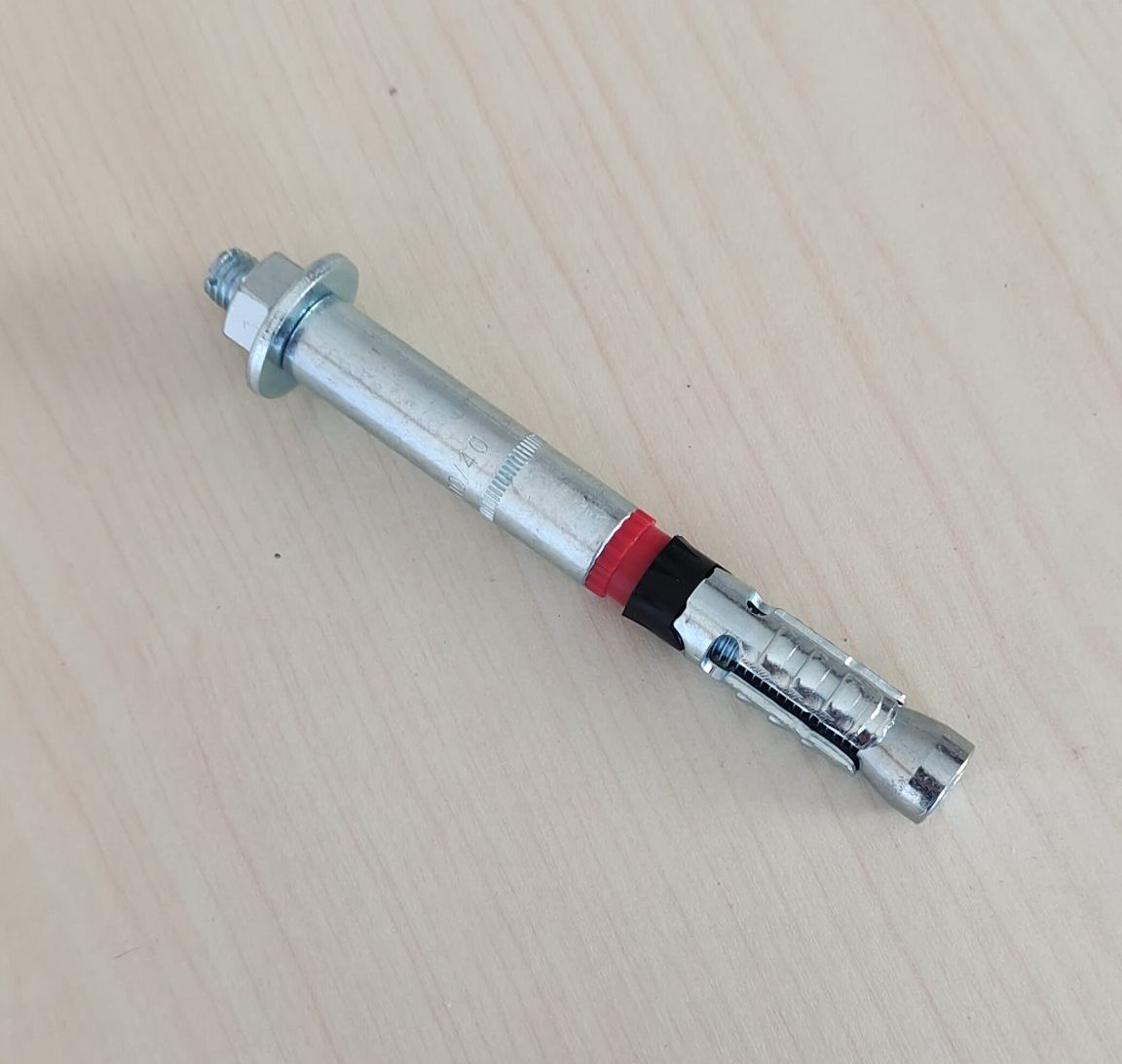
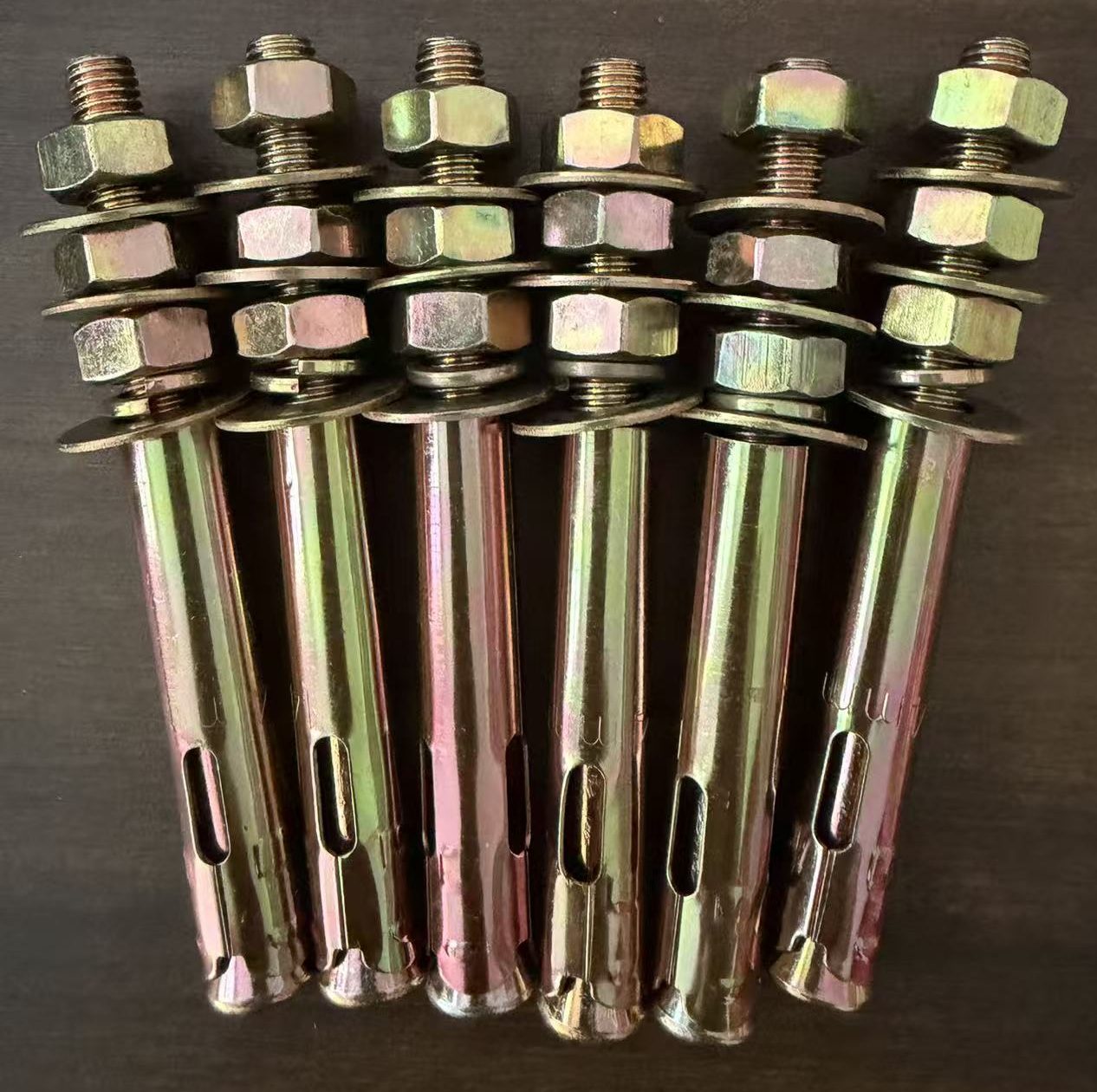
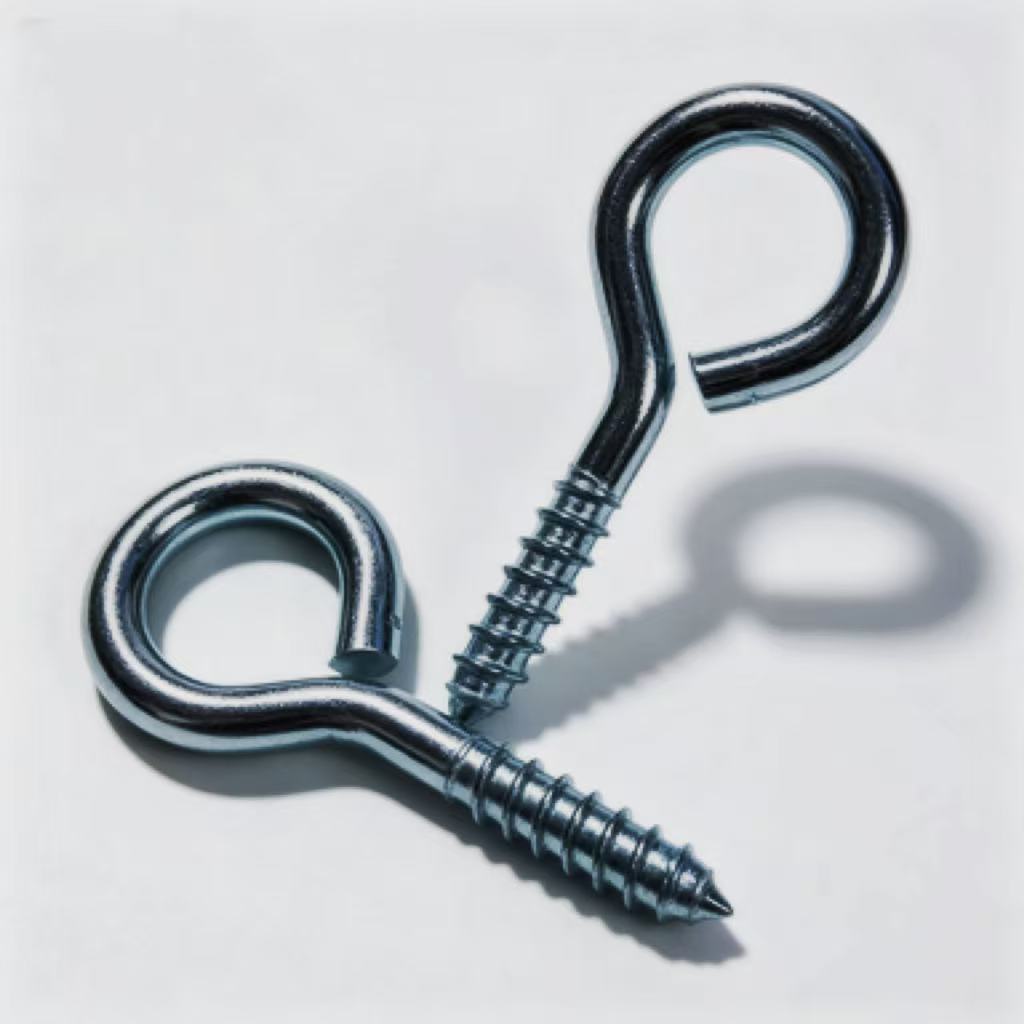
While we are widely recognized for our expertise in specialized products like casing geckos, wooden teeth welded sheep’s eye screws, and bolts, our core competency lies in the comprehensive development, manufacturing, and service of standard and custom fasteners. Our philosophy is rooted in integrity and innovation; we continuously invest in scientific research and recruit high-tech talent to refine our production technologies.
Our facility boasts a professional technical team and advanced machinery capable of meeting diverse international standards, including GB, DIN, JIS, ANSI, and others. Whether you require mass production of standard hex nuts or customized specifications for unique projects, we adhere to the principle of “quality first, customer first.” Our rigorous testing methods and commitment to excellent service ensure that we not only meet but exceed customer expectations, maintaining a sterling reputation in the global market.
Frequently Asked Questions (FAQ)
Buyers often have specific questions regarding hex nuts sourcing, specifications, and logistics. Below are answers to common inquiries to assist in your decision-making process.
What is the typical lead time for OEM hex nut orders?
Lead times vary depending on order volume and customization levels. For standard sizes and materials, production can often be completed within 2 to 3 weeks. Custom OEM projects involving unique alloys or coatings may require 4 to 6 weeks. We prioritize efficient scheduling to meet urgent project deadlines whenever possible.
Can you produce hex nuts according to specific international standards?
Yes, our factory is fully capable of manufacturing hex nuts compliant with major international standards including ISO, DIN, ANSI, ASME, JIS, and BS. We can also adhere to client-specific drawings and proprietary specifications. Our engineering team reviews all custom requirements to ensure feasibility and performance.
Do you provide samples before bulk ordering?
Absolutely. We understand the importance of verifying quality before committing to large volumes. Samples of standard products are readily available. For custom OEM requests, we can produce pilot batches for testing and approval. This step ensures that the final mass production matches your exact expectations.
How do you ensure packaging safety during international shipping?
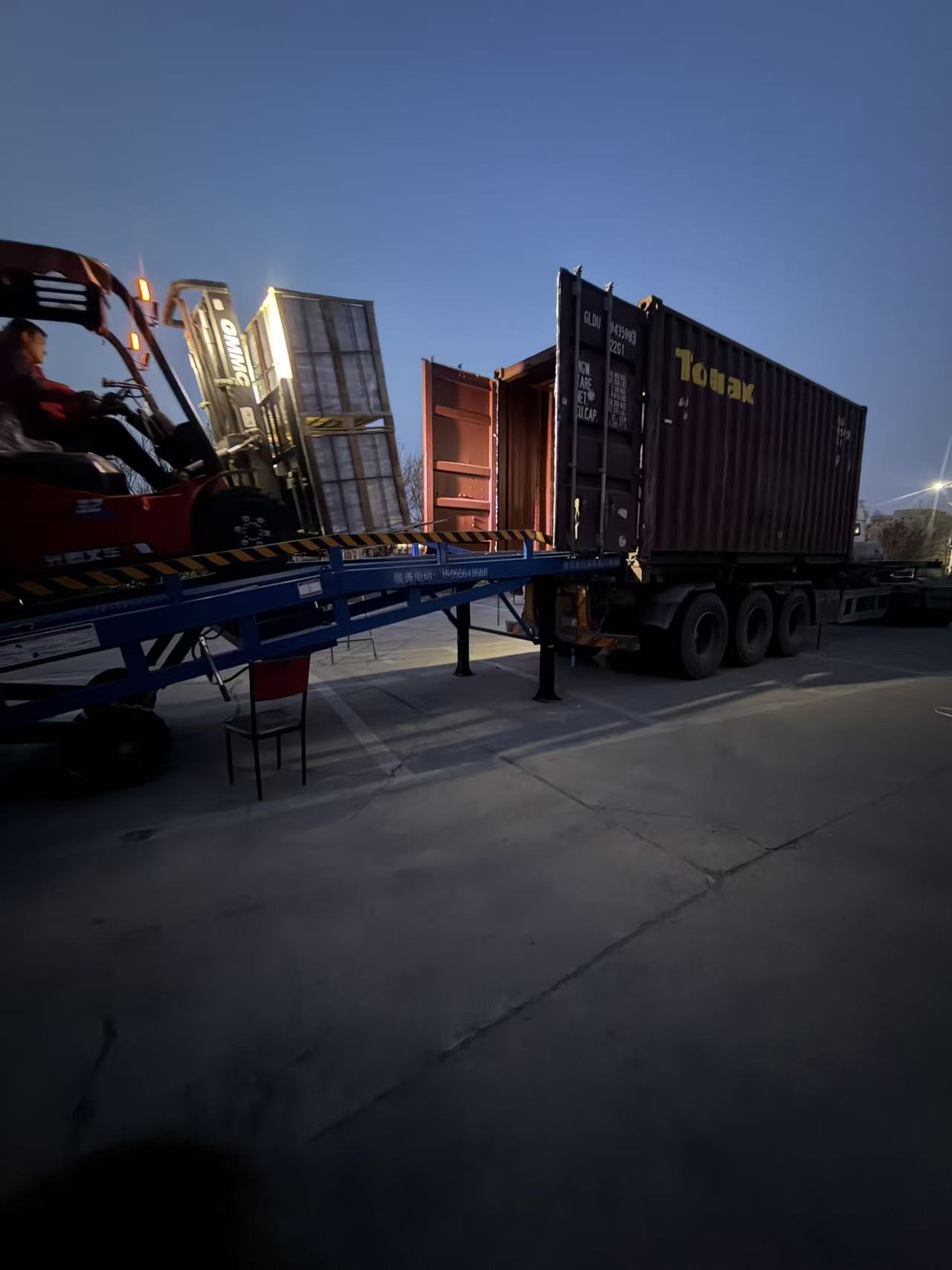
We utilize robust packaging solutions designed for long-distance transport. Options include wooden crates, pallets with shrink wrap, and moisture-resistant barriers. Custom labeling and barcoding are available to facilitate easy inventory tracking upon arrival. Our logistics partners ensure timely and secure delivery to ports worldwide.
What payment terms do you offer for international clients?
We offer flexible payment terms to accommodate different business models. Common options include T/T (Telegraphic Transfer) and L/C (Letter of Credit). Specific terms are negotiated based on order value and the duration of the business relationship. Our goal is to make financial transactions smooth and secure for all parties.
Conclusion: Making the Right Choice for Your Business
Selecting the right hex nuts manufacturer is a strategic decision that impacts the quality, cost, and reliability of your end products. By partnering with a factory that combines advanced manufacturing capabilities with strict quality controls, you secure a competitive advantage in your market.
Our facility stands ready to support your needs with best factory prices and comprehensive OEM supply services. Whether you require standard fasteners for general assembly or highly specialized components for extreme environments, we deliver precision and consistency.
Who is this for? This solution is ideal for procurement officers, engineering firms, construction companies, and industrial equipment manufacturers seeking a dependable long-term supply partner.
Next Steps: Evaluate your specific technical requirements and reach out to discuss your project. Request a quote today to experience the benefits of direct factory collaboration and elevate your supply chain efficiency.