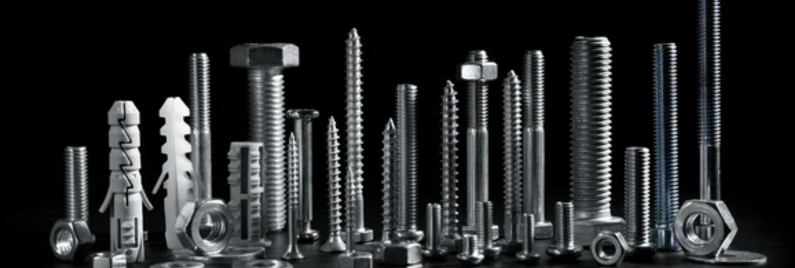
A bolt is a threaded fastener designed to be used with a nut to clamp two or more components together. Unlike screws, bolts typically require a pre-drilled hole and rely on the tension created by tightening the nut to secure assemblies. This comprehensive 2026 guide details bolt types, sizing standards, material grades, and expert selection strategies for industrial and commercial applications.
What Is a Bolt and How Does It Function?
A bolt serves as a critical mechanical element in construction, manufacturing, and engineering. Its primary function is to convert torque applied to the nut or head into axial tension, creating a clamping force that holds parts securely. The effectiveness of a bolt depends on its thread design, material strength, and proper installation technique.
In modern engineering, bolts are categorized by their head shape, thread type, and intended load-bearing capacity. Understanding these distinctions is vital for ensuring structural integrity. Misidentifying a bolt type can lead to joint failure, equipment damage, or safety hazards in high-stress environments.
The evolution of fastening technology has led to specialized bolts capable of withstanding extreme temperatures, corrosive environments, and dynamic loads. Industry professionals now prioritize precision metrics over generic specifications to meet rigorous safety standards.
Core Components and Anatomy of a Bolt
To select the correct fastener, one must understand the specific anatomy of a bolt. Each component plays a distinct role in the performance of the joint. Ignoring any single element can compromise the entire assembly.
- Head: The top part of the bolt used to apply torque. Common shapes include hex, socket, and flange.
- Shank: The unthreaded portion of the bolt body that provides shear strength and alignment.
- Thread: The helical ridge that engages with the nut or tapped hole to create tension.
- Point: The tip of the bolt, which can be flat, chamfered, or domed depending on the application.
The relationship between the shank diameter and the thread root diameter determines the bolt’s stress distribution. High-performance applications often utilize bolts with reduced shank diameters to increase elasticity and fatigue resistance.
Differentiating Bolts from Screws
While often used interchangeably in casual conversation, bolts and screws have distinct technical definitions. A bolt is designed to pass through an unthreaded hole and is secured by a nut. In contrast, a screw typically threads directly into the material or a pre-tapped hole without a nut.
This distinction affects load distribution. Bolts generally handle higher shear loads due to the uniform support provided by the nut and washer combination. Screws rely on the strength of the host material’s threads, which may strip under excessive torque.
Comprehensive Guide to Bolt Types
Selecting the appropriate bolt type is the first step in any successful fastening project. The market offers a vast array of designs, each optimized for specific loading conditions and assembly requirements. Experts classify these based on head style and drive mechanism.
Hex Head Bolts
Hex head bolts are the most ubiquitous fasteners in industrial settings. Their six-sided head allows for high torque application using standard wrenches or sockets. They are ideal for heavy-duty structural connections where accessibility is not limited.
Variations include the standard hex bolt and the heavy hex bolt, which features a larger head and thicker dimensions for increased bearing surface. These are commonly found in steel structures, bridges, and large machinery frames.
Socket Head Cap Screws
Also known as Allen bolts, these feature a cylindrical head with an internal hexagonal drive. They provide a sleek, low-profile finish and are essential when space constraints prevent the use of external wrenches. Socket heads offer high tensile strength and are frequently used in precision machinery and automotive engines.
The internal drive mechanism allows for greater torque transmission relative to the head size compared to external drives. However, they require specific Allen keys or bit drivers for installation and removal.
Flange Bolts
A flange bolt integrates a wide circular flange under the head, acting as a built-in washer. This design distributes the clamping load over a larger area, reducing the risk of damaging soft materials or deforming thin sheets.
Flange bolts streamline assembly by eliminating the need for separate washers. They are extensively used in automotive applications, such as securing engine components and exhaust systems, where vibration resistance is paramount.
Carriage Bolts
Characterized by a smooth, rounded head and a square neck beneath it, carriage bolts are designed for wood-to-wood or wood-to-metal connections. The square neck prevents the bolt from rotating when the nut is tightened, allowing for single-sided installation.
These are standard in woodworking, fencing, and trailer construction. The smooth head provides an aesthetic finish and reduces the risk of snagging on clothing or other objects.
Bolt Sizing Standards and Measurement Systems
Accurate sizing is non-negotiable for safe and effective fastening. Global industries primarily adhere to two measurement systems: Metric (ISO) and Imperial (UNC/UNF). Confusing these systems can result in cross-threading and immediate joint failure.
Metric Bolt Designation
Metric bolts are defined by the letter “M” followed by the nominal diameter in millimeters and the thread pitch. For example, an M10 x 1.5 bolt has a 10mm diameter and a thread pitch of 1.5mm. Fine pitch variants (e.g., M10 x 1.25) are used where higher preload accuracy is required.
Length is measured from under the head to the tip for most bolt types. Consistency in metric sizing ensures interchangeability across international supply chains, making it the preferred standard for global manufacturing.
Imperial Bolt Designation
Imperial sizes use fractions of an inch for diameter and threads per inch (TPI) for pitch. A designation like 1/4″-20 indicates a 1/4-inch diameter with 20 threads per inch. Coarse threads (UNC) are standard for general purposes, while fine threads (UNF) offer better vibration resistance.
Length in the imperial system follows similar rules to metric, measured from the bearing surface to the end. Professionals must verify the thread series carefully, as coarse and fine threads of the same diameter are not interchangeable.
Critical Dimensional Parameters
Beyond diameter and length, several other dimensions dictate fit and function. Thread engagement length must be sufficient to prevent stripping; a common rule of thumb is engagement equal to the bolt diameter for steel and double for softer materials.
- Wrench Size: Determines the tool required for installation. Hex head width correlates directly to nominal diameter.
- Head Height: Affects clearance requirements and torque capability.
- Thread Length: Full-threaded bolts differ from partial-threaded ones in shear strength distribution.
Material Grades and Strength Classifications
The material composition of a bolt determines its tensile strength, yield strength, and environmental resistance. Using a low-grade bolt in a high-stress application is a primary cause of mechanical failure. Industry standards provide clear grading systems to identify capability.
Metric Property Classes
Metric bolts are marked with numbers on the head indicating their property class. The most common classes are 8.8, 10.9, and 12.9. The first number represents 1/100 of the tensile strength in MPa, while the second indicates the yield strength ratio.
For instance, a Class 8.8 bolt has a minimum tensile strength of 800 MPa and a yield strength of 640 MPa (80% of tensile). Class 12.9 represents ultra-high strength alloy steel, suitable for critical suspension and engine components.
Imperial Grade Markings
Imperial bolts use a radial line system on the head to denote grade. Grade 2 has no marks and is low carbon steel. Grade 5 features three radial lines and is medium carbon steel, quenched and tempered. Grade 8 displays six radial lines, offering high tensile strength for demanding applications.
Stainless steel bolts often carry markings like “A2” or “A4” denoting austenitic grades, or numerical equivalents like 304 and 316. These lack the radial line grading but are identified by chemical composition markers.
Material Selection for Environments
Beyond strength, environmental factors dictate material choice. Carbon steel bolts are cost-effective but prone to rust without plating. Zinc plating offers basic corrosion protection for indoor use.
For outdoor or marine environments, stainless steel (316 grade) or hot-dip galvanized bolts are mandatory. In highly acidic or chemical processing plants, specialized alloys like Hastelloy or titanium may be required despite higher costs.
Bolt vs. Nut vs. Washer: A Comparative Analysis
A complete fastening system involves more than just the bolt. The interaction between the bolt, nut, and washer defines the joint’s longevity. The following table highlights the roles and compatibility of these components.
| Component | Primary Function | Key Characteristic | Common Material |
| Fa'amau | Provides clamping force via tension | External threads, various head styles | Carbon Steel, Stainless, Alloy |
| Nut | Secures the bolt and maintains tension | Internal threads, locking mechanisms available | Matching bolt grade/material |
| Fufulu | Distributes load and prevents loosening | Flat, split, or toothed designs | Steel, Brass, Nylon |
Using mismatched grades, such as a Grade 8 bolt with a Grade 5 nut, creates a weak link in the system. The nut will likely strip before the bolt reaches its full tension capacity. Always ensure the nut grade equals or exceeds the bolt grade.
Washers are not optional accessories; they are functional necessities. Flat washers protect the surface from damage during tightening, while split lock washers provide friction to resist vibration-induced loosening. In critical applications, prevailing torque nuts or chemical adhesives supplement mechanical locking.
Step-by-Step Guide to Proper Bolt Installation
Even the highest quality bolt will fail if installed incorrectly. Proper installation ensures the desired preload is achieved without damaging the threads or the connected materials. Follow this expert procedure for optimal results.
- Step 1: Inspection: Examine the bolt, nut, and hole for debris, burrs, or damaged threads. Clean all components thoroughly.
- Step 2: Alignment: Insert the bolt through the aligned holes. Ensure the shank sits squarely without binding.
- Step 3: Hand Tightening: Thread the nut by hand until it seats firmly against the washer or material. Do not use tools yet.
- Step 4: Torque Application: Use a calibrated torque wrench to tighten the nut to the manufacturer’s specified value. Apply torque in a star pattern if multiple bolts are used.
- Step 5: Verification: Check the final torque after a short settling period, especially in gasketed joints where compression occurs.
Lubrication plays a significant role in torque accuracy. Dry threads generate higher friction, requiring more torque to achieve the same tension as lubricated threads. Always adjust torque values based on the lubrication state specified in technical manuals.
The Importance of Torque Specifications
Torque is the rotational force applied to the fastener, but tension is the actual goal. Approximately 90% of applied torque is lost to friction under the nut face and within the threads. Only 10% converts to useful clamping force.
Over-torquing can stretch the bolt beyond its yield point, causing permanent deformation and eventual fracture. Under-torquing leads to insufficient clamping, allowing movement that causes fatigue failure. Adhering to precise torque charts is essential for safety.
Common Failure Modes and Prevention Strategies
Understanding why bolts fail allows engineers to design more robust joints. Most failures fall into specific categories related to loading, environment, or installation errors.
Fatigue Failure
Fatigue occurs when a bolt is subjected to cyclic loading, leading to crack propagation over time. This is common in vibrating machinery or vehicles. Prevention involves using high-strength alloy bolts, ensuring adequate preload, and employing locking devices.
Increasing the bolt’s stiffness relative to the joint can reduce the amplitude of fluctuating loads experienced by the bolt. Properly torqued joints minimize the separation of mating surfaces, shielding the bolt from full cyclic loads.
Corrosion and Hydrogen Embrittlement
Corrosion weakens the cross-sectional area of the bolt, leading to sudden breakage. In addition, high-strength bolts are susceptible to hydrogen embrittlement, particularly after electroplating. This phenomenon causes brittle fracture under static load.
To mitigate these risks, specify baked coatings for high-strength fasteners to release trapped hydrogen. Use corrosion-resistant materials like stainless steel or apply protective sealants in harsh environments.
Thread Stripping
Stripping happens when the shear strength of the threads is exceeded. This usually results from mismatched thread classes, insufficient engagement length, or overtightening. Ensuring the internal thread material is stronger than the bolt, or increasing engagement depth, prevents this issue.
Application Scenarios and Industry Best Practices
Different industries impose unique demands on fastening solutions. Tailoring bolt selection to the specific sector ensures compliance with regulations and operational reliability.
Automotive and Aerospace
In these sectors, weight reduction and vibration resistance are critical. Aerospace applications often utilize titanium or superalloy bolts with precise torque-audit trails. Automotive assemblies rely on flange bolts and prevailing torque nuts to withstand road vibrations.
Traceability is mandatory. Every batch of bolts must be certified to meet strict aerospace standards (like NAS or MS specs), ensuring material purity and heat treatment consistency.
Construction and Infrastructure
Structural steel connections demand high-strength tension control bolts. These are installed to a specific tension rather than torque, often using direct tension indicators or calibrated wrenches. Weathering steel bolts are preferred for bridges to match the patina of the structure.
Anchor bolts embedded in concrete require careful placement before pouring. Misalignment can compromise the entire foundation connection, necessitating costly remediation.
Marine and Offshore
Saltwater exposure accelerates corrosion exponentially. Duplex stainless steels or super-austenitic grades are standard here. Cathodic protection systems often interact with fasteners, requiring electrical isolation to prevent galvanic corrosion.
Regular inspection schedules are vital in offshore platforms. Non-destructive testing (NDT) methods like ultrasonic testing detect internal cracks before catastrophic failure occurs.
Partnering for Precision: Manufacturing Excellence
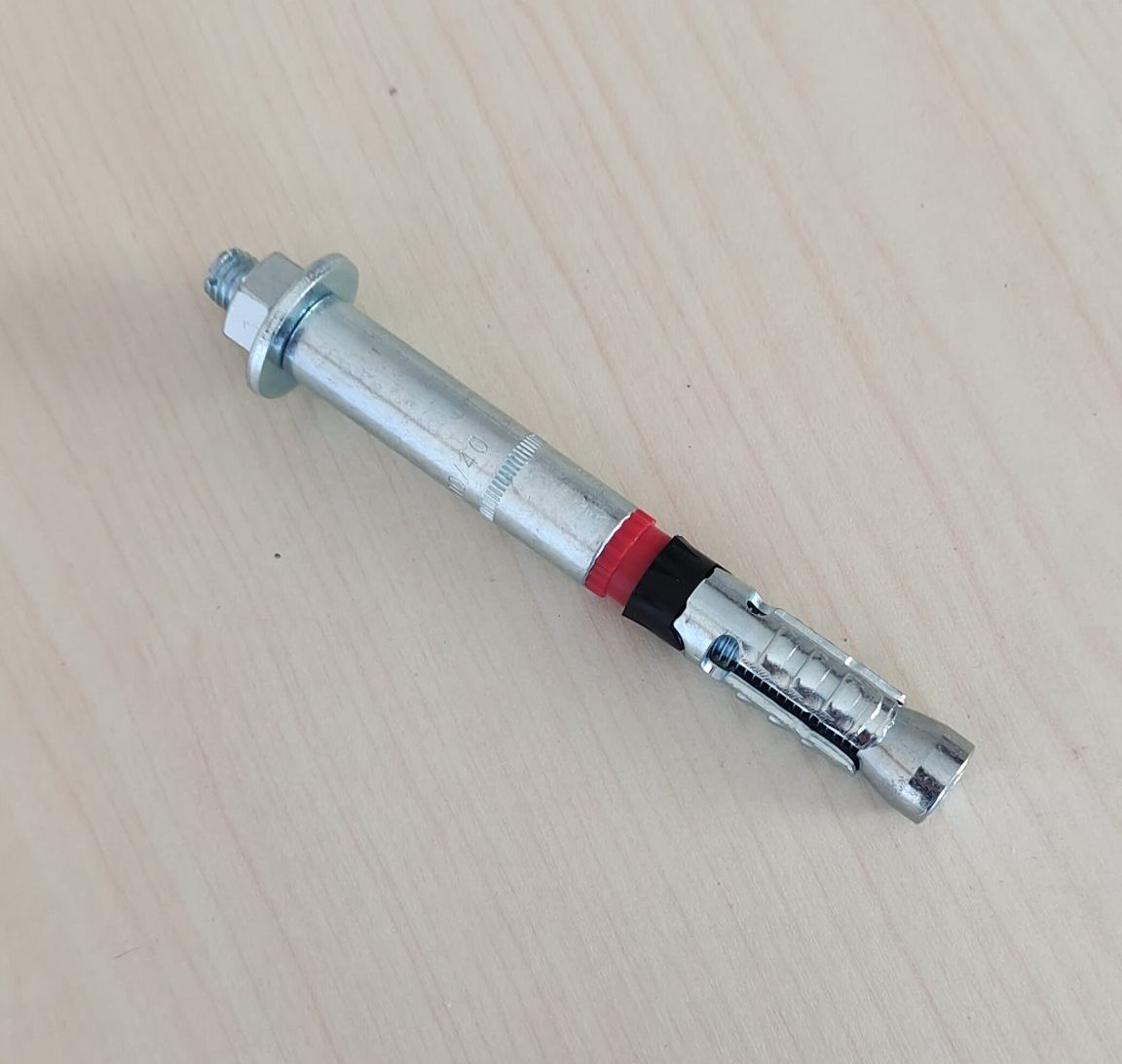
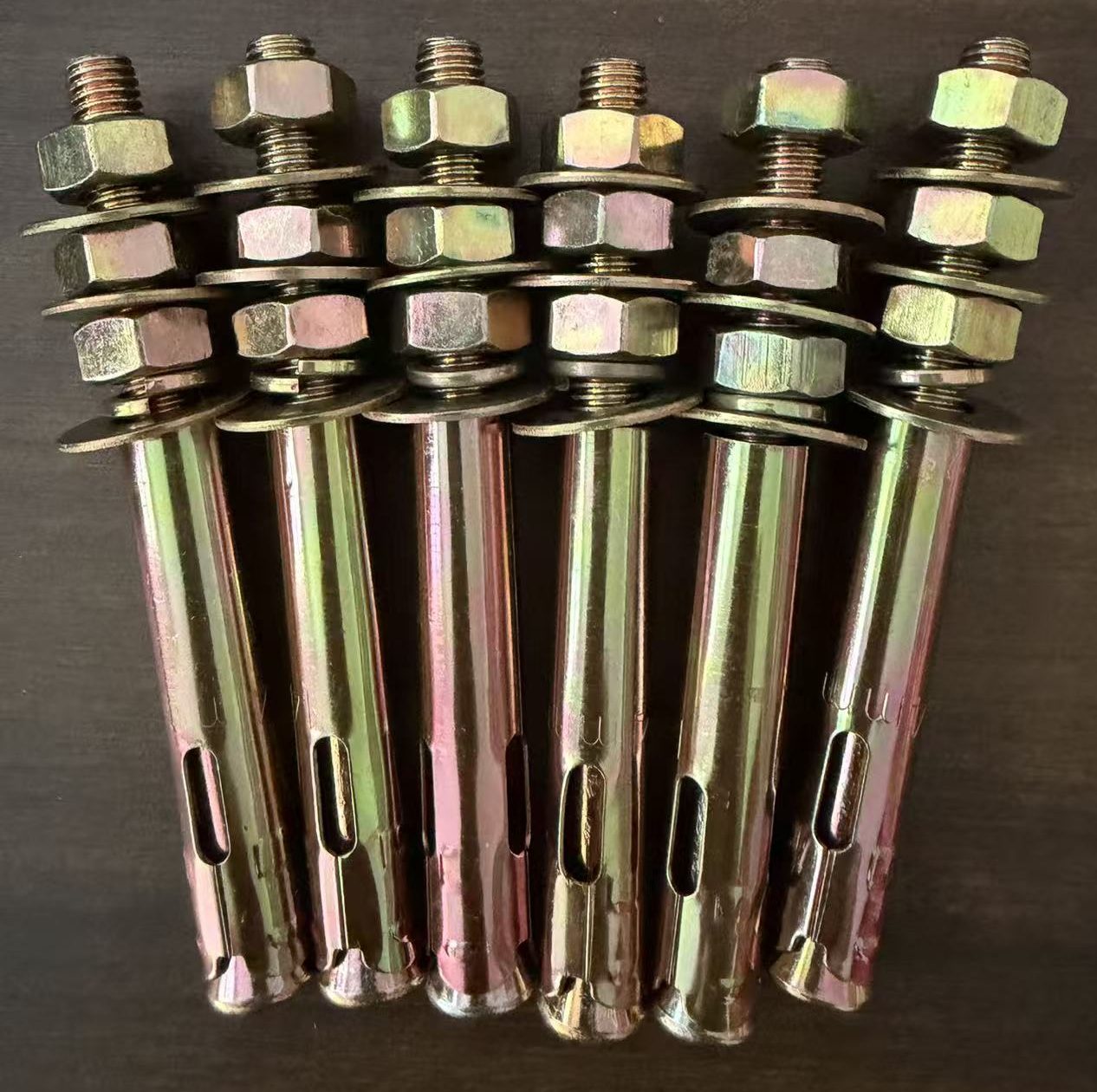
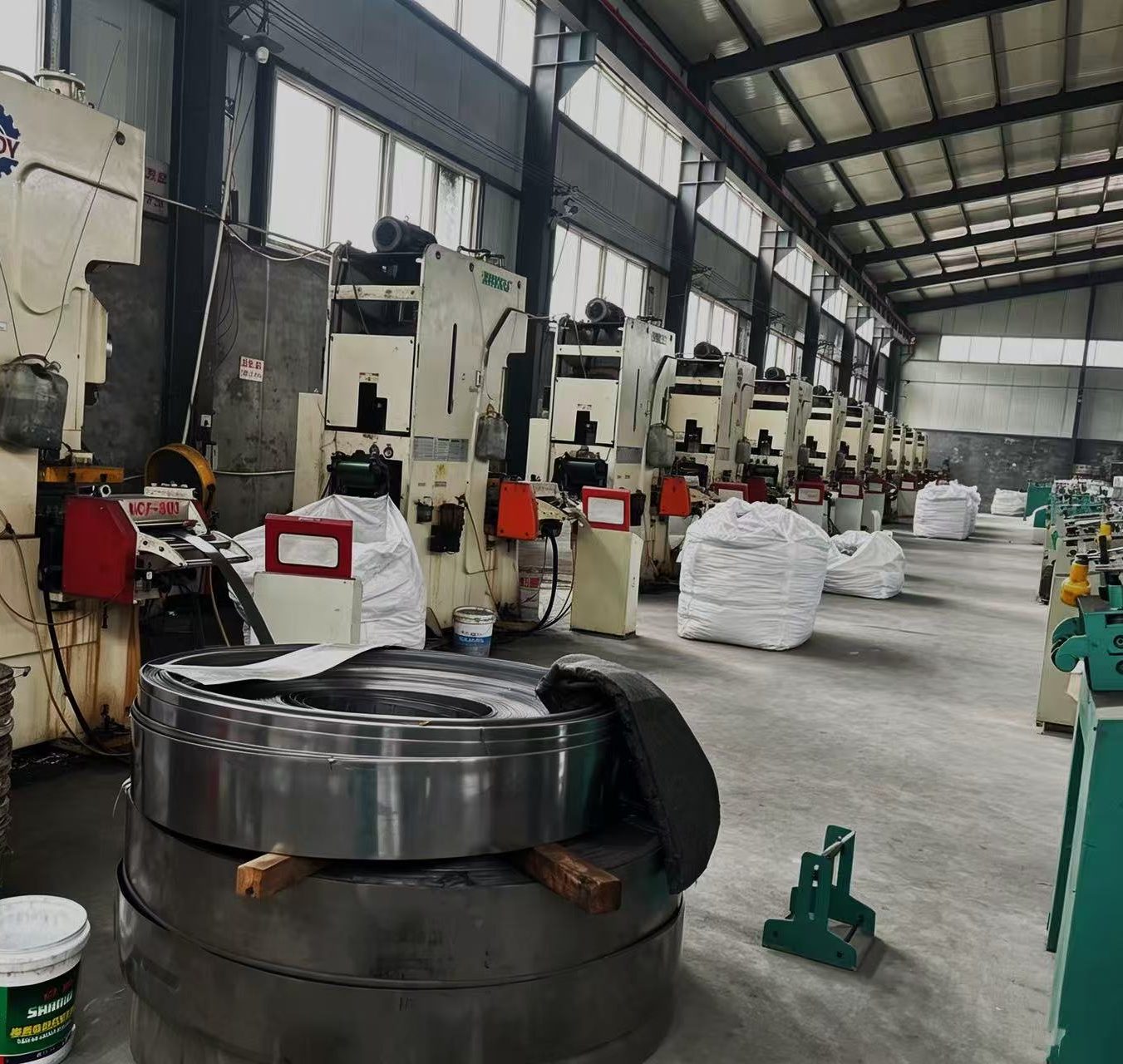
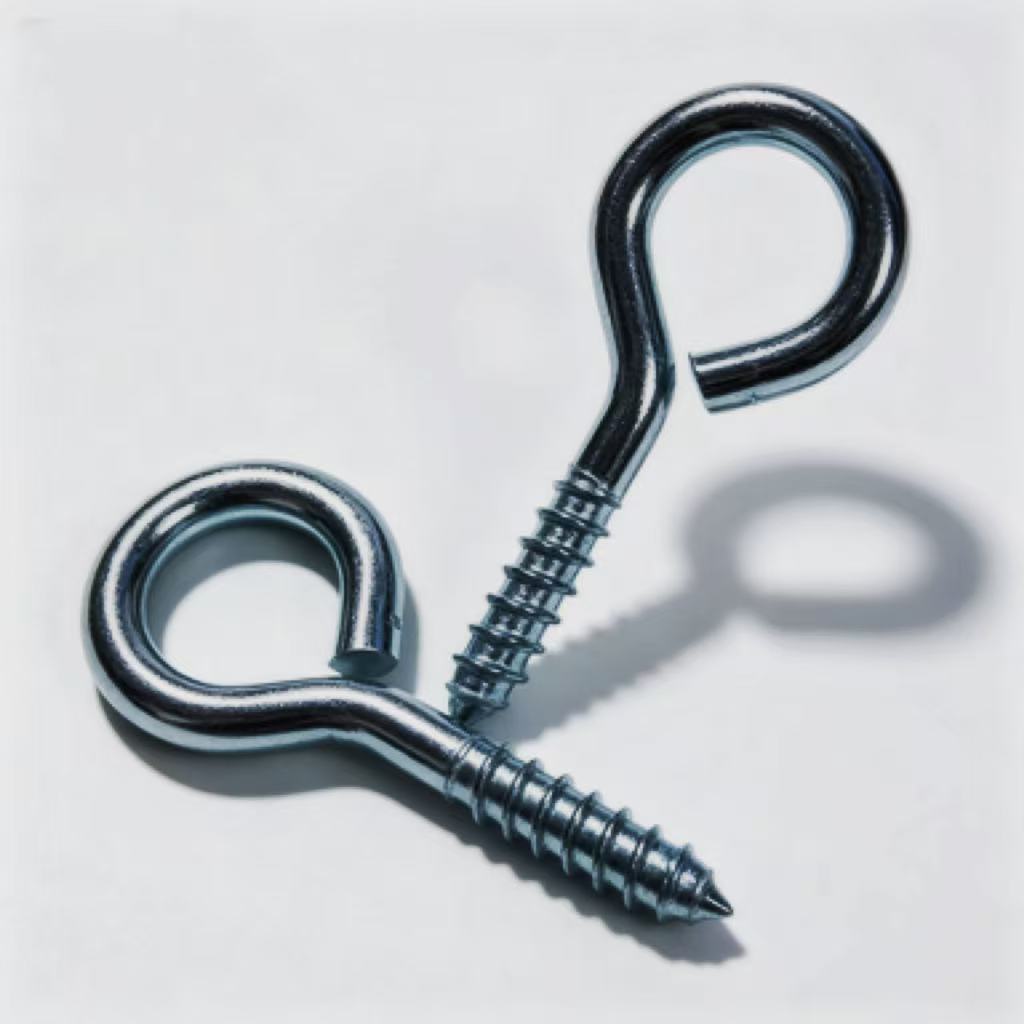
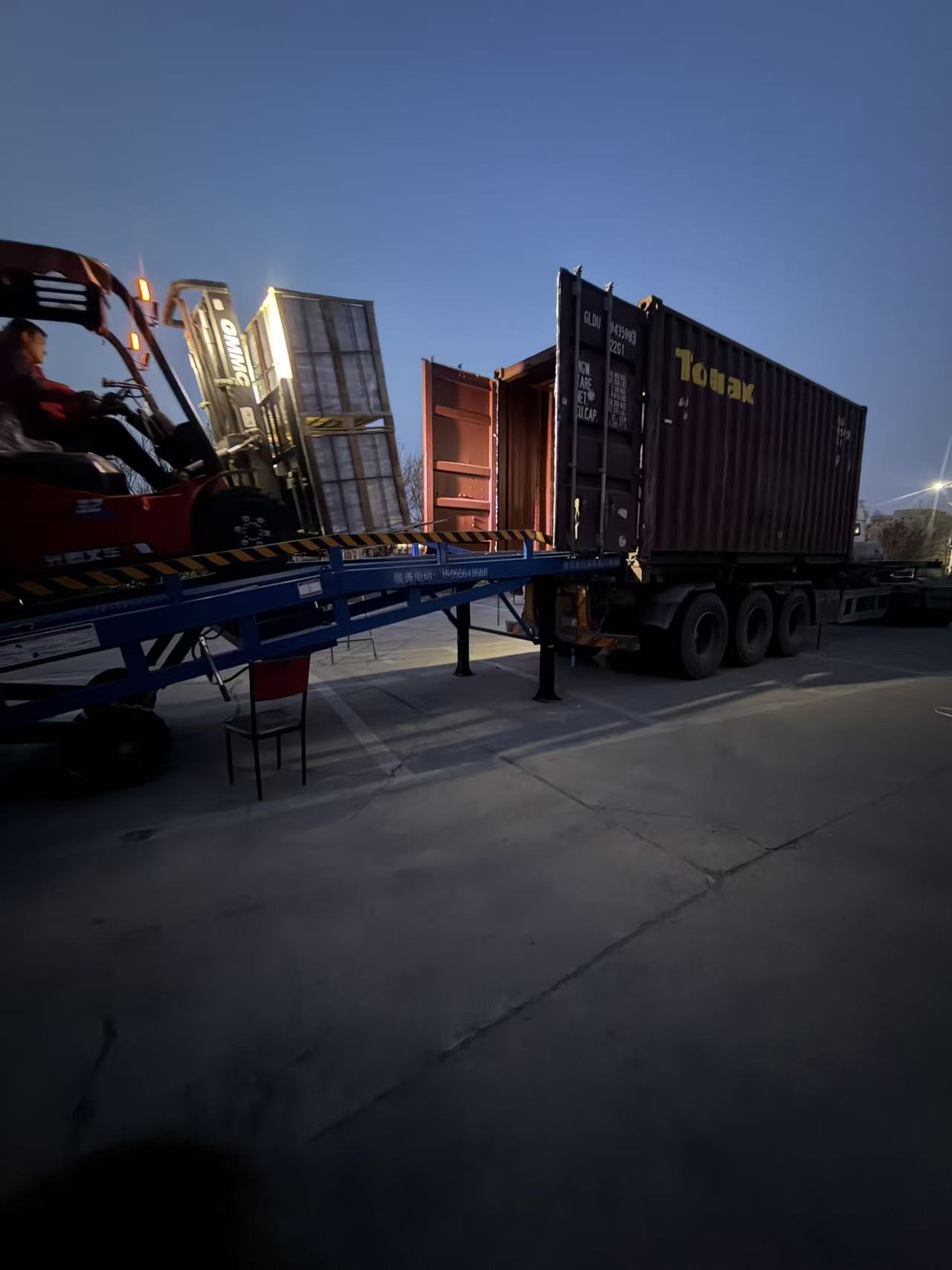
While understanding bolt theory is crucial, sourcing components from a reliable manufacturer is equally important for project success. Located in Handan, Hebei—China’s renowned hub for fastener manufacturing—a leading industry and trade combination company has spent over a decade perfecting the art of fastener production. With products exported to more than 26 countries, this organization specializes in the development, manufacturing, and service of diverse hardware solutions, ranging from standard casing geckos to specialized wooden teeth welded sheep’s eye screws and bolts.
Commitment to quality is paramount. By integrating advanced production technologies with rigorous testing methods, the company ensures every product meets international standards including GB, DIN, JIS, and ANSI. Their professional technical team and high-tech talent pool drive continuous innovation in new product development, adhering to a philosophy of integrity and “quality first.” Whether clients require off-the-shelf solutions or custom specifications tailored to unique quantity and quality needs, the company leverages its advanced machinery to deliver competitive pricing without compromising on performance. This dedication to maintaining reputation and meeting customer needs makes them a trusted partner for global industrial assembly.
Frequently Asked Questions (FAQ)
Addressing common queries helps clarify complex aspects of bolt selection and usage. These answers reflect current industry consensus and practical experience.
Can I reuse high-strength bolts?
Generally, reusing high-strength structural bolts (such as A325 or A490) is discouraged. Once tightened to their yield point, they may have undergone plastic deformation. Reuse can lead to unpredictable tension levels and potential failure. Consult specific engineering guidelines before reusing any critical fastener.
What is the difference between coarse and fine threads?
Coarse threads (UNC) have fewer threads per inch and are more resistant to stripping and cross-threading, making them ideal for general assembly. Fine threads (UNF) offer greater tensile strength and better vibration resistance due to a larger stress area, preferred in precision instruments and automotive engines.
How do I remove a rusted or seized bolt?
Apply a penetrating oil and allow it to soak for several hours. Gently tap the bolt head to break up corrosion. Use steady, controlled force rather than sudden jerks to avoid shearing the head. If necessary, apply heat carefully to expand the surrounding material, breaking the bond.
Are stainless steel bolts stronger than steel bolts?
Not necessarily. While stainless steel offers superior corrosion resistance, standard austenitic stainless bolts (like 18-8) often have lower tensile strength compared to hardened alloy steel bolts (like Grade 8 or Class 10.9). Select based on whether strength or corrosion resistance is the priority.
What does “pitch” mean in bolt sizing?
Pitch refers to the distance between adjacent threads. In metric systems, it is measured in millimeters (e.g., 1.5mm). In imperial systems, it is expressed as threads per inch (TPI). Matching the pitch between bolt and nut is essential for proper engagement.
Expert Insights for 2026 and Beyond
The fastener industry is evolving towards smarter, more resilient solutions. Trends indicate a shift towards integrated sensor technology within critical bolts to monitor tension and health in real-time. This “Internet of Things” approach allows predictive maintenance before failures occur.
Sustainability is also driving innovation. Manufacturers are developing eco-friendly coating processes that eliminate hazardous chemicals while maintaining corrosion protection. Lightweight composite bolts are emerging for non-structural applications to reduce overall vehicle weight and emissions.
Standardization continues to tighten. Global harmonization of ISO and ASTM standards simplifies supply chains but demands higher adherence to quality control protocols. Professionals must stay updated on revised specifications to remain compliant.
Conclusion and Selection Recommendations
Selecting the right bolt is a balance of understanding load requirements, environmental conditions, and material properties. A well-chosen bolt ensures safety, durability, and operational efficiency. Key takeaways include verifying grade compatibility, adhering to torque specifications, and choosing materials suited for the specific environment.
This guide is essential for mechanical engineers, construction managers, maintenance technicians, and procurement specialists involved in industrial assembly. Whether building a bridge, assembling an engine, or repairing machinery, the principles outlined here form the foundation of reliable fastening.
To ensure optimal performance, always consult detailed technical datasheets for specific applications and consider partnering with certified suppliers who provide traceable documentation. Prioritize precision in your next project by evaluating your fastening needs against the standards discussed in this 2026 guide.