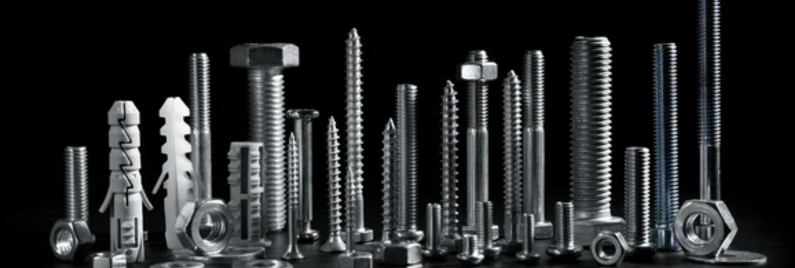
Sourcing hardware fasteners directly from a China manufacturer offers significant cost advantages, supply chain control, and customization capabilities for B2B buyers. By eliminating intermediaries, businesses can access competitive pricing on bolts, nuts, screws, and specialized industrial connectors while maintaining strict quality standards. This guide details the procurement process, quality assurance protocols, material specifications, and logistical strategies required to buy hardware fasteners efficiently in 2026. Whether you require standard DIN/ISO components or bespoke engineered solutions, direct manufacturing partnerships ensure scalability and reliability for global industrial projects.
Why Buy Hardware Fasteners Direct from China Manufacturers?
The global supply chain for industrial components has shifted significantly. For procurement managers and engineering firms, buying hardware fasteners directly from the source is no longer just a cost-saving measure; it is a strategic necessity for maintaining competitive margins and ensuring supply continuity.
Cost Efficiency Without Compromising Quality
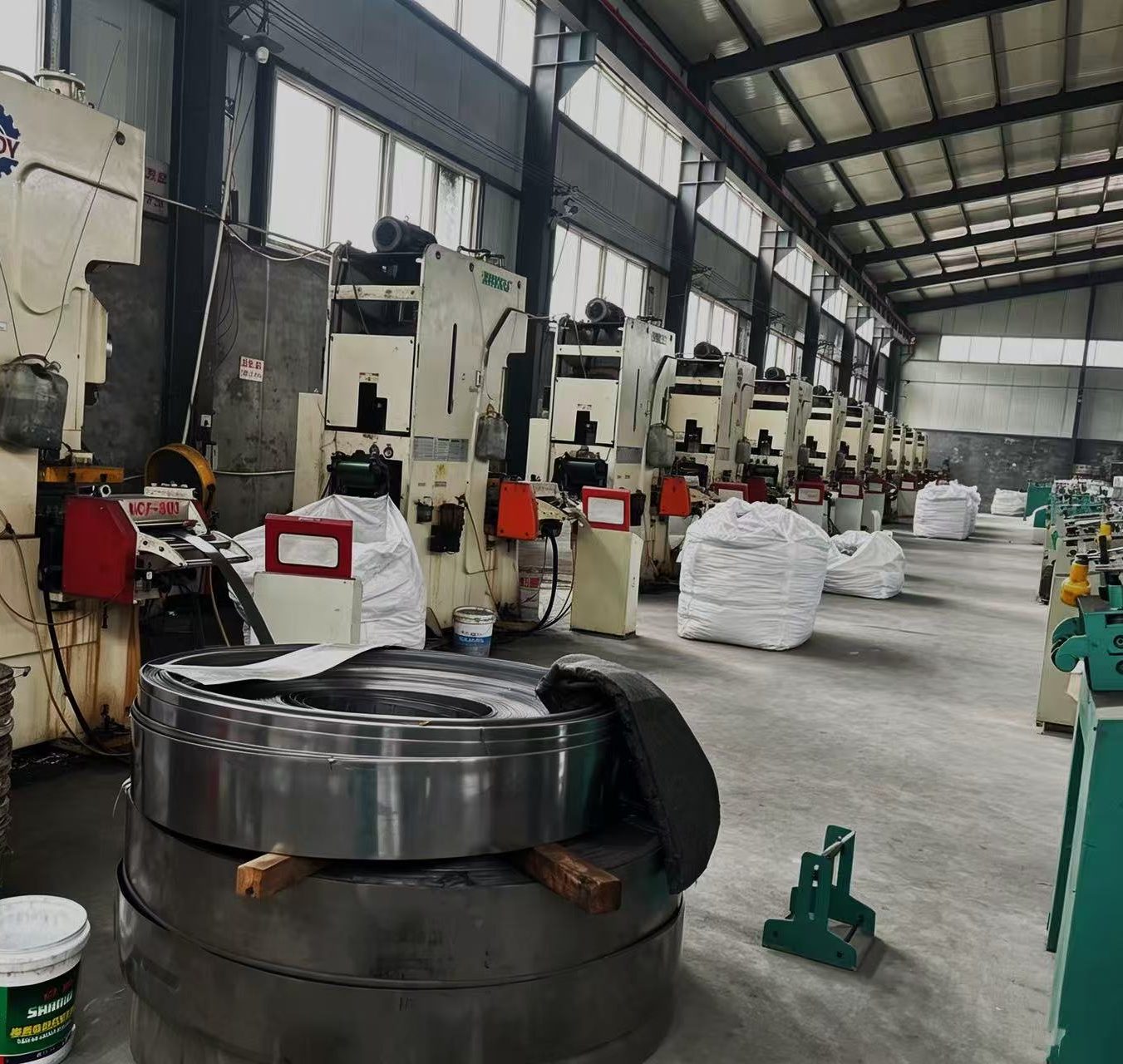
Direct sourcing removes multiple layers of distributors, traders, and regional wholesalers. In traditional supply chains, each intermediary adds a markup ranging from 15% to 40%. By engaging directly with a manufacturer, you secure factory-gate pricing. This does not imply lower quality. Modern Chinese manufacturing facilities have invested heavily in automated cold forging, CNC machining, and heat treatment technologies that meet or exceed international standards such as ISO 9001, DIN, and ANSI.
- Reduced Unit Cost: Lower overheads allow for competitive pricing on high-volume orders.
- Transparent Pricing Structure: Direct communication clarifies raw material costs, processing fees, and surface treatment charges.
- Bulk Order Flexibility: Manufacturers are more willing to negotiate terms for large-scale industrial projects.
Customization and Engineering Support
Off-the-shelf fasteners do not always meet specific engineering requirements. Direct manufacturers offer R&D support to create custom hardware fasteners tailored to unique load-bearing, corrosion-resistant, or thermal needs. This includes modifying thread pitches, head styles, or material compositions.
For industries like aerospace, automotive, and heavy machinery, this level of customization is critical. A direct partner can prototype samples quickly, allowing for iterative testing before full-scale production. This agility reduces time-to-market and ensures the final product integrates seamlessly into your assembly line.
Supply Chain Stability and Scalability
In 2026, supply chain resilience is paramount. Direct relationships provide better visibility into production schedules and raw material inventory. You can monitor progress in real-time, adjust order volumes based on demand fluctuations, and secure priority production slots during peak seasons. This direct line of communication mitigates the risks of stockouts and delays often associated with third-party suppliers.
Comprehensive Guide to Hardware Fastener Types and Applications
Understanding the specific types of hardware fasteners available is essential for selecting the right component for your application. Each type serves a distinct mechanical function, governed by physics and material science.
Bolts and Screws: Structural Integrity
Bolts and screws are the most common threaded fasteners. The primary difference lies in their application: bolts are typically used with a nut to clamp parts together, while screws tap into a pre-formed or self-created thread in the material.
- Hex Bolts: Ideal for high-torque applications in construction and machinery. Available in Grade 8.8, 10.9, and 12.9 strengths.
- Socket Head Cap Screws: Used where space is limited, offering a sleek profile and high clamping force.
- Self-Tapping Screws: Designed for sheet metal and plastic assemblies, eliminating the need for pre-drilled threads.
- Carriage Bolts: Feature a smooth, rounded head for aesthetic applications in wood and furniture.
Nuts and Washers: Load Distribution and Security
Nuts and washers work in tandem with bolts to secure joints. Their design influences the longevity and safety of the connection.
- Hex Nuts: The standard choice for general-purpose fastening.
- Lock Nuts (Nyloc): Contain a nylon insert to prevent loosening due to vibration, crucial for automotive and transport sectors.
- Flange Nuts: Integrate a wide flange to act as a washer, distributing pressure over a larger area.
- Flat and Spring Washers: Flat washers distribute load, while spring washers provide axial flexibility to maintain tension.
Specialized Industrial Fasteners
Beyond standard components, specialized hardware fasteners address extreme environments.
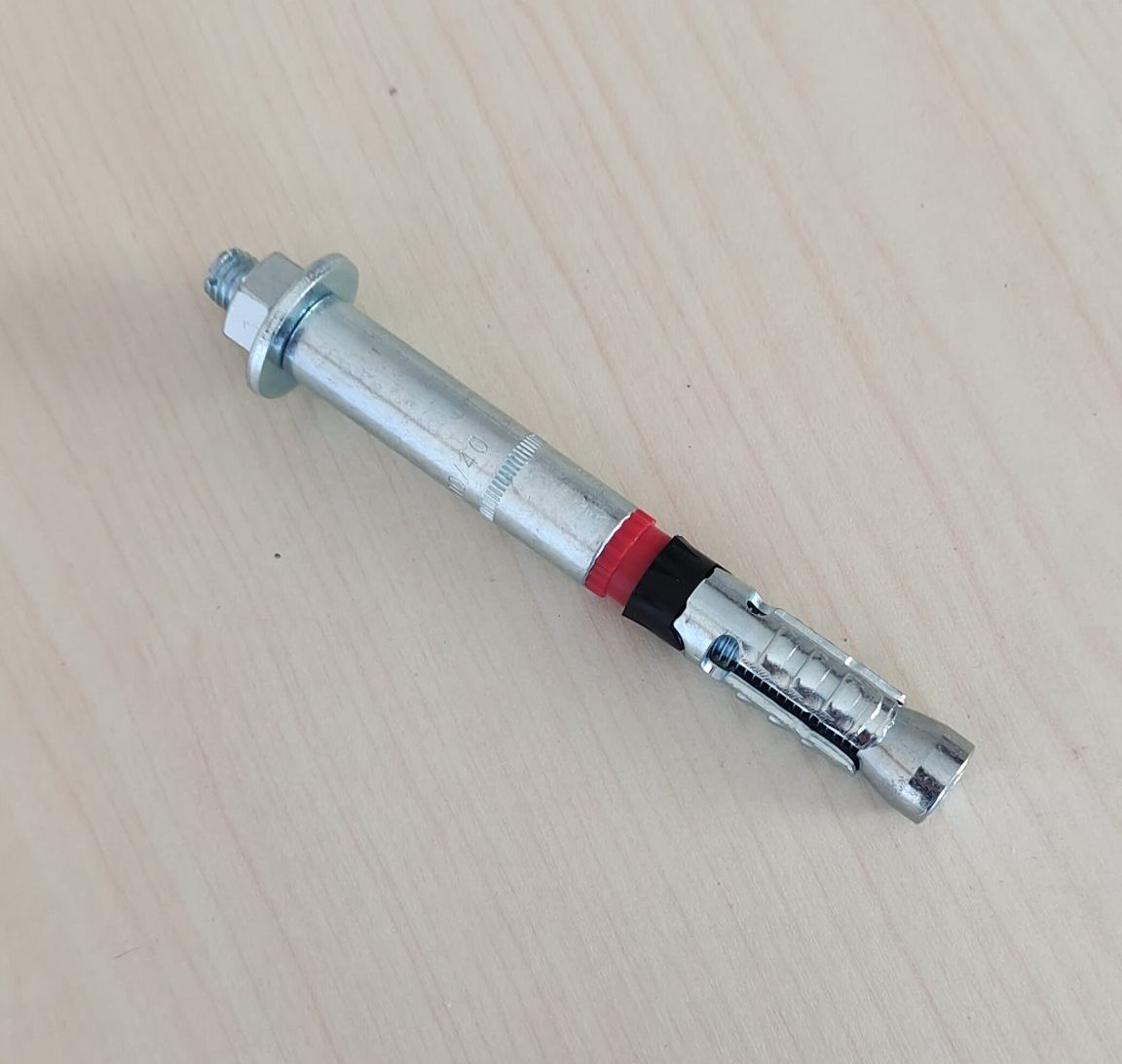
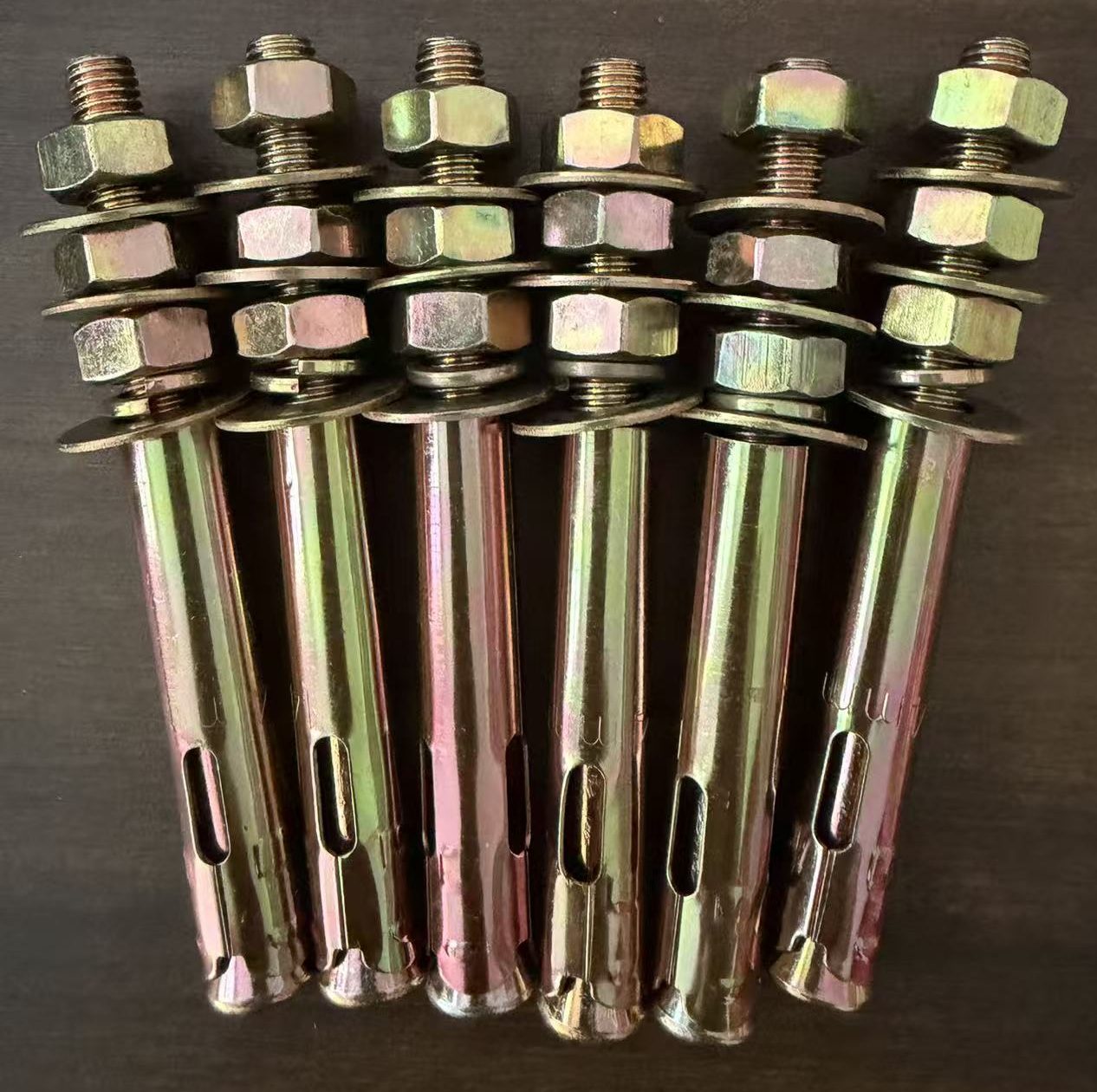
- Anchor Bolts: Essential for securing structural elements to concrete foundations.
- Rivets: Permanent fasteners used in aerospace and shipbuilding where welding is impractical.
- Pin and Clip Systems: Quick-release mechanisms for maintenance-heavy equipment.
Material Selection and Technical Specifications
The performance of hardware fasteners is dictated by material properties. Selecting the wrong material can lead to catastrophic failure, corrosion, or galvanic incompatibility.
Carbon Steel: Strength and Versatility
Carbon steel is the most widely used material due to its high tensile strength and cost-effectiveness. It is categorized by grade:
- Low Carbon (Grade 4.8): Suitable for general applications with low stress.
- Medium Carbon (Grade 8.8): Heat-treated for higher strength, used in structural steelwork.
- High Carbon (Grade 10.9/12.9): Quenched and tempered for critical high-load applications in machinery and automotive engines.
Note: Carbon steel requires surface treatment to prevent rust.
Stainless Steel: Corrosion Resistance
For environments exposed to moisture, chemicals, or extreme temperatures, stainless steel is the preferred choice.
- A2 (304): Standard austenitic stainless steel, resistant to most atmospheric conditions.
- A4 (316): Contains molybdenum, offering superior resistance to chlorides and acids. Ideal for marine and chemical processing industries.
Alloy Steel and Exotic Metals
High-performance applications may require alloy steels (e.g., Chrome-Moly) or exotic metals like Titanium and Inconel. These materials offer exceptional strength-to-weight ratios or resistance to extreme heat, commonly found in aerospace and oil & gas sectors.
Surface Treatments and Coatings
Surface treatment extends the life of hardware fasteners and enhances appearance.
| Coating Type | Key Benefits | Typical Application |
| Zinc Plating (Electro) | Cost-effective, moderate corrosion resistance | Indoor machinery, consumer electronics |
| Hot-Dip Galvanizing | Thick zinc layer, excellent outdoor durability | Construction, outdoor structures, utilities |
| Dacromet/Geomet | High corrosion resistance, no hydrogen embrittlement | Automotive, high-strength structural bolts |
| Black Oxide | Aesthetic finish, minimal dimensional change | Tools, firearms, architectural hardware |
| Xylan/PTFE | Low friction, chemical resistance | Food processing, chemical plants |
Quality Assurance and International Standards
When buying hardware fasteners from China, adherence to international standards is non-negotiable. Reputable manufacturers operate under strict quality management systems.
Key Certifications to Verify
- ISO 9001:2015: Ensures the manufacturer has a consistent quality management system in place.
- IATF 16949: Specific to the automotive industry, demonstrating rigorous process control.
- CE Marking: Required for products sold within the European Economic Area, indicating conformity with health, safety, and environmental protection standards.
- RoHS Compliance: Ensures the absence of hazardous substances, critical for electronics and export to regulated markets.
Testing Protocols
Professional manufacturers conduct regular testing to validate product integrity.
- Tensile Testing: Measures the maximum load a fastener can withstand before breaking.
- Hardness Testing: Verifies heat treatment effectiveness using Rockwell or Vickers scales.
- Salt Spray Testing: Simulates corrosive environments to evaluate coating durability (e.g., 72-hour or 500-hour tests).
- Dimensional Inspection: Uses CMM (Coordinate Measuring Machines) to ensure thread pitch, diameter, and length meet tolerances.
Third-Party Inspection Services
For large orders, engaging third-party inspection agencies like SGS, Bureau Veritas, or TUV provides an additional layer of trust. These agencies perform pre-shipment inspections to verify quantity, quality, and packaging compliance before goods leave the factory.
Spotlight: Expertise from Handan’s Fastener Hub
To illustrate what a reliable manufacturing partner looks like in practice, consider the ecosystem in Handan, Hebei—China’s premier hub for fastener production. Companies in this region, such as established industry leaders with over a decade of experience, exemplify the integration of industry and trade that modern buyers seek.
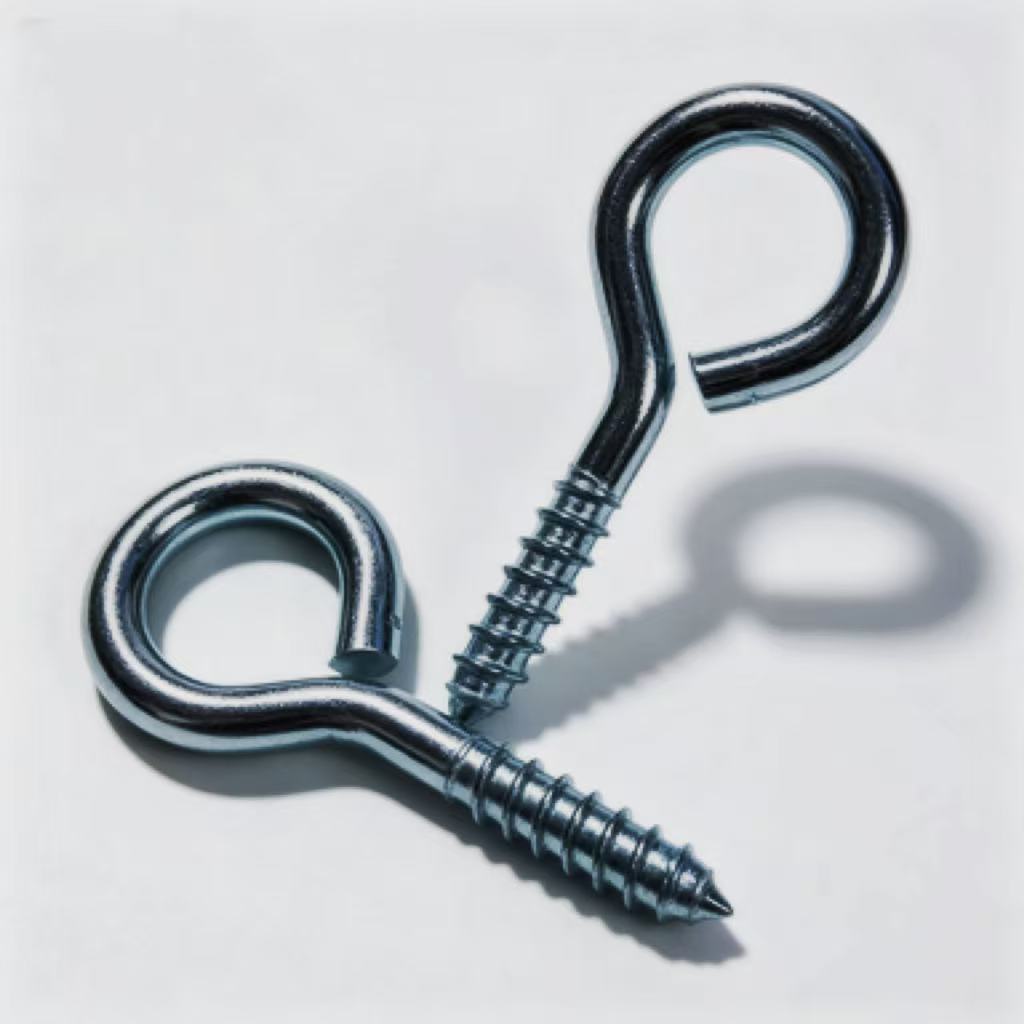
These manufacturers specialize in the development, production, and global distribution of a wide array of fasteners, including specialized casing geckos, wooden teeth welded sheep’s eye screws/bolts, and standard industrial hardware. With products exported to more than 26 countries, such companies leverage advanced production technology and rigorous testing methods to meet diverse international standards, including GB, DIN, JIS, and ANSI.
What sets these experienced manufacturers apart is their commitment to R&D and customer-centric service. By introducing high-tech talent and adhering to a “quality first, customer first” philosophy, they provide not just off-the-shelf components, but customized solutions tailored to specific specifications, quantities, and quality requirements. This level of dedication ensures that whether you need standard bolts or complex, bespoke engineered fasteners, your supplier acts as a strategic partner rather than just a vendor.
Step-by-Step Guide to Sourcing Hardware Fasteners from China
Navigating the procurement process requires a structured approach to minimize risk and maximize efficiency.
Step 1: Define Technical Requirements
Prepare a detailed Request for Quotation (RFQ). Include:
- Technical drawings (CAD files preferred).
- Material specifications (e.g., SS316, Grade 10.9).
- Surface treatment requirements.
- Applicable standards (DIN 933, ISO 4017, etc.).
- Estimated annual volume.
Step 2: Supplier Vetting and Verification
Do not rely solely on online profiles. Verify the manufacturer’s credentials:
- Request business licenses and export permits.
- Ask for client references in your industry.
- Conduct a virtual factory audit to inspect production lines and QC labs.
- Confirm their capacity to handle your order volume.
Step 3: Sample Evaluation
Never place a bulk order without approving samples. Test samples for:
- Fit and function in your actual assembly.
- Surface finish quality.
- Material certification (Mill Test Certificates).
Step 4: Negotiation and Contracting
Clarify Incoterms (e.g., FOB, EXW, CIF), payment terms (typically 30% deposit, 70% before shipment), and lead times. Ensure the contract includes penalties for late delivery or quality deviations.
Step 5: Production Monitoring and QC
Maintain regular communication during production. Request mid-production photos or videos. Schedule a final inspection before payment balance release.
Step 6: Logistics and Customs Clearance
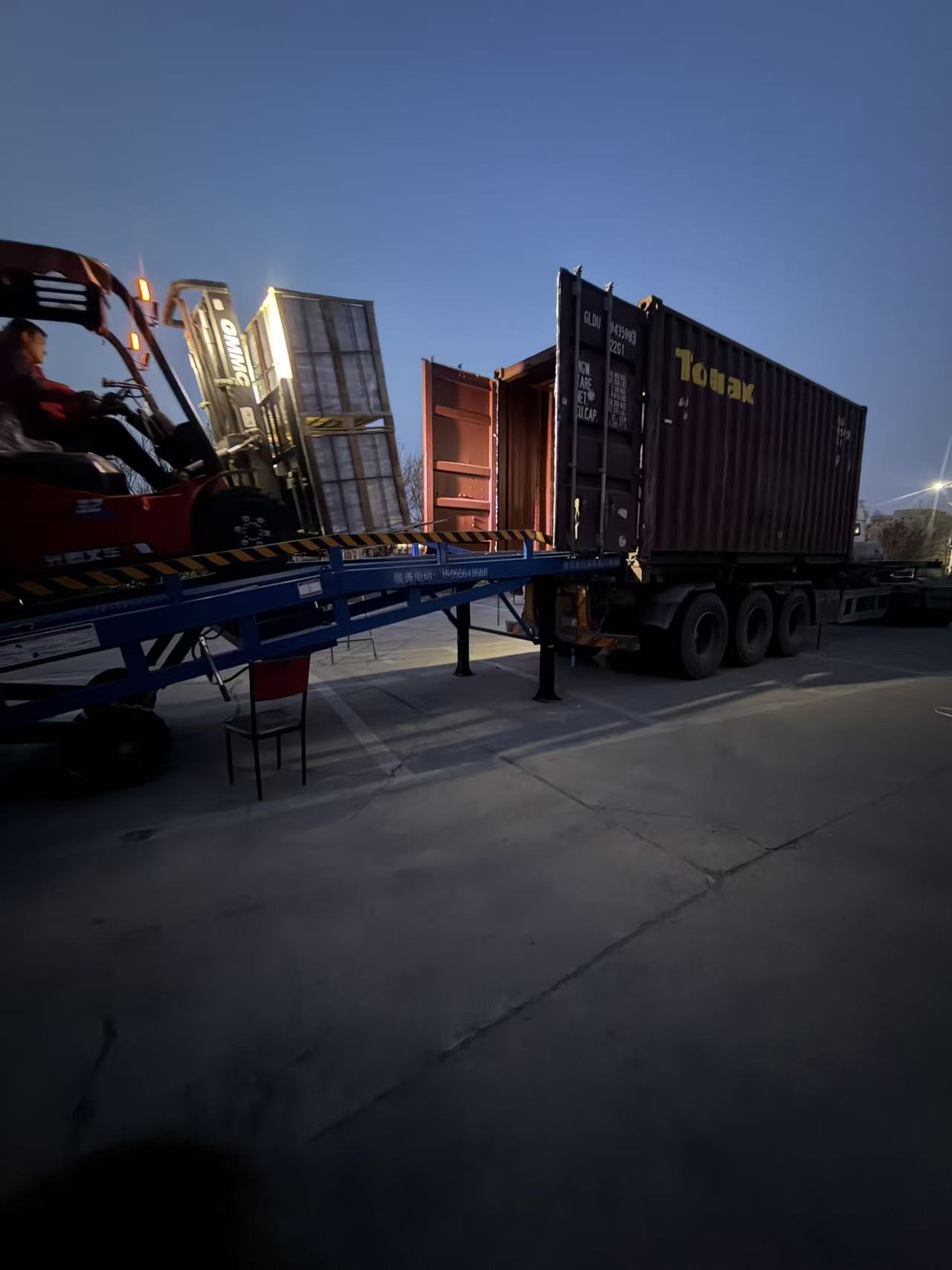
Work with a reliable freight forwarder. Ensure all documentation (Commercial Invoice, Packing List, Bill of Lading, Certificate of Origin) is accurate to avoid customs delays.
Common Mistakes to Avoid When Importing Fasteners
Even experienced buyers can encounter pitfalls. Avoiding these common errors saves time and money.
1. Ignoring Thread Compatibility
Metric (M) and Imperial (UNC/UNF) threads are not interchangeable. Mixing them causes stripping and joint failure. Always specify the thread standard clearly in your RFQ.
2. Overlooking Hydrogen Embrittlement
High-strength steel fasteners (Grade 10.9+) are susceptible to hydrogen embrittlement during electroplating. Ensure your manufacturer uses baking processes to remove hydrogen or chooses alternative coatings like Geomet for critical applications.
3. Underestimating Lead Times
Production queues, raw material shortages, and holiday closures (e.g., Chinese New Year) can delay shipments. Plan orders at least 8-12 weeks in advance to buffer against unforeseen delays.
4. Focusing Solely on Price
The cheapest option often compromises on material purity or heat treatment. A slightly higher unit cost for certified quality reduces the risk of field failures, recalls, and reputational damage.
Logistics and Supply Chain Considerations for 2026
Global logistics have evolved. Understanding current trends helps optimize your import strategy.
Incoterms and Risk Management
- EXW (Ex Works): You handle all logistics from the factory door. Highest control, highest effort.
- FOB (Free on Board): Manufacturer handles inland transport and export customs. You manage ocean freight and destination clearance. Most common for B2B.
- DDP (Delivered Duty Paid): Manufacturer handles everything to your doorstep. Convenient but often more expensive and less transparent.
Packaging for Durability
Fasteners are heavy and prone to shifting. Request robust packaging:
- Double-walled cartons for weights over 20kg.
- Palletization with shrink wrap for easy forklift handling.
- Inner plastic bags to prevent moisture absorption during sea transit.
- Clear labeling with part numbers, quantities, and batch codes for traceability.
FAQ: Buying Hardware Fasteners from China
What is the minimum order quantity (MOQ) for hardware fasteners?
MOQs vary by manufacturer and product complexity. Standard items may have MOQs of 1,000–5,000 pieces. Custom or specialized fasteners may require higher MOQs (e.g., 10,000+ pieces) to cover setup costs. However, many manufacturers offer flexibility for trial orders.
How long does production take?
Standard products typically take 15–25 days. Custom items requiring new molds or tooling may take 30–45 days. Always confirm lead times in your contract, accounting for raw material availability.
Can I get custom packaging?
Yes, most manufacturers offer OEM packaging services. You can request branded boxes, barcode labels, and specific pallet configurations to streamline your warehouse operations.
How do I ensure the fasteners meet my country’s standards?
Provide the specific standard codes (e.g., ASTM, DIN, JIS) in your technical drawings. Request Material Test Reports (MTRs) and Certificates of Conformity (CoC) with each shipment. Third-party inspection is highly recommended for first-time orders.
What payment terms are standard?
The industry standard is T/T (Telegraphic Transfer): 30% deposit upon order confirmation, and 70% balance before shipment or against the copy of the Bill of Lading. Letters of Credit (L/C) are accepted for very large orders.
Is it safe to buy hardware fasteners from China in 2026?
Yes, provided you conduct due diligence. Partnering with verified manufacturers, using secure payment methods, and implementing quality control measures ensures a safe and profitable sourcing experience. The Chinese fastener industry is mature, highly regulated, and integrated into global supply chains.
Strategic Advantages of Long-Term Partnerships
Building a long-term relationship with a China-based manufacturer yields compounding benefits. Over time, suppliers prioritize loyal clients during capacity crunches, offer better payment terms, and invest in understanding your specific engineering needs. This collaboration fosters innovation, allowing you to co-develop new hardware fasteners that give your products a competitive edge.
Moreover, consistent ordering allows for better forecasting and raw material hedging, stabilizing prices despite market fluctuations. In an era of supply chain volatility, a trusted manufacturing partner is a strategic asset.
Conclusion: Secure Your Supply Chain with Direct Manufacturing
Buying hardware fasteners directly from a China manufacturer is a powerful strategy for B2B enterprises seeking cost efficiency, quality control, and supply chain resilience. By understanding material specifications, adhering to international standards, and following a rigorous sourcing protocol, you can mitigate risks and unlock significant value.
This approach is ideal for:
- Manufacturing Companies: Seeking consistent, high-volume supplies for assembly lines.
- Construction Firms: Requiring durable, certified structural components.
- Distributors: Looking to improve margins through direct sourcing.
- Engineering Projects: Needing custom solutions for specialized applications.
Ready to optimize your fastener procurement? Ensure your next project benefits from precision-engineered components and competitive factory-direct pricing.
Take the next step: Contact our engineering team today to discuss your specific requirements, request a custom quote, or schedule a factory audit. Let us help you secure reliable, high-quality hardware fasteners for your global operations.