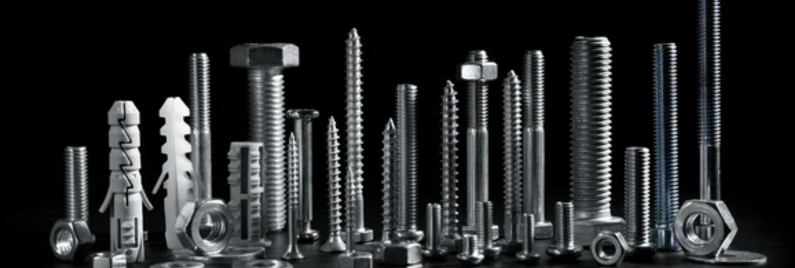
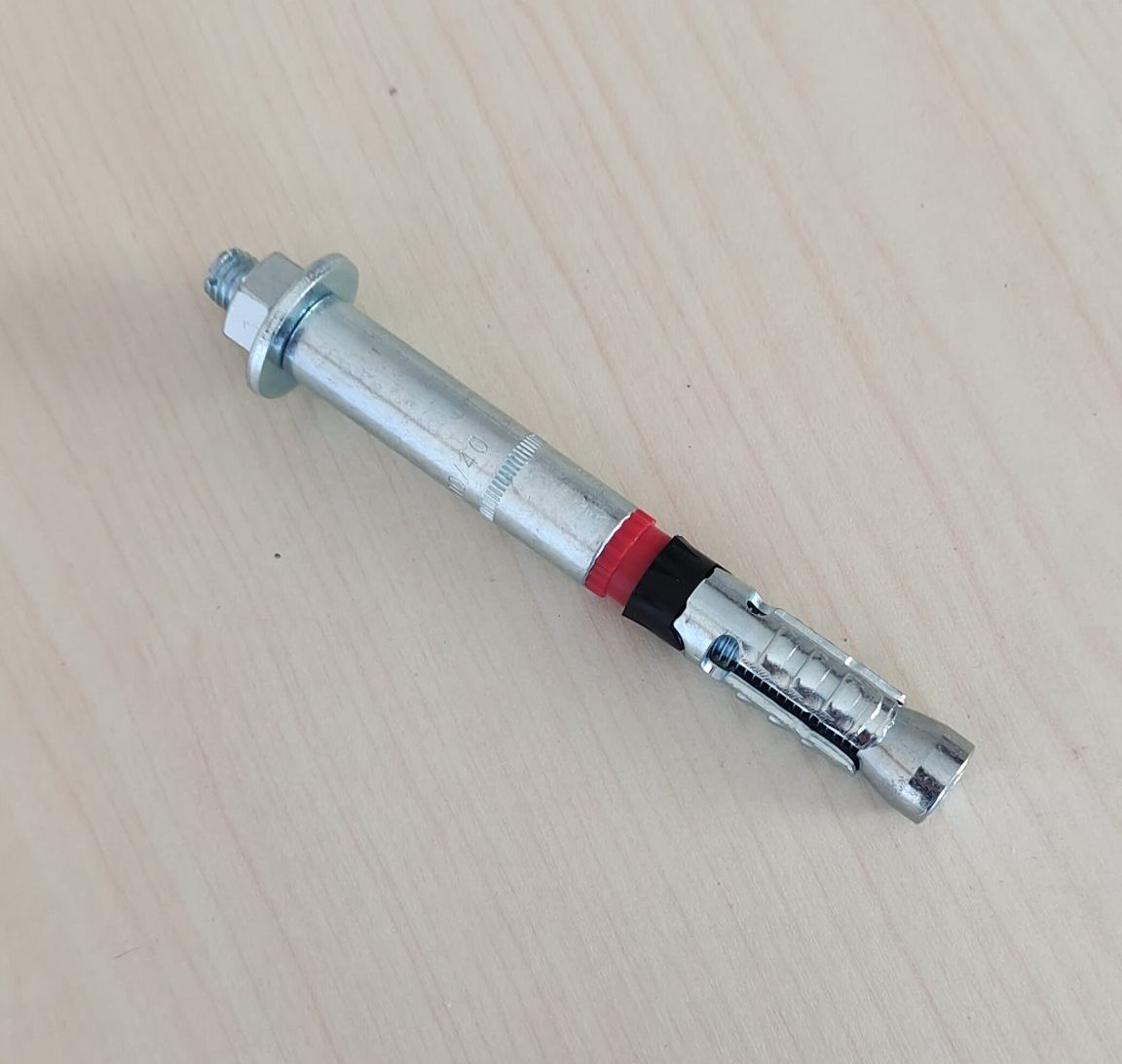
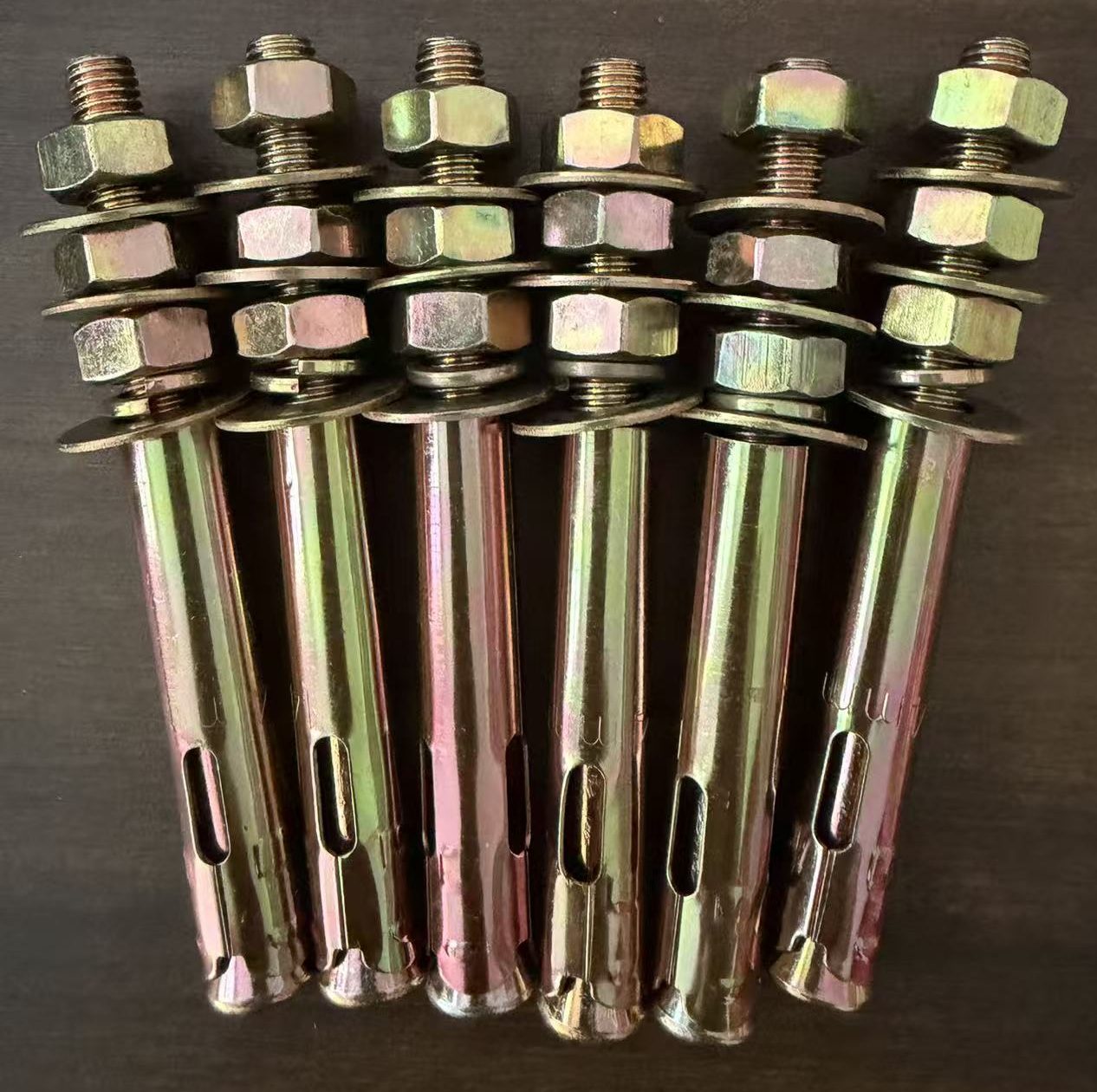
As a premier DIN standard fasteners supplier, we specialize in manufacturing high-precision bolts, nuts, screws, and washers that strictly adhere to Deutsches Institut für Normung (DIN) specifications. Our factory delivers certified industrial-grade components designed for heavy machinery, automotive assembly, and construction projects across global markets. By integrating advanced CNC machining with rigorous ISO 9001 quality control, we ensure every fastener meets exact dimensional tolerances and mechanical property requirements. Whether you require DIN 933 hex head bolts or DIN 985 nylon lock nuts, our production lines offer scalable solutions with consistent reliability. Partner with a trusted manufacturer to secure your supply chain with durable, compliant, and cost-effective fastening systems tailored to complex engineering demands.
Understanding DIN Standard Fasteners: Precision Engineering Defined
DIN standards represent the technical benchmark for industrial fasteners in Europe and increasingly across global manufacturing sectors. Originating from the German Institute for Standardization, these specifications define precise dimensions, thread pitches, material grades, and mechanical properties. For engineers and procurement specialists, selecting a reliable DIN standard fasteners supplier is critical to ensuring structural integrity and operational safety in final assemblies.
Unlike generic fasteners, DIN-compliant components undergo strict verification processes. The standards cover everything from the angle of the chamfer on a bolt head to the torque resistance of a locking nut. This level of detail minimizes variability in mass production, reducing the risk of joint failure due to vibration, thermal expansion, or dynamic loading. In 2026, as industrial automation becomes more prevalent, the demand for interchangeable, high-tolerance fasteners has surged, making adherence to DIN norms non-negotiable for serious manufacturers.
Why DIN Standards Matter in Global Manufacturing
The adoption of DIN standards facilitates seamless integration of components sourced from different suppliers. When a project specifies DIN 912 socket head cap screws, any qualified manufacturer can produce a replacement part that fits perfectly. This interoperability reduces downtime during maintenance and simplifies inventory management. Furthermore, DIN standards often align closely with ISO (International Organization for Standardization) metrics, allowing for easier cross-referencing in international trade.
- Interchangeability: Ensures parts from different batches or suppliers fit without modification.
- Safety Compliance: Meets rigorous European safety directives for machinery and construction.
- Quality Assurance: Defines clear testing protocols for tensile strength and hardness.
- Global Acceptance: Recognized in Asia, Europe, and increasingly in North American specialized industries.
Core Product Range: Comprehensive DIN Fastener Solutions
As a dedicated manufacturer, our product portfolio covers the most widely used DIN specifications in industrial applications. We do not merely stock items; we engineer them. Our production capabilities allow for custom adjustments while maintaining core compliance with standard dimensions. Below is a detailed breakdown of our primary categories, highlighting the technical nuances that distinguish high-quality production.
DIN 933 & DIN 931: Hexagon Head Bolts
Hexagon head bolts are the workhorses of industrial assembly. DIN 933 specifies fully threaded hexagon head bolts, ideal for applications where the nut engages along the entire length of the shank. Conversely, DIN 931 defines partially threaded bolts, which provide greater shear strength in the unthreaded shank area. Our facility produces these in carbon steel, stainless steel (A2/A4), and alloy steel, ranging from M6 to M36 diameters.
The precision of the hexagonal head is crucial for automated tightening systems. We maintain tight tolerances on the width across flats (s) and the head height (k) to prevent slippage during high-torque installation. Surface treatments include zinc plating, hot-dip galvanizing, and geometric coating to meet corrosion resistance classes defined in DIN EN ISO 4042.
DIN 934 & DIN 985: Nuts and Locking Mechanisms
Nuts must match the precision of their corresponding bolts. DIN 934 covers standard hexagon nuts, typically used in conjunction with DIN 931/933 bolts. For environments subject to vibration, such as automotive engines or railway infrastructure, we supply DIN 985 nylon insert lock nuts. The nylon ring creates a frictional lock against the bolt threads, preventing loosening without the need for additional washers or adhesives.
Our manufacturing process for lock nuts involves precise injection molding of the nylon collar, ensuring it is centered and bonded correctly to the metal body. This prevents the common failure mode where the nylon detaches under high-temperature conditions. We test batch samples for prevailing torque to ensure consistent locking performance.
DIN 912: Socket Head Cap Screws
For applications requiring a low-profile head and high clamping force, DIN 912 socket head cap screws are the standard. These are driven by an Allen key (hex socket), allowing for tighter spacing between fasteners compared to hex head bolts. We manufacture these in high-tensile steel (Class 10.9 and 12.9) for heavy-duty structural connections.
The internal hex drive must be precisely formed to avoid stripping during installation. Our cold-forming process ensures sharp, clean corners in the socket, maximizing tool engagement. Additionally, we offer black oxide and zinc-nickel finishes for enhanced corrosion protection in harsh environments.
DIN 125 & DIN 9021: Washers and Load Distribution
Washers play a vital role in distributing load and protecting surfaces. DIN 125 specifies plain flat washers, while DIN 9021 defines large outer diameter washers. Using the correct washer size prevents damage to soft materials like aluminum or plastic when tightened against a steel bolt. We produce washers with smooth, burr-free edges to ensure uniform contact pressure.
| DIN Standard | Component Type | Key Feature | Common Material Grades |
| DIN 933 | Hex Bolt (Full Thread) | Versatile general-purpose fastening | 8.8, 10.9, A2-70, A4-80 |
| DIN 931 | Hex Bolt (Partial Thread) | Higher shear strength in shank | 8.8, 10.9, Alloy Steel |
| DIN 934 | Hex Nut | Standard matching nut for hex bolts | 8, 10, A2, A4 |
| DIN 985 | Nylon Lock Nut | Vibration resistance | A2-70, A4-80, Steel Zinc |
| DIN 912 | Socket Head Cap Screw | Low profile, high torque | 10.9, 12.9, A2-70 |
| DIN 125 | Flat Washer | Load distribution | Steel, Stainless, Brass |
Technical Specifications and Material Science
Selecting the right fastener involves more than just dimensions; it requires a deep understanding of material science and mechanical properties. As an experienced DIN standard fasteners supplier, we guide clients through the complexities of property classes, surface treatments, and environmental factors.
Understanding Property Classes and Strength Grades
DIN standards utilize specific numbering systems to denote mechanical strength. For steel bolts, classes such as 8.8, 10.9, and 12.9 indicate tensile strength and yield ratio. For instance, a Class 8.8 bolt has a minimum tensile strength of 800 MPa and a yield strength ratio of 0.8. Higher grades like 12.9 are used in critical structural applications but require careful handling to avoid hydrogen embrittlement during plating.
Stainless steel fasteners follow a different designation, such as A2-70 or A4-80. The “A” denotes austenitic stainless steel, while the number indicates the chemical composition variant (A2 for standard 304, A4 for marine-grade 316). The suffix (e.g., -70) represents the tensile strength class in MPa/10. Understanding these distinctions is vital for preventing galvanic corrosion and ensuring longevity.
Surface Treatments and Corrosion Protection
Corrosion is the primary enemy of fastener integrity. We offer a range of surface treatments compliant with DIN EN ISO 4042 and DIN 50018. Common options include:
- Zinc Plating (Blue/White/Yellow): Cost-effective protection for indoor or mild outdoor environments. Yellow zinc often includes chromate for added resistance.
- Hot-Dip Galvanizing: Provides a thick zinc coating suitable for outdoor structures and high-humidity environments. Note that this increases dimensions slightly, requiring oversized nuts (DIN 934 vs. DIN 934 HDG).
- Geomet/Dacromet: Zinc-flake coatings offering superior corrosion resistance without hydrogen embrittlement risks, ideal for high-strength bolts.
- Black Oxide: Provides minimal corrosion resistance but improves appearance and reduces light reflection, often used in machinery interiors.
Thread Tolerances and Fit Classes
Thread fit is categorized by tolerance classes, typically 6g for external threads (bolts) and 6H for internal threads (nuts). Deviations from these standards can lead to assembly issues. Too loose, and the joint may vibrate apart; too tight, and galling or seizing occurs, especially in stainless steel. Our threading machines are calibrated daily to ensure adherence to ISO 724 thread profiles, which underpin DIN specifications.
Manufacturing Excellence: How We Ensure Quality
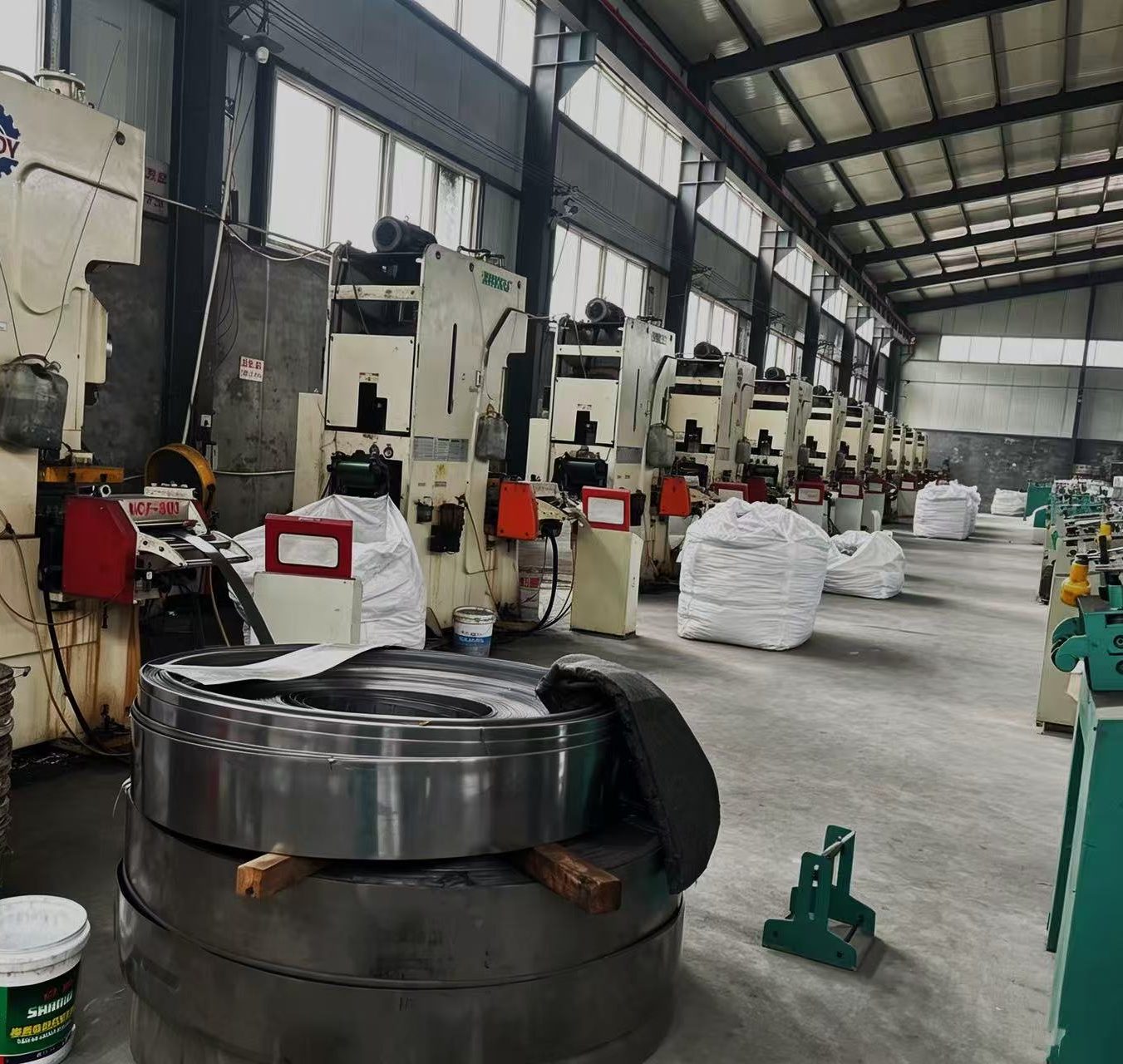
Trustworthiness in the fastener industry is built on consistent quality. Located in Handan, Hebei—a city renowned as a global hub for fastener manufacturing—our company leverages over ten years of industry experience to deliver excellence. As an integrated industry and trade enterprise, we combine direct manufacturing capabilities with global trade expertise, specializing in the development, production, and service of fasteners and hardware tools.
Our commitment to quality goes beyond basic compliance. We adhere to a philosophy of “integrity-based business,” heavily investing in scientific research and introducing high-tech talent to refine our production technologies. With advanced machinery and perfect testing methods, we provide products that meet not only DIN standards but also GB, JIS, ANSI, and other international specifications. This multi-standard capability allows us to serve clients in more than 26 countries, ensuring that whether you need standard DIN components or specialized custom solutions, our professional technical team delivers high-quality products at competitive prices.
Raw Material Verification
Quality begins with the wire rod and bar stock. We source materials only from certified mills that provide Mill Test Certificates (MTC) confirming chemical composition. Spectrometric analysis is conducted on incoming batches to verify levels of carbon, manganese, sulfur, and phosphorus. This prevents issues such as cold heading cracks or unexpected brittleness.
Precision Cold Forming and Machining
Most DIN fasteners are produced via cold heading, a process that shapes metal at room temperature, enhancing grain structure and strength. For larger diameters or special alloys, we use CNC machining. Our cold headers operate at high speeds with real-time monitoring systems that detect dimensional deviations instantly. Any part falling outside the tolerance window is automatically rejected.
Heat Treatment Control
For high-strength steel fasteners (Class 10.9 and above), heat treatment is critical. We utilize continuous mesh belt furnaces with atmosphere control to ensure uniform hardening and tempering. Hardness tests (Rockwell C) are performed on sample lots to verify that the core and surface hardness meet DIN specifications. Over-hardening can lead to brittle failure, while under-hardening results in stripped threads.
Final Inspection and Testing
Before shipment, random samples undergo rigorous testing:
- Dimensional Check: Using calipers, micrometers, and thread gauges.
- Tensile Testing: Pulling bolts to failure to verify ultimate tensile strength.
- Torque Testing: Ensuring nuts can withstand specified tightening torques without stripping.
- Salt Spray Testing: Verifying corrosion resistance of coated products per DIN EN ISO 9227.
Applications Across Industries
DIN standard fasteners are versatile, serving a wide array of sectors. Our experience as a supplier allows us to tailor recommendations based on specific industry challenges.
Automotive and Transportation
The automotive industry demands high-volume, high-consistency fasteners. DIN 912 and DIN 985 are extensively used in engine assemblies, chassis construction, and interior panels. Vibration resistance is paramount, making locking nuts and thread-locking adhesives common companions. We support Just-in-Time (JIT) delivery models to keep assembly lines running smoothly.
Construction and Infrastructure
In construction, structural integrity is non-negotiable. Hot-dip galvanized DIN 933 and DIN 934 bolts are standard for steel frameworks, bridges, and prefabricated buildings. These components must withstand weather exposure and dynamic loads from wind or traffic. Our heavy-duty fasteners meet the rigorous demands of civil engineering projects.
Machinery and Equipment Manufacturing
Industrial machinery requires fasteners that can endure high stress and frequent maintenance. Socket head cap screws (DIN 912) are preferred for their ability to be recessed, saving space and protecting the head from damage. High-tensile alloys ensure that machines remain rigid under operational loads, maintaining precision alignment.
Renewable Energy Sector
Wind turbines and solar farms operate in exposed environments. Stainless steel (A4-80) and specialized coated fasteners are essential to resist salt spray (offshore wind) and UV degradation. The reliability of these connections directly impacts the maintenance cycle and overall efficiency of energy generation assets.
How to Choose the Right DIN Fastener Supplier
Choosing a partner is as important as choosing the product. Many distributors claim compliance, but few possess the manufacturing depth to guarantee it. Here are key factors to consider when evaluating a DIN standard fasteners supplier.
Certification and Compliance
Verify that the supplier holds ISO 9001 certification for quality management. Ask for recent test reports and Mill Certificates. A transparent supplier will readily provide documentation proving that their products meet DIN and ISO standards. Avoid suppliers who cannot trace their material sources.
Production Capacity and Lead Times
Assess whether the supplier manufactures in-house or outsources. In-house production offers better control over quality and lead times. Inquire about their monthly output capacity and ability to scale up during peak demand. Flexible production lines can accommodate urgent orders without compromising quality.
Technical Support and Customization
Complex projects often require non-standard solutions. A valuable supplier offers engineering support, helping you select the right grade and finish. They should be capable of producing custom lengths, heads, or threads while maintaining the integrity of the standard specification. Look for a partner who speaks the language of engineering, not just sales.
Logistics and Packaging
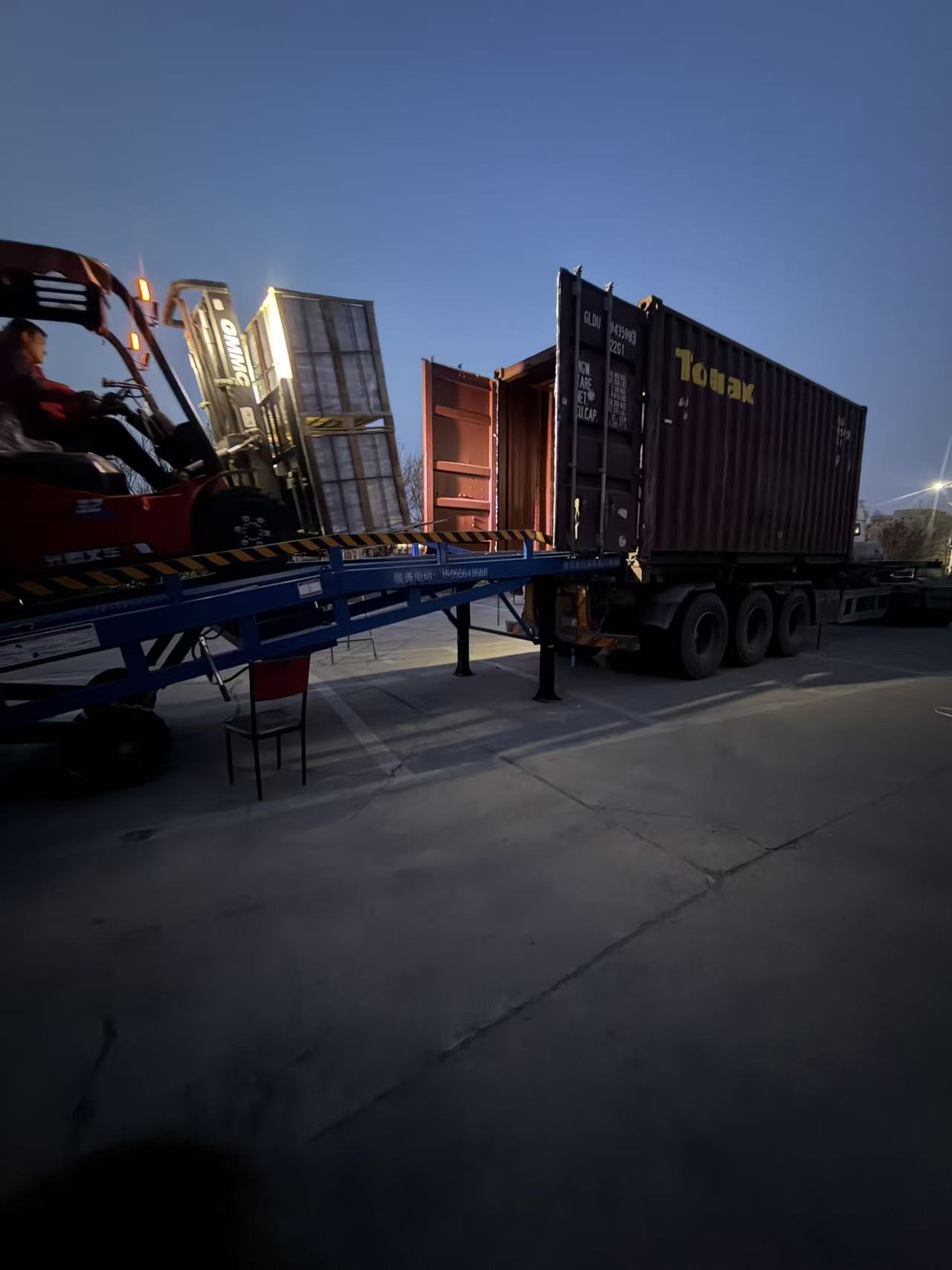
Fasteners are heavy and prone to rust if packaged poorly. Ensure the supplier uses robust, moisture-resistant packaging. Clear labeling with DIN numbers, sizes, and batch codes is essential for inventory tracking. Efficient logistics networks ensure timely delivery, reducing your holding costs.
Common Mistakes in Fastener Selection and Usage
Even with high-quality products, improper selection or installation can lead to failure. Being aware of these common pitfalls can save time and money.
- Mixing Metric and Imperial: Never force a metric DIN bolt into an imperial nut. The thread pitch differences will cause stripping and joint failure. Always verify the measurement system.
- Ignoring Torque Specifications: Over-tightening can stretch bolts beyond their yield point, leading to eventual breakage. Under-tightening allows movement and fatigue. Use calibrated torque wrenches.
- Galvanic Corrosion: Avoid mixing stainless steel bolts with carbon steel plates without insulation. The electrochemical potential difference accelerates corrosion of the less noble metal.
- Reusing Lock Nuts: Nylon insert lock nuts (DIN 985) lose their locking effectiveness after removal. Always replace them in critical applications.
- Wrong Grade for Application: Using Class 4.6 bolts in a structural application requiring Class 8.8 is a severe safety hazard. Always match the property class to the design load.
Frequently Asked Questions (FAQ)
What is the difference between DIN and ISO fasteners?
DIN (German Institute for Standardization) and ISO (International Organization for Standardization) standards are largely harmonized. Many DIN standards have been adopted as ISO standards (e.g., DIN 933 is effectively identical to ISO 4017). However, some older DIN specs may have slight dimensional differences. In modern manufacturing, ISO is becoming the global reference, but DIN remains highly respected and widely used in Europe and specialized industries.
Can you provide custom-sized DIN fasteners?
Yes, while we specialize in standard DIN dimensions, our manufacturing facilities can produce custom lengths, diameters, and head styles. Custom orders may require minimum quantity thresholds and longer lead times for tooling setup. We ensure that custom parts maintain the same material quality and mechanical properties as standard items.
What is the typical lead time for bulk orders?
Lead times vary based on product complexity, quantity, and surface treatment requirements. Standard items in stock can ship within 3-5 business days. Made-to-order batches typically take 15-25 days. We maintain strategic raw material inventories to expedite production for urgent requests.
Do you provide Mill Test Certificates (MTC)?
Absolutely. Every batch of high-strength or stainless steel fasteners is accompanied by a Mill Test Certificate detailing chemical composition and mechanical properties. This documentation is crucial for quality audits and regulatory compliance in industries like construction and automotive.
How do I prevent stainless steel bolts from seizing?
Stainless steel is prone to galling (cold welding) due to its softness and oxide layer. To prevent seizing, use a lubricant or anti-seize compound during installation. Reduce installation speed to minimize heat generation, and ensure threads are clean and free of debris. Using nuts and bolts from the same manufacturer can also improve fit consistency.
Conclusion: Secure Your Supply Chain with Precision
In the competitive landscape of industrial manufacturing, the reliability of your components defines the quality of your final product. As a dedicated DIN standard fasteners supplier, we combine engineering expertise with manufacturing excellence to deliver fasteners that perform under pressure. From the rigorous selection of raw materials to the precision of our threading and heat treatment processes, every step is designed to meet the highest international standards.
Whether you are building infrastructure, assembling machinery, or innovating in the automotive sector, our DIN-compliant bolts, nuts, and screws provide the foundation for safety and durability. We understand that downtime is costly and quality is non-negotiable. That is why we prioritize consistency, transparency, and technical support in every partnership.
Do not compromise on the integrity of your assemblies. Choose a supplier that values precision as much as you do. Explore our full catalog of DIN standard fasteners today, or contact our engineering team for a customized quote tailored to your specific project requirements. Let us help you build with confidence.