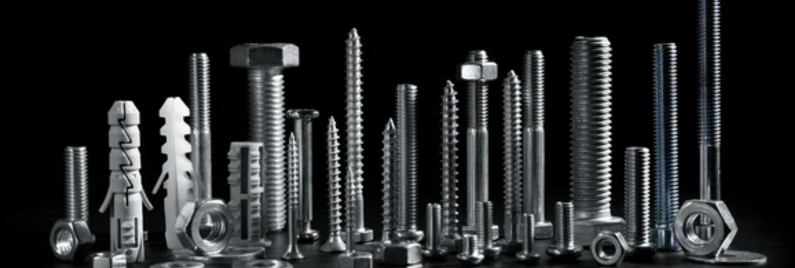
As a premier China fasteners manufacturer and supplier, we specialize in engineering high-precision mechanical components for global industrial applications. Our facility delivers ISO-certified bolts, nuts, screws, and washers designed to meet rigorous ASTM, DIN, and JIS standards. By integrating advanced cold-heading technology with strict quality control protocols, we ensure every fastener provides superior tensile strength, corrosion resistance, and dimensional accuracy. Whether for automotive assembly, heavy construction, or aerospace projects, our supply chain offers scalable solutions that reduce procurement risks and enhance structural integrity. Partnering with us means accessing direct factory pricing, customized material specifications, and reliable lead times tailored to complex B2B requirements.
Comprehensive Fastener Manufacturing Capabilities in China
The landscape of industrial manufacturing has shifted significantly towards specialized production hubs. China has emerged as the central node for global fastener supply, not merely due to cost advantages, but because of mature industrial clusters and advanced metallurgical capabilities. As a dedicated manufacturer, we focus on transforming raw steel wire and rod into critical joining elements that hold modern infrastructure together.
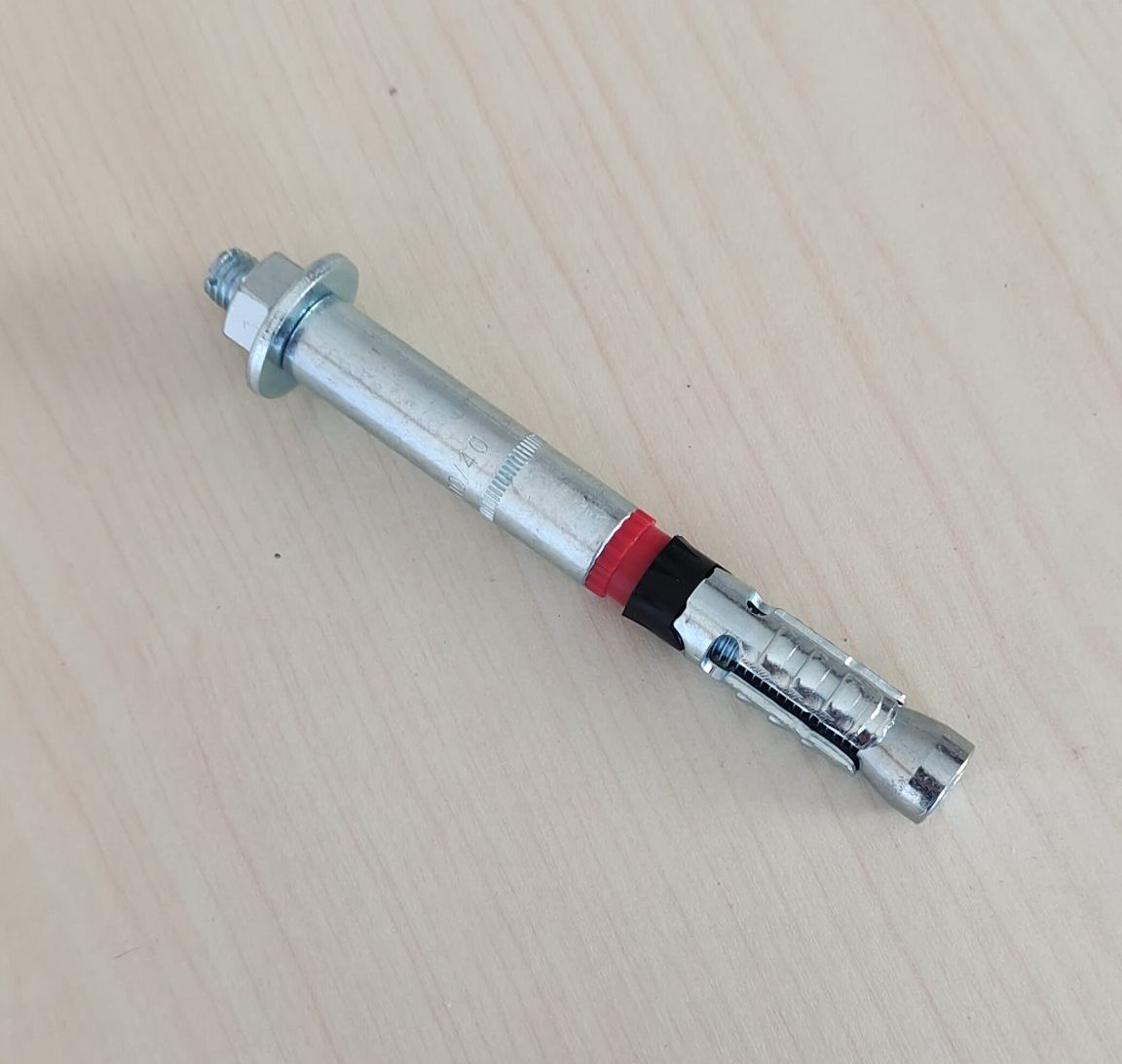
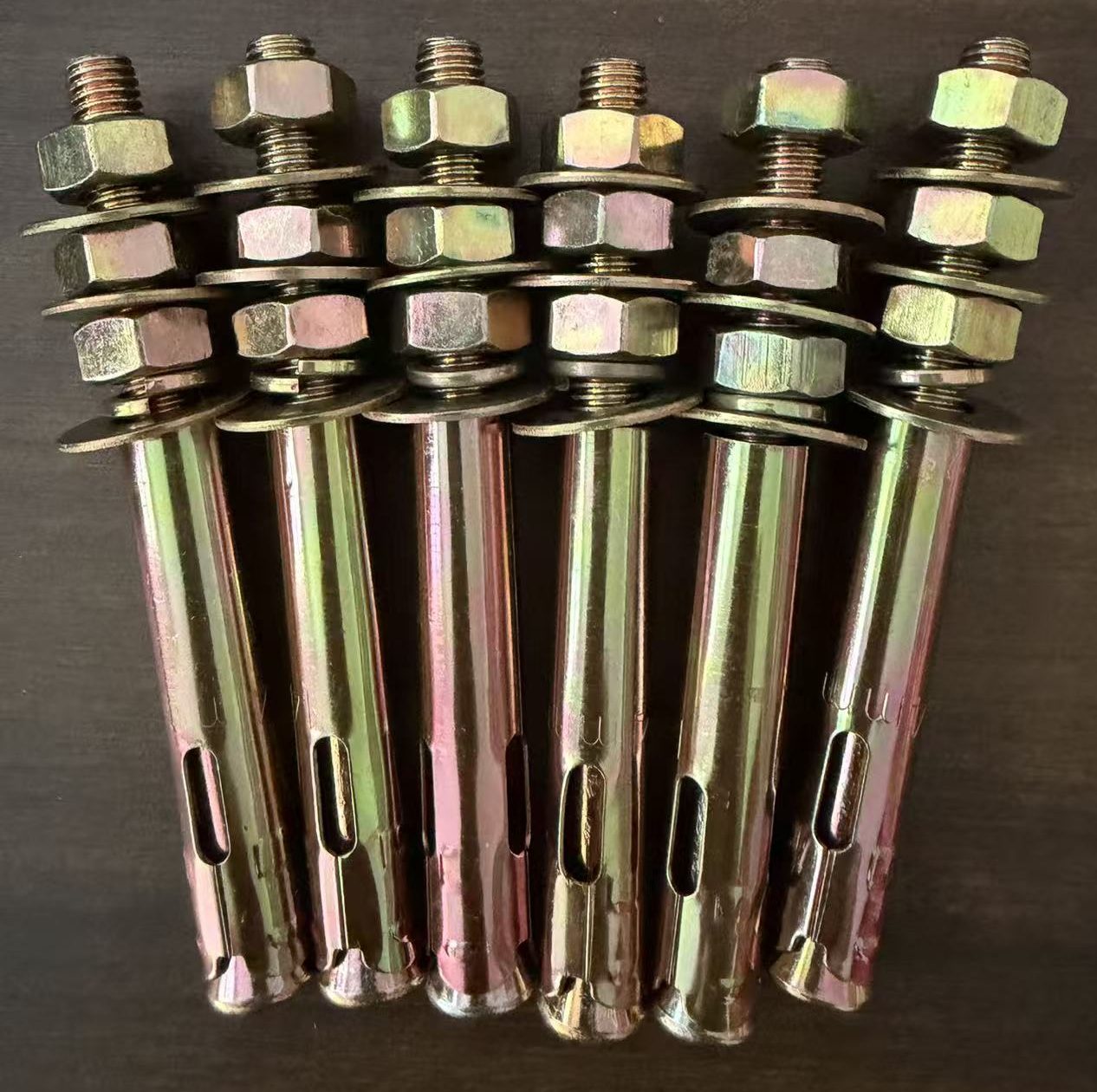
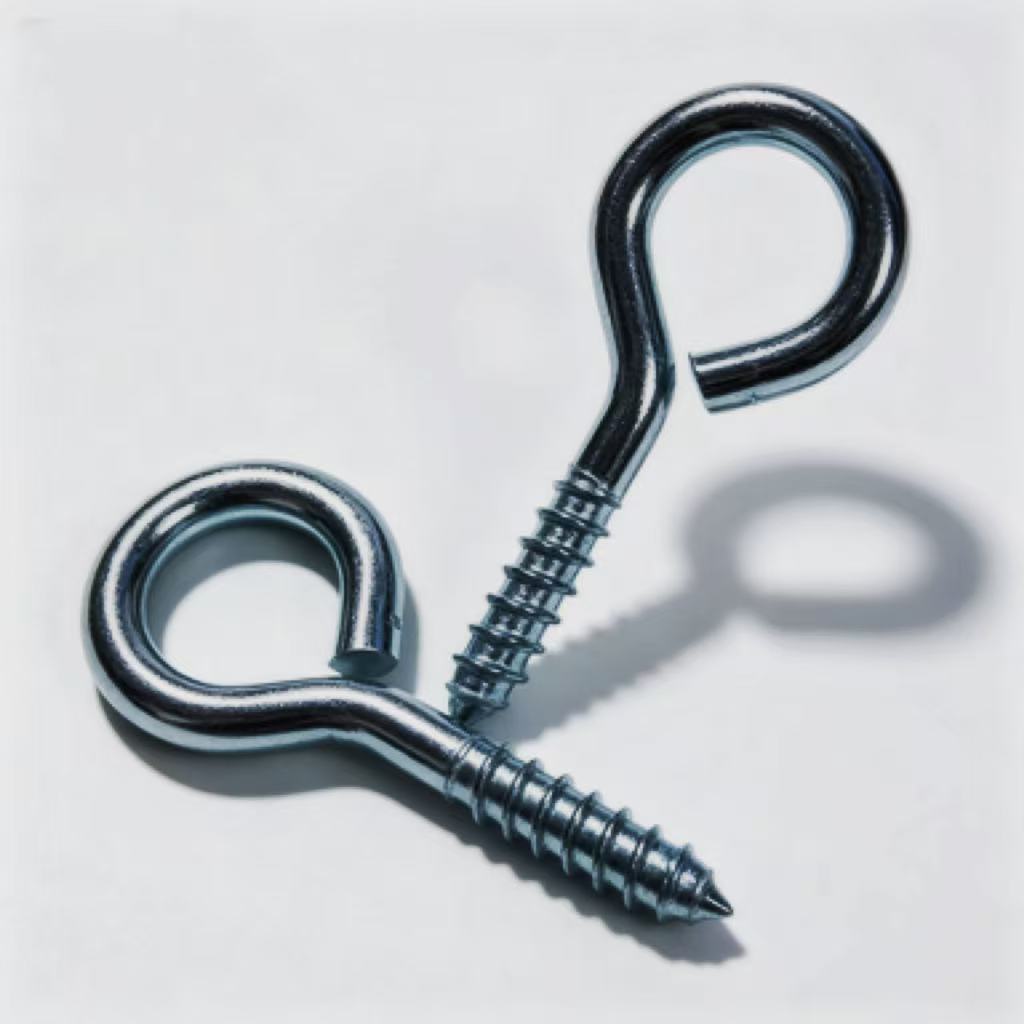
Rooted in Handan, Hebei—China’s renowned “Fastener Capital”—our company represents a seamless integration of industry and trade. With over a decade of industry experience, we have evolved from a local producer into a global exporter, serving clients in more than 26 countries. While we maintain a broad catalog of standard components, we also specialize in unique hardware solutions, including casing geckos, wooden teeth, and welded sheep’s eye screws/bolts. This diverse product range reflects our commitment to innovation and our ability to adapt to niche market demands alongside mainstream industrial needs.
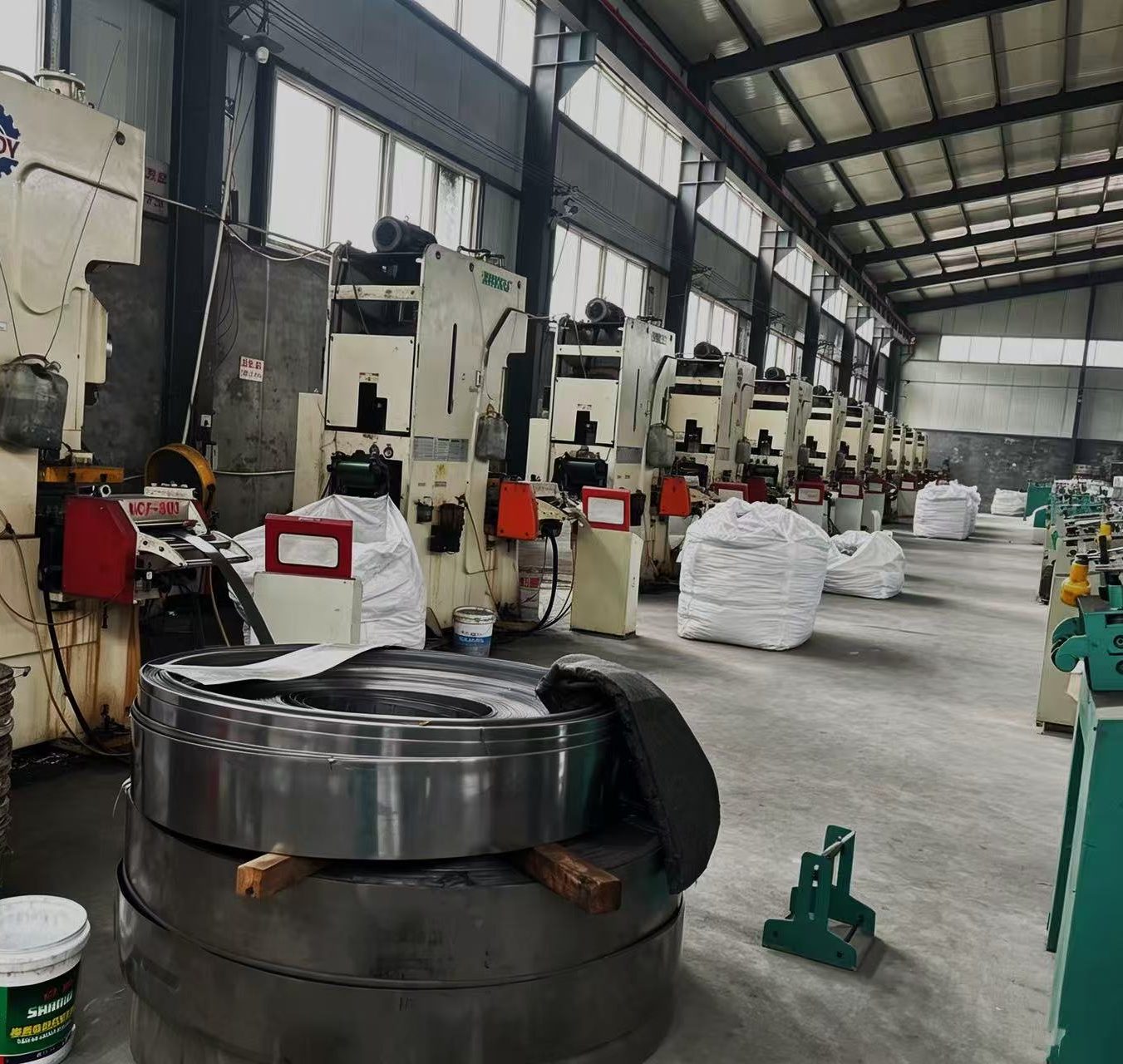
Our production ecosystem covers the entire lifecycle of fastener creation. From raw material sourcing to final surface treatment, every stage is monitored to ensure compliance with international engineering standards. This vertical integration allows us to maintain tight tolerances and consistent quality across large-volume orders.
Core Product Categories and Specifications
Fasteners are not generic commodities; they are engineered components with specific mechanical properties. Our catalog is structured to address diverse functional needs, ranging from standard commercial grades to high-performance alloy variants.
- Bolts and Screws: Including hex head bolts, socket head cap screws, carriage bolts, and self-tapping screws. We produce these in grades ranging from 4.8 to 12.9 for metric standards and Grade 2 to Grade 8 for imperial systems.
- Nuts: Covering hex nuts, lock nuts, wing nuts, and flange nuts. Our precision threading ensures proper engagement and load distribution.
- Washers: Flat washers, spring washers, and locking washers designed to prevent loosening under vibration and distribute load evenly.
- Rivets and Pins: Solid rivets, blind rivets, and dowel pins for permanent or semi-permanent assemblies where welding is not feasible.
- Specialty Fasteners: Custom-designed components for unique applications, including non-standard heads, threads, or lengths. Our expertise extends to specialized items like wooden teeth and welded sheep’s eye bolts, catering to specific construction and decorative hardware needs.
Each category is manufactured using state-of-the-art cold formers and hot forging presses. The choice between cold heading and hot forging depends on the diameter of the fastener and the required grain structure. For diameters under 20mm, cold heading is preferred for its superior surface finish and increased tensile strength due to work hardening. For larger diameters or complex shapes, hot forging ensures proper metal flow and structural integrity.
Material Science and Metallurgical Expertise
The performance of a fastener is fundamentally determined by its material composition. Using the wrong material can lead to catastrophic failures such as shear fracture, stress corrosion cracking, or hydrogen embrittlement. Our engineering team selects materials based on the operating environment and mechanical loads.
Carbon Steel: The most common material for general-purpose fasteners. Low carbon steel (C1008-C1010) is used for lower grade fasteners, while medium carbon steel (C1035-C1045) is heat-treated to achieve higher strength grades like 8.8, 10.9, and 12.9.
Stainless Steel: Essential for corrosive environments. We primarily utilize Austenitic grades (304, 316, 316L) for their excellent corrosion resistance and non-magnetic properties. For higher strength requirements in corrosive settings, Martensitic grades (410, 420) are employed, though they offer lower corrosion resistance than austenitic types.
Alloy Steel: Used for high-stress applications such as automotive engines and aerospace structures. Materials like 40Cr, 35CrMo, and 42CrMo are quenched and tempered to achieve exceptional yield strength and fatigue resistance.
Non-Ferrous Metals: Brass, copper, and aluminum fasteners are produced for electrical conductivity, non-sparking requirements, or lightweight applications. Titanium fasteners are also available for extreme aerospace and medical applications where strength-to-weight ratio is critical.
Why Source Fasteners from a Specialized China Manufacturer?
Sourcing from China offers strategic advantages beyond simple cost reduction. The depth of the supply chain, the availability of skilled labor, and the adoption of Industry 4.0 technologies create a competitive edge for global buyers. However, success depends on partnering with a manufacturer who prioritizes quality and transparency over volume alone.
Cost Efficiency Without Compromising Quality
Direct manufacturing eliminates intermediary markups. By controlling the production process in-house, we optimize material usage and energy consumption. Advanced automation reduces labor costs while improving consistency. This efficiency is passed on to clients, allowing for competitive pricing without sacrificing material grade or dimensional precision.
Furthermore, the clustering of raw material suppliers, heat treatment facilities, and surface treatment plants in regions like Zhejiang and Jiangsu, as well as our home base in Handan, reduces logistics costs and lead times. This ecosystem enables rapid prototyping and flexible production scheduling.
Scalability and Supply Chain Stability
Global projects require reliable supply chains. Our manufacturing capacity is designed to scale from small prototype batches to millions of units per month. We maintain strategic stockpiles of raw materials to mitigate market fluctuations and ensure uninterrupted production.
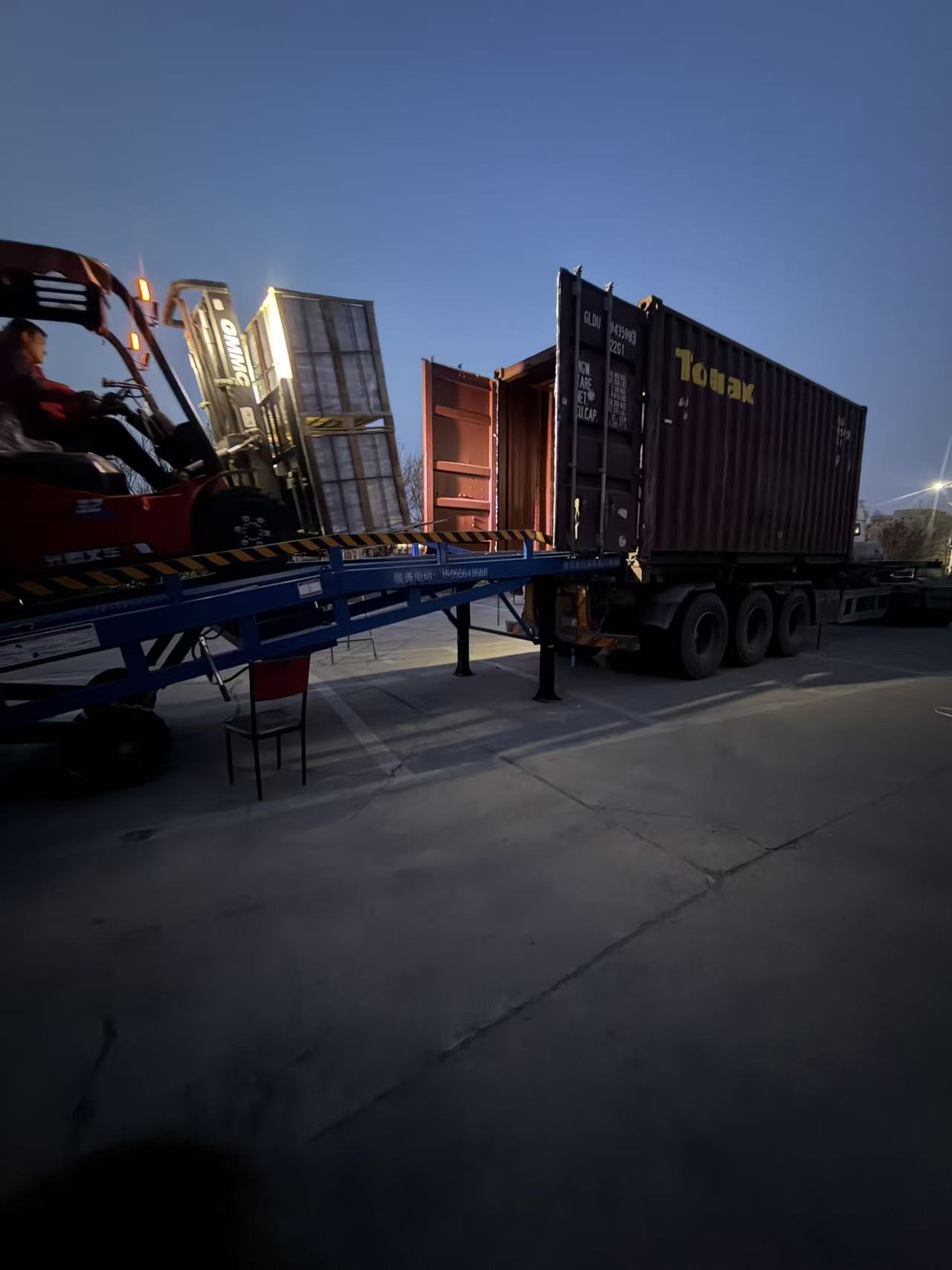
Our logistics network is integrated with major shipping ports, facilitating efficient export processes. We handle documentation, customs clearance, and packaging according to international standards, ensuring that goods arrive on time and in perfect condition.
Customization and Engineering Support
Standard fasteners do not always solve unique engineering challenges. Our R&D team works closely with clients to develop custom solutions. Whether it involves modifying thread pitches, creating unique head shapes, or applying specialized coatings, we have the tooling and expertise to bring concepts to life.
We utilize CAD/CAM software for rapid tool design and simulation. This allows us to predict potential manufacturing issues before production begins, reducing waste and accelerating time-to-market for new products. Our commitment to new product development is driven by the introduction of high-tech talents and continuous investment in scientific research.
Quality Assurance and International Certifications
In the fastener industry, quality is not negotiable. A single failed bolt can compromise an entire structure. Therefore, our quality assurance system is built on rigorous testing and adherence to international standards. We are committed to maintaining Trustworthiness and Authoritativeness in every shipment.
Adherence to Global Standards
Our production lines are calibrated to meet the following key standards:
- ISO (International Organization for Standardization): ISO 898-1 for mechanical properties of carbon and alloy steel fasteners.
- ASTM (American Society for Testing and Materials): ASTM A307, A325, A490 for structural bolts, and A193/A194 for high-temperature and high-pressure applications.
- DIN (Deutsches Institut für Normung): German standards widely used in Europe and globally, such as DIN 933 for hex head screws.
- JIS (Japanese Industrial Standards): Relevant for automotive and electronics sectors supplying to Asian markets.
- GB (Guobiao): Chinese national standards, which are often aligned with ISO but may have specific regional variations.
- ANSI (American National Standards Institute): Ensuring compatibility with North American industrial requirements.
Compliance with these standards ensures that our fasteners are interchangeable and compatible with components sourced from other regions. This interoperability is crucial for global supply chains.
In-House Testing Laboratory
We operate a fully equipped in-house laboratory to perform real-time quality checks. This reduces reliance on external labs and speeds up the feedback loop during production.
Tensile and Yield Strength Testing: Every batch undergoes tensile testing to verify that it meets the specified grade requirements. We measure ultimate tensile strength, yield strength, and elongation to ensure ductility.
Hardness Testing: Rockwell and Vickers hardness tests are conducted to confirm proper heat treatment. Incorrect hardness can indicate under-quenching or over-tempering, both of which compromise performance.
Dimensional Inspection: Coordinate Measuring Machines (CMM) and optical comparators are used to check thread pitch, head dimensions, and length tolerances. This ensures that fasteners fit correctly during assembly.
Salt Spray Testing: To evaluate corrosion resistance, samples are subjected to salt spray tests (ASTM B117). This simulates years of exposure to harsh environments, verifying the effectiveness of surface coatings like zinc plating or galvanization.
Microstructure Analysis: Metallographic examination is performed to inspect the grain structure and detect any defects such as cracks, inclusions, or improper decarburization.
Certification and Traceability
We hold ISO 9001:2015 certification, demonstrating our commitment to consistent quality management. Additionally, we provide Material Test Reports (MTRs) and Certificates of Conformity (CoC) with every shipment. These documents trace each batch back to its raw material source, providing full transparency and accountability.
For automotive clients, we adhere to IATF 16949 standards, which require stricter controls on defect prevention and supply chain variation. This level of diligence builds long-term trust with our partners.
Surface Treatments and Corrosion Protection
Raw steel fasteners are susceptible to rust and corrosion. Surface treatments are essential for extending service life and maintaining aesthetic appeal. The choice of coating depends on the environment, cost constraints, and regulatory requirements.
| Surface Treatment | Fa'amatalaga | Best Application | Corrosion Resistance |
| Zinc Plating (Electroplating) | Thin layer of zinc applied via electrolysis. Cost-effective and provides a bright finish. | Indoor applications, dry environments, electronics. | Moderate (24-96 hours salt spray) |
| Hot-Dip Galvanizing | Immersion in molten zinc creates a thick, durable coating. Rougher appearance. | Outdoor construction, utility poles, marine structures. | High (500+ hours salt spray) |
| Mechanical Galvanizing | Zinc dust bonded to the surface mechanically. No hydrogen embrittlement risk. | High-strength bolts (Grade 10.9/12.9) where hydrogen embrittlement is a concern. | High |
| Dacromet/Geomet | Zinc flake coating with chromium-free passivation. Excellent torque-tension consistency. | Automotive, high-vibration environments. | Very High (1000+ hours salt spray) |
| Black Oxide | Chemical conversion coating providing minimal corrosion resistance but good aesthetics. | Tools, firearms, indoor machinery where oil can be applied. | Low (requires oil/wax) |
| Xylan/PTFE Coating | Polymer-based coating providing low friction and corrosion resistance. | Applications requiring precise torque control and chemical resistance. | High |
Understanding these options allows engineers to specify the right protection for their application. For instance, using electroplated zinc on outdoor marine structures would lead to premature failure, whereas hot-dip galvanizing would ensure decades of service.
Step-by-Step Guide to Selecting the Right Fasteners
Choosing the correct fastener involves balancing mechanical requirements, environmental conditions, and cost. Follow this logical framework to make informed decisions.
Step 1: Determine Load Requirements
Identify the type of load the fastener will bear: shear, tension, or a combination. Calculate the maximum expected load and apply a safety factor (typically 2x to 4x). This determines the required tensile strength and diameter.
Step 2: Assess Environmental Conditions
Will the fastener be exposed to moisture, chemicals, extreme temperatures, or UV radiation? Indoor dry environments allow for basic zinc plating. Outdoor or marine environments require stainless steel, hot-dip galvanizing, or specialized polymer coatings.
Step 3: Choose Material and Grade
Select the material based on strength and corrosion needs. For high-stress structural applications, choose alloy steel Grade 8.8 or higher. For general assembly, low carbon steel Grade 4.8 or 5.8 is sufficient. For corrosion resistance, opt for A2-70 (304) or A4-80 (316) stainless steel.
Step 4: Define Dimensions and Thread Type
Specify the diameter, length, and thread pitch. Metric (M) and Imperial (UNC/UNF) threads are not interchangeable. Ensure the thread length is sufficient for full engagement with the nut or tapped hole. Generally, the engagement length should be at least 1.5 times the diameter for steel threads.
Step 5: Select Head Style and Drive Type
Choose a head style that suits the assembly method and space constraints. Hex heads are standard for wrench access. Socket heads are used where space is limited. Consider the drive type (hex, Phillips, Torx) based on the available tools and required torque.
Step 6: Verify Regulatory Compliance
Ensure the selected fasteners meet industry-specific regulations. Automotive parts may require PPAP approval. Construction projects may need CE marking. Medical devices require biocompatible materials and traceability.
Common Mistakes in Fastener Procurement and Usage
Even experienced engineers can overlook critical details in fastener selection. Avoiding these common pitfalls prevents costly rework and safety hazards.
- Mixing Metric and Imperial Threads: Forcing a metric bolt into an imperial nut strips the threads and compromises the joint. Always verify thread standards before assembly.
- Ignoring Hydrogen Embrittlement: High-strength steel fasteners (Grade 10.9 and above) are susceptible to hydrogen embrittlement if electroplated incorrectly. Use mechanical galvanizing or bake-out processes to mitigate this risk.
- Over-Tightening: Exceeding the yield strength of a bolt causes it to stretch permanently or break. Use torque wrenches and follow manufacturer torque specifications.
- Under-Estimating Corrosion: Using plain steel in humid environments leads to rust jacking, where rust expansion breaks the joint. Always specify appropriate coatings for the environment.
- Neglecting Vibration Resistance: In vibrating environments, standard nuts loosen over time. Use lock nuts, spring washers, or thread-locking adhesives to maintain clamp load.
- Incorrect Length Selection: Bolts that are too short do not engage fully, reducing strength. Bolts that are too long may bottom out or interfere with other components.
Applications Across Key Industries
Our fasteners serve a wide array of sectors, each with unique demands. Understanding these applications highlights our versatility and expertise.
Automotive and Transportation
The automotive industry requires high-volume, high-precision fasteners that withstand vibration and thermal cycling. We supply engine bolts, chassis screws, and interior trim clips. Lightweight materials like aluminum and titanium are increasingly used to improve fuel efficiency. Our fasteners meet IATF 16949 standards, ensuring zero-defect quality.
Construction and Infrastructure
Structural integrity is paramount in construction. We provide high-strength structural bolts (ASTM A325/A490) for steel frameworks, bridges, and high-rise buildings. These fasteners must endure dynamic loads and weather exposure. Hot-dip galvanizing and weathering steel options are commonly specified.
Energy and Oil & Gas
Offshore platforms and pipelines operate in extreme corrosive environments. We manufacture super duplex stainless steel and Inconel fasteners that resist seawater corrosion and high pressure. API 20E and 20F standards guide our production for these critical applications.
Electronics and Telecommunications
Miniaturization drives the electronics sector. We produce tiny, precision screws for smartphones, laptops, and servers. Conductive coatings and non-magnetic materials are often required to prevent interference. Cleanroom packaging ensures contamination-free delivery.
Renewable Energy
Wind turbines and solar farms require durable fasteners that last 20+ years with minimal maintenance. Large-diameter anchor bolts secure wind turbine bases, while stainless steel clamps hold solar panels. Resistance to UV degradation and atmospheric corrosion is essential.
Frequently Asked Questions (FAQ)
Addressing common queries helps clarify technical details and streamlines the procurement process.
What is the difference between a bolt and a screw?
Technically, a bolt is designed to pass through unthreaded holes and is secured with a nut. A screw is designed to mate with a pre-formed internal thread or cut its own thread into the material. However, in common usage, the terms are often interchangeable.
How do I determine the correct torque for a fastener?
Torque depends on the fastener’s diameter, grade, lubrication, and surface finish. General torque charts provide baseline values, but specific applications may require testing. Using a torque wrench is essential to avoid under or over-tightening.
What is hydrogen embrittlement, and how can it be prevented?
Hydrogen embrittlement is a phenomenon where high-strength steel becomes brittle due to hydrogen absorption during plating. It can be prevented by using mechanical plating methods, baking the fasteners after plating to release hydrogen, or specifying lower hardness levels.
Can you provide custom packaging for our brand?
Yes, we offer OEM packaging services. We can print your logo on boxes, bags, and labels. Custom packaging helps maintain brand consistency and simplifies inventory management for distributors.
What is your typical lead time for international orders?
Standard items are often available from stock. For custom orders, production typically takes 15-30 days, depending on complexity and volume. Shipping time varies by destination and method (sea vs. air). We provide realistic timelines during the quotation phase.
Do you offer sample services?
Yes, we provide free samples for standard items to verify quality and fit. Clients usually cover the shipping cost. For custom products, sample fees may apply but are refundable upon bulk order placement.
Strategic Partnership for Global Supply
In 2026, the demand for reliable, high-quality fasteners continues to grow alongside global infrastructure and industrial development. Sourcing from a trusted China fasteners manufacturer offers a blend of cost efficiency, technical expertise, and supply chain resilience. Our commitment to EEAT principles—demonstrating Experience through years of production, Expertise in metallurgy, Authoritativeness via certifications, and Trustworthiness through transparent practices—makes us an ideal partner for your business.
We understand that fasteners are small components with massive implications. A single failure can halt production or compromise safety. Therefore, we treat every order with the utmost seriousness, ensuring that each piece meets the highest standards of quality and performance. Guided by our philosophy of “Quality First, Customer First,” we constantly seek to provide more excellent and thoughtful service, maintaining our reputation by meeting and exceeding customer needs.
Who Should Partner With Us?
- Distributors and Wholesalers: Looking for consistent quality, competitive pricing, and reliable stock levels.
- OEM Manufacturers: Needing custom-engineered solutions and just-in-time delivery for assembly lines.
- Construction Firms: Requiring certified structural fasteners for large-scale projects.
- Engineering Consultancies: Seeking technical support and material expertise for complex designs.
By choosing us, you gain more than a supplier; you gain a strategic ally dedicated to your success. We invest in continuous improvement, adopting new technologies and standards to stay ahead of industry trends.
Next Steps for Procurement
Ready to optimize your supply chain? Whether you need a quote for standard items or a consultation on custom engineering, our team is ready to assist. We provide detailed technical data sheets, competitive pricing, and personalized service.
Contact us today to discuss your specific requirements. Let us demonstrate how our precision-manufactured fasteners can enhance the reliability and efficiency of your products.
Explore Our Full Product Catalog and Request a Quote