If you work in product development or OEM procurement, you have likely run into situations where standard bolts, screws or studs cannot fit your design constraints. Custom fasteners are engineered to match unique assembly, load, environmental or dimensional requirements. Many buyers face delays, unexpected costs and sample rework because their technical requirements are incomplete or unclear when sending an RFQ. This guide walks you through the information you need to prepare, from defining custom requirements to final quality acceptance, so you can communicate efficiently with custom fastener manufacturers and suppliers.
What Are Custom Fasteners?
Custom fasteners differ from standard fasteners produced to fixed ISO, DIN, ANSI or other off-the-shelf specifications. A custom fastener does not always mean a fully new, patented design. It can refer to modified or non-standard hardware where one or more critical features deviate from common stock options.
Common examples include fasteners with non-standard head shapes, modified thread lengths, special thread profiles, adjusted under-head dimensions, custom point styles or unique coating requirements. The core purpose of custom fasteners is to serve your specific mechanical, assembly or environmental needs, rather than forcing your product design to adapt to available standard hardware.
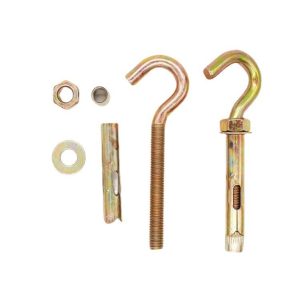
Important note: Tooling capacity, available materials, coating options, minimum order quantity and special test support vary by supplier. Confirm manufacturability with your supplier before locking drawings and orders.
When Do You Need Custom Fasteners Instead of Standard Ones?
Standard fasteners are preferred whenever possible for lower cost, shorter lead times and wider availability. You will typically need custom fasteners when your design cannot work with existing standard hardware. Common scenarios include:
- Limited assembly space that requires reduced head height, slim profiles or recessed geometries
- Special mechanical demands such as higher fatigue resistance, anti-tamper features or matched clamping performance
- Harsh operating environments including seawater exposure, high temperature, low temperature or chemically aggressive atmospheres
- Compatibility with special base materials such as soft plastics, composite panels or thin sheet metals
- Positioning or locking functions that standard fastener designs cannot achieve
- Product-specific intellectual property or assembly sequences that require unique fastener geometry
Many buyers looking to buy custom fasteners from China start this process after finding that multiple standard catalogs fail to meet one critical design constraint.
Core Technical Information to Prepare: Drawings, Dimensions and Tolerances
Your engineering drawing is the foundation of every custom fastener project. Suppliers cannot reliably quote or produce parts based only on verbal descriptions or rough sketches.
Your drawing package should clearly include:
- 2D engineering drawing as the primary reference; 3D CAD files as supporting reference only
- Key functional dimensions, non-critical dimensions and assigned tolerance classes
- Thread standard, pitch, major diameter and effective thread length, especially for non-standard threads
- Form and position tolerances such as concentricity, perpendicularity or positional tolerance if required
- Clear identification of reference datums and inspection views
Separate your dimensions into two groups for the supplier: features that must be held tightly, and features that can follow general machining tolerances. Vague tolerance requirements are one of the most frequent causes of sample rejection and price creep.
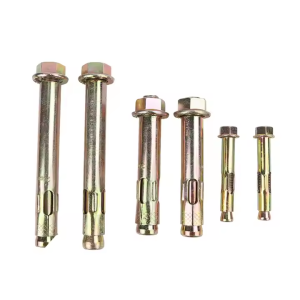
Material Selection and Mechanical Property Requirements for Custom Fasteners
Material selection directly controls strength, corrosion resistance, weight and cost of custom fasteners. When preparing your requirement sheet, define both the material grade and required mechanical performance.
Common material options for custom fasteners include carbon steel, alloy steel, austenitic and martensitic stainless steel, brass, bronze, titanium and special alloy grades such as Monel. Alongside material grade, specify:
- Strength class (such as 8.8, 10.9, 12.9 for alloy steel bolts)
- Required tensile strength, yield strength and hardness range
- Special material constraints: non-magnetic, hydrogen embrittlement control, low-temperature impact resistance
- Traceability needs: mill test certificates, heat number or batch documentation
Do not assume every custom fasteners factory can process high-performance or exotic alloys. Special alloy forging, heat treatment and testing capacity should be confirmed with your supplier in advance.
Surface Treatment and Special Functional Requirements
Surface treatment delivers corrosion protection, lubrication, locking performance or cosmetic results. Your RFQ must state exactly which coating or finish you require, along with acceptance criteria.
Common surface treatments for custom fasteners:
- Zinc plating, zinc flake coating (Dacromet), hot-dip galvanizing
- Passivation for stainless steel fasteners
- Black oxide, nickel plating, PTFE coating
- Pre-applied anti-loose nylon patches or adhesive coatings
You should also define measurable performance targets where applicable, such as required salt spray test hours, coating thickness range or torque-tension behaviour. Some coatings carry hydrogen embrittlement risks for high-strength steel fasteners; if your parts are high-strength, clearly state whether hydrogen relief baking is mandatory.
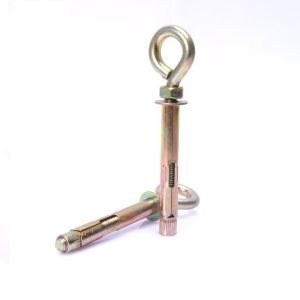
Sample Evaluation and Technical Document Confirmation
Nearly all custom fastener projects require sample approval before mass production. The sample phase is your final chance to catch design, dimensional or process issues before committing to large orders.
At the sample stage, agree on which inspections and documents will be provided:
- First Article Inspection (FAI) report for dimensional verification
- Mechanical test reports for hardness, tensile load or proof load
- Coating inspection records if surface treatment is critical
- Material mill certificates
- Signed sample approval form for formal sign-off
Once you approve samples, lock the drawing and sample record as the benchmark for mass production. Any drawing revision after sample approval will usually require new tooling, new samples and revised pricing.
Note: Full PPAP documentation is not available at every supplier. If you require PPAP for automotive or high-risk industrial applications, confirm this capability before project kickoff.
Information to Include in Your RFQ for Custom Fasteners
A complete RFQ helps your custom fasteners supplier provide an accurate quotation and realistic lead time. You can list tooling costs as a separate line item in your request. Use this checklist when building your inquiry:
- Final drawing files and revision number
- Material grade, mechanical class and special material requirements
- Surface finish and performance test requirements
- Sample quantity and mass production estimated annual or batch volume
- Required delivery schedule for samples and bulk goods
- Packaging requirements
- Target market compliance requirements (RoHS, CE for construction applications, etc.)
- Acceptance standard and sampling plan
Buyers who omit volume forecasts often receive conservative, high unit pricing because the supplier cannot plan tooling and production runs appropriately.
Quality Acceptance Criteria for Custom Fastener Orders
Disputes during mass delivery most often happen when acceptance rules were not agreed upfront. Before placing your order, document clear acceptance criteria together with your supplier.
Key points to define:
- Sampling standard and AQL level for visual and dimensional checks (common AQL values for fasteners are 0.65 and 1.0)
- Frequency of mechanical testing on production batches
- Visual defect limits for scratches, burrs, coating defects
- Rules for non-conforming parts, replacement and rework
- Whether third-party independent testing is required
This agreement protects both sides and removes subjective judgement during incoming inspection.
FAQ for Custom Fastener Buyers
Q: What is the minimum order quantity for custom fasteners?
A: There is no universal MOQ. Minimum order quantity depends on tooling cost, material type, production process and part size. Simple turned custom fasteners may support small runs, while forged parts often require higher minimum volumes. Always confirm MOQ and separate tooling charges individually.
Q: How long does custom fastener sample lead time take?
A: Sample lead time varies based on tooling complexity, heat treatment and coating schedules. Simple custom fasteners may take several days, while parts requiring new forging dies or special testing can take multiple weeks.
Q: Can I modify the drawing after sample approval?
A: Drawing changes after sample sign-off usually require revisions to tooling, new samples and updated pricing. Minor non-critical dimension adjustments may be possible, but major geometry changes will restart the qualification process.
Q: Are custom fasteners covered by CE marking for construction use?
A: CE marking depends on the intended end use, not simply because the fastener is custom. If your custom fastener is for permanent structural load-bearing under the Construction Products Regulation, CE compliance and DoP documentation will apply. Custom fasteners for general machinery assembly usually follow different rules or no mandatory CE marking.
Q: Can custom fasteners be produced according to my special test standard?
A: It depends on the supplier’s testing laboratory and third-party certification scope. Special fatigue testing, corrosion cycling or mechanical test protocols should be shared and confirmed before quotation.
Final Checklist Before Submitting Your Custom Fastener RFQ
Run through this checklist before sending your inquiry to any custom fasteners manufacturer or factory:
- ✅ Drawing with tolerances, thread details and revision status
- ✅ Confirmed material grade and mechanical property requirements
- ✅ Defined surface treatment and performance targets
- ✅ Sample quantity and estimated production volume
- ✅ Acceptance criteria and inspection standards
- ✅ Applicable compliance requirements for your destination market
- ✅ Clear delivery expectations for samples and bulk shipments
Fa'ai'uga
Successful sourcing of custom fasteners relies on complete, unambiguous technical requirements before quotation and sampling. When you prepare a full technical package, you reduce miscommunication, unexpected tooling costs and costly sample rework. Standard fasteners remain the first choice wherever feasible, but custom fasteners solve unique design challenges that off-the-shelf hardware cannot address. Whether you plan to buy custom fasteners from China or other regions, aligning specifications, sample approval and acceptance rules with your supplier is the most reliable way to keep your product development and procurement schedule on track.












