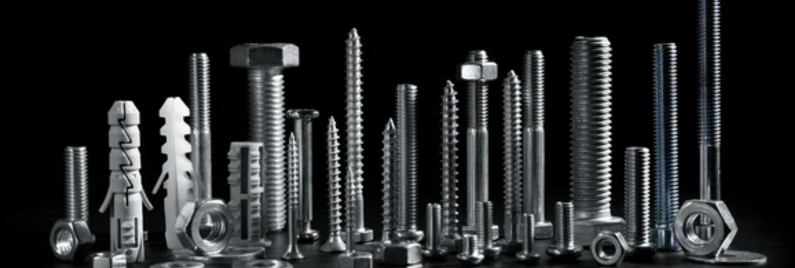
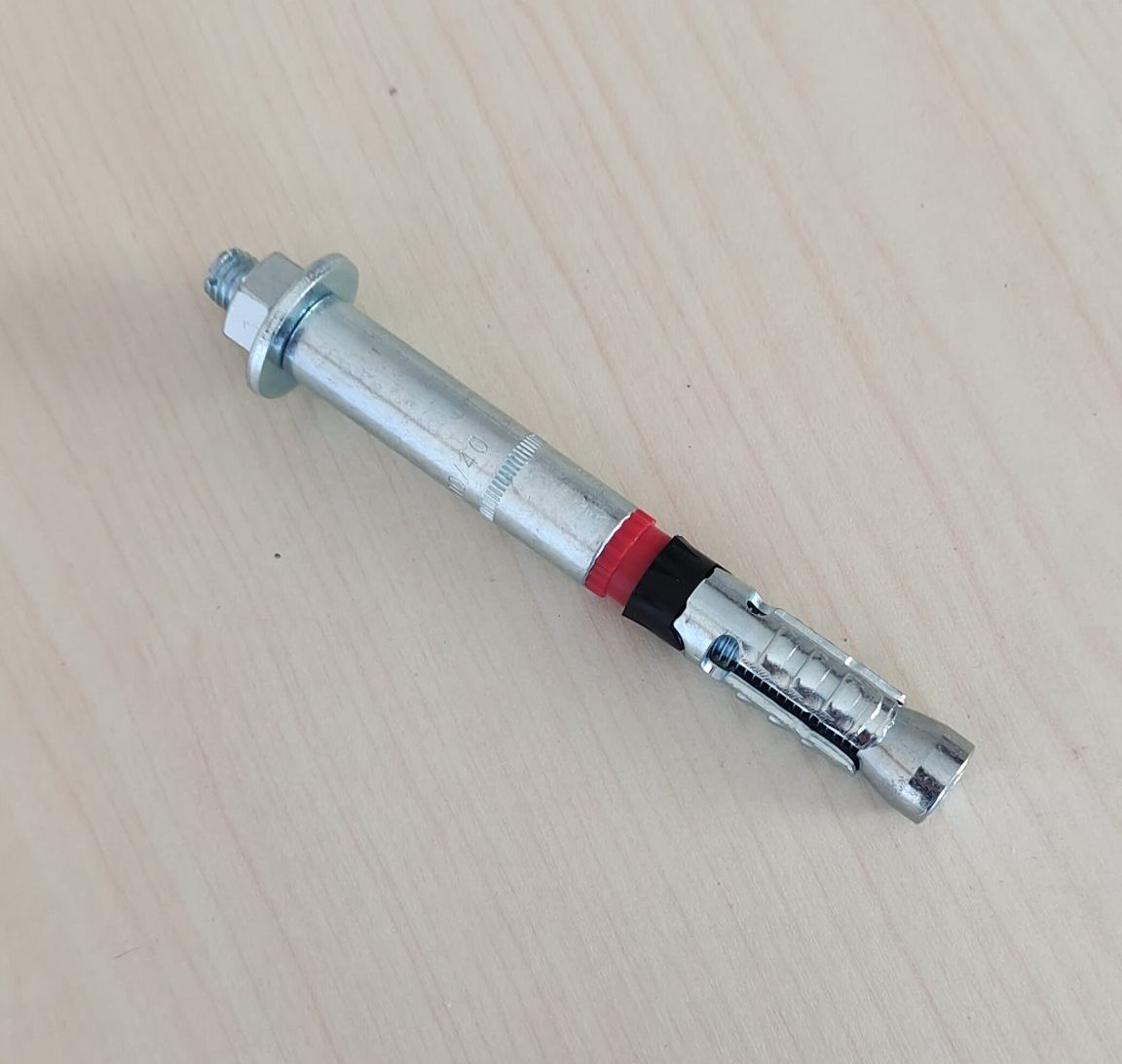
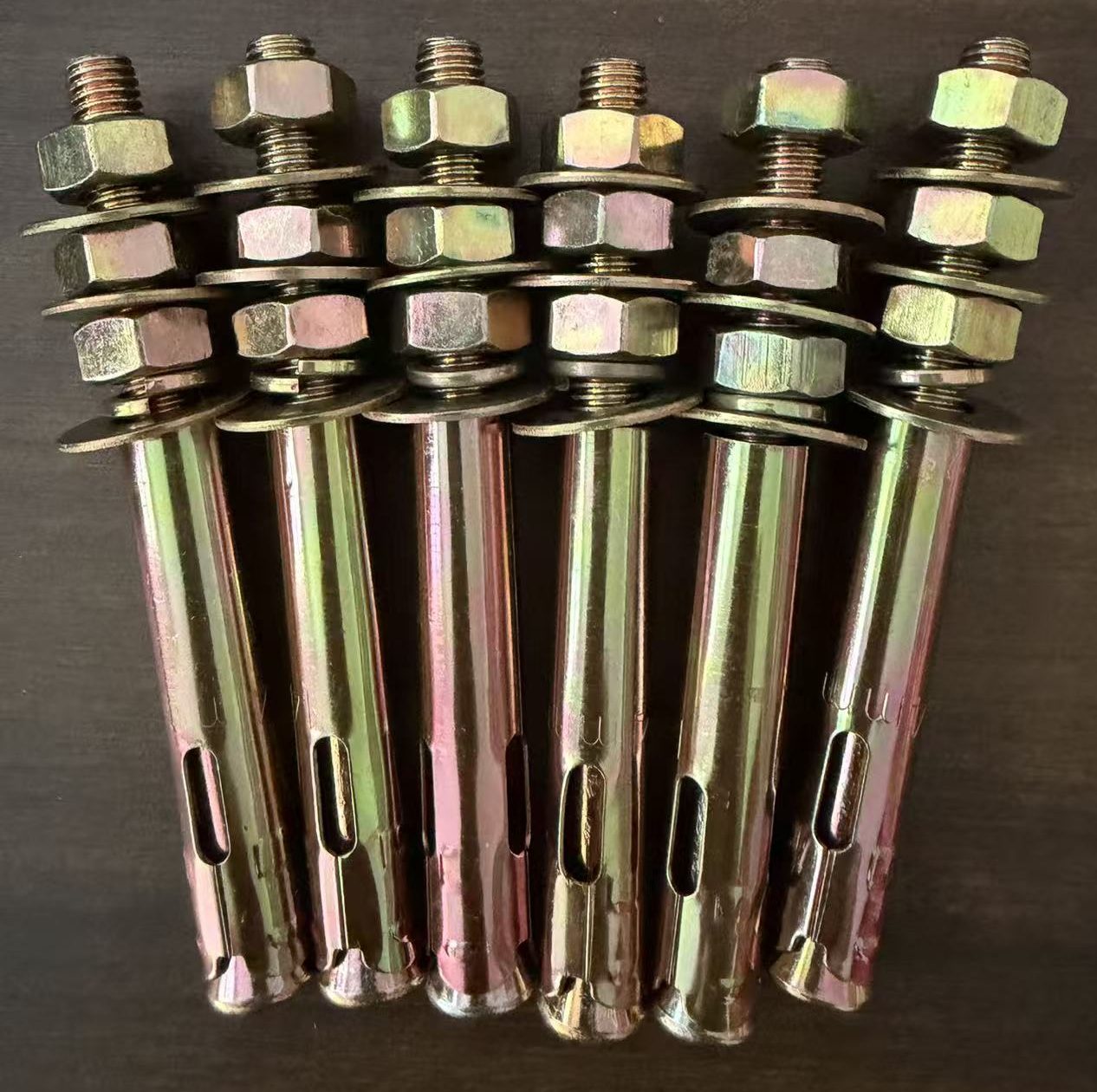
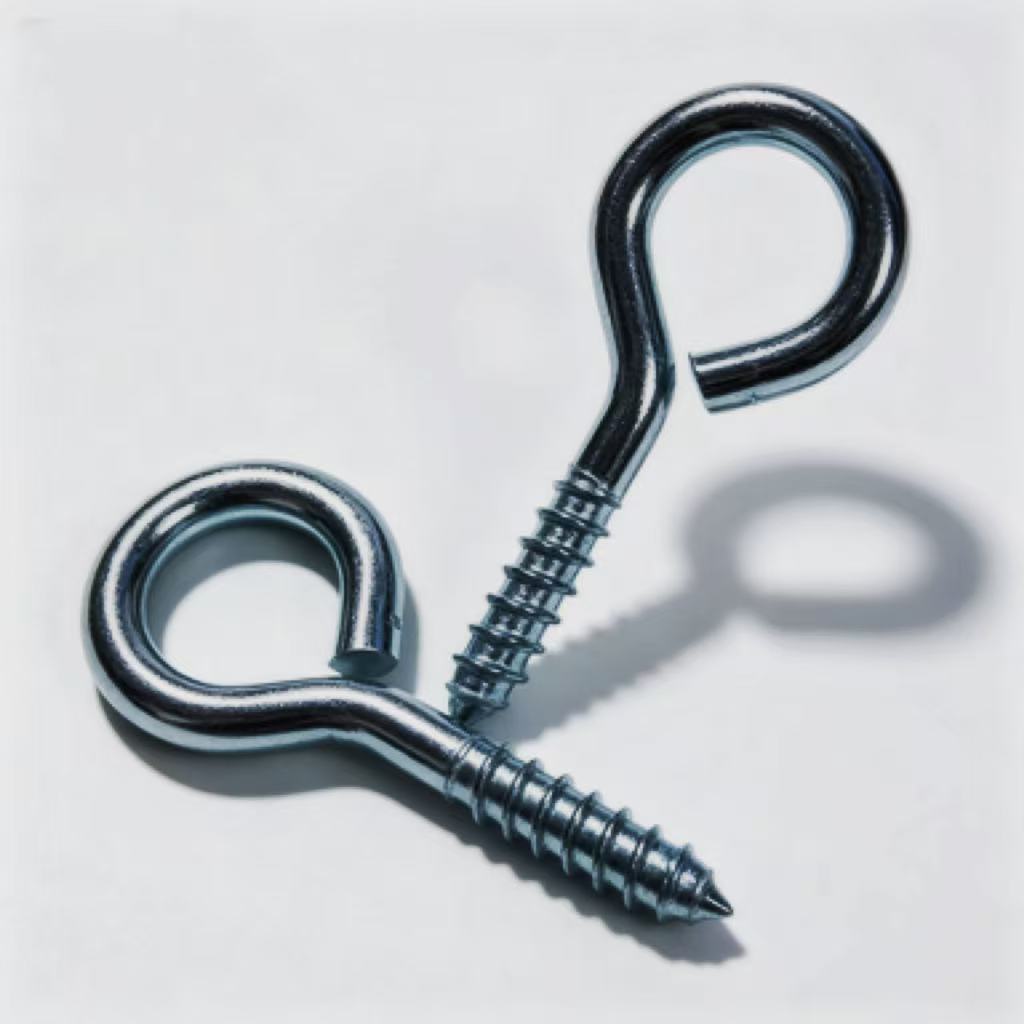
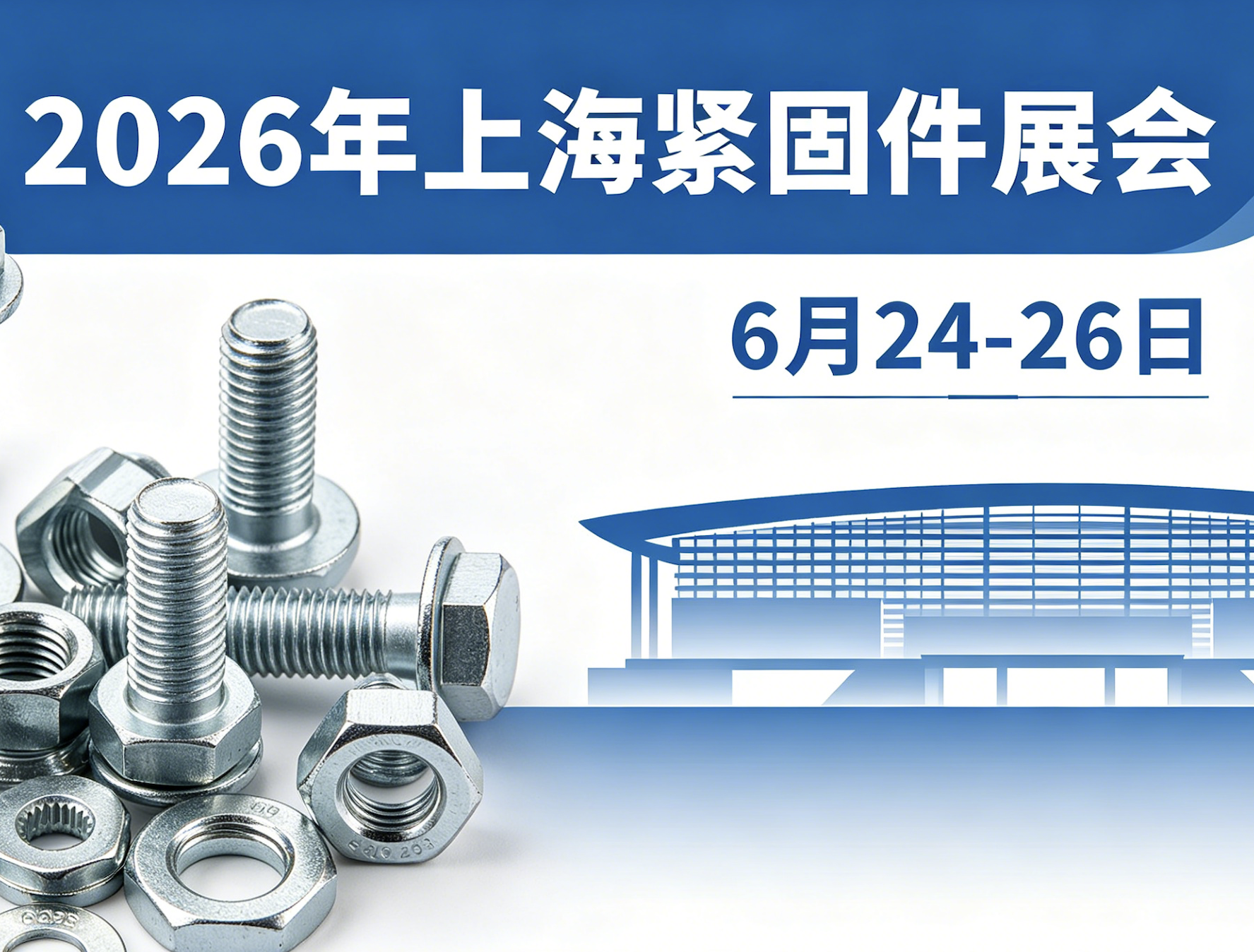
Furniture fasteners are specialized mechanical components engineered to join wood, metal, glass, and composite materials in furniture assembly. Unlike standard construction hardware, these connectors prioritize aesthetic concealment, ease of flat-pack assembly, and high load-bearing capacity under dynamic stress. As a direct manufacturer, we supply wholesale furniture fasteners—including cam locks, dowels, confirmat screws, and hidden hinges—designed for industrial-scale production and custom joinery. Our factory-direct model ensures strict quality control, consistent material integrity, and competitive pricing for B2B buyers, furniture brands, and contract manufacturers seeking reliable supply chain partners in 2026.
What Are Furniture Fasteners and Why Do They Matter?
In the modern furniture industry, the structural integrity of a piece is defined not just by the quality of the timber or board material, but by the precision of its connections. Furniture fasteners serve as the critical interface between components, transferring loads, resisting shear forces, and maintaining alignment over years of use.
For manufacturers, the choice of fastener directly impacts three key metrics:
- Assembly Efficiency: Quick-connect systems like cam locks reduce labor time on production lines.
- Product Durability: High-grade steel and precise threading prevent loosening during transport and daily use.
- Aesthetic Finish: Hidden or concealed fasteners maintain the clean lines demanded by contemporary design trends.
Understanding the engineering behind these small components is essential for sourcing decisions. A failure in a single connector can lead to product returns, brand reputation damage, and increased warranty costs. Therefore, selecting the right type of furniture fastener is a technical decision, not just a procurement task.
The Evolution of Joinery Hardware
Traditional joinery relied heavily on glue, nails, and complex woodworking joints like dovetails. While still used in high-end bespoke furniture, mass production requires speed and reproducibility. The introduction of panel-based furniture (such as MDF and particleboard) in the mid-20th century necessitated new types of connectors that could grip low-density materials without stripping.
Today, in 2026, the market has evolved further. With the rise of smart furniture and modular designs, fasteners must now accommodate disassembly and reassembly (D&R) capabilities. This shift drives demand for tool-free or low-tool connection systems that allow consumers to move and rebuild their furniture without damaging the components.
Core Types of Furniture Fasteners: A Technical Breakdown
Selecting the correct fastener depends on the material substrate, the required load path, and the visibility constraints of the design. Below is a detailed analysis of the primary categories of furniture connectors used in industrial manufacturing.
1. Cam Lock and Nut Systems (Minifix)
The cam lock system is arguably the most ubiquitous connector in flat-pack furniture. It consists of two parts: a cylindrical cam (the locking mechanism) and a connecting pin (often integrated into a dowel or screw).
- Mechanism: The pin inserts into a pre-drilled hole in one panel. The cam, installed in the adjacent panel, rotates 180 degrees to pull the pin inward, tightening the joint.
- Advantages: Allows for rapid assembly without tools beyond a screwdriver; provides strong clamping force; easily reversible for disassembly.
- Applications: Cabinet carcasses, wardrobe frames, desk legs, and shelving units.
- Technical Note: Precision in CNC drilling is critical. A tolerance error of more than 0.5mm can prevent the cam from locking properly.
2. Dowels and Confirmat Screws
While often used together, dowels and confirmat screws serve distinct roles in panel joining.
Wooden Dowels: These provide alignment and shear strength. In modern manufacturing, fluted or spiraled dowels are preferred as they allow glue escape and better distribution, reducing hydraulic pressure during insertion.
Confirmat Screws: Designed specifically for particleboard and MDF, these screws have a coarse thread and a smooth shank near the head. The smooth section allows the first panel to rotate freely relative to the screw, while the threaded section grips the second panel firmly.
- Load Capacity: High tensile strength, ideal for vertical load-bearing joints.
- Installation: Requires pre-drilling to prevent board swelling or splitting.
3. Shelf Supports and Pegs
Adjustable shelving requires robust yet unobtrusive support systems. Shelf pins come in various materials including steel, zinc alloy, and plastic.
- Steel Pins: Offer the highest load capacity, suitable for heavy books or equipment.
- Plastic/ Nylon Pins: Cost-effective and quiet, preventing rattling, but have lower weight limits.
- Design Variants: L-shaped, cylindrical, or invisible clip-on systems that hide within the shelf depth.
4. Corner Braces and Angle Connectors
For reinforcing right-angle joints, especially in tables and chairs, metal corner braces are essential. These can be surface-mounted or recessed.
- Surface-Mounted: Easier to install but visible; often used in industrial-style furniture.
- Recessed/Hidden: Require mortising but offer a cleaner look.
- Material: Typically stamped steel or zinc die-cast for durability.
5. Threaded Inserts and Barrel Nuts
Threaded inserts transform soft wood or composite boards into durable anchoring points for machine screws. Barrel nuts (or cross-dowels) are used in conjunction with long bolts to create strong T-joints or leg attachments.
This system is particularly valuable in high-stress areas, such as where table legs meet the apron. The large surface area of the barrel nut distributes the load, preventing the bolt from pulling out of the material under leverage.
Material Selection and Engineering Standards
The performance of a furniture fastener is dictated by its material composition and surface treatment. In 2026, sustainability and corrosion resistance are primary drivers in material selection.
| Mea | Properties | Common Applications | Pros & Cons |
| Zinc Alloy (Zamak) | High ductility, excellent casting detail, good strength-to-weight ratio. | Cam locks, drawer slides, decorative knobs. | Pros: Complex shapes, smooth finish.
Cons: Can be brittle under extreme impact. |
| Uamea Carbon | High tensile strength, magnetic, cost-effective. | Screws, dowel pins, shelf supports. | Pros: Very strong, cheap.
Cons: Prone to rust if not coated. |
| Stainless Steel (304/316) | Superior corrosion resistance, high strength. | Outdoor furniture, marine environments, high-end kitchens. | Pros: Long-lasting, hygienic.
Cons: Higher cost, harder to machine. |
| Nylon/Engineering Plastics | Lightweight, non-conductive, self-lubricating. | Glides, caps, low-load clips, spacers. | Pros: No scratching, quiet.
Cons: Lower load capacity, UV degradation. |
Surface Treatments for Durability
Raw metal is rarely used in furniture due to oxidation and aesthetic requirements. Common finishes include:
- Zinc Plating: Provides basic corrosion protection and a bright, silver finish. Often passivated to enhance resistance.
- Nickel Plating: Offers a harder, more wear-resistant surface with a premium look. Ideal for visible hardware.
- Powder Coating: Used for larger brackets and hinges. Available in various colors (black, white, bronze) to match furniture finishes. Provides excellent chip resistance.
- Black Oxide: A matte black finish often used for industrial-style furniture. It offers moderate corrosion resistance and reduces glare.
How to Choose the Right Furniture Fasteners for Your Project
Choosing the wrong fastener can lead to catastrophic failure. Engineers and procurement managers must evaluate several factors before finalizing specifications.
1. Substrate Material Density
The density of the board determines the holding power of screws and inserts. Particleboard (low density) requires coarse threads and larger diameters compared to hardwood (high density). Using a fine-thread screw in particleboard will result in stripping. Conversely, driving a large confirmat screw into hardwood without a pilot hole may cause splitting.
2. Load Requirements
Analyze the direction of the force:
- Shear Load: Forces acting parallel to the joint (e.g., weight on a shelf). Dowels and pins excel here.
- Tensile Load: Forces pulling the joint apart (e.g., lifting a chair by the seat). Screws and cam locks provide clamping force to resist this.
- Torsional Load: Twisting forces. Corner braces and multiple connection points are necessary to resist racking.
3. Assembly Environment
Is the furniture assembled in a factory or by the end-user? Factory assembly allows for pneumatic tools and precise jigs, enabling the use of complex multi-part connectors. Consumer assembly requires forgiving tolerances and simple tools (usually just an Allen key or screwdriver). Clear instructions and error-proof designs (poka-yoke) are crucial for DIY kits.
4. Aesthetic Constraints
Visible hardware can detract from the design. For high-end minimalist furniture, hidden connectors like invisible dowels or internal cam systems are preferred. For industrial or rustic styles, exposed bolt heads and bracket plates can be a design feature.
Manufacturing Process: Ensuring Quality and Consistency
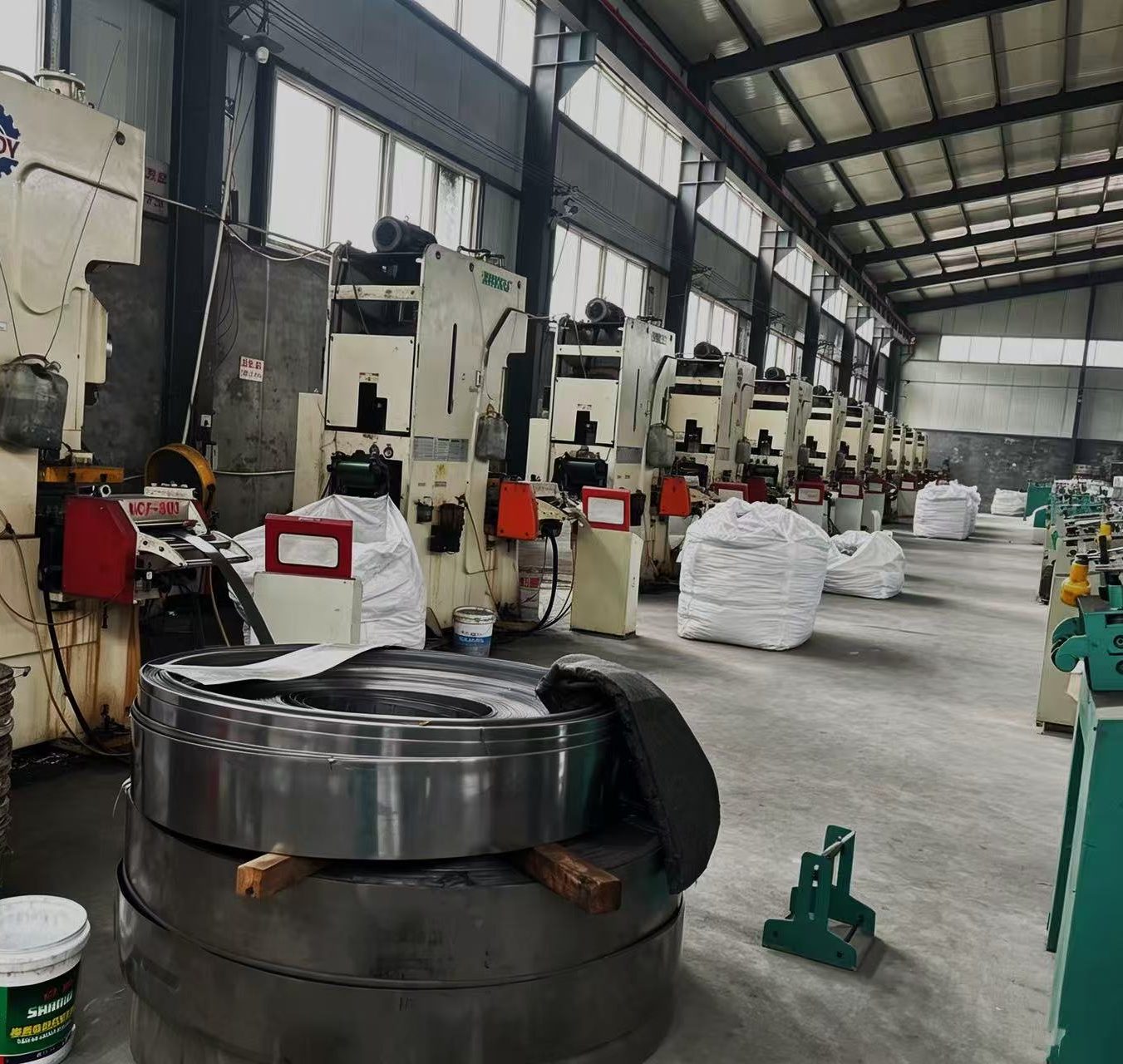
As a manufacturer, our production process is designed to meet international standards for dimensional accuracy and material integrity. Understanding this process helps buyers appreciate the value of factory-direct sourcing.
Precision Die Casting
For zinc alloy components like cam locks, we use high-pressure die casting. This process involves injecting molten zinc into steel molds under high pressure. The result is a component with tight tolerances and smooth surfaces, minimizing the need for secondary machining.
CNC Machining and Threading
Steel screws and pins are produced using cold heading and thread rolling techniques. Cold heading forms the head of the screw without removing material, preserving the grain structure and increasing strength. Thread rolling creates stronger threads than cutting, as it compresses the metal rather than removing it.
Quality Control Protocols
Every batch undergoes rigorous testing:
- Dimensional Inspection: Random sampling using calipers and CMM (Coordinate Measuring Machines) to ensure adherence to tolerances.
- Salt Spray Testing: Components are subjected to salt fog chambers to verify corrosion resistance of platings (e.g., passing 48 hours without red rust).
- Load Testing: Prototype joints are tested to failure to determine maximum load capacities and safety margins.
- Torque Testing: Screws are tightened to specified torque levels to ensure heads do not strip and threads hold securely.
Our Manufacturing Heritage: Precision from Handan, China
Located in Handan, Hebei—a city renowned globally as a hub for fastener manufacturing—our company leverages over a decade of industry experience to deliver superior hardware solutions. As an integrated industry and trade enterprise, we specialize in the development, manufacturing, and service of a wide range of fasteners, including casing geckos, wooden tooth welded eye screws/bolts, and specialized furniture connectors.
Our commitment to excellence is backed by advanced production technology and a professional technical team. We adhere to strict international standards, ensuring our products meet GB, DIN, JIS, ANSI, and other global specifications. By investing heavily in R&D and introducing high-tech talent, we continuously innovate to provide customized solutions that align with specific customer needs regarding quality, quantity, and special specifications. With exports to more than 26 countries, our “quality first, customer first” philosophy ensures that every component we produce contributes to the reliability and longevity of your furniture.
Common Mistakes in Furniture Fastener Application
Even with high-quality hardware, improper application can lead to failure. Here are common errors observed in the industry and how to avoid them.
1. Incorrect Pilot Hole Sizing
A pilot hole that is too small causes excessive friction, leading to board swelling or screw breakage. A hole that is too large reduces holding power. The general rule is that the pilot hole diameter should equal the core diameter of the screw (excluding the threads).
2. Over-Tightening Cam Locks
Cam locks are designed to tighten until they reach a stop. Forcing them beyond this point can crack the zinc alloy cam or strip the receiving hole. Assembly instructions should clearly indicate the “home” position of the cam arrow.
3. Ignoring Grain Direction
When using screws in solid wood, driving parallel to the grain offers significantly less holding power than driving across the grain. Designers should orient joints to maximize cross-grain engagement where possible.
4. Mixing Metal Types
Using stainless steel screws with zinc-plated brackets can lead to galvanic corrosion in humid environments. It is best to keep metal types compatible or use insulating washers.
Industry Trends in Furniture Fasteners for 2026
The furniture hardware industry is evolving in response to technological advancements and changing consumer behaviors.
Sustainability and Recyclability
There is a growing demand for mono-material fasteners that are easier to recycle. Manufacturers are moving away from plated metals towards untreated stainless steel or high-performance polymers that do not require toxic coatings. Additionally, designs that facilitate easy disassembly support the circular economy by allowing furniture to be repaired or recycled more efficiently.
Smart Integration
As furniture becomes smarter (e.g., desks with built-in charging, beds with sensors), fasteners are being designed with integrated cable management channels. Hollow dowels and specialized brackets help route wires cleanly through the furniture structure, keeping technology hidden and organized.
Tool-Free Assembly Innovations
Consumer frustration with assembly is a major pain point. New generations of snap-fit connectors and magnetic locking systems are emerging. These allow panels to click into place with audible confirmation, eliminating the need for Allen keys and reducing assembly time by up to 50%.
FAQ: Frequently Asked Questions About Furniture Fasteners
What is the strongest type of furniture fastener?
For sheer tensile strength, structural bolts with barrel nuts are among the strongest. However, for panel furniture, confirmat screws combined with wooden dowels offer the best balance of strength and ease of use. The “strongest” option always depends on the specific load case and material.
Can furniture fasteners be reused?
Some fasteners are designed for multiple assemblies. Cam locks and barrel nuts can typically be reused 5-10 times if handled carefully. Screws, once removed from particleboard, often lose holding power in the original hole and may require filler or a larger size for reinstallation. Wooden dowels are generally single-use as they expand with glue.
How do I prevent cam locks from spinning freely?
If a cam lock spins without tightening, the hole may be oversized, or the cam is not engaging the pin correctly. Ensure the pin is fully inserted into the opposing panel. Some high-end cams feature a self-locking mechanism or a slight eccentricity that grabs the pin immediately upon rotation.
What is the difference between a dowel and a biscuit joint?
A dowel is a cylindrical pin that fits into round holes, providing strong alignment and shear resistance. A biscuit joint uses a flat, oval-shaped compressed wood piece inserted into slots cut by a biscuit joiner. Biscuits are primarily for alignment and offer less structural strength than dowels but are faster to install in certain edge-joining applications.
Do you offer custom OEM furniture fasteners?
Yes, as a manufacturer, we provide OEM services. We can customize dimensions, materials, finishes, and packaging to meet specific project requirements. Custom tooling is available for high-volume orders to create unique connector solutions.
Why Partner with a Direct Manufacturer?
Sourcing furniture fasteners directly from a factory offers significant advantages over trading companies or distributors.
- Cost Efficiency: Eliminating middlemen reduces unit costs, improving your margin.
- Quality Control: Direct oversight of production ensures consistent quality and immediate resolution of any defects.
- Customization: Faster prototyping and modification of designs to fit your specific needs.
- Supply Chain Stability: Direct communication allows for better forecasting and inventory management, reducing lead times.
- Technical Support: Access to engineering expertise for joint design and problem-solving.
Conclusion: Securing Your Supply Chain with Reliable Connections
In the competitive landscape of furniture manufacturing, the reliability of your product is only as strong as its weakest joint. High-quality furniture fasteners are not merely commodities; they are engineered solutions that ensure safety, durability, and customer satisfaction. Whether you are producing flat-pack cabinets, office workstations, or luxury home furnishings, selecting the right connector system is paramount.
By understanding the technical nuances of cam locks, dowels, screws, and hidden connectors, you can optimize your assembly processes and reduce long-term warranty claims. Partnering with a dedicated manufacturer provides the added benefits of customization, consistent quality, and strategic supply chain support.
Ready to optimize your furniture production?
We invite you to explore our comprehensive catalog of industrial-grade furniture fasteners. From standard components to bespoke OEM solutions, we are equipped to support your manufacturing goals in 2026 and beyond.
Contact our engineering team today for a quote, sample request, or technical consultation on your next project.