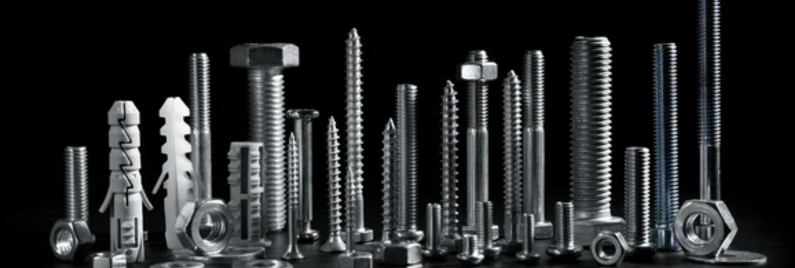
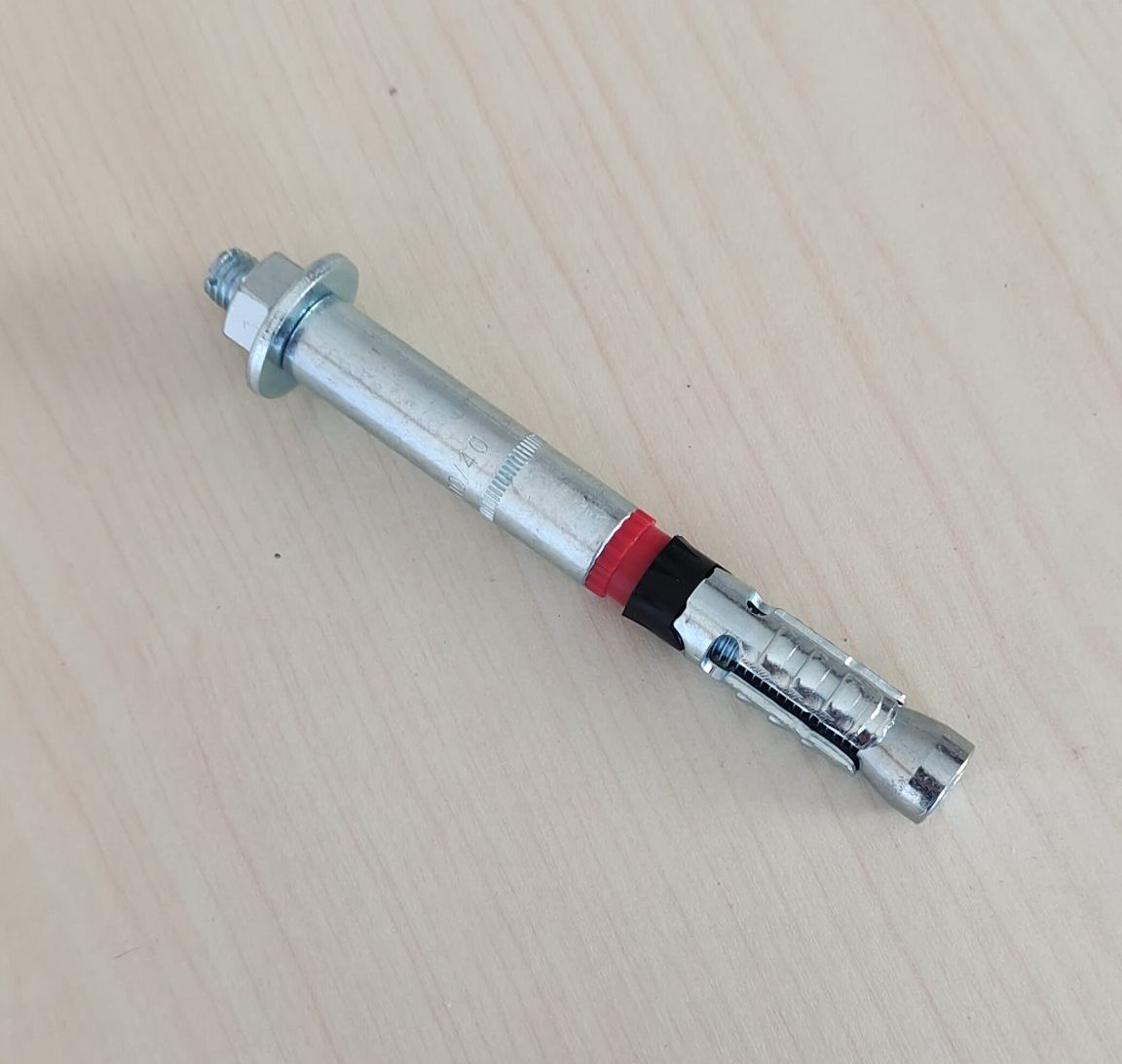
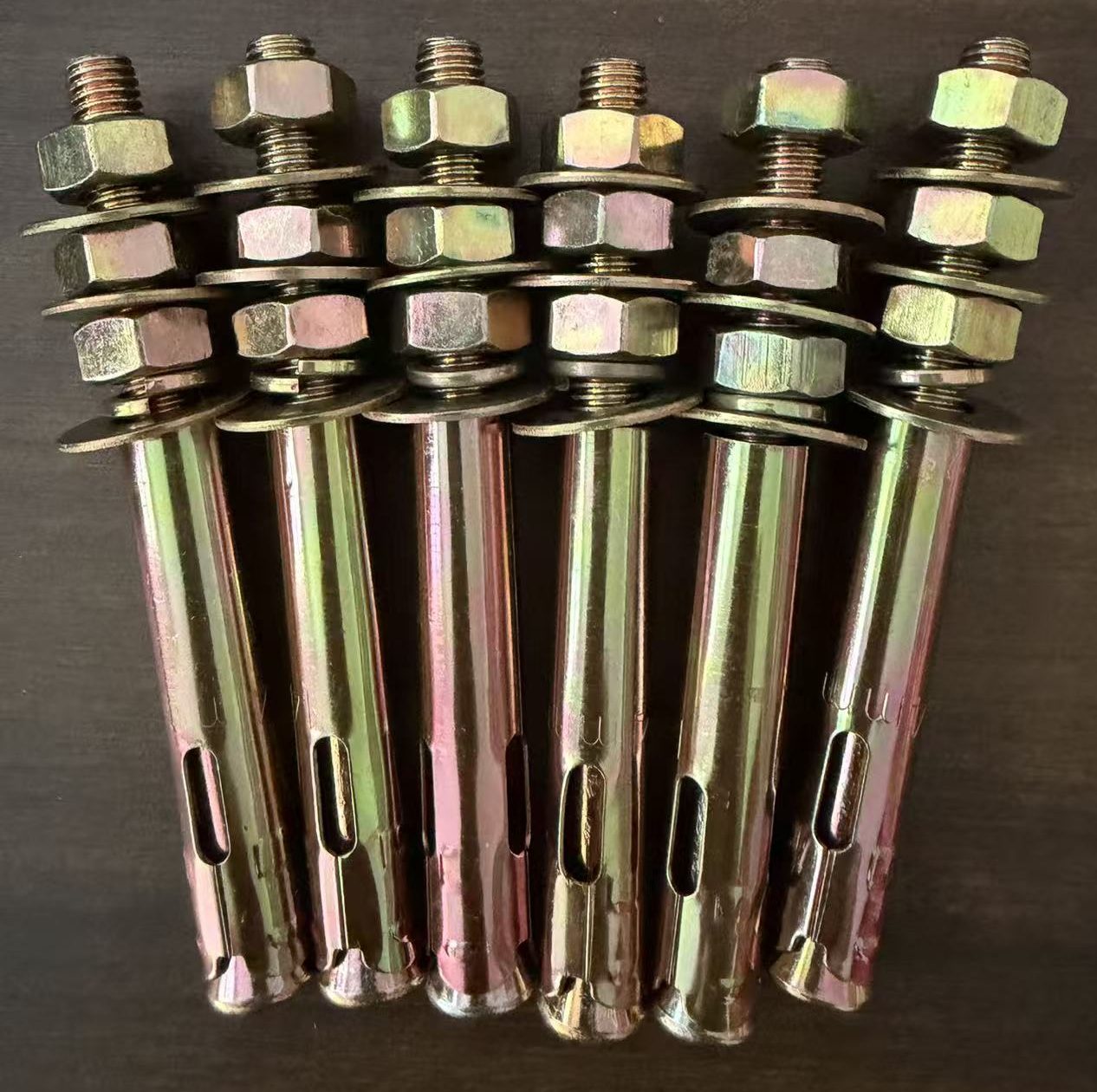
Hex bolts are heavy-duty fasteners featuring a hexagonal head and a partially or fully threaded shank, designed for high-torque applications in construction, machinery, and infrastructure. As a specialized manufacturer with over a decade of industry experience, we provide custom-sized hex bolts with wholesale pricing, adhering to international standards such as ASTM, DIN, ISO, JIS, and ANSI. Our production capabilities cover diverse materials including carbon steel, stainless steel, and alloy steel, ensuring optimal performance under extreme tension, shear, and environmental conditions. Whether you require standard M6-M100 sizes or bespoke engineering solutions, our facility delivers precision-engineered fasteners with certified quality control for global B2B procurement.
What Are Hex Bolts? Definition and Core Functionality
A hex bolt, technically referred to as a hexagon head bolt, is a type of external fastener characterized by its six-sided head. This geometric design allows for the application of significant torque using wrenches or socket drivers, making it superior to slotted or Phillips-head screws for industrial assembly. The primary function of a hex bolt is to join two or more components together securely, typically used in conjunction with a nut and washer to distribute load and prevent loosening due to vibration.
In industrial contexts, hex bolts are categorized by their thread coverage: partially threaded (semi-threaded) and fully threaded. Partially threaded bolts are engineered for structural applications where shear strength is critical, as the unthreaded shank (grip length) provides greater resistance to lateral forces. Fully threaded bolts are preferred for applications requiring maximum clamping force over the entire length of the fastener or when engaging with tapped holes rather than nuts.
Key Components of a Hex Bolt
- Head: The hexagonal top section that interfaces with the driving tool. The size across flats (AF) determines the wrench size required.
- Shank: The unthreaded portion of the bolt body, present in partially threaded variants. It provides structural integrity and alignment.
- Threads: The helical ridges that engage with the nut or internal threads. Thread pitch and profile define the mechanical advantage and holding power.
- Point: The tip of the bolt, which can be flat, chamfered, or conical, affecting insertion ease and alignment during assembly.
Hex Bolt Manufacturing Process: Precision and Quality Control
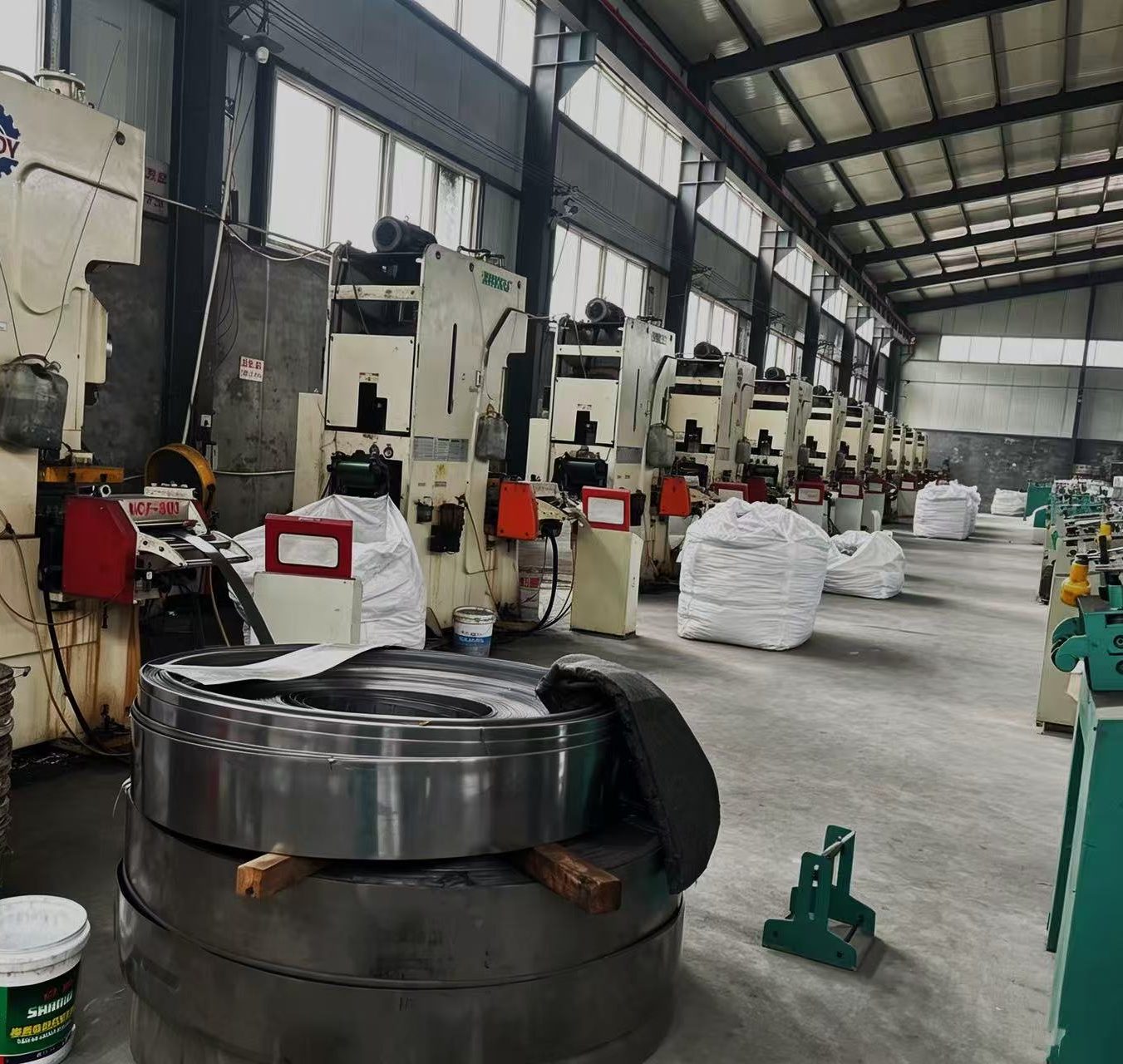
Manufacturing high-performance hex bolts requires a rigorous multi-stage process that ensures dimensional accuracy, material integrity, and mechanical reliability. Located in Handan, Hebei—a city renowned as a global hub for fastener manufacturing—we leverage this strategic advantage combined with advanced cold and hot forging techniques. Depending on the bolt diameter and material grade, we select the appropriate forging method to maintain the grain structure of the metal, directly impacting the tensile strength and fatigue resistance of the final product.
1. Raw Material Selection and Preparation
The process begins with the selection of high-quality wire rods or bars made from carbon steel, alloy steel, or stainless steel. Each batch undergoes spectral analysis to verify chemical composition compliance with standards like ASTM A307, A325, or A490. The raw material is then cut to precise lengths, known as “slugs,” which are calculated based on the volume required for the specific bolt dimensions.
2. Heading (Forging the Head)
The slug is fed into a cold or hot former. For diameters up to M24, cold heading is typically used, where the metal is displaced at room temperature to form the hexagonal head. This work-hardens the material, increasing its strength. For larger diameters or high-alloy materials, hot forging is employed, heating the slug to reduce deformation resistance and prevent cracking. The precision of the die determines the symmetry of the hex head, which is vital for proper tool engagement.
3. Thread Rolling
Unlike cutting, thread rolling forms the threads by displacing the material rather than removing it. This process preserves the continuous grain flow of the steel, resulting in threads that are significantly stronger and more resistant to stripping. We utilize high-speed thread rolling machines that ensure consistent pitch diameter and thread angle, critical for achieving the specified torque-tension relationship.
4. Heat Treatment
For medium and high-carbon steels, heat treatment is essential to achieve the desired mechanical properties. The bolts undergo quenching and tempering processes to enhance tensile strength and toughness. This step transforms the microstructure of the steel, ensuring it meets the hardness and yield strength requirements of grades such as 8.8, 10.9, or 12.9.
5. Surface Treatment and Coating
To combat corrosion and improve aesthetic appeal, bolts undergo surface finishing. Common treatments include zinc plating (electro or mechanical), hot-dip galvanizing for outdoor exposure, and black oxide for indoor machinery. Each coating is applied with strict thickness control to ensure compatibility with nuts and prevent hydrogen embrittlement in high-strength fasteners.
6. Quality Assurance and Testing
Every production batch is subjected to rigorous testing. This includes dimensional inspection using go/no-go gauges, hardness testing (Rockwell or Vickers), and tensile strength testing. For critical applications, we perform wedge loading tests and impact tests to verify ductility. Only batches passing all quality checkpoints are approved for packaging and shipment.
About Us: Your Trusted Partner in Fastener Manufacturing
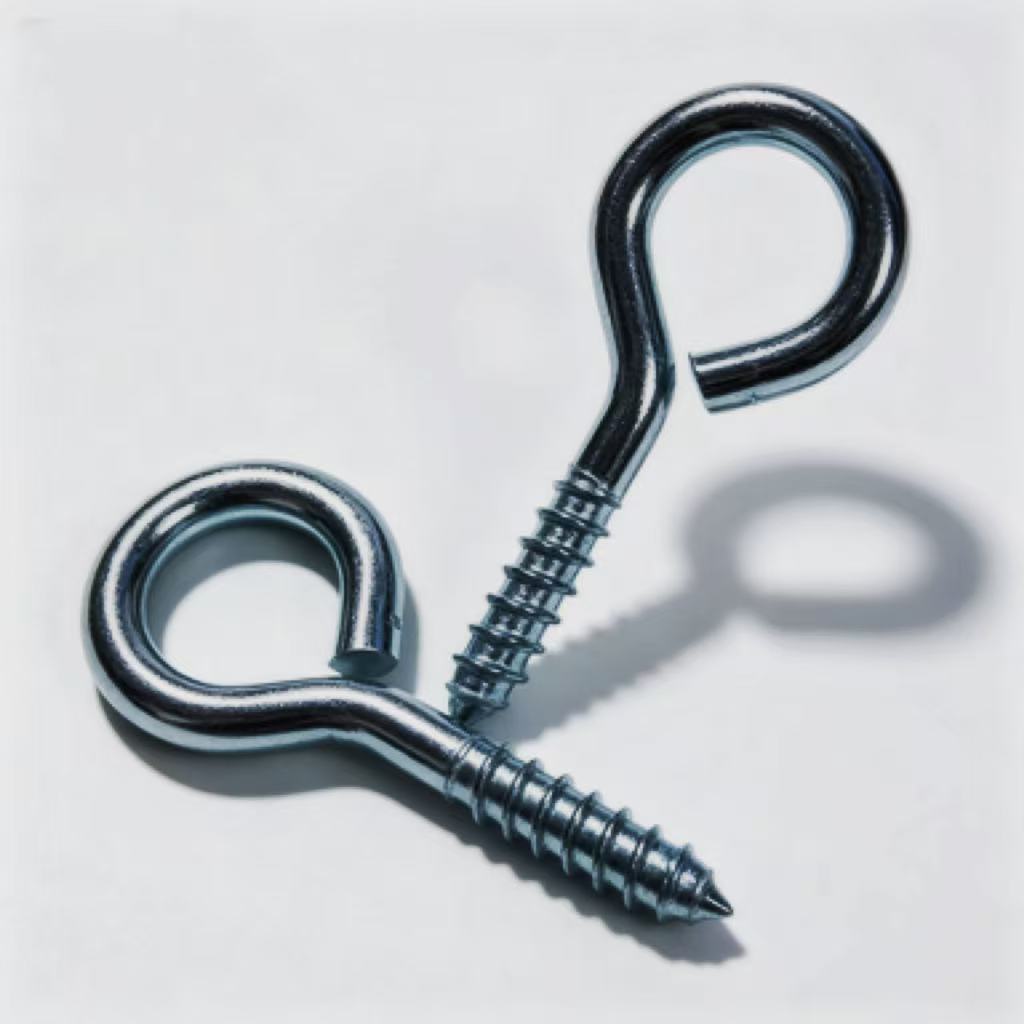
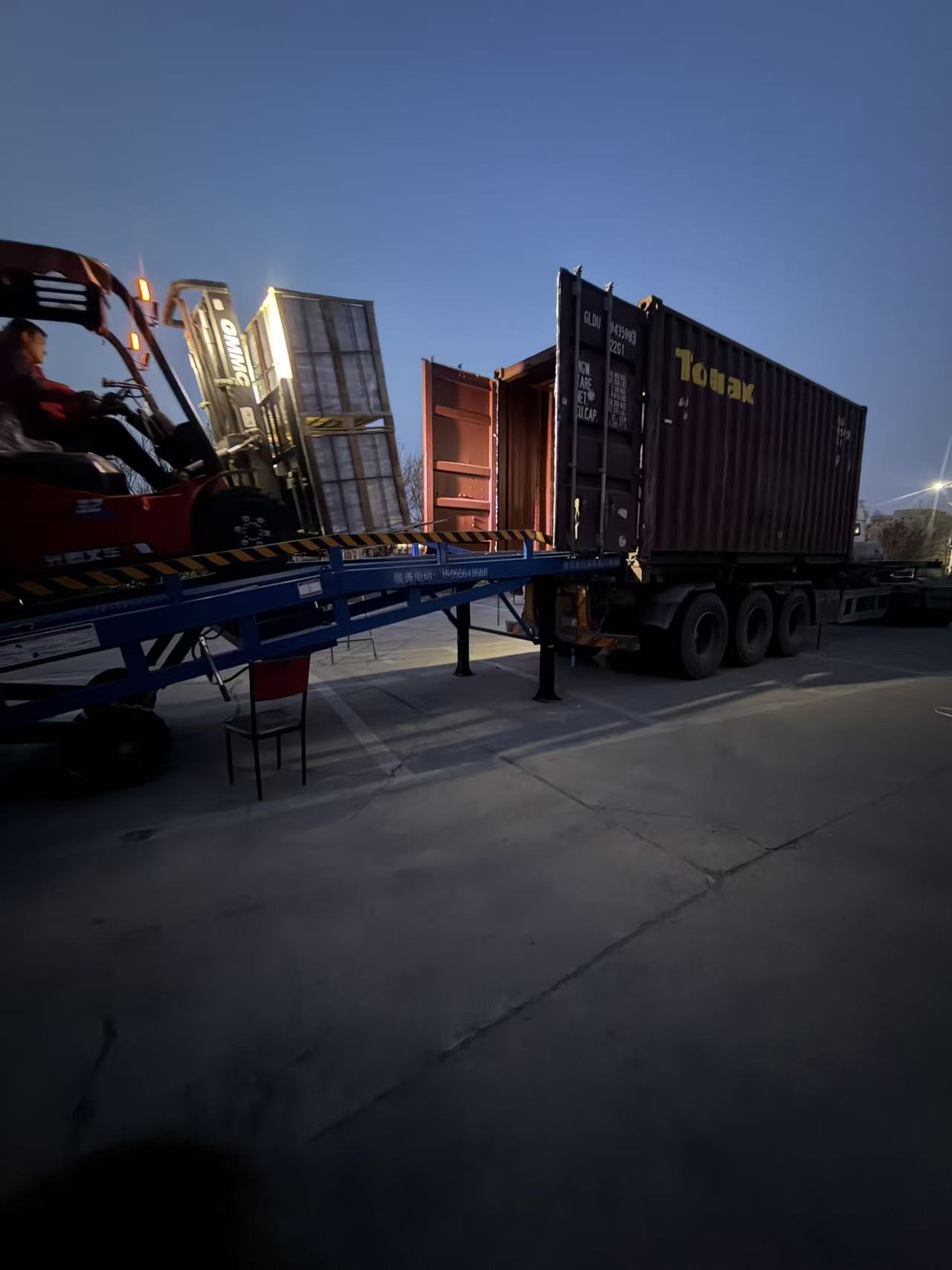
As a global industry and trade combination company, we specialize in the development, manufacturing, trade, and service of fasteners and hardware tools. With over ten years of industry experience, we have established a robust presence in the market, exporting our products to more than 26 countries worldwide. Our portfolio extends beyond standard hex bolts to include various specialized products such as casing geckos, wooden teeth, welded sheep’s eye screws/bolts, and other custom hardware solutions.
We adhere to an integrity-based business philosophy, prioritizing significant investment in scientific research and the introduction of high-tech talents. By utilizing advanced production technology and perfect testing methods, we ensure that every product meets GB, DIN, JIS, ANSI, and other international standards. Our professional technical team and advanced machinery allow us to provide high-quality products at competitive prices, customized to meet specific customer needs in terms of specifications, quality, and quantity. Guided by the principle of “quality first, customer first,” we constantly seek to provide excellent and thoughtful service, maintaining our reputation while meeting the evolving needs of our global clientele.
Material Grades and Specifications: Choosing the Right Hex Bolt
Selecting the correct material and grade is paramount for the safety and longevity of any assembly. Hex bolts are classified by international standards that define their mechanical properties. Understanding these specifications helps engineers and procurement managers match the fastener to the operational environment.
Carbon Steel Hex Bolts
Carbon steel is the most common material for hex bolts due to its balance of strength, cost, and availability. It is categorized into low, medium, and high carbon content, each suited for different load requirements.
- Grade 4.8 / ASTM A307 Grade A: Low carbon steel with low tensile strength. Suitable for general-purpose applications where high loads are not expected, such as light framing or non-structural connections.
- Grade 8.8 / ASTM A325: Medium carbon steel, quenched and tempered. This is the standard for structural steelwork in buildings and bridges. It offers high tensile strength and good fatigue resistance.
- Grade 10.9 / ASTM A490: High carbon alloy steel, quenched and tempered. Used in heavy-duty structural applications requiring higher strength than Grade 8.8. Common in bridge construction and heavy machinery.
- Grade 12.9: The highest standard strength for metric hex bolts. Used in high-stress automotive and industrial machinery applications where space is limited but load capacity must be maximized.
Stainless Steel Hex Bolts
Stainless steel bolts are chosen for their corrosion resistance rather than pure tensile strength. They are ideal for environments exposed to moisture, chemicals, or extreme temperatures.
- A2-70 (304 Stainless): Offers good corrosion resistance in mild environments. Suitable for indoor use or outdoor applications in non-coastal areas. Tensile strength is approximately 700 MPa.
- A4-80 (316 Stainless): Contains molybdenum, providing superior resistance to chlorides and acids. Essential for marine environments, chemical processing plants, and coastal infrastructure. Tensile strength is approximately 800 MPa.
Alloy Steel Hex Bolts
Alloy steels, such as chromium-molybdenum (Cr-Mo), are used for extreme conditions involving high temperatures or dynamic loads. These bolts often meet ASTM A193 or A320 standards and are common in power generation, oil and gas, and pressure vessel applications.
Technical Comparison: Hex Bolts vs. Other Fasteners
Understanding why hex bolts are preferred over other fastener types in specific scenarios is crucial for effective design and procurement. The following table compares hex bolts with carriage bolts, socket head cap screws, and lag screws.
| Feature | Hex Bolt | Socket Head Cap Screw (SHCS) | Carriage Bolt | Lag Screw |
| Head Shape | Hexagonal (External Drive) | Cylindrical with Internal Hex | Rounded Dome (No Drive) | Hexagonal or Square Head |
| Drive Tool | Wrench / Socket | Allen Key / Hex Bit | Nut (requires access to both sides) | Wrench / Impact Driver |
| Torque Capacity | High | Very High (Compact) | Moderate | Moderate to High |
| Application | Structural, Machinery, Construction | Precision Machinery, Tight Spaces | Wood-to-Metal, Aesthetic Surfaces | Wood-to-Wood, Heavy Timber |
| Installation Access | Requires clearance for wrench | Top-access only | Through-hole required | Top-access only (self-tapping) |
| Vibration Resistance | Good (with locking nut) | Excellent | Fair | Good (due to wood engagement) |
Hex bolts are distinct in their versatility. Unlike SHCS, which require precise hole alignment and internal access, hex bolts can be installed with standard tools in rugged environments. Compared to carriage bolts, hex bolts offer superior torque application capabilities, making them suitable for metal-to-metal connections where high preload is necessary.
Customization Capabilities: Tailoring Hex Bolts to Your Needs
Standard off-the-shelf fasteners do not always meet the unique demands of specialized engineering projects. As a manufacturer committed to new product development, we offer extensive customization options to ensure your hex bolts fit perfectly within your assembly constraints and performance requirements.
Non-Standard Dimensions
We produce hex bolts in diameters ranging from M3 to M100 and lengths up to several meters. Custom lengths are critical for large-scale infrastructure projects where standard increments result in inefficient stacking or insufficient grip. We can manufacture bolts with specific grip lengths to match the exact thickness of the joined materials, optimizing shear strength.
Special Thread Profiles
Beyond standard coarse (UNC/Metric) and fine (UNF/Metric) threads, we can produce left-hand threads for rotating machinery where vibration might loosen standard right-hand threads. Additionally, we offer custom pitch threads for adjustment mechanisms and fine-tuning applications in precision instruments.
Material and Coating Modifications
For extreme environments, we source specialized alloys such as Inconel, Hastelloy, or Titanium. These materials provide resistance to high temperatures, aggressive chemicals, and seawater. Coating options extend beyond standard zinc to include PTFE (Teflon) for lubricity, Xylan for corrosion protection, and Dacromet for high-temperature stability.
Marking and Identification
Custom head marking allows for easy identification of grade and manufacturer on-site. We can stamp specific logos, grade symbols, or batch numbers onto the bolt head, facilitating quality traceability and inventory management for large projects.
Applications of Hex Bolts Across Industries
Hex bolts are foundational components in nearly every sector of modern industry. Their robust design and reliable performance make them the go-to choice for critical connections.
Construction and Infrastructure
In the construction sector, high-strength hex bolts (ASTM A325/A490) are used to connect steel beams, columns, and trusses. They are essential in the erection of skyscrapers, bridges, and industrial warehouses. The ability to withstand dynamic loads from wind and seismic activity makes them indispensable for structural integrity.
Automotive and Transportation
The automotive industry relies on hex bolts for chassis assembly, engine mounting, and suspension systems. High-grade 10.9 and 12.9 bolts are used in critical safety components where failure is not an option. In rail transport, hex bolts secure tracks, sleepers, and rolling stock components, enduring constant vibration and heavy loads.
Energy and Power Generation
Power plants, whether nuclear, thermal, or renewable, utilize specialized hex bolts for flange connections in piping systems, turbine assemblies, and structural supports. These bolts must often resist high temperatures and pressures, requiring alloy steel materials and precise torque control during installation.
Manufacturing and Machinery
Heavy machinery, including excavators, cranes, and conveyor systems, depends on hex bolts for frame assembly and component attachment. The ease of maintenance and replacement is a key advantage, allowing technicians to quickly disassemble and repair equipment using standard tools.
Marine and Offshore
Offshore platforms and shipbuilding require hex bolts with exceptional corrosion resistance. Stainless steel A4-80 and hot-dip galvanized carbon steel bolts are standard here, protecting against the harsh saline environment and ensuring long-term structural stability.
How to Choose the Right Hex Bolt: A Buyer’s Guide
Selecting the appropriate hex bolt involves analyzing several technical factors. Making the wrong choice can lead to joint failure, safety hazards, and increased maintenance costs. Follow this guide to ensure optimal selection.
1. Determine the Load Requirements
Assess whether the joint will be subjected to tension, shear, or a combination of both. For shear loads, choose a partially threaded bolt with a grip length matching the material thickness. For tension loads, ensure the bolt grade exceeds the expected tensile force with an appropriate safety factor.
2. Evaluate the Environmental Conditions
Consider exposure to moisture, chemicals, temperature extremes, and UV radiation. For outdoor or corrosive environments, select stainless steel or coated carbon steel. For high-temperature applications, verify the material’s thermal stability to prevent creep or loss of preload.
3. Check Compatibility with Mated Parts
Ensure the bolt diameter and thread pitch match the nut or tapped hole. Using mismatched threads can cause stripping or improper clamping. Also, verify that the head size fits within the available space and that there is sufficient clearance for the wrench or socket.
4. Consider Installation and Maintenance
If the joint will be frequently disassembled, consider using bolts with durable coatings to prevent galling. For hard-to-reach areas, evaluate if a hex bolt is the best choice or if a different drive type would facilitate easier installation.
5. Verify Compliance with Standards
Ensure the bolts meet the relevant industry standards (ASTM, DIN, ISO, JIS) required for your project. Certification documents should be requested to verify material composition and mechanical properties.
Common Mistakes in Hex Bolt Selection and Installation
Even with high-quality products, improper selection or installation can compromise joint integrity. Avoid these common pitfalls.
- Using the Wrong Grade: Substituting a lower-grade bolt for a high-strength application can lead to catastrophic failure under load. Always adhere to the engineer’s specified grade.
- Over-Tightening: Exceeding the recommended torque can stretch the bolt beyond its yield point, causing permanent deformation or breakage. Use calibrated torque wrenches and follow torque specifications.
- Under-Tightening: Insufficient torque fails to generate the necessary clamp load, allowing the joint to slip or loosen under vibration. This can lead to fatigue failure over time.
- Ignoring Lubrication: Friction coefficients vary significantly between dry and lubricated bolts. Torque values are typically specified for a specific condition. Failing to account for this can result in incorrect preload.
- Mixing Materials: Using stainless steel bolts with carbon steel nuts (or vice versa) without proper consideration can lead to galvanic corrosion or seizing due to different thermal expansion rates.
Wholesale Pricing and Bulk Procurement Strategies
For B2B buyers, understanding the factors influencing hex bolt pricing is essential for budgeting and negotiation. Wholesale pricing is not just about volume; it is about optimizing specifications for cost-efficiency.
Factors Influencing Cost
- Raw Material Prices: Steel prices fluctuate based on global market conditions. Locking in prices for long-term contracts can mitigate volatility.
- Manufacturing Complexity: Custom sizes, special threads, and non-standard materials increase production time and cost. Standardizing designs where possible can reduce expenses.
- Surface Treatment: Advanced coatings like PTFE or Xylan are more expensive than standard zinc plating. Choose the coating that meets, but does not exceed, environmental requirements.
- Order Volume: Larger orders benefit from economies of scale in setup, material handling, and shipping. Consolidating orders can significantly lower unit costs.
- Quality Certification: Bolts requiring extensive testing and documentation (e.g., for nuclear or aerospace) carry higher administrative and testing costs.
Strategies for Cost Reduction
Work closely with your manufacturer to optimize designs. Can a standard length be used instead of a custom one? Is a lower grade acceptable for non-critical joints? Early engagement with the manufacturing team can identify opportunities for value engineering without compromising safety or performance.
Frequently Asked Questions (FAQ)
What is the difference between a hex bolt and a hex cap screw?
While often used interchangeably, there is a technical distinction. Hex cap screws generally have a tighter tolerance on the head and thread, a shorter thread length, and a chamfered point. They are designed for precision machinery. Hex bolts have looser tolerances, longer threads, and are intended for general construction and structural applications. However, in many commercial contexts, the terms overlap.
How do I determine the correct torque for a hex bolt?
Torque values depend on the bolt grade, diameter, thread pitch, and lubrication condition. General guidelines are provided in standards like ASME PCC-1 or manufacturer tables. For critical applications, always consult the engineering specifications and use a calibrated torque wrench. Remember, torque is a proxy for preload; direct tension indicators may be used for higher accuracy.
Can hex bolts be reused?
High-strength hex bolts (Grade 8.8 and above) are generally not recommended for reuse after being tightened to their yield point, as they may have stretched permanently. Lower-grade bolts can be reused if they show no signs of damage, corrosion, or thread wear. Always inspect reused bolts carefully and replace them if there is any doubt about their integrity.
What is the lead time for custom hex bolts?
Lead times vary based on complexity and volume. Standard customizations (non-standard lengths) may take 2-4 weeks. Complex customizations (special materials, coatings, or threads) can take 6-8 weeks or longer. Rush orders may be accommodated with additional fees. Contact our sales team for a specific timeline based on your requirements.
Do you provide certification for your hex bolts?
Yes, we provide full traceability and certification for all our products. This includes Mill Test Certificates (MTC) detailing chemical composition and mechanical properties, as well as compliance certificates for relevant standards (ASTM, DIN, ISO). For specific projects, we can arrange third-party inspection and testing.
Conclusion: Partnering for Precision and Reliability
Hex bolts are more than just simple fasteners; they are critical components that ensure the structural integrity and operational safety of countless applications. From towering skyscrapers to precision machinery, the right hex bolt, manufactured to exacting standards, makes all the difference. As a dedicated manufacturer located in China’s fastener capital, we combine advanced production technology with rigorous quality control to deliver hex bolts that meet the highest industry benchmarks.
Our commitment to customization allows us to serve diverse industries with tailored solutions, while our wholesale pricing model ensures cost-effectiveness for bulk procurement. By choosing our products, you gain a partner who understands the nuances of material science, mechanical engineering, and supply chain efficiency. With exports to over 26 countries, we have proven our ability to meet global demands with integrity and precision.
Whether you need standard ASTM-compliant bolts for construction or bespoke alloy fasteners for specialized machinery, we are equipped to deliver. Don’t compromise on quality or reliability. Ensure your projects are built on a foundation of trust and precision.
Ready to optimize your supply chain with high-quality hex bolts?
Contact our engineering team today to discuss your specific requirements, request a quote, or learn more about our custom manufacturing capabilities. Let us help you secure your next project with fasteners you can trust.
Explore Our Full Range of Industrial Fasteners & Technical Solutions