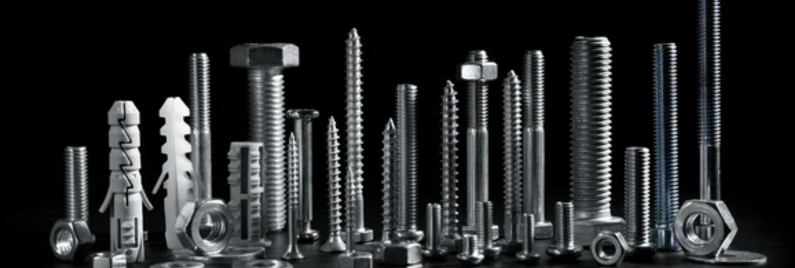
Hex bolts are essential fasteners featuring a hexagonal head and machine threads, designed for high-torque applications in construction, machinery, and infrastructure. As a specialized manufacturer based in Handan, China, we provide wholesale hex bolts compliant with GB, DIN, JIS, and ANSI standards. Our decade of industry experience ensures precise engineering, competitive pricing, and rapid global shipping to over 26 countries. Whether you require standard carbon steel bolts or custom stainless steel specifications, our integrated manufacturing and trade model delivers reliability for B2B projects.
What Are Hex Bolts? Definition and Core Functionality
A hex bolt, formally known as a hexagon head bolt, is a type of threaded fastener with a six-sided head. This geometric design allows for maximum torque application using standard wrenches or sockets, making it superior to square or round heads in high-vibration environments. The bolt consists of two main parts: the head, which provides the bearing surface, and the shank, which contains the threads that engage with a nut or a tapped hole.
In industrial contexts, hex bolts are distinct from hex cap screws. While often used interchangeably in casual conversation, hex bolts typically have a partially threaded shank and are intended for use with a nut. Hex cap screws are usually fully threaded and designed to be screwed directly into a tapped hole. Understanding this distinction is critical for structural integrity and load distribution in engineering projects.
Key Components of a Hex Bolt
- Head: The hexagonal top part that allows for tightening. It can be finished with a washer face to distribute load evenly.
- Shank: The unthreaded portion of the bolt body, providing shear strength.
- Threads: The spiral ridges that convert rotational force into linear clamping force.
- Point: The end of the bolt, which can be flat, chamfered, or conical depending on the standard.
Hex Bolt Manufacturing Standards and Specifications
Global trade requires adherence to strict international standards. As a manufacturer located in Handan, Hebei—a hub for fastener production—we rigorously test our products against multiple global specifications. Choosing the right standard ensures compatibility with your existing infrastructure and regulatory compliance.
| Standard | Region/Origin | Key Characteristics | Common Grades |
| ANSI/ASME B18.2.1 | USA / North America | Imperial sizes (inch-based). Wide head tolerance. | Grade 2, Grade 5, Grade 8 |
| DIN 931 / DIN 933 | Germany / Europe | Metric sizes. DIN 931 is partially threaded; DIN 933 is fully threaded. | 8.8, 10.9, 12.9 |
| ISO 4014 / ISO 4017 | International | Replaces older DIN standards globally. Metric dimensions. | 8.8, 10.9 |
| JIS B 1180 | Japan / Asia | Metric sizes with specific head height requirements. | F11T, F13T |
| GB/T 5782 / GB/T 5783 | China | National standard. GB/T 5782 is partial thread; GB/T 5783 is full thread. | 4.8, 8.8, 10.9 |
Understanding Property Classes and Grades
The strength of a hex bolt is determined by its material composition and heat treatment. For metric bolts, property classes like 8.8, 10.9, and 12.9 indicate tensile strength. For example, a class 8.8 bolt has a minimum tensile strength of 800 MPa. In the imperial system, Grade 5 (medium carbon steel) and Grade 8 (medium carbon alloy steel) are common. Our technical team ensures that every batch meets these mechanical property requirements through rigorous tensile and hardness testing.
Material Selection: Carbon Steel vs. Stainless Steel
Selecting the correct material is vital for the longevity and safety of your assembly. We produce hex bolts in various materials to suit diverse environmental conditions, from dry indoor machinery to corrosive marine environments.
Carbon Steel Hex Bolts
Carbon steel is the most common material for general-purpose fasteners due to its high strength and cost-effectiveness. These bolts are often coated with zinc (galvanized) to provide basic corrosion resistance. They are ideal for construction, automotive frames, and heavy machinery where extreme corrosion is not a primary concern.
Stainless Steel Hex Bolts
For applications exposed to moisture, chemicals, or saltwater, stainless steel is the preferred choice. We manufacture bolts in grades 304 (A2) and 316 (A4). Grade 316 offers superior resistance to chlorides and acids, making it essential for marine and chemical processing industries. While more expensive than carbon steel, stainless steel eliminates the need for additional coatings and reduces maintenance costs over time.
Specialty Alloys
In high-temperature or high-stress environments, such as power generation or aerospace, we offer alloys like ASTM A193 B7 or Inconel. Our R&D department continuously invests in new material technologies to meet these specialized industrial needs.
Applications of Hex Bolts Across Industries
Hex bolts are versatile components used in nearly every sector of modern industry. Their ability to withstand high tension and shear forces makes them indispensable.
- Construction and Infrastructure: Used in steel structures, bridges, and building frameworks. High-strength grades (10.9/12.9) are critical for load-bearing connections.
- Automotive and Transportation: Securing engine components, chassis parts, and suspension systems. Precision threading is essential to prevent loosening under vibration.
- Machinery and Equipment: Assembly of heavy industrial machines, conveyor systems, and manufacturing tools. Custom lengths and diameters are often required.
- Energy and Oil & Gas: Pipeline flanges and drilling equipment require bolts with high resistance to pressure and corrosive substances.
- Railway and Transit: Track maintenance and rolling stock assembly demand durable, fatigue-resistant fasteners.
Why Choose Our Hex Bolt Manufacturing Services?
As a global industry and trade combination company, we bridge the gap between large-scale manufacturing capabilities and personalized customer service. Located in Handan, Hebei, the heart of China’s fastener industry, we leverage local supply chain advantages to offer competitive wholesale pricing without compromising quality.
Integrated Manufacturing and Quality Control
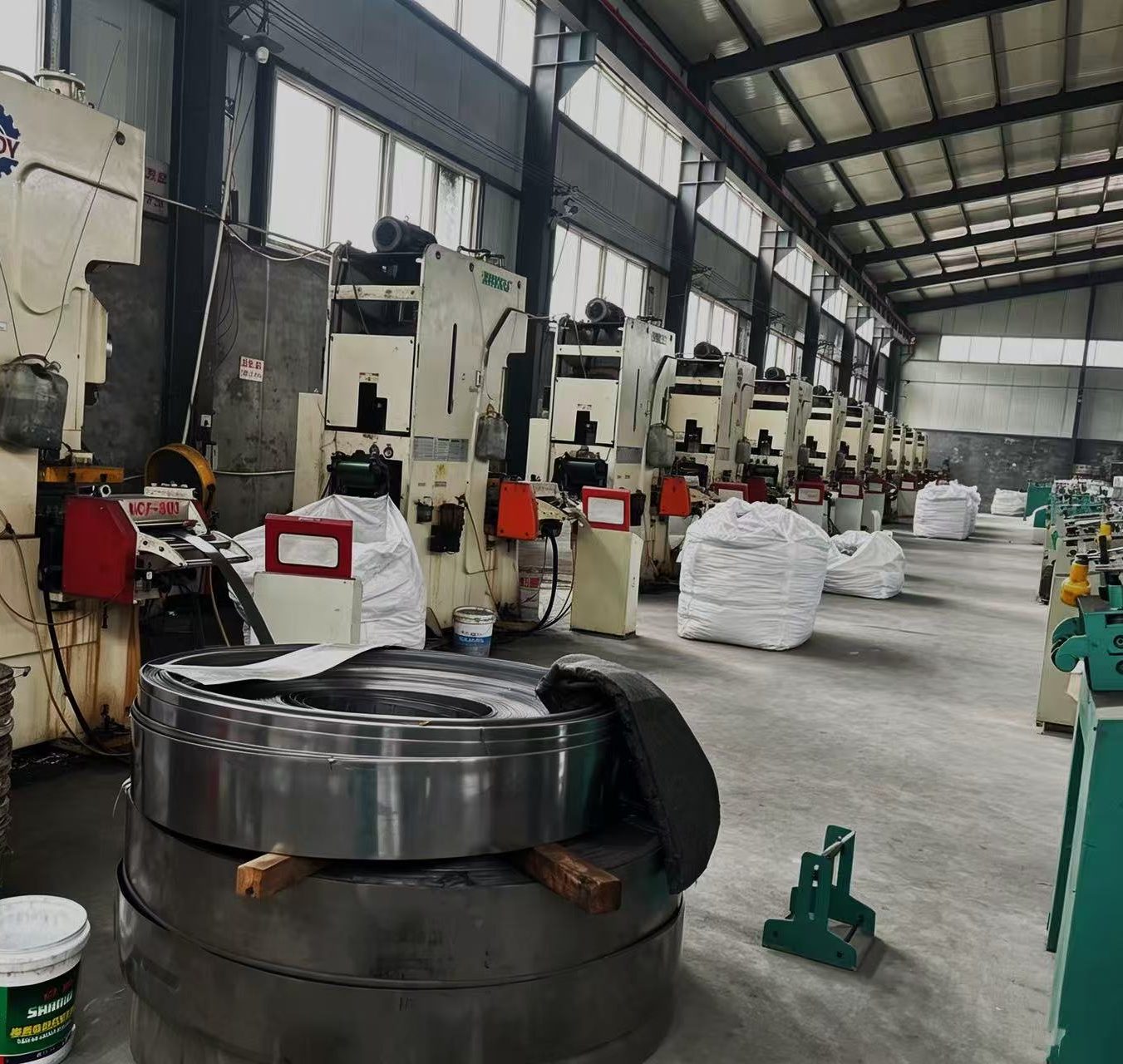
Unlike trading-only companies, we control the production process. Our facility utilizes advanced cold forging and hot forging machinery to ensure consistent grain structure in every bolt. We adhere to a “quality first” principle, employing perfect testing methods including:
- Tensile Strength Testing: Ensuring bolts meet specified load capacities.
- Hardness Testing: Verifying heat treatment effectiveness.
- Dimensional Inspection: Using precision gauges to confirm thread pitch and head size accuracy.
- Coating Thickness Analysis: Ensuring zinc or other coatings provide adequate protection.
Customization and Flexibility
We understand that standard sizes do not fit every project. Our professional technical team can customize special specifications, including non-standard lengths, diameters, and thread pitches. Whether you need small batches for prototyping or bulk orders for large-scale construction, we adjust our production lines to meet your quantity and quality requirements.
Global Reach and Logistics
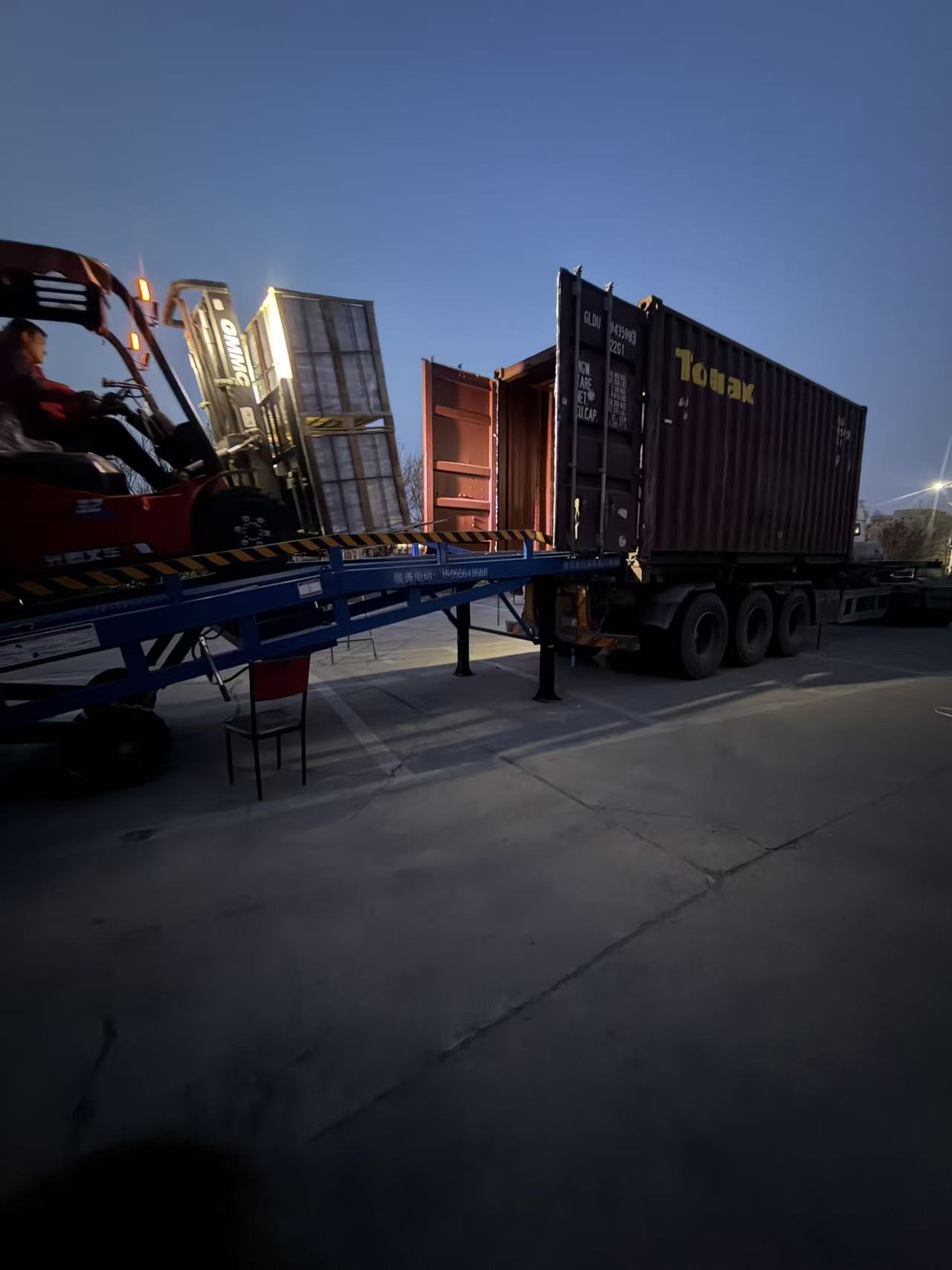
With over ten years of industry experience, we have established robust logistics networks. Our products are sold to more than 26 different countries, ensuring that we understand international shipping regulations, packaging standards, and documentation requirements. We prioritize fast shipping and transparent communication to keep your projects on schedule.
How to Select the Right Hex Bolt for Your Project
Choosing the wrong fastener can lead to equipment failure or safety hazards. Follow this guide to make an informed decision.
1. Determine the Load Requirements
Assess whether the bolt will primarily handle tension (pulling apart) or shear (sliding past each other). High-tension applications require higher-grade bolts (e.g., Grade 8 or Class 10.9). For shear loads, the unthreaded shank diameter is critical.
2. Assess Environmental Conditions
If the bolt will be exposed to rain, humidity, or chemicals, choose stainless steel or heavily galvanized carbon steel. For indoor, dry environments, plain or lightly coated carbon steel is cost-effective.
3. Check Compatibility with Nuts and Holes
Ensure the thread pitch matches the corresponding nut or tapped hole. Mixing metric and imperial threads is a common error that strips threads and compromises joint integrity. Always verify the standard (DIN, ANSI, etc.) required by your engineering drawings.
4. Consider Installation Space
The hexagonal head requires clearance for a wrench or socket. If space is tight, consider if a smaller head profile is available within the relevant standard, or if a different fastener type is more appropriate.
Common Mistakes When Buying Hex Bolts
Avoid these pitfalls to ensure procurement efficiency and product reliability.
- Ignoring Thread Pitch: Assuming all M10 bolts are the same. M10x1.25 and M10x1.5 are not interchangeable.
- Overlooking Coating Quality: Cheap galvanization can flake off, leading to rapid rust. We use high-quality electro-plating or hot-dip galvanizing processes.
- Buying Based on Price Alone: Substandard materials may look identical but fail under stress. Our integrity-based business philosophy ensures you receive what you pay for.
- Neglecting Certification: For regulated industries, missing mill certificates or test reports can halt projects. We provide full documentation upon request.
FAQ: Frequently Asked Questions About Hex Bolts
What is the difference between a hex bolt and a hex cap screw?
The primary difference lies in the threading and intended use. Hex bolts typically have a partially threaded shank and are used with a nut. Hex cap screws are fully threaded and designed to be screwed into a tapped hole. Additionally, hex cap screws often have a tighter tolerance on the head and thread finish.
Can you provide custom-sized hex bolts?
Yes. According to customer needs, we customize special specifications, including unique lengths, diameters, and materials. Our advanced production technology allows us to handle both small bespoke orders and large-volume custom runs efficiently.
What is the lead time for wholesale orders?
Lead times vary based on order volume and customization requirements. However, our location in Handan, a specialized fastener manufacturing city, allows us to source raw materials quickly. We strive for fast shipping and will provide a detailed timeline upon quotation.
Do your hex bolts meet international standards?
Absolutely. We provide products that meet GB, DIN, JIS, ANSI, and ISO standards. Our quality control team ensures that every batch complies with the specific standard requested by the client.
How do I request a quote?
You can contact our sales team with your specifications, including size, material, grade, quantity, and any required certifications. We offer competitive wholesale pricing and will respond promptly with a detailed proposal.
Technical Comparison: Partially Threaded vs. Fully Threaded
Understanding the structural difference between partially and fully threaded bolts is crucial for engineering applications.
| Feature | Partially Threaded (e.g., DIN 931) | Fully Threaded (e.g., DIN 933) |
| Structure | Unthreaded shank near the head | Threads extend to the head |
| Shear Strength | Higher (shank bears shear load) | Lower (threads bear shear load) |
| Tension Strength | High | High |
| Best Use Case | Structural steel, dynamic loads | Thin materials, tapped holes |
| Installation | Requires precise hole alignment | More forgiving of alignment issues |
Maintenance and Inspection of Hex Bolt Assemblies
Even the highest quality fasteners require proper maintenance to ensure long-term performance. In critical applications, regular inspection is necessary.
Checking for Loosening
Vibration can cause bolts to loosen over time. Use torque wrenches to check preload periodically. Consider using locking washers or thread-locking fluids in high-vibration environments.
Corrosion Monitoring
Inspect bolts for signs of rust, especially at the thread interface. If surface rust appears on galvanized bolts, it may be superficial, but deep corrosion requires immediate replacement. Stainless steel bolts should also be checked for crevice corrosion in tight assemblies.
Replacement Protocols
Never reuse high-strength structural bolts that have been tightened to their yield point. Always replace bolts with the same grade and material specification to maintain the integrity of the joint.
Conclusion: Partner with a Trusted Hex Bolt Manufacturer
Selecting the right hex bolt supplier is a strategic decision that impacts the safety, cost, and timeline of your projects. With over ten years of experience, our company combines advanced manufacturing technology with a customer-centric service model. We are not just a vendor; we are a partner dedicated to providing high-quality fasteners that meet GB, DIN, JIS, and ANSI standards.
Our commitment to integrity, scientific research, and quality control ensures that every bolt we ship contributes to the success of your operation. From standard wholesale orders to complex custom specifications, we have the expertise and capacity to deliver.
Ready to secure your supply chain?
Contact us today for a competitive quote on wholesale hex bolts. Let our professional technical team assist you in selecting the perfect fastener solution for your specific needs.
View Our Full Range of Fasteners and Hardware Tools