Looking for the Top Anchor Bolts Manufacturer 2026? Our factory delivers premium anchor bolts directly to your project site, eliminating middleman markups. We specialize in high-strength fastening solutions engineered for structural integrity across concrete, masonry, and steel applications. By sourcing straight from our production line, clients secure competitive pricing without compromising on material certification or load-bearing performance. This guide details our manufacturing capabilities, product specifications, and why industry leaders trust our direct-to-consumer model for critical infrastructure projects.
What Defines a Top Anchor Bolts Manufacturer in 2026?
The landscape of industrial fastening has evolved significantly. A leading manufacturer today is defined not just by volume, but by technological precision and adherence to rigorous international standards. In 2026, the benchmark for excellence includes automated threading processes, real-time quality monitoring, and full traceability from raw steel billet to final shipment.
Our facility integrates these advanced protocols to ensure every anchor bolt meets exacting tolerances. Unlike generic suppliers, we focus on the metallurgical properties that determine long-term durability. This involves strict control over carbon content, heat treatment cycles, and surface coating consistency. The result is a product line that withstands extreme environmental stressors while maintaining clamping force over decades.
The Shift Toward Factory Direct Pricing Models
Traditional supply chains often involve multiple distributors, each adding a margin that inflates the final cost for contractors and engineers. Our factory direct price strategy removes these layers. By engaging directly with end-users, we pass savings back to the project budget. This model is particularly vital for large-scale infrastructure where thousands of units are required.
- Cost Efficiency: Eliminating distributor markups reduces overall project expenditure by significant margins.
- Customization Speed: Direct communication allows for rapid adjustments to length, diameter, or thread pitch based on specific blueprints.
- Quality Accountability: With no intermediaries, responsibility for product performance rests solely with the manufacturing source.
This approach aligns with modern procurement trends where transparency and value engineering are paramount. Clients gain access to technical experts who understand the nuances of installation rather than just sales representatives focused on transaction volume.
Comprehensive Guide to Anchor Bolt Types and Applications
Understanding the specific requirements of your project is the first step in selecting the right fastener. Anchor bolts serve as the critical link between structural elements and their foundations. Choosing the incorrect type can lead to catastrophic failure, making expert guidance essential.
Cast-in-Place Anchor Bolts: The Foundation Standard
Cast-in-place anchors are embedded directly into wet concrete before it cures. This method provides the highest load capacity because the bond forms as the concrete hardens around the bolt. These are ideal for heavy machinery bases, bridge columns, and building frameworks where maximum stability is non-negotiable.
Our manufacturing process ensures precise bending radii and thread protection during the casting phase. Common configurations include L-bolts, J-bolts, and headed bolts. Each design offers unique advantages depending on the shear and tension loads expected. Proper placement templates are crucial, and we provide detailed layout guides to ensure accuracy during pouring.
Mechanical Expansion Anchors for Retrofitting
When working with existing structures, cast-in-place options are unavailable. Mechanical expansion anchors offer a robust solution for post-installation scenarios. These devices expand against the walls of a pre-drilled hole, creating friction and interlock forces that resist pull-out.
- Wedge Anchors: Best for solid concrete; features a clip that expands as the nut is tightened.
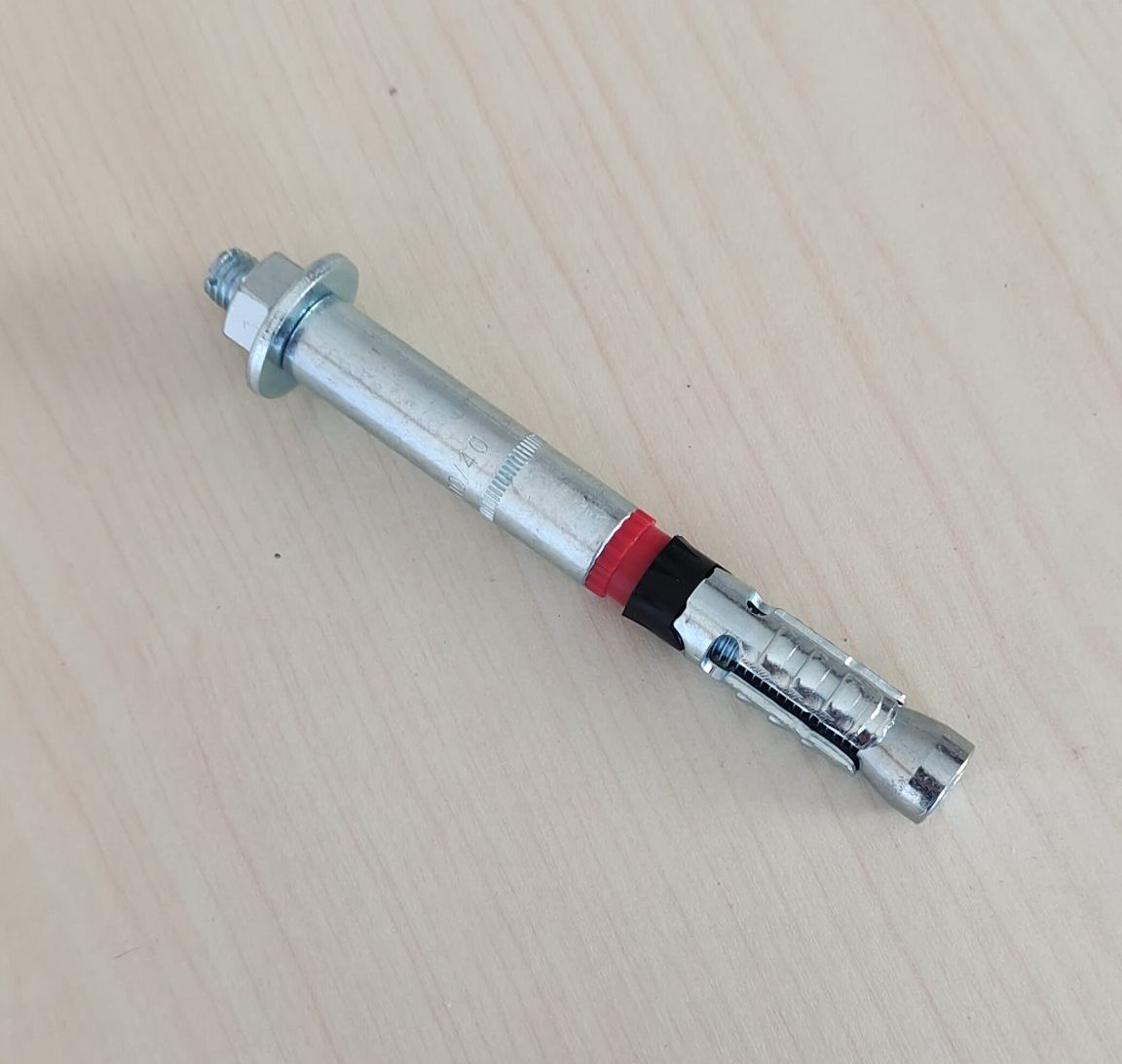
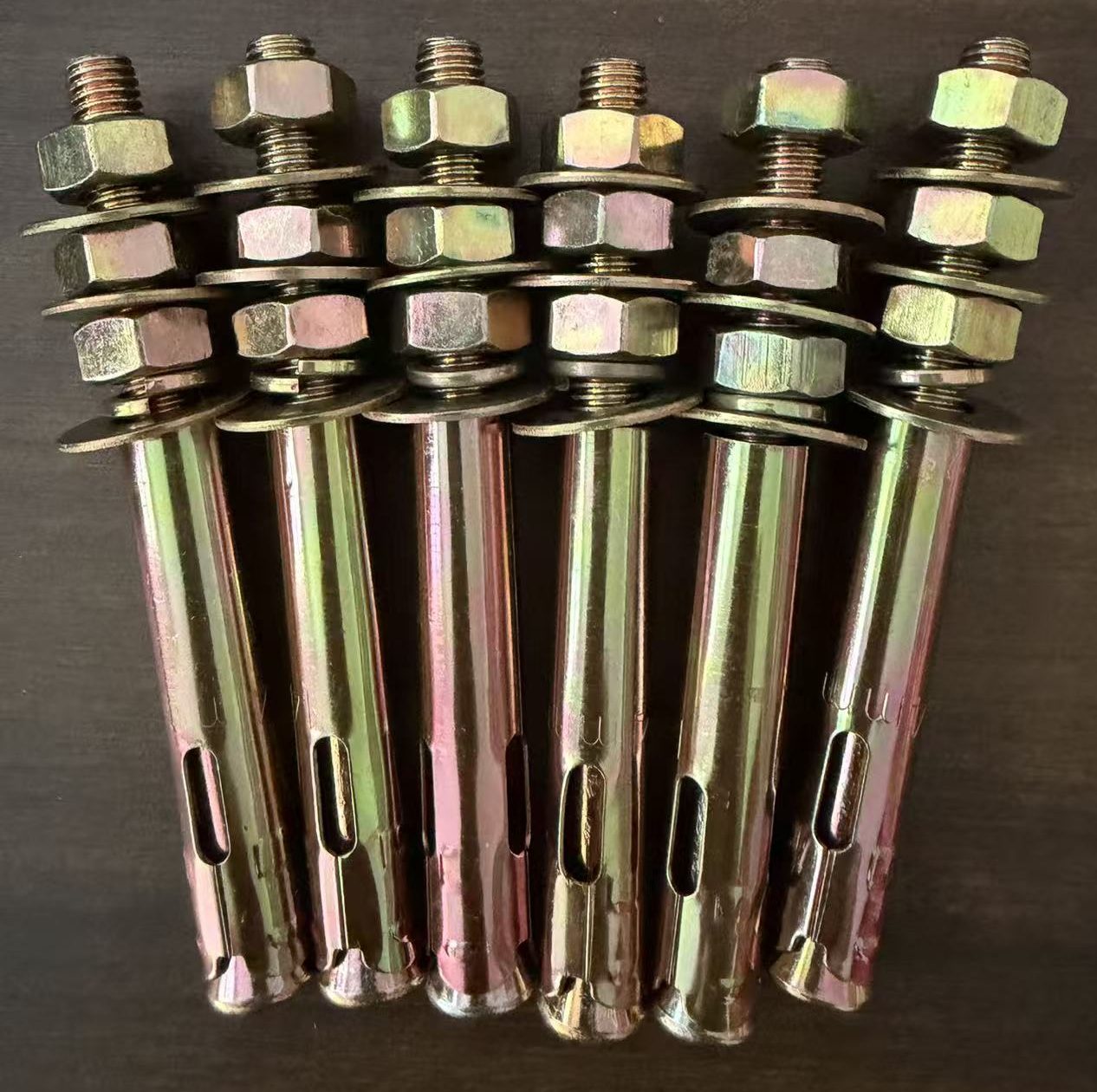
- Sleeve Anchors: Versatile for use in concrete, brick, or block; the sleeve expands along its entire length.
- Drop-In Anchors: Designed for flush mounting applications where a smooth surface is required after installation.
These products require precise hole drilling and cleaning to function correctly. Our technical team emphasizes the importance of following installation torque specifications to achieve rated holding values. Improper installation is the leading cause of anchor failure, not product defect.
Chemical and Adhesive Anchoring Systems
For applications near edges or in cracked concrete, chemical anchors provide superior performance. These systems use a resin cartridge to bond a threaded rod to the base material. The adhesive distributes stress evenly along the embedment depth, reducing the risk of concrete breakout.
Our compatible threaded rods are manufactured with clean, oil-free threads to ensure optimal bonding with epoxy or vinyl ester resins. This category is increasingly popular in seismic zones where ductility and crack cycling resistance are mandatory. The combination of our high-grade steel rods and approved adhesives creates a composite system stronger than the base material itself.
Technical Specifications and Material Standards
The reliability of an anchor bolt is fundamentally tied to its material composition and heat treatment. We adhere to globally recognized standards such as ASTM, ISO, and DIN to guarantee consistency. Understanding these specifications helps engineers verify that the supplied products meet design calculations.
Steel Grades and Strength Classes
We produce anchor bolts in a range of strength classes to suit diverse loading conditions. From mild steel for light-duty fixtures to high-tensile alloy steels for structural connections, our inventory covers the full spectrum. Key grades include Grade 36, Grade 55, and Grade 105, each offering distinct yield and tensile strengths.
Grade 36 (A307): Suitable for general construction with lower stress requirements. It offers good weldability and ductility.
Grade 55 (A449): A medium-carbon steel often used for heavy hex bolts and anchors requiring higher strength than Grade 36.
Grade 105 (A193 B7): High-strength alloy steel tempered for high-temperature service and extreme load bearing. Common in petrochemical and power generation facilities.
Corrosion Protection and Coating Technologies
Environmental exposure dictates the necessary level of corrosion protection. Untreated carbon steel is suitable only for dry, interior environments. For outdoor or aggressive chemical settings, advanced coatings are mandatory to prevent rust and degradation.
- Hot-Dip Galvanizing (HDG): Provides a thick zinc layer that offers sacrificial protection. Ideal for outdoor structures and marine environments.
- Zinc Plating: A thinner coating suitable for indoor applications where aesthetic finish and moderate corrosion resistance are needed.
- Epoxy Coating: Creates a chemical barrier highly resistant to acids, alkalis, and saltwater. Often specified for wastewater treatment plants and coastal infrastructure.
- Stainless Steel Options: Grades 304 and 316 offer inherent corrosion resistance without coatings, perfect for food processing and highly corrosive atmospheres.
Our coating processes are monitored to ensure uniform thickness and adhesion. We conduct salt spray testing on batch samples to validate performance claims, ensuring that the protective layer remains intact during transport and installation.
Comparative Analysis of Anchor Bolt Solutions
Selecting the right anchor involves balancing load requirements, installation speed, and environmental factors. The following table compares our primary product categories to assist in decision-making.
| Feature | Cast-in-Place Bolts | Mechanical Expansion | Chemical Anchors |
| Load Capacity | Very High | High | Highest (in cracked concrete) |
| Installation Timing | Before concrete pour | After concrete cure | After concrete cure |
| Edge Distance Sensitivity | Moderate | High | Low |
| Vibration Resistance | Excellent | Good (with locking nuts) | Excellent |
| Cost Efficiency | Low material cost | Moderate | Higher (due to resin) |
| Best Application | New construction | Retrofitting solid concrete | Near edges/cracked zones |
This comparison highlights that no single solution fits all scenarios. New construction projects benefit most from cast-in-place economics and strength. Conversely, renovation work demands the flexibility of mechanical or chemical systems. Our engineering support team assists in interpreting these differences to optimize your specific design.
Manufacturing Excellence and Quality Assurance
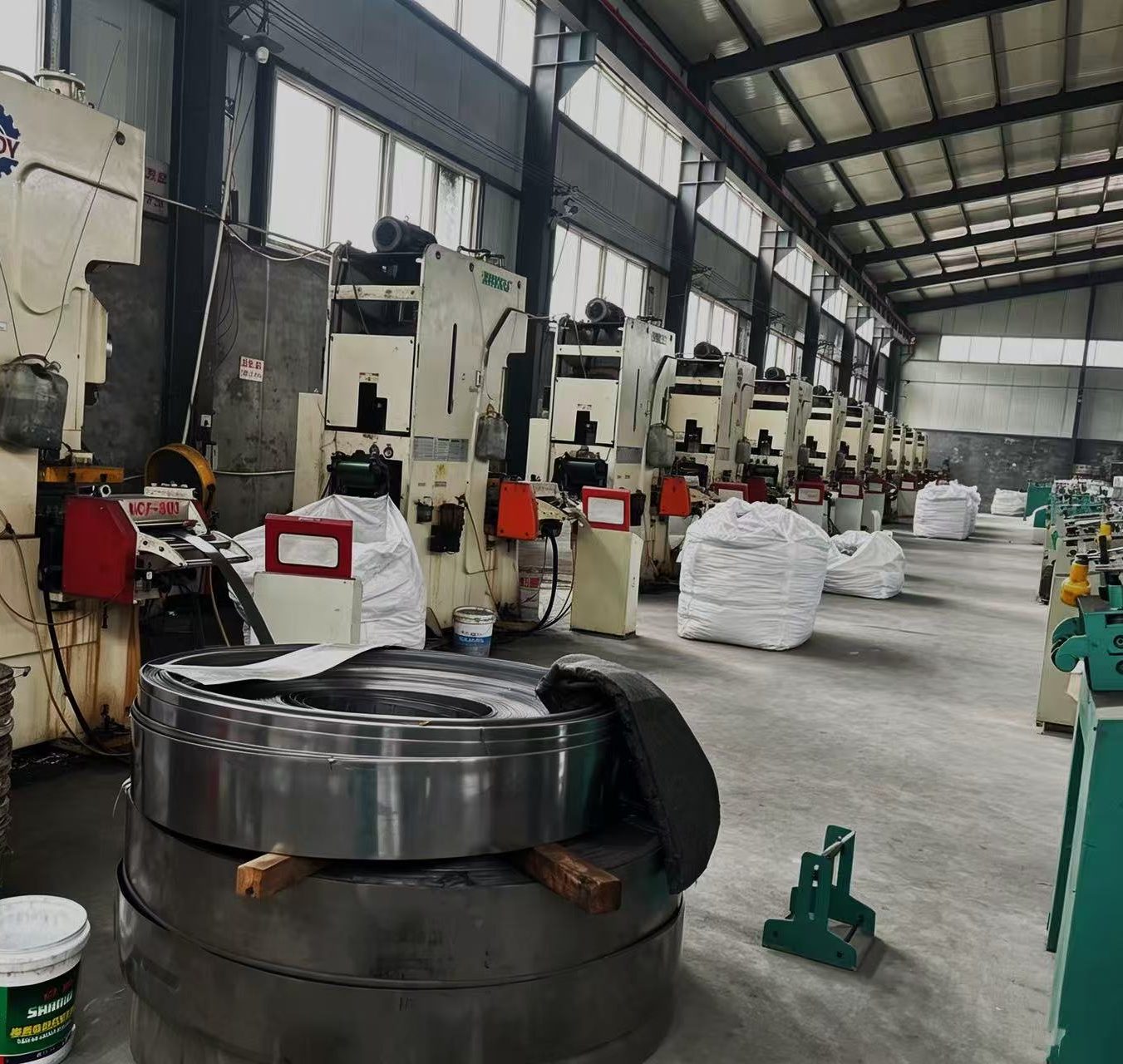
As a top-tier manufacturer, our commitment to quality extends beyond final inspection. It is embedded in every stage of production. We utilize state-of-the-art cold forging and thread rolling technologies to enhance the grain structure of the steel, resulting in superior fatigue resistance compared to cut threads.
Advanced Production Capabilities
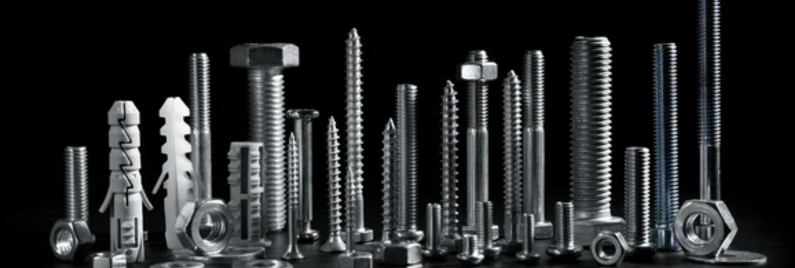
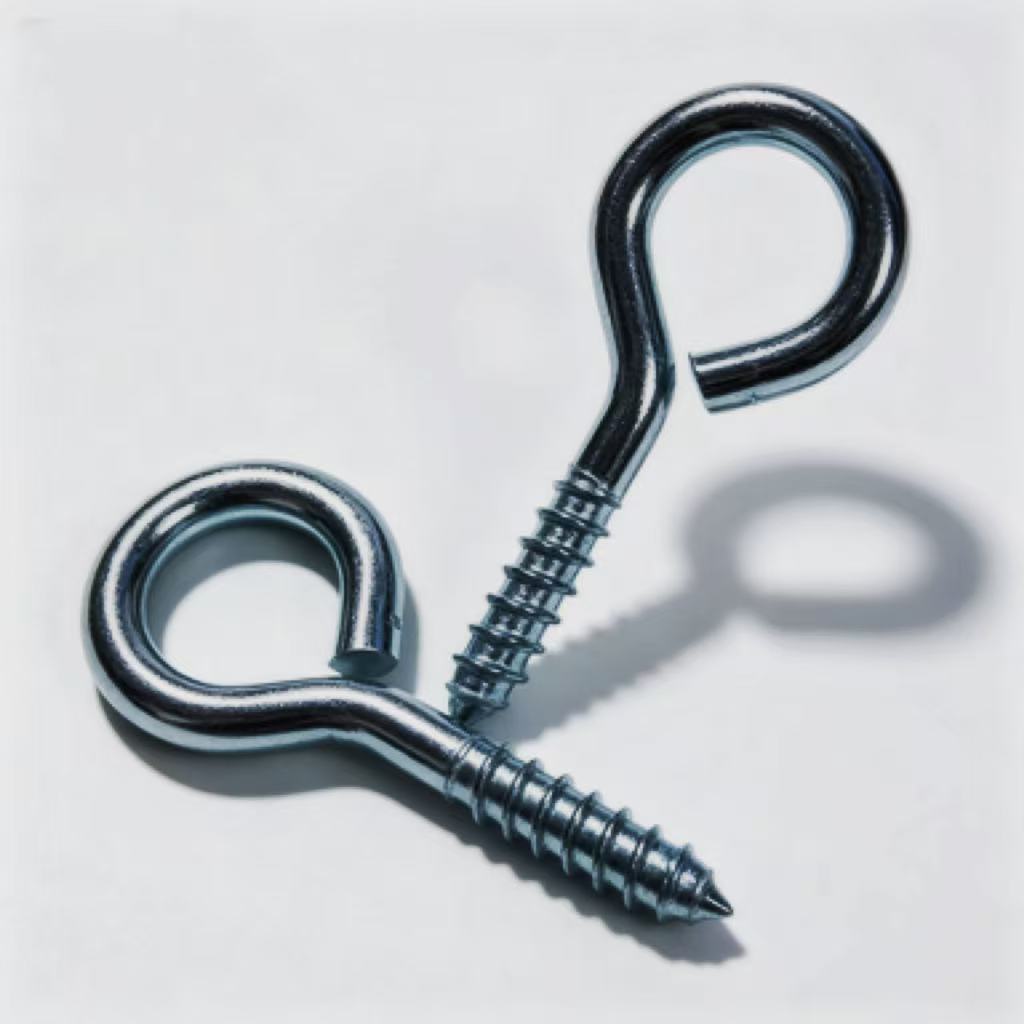
Located in Handan, Hebei—China’s renowned “City of Fasteners”—our company leverages over a decade of specialized industry experience to drive innovation. As a global industry and trade integrated enterprise, we combine deep manufacturing expertise with extensive international trade capabilities. While our core focus remains on high-strength anchor bolts and structural fasteners, our R&D division actively develops specialized hardware solutions, including unique casing geckos and welded eye bolts for diverse applications. This broad technical foundation allows us to apply cross-industry insights to our anchor bolt production, ensuring superior versatility and performance.
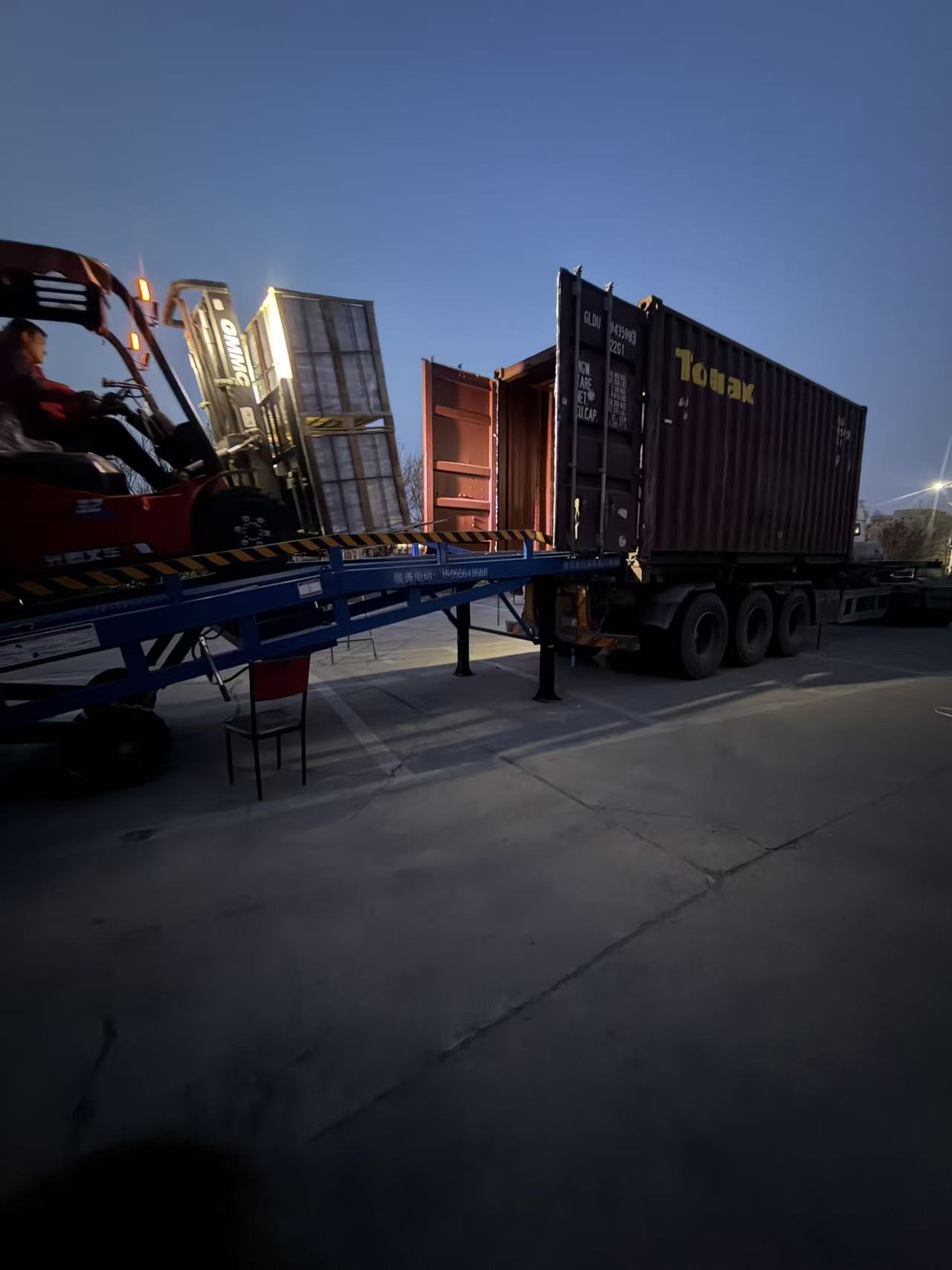
Our facility operates continuous production lines capable of handling high-volume orders with rapid turnaround times. Automated optical sorting systems inspect every unit for dimensional accuracy, surface defects, and thread fit. This eliminates human error and ensures that 100% of the shipment meets specification.
Heat treatment is performed in controlled atmosphere furnaces to prevent decarburization and ensure consistent hardness throughout the bolt cross-section. We maintain detailed logs of temperature profiles and quenching rates for every batch, providing a level of traceability that smaller workshops cannot match.
Certification and Testing Protocols
Trust is built on verification. Every shipment of anchor bolts is accompanied by a Mill Test Certificate (MTC) detailing chemical composition and mechanical properties. We routinely perform third-party testing to validate our internal data.
With products exported to more than 26 countries, our manufacturing processes strictly adhere to GB, DIN, JIS, ANSI, and ISO standards. We have invested heavily in scientific research, introducing high-tech talent and advanced testing methodologies to guarantee that every batch meets the rigorous demands of global infrastructure projects.
- Tensile Testing: Verifies ultimate strength and yield point against ASTM standards.
- Hardness Testing: Ensures the material is neither too brittle nor too soft for its intended grade.
- Proof Load Testing: Confirms the bolt can withstand specified loads without permanent deformation.
- Coating Thickness Measurement: Validates galvanizing or plating levels using magnetic induction gauges.
These rigorous checks ensure that when an engineer specifies our product, they can rely on the published data for their safety calculations. Our reputation as a reliable partner in the construction industry is founded on this unwavering dedication to quality assurance and our principle of “quality first, customer first.”
Installation Best Practices for Maximum Performance
Even the highest quality anchor bolt will fail if installed incorrectly. Proper installation is as critical as the manufacturing process. We advocate for strict adherence to industry best practices to ensure the designed load capacities are achieved in the field.
Step-by-Step Installation Guidelines
Following a systematic approach minimizes risks and maximizes holding power. Whether using mechanical or chemical systems, the fundamental principles of hole preparation and torque application remain consistent.
- Drilling Precision: Use a hammer drill with a carbide-tipped bit sized exactly to the manufacturer’s recommendation. Undersized holes cause installation difficulty, while oversized holes reduce holding capacity.
- Hole Cleaning: This is the most neglected yet critical step. Remove all dust and debris using compressed air, followed by a wire brush, and repeat. Residual dust acts as a lubricant, drastically reducing friction and bond strength.
- Insertion: Insert the anchor bolt smoothly without hammering unless specified. For chemical anchors, inject the resin from the bottom up to avoid air pockets.
- Setting and Torquing: Tighten the nut to the specified torque value using a calibrated wrench. Do not overtighten, as this can strip threads or crush the base material.
- Curing Time: Allow chemical adhesives to fully cure before applying any load. Cure times vary based on ambient temperature and humidity.
Adhering to these steps ensures that the anchor performs as tested in laboratory conditions. Our technical documentation includes detailed installation manuals for every product SKU, available for download or included with shipments.
Common Installation Mistakes to Avoid
Awareness of common pitfalls can save projects from costly rework or safety hazards. One frequent error is drilling into rebar, which compromises both the anchor and the structural reinforcement. Using a rebar scanner before drilling is a simple precaution that prevents this issue.
Another common mistake is ignoring edge distances. Installing an anchor too close to the edge of a concrete slab can cause a cone failure under load. Always consult the spacing charts provided in our technical guides. Additionally, using impact wrenches for final tightening often leads to inconsistent torque; hand wrenches or torque-controlled tools are preferred for precision.
Industry Applications and Sector-Specific Solutions
Anchor bolts are the silent guardians of infrastructure, securing everything from residential decks to nuclear power plants. Different sectors have unique demands regarding load dynamics, environmental exposure, and regulatory compliance.
Commercial and Industrial Construction
In commercial buildings, anchor bolts secure steel columns, curtain walls, and heavy HVAC units. The focus here is on speed of installation and fire resistance. Our intumescent-coated bolts provide added safety by maintaining structural integrity during fire events, a requirement in many modern building codes.
Industrial facilities, such as factories and warehouses, subject anchors to dynamic loads from vibrating machinery. Here, fatigue resistance is key. We supply specialized hardened washers and locking mechanisms designed to prevent loosening under constant vibration, ensuring operational continuity.
Infrastructure and Civil Engineering
Bridges, tunnels, and highways demand anchors that can endure decades of weathering and traffic-induced stress. Corrosion protection is paramount in these environments. Our hot-dip galvanized and epoxy-coated solutions are widely used in transportation projects where maintenance access is difficult and longevity is critical.
Seismic retrofitting is another growing application. In earthquake-prone regions, anchors must possess high ductility to absorb energy without snapping. Our low-alloy steel formulations are engineered to stretch rather than break, protecting structures during seismic events.
Energy and Utility Sectors
Power generation plants, whether wind, solar, or thermal, rely on secure anchoring for turbines, panels, and transformers. Wind turbine foundations, in particular, experience massive overturning moments. We manufacture oversized, high-tensile anchor cages specifically designed for renewable energy installations, capable of withstanding extreme wind loads.
In the oil and gas sector, resistance to sour gas and acidic environments is essential. Our stainless steel and specialized alloy offerings meet NACE standards for corrosion control in refineries and offshore platforms, ensuring safety in hazardous processing environments.
Frequently Asked Questions (FAQ)
Addressing common queries helps clarify uncertainties regarding product selection, logistics, and technical compatibility. Below are answers to frequently asked questions about our anchor bolt solutions.
What is the lead time for custom anchor bolt orders?
Standard sizes are typically available for immediate shipment from our stock. For custom lengths, diameters, or specialized coatings, our production lead time ranges from 2 to 4 weeks depending on order volume. Our factory direct model allows us to expedite urgent requests more efficiently than distributors who rely on external inventories. Our professional technical team can customize special specifications to meet your exact quality and quantity needs.
Can you provide certified test reports for specific batches?
Yes, absolutely. Every batch produced undergoes rigorous testing, and a comprehensive Mill Test Certificate (MTC) is generated. Upon request, we can provide third-party lab reports verifying tensile strength, yield strength, and coating thickness. This documentation is standard for all projects requiring regulatory compliance.
Do you offer technical support for complex installation scenarios?
Our team includes experienced engineers ready to assist with complex applications. Whether you need advice on edge distances, spacing layouts, or selecting the right anchor for cracked concrete, we provide free technical consultation. We believe that supporting our customers through the design and installation phases is part of our service commitment.
How does your pricing compare to local distributors?
By operating as a factory direct manufacturer, we eliminate the markup layers associated with regional distributors and wholesalers. While prices fluctuate based on raw material costs, our clients typically see savings of 15-30% on large orders. Furthermore, bulk purchasing directly from us locks in pricing stability for long-term projects.
Are your anchor bolts compliant with international building codes?
Yes, our product line is manufactured to meet or exceed major international standards including ASTM F1554, ISO 898, and various Eurocodes. We stay updated with changing code requirements to ensure that our anchors are approved for use in permitted construction projects globally. Specific compliance certificates are available upon inquiry.
Why Choose Our Factory Direct Model for Your Next Project?
In an era where supply chain reliability and cost efficiency are critical, partnering directly with a manufacturer offers undeniable advantages. Our position as a top anchor bolts manufacturer in 2026 is built on a foundation of transparency, quality, and customer-centric service.
We do not simply sell fasteners; we deliver engineered solutions that ensure the safety and longevity of your structures. From the initial design consultation to the final delivery of certified products, our team is dedicated to your success. The elimination of intermediaries means you deal directly with the experts who made your product, fostering a relationship based on trust and accountability.
Our commitment to continuous improvement drives us to invest in newer technologies and stricter quality controls year after year. Guided by an integrity-based business philosophy, we constantly seek to provide more excellent and thoughtful service. Maintaining our company’s reputation and meeting the evolving needs of our global customers is our ultimate goal. Whether you are building a skyscraper, a bridge, or a simple warehouse, the integrity of your connection points matters.
Next Steps for Procurement
If your project requires high-performance anchor bolts at competitive factory direct prices, the path forward is clear. Evaluate your specific load requirements and environmental conditions. Review our technical specifications to identify the ideal product grade and coating.
Contact our sales engineering team today to discuss your project needs. We can provide instant quotes, sample units for testing, and detailed CAD drawings for integration into your designs. Secure your supply chain with a manufacturer that prioritizes your project’s success. Choose quality, choose reliability, and choose the direct advantage for your upcoming construction endeavors.