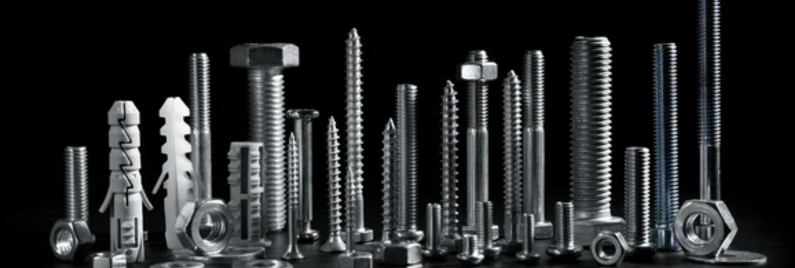
Looking for a reliable carriage bolts supplier? Sourcing directly from the factory ensures you receive high-quality fasteners at the best possible price without middleman markups. Carriage bolts, characterized by their smooth domed heads and square necks, are essential for wood-to-wood and wood-to-metal connections where safety and aesthetics matter. This guide details how to identify top-tier manufacturers, understand technical specifications, and secure bulk pricing for your industrial or construction projects.
What Are Carriage Bolts and Why Choose Factory Direct?
Carriage bolts, also known as coach bolts or dome head bolts, are specialized fasteners designed primarily for joining wood to wood or wood to metal. Their defining feature is the smooth, rounded dome head which provides an aesthetically pleasing finish and prevents snagging. Beneath the head lies a unique square section called the neck.
This square neck is engineered to sink into the material during installation. As the nut is tightened on the opposite side, the square section bites into the wood or soft metal, preventing the bolt from spinning. This self-locking mechanism allows for single-sided installation, significantly speeding up assembly times in large-scale projects.
Sourcing these components from a factory direct supplier offers distinct advantages over purchasing through general hardware distributors. When you buy directly from the manufacturer, you eliminate multiple layers of distribution costs. This results in substantially lower unit prices, especially for bulk orders. Furthermore, direct communication with the production facility ensures stricter quality control and the ability to customize specifications such as length, thread pitch, and material grade to meet exact project requirements.
The Strategic Advantage of Direct Manufacturing Partnerships
In the current global supply chain landscape, establishing a direct relationship with a carriage bolts manufacturer is crucial for maintaining project timelines and budget integrity. Distributors often hold limited stock and may source from various unknown factories, leading to inconsistencies in quality. A dedicated factory partner maintains consistent metallurgical standards and production protocols.
Direct suppliers can also offer greater flexibility regarding lead times. During periods of high market demand, priority is often given to direct clients rather than secondary resellers. Additionally, technical support is more robust when dealing directly with engineers who understand the nuances of the cold-heading and threading processes used to create these fasteners.
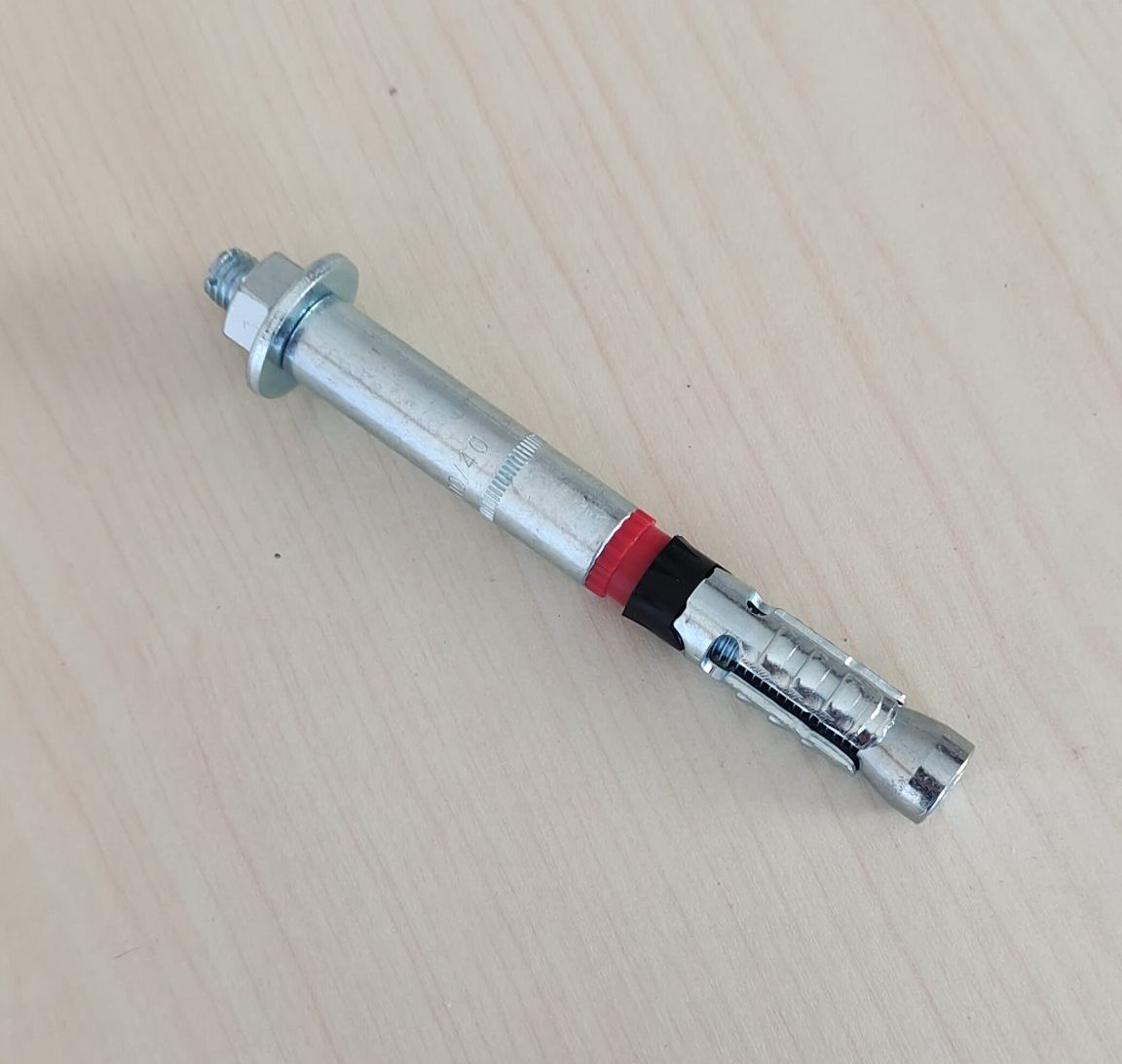
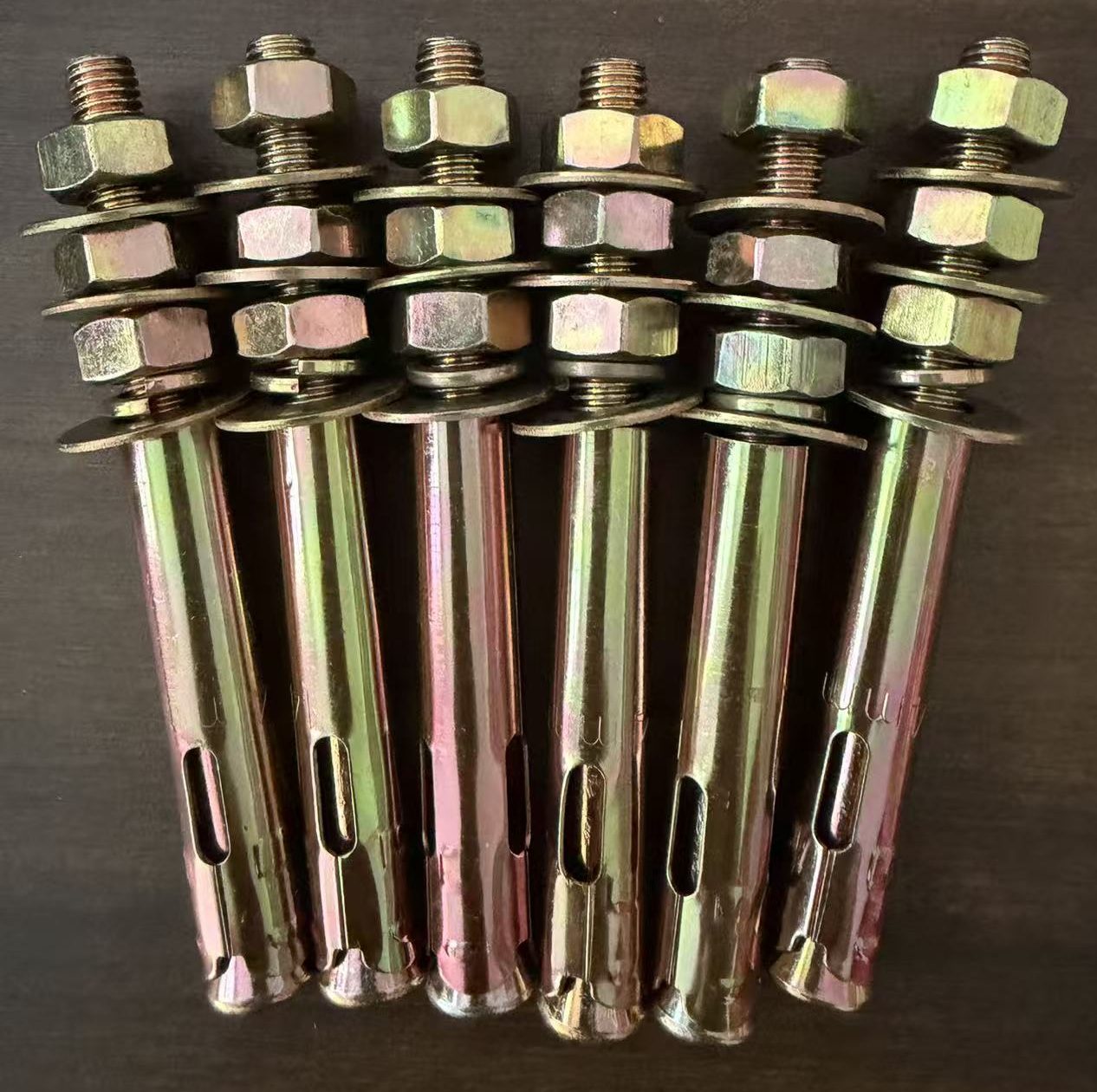
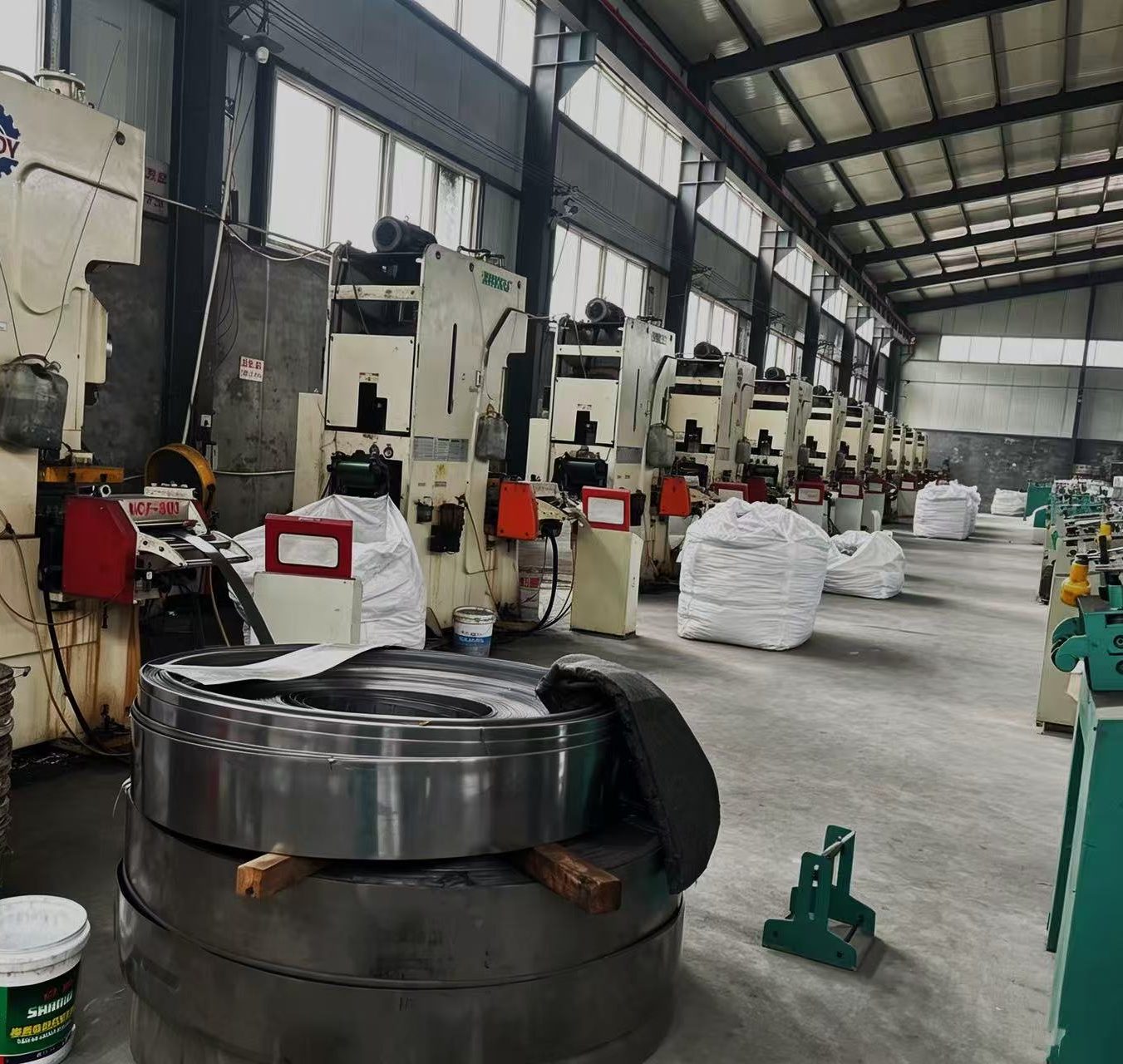
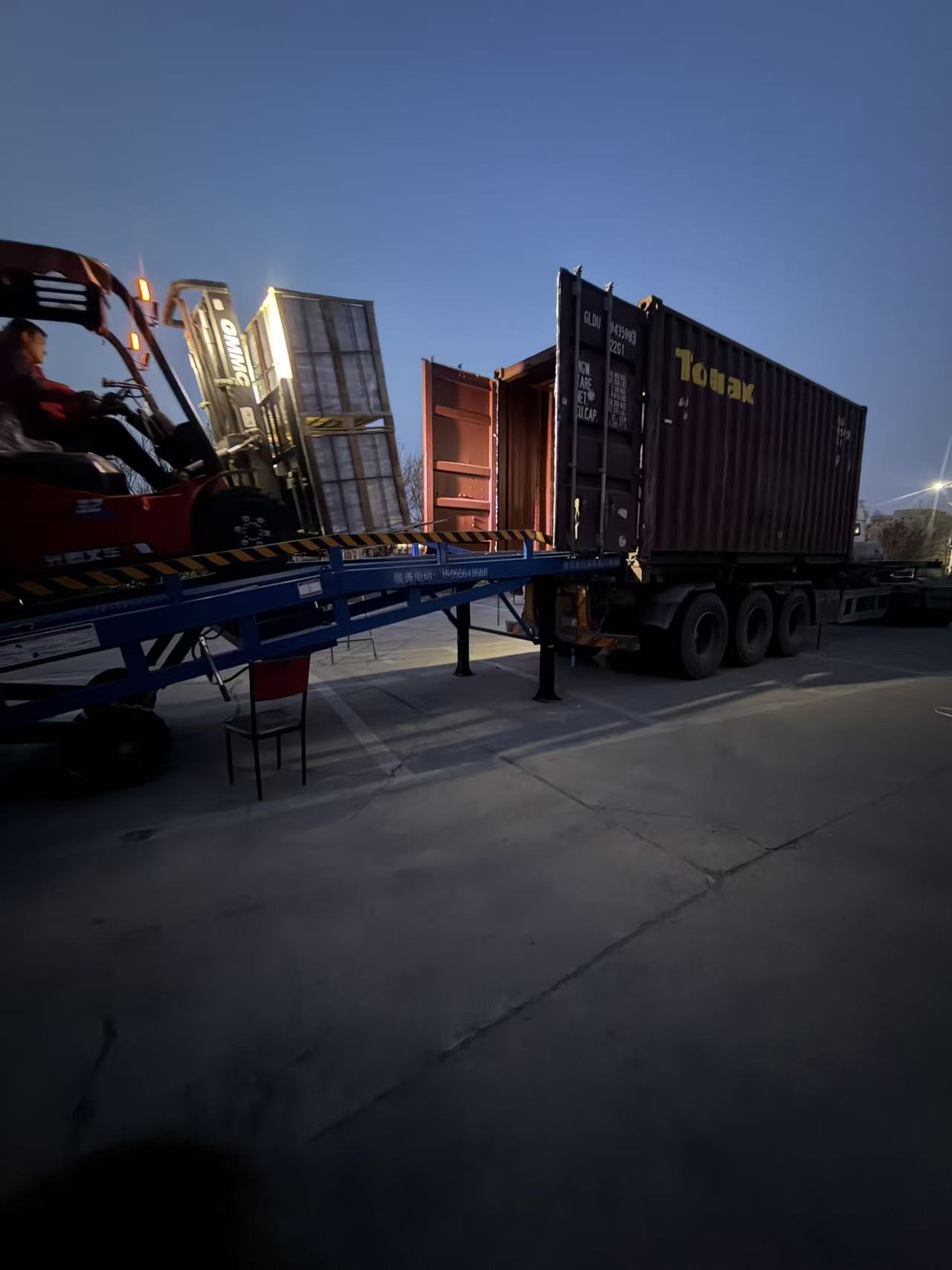
For businesses seeking a proven partner in this sector, consider the benefits of working with an established entity based in Handan, Hebei—China’s premier hub for fastener manufacturing. With over a decade of industry experience, our company operates as a global industry and trade integration enterprise, specializing in the development, manufacturing, and service of high-performance fasteners and hardware tools. While we produce a diverse range of products including casing geckos and specialized welded screws, our core expertise lies in delivering precision carriage bolts that meet rigorous international demands. By combining advanced production technology with a professional technical team, we ensure every batch adheres to GB, DIN, JIS, and ANSI standards, providing clients across 26 countries with the reliability they need for critical infrastructure projects.
- Cost Efficiency: Removing intermediaries reduces the final cost per unit by 15-30% typically.
- Quality Assurance: Direct oversight of heat treatment and plating processes ensures compliance with international standards.
- Customization: Factories can produce non-standard lengths or specific head styles upon request.
- Supply Stability: Long-term contracts with manufacturers secure inventory even during raw material shortages.
Technical Specifications and Material Grades
Understanding the technical makeup of carriage bolts is vital for selecting the right product for your application. Not all bolts are created equal; differences in material composition and heat treatment determine their tensile strength, corrosion resistance, and suitability for specific environments.
The most common material for standard carriage bolts is low carbon steel, often designated as Grade 2 or Class 4.6. These are suitable for general construction, woodworking, and light machinery where extreme loads are not a factor. For applications requiring higher strength, such as structural framing or heavy equipment assembly, medium carbon steel that has been quenched and tempered is used. These are typically classified as Grade 5 (Class 8.8) or Grade 8 (Class 10.9).
Corrosion resistance is another critical specification. Standard steel bolts are usually plated with zinc to provide a basic level of protection against rust. However, for outdoor applications, marine environments, or chemical processing facilities, stainless steel variants are necessary. The industry predominantly uses Grade 304 (A2) for general outdoor use and Grade 316 (A4) for highly corrosive saline environments.
Breakdown of Common Material Grades
Selecting the correct grade ensures the structural integrity of your assembly. Using a bolt with insufficient tensile strength can lead to catastrophic failure under load, while over-specifying can unnecessarily inflate project costs. Below is a detailed comparison of the primary grades available from top suppliers.
| Material Grade | Tensile Strength | Typical Application | Corrosion Resistance |
| Low Carbon Steel (Grade 2) | ~74,000 PSI | General woodworking, furniture, light fixtures | Low (requires plating) |
| Medium Carbon Steel (Grade 5) | ~120,000 PSI | Structural framing, machinery, automotive | Moderate (zinc plated) |
| High Carbon Steel (Grade 8) | ~150,000 PSI | Heavy-duty suspension, high-stress joints | Moderate (yellow chromate) |
| Stainless Steel 304 (A2) | ~100,000 PSI | Outdoor decks, fencing, food processing | High |
| Stainless Steel 316 (A4) | ~100,000 PSI | Marine docks, chemical plants, coastal areas | Very High |
It is important to note that while stainless steel offers superior corrosion resistance, its tensile strength is generally lower than that of hardened Grade 8 steel. Therefore, engineers must balance the need for strength against the need for environmental durability when specifying materials.
Manufacturing Process and Quality Control
The production of high-quality carriage bolts involves a precise series of manufacturing steps. A reputable factory adheres to strict protocols at each stage to ensure the final product meets dimensional and mechanical standards. The process typically begins with wire drawing, where steel rod is pulled through dies to achieve the exact diameter required for the bolt shank.
Following wire drawing, the cold heading process forms the head and the square neck. This is a critical step where the metal is displaced rather than cut, preserving the grain structure of the steel and enhancing its strength. The square neck must be formed with sharp, distinct corners to ensure it effectively locks into the mating material. Poorly formed necks can round off during installation, rendering the self-locking feature useless.
Thread rolling is the next phase, where the threads are pressed into the shank using hardened dies. Rolling, as opposed to cutting, creates stronger threads by compressing the metal grains. After forming, the bolts undergo heat treatment if they are intended for higher grades. This involves heating the bolts to specific temperatures and quenching them to achieve the desired hardness and toughness.
Essential Quality Control Measures
To maintain trustworthiness and authority in the market, leading suppliers implement rigorous quality control (QC) measures. These checks are not merely formalities but are essential for preventing field failures. Advanced factories utilize automated optical sorting machines to inspect every bolt for surface defects, dimensional accuracy, and head formation.
Commitment to quality is deeply embedded in the operational philosophy of experienced manufacturers. By investing in high-tech talent and perfect testing methods, companies ensure that every product leaving the facility meets the “quality first, customer first” principle. This dedication allows for the customization of special specifications regarding quality and quantity, tailored precisely to client needs while maintaining the company’s reputation for excellence.
- Dimensional Inspection: Verifying head height, shank diameter, and thread pitch against ISO or ANSI standards.
- Mechanical Testing: Conducting tensile strength tests and hardness readings on random batches from every heat lot.
- Coating Thickness Analysis: Using X-ray fluorescence to ensure zinc or other platings meet minimum micron requirements for corrosion protection.
- Salt Spray Testing: Subjecting samples to accelerated corrosion environments to validate the longevity of the finish.
Documentation is also a key part of the QC process. Top suppliers provide Mill Test Certificates (MTC) or Certificate of Compliance (COC) with each shipment, tracing the material back to its original melt. This transparency builds confidence for buyers involved in regulated industries such as construction and infrastructure.
Applications and Industry Use Cases
The versatility of carriage bolts makes them indispensable across a wide range of industries. Their unique design solves specific fastening challenges, particularly where vibration resistance and a clean appearance are required. Understanding these applications helps buyers specify the correct type and quantity for their needs.
In the construction and timber framing sector, carriage bolts are the standard for connecting beams, posts, and joists. The smooth head prevents injury to workers handling the lumber, while the square neck secures the connection without the need for a second wrench on the bolt head. This is particularly valuable when working in tight spaces or overhead.
The agricultural machinery industry relies heavily on these fasteners for assembling tractors, harvesters, and fencing systems. The ability of the square neck to prevent rotation is crucial in high-vibration environments where traditional hex bolts might loosen over time. Similarly, in playground equipment and park benches, the dome head ensures there are no sharp edges or protruding screw heads that could harm children or snag clothing.
Specialized Applications in Modern Infrastructure
Beyond traditional uses, carriage bolts are finding new roles in modern infrastructure and renewable energy projects. Solar panel mounting racks often utilize stainless steel carriage bolts to secure frames to roofing structures. The corrosion resistance of stainless steel ensures the array remains secure for decades despite exposure to rain, snow, and UV radiation.
In the transportation sector, specifically in the assembly of truck beds and trailer floors, heavy-duty carriage bolts are used to attach wooden flooring to metal chassis. The combination of wood and metal is ideal for this fastener type. The square neck embeds into the wood floor, while the threaded end passes through the metal frame to be secured with a nut and lock washer.
Furthermore, the furniture manufacturing industry values carriage bolts for assembling heavy-duty shelving units and workbenches. The aesthetic appeal of the dome head complements industrial-style designs, eliminating the need for decorative caps that can fall off. For indoor furniture, plain or lightly oiled finishes are common, whereas outdoor garden furniture requires hot-dip galvanized or stainless options.
How to Select the Best Carriage Bolts Supplier
Choosing the right supplier is as critical as selecting the correct bolt specification. With numerous manufacturers claiming to offer the “best price,” buyers must evaluate potential partners based on objective criteria that reflect reliability, capacity, and technical expertise. A low price point is attractive, but not if it compromises the structural integrity of your project.
First, assess the supplier’s production capacity and lead times. Can they handle your volume requirements within your project timeline? A factory with outdated machinery or limited shifts may struggle to meet large orders, causing delays. Inquire about their current order book and their ability to scale production during peak seasons.
Second, verify their certifications and compliance. Reputable manufacturers will hold certifications such as ISO 9001 for quality management. If you are sourcing for specific regulated markets, check for additional approvals like CE marking for Europe or ASTM compliance for the United States. These certifications indicate a commitment to standardized processes and continuous improvement.
Key Factors for Evaluating Potential Partners
When requesting quotes, look beyond the unit price. Consider the total cost of ownership, which includes shipping, packaging, and the potential cost of defects. A slightly higher unit price from a supplier with near-zero defect rates is often more economical than a cheap option that results in rework or liability issues.
- Technical Support: Does the supplier have engineers available to discuss custom modifications or troubleshoot installation issues?
- Sample Availability: Willingness to provide pre-production samples demonstrates confidence in product quality.
- Payment Terms: Flexible and secure payment terms indicate a stable financial position and a desire for long-term partnership.
- Logistics Capability: Experience in exporting and handling international shipping documentation ensures smooth delivery.
Communication responsiveness is also a strong indicator of service quality. A supplier that responds promptly to inquiries and provides clear, detailed quotations is likely to be equally responsive when issues arise post-purchase. Avoid suppliers who are vague about material origins or unwilling to share test reports.
Installation Best Practices and Common Mistakes
Even the highest quality carriage bolts can fail if installed incorrectly. Proper installation techniques ensure the fastener performs as designed, providing maximum holding power and longevity. Understanding the mechanics of the square neck and the torque requirements is essential for any installer.
The most critical aspect of installing a carriage bolt is ensuring the square neck seats properly. When inserting the bolt into the pre-drilled hole, it should be pushed firmly so that the square section engages with the material. In hard woods or metal, it may be necessary to use a hammer to tap the bolt until the square neck is fully embedded. If the neck does not seat, the bolt will spin when tightening the nut, stripping the material and ruining the hole.
Pre-drilling is mandatory for most applications. The hole diameter should be slightly larger than the bolt shank but smaller than the head. For wood, a clearance hole allows the shank to pass freely while the threads engage only in the nut or the receiving member. Over-tightening is a common mistake that can strip threads or crush the wood fibers, reducing clamping force.
Step-by-Step Installation Guide
Follow this systematic approach to ensure a secure and professional installation every time. These steps apply to standard wood-to-wood and wood-to-metal connections.
- Measure and Mark: Determine the exact location for the bolt and mark the center point clearly on both pieces of material.
- Drill the Hole: Select a drill bit matching the nominal diameter of the bolt shank. Drill perpendicular to the surface to ensure the bolt sits straight.
- Insert the Bolt: Push the carriage bolt through the hole from the visible side. Ensure the dome head sits flush against the surface.
- Seat the Square Neck: If the material is hard, tap the end of the bolt gently with a hammer until the square neck bites into the material and stops rotating.
- Add Washers: Place a flat washer followed by a lock washer onto the threaded end. This distributes the load and prevents loosening due to vibration.
- Tighten the Nut: Thread the nut onto the bolt and tighten using a wrench. Hold the bolt head if necessary until the neck fully engages, then torque to the specified value.
Using the correct tools is also vital. Impact drivers can sometimes overtighten bolts too quickly, leading to shearing. Hand wrenches or torque-controlled electric tools provide better feedback and control. Always inspect the joint after tightening to ensure the head is snug and the nut is secure.
Cost Factors and Pricing Dynamics
The price of carriage bolts fluctuates based on several dynamic factors in the global commodities market. Understanding these drivers helps buyers anticipate cost changes and negotiate better deals with suppliers. The primary component of cost is the raw material, specifically steel wire rod, which is tied to global iron ore and scrap metal prices.
Energy costs also play a significant role in manufacturing expenses. The cold heading, heat treatment, and plating processes are energy-intensive. Fluctuations in electricity and natural gas prices can directly impact the unit cost produced by the factory. Additionally, logistics and freight rates influence the landed cost, especially for international shipments.
Order volume is perhaps the most controllable factor for the buyer. Manufacturers operate with economies of scale; larger production runs reduce the setup time per unit and optimize material usage. Consequently, bulk orders typically enjoy significantly lower per-unit pricing compared to small batch purchases. Packaging requirements also affect cost; standard export cartons are cheaper than custom-branded retail packaging.
Strategies for Optimizing Procurement Costs
To secure the best price without sacrificing quality, buyers should adopt strategic procurement practices. Building a long-term relationship with a single factory often yields better pricing tiers than sporadic spot buying. Suppliers value predictability and are willing to offer discounts for committed annual volumes.
- Consolidate Orders: Combine requirements for different sizes or finishes into a single shipment to save on freight and handling fees.
- Standardize Specifications: Stick to standard lengths and diameters whenever possible. Custom sizes require special tooling and setup, increasing costs.
- Plan Ahead: Place orders during off-peak seasons to avoid rush charges and secure better production slots.
- Review Incoterms: Understand shipping terms (FOB, CIF, DDP) to accurately compare quotes from different suppliers.
It is also advisable to monitor steel market trends. Purchasing during periods of lower raw material costs can lock in savings for future deliveries. Some suppliers offer price hedging options for large contracts, protecting buyers from sudden spikes in material costs.
Frequently Asked Questions (FAQ)
Addressing common queries helps clarify uncertainties regarding carriage bolts and the procurement process. These answers are based on industry standards and practical experience from factory operations.
What is the difference between a carriage bolt and a hex bolt?
The primary difference lies in the head shape and the locking mechanism. A carriage bolt has a smooth dome head and a square neck that locks into the material, preventing rotation. A hex bolt has a six-sided head designed to be gripped by a wrench and lacks the self-locking square neck. Carriage bolts are preferred for wood applications where a smooth finish is needed, while hex bolts are used for metal-to-metal connections where high torque is applied to the head.
Can carriage bolts be used in metal-to-metal applications?
Yes, but with limitations. Since the square neck relies on biting into the material to prevent spinning, it cannot self-lock in hard metal. For metal-to-metal applications, the square section must fit into a corresponding square hole punched or broached into the metal, or the bolt head must be held with a wrench during installation. Alternatively, serrated flange nuts can be used to prevent rotation from the nut side.
How do I determine the correct length for a carriage bolt?
The length of a carriage bolt is measured from the underside of the head to the tip of the threads, excluding the head itself. To determine the correct length, measure the total thickness of the materials being joined, add the thickness of the washer and nut, and include an additional 1-2 threads extending past the nut for optimal engagement. Never choose a bolt that is too short, as insufficient thread engagement compromises strength.
Are stainless steel carriage bolts stronger than steel ones?
Generally, no. Standard stainless steel (304/316) carriage bolts typically have lower tensile strength compared to hardened Grade 5 or Grade 8 carbon steel bolts. Stainless steel is chosen for its corrosion resistance, not its ultimate strength. If high strength is required in a corrosive environment, specialized high-strength stainless alloys or coated high-grade steel bolts should be considered.
What finish options are available for corrosion protection?
Beyond plain steel and stainless steel, several plating options exist. Zinc plating (clear or yellow) offers basic protection for indoor use. Hot-dip galvanizing provides a thick zinc coating ideal for outdoor structures and utility poles. Geomet and Dacromet coatings offer superior corrosion resistance without the thick buildup of hot-dip galvanizing, making them suitable for precision assemblies. The choice depends on the specific environmental exposure.
Conclusion and Next Steps
Selecting the right carriage bolts supplier is a strategic decision that impacts the safety, durability, and cost-efficiency of your projects. By prioritizing factory-direct partnerships, you gain access to superior quality control, competitive pricing, and the technical expertise necessary to navigate complex fastening requirements. Whether you are constructing a timber frame, assembling heavy machinery, or installing solar infrastructure, the integrity of your connection points relies on the quality of these fundamental components.
This guide has highlighted the importance of understanding material grades, manufacturing processes, and installation best practices. It is evident that not all suppliers offer the same level of reliability. Those who invest in certified production lines and transparent quality assurance protocols stand out as true industry leaders.
Who is this suitable for? This information is essential for procurement managers, civil engineers, construction contractors, and DIY enthusiasts undertaking significant structural projects. If your work demands consistency and load-bearing reliability, settling for generic, unverified sources is a risk you cannot afford.
Next Steps: Evaluate your current supply chain against the criteria outlined in this article. Request detailed specifications and test certificates from your current vendor. If gaps exist in quality or pricing, initiate conversations with certified factory-direct manufacturers. Prioritize suppliers who demonstrate a commitment to EEAT principles—showcasing their experience, expertise, and authority through tangible evidence and customer success stories. Secure your supply of high-performance carriage bolts today to ensure the longevity and safety of your constructions.