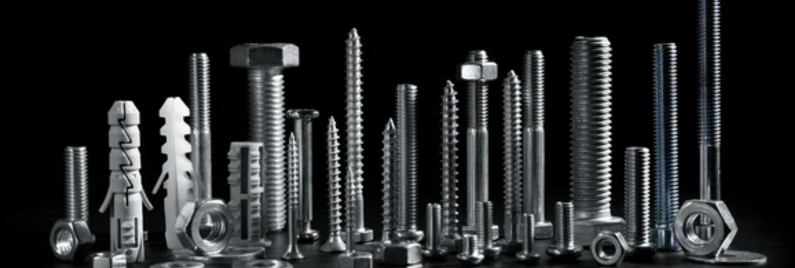
As we approach 2026, identifying a top fasteners manufacturer capable of delivering factory-direct solutions and precision OEM services is critical for industrial stability. This guide explores how leading manufacturers are redefining supply chains through advanced metallurgy, automated quality control, and direct-to-client logistics. By eliminating intermediaries, businesses secure higher margin potential while ensuring every bolt, screw, and nut meets rigorous international standards for safety and durability in evolving engineering landscapes.
What Defines a Top Fasteners Manufacturer in 2026?
The landscape of industrial hardware is shifting rapidly. A top fasteners manufacturer in 2026 is no longer defined solely by production volume. Instead, the industry prioritizes technological integration, material science innovation, and supply chain resilience. The modern facility must seamlessly blend traditional forging expertise with digital monitoring systems to guarantee consistency.
Current market leaders distinguish themselves through factory-direct models. This approach removes the friction of distributors, allowing for real-time communication between engineering teams and production floors. When clients require custom OEM fasteners, this direct line ensures that specific torque requirements, head styles, and thread pitches are executed without misinterpretation.
Furthermore, the definition of quality has expanded. It now encompasses traceability from raw wire rod to final packaging. Leading manufacturers implement batch tracking systems that allow users to verify heat treatment logs and tensile strength reports instantly. This level of transparency is becoming the baseline expectation for automotive, aerospace, and heavy construction sectors.
The Shift Toward Factory-Direct Procurement
The traditional multi-tier distribution network is increasingly viewed as inefficient for high-volume or highly specialized projects. Sourcing directly from the fasteners factory offers distinct strategic advantages. Primarily, it reduces lead times significantly. Without the need to route orders through regional warehouses, production can commence immediately upon specification approval.
- Cost Efficiency: Eliminating markup layers from distributors allows for more competitive pricing structures, essential for large-scale infrastructure projects.
- Customization Agility: Direct engagement enables rapid prototyping and iterative design changes during the OEM development phase.
- Quality Assurance: Direct oversight means fewer handling errors and stricter adherence to ISO and ASTM standards throughout the manufacturing process.
In 2026, companies that maintain robust factory-direct channels are better positioned to handle supply chain disruptions. They possess greater control over raw material inventory and can pivot production schedules faster than those relying on third-party stockists.
Core Capabilities of Leading OEM Fastener Facilities
To qualify as a premier partner for original equipment manufacturers, a facility must demonstrate mastery over the entire product lifecycle. This begins with material selection and extends to final surface finishing. The capability to produce OEM fasteners requires a deep understanding of how different alloys behave under stress, corrosion, and extreme temperatures.
Advanced manufacturers utilize cold heading and hot forging techniques tailored to specific application needs. Cold heading is preferred for high-volume standard parts due to its material efficiency and work-hardening benefits. Conversely, hot forging is essential for larger diameter fasteners or those requiring complex geometries that cannot be achieved at room temperature.
Thread rolling is another critical competency. Unlike cutting threads, rolling displaces material to form the profile, resulting in superior fatigue resistance. Top-tier facilities employ precision dies that ensure thread fitment falls strictly within Class 2A or 3A tolerances, guaranteeing seamless assembly in automated lines.
Material Science and Alloy Selection
The integrity of any joint relies heavily on the underlying material. Industry leaders in 2026 offer a comprehensive range of alloys to meet diverse environmental challenges. Carbon steel remains the workhorse for general construction, but specialized applications demand more sophisticated solutions.
Stainless steel grades, particularly 304 and 316, are standard for environments prone to moisture and chemical exposure. For high-strength requirements, alloy steels such as 4140 or 4340 are heat-treated to achieve specific Rockwell hardness levels. In emerging sectors like electric vehicles and renewable energy, titanium and super-alloys are gaining traction for their strength-to-weight ratios.
- Carbon Steel: Cost-effective and versatile, often plated for corrosion resistance.
- Stainless Steel: Ideal for marine, food processing, and architectural applications.
- Alloy Steel: Engineered for high-tensile structural connections and heavy machinery.
- Exotic Alloys: Utilized in aerospace and chemical processing where extreme conditions prevail.
Selecting the correct material is not just about strength; it involves compatibility with the mating materials to prevent galvanic corrosion. Expert manufacturers provide consultation to ensure the chosen fastener material aligns with the assembly’s overall electrochemical profile.
Precision Manufacturing Technologies
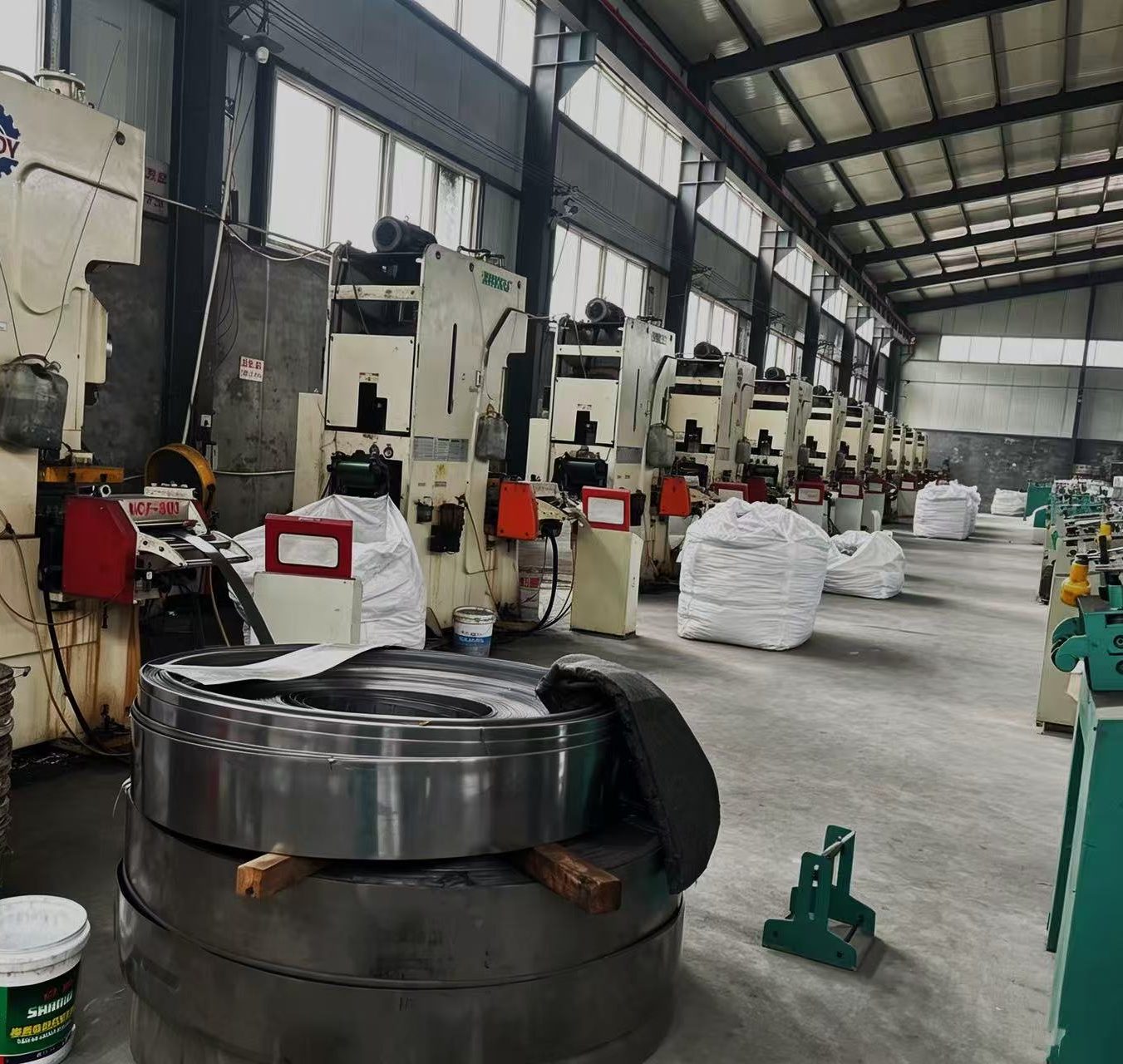
The gap between a good manufacturer and a great one often lies in their equipment. Modern factories utilize multi-station cold formers capable of producing thousands of parts per minute with micron-level accuracy. These machines are equipped with in-process monitoring sensors that detect variations in length, diameter, or head formation instantly.
Heat treatment processes have also evolved. Continuous mesh belt furnaces with controlled atmospheres ensure uniform carbon penetration and case hardening. This prevents brittleness while maintaining a tough core, a balance crucial for dynamic load applications. Post-treatment cleaning and plating lines use eco-friendly chemistries to apply zinc, nickel, or ceramic coatings without compromising environmental regulations.
Automation extends to sorting and packaging. Optical sorting machines scan every single piece for surface defects, cracks, or dimensional anomalies. This zero-defect approach is vital for automotive suppliers where a single failed component can halt an entire production line. Such technological investment underscores the commitment to reliability expected from a top fasteners manufacturer.
Factory Direct vs. Distributor Models: A Strategic Comparison
When sourcing critical components, decision-makers often weigh the benefits of buying directly from the source versus utilizing established distributors. While distributors offer convenience for small, off-the-shelf orders, the factory-direct model provides unparalleled value for strategic partnerships and large-scale OEM requirements.
The following table outlines the key differences between these two sourcing strategies, highlighting why forward-thinking enterprises are increasingly migrating toward direct manufacturing relationships for their core fastener needs.
| Feature | Factory Direct Model | Distributor Model |
| Cost Structure | Lower unit cost due to eliminated middleman markups; volume-based pricing tiers. | Higher unit cost includes distributor margins and storage fees. |
| Lead Time | Predictable production schedules; potential for expedited runs based on priority. | Immediate availability for stock items; unpredictable delays for special orders. |
| Customization (OEM) | Full engineering support for custom heads, threads, and materials; rapid prototyping. | Limited to catalog items; custom requests routed back to factories with delays. |
| Quality Control | Direct access to mill certs, heat treat logs, and in-process inspection data. | Reliance on provided documentation; limited visibility into actual production conditions. |
| Supply Chain Resilience | Direct influence on raw material procurement and production scheduling. | Vulnerable to distributor inventory shortages and allocation policies. |
For projects requiring millions of units or unique specifications, the factory-direct advantage is clear. It transforms the supplier from a simple vendor into a strategic partner invested in the product’s success. This collaboration fosters innovation, as manufacturers can suggest design optimizations that reduce weight or improve assembly speed.
However, distributors still play a role in maintenance, repair, and operations (MRO) where immediate delivery of small quantities is paramount. The optimal strategy for many organizations involves a hybrid approach: securing long-term OEM contracts directly with the manufacturer while keeping a local distributor for emergency spot buys.
Essential Steps in the OEM Fastener Development Process
Developing a custom OEM fastener is a collaborative journey that requires precise communication and iterative validation. Engaging with a top fasteners manufacturer early in the design phase can prevent costly redesigns and performance issues down the line. The process typically follows a structured pathway from concept to mass production.
Understanding this workflow empowers engineering teams to set realistic timelines and define clear deliverables. It ensures that the final product not only fits the physical dimensions but also performs reliably under the intended operational stresses.
Step-by-Step Guide to Custom Fastener Production
- Requirement Analysis: The process begins with a detailed review of the application environment. Factors such as load type (shear vs. tensile), temperature range, and exposure to chemicals are documented to determine the ideal material and coating.
- Design and Engineering: CAD models are created or refined. Manufacturers often provide Design for Manufacturability (DFM) feedback to optimize the geometry for efficient production without sacrificing strength.
- Prototyping: A small batch of samples is produced using soft tooling or modified existing dies. This allows for physical testing and fitment checks before committing to hard tooling costs.
- Testing and Validation: Prototypes undergo rigorous mechanical testing, including tensile strength, hardness, salt spray corrosion tests, and torque-tension analysis. Results are compared against industry standards like ISO, DIN, or ANSI.
- Tooling Fabrication: Once the design is validated, permanent dies and molds are manufactured. High-precision tooling is essential for maintaining consistency over millions of cycles.
- Pilot Run: A initial production run verifies the stability of the manufacturing process. Statistical Process Control (SPC) data is collected to ensure all parameters remain within tolerance limits.
- Mass Production: Full-scale manufacturing commences with continuous quality monitoring. Regular audits and batch testing ensure ongoing compliance with the agreed-upon specifications.
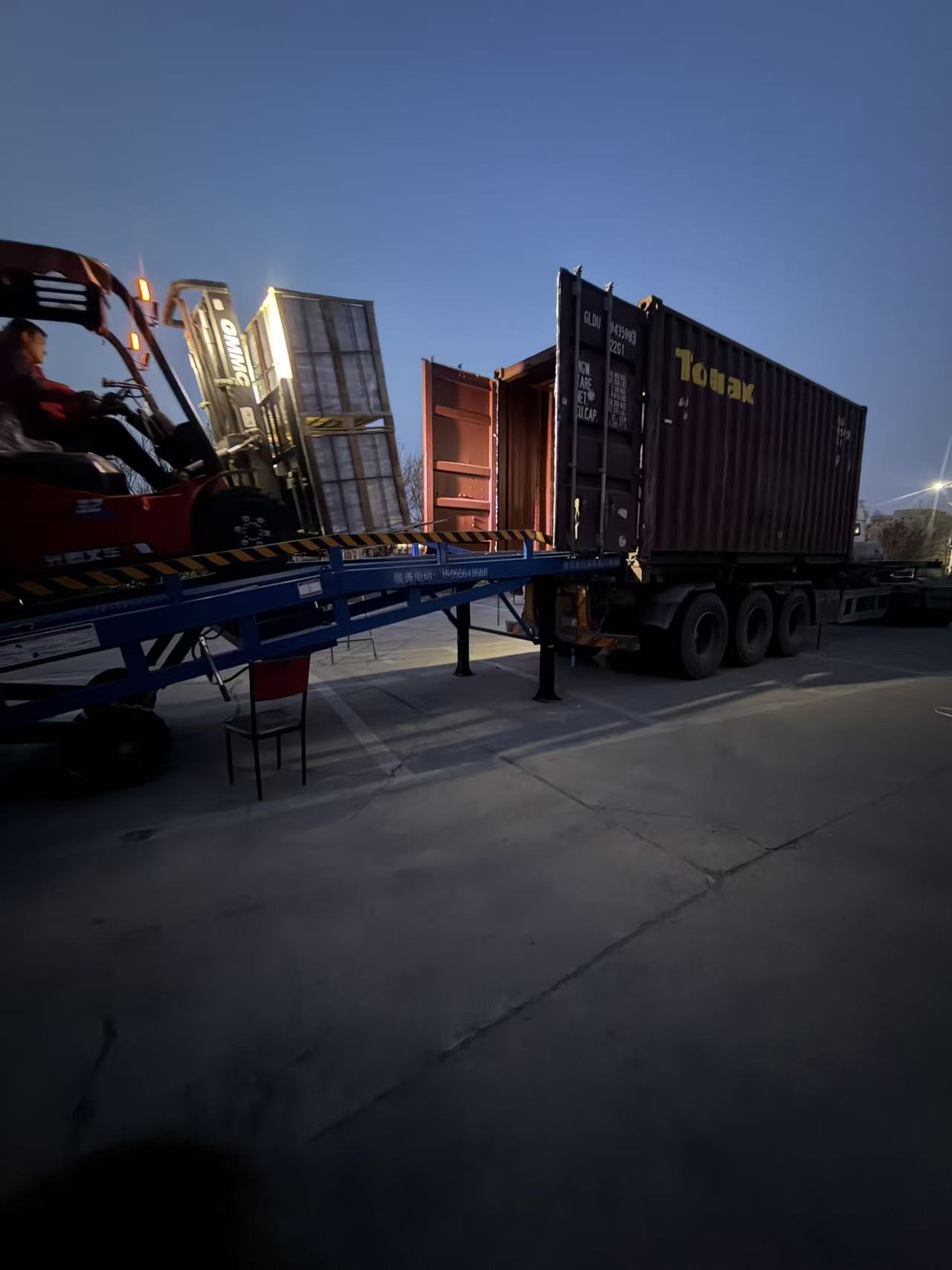
- Logistics and Delivery: Finished goods are packaged according to customer requirements, labeled for traceability, and shipped via optimized logistics channels to minimize transit time.
This systematic approach minimizes risk and ensures that the OEM fasteners delivered are perfectly suited for their intended purpose. It highlights the importance of choosing a manufacturer with a robust engineering department capable of guiding clients through each stage.
Industry Applications and Specialized Solutions
The versatility of fasteners means they are foundational to nearly every sector of the global economy. However, the requirements for a bridge differ vastly from those of a smartphone. A top fasteners manufacturer must possess the agility to tailor solutions across these diverse domains, addressing unique challenges in each.
In the automotive industry, the shift toward electrification has introduced new demands. Lightweight aluminum and composite materials require specialized fastening solutions to prevent galvanic corrosion and ensure structural integrity. High-strength steel bolts are critical for battery pack assemblies, where failure is not an option.
The aerospace sector represents the pinnacle of fastener technology. Here, weight reduction is paramount. Titanium and super-alloy fasteners are standard, often featuring intricate locking mechanisms to withstand intense vibration. Traceability is absolute; every component must be linked back to its raw material batch.
Sector-Specific Challenges and Responses
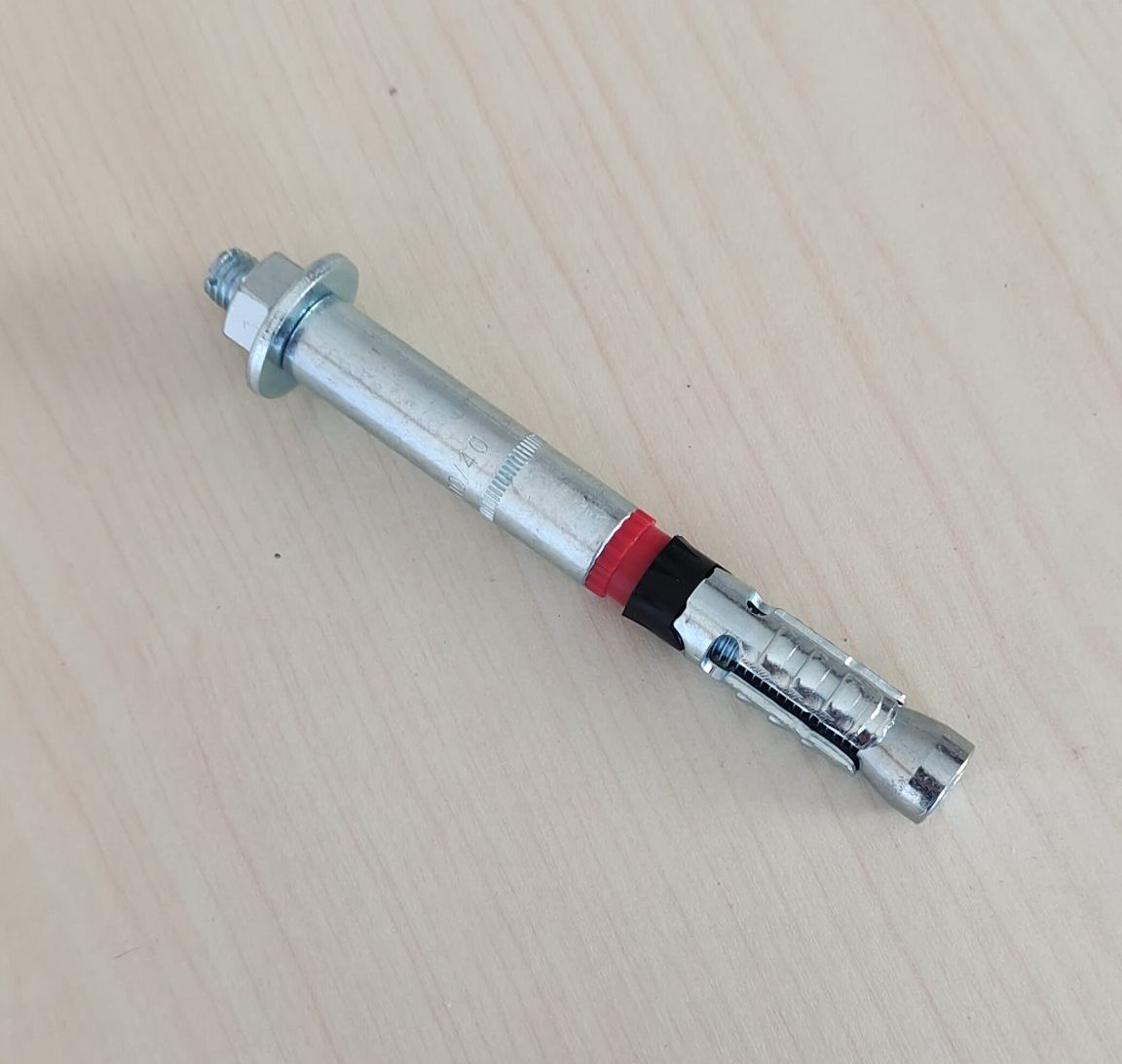
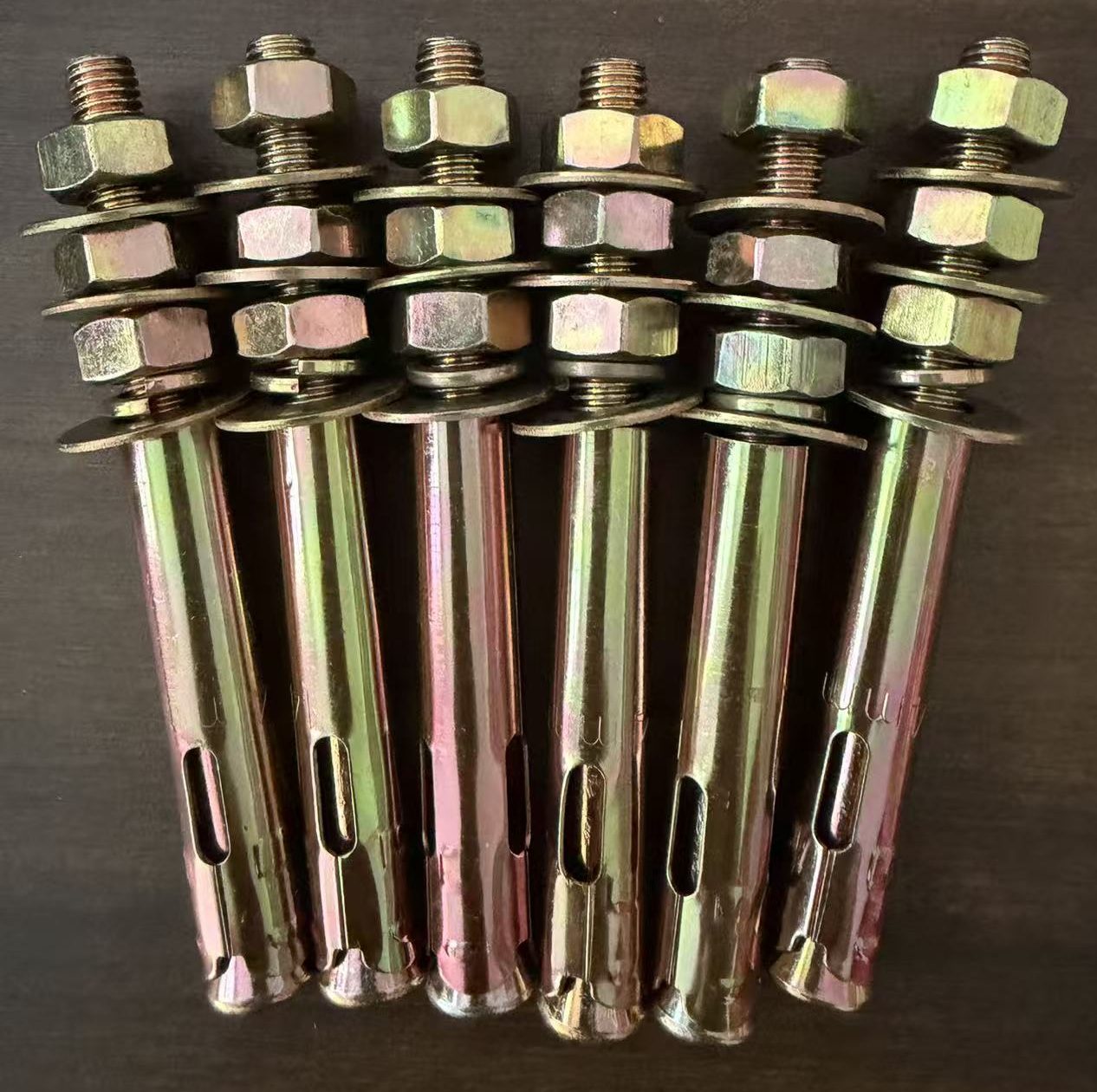
Construction and infrastructure projects face the challenge of scale and environmental exposure. Heavy hex bolts and anchor systems must resist decades of weathering, seismic activity, and dynamic loads. Manufacturers respond with hot-dip galvanized coatings and weathering steel options that develop a protective patina over time.
In the renewable energy sector, particularly wind turbines, fasteners operate in some of the harshest conditions on earth. Offshore installations demand superior corrosion resistance, while the towering structures require fasteners capable of handling massive cyclic loads without fatiguing. Specialized friction-grip bolts are often employed to ensure joint stability.
- Automotive: Focus on weight reduction, vibration resistance, and automation-friendly designs.
- Aerospace: Emphasis on high-strength-to-weight ratios, extreme temperature tolerance, and full traceability.
- Electronics: Demand for miniature, non-magnetic, and aesthetically concealed fastening solutions.
- Medical: Requirement for biocompatible materials, sterilization compatibility, and burr-free finishes.
By understanding these nuanced requirements, leading manufacturers can propose solutions that enhance the performance of the end product. This application-specific expertise is a hallmark of a true industry leader, distinguishing them from generic suppliers who offer a one-size-fits-all catalog.
Quality Standards and Compliance Frameworks
Trust in the supply chain is built on adherence to recognized standards. A reputable fasteners manufacturer operates within a strict framework of international certifications. These standards serve as a universal language, ensuring that a bolt produced in one continent performs identically to its counterpart produced elsewhere.
ISO 9001 certification is the baseline for quality management systems, ensuring consistent processes and continuous improvement. However, industry-specific accreditations carry even more weight. For automotive suppliers, IATF 16949 is mandatory, demonstrating the ability to meet the rigorous demands of vehicle production.
Product-specific standards such as ASTM F568M for metric carbon steel bolts or ASME B18.2.1 for square and hex bolts define the mechanical and dimensional properties. Compliance is not optional; it is a legal and safety imperative. Manufacturers maintain in-house laboratories to verify compliance before any shipment leaves the facility.
The Role of Traceability in Modern Manufacturing
In 2026, traceability has evolved from a paperwork exercise to a digital necessity. Advanced manufacturers utilize blockchain or centralized cloud databases to record every step of the fastener‘s life. From the steel mill’s heat number to the final plating bath chemistry, every data point is captured.
This digital thread allows for rapid root cause analysis should a field issue arise. Instead of recalling entire shipments, companies can isolate specific batches with pinpoint accuracy. This capability protects brand reputation and minimizes financial liability. It also satisfies the increasing regulatory scrutiny in sectors like nuclear energy and aviation.
Furthermore, third-party inspections by organizations like SGS or Bureau Veritas add an additional layer of credibility. Regular audits verify that the manufacturer’s internal controls are functioning correctly. Clients seeking a factory-direct partnership should always request evidence of these certifications and recent audit reports.
Case Study: Excellence from Handan’s Industrial Hub
The theoretical advantages of factory-direct manufacturing are best illustrated by established players in China’s primary fastener hub. Located in Handan, Hebei—a city renowned globally for its concentration of fastener production expertise—exemplifies the integration of industry and trade that defines the 2026 standard. With over a decade of specialized experience, this company has evolved from a local producer into a global entity serving clients in more than 26 countries.
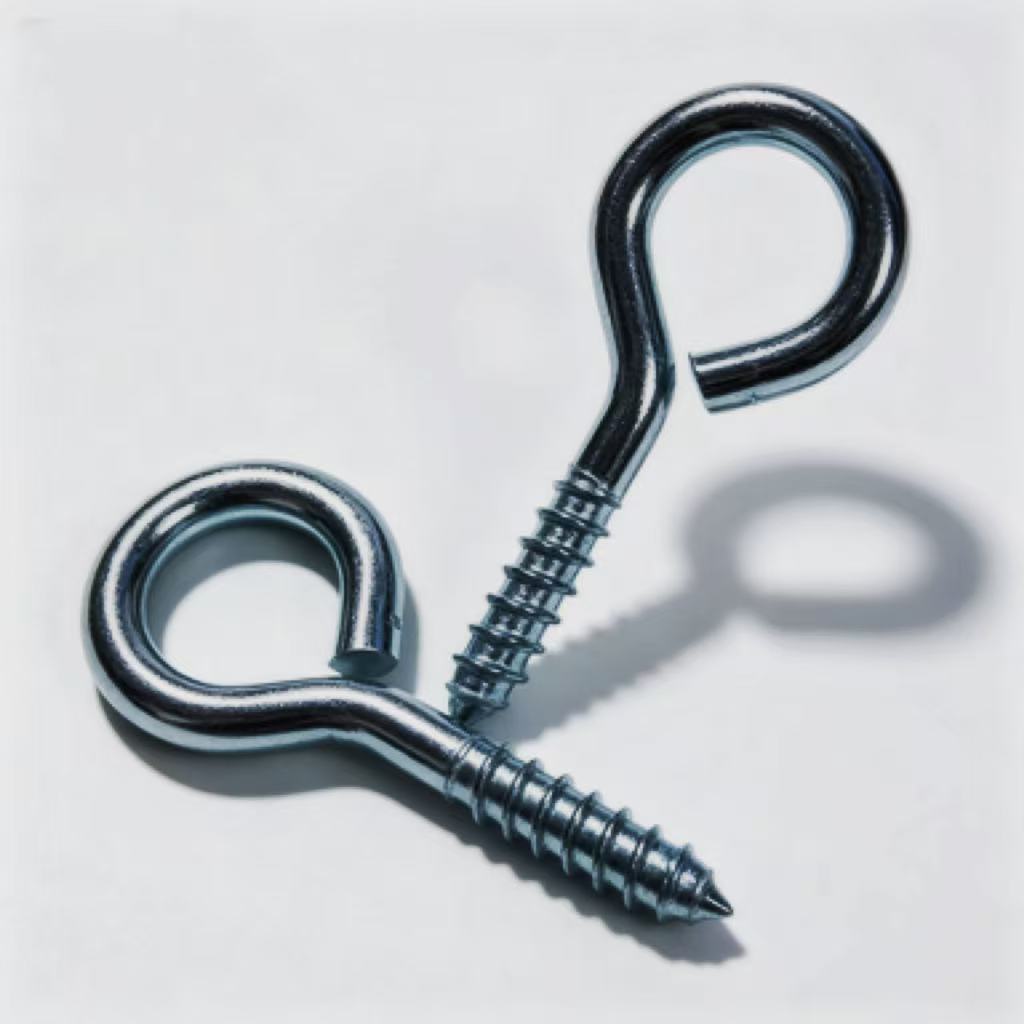
What sets such manufacturers apart is their dual focus on R&D and integrity. By investing heavily in high-tech talent and advanced production technologies, they have mastered the development of specialized products ranging from casing geckos to wooden teeth welded sheep’s eye screws and bolts. Their commitment goes beyond mere production; they actively engage in the scientific research required to meet diverse international benchmarks, including GB, DIN, JIS, and ANSI standards.
This “industry and trade combination” model ensures that customers receive not just hardware, but a comprehensive service package. A professional technical team works alongside state-of-the-art machinery to customize specifications, quality, and quantity according to precise client needs. Adhering to a philosophy of “quality first, customer first,” these facilities utilize perfect testing methods to guarantee that every exported product maintains the company’s reputation for reliability. For businesses seeking a partner that balances competitive pricing with rigorous quality control, this approach represents the ideal factory-direct engagement.
Frequently Asked Questions (FAQ)
Navigating the complexities of sourcing industrial hardware often raises specific questions. Below are answers to common inquiries regarding fasteners, OEM processes, and factory-direct engagements, designed to clarify decision-making for procurement professionals.
What is the typical lead time for custom OEM fasteners?
Lead times vary based on complexity and volume. Standard customizations may take 4-6 weeks, including tooling and sampling. Highly complex geometries or exotic materials might require 8-12 weeks. A top fasteners manufacturer will provide a detailed timeline during the quotation phase, accounting for design validation and pilot runs.
Can factory-direct manufacturers handle small batch orders?
While factories are optimized for high-volume production, many now offer flexible MOQs (Minimum Order Quantities) for prototype phases or niche markets. However, unit costs for small batches will be higher due to setup and tooling amortization. It is advisable to discuss projected annual volumes to negotiate favorable terms.
How do I verify the quality of fasteners from a new supplier?
Request a comprehensive Quality Package that includes Material Test Reports (MTRs), dimensional inspection records, and coating thickness measurements. Visiting the facility for an on-site audit is the most effective method to assess capabilities. Additionally, asking for references from current clients in similar industries can provide valuable insights.
What coatings are best for outdoor applications?
For severe outdoor environments, hot-dip galvanizing offers robust protection. For automotive or aesthetic applications, zinc-nickel or geometrically sealed coatings provide excellent corrosion resistance with tighter dimensional control. The choice depends on the specific environmental factors and budget constraints.
Is it possible to change the head style or drive type of a standard fastener?
Yes, this is a common OEM request. Changing head styles or drive types (e.g., from hex to Torx) requires new tooling but is straightforward for experienced manufacturers. This customization can improve assembly efficiency or prevent unauthorized disassembly in the field.
Future Trends in Fastener Technology
Looking beyond 2026, the fasteners industry is poised for further transformation driven by sustainability and smart manufacturing. The push for net-zero emissions is influencing material choices, with a growing interest in recycled steel alloys and low-carbon production methods.
Smart fasteners embedded with sensors are emerging in critical infrastructure. These components can monitor preload tension and detect loosening in real-time, transmitting data to maintenance systems. While currently niche, this technology promises to revolutionize predictive maintenance in aviation and heavy industry.
Additive manufacturing, or 3D printing, is also making inroads. While not yet viable for mass-producing standard nuts and bolts, it allows for the creation of highly complex, topology-optimized fasteners that were previously impossible to forge. As the technology matures, it will complement traditional methods for ultra-specialized applications.
Sustainability in the Supply Chain
Environmental responsibility is no longer optional. Leading manufacturers are investing in closed-loop water systems, energy-efficient furnaces, and waste-reduction programs. Buyers are increasingly evaluating suppliers based on their carbon footprint and sustainability certifications. Partnering with a green-conscious factory-direct provider aligns corporate procurement with broader ESG (Environmental, Social, and Governance) goals.
The future belongs to manufacturers who can balance high-performance engineering with ecological stewardship. Those who adapt to these trends will define the next generation of industrial standards, ensuring that the fundamental elements holding our world together are as sustainable as they are strong.
Conclusion: Selecting the Right Manufacturing Partner
In the evolving landscape of 2026, selecting a top fasteners manufacturer is a strategic decision that impacts product quality, cost efficiency, and brand reputation. The shift toward factory-direct and OEM collaborations offers businesses the agility and control needed to thrive in competitive markets. By prioritizing partners with advanced technological capabilities, rigorous quality standards, and a commitment to innovation, organizations can secure a reliable foundation for their engineering projects.
This guide highlights that the ideal partner is not just a producer of metal parts, but a solutions provider deeply integrated into your success. Whether for automotive, aerospace, or infrastructure, the right manufacturer brings expertise that transcends simple transaction.
Who should consider this approach? Engineering firms, procurement directors, and product developers managing large-scale productions or requiring bespoke components will benefit most from establishing direct factory relationships. If your project demands precision, traceability, and scalable growth, moving beyond traditional distribution channels is the logical next step.
To proceed, evaluate your current supply chain vulnerabilities and identify opportunities for direct engagement. Request detailed capability statements from potential partners, verify their certifications, and initiate a dialogue about your specific technical requirements. Taking this proactive step today positions your organization for resilience and excellence in the years ahead.